How Langur Monkeys Help Chital Deer Escape
In How Langur Monkeys Help Chital Deer Escape, narrator Sir David Attenborough follows a group of chital deer in India during the dry season as they search for food, all while staying alert for danger. Luckily, they have help from the langur monkeys, who spot a tiger from high in the trees and warn the deer, allowing them to escape safely — showing how animals can work together to stay alive in the wild! This video is excerpted from BBC’s Life, a show that explores the remarkable strategies animals and plants use to ensure their survival.
Sir David Attenborough looks at the extraordinary ends to which animals and plants go in order to survive. Learn more.
Lesson Express
Q: What does it mean that the chital deer must live with its senses “at a high pitch” at all times?
A: It means the deer always has to be extra alert and use its sharp hearing, sight, and smell to detect danger, like a tiger or another predator, before it gets too close. Letting its guard down and ignoring its senses could prove fatal for the deer.
Q: How might the chital deer’s heightened senses be an advantage in other parts of its life, besides avoiding predators?
A: The chital deer’s heightened senses help it find food, detect changes in the weather, and stay aware of its surroundings, which helps it stay safe and healthy in the wild.
Q: What do you think the relationship between the chital deer and langur monkeys tells us about how animals can help each other in nature?
A: The relationship shows that animals can work together to survive. While the chital deer rely on their senses to detect danger, the langur monkeys use their ability to see far and warn the deer, making them both safer in a dangerous environment.
More Like This
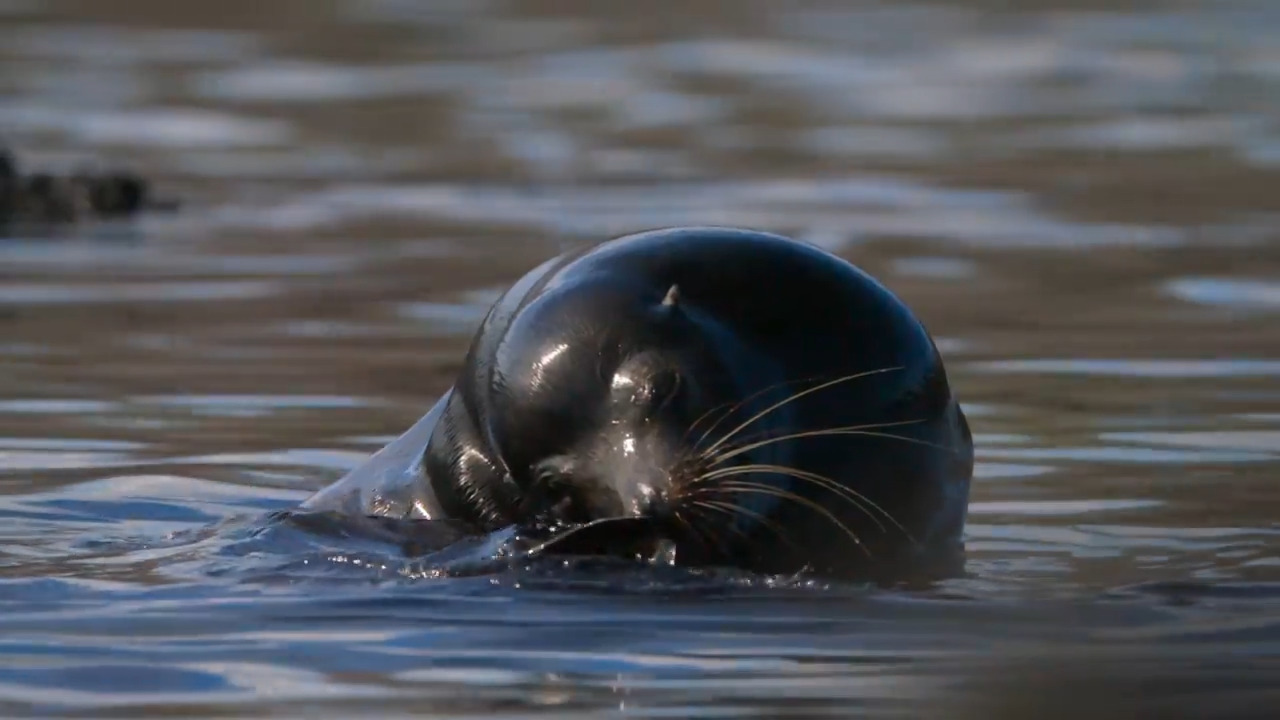
In On the Hunt with Sea Lions, narrator Sir David Attenborough explores how the sea lions of the Galapagos Islands use the rough and barren coastline to their advantage, enticing their prey into a cove. This video is excerpted from BBC’s Blue Planet II, a natural history series that explores the world's oceans, the animals that live in them, and the threats they face, using modern filming techniques and equipment to capture previously unseen areas of the ocean.
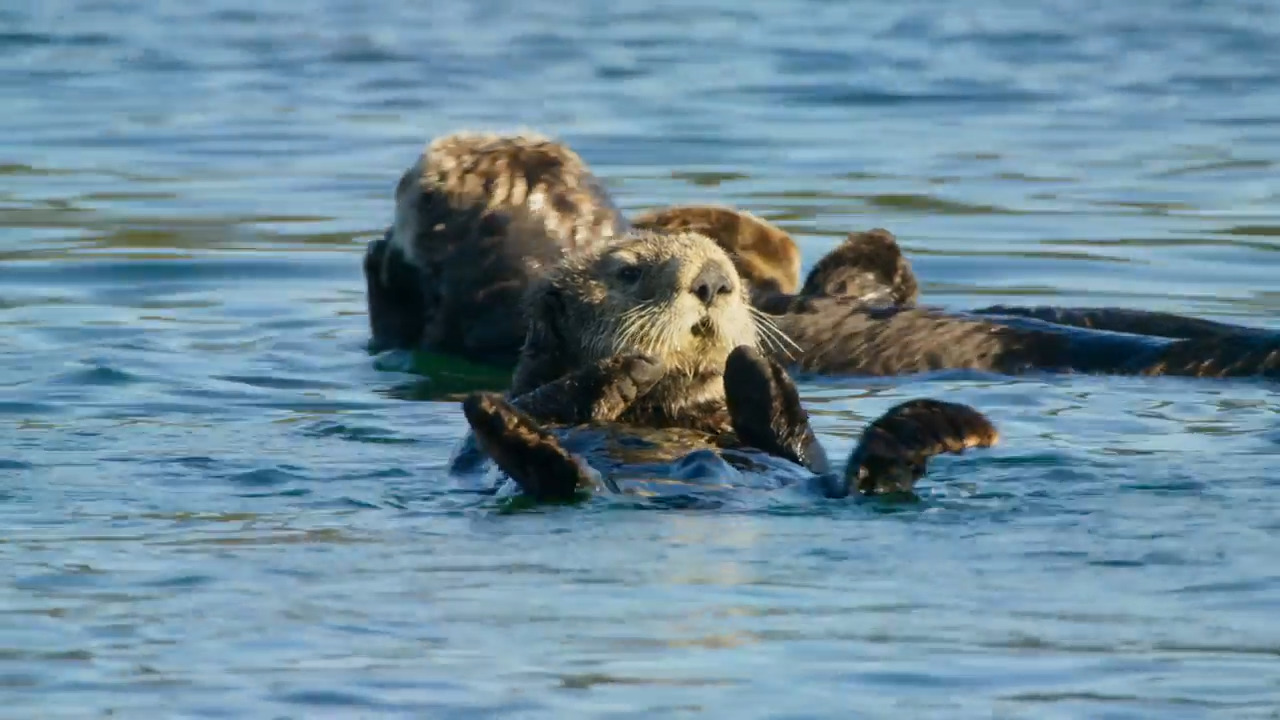
In A Sea Otter Comeback, narrator Sir David Attenborough explains how sea otters were hunted and almost became extinct, as well as why they are an important part of the ocean ecosystem. This video is excerpted from BBC’s Blue Planet II, a natural history series that explores the world's oceans, the animals that live in them, and the threats they face, using modern filming techniques and equipment to capture previously unseen areas of the ocean.
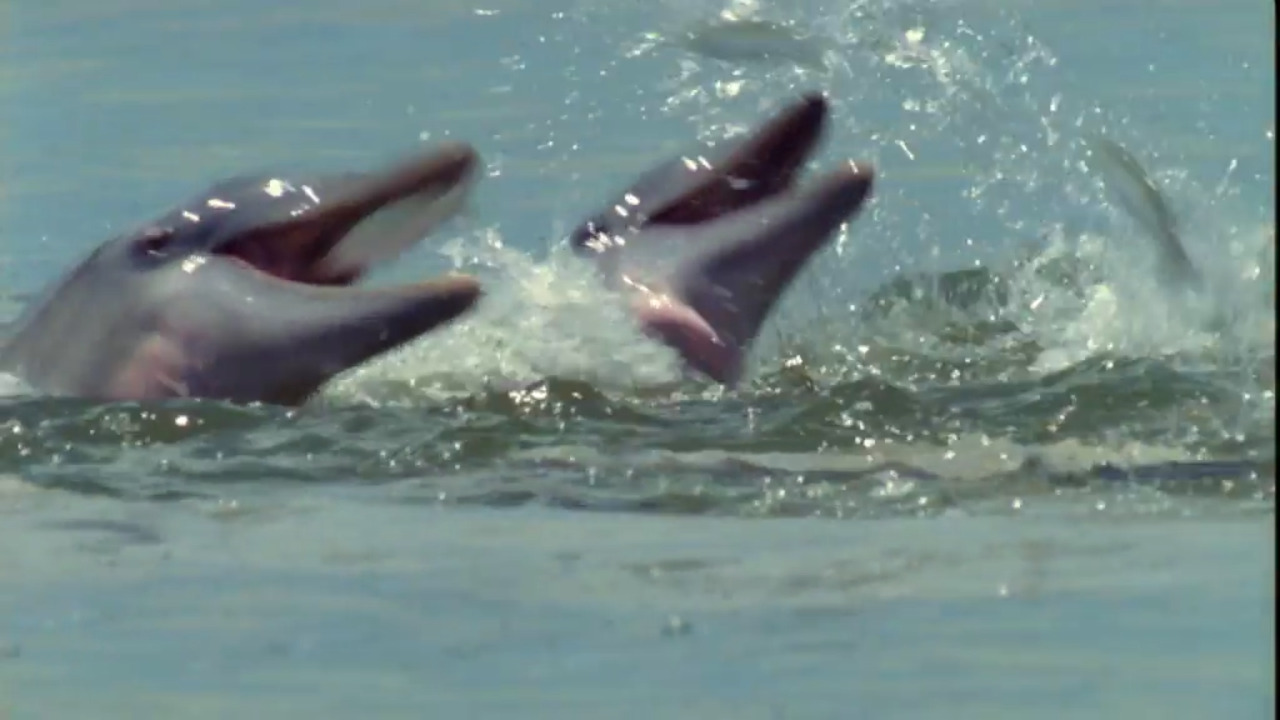
In Opportunity for Animals as the Tides Ebb and Flow, narrator Sir David Attenborough examines how the Moon’s impact on the Earth and the tides create opportunity for animals, like the bottlenose dolphins who move into shallow waters at high tide to feast on mullets. This video is excerpted from BBC’s Blue Planet, a definitive documentary series diving into the mysterious depths of the sea to discover the natural history of the world’s oceans and the rarely seen marine life that reside there.
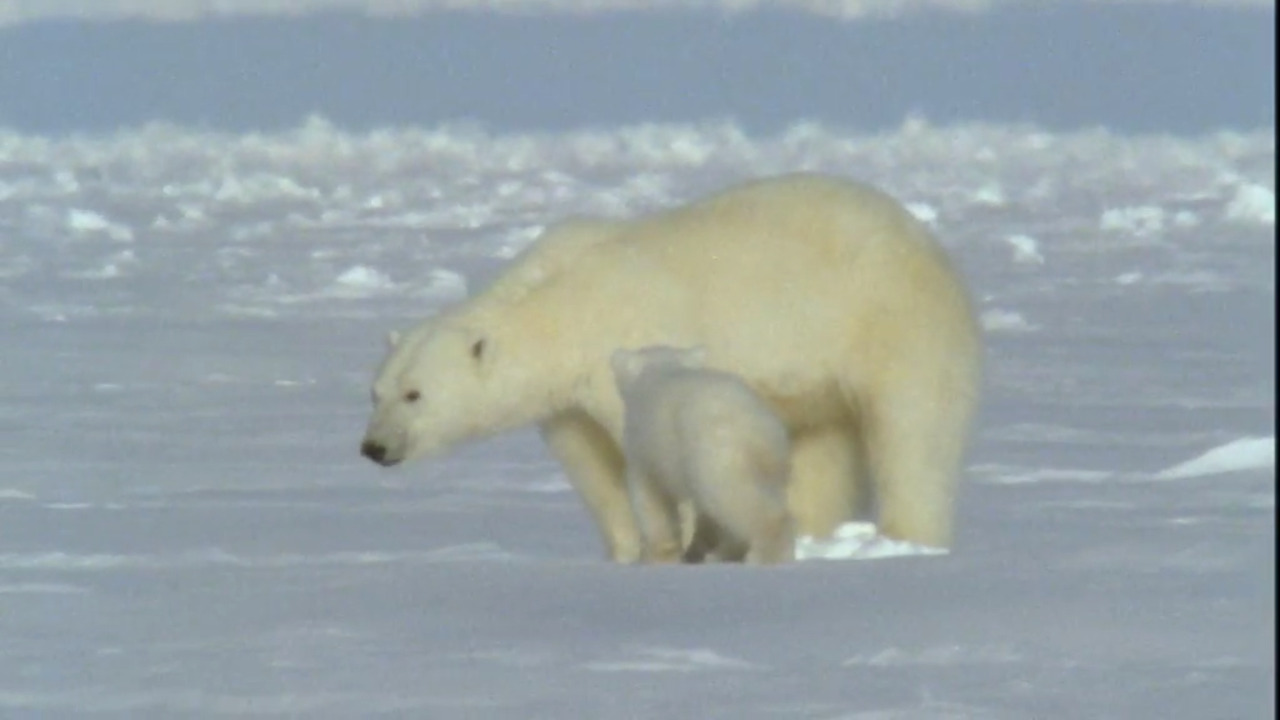
In Watch Polar Bears After Hibernation, narrator Sir David Attenborough explains how a mother polar bear and her cub hunt after waking up from hibernation. Learn how a mother polar bear tries to find a seal under the ice. Watch a polar bear cub learn and play. This video is excerpted from BBC’s Blue Planet, a definitive documentary series diving into the mysterious depths of the sea to discover the natural history of the world’s oceans and the rarely seen marine life that reside there.
In On the Hunt with Sea Lions, narrator Sir David Attenborough explores how the sea lions of the Galapagos Islands use the rough and barren coastline to their advantage, enticing their prey into a cove. This video is excerpted from BBC’s Blue Planet II, a natural history series that explores the world's oceans, the animals that live in them, and the threats they face, using modern filming techniques and equipment to capture previously unseen areas of the ocean.
In A Sea Otter Comeback, narrator Sir David Attenborough explains how sea otters were hunted and almost became extinct, as well as why they are an important part of the ocean ecosystem. This video is excerpted from BBC’s Blue Planet II, a natural history series that explores the world's oceans, the animals that live in them, and the threats they face, using modern filming techniques and equipment to capture previously unseen areas of the ocean.
In Opportunity for Animals as the Tides Ebb and Flow, narrator Sir David Attenborough examines how the Moon’s impact on the Earth and the tides create opportunity for animals, like the bottlenose dolphins who move into shallow waters at high tide to feast on mullets. This video is excerpted from BBC’s Blue Planet, a definitive documentary series diving into the mysterious depths of the sea to discover the natural history of the world’s oceans and the rarely seen marine life that reside there.
In Watch Polar Bears After Hibernation, narrator Sir David Attenborough explains how a mother polar bear and her cub hunt after waking up from hibernation. Learn how a mother polar bear tries to find a seal under the ice. Watch a polar bear cub learn and play. This video is excerpted from BBC’s Blue Planet, a definitive documentary series diving into the mysterious depths of the sea to discover the natural history of the world’s oceans and the rarely seen marine life that reside there.