Life
Sir David Attenborough looks at the extraordinary ends to which animals and plants go in order to survive.
Life gives upper elementary and middle school students a close-up look at the extraordinary strategies animals and plants use to survive. The program makes concepts like adaptation, animal behavior, competition, and biodiversity vivid and memorable through remarkable wildlife stories.
Ages 8–14
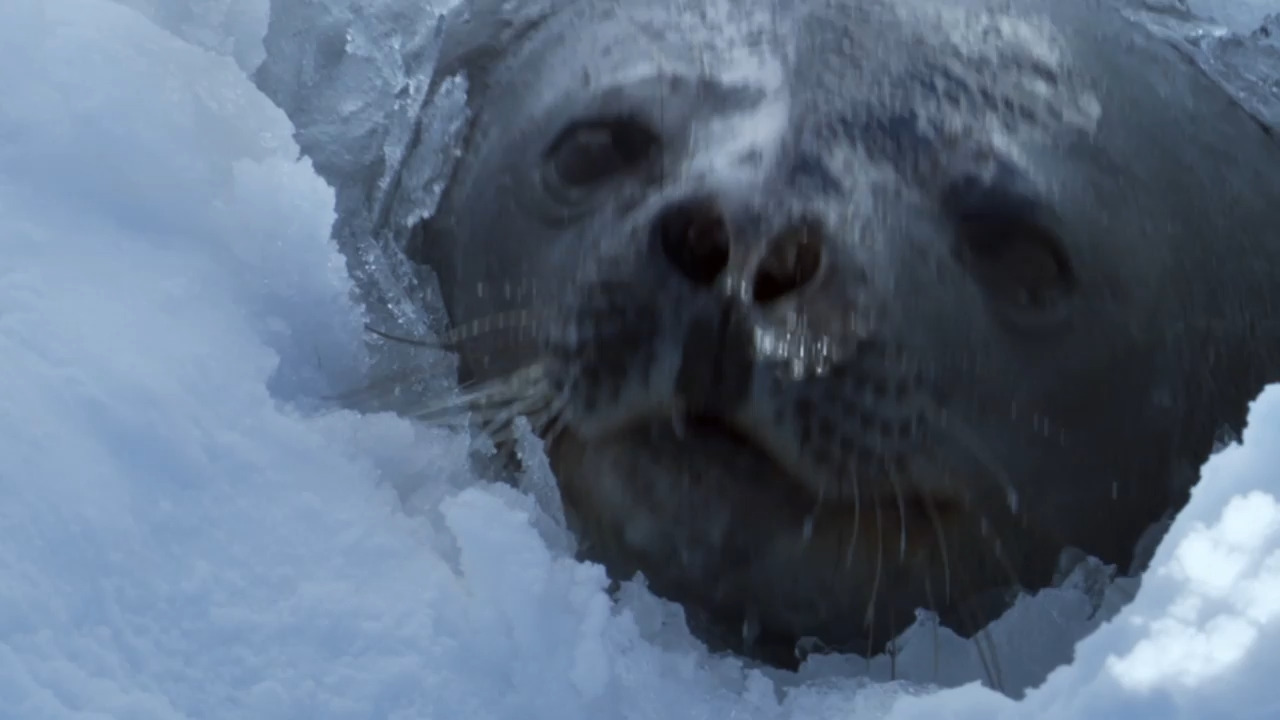
In A Weddell Seal Family's Journey, narrator Sir David Attenborough describes how a mother seal and her pup brave the freezing cold near the South Pole. These seals are the only animals that can survive here, staying warm thanks to a thick layer of fat beneath their skin and their special fur. The mother feeds her pup and carefully maintains their diving hole in the water to prevent it from freezing over, ensuring they can get air. And, at just one week old, the pup takes its first swim beneath the ice! This video is excerpted from BBC’s Life, a show that explores the remarkable strategies animals and plants use to ensure their survival.
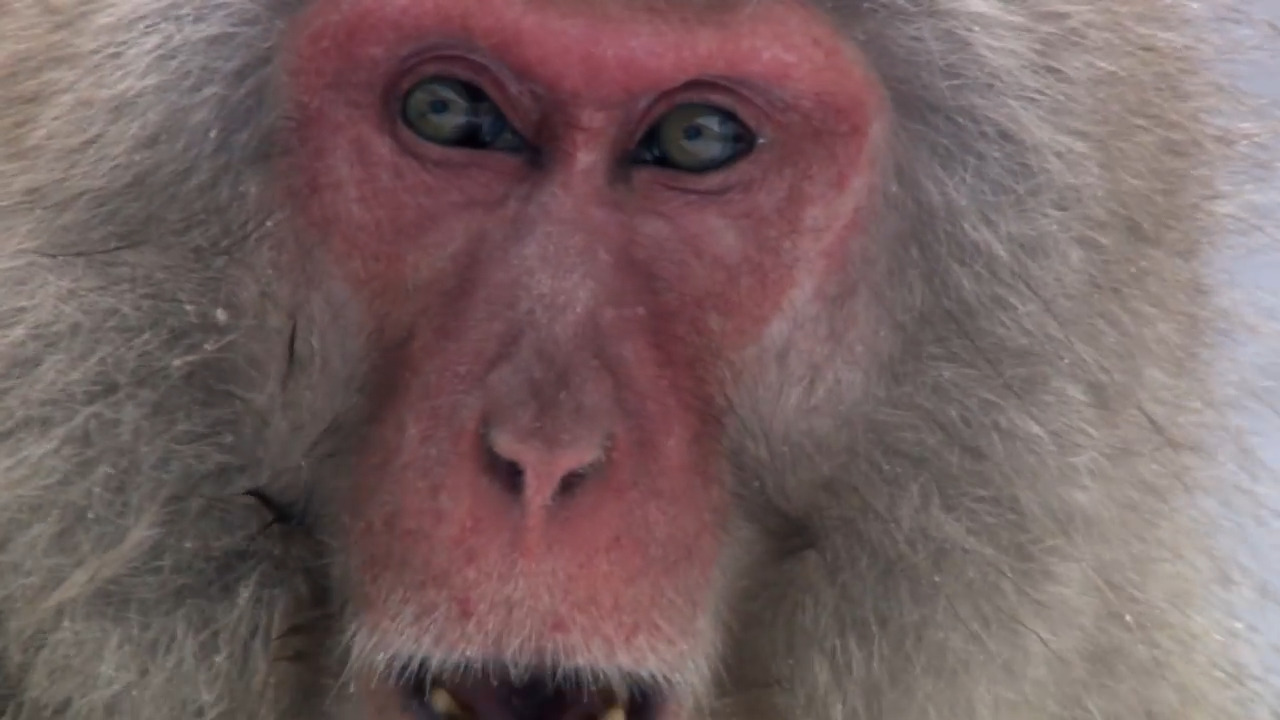
In A Hierarchy of Japanese Macaques, these monkeys native to Japan are trying to survive the harsh Japanese winter. They seek out a thermal spa, then primate politics comes into play. This video is excerpted from BBC's Life, a show that explores the remarkable strategies animals and plants use to ensure their survival.
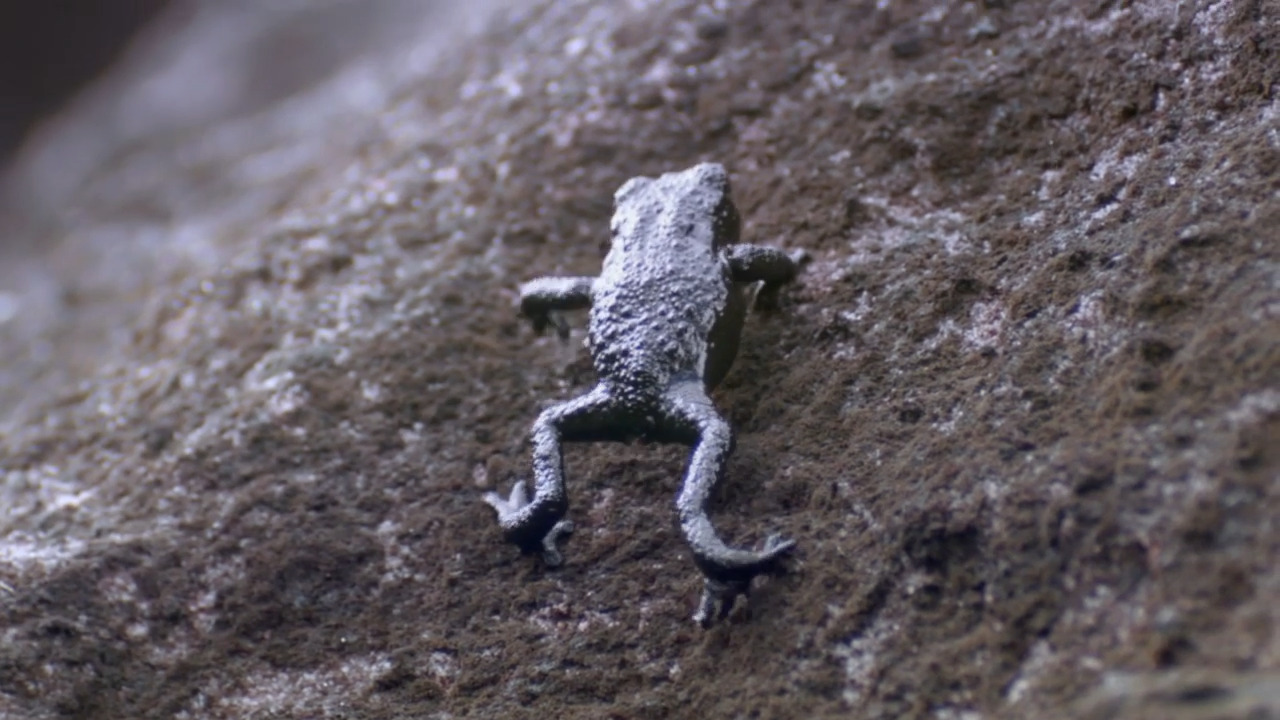
In The Pebble Toad’s Survival Tactic, narrator Sir David Attenborough introduces the tiny pebble toad from Venezuela that's smaller than a stamp! Living high in the rocks, it faces a unique danger — a toad-eating tarantula. Like the waterfall toad, the pebble toad can’t jump far enough to escape, so it uses a clever trick: it free-falls down the rocks, making its body stiff like a rubber ball, bouncing safely to the ground! This video is excerpted from BBC's Life, a show that explores the remarkable strategies animals and plants use to ensure their survival.
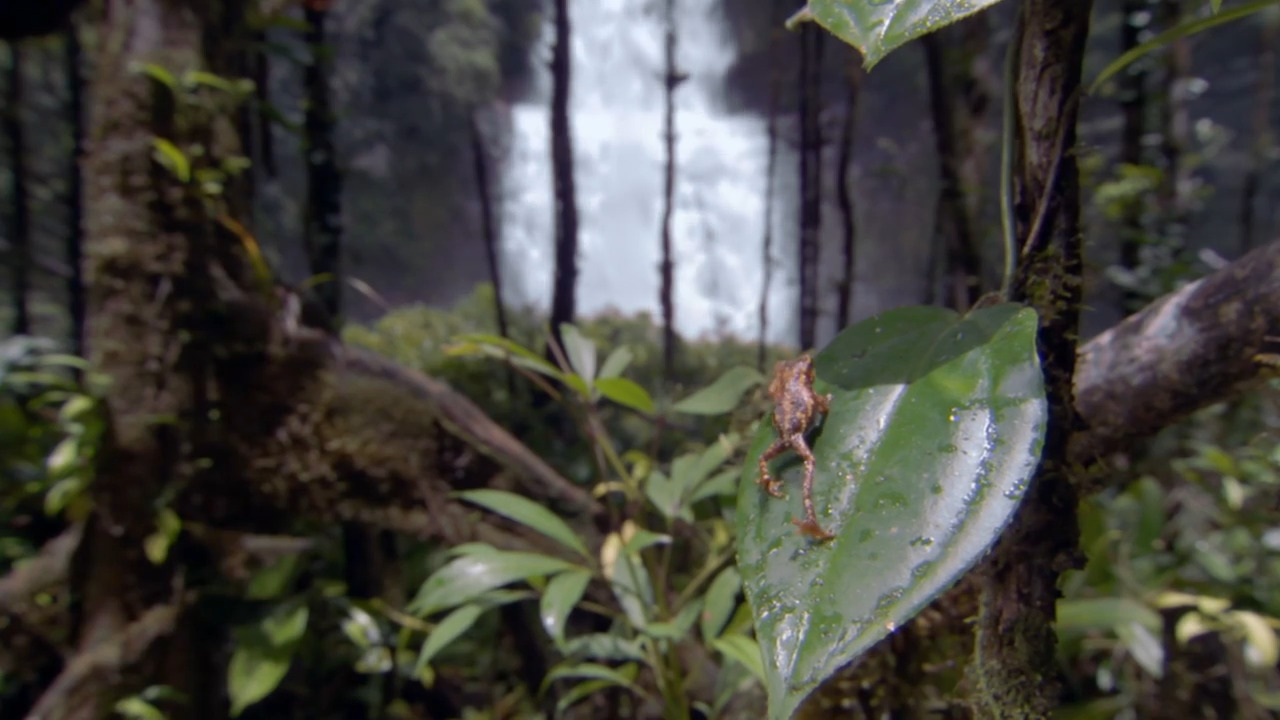
In The Amazing Waterfall Toad, narrator Sir David Attenborough introduces the amazing waterfall toad, a tiny creature that lives in the jungles where Brazil and Venezuela meet. About the size of a postage stamp, this toad has super gripping hands that help it cling to trees and wet leaves in the treetops. While other frogs might hop away from danger, the waterfall toad has a unique strategy that protects it from hungry snakes below. This video is excerpted from BBC's Life, a show that explores the remarkable strategies animals and plants use to ensure their survival.
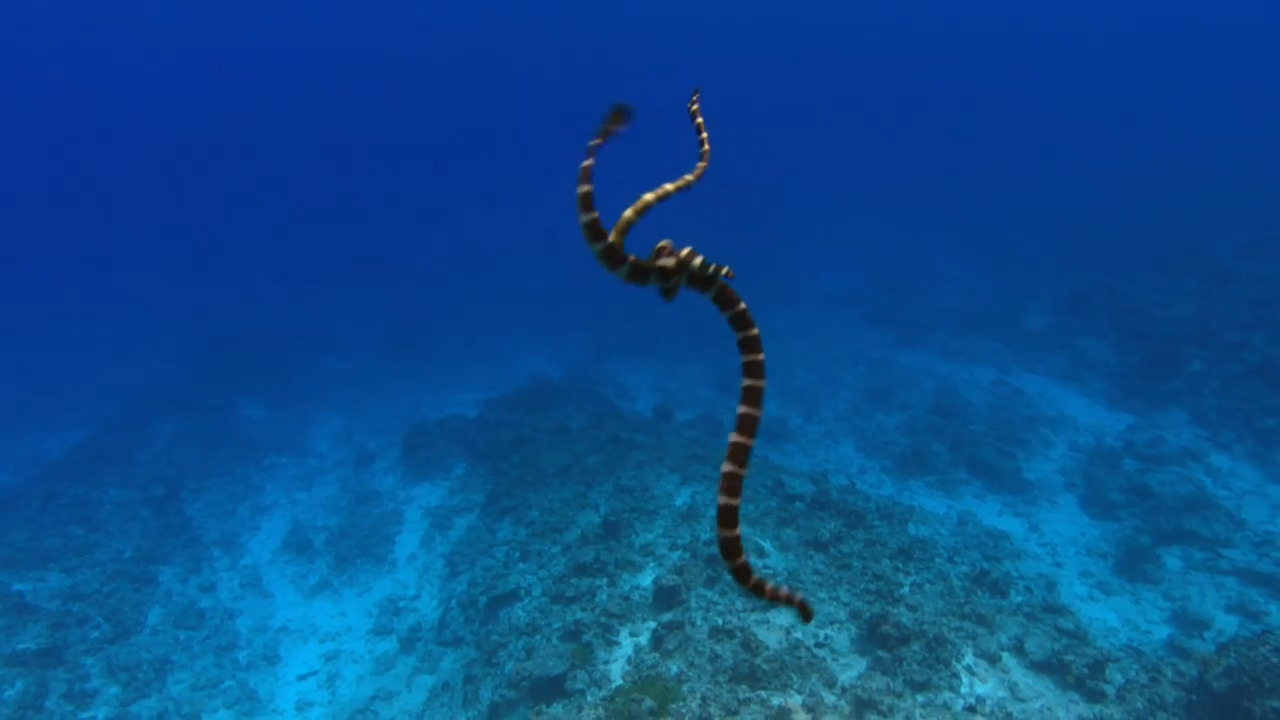
In The Strange Life of the Sea Krait, narrator Sir David Attenborough discovers the mysterious sea krait snake, a reptile that has completely adapted to life underwater. Unlike most land-dwelling reptiles, the female sea krait only leaves the ocean when it's time to lay her eggs, finding secret caverns with air pockets. Six months later, the baby snakes hatch and make their way back to the water, continuing this fascinating cycle. This video is excerpted from BBC's Life, a show that explores the remarkable strategies animals and plants use to ensure their survival.
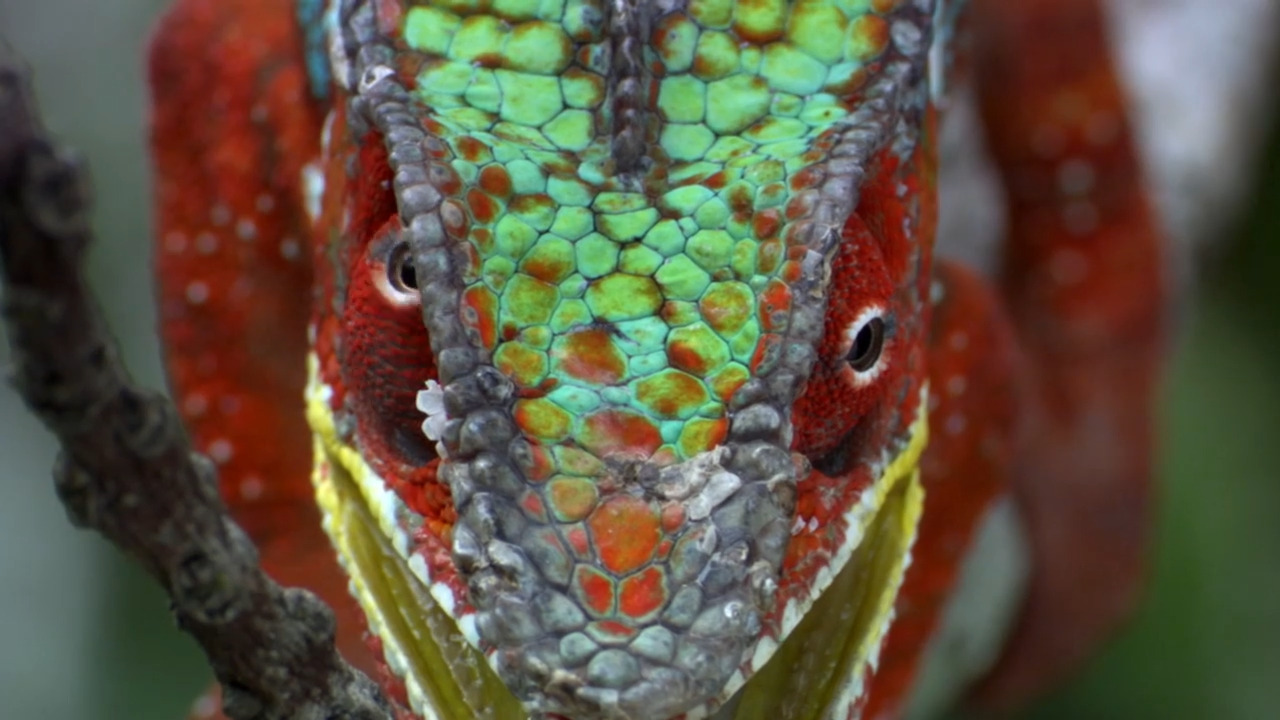
In The Panther Chameleon’s Survival Skills, narrator Sir David Attenborough looks at the amazing panther chameleon and how it has adapted to survive. This chameleon uses its long, fast tongue like a missile to catch insects, and its toes act like pincers to grip branches. Its eyes rotate in all directions, and its skin changes color to blend in with its surroundings, helping it thrive and hunt in the jungles of Madagascar. This video is excerpted from BBC's Life, a show that explores the remarkable strategies animals and plants use to ensure their survival.
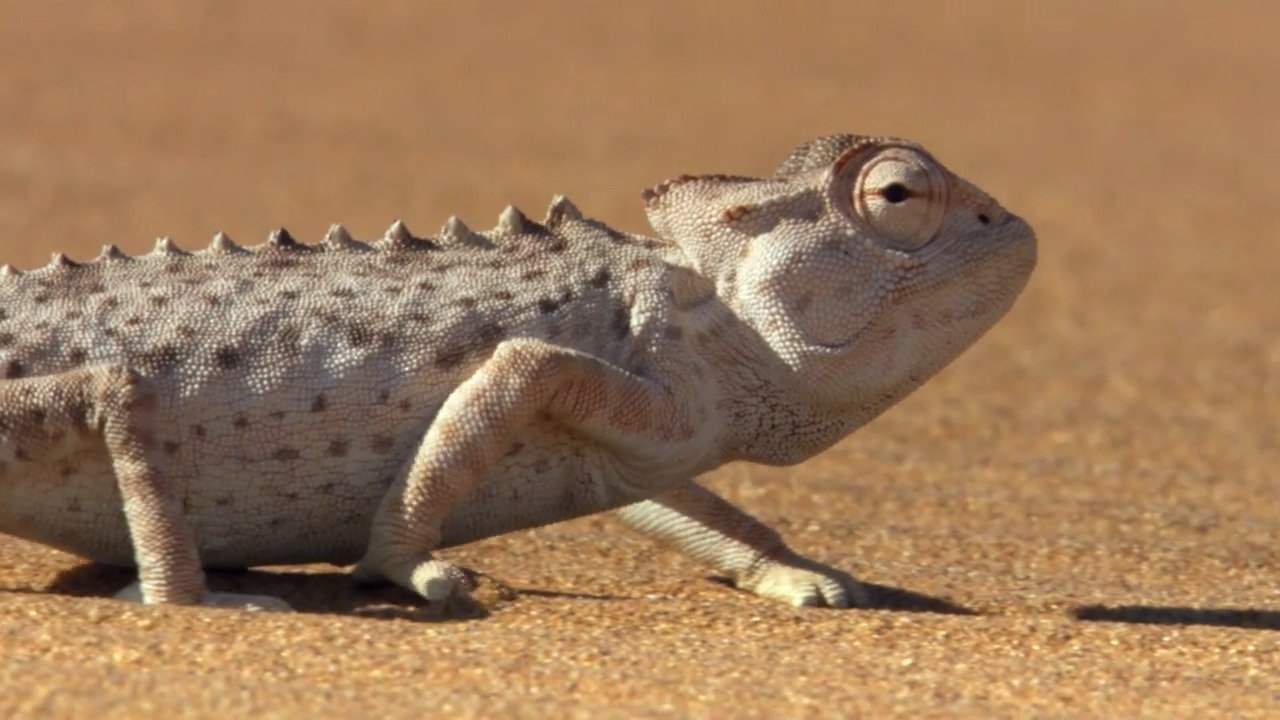
In The Life of a Namaqua Chameleon, narrator Sir David Attenborough follows a determined Namaqua chameleon as it leaves tiny footprints in the sand as it treks along the desert. Its hunt for food is a game of patience — waiting for beetles to seek shade before striking with its lightning-fast tongue. Life here is tough, and even finding a mate comes with challenges, but this remarkable chameleon shows how to thrive in one of the harshest places on Earth. This video is excerpted from BBC's Life, a show that explores the remarkable strategies animals and plants use to ensure their survival.
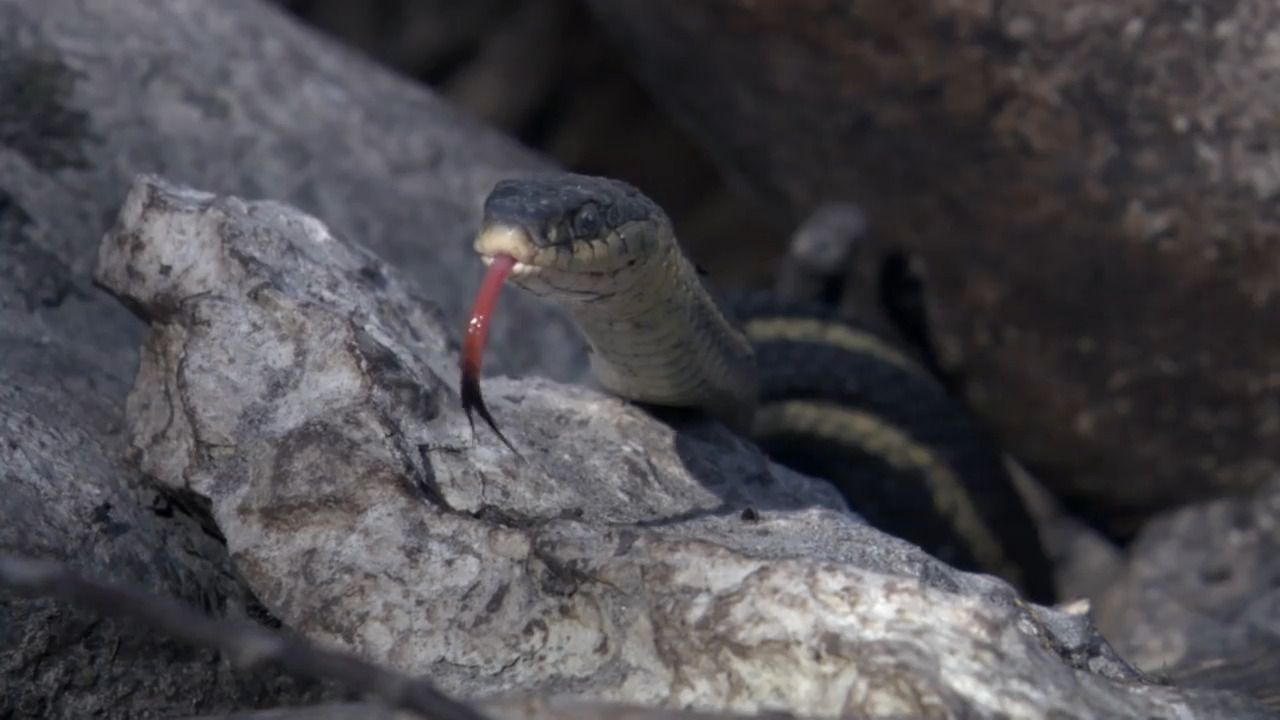
In How Snakes Keep Warm in the Cold, narrator Sir David Attenborough describes how red-sided garter snakes survive -40°F (40°C) temperatures during winter as they hibernate underground. Watch as 10,000 males slowly wake up and pile on top of each other for warmth. The race is on for the males to find a mate, but one sneaky snake has a trick up his scales — he pretends to be a female to get warmed up by the others! This video is excerpted from BBC’s Life, a show that explores the remarkable strategies animals and plants use to ensure their survival.
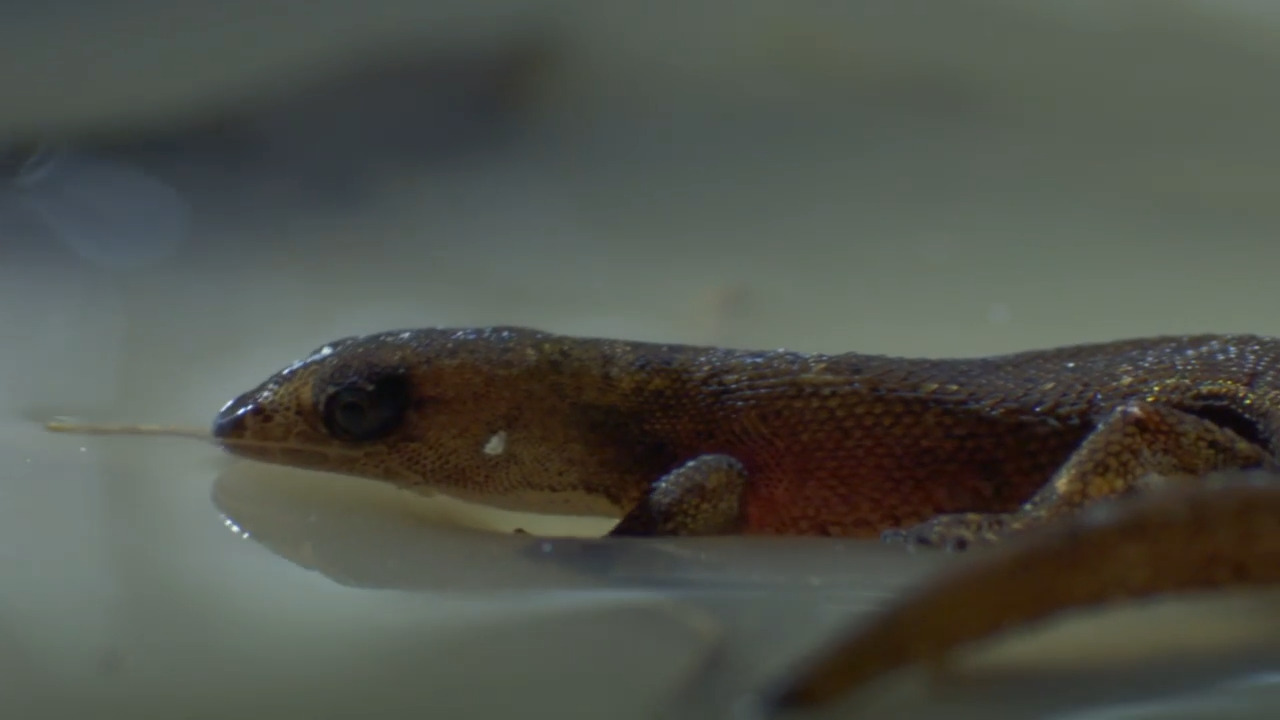
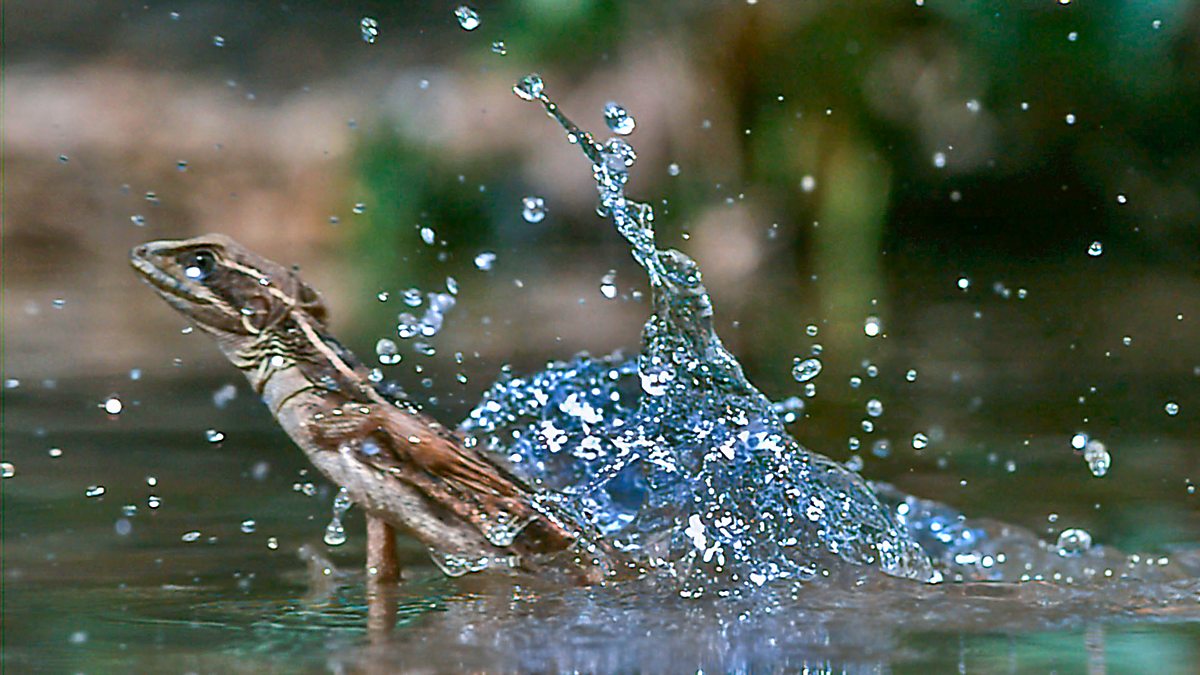
In A Gecko’s Survival Tale, narrator Sir David Attenborough introduces the Brazilian pygmy gecko, a rainforest creature so tiny it could rest on your fingertip! This speedy little gecko has amazing survival tricks, like hydrophobic skin that keeps it dry and the ability to stand on water. Even in the face of a rainstorm, this gecko’s lightweight and clever moves help it thrive in its wild and watery home. This video is excerpted from BBC's Life, a show that explores the remarkable strategies animals and plants use to ensure their survival.
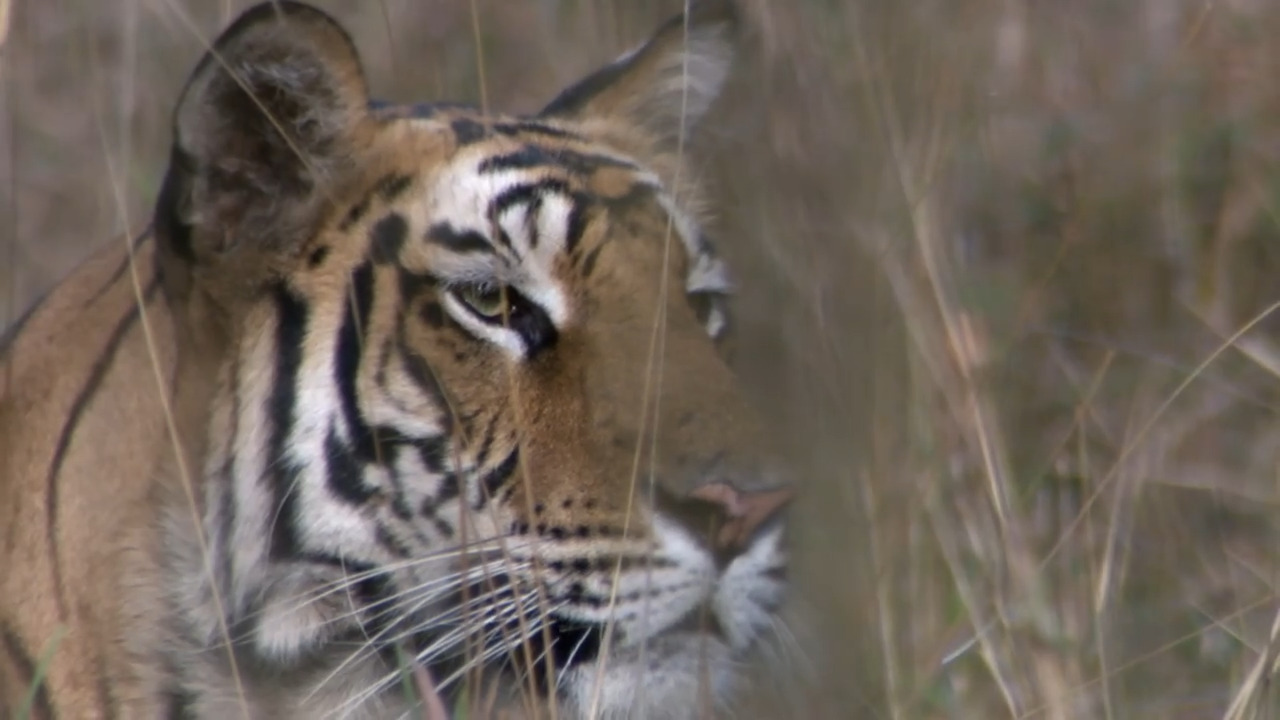
In How Langur Monkeys Help Chital Deer Escape, narrator Sir David Attenborough follows a group of chital deer in India during the dry season as they search for food, all while staying alert for danger. Luckily, they have help from the langur monkeys, who spot a tiger from high in the trees and warn the deer, allowing them to escape safely — showing how animals can work together to stay alive in the wild! This video is excerpted from BBC’s Life, a show that explores the remarkable strategies animals and plants use to ensure their survival.
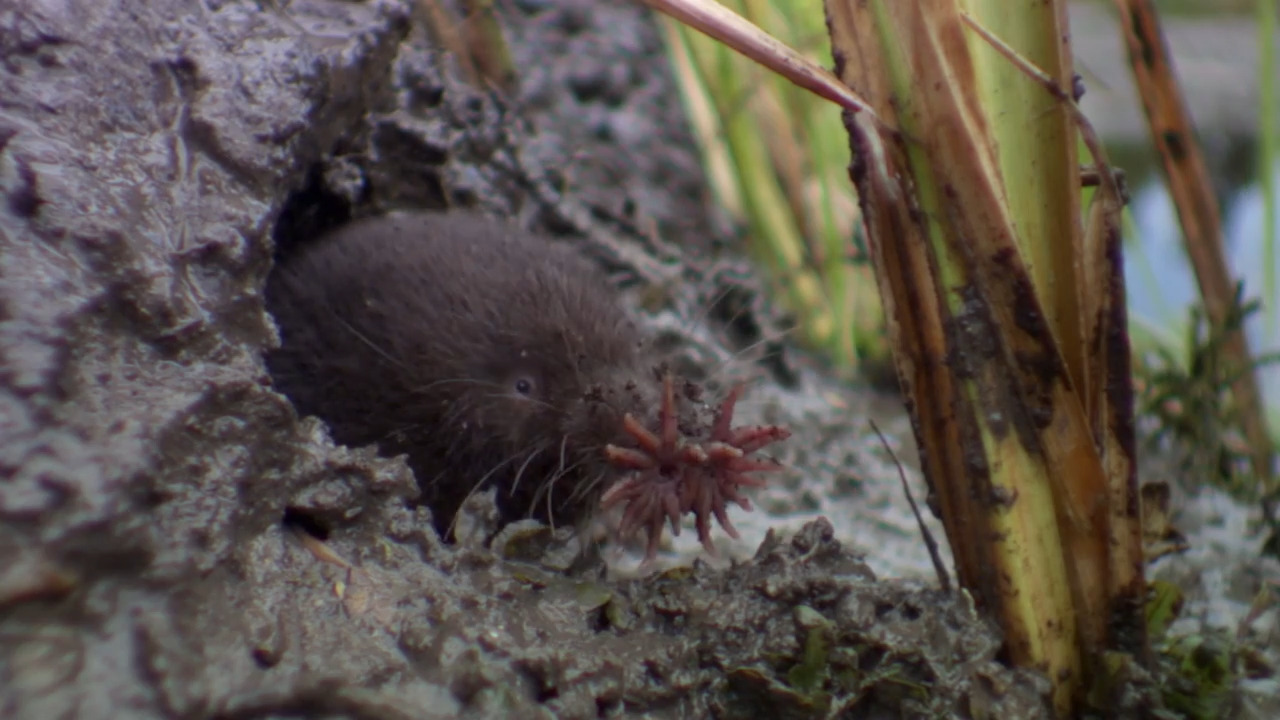
In Meet the Star-Nosed Mole, narrator Sir David Attenborough discovers the star-nosed mole, a creature with the most unique nose on Earth! Its nose has 22 tiny finger-like appendages that help the mole feel and detect food incredibly fast. Not only does this mole live and dig underground, but it can also swim — making it one of the fastest hunters both on land and in water! This video is excerpted from BBC's Life, a show that explores the remarkable strategies animals and plants use to ensure their survival.
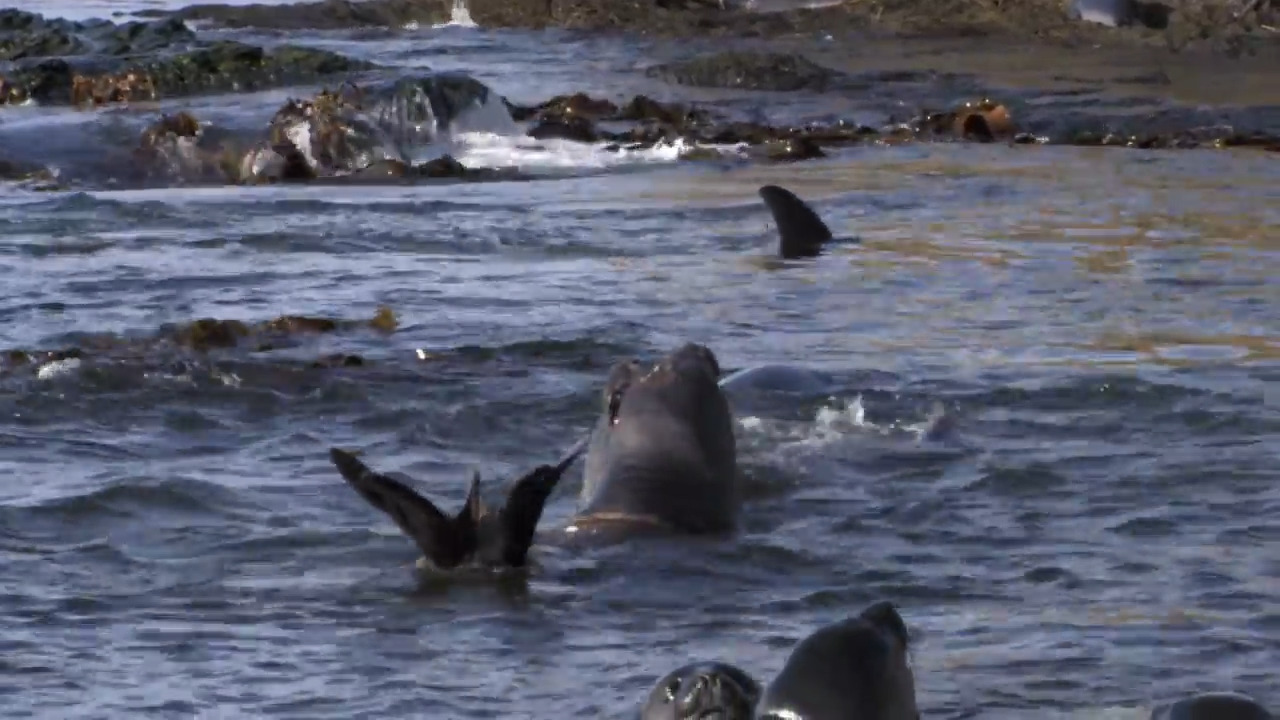
In Orca Life and Hunting Skills, narrator Sir David Attenborough explores the world of orcas, the largest and most powerful members of the dolphin family. Follow this pod of nine, including a mother and her calf, as they navigate a narrow channel to hunt elephant seals. Using careful timing and strategy, the mother secures a meal, highlighting the intelligence and skill of these apex predators. This video is excerpted from BBC's Life, a show that explores the remarkable strategies animals and plants use to ensure their survival.
In A Weddell Seal Family's Journey, narrator Sir David Attenborough describes how a mother seal and her pup brave the freezing cold near the South Pole. These seals are the only animals that can survive here, staying warm thanks to a thick layer of fat beneath their skin and their special fur. The mother feeds her pup and carefully maintains their diving hole in the water to prevent it from freezing over, ensuring they can get air. And, at just one week old, the pup takes its first swim beneath the ice! This video is excerpted from BBC’s Life, a show that explores the remarkable strategies animals and plants use to ensure their survival.
In A Hierarchy of Japanese Macaques, these monkeys native to Japan are trying to survive the harsh Japanese winter. They seek out a thermal spa, then primate politics comes into play. This video is excerpted from BBC's Life, a show that explores the remarkable strategies animals and plants use to ensure their survival.
In The Pebble Toad’s Survival Tactic, narrator Sir David Attenborough introduces the tiny pebble toad from Venezuela that's smaller than a stamp! Living high in the rocks, it faces a unique danger — a toad-eating tarantula. Like the waterfall toad, the pebble toad can’t jump far enough to escape, so it uses a clever trick: it free-falls down the rocks, making its body stiff like a rubber ball, bouncing safely to the ground! This video is excerpted from BBC's Life, a show that explores the remarkable strategies animals and plants use to ensure their survival.
In The Amazing Waterfall Toad, narrator Sir David Attenborough introduces the amazing waterfall toad, a tiny creature that lives in the jungles where Brazil and Venezuela meet. About the size of a postage stamp, this toad has super gripping hands that help it cling to trees and wet leaves in the treetops. While other frogs might hop away from danger, the waterfall toad has a unique strategy that protects it from hungry snakes below. This video is excerpted from BBC's Life, a show that explores the remarkable strategies animals and plants use to ensure their survival.
In The Strange Life of the Sea Krait, narrator Sir David Attenborough discovers the mysterious sea krait snake, a reptile that has completely adapted to life underwater. Unlike most land-dwelling reptiles, the female sea krait only leaves the ocean when it's time to lay her eggs, finding secret caverns with air pockets. Six months later, the baby snakes hatch and make their way back to the water, continuing this fascinating cycle. This video is excerpted from BBC's Life, a show that explores the remarkable strategies animals and plants use to ensure their survival.
In The Panther Chameleon’s Survival Skills, narrator Sir David Attenborough looks at the amazing panther chameleon and how it has adapted to survive. This chameleon uses its long, fast tongue like a missile to catch insects, and its toes act like pincers to grip branches. Its eyes rotate in all directions, and its skin changes color to blend in with its surroundings, helping it thrive and hunt in the jungles of Madagascar. This video is excerpted from BBC's Life, a show that explores the remarkable strategies animals and plants use to ensure their survival.
In The Life of a Namaqua Chameleon, narrator Sir David Attenborough follows a determined Namaqua chameleon as it leaves tiny footprints in the sand as it treks along the desert. Its hunt for food is a game of patience — waiting for beetles to seek shade before striking with its lightning-fast tongue. Life here is tough, and even finding a mate comes with challenges, but this remarkable chameleon shows how to thrive in one of the harshest places on Earth. This video is excerpted from BBC's Life, a show that explores the remarkable strategies animals and plants use to ensure their survival.
In How Snakes Keep Warm in the Cold, narrator Sir David Attenborough describes how red-sided garter snakes survive -40°F (40°C) temperatures during winter as they hibernate underground. Watch as 10,000 males slowly wake up and pile on top of each other for warmth. The race is on for the males to find a mate, but one sneaky snake has a trick up his scales — he pretends to be a female to get warmed up by the others! This video is excerpted from BBC’s Life, a show that explores the remarkable strategies animals and plants use to ensure their survival.
In A Gecko’s Survival Tale, narrator Sir David Attenborough introduces the Brazilian pygmy gecko, a rainforest creature so tiny it could rest on your fingertip! This speedy little gecko has amazing survival tricks, like hydrophobic skin that keeps it dry and the ability to stand on water. Even in the face of a rainstorm, this gecko’s lightweight and clever moves help it thrive in its wild and watery home. This video is excerpted from BBC's Life, a show that explores the remarkable strategies animals and plants use to ensure their survival.
In How Langur Monkeys Help Chital Deer Escape, narrator Sir David Attenborough follows a group of chital deer in India during the dry season as they search for food, all while staying alert for danger. Luckily, they have help from the langur monkeys, who spot a tiger from high in the trees and warn the deer, allowing them to escape safely — showing how animals can work together to stay alive in the wild! This video is excerpted from BBC’s Life, a show that explores the remarkable strategies animals and plants use to ensure their survival.
In Meet the Star-Nosed Mole, narrator Sir David Attenborough discovers the star-nosed mole, a creature with the most unique nose on Earth! Its nose has 22 tiny finger-like appendages that help the mole feel and detect food incredibly fast. Not only does this mole live and dig underground, but it can also swim — making it one of the fastest hunters both on land and in water! This video is excerpted from BBC's Life, a show that explores the remarkable strategies animals and plants use to ensure their survival.
In Orca Life and Hunting Skills, narrator Sir David Attenborough explores the world of orcas, the largest and most powerful members of the dolphin family. Follow this pod of nine, including a mother and her calf, as they navigate a narrow channel to hunt elephant seals. Using careful timing and strategy, the mother secures a meal, highlighting the intelligence and skill of these apex predators. This video is excerpted from BBC's Life, a show that explores the remarkable strategies animals and plants use to ensure their survival.