The First Political Parties in America
During George Washington’s presidency, disagreements over the nation’s future led to the formation of two political factions: the Federalists, led by Alexander Hamilton, and the Republicans, led by Thomas Jefferson. Federalists supported a strong central government and the growth of manufacturing and trade, while Republicans favored greater power for ordinary citizens and an economy centered on farming.
Despite their differences, the two groups reached compromises on major issues, including the federal government’s assumption of state debts and the location of the national capital. These early debates helped establish the nation’s first political parties and shaped the development of American government.

Lesson Express
Q: What did the Federalists believe?
A: Elites should rule and trade was essential to building power.
Q: What did the Republicans believe?
A: Individual people, especially farmers, should be in charge.
Q: How important was compromise as the Founders established the United States?
A: Student response will vary. Students may say it was very important because they were making so many decisions that would impact the country, like where the capitol would be.
You Might Also Like
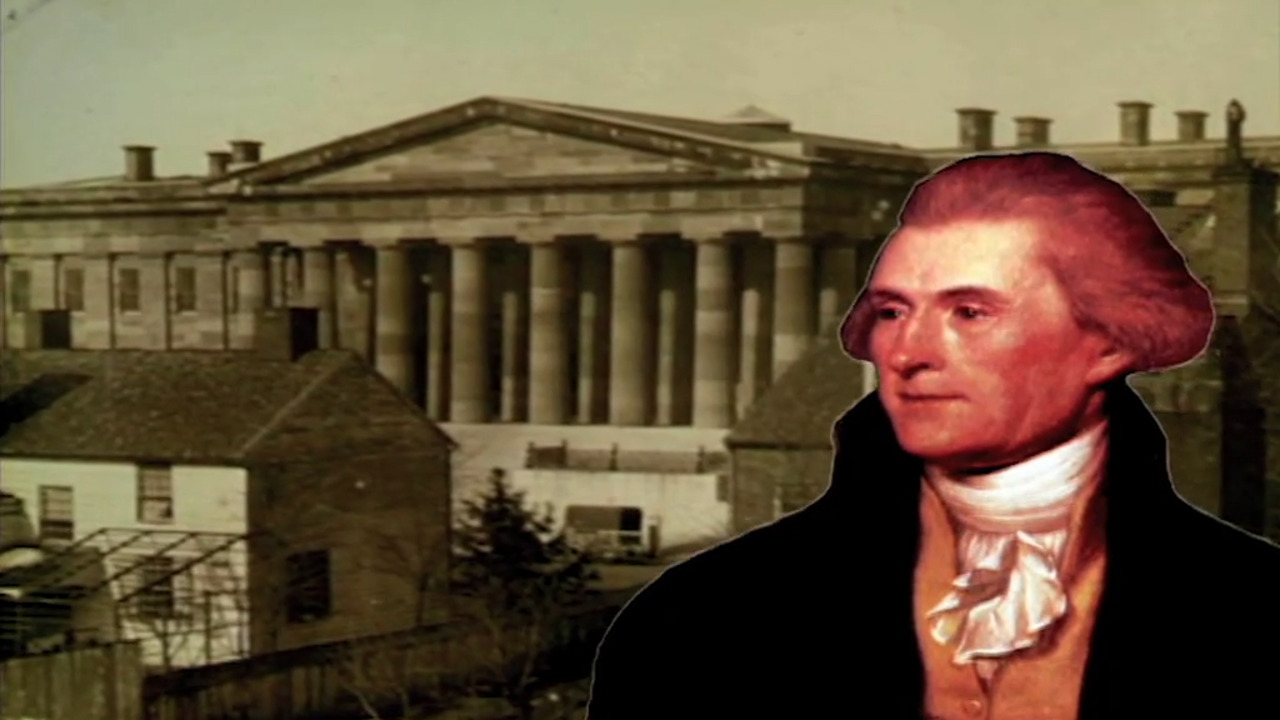
In Thomas Jefferson Takes Power, learn how Thomas Jefferson became the first president inaugurated in Washington, D.C., and promoted freedom of religion and the separation of church and state. He significantly reduced the national debt, reformed taxes, and faced early foreign challenges, including confrontations with Barbary pirates. Jefferson also oversaw the Louisiana Purchase, doubling the size of the United States, and commissioned exploration of the Mississippi River.
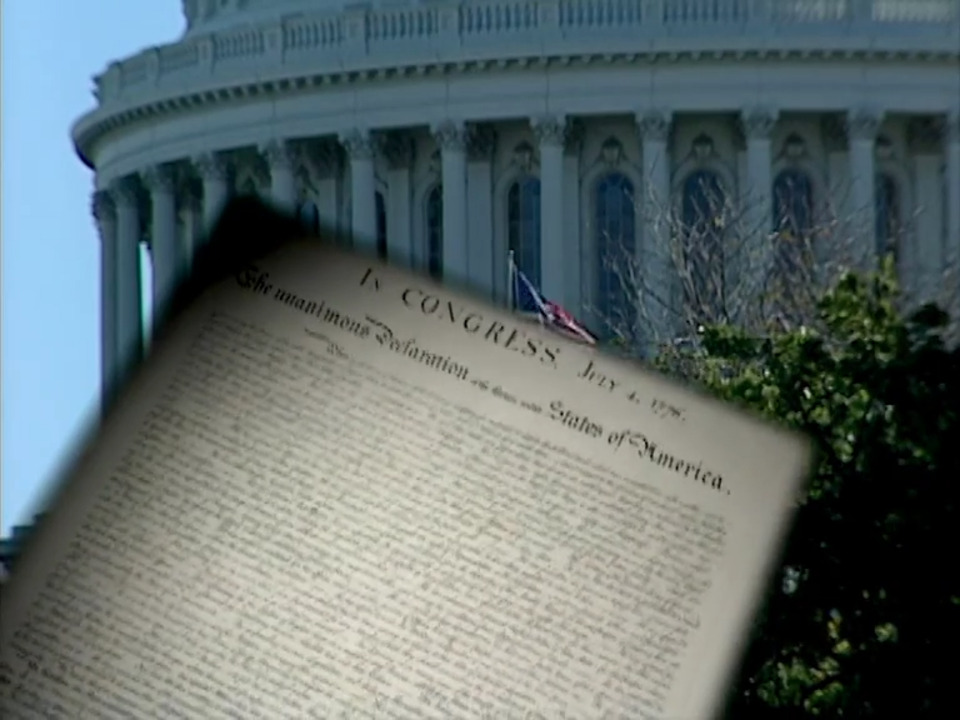
In Thomas Jefferson and the Declaration of Independence, learn how the colonies made the case for independence from Britain during the Revolutionary War. A Committee of Five, including Thomas Jefferson, drafted the document, drawing on ideas from the Virginia Declaration of Rights and John Locke. The Declaration outlined reasons for independence, the philosophy behind it, the king’s offenses, and concluded with the resolution for freedom. It was approved on July 4, 1776, and its original draft is now on permanent display in Washington, D.C.
In Thomas Jefferson Takes Power, learn how Thomas Jefferson became the first president inaugurated in Washington, D.C., and promoted freedom of religion and the separation of church and state. He significantly reduced the national debt, reformed taxes, and faced early foreign challenges, including confrontations with Barbary pirates. Jefferson also oversaw the Louisiana Purchase, doubling the size of the United States, and commissioned exploration of the Mississippi River.
In Thomas Jefferson and the Declaration of Independence, learn how the colonies made the case for independence from Britain during the Revolutionary War. A Committee of Five, including Thomas Jefferson, drafted the document, drawing on ideas from the Virginia Declaration of Rights and John Locke. The Declaration outlined reasons for independence, the philosophy behind it, the king’s offenses, and concluded with the resolution for freedom. It was approved on July 4, 1776, and its original draft is now on permanent display in Washington, D.C.