Medicine During the Civil War
During the Civil War, weapons had advanced faster than battlefield medicine. Surgeons faced overwhelming numbers of wounded soldiers with limited training and few effective treatments. Anesthesia made surgery possible, but serious limb injuries often led to amputation, while infections remained a major threat.
Disease was an even greater danger. Twice as many soldiers died from disease as from battle wounds, as doctors did not yet understand the importance of sterile conditions and infection prevention. Military hospitals treated tens of thousands of wounded and sick soldiers, revealing the enormous human cost of the war.

Lesson Express
Q: What were Civil War surgeons dealing with?
A: Surgeons did not have a lot of experience, they were operating with old-fashioned techniques, and were not prepared for the types of injuries that were happening.
Q: Why was disease more dangerous than enemy fire?
A: Twice as many men died of disease. People did not understand how hygiene impacted infection and the spread of disease.
Q: What does this video make you wonder?
A: Student responses will vary. Students may ask questions about what happened to men after the war or how advancements during the Civil War impacted medicine overall.
You Might Also Like
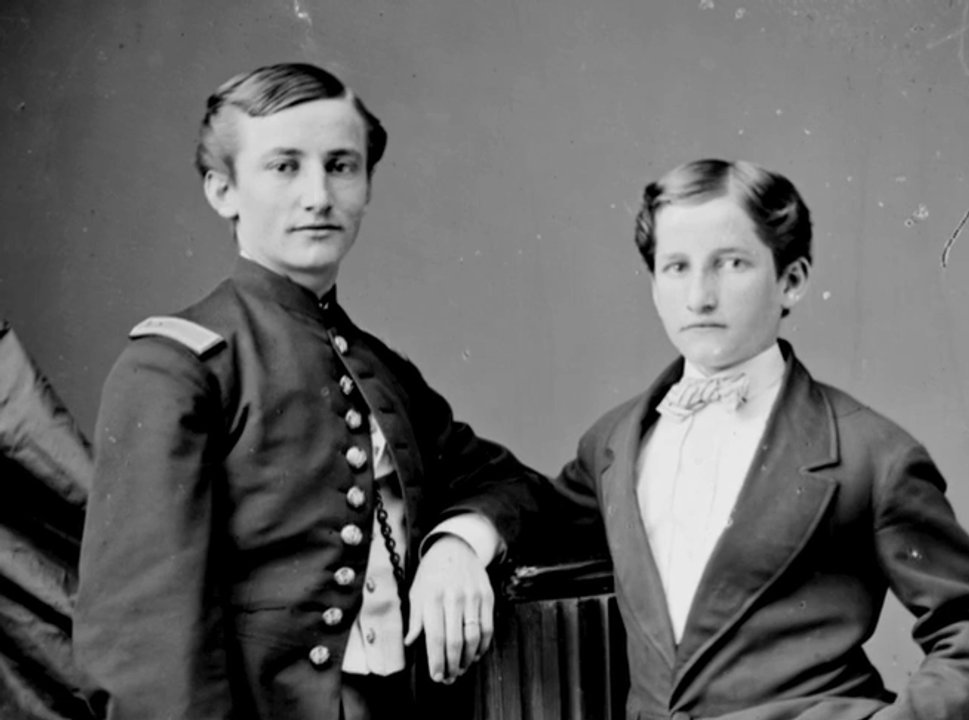
During the Civil War, Kentucky was divided between the Union and Confederacy. Although Kentucky was a slave state, most residents did not own enslaved people, and the state had strong ties to both North and South. At first, Kentucky tried to remain neutral, but after Confederate and Union troops entered the state in 1861, Kentucky sided with the Union.
The conflict divided Kentucky communities and families. Some residents supported the Confederacy, while others fought for the Union. The Crittenden family became a well-known example: brothers George and Thomas Crittenden became generals on opposite sides. After a Union victory at the Battle of Perryville in 1862, Confederate forces withdrew from Kentucky, leaving the state under Union control.
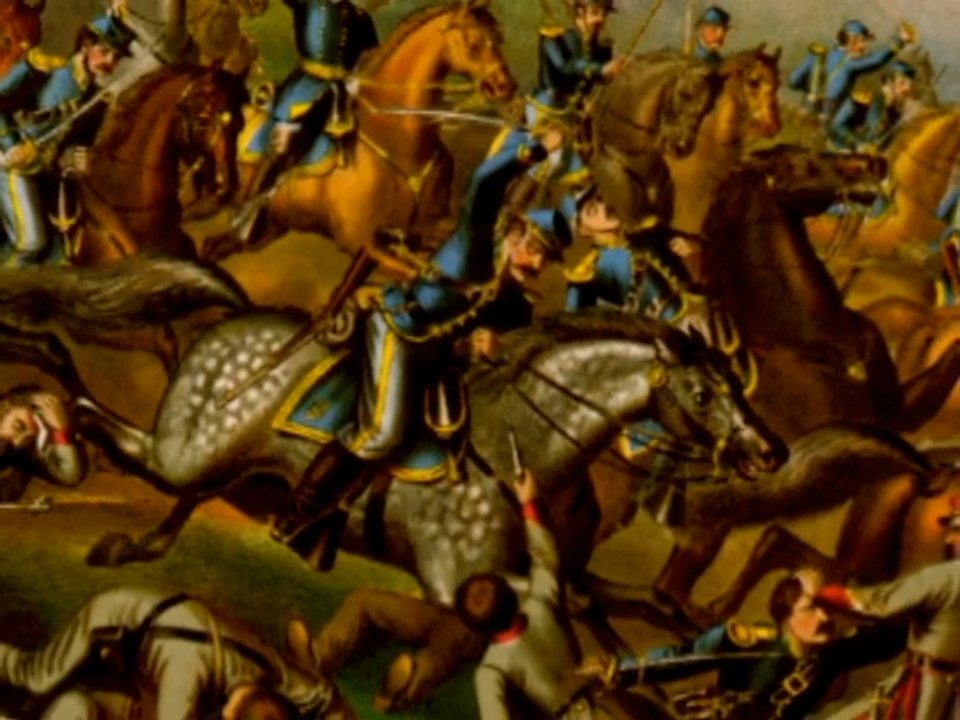
By the summer of 1863, the Civil War had lasted more than two years, with victories and defeats on both sides. In July, two major battles changed the course of the conflict. At Gettysburg, Pennsylvania, Union forces led by General George Meade repelled Confederate General Robert E. Lee’s invasion of the North. The failed Pickett’s Charge resulted in heavy Confederate losses and forced Lee’s army to retreat.
At the same time, Union General Ulysses S. Grant’s siege of Vicksburg, Mississippi, forced Confederate General John C. Pemberton to surrender. The Union victory secured control of the Mississippi River, dividing the Confederacy and disrupting its supply lines. Together, the defeats at Gettysburg and Vicksburg marked a turning point in the war, shifting momentum toward the Union.
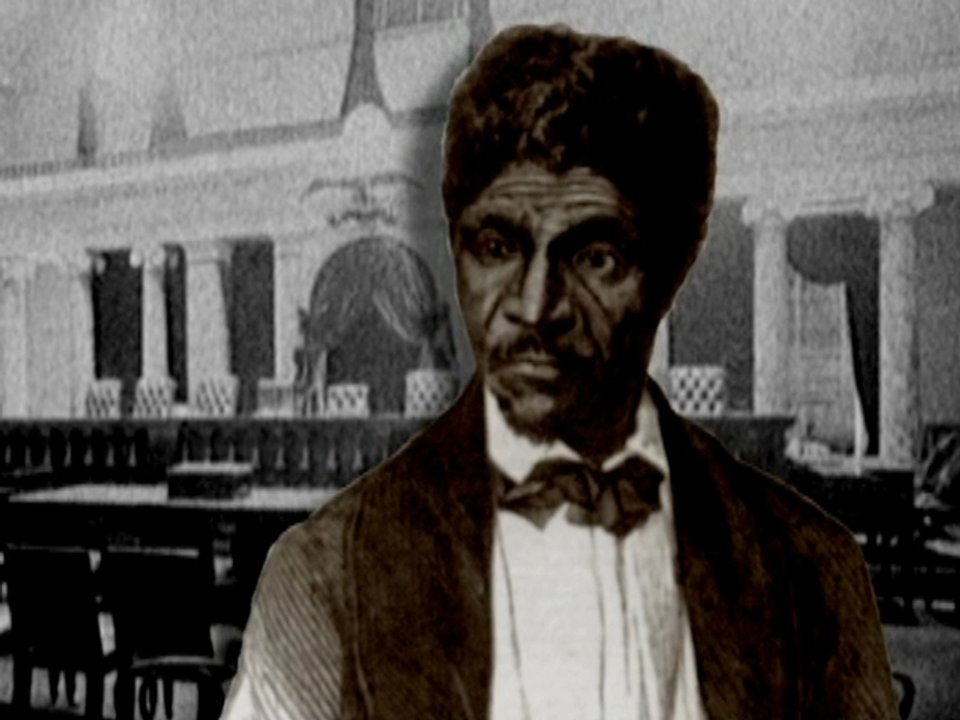
Dred Scott, an enslaved man, sued for his freedom in a case that eventually reached the U.S. Supreme Court in 1857. The Court ruled that Black Americans could not be U.S. citizens and that Scott had no right to sue in federal court. It also declared the Missouri Compromise unconstitutional, further intensifying the growing conflict over slavery.
The decision denied Scott his freedom and deepened divisions between the North and South. Although Scott was later freed by the family that had originally enslaved him, he died less than a year later. His case became a defining moment in the growing conflict over slavery that preceded the Civil War.
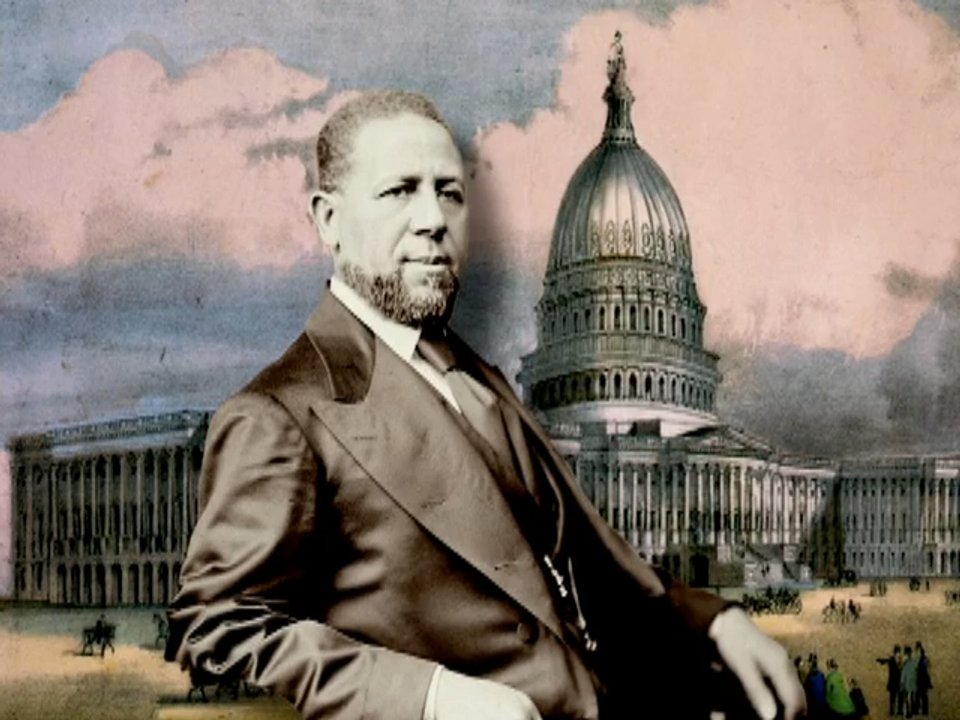
After the Civil War, Reconstruction brought major changes to the United States. The 13th, 14th, and 15th Amendments abolished slavery and extended citizenship and voting rights to African Americans. Black Americans also broke new ground in government, including Hiram Rhodes Revels, the first Black U.S. Senator, and Blanche Kelso Bruce, the first formerly enslaved person to serve a full Senate term. But
Reconstruction faced fierce opposition in the South, where many white leaders resisted federal authority and Black political and economic progress. The disputed presidential election of 1876 brought the era to an end, and federal troops withdrew from the South. Reconstruction governments collapsed, paving the way for Jim Crow laws and decades of legalized racial discrimination.
During the Civil War, Kentucky was divided between the Union and Confederacy. Although Kentucky was a slave state, most residents did not own enslaved people, and the state had strong ties to both North and South. At first, Kentucky tried to remain neutral, but after Confederate and Union troops entered the state in 1861, Kentucky sided with the Union.
The conflict divided Kentucky communities and families. Some residents supported the Confederacy, while others fought for the Union. The Crittenden family became a well-known example: brothers George and Thomas Crittenden became generals on opposite sides. After a Union victory at the Battle of Perryville in 1862, Confederate forces withdrew from Kentucky, leaving the state under Union control.
By the summer of 1863, the Civil War had lasted more than two years, with victories and defeats on both sides. In July, two major battles changed the course of the conflict. At Gettysburg, Pennsylvania, Union forces led by General George Meade repelled Confederate General Robert E. Lee’s invasion of the North. The failed Pickett’s Charge resulted in heavy Confederate losses and forced Lee’s army to retreat.
At the same time, Union General Ulysses S. Grant’s siege of Vicksburg, Mississippi, forced Confederate General John C. Pemberton to surrender. The Union victory secured control of the Mississippi River, dividing the Confederacy and disrupting its supply lines. Together, the defeats at Gettysburg and Vicksburg marked a turning point in the war, shifting momentum toward the Union.
Dred Scott, an enslaved man, sued for his freedom in a case that eventually reached the U.S. Supreme Court in 1857. The Court ruled that Black Americans could not be U.S. citizens and that Scott had no right to sue in federal court. It also declared the Missouri Compromise unconstitutional, further intensifying the growing conflict over slavery.
The decision denied Scott his freedom and deepened divisions between the North and South. Although Scott was later freed by the family that had originally enslaved him, he died less than a year later. His case became a defining moment in the growing conflict over slavery that preceded the Civil War.
After the Civil War, Reconstruction brought major changes to the United States. The 13th, 14th, and 15th Amendments abolished slavery and extended citizenship and voting rights to African Americans. Black Americans also broke new ground in government, including Hiram Rhodes Revels, the first Black U.S. Senator, and Blanche Kelso Bruce, the first formerly enslaved person to serve a full Senate term. But
Reconstruction faced fierce opposition in the South, where many white leaders resisted federal authority and Black political and economic progress. The disputed presidential election of 1876 brought the era to an end, and federal troops withdrew from the South. Reconstruction governments collapsed, paving the way for Jim Crow laws and decades of legalized racial discrimination.