Opportunity and Oppression During Reconstruction
After the Civil War, Reconstruction brought major changes to the United States. The 13th, 14th, and 15th Amendments abolished slavery and extended citizenship and voting rights to African Americans. Black Americans also broke new ground in government, including Hiram Rhodes Revels, the first Black U.S. Senator, and Blanche Kelso Bruce, the first formerly enslaved person to serve a full Senate term. But
Reconstruction faced fierce opposition in the South, where many white leaders resisted federal authority and Black political and economic progress. The disputed presidential election of 1876 brought the era to an end, and federal troops withdrew from the South. Reconstruction governments collapsed, paving the way for Jim Crow laws and decades of legalized racial discrimination.
 Advisory: Contains discriminatory language.

Lesson Express
Q: Why might it have been controversial to reintegrate the Confederacy back into the Union?
A: Student responses will vary. Students may suggest that the Confederacy had rebelled and wanted to leave the Union, so the Union should not have welcomed it back.
Q: What did this video confirm for you? How did it challenge your thinking?
A: Student responses will vary. Students may talk about how they knew that life after the Civil War was still segregated and that African Americans were not immediately integrated into society, but they did not know that some African Americans did rise to prominence.
Q: The Jim Crow laws made African Americans into “second class citizens.” What does this mean?
A: African Americans had fewer rights, fewer protections, and fewer opportunities than their white counterparts.
You Might Also Like
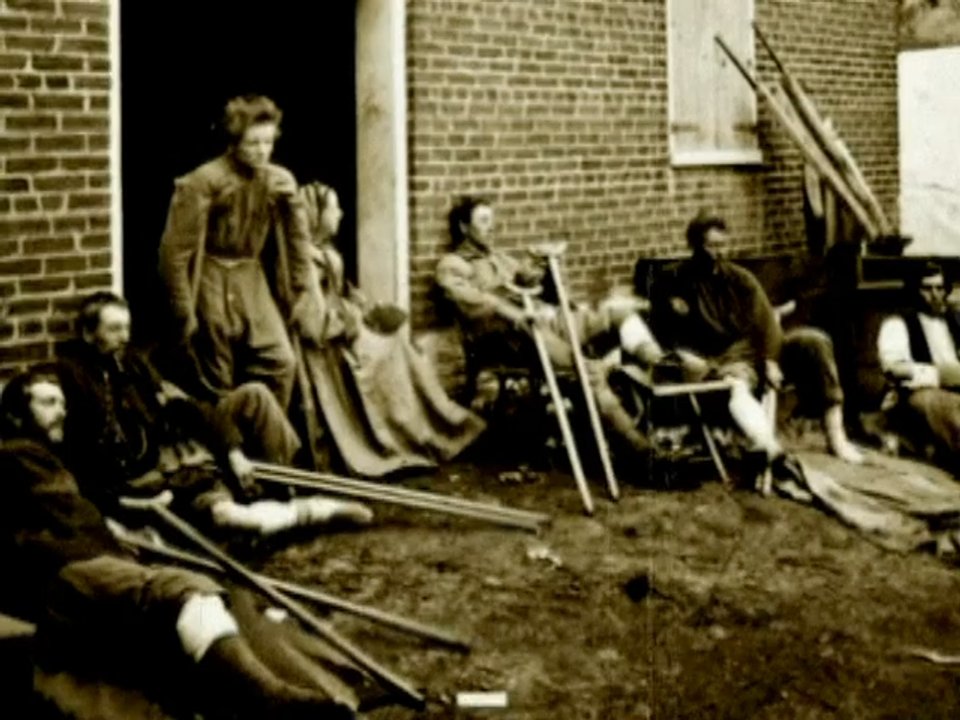
During the Civil War, weapons had advanced faster than battlefield medicine. Surgeons faced overwhelming numbers of wounded soldiers with limited training and few effective treatments. Anesthesia made surgery possible, but serious limb injuries often led to amputation, while infections remained a major threat.
Disease was an even greater danger. Twice as many soldiers died from disease as from battle wounds, as doctors did not yet understand the importance of sterile conditions and infection prevention. Military hospitals treated tens of thousands of wounded and sick soldiers, revealing the enormous human cost of the war.
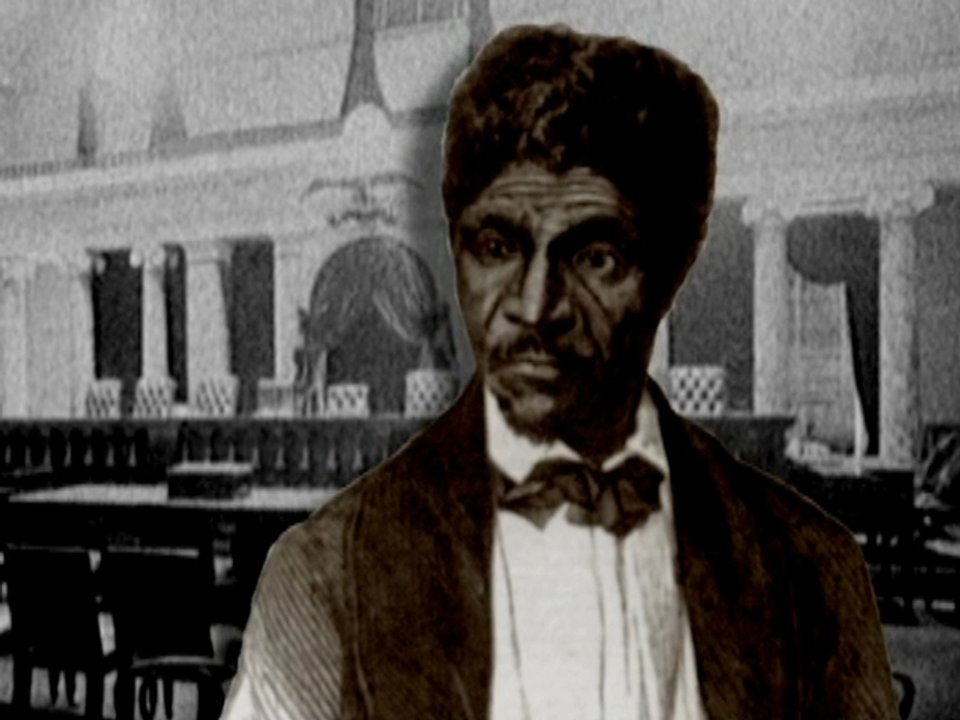
Dred Scott, an enslaved man, sued for his freedom in a case that eventually reached the U.S. Supreme Court in 1857. The Court ruled that Black Americans could not be U.S. citizens and that Scott had no right to sue in federal court. It also declared the Missouri Compromise unconstitutional, further intensifying the growing conflict over slavery.
The decision denied Scott his freedom and deepened divisions between the North and South. Although Scott was later freed by the family that had originally enslaved him, he died less than a year later. His case became a defining moment in the growing conflict over slavery that preceded the Civil War.
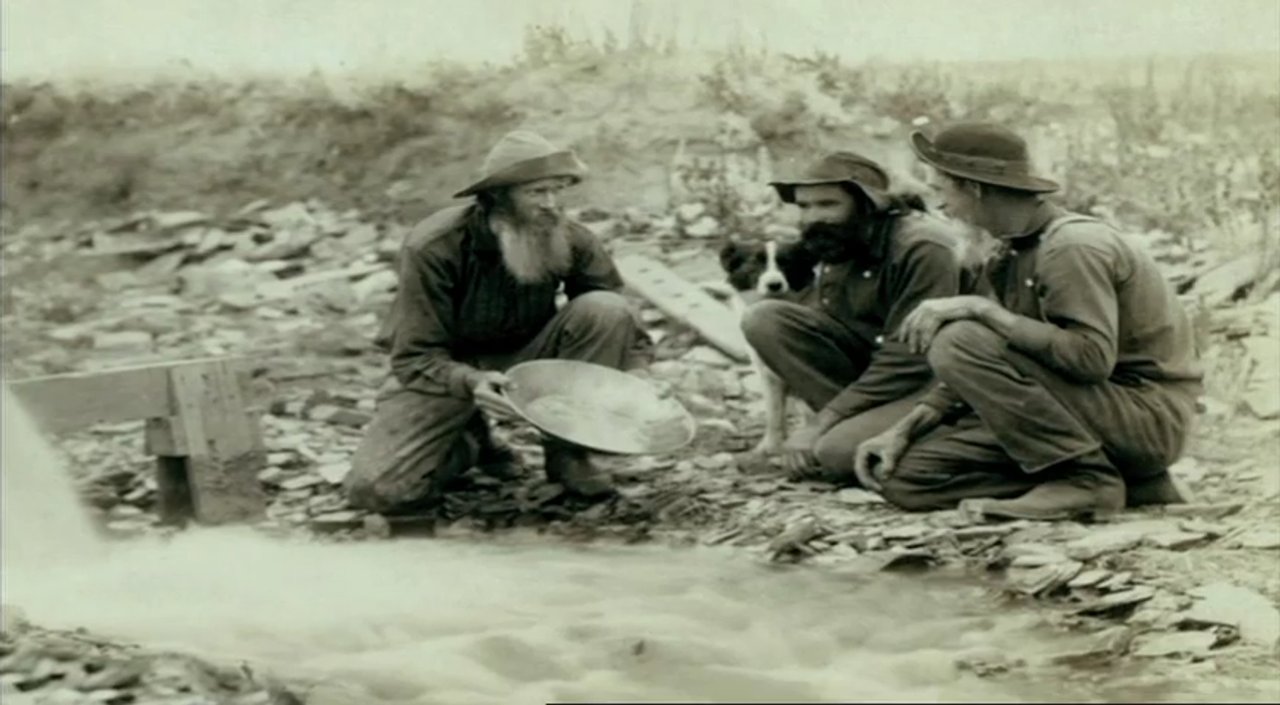
In 1859, gold and silver were discovered in Nevada’s Comstock Lode, one of the richest mineral deposits in U.S. history. Thousands of prospectors rushed to the area, and the boomtown of Virginia City quickly grew into a major settlement. From 1859 to 1878, the Comstock Lode produced hundreds of millions of dollars in gold and silver, helping fuel the growth of the American West and supporting the Union during the Civil War.
The mining boom eventually ended as the mines were depleted. By the late 1800s, Virginia City had declined into a ghost town. Today, it is a historic district that preserves the legacy of the Comstock mining boom.
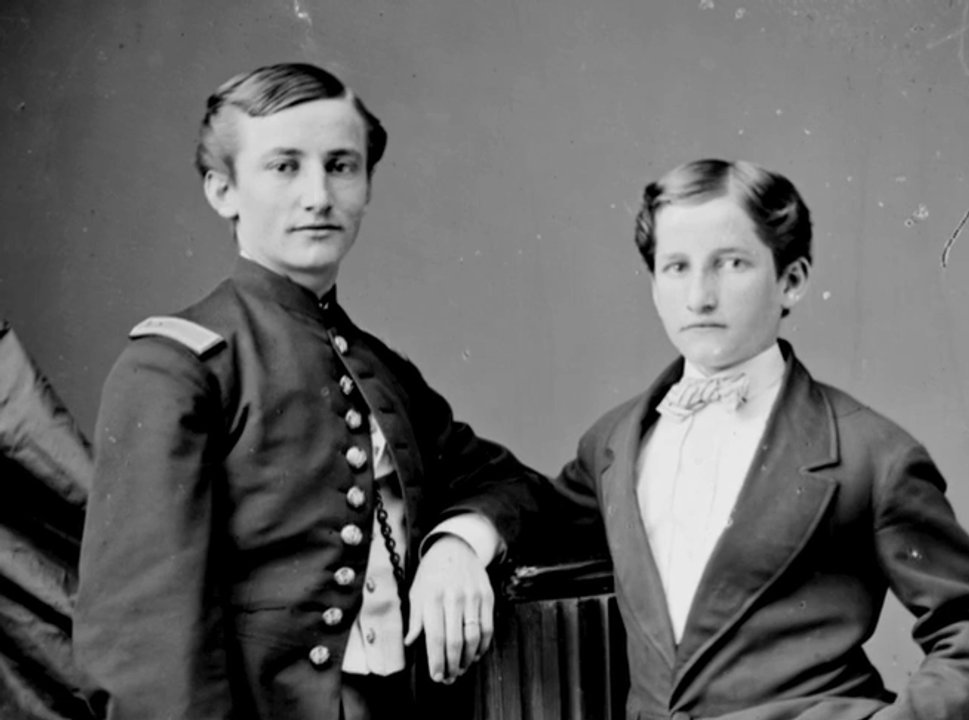
During the Civil War, Kentucky was divided between the Union and Confederacy. Although Kentucky was a slave state, most residents did not own enslaved people, and the state had strong ties to both North and South. At first, Kentucky tried to remain neutral, but after Confederate and Union troops entered the state in 1861, Kentucky sided with the Union.
The conflict divided Kentucky communities and families. Some residents supported the Confederacy, while others fought for the Union. The Crittenden family became a well-known example: brothers George and Thomas Crittenden became generals on opposite sides. After a Union victory at the Battle of Perryville in 1862, Confederate forces withdrew from Kentucky, leaving the state under Union control.
During the Civil War, weapons had advanced faster than battlefield medicine. Surgeons faced overwhelming numbers of wounded soldiers with limited training and few effective treatments. Anesthesia made surgery possible, but serious limb injuries often led to amputation, while infections remained a major threat.
Disease was an even greater danger. Twice as many soldiers died from disease as from battle wounds, as doctors did not yet understand the importance of sterile conditions and infection prevention. Military hospitals treated tens of thousands of wounded and sick soldiers, revealing the enormous human cost of the war.
Dred Scott, an enslaved man, sued for his freedom in a case that eventually reached the U.S. Supreme Court in 1857. The Court ruled that Black Americans could not be U.S. citizens and that Scott had no right to sue in federal court. It also declared the Missouri Compromise unconstitutional, further intensifying the growing conflict over slavery.
The decision denied Scott his freedom and deepened divisions between the North and South. Although Scott was later freed by the family that had originally enslaved him, he died less than a year later. His case became a defining moment in the growing conflict over slavery that preceded the Civil War.
In 1859, gold and silver were discovered in Nevada’s Comstock Lode, one of the richest mineral deposits in U.S. history. Thousands of prospectors rushed to the area, and the boomtown of Virginia City quickly grew into a major settlement. From 1859 to 1878, the Comstock Lode produced hundreds of millions of dollars in gold and silver, helping fuel the growth of the American West and supporting the Union during the Civil War.
The mining boom eventually ended as the mines were depleted. By the late 1800s, Virginia City had declined into a ghost town. Today, it is a historic district that preserves the legacy of the Comstock mining boom.
During the Civil War, Kentucky was divided between the Union and Confederacy. Although Kentucky was a slave state, most residents did not own enslaved people, and the state had strong ties to both North and South. At first, Kentucky tried to remain neutral, but after Confederate and Union troops entered the state in 1861, Kentucky sided with the Union.
The conflict divided Kentucky communities and families. Some residents supported the Confederacy, while others fought for the Union. The Crittenden family became a well-known example: brothers George and Thomas Crittenden became generals on opposite sides. After a Union victory at the Battle of Perryville in 1862, Confederate forces withdrew from Kentucky, leaving the state under Union control.