Vicksburg and Gettysburg: The Turning Point of the Civil War
By the summer of 1863, the Civil War had lasted more than two years, with victories and defeats on both sides. In July, two major battles changed the course of the conflict. At Gettysburg, Pennsylvania, Union forces led by General George Meade repelled Confederate General Robert E. Lee’s invasion of the North. The failed Pickett’s Charge resulted in heavy Confederate losses and forced Lee’s army to retreat.
At the same time, Union General Ulysses S. Grant’s siege of Vicksburg, Mississippi, forced Confederate General John C. Pemberton to surrender. The Union victory secured control of the Mississippi River, dividing the Confederacy and disrupting its supply lines. Together, the defeats at Gettysburg and Vicksburg marked a turning point in the war, shifting momentum toward the Union.

Lesson Express
Q: Locate Vicksburg on a map. Why do you think that location was particularly important for the Union soldiers?
A: Occupying the city of Vicksburg gave them access to the Mississippi River, which was a trade route and important waterway.
Q: What was General Lee’s goal in Gettysburg?
A: He wanted to move Confederate troops into Union territory.
Q: Why was the Confederate army’s failed invasion of the North significant?
A: The invasion threatened Northern communities and could have weakened Northern support for the war. The Confederate defeat at Gettysburg forced Lee’s army to retreat south, ending its major campaign into the North in 1863.
You Might Also Like
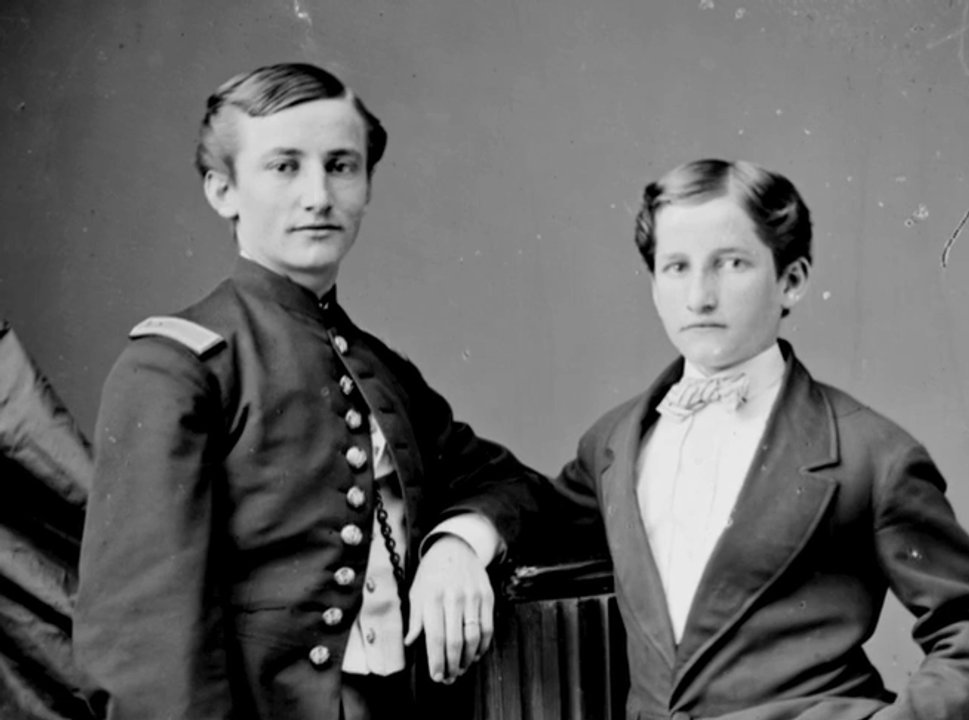
During the Civil War, Kentucky was divided between the Union and Confederacy. Although Kentucky was a slave state, most residents did not own enslaved people, and the state had strong ties to both North and South. At first, Kentucky tried to remain neutral, but after Confederate and Union troops entered the state in 1861, Kentucky sided with the Union.
The conflict divided Kentucky communities and families. Some residents supported the Confederacy, while others fought for the Union. The Crittenden family became a well-known example: brothers George and Thomas Crittenden became generals on opposite sides. After a Union victory at the Battle of Perryville in 1862, Confederate forces withdrew from Kentucky, leaving the state under Union control.
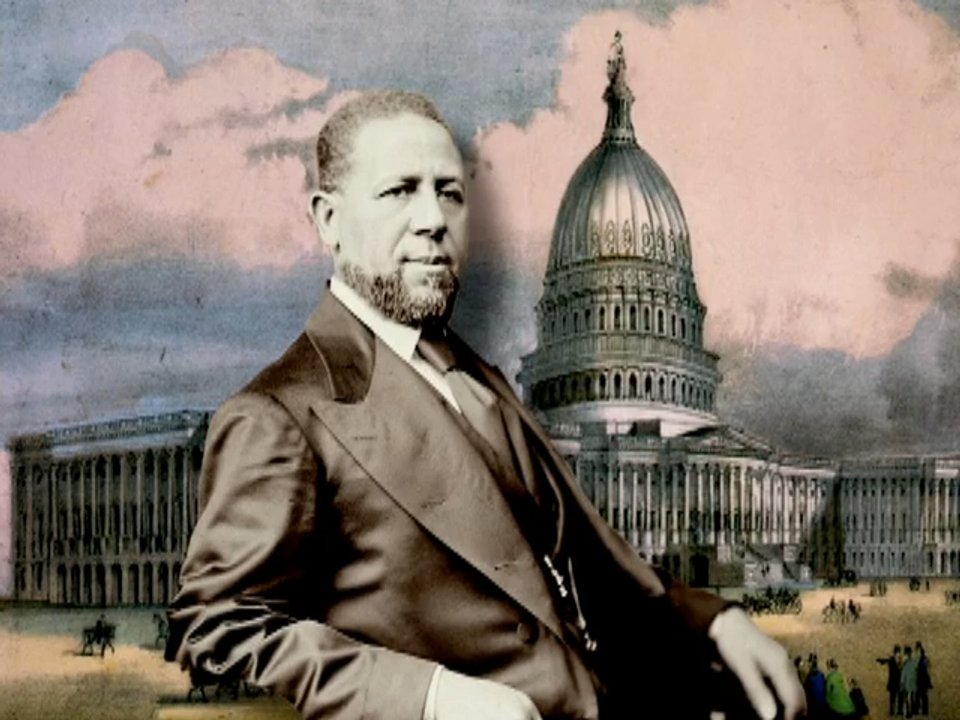
After the Civil War, Reconstruction brought major changes to the United States. The 13th, 14th, and 15th Amendments abolished slavery and extended citizenship and voting rights to African Americans. Black Americans also broke new ground in government, including Hiram Rhodes Revels, the first Black U.S. Senator, and Blanche Kelso Bruce, the first formerly enslaved person to serve a full Senate term. But
Reconstruction faced fierce opposition in the South, where many white leaders resisted federal authority and Black political and economic progress. The disputed presidential election of 1876 brought the era to an end, and federal troops withdrew from the South. Reconstruction governments collapsed, paving the way for Jim Crow laws and decades of legalized racial discrimination.
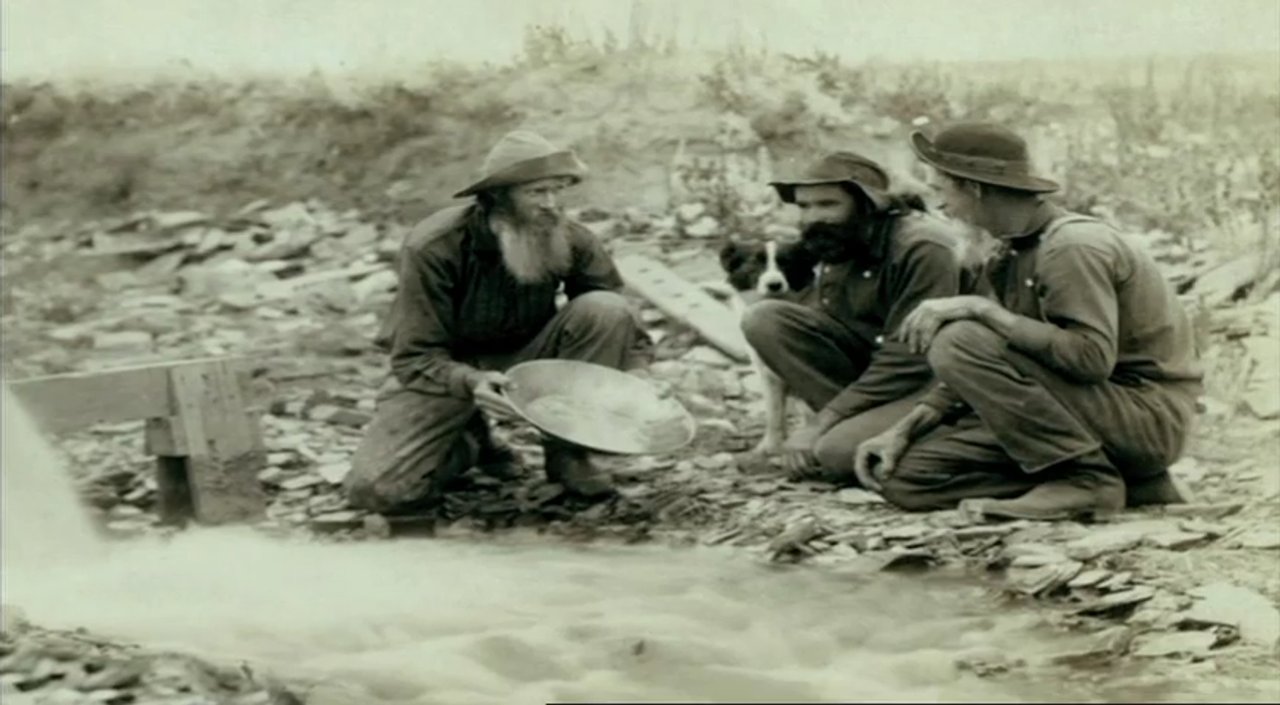
In 1859, gold and silver were discovered in Nevada’s Comstock Lode, one of the richest mineral deposits in U.S. history. Thousands of prospectors rushed to the area, and the boomtown of Virginia City quickly grew into a major settlement. From 1859 to 1878, the Comstock Lode produced hundreds of millions of dollars in gold and silver, helping fuel the growth of the American West and supporting the Union during the Civil War.
The mining boom eventually ended as the mines were depleted. By the late 1800s, Virginia City had declined into a ghost town. Today, it is a historic district that preserves the legacy of the Comstock mining boom.
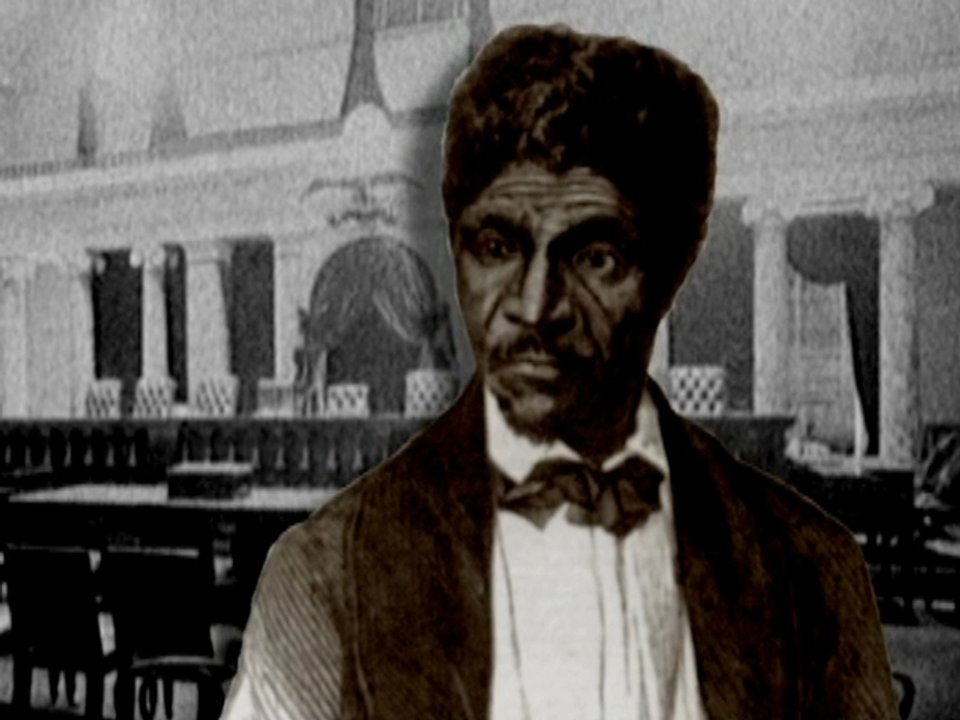
Dred Scott, an enslaved man, sued for his freedom in a case that eventually reached the U.S. Supreme Court in 1857. The Court ruled that Black Americans could not be U.S. citizens and that Scott had no right to sue in federal court. It also declared the Missouri Compromise unconstitutional, further intensifying the growing conflict over slavery.
The decision denied Scott his freedom and deepened divisions between the North and South. Although Scott was later freed by the family that had originally enslaved him, he died less than a year later. His case became a defining moment in the growing conflict over slavery that preceded the Civil War.
During the Civil War, Kentucky was divided between the Union and Confederacy. Although Kentucky was a slave state, most residents did not own enslaved people, and the state had strong ties to both North and South. At first, Kentucky tried to remain neutral, but after Confederate and Union troops entered the state in 1861, Kentucky sided with the Union.
The conflict divided Kentucky communities and families. Some residents supported the Confederacy, while others fought for the Union. The Crittenden family became a well-known example: brothers George and Thomas Crittenden became generals on opposite sides. After a Union victory at the Battle of Perryville in 1862, Confederate forces withdrew from Kentucky, leaving the state under Union control.
After the Civil War, Reconstruction brought major changes to the United States. The 13th, 14th, and 15th Amendments abolished slavery and extended citizenship and voting rights to African Americans. Black Americans also broke new ground in government, including Hiram Rhodes Revels, the first Black U.S. Senator, and Blanche Kelso Bruce, the first formerly enslaved person to serve a full Senate term. But
Reconstruction faced fierce opposition in the South, where many white leaders resisted federal authority and Black political and economic progress. The disputed presidential election of 1876 brought the era to an end, and federal troops withdrew from the South. Reconstruction governments collapsed, paving the way for Jim Crow laws and decades of legalized racial discrimination.
In 1859, gold and silver were discovered in Nevada’s Comstock Lode, one of the richest mineral deposits in U.S. history. Thousands of prospectors rushed to the area, and the boomtown of Virginia City quickly grew into a major settlement. From 1859 to 1878, the Comstock Lode produced hundreds of millions of dollars in gold and silver, helping fuel the growth of the American West and supporting the Union during the Civil War.
The mining boom eventually ended as the mines were depleted. By the late 1800s, Virginia City had declined into a ghost town. Today, it is a historic district that preserves the legacy of the Comstock mining boom.
Dred Scott, an enslaved man, sued for his freedom in a case that eventually reached the U.S. Supreme Court in 1857. The Court ruled that Black Americans could not be U.S. citizens and that Scott had no right to sue in federal court. It also declared the Missouri Compromise unconstitutional, further intensifying the growing conflict over slavery.
The decision denied Scott his freedom and deepened divisions between the North and South. Although Scott was later freed by the family that had originally enslaved him, he died less than a year later. His case became a defining moment in the growing conflict over slavery that preceded the Civil War.