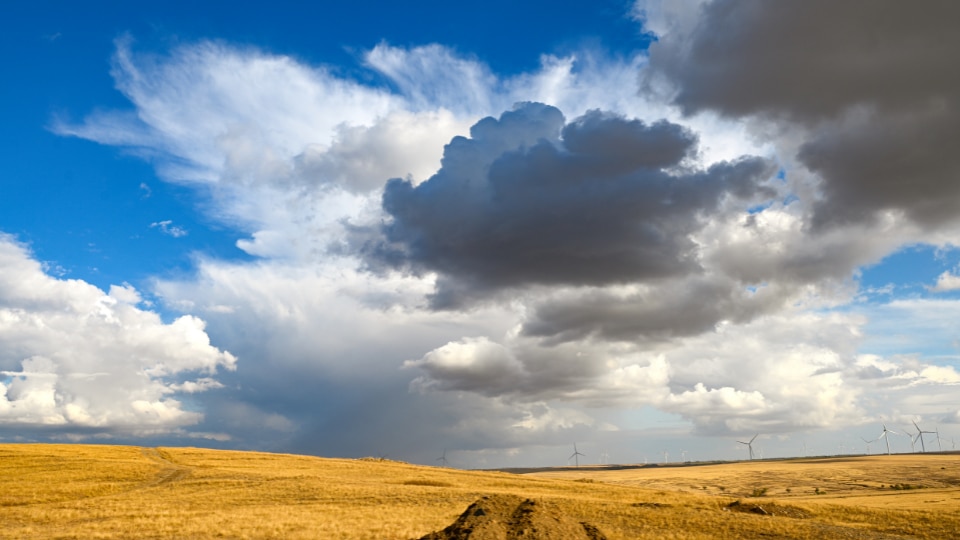
Every cloud, gust of wind, and raindrop has a story. Dive into the science behind weather and explore the forces that keep Earth's atmosphere constantly in motion. Watch the BBC videos linked below, then take the Kahoot to put your weather knowledge to the test.
Explore how solar heating, air pressure, humidity, and global wind patterns work together to shape the weather we experience every day. From the formation of clouds to the movement of storm systems, uncover the science behind Earth's ever-changing atmosphere.
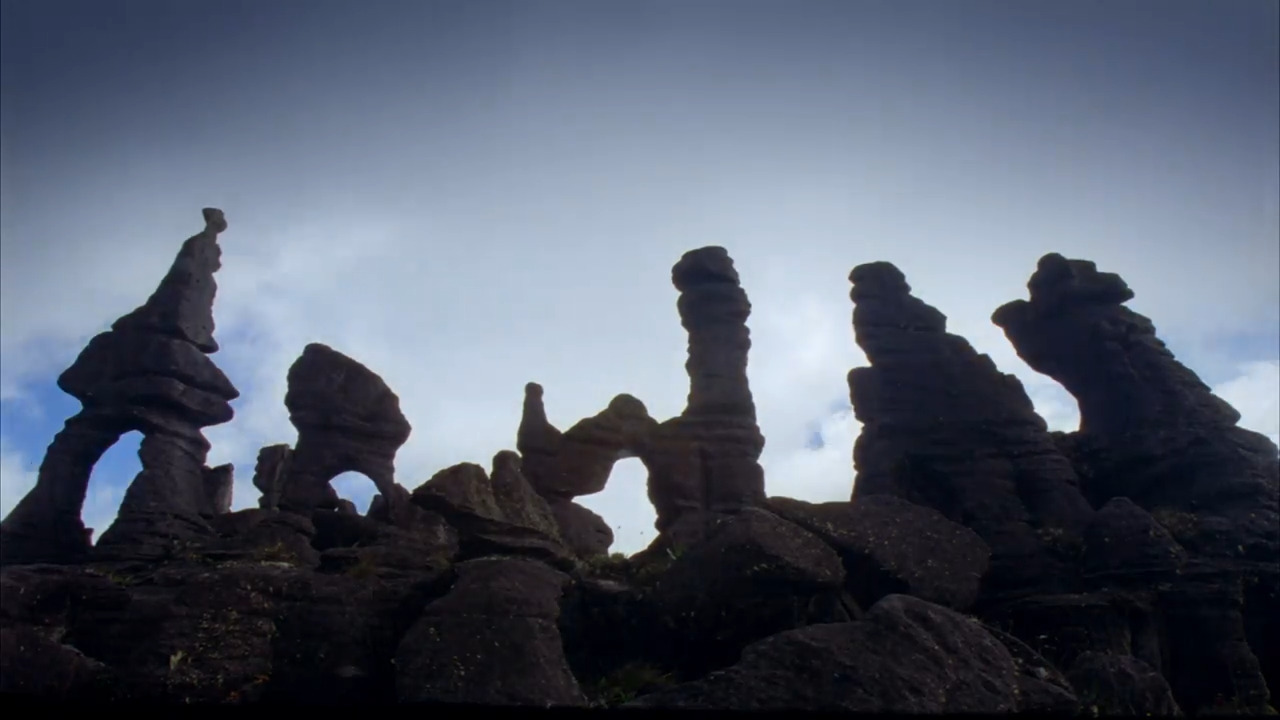
In The Tepuis of Venezuela, narrator Sir David Attenborough describes how wind and rain have carved sandstone mountains into a landscape like something out of a fictional world. As wind and rain impact the mountains, so too do the mountains impact the weather system. This video is excerpted from BBC's Planet Earth, a breathtaking documentary series that highlights the natural wonders of our planet.
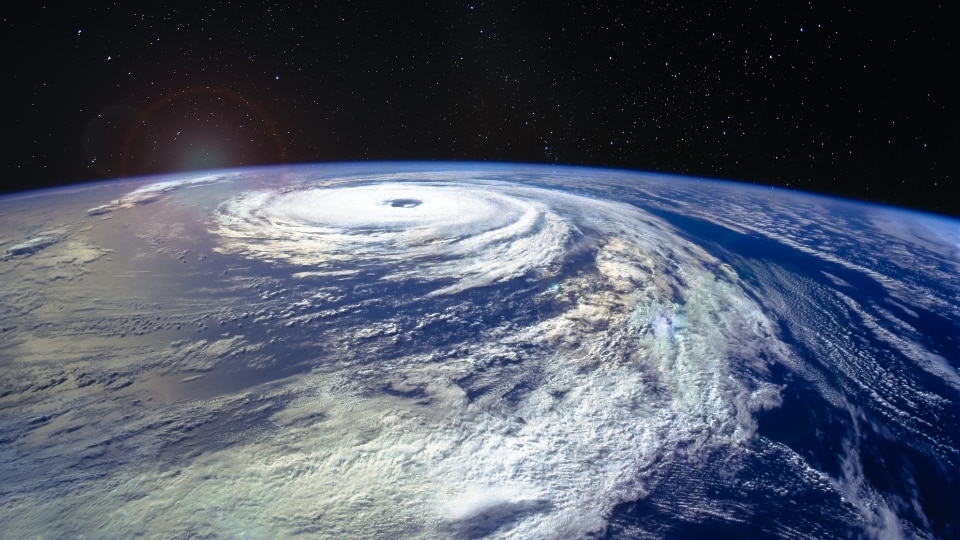
Explore the most powerful weather in the solar system in this Kahoot about planetary storms, extreme environments, and the forces that shape other worlds. From Jupiter's Great Red Spot to planet-wide dust storms on Mars, discover how weather behaves in places far different from Earth.
This Kahoot explores winds, clouds, atmospheres, and storms across the solar system while revealing some of the largest and longest-lasting weather events ever observed.
Watch the Planets of Our Solar System playlist and related videos linked below, then take the Kahoot and see how much you know about the extreme weather in our cosmic neighborhood.
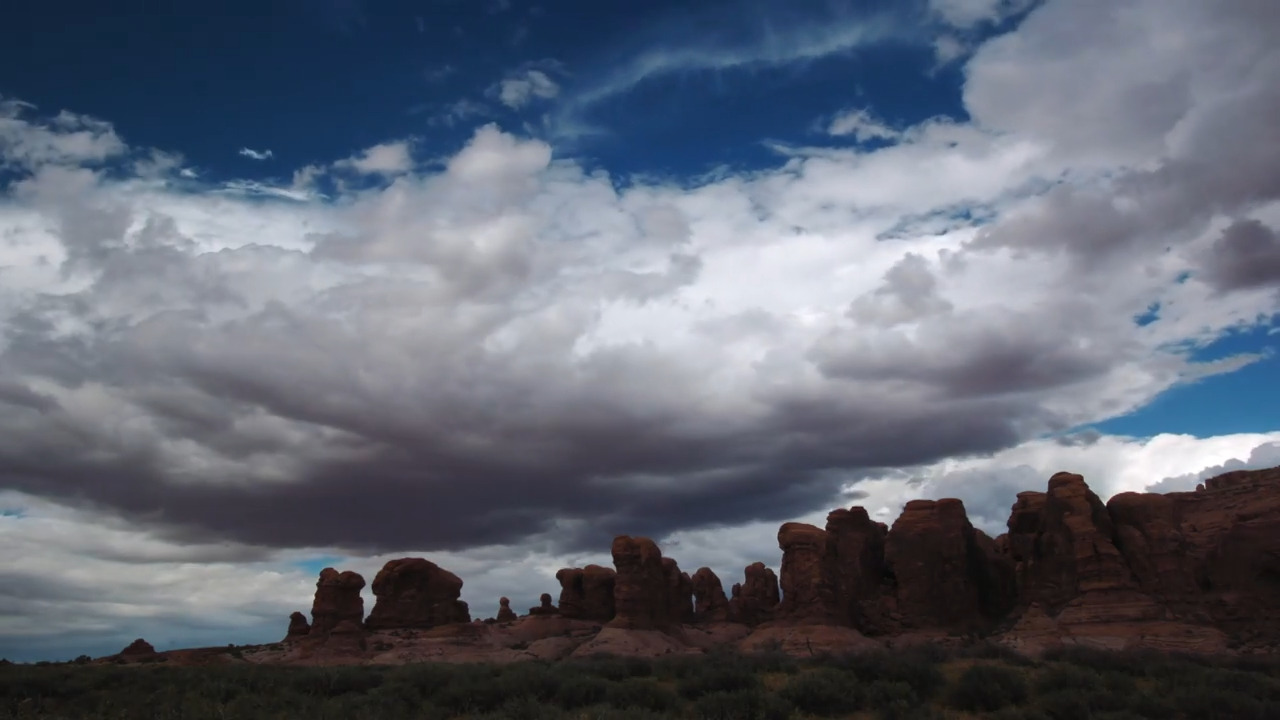
In Weather Systems of the Globe, Sir David Attenborough describes air currents as they form Earth’s storms. Circle the globe to see hurricanes, sandstorms, monsoons, and tornadoes! This video is excerpted from BBC's Planet Earth, a breathtaking documentary series that highlights the natural wonders of our planet.

In Neptune, Ice Giant, Professor Brian Cox explains how Neptune is unique because of its atmosphere, cold temperatures, weather, and wind speed. Learn how the pressure and lack of features on Neptune create the highest wind speeds in the Solar System. This video is excerpted from BBC’s The Planets, a series that explores the dramatic lives of the eight planets in our Solar System.

In Inside Planetary Storms, Professor Brian Cox explores the extreme weather conditions on Jupiter, a planet with an incredibly thick atmosphere that fuels its intense storms. Despite being far from the Sun, Jupiter’s storms are powered by immense surface pressure. This atmospheric pressure causes hydrogen gas to transform into a liquid, releasing vast amounts of energy and creating some of the most powerful storms in the Solar System. This video is excerpted from BBC’s Wonders of the Solar System, a spellbinding documentary series that explores the most extreme locations on Earth to explain how the laws of physics carved natural wonders across the Solar System.

It’s officially the “Beijing International Automotive Exhibition,” but its friends call it “Auto China,” and it’s now the largest car show in the world. Nearly 1000 companies flock to the exhibits taking up more than 380,000 square meters, or over 50 football fields! Or 1,246,719 feet and 50 soccer fields, if you’re from America! Or 9,329,989 beep-boop-zoinks and 50 astro-space-ball fields if you’re a Martian from outer space! Any way you spin it, this car show is a big deal, and there were two standout trends.
The first was electric vehicles. There’s always been an issue with charging, as makers have tried to maximize how far cars can travel on single charge while minimizing how long that charge takes. Now, a company called BYD claims to have an ultra-fast charging system that can provide 400 km of range with only 5 minutes of charging. What’s more, it’s designed to operate under extreme weather conditions. Since batteries are usually sensitive to high or low temperatures, addressing this is a major step in making electric vehicles as reliable as gas cars.
The other big topic was also fully autonomous, or self-driving cars. The company Geely developed a self-driving car built specifically for ride-hailing, so there’s no steering wheel or driver’s seat. That means you can pick your nose without fear of the driver judging you! Xpeng’s driverless car uses a combination of lasers, radar, and cameras to build a real time picture of the road, but we hope it works just as well in the clouds, because they may be extending this technology into flying cars as early as next year. It’s a bird! It’s a plane! No, it’s just my Uber! That’s one way to beat traffic.
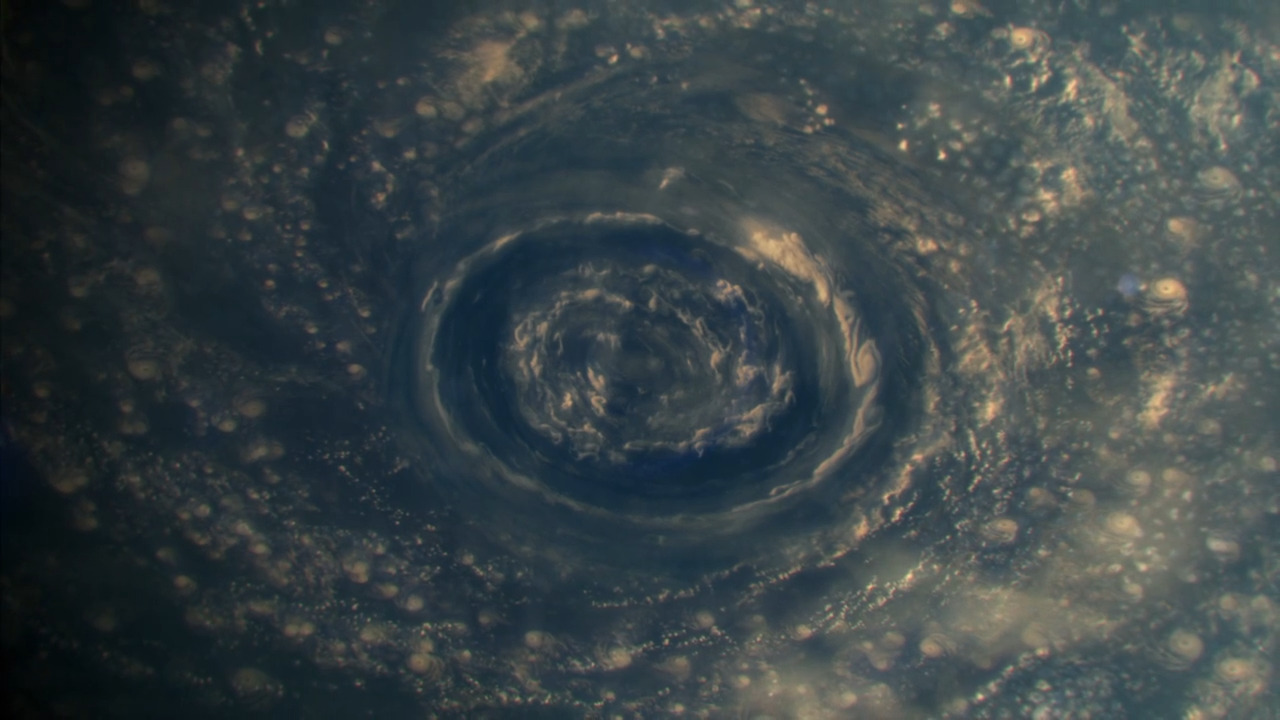
In Saturn's Dramatic Weather, Professor Brian Cox explains how Saturn is able to maintain dramatic weather when it is so far from the Sun. Learn how the pressure on Saturn creates clouds, storms, and diamond rain. This video is excerpted from BBC’s The Planets, a series that explores the dramatic lives of the eight planets in our Solar System.
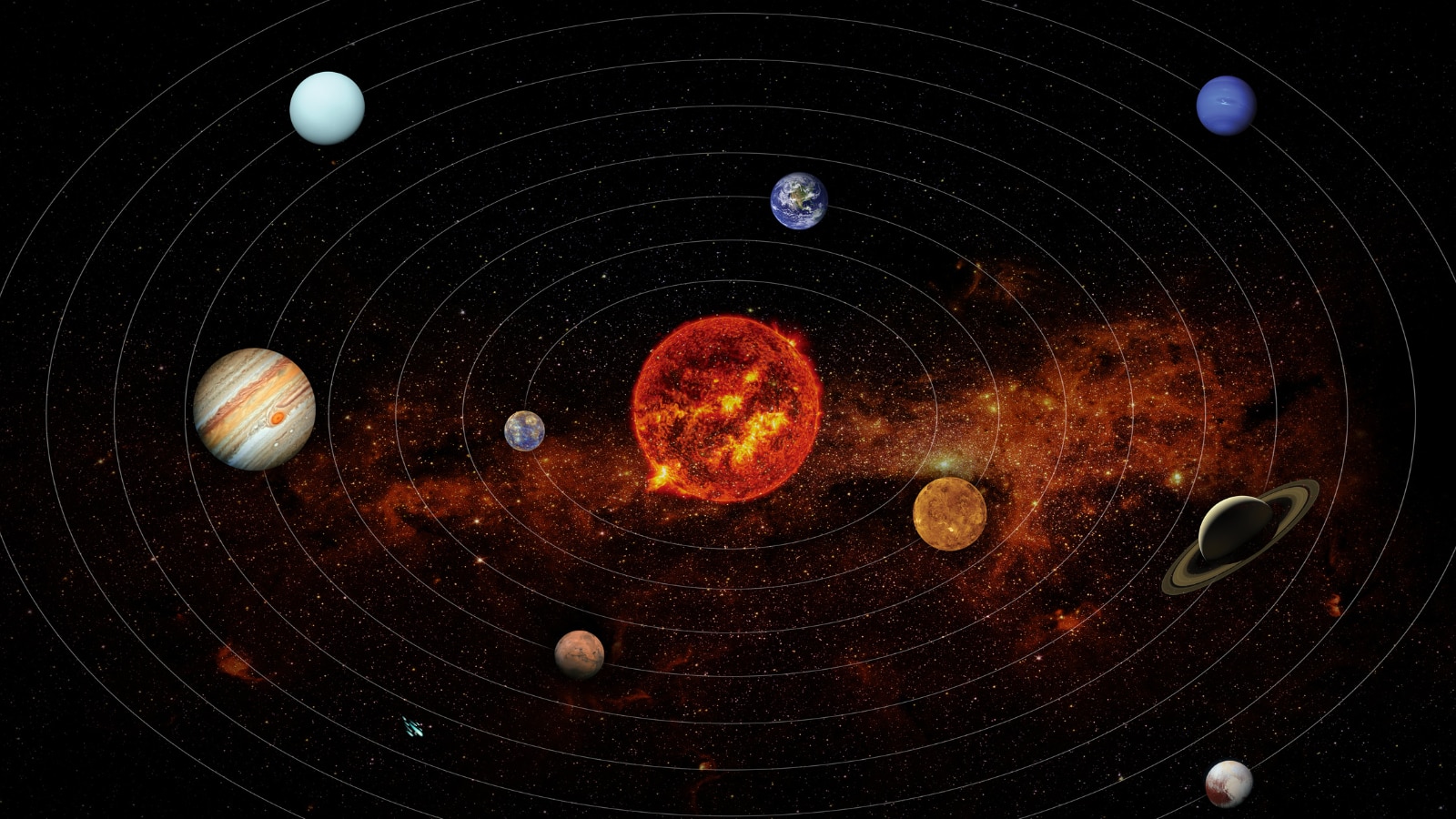
From the scorching surface of Mercury to the icy winds of Neptune, this BBC Learning Hub playlist takes you on an awe-inspiring voyage across our celestial neighborhood. Explore the mysteries of alien worlds, witness dramatic planetary weather, uncover the origins of Saturn’s rings, and ponder life on Mars. Whether you're a curious stargazer or a space science enthusiast, these video clips from landmark BBC series like The Planets and Wonders of the Solar System will ignite learner's imagination and deepen your cosmic curiosity.

In Sweat Is the Body's Built-In Cooling System, evolutionary biologist Ben Garrod presents the important role sweat plays in keeping our body cool. Sweat helps regulate our body temperature and works to cool us down through a process called evaporation. Learn how sweat glands work, the effect of metabolism on sweating, and why we can even sweat in colder weather, to understand why sweating is essential for keeping our bodies safe and healthy. This video is excerpted from Secrets of Skin, a documentary series exploring the natural history of the body’s largest organ.
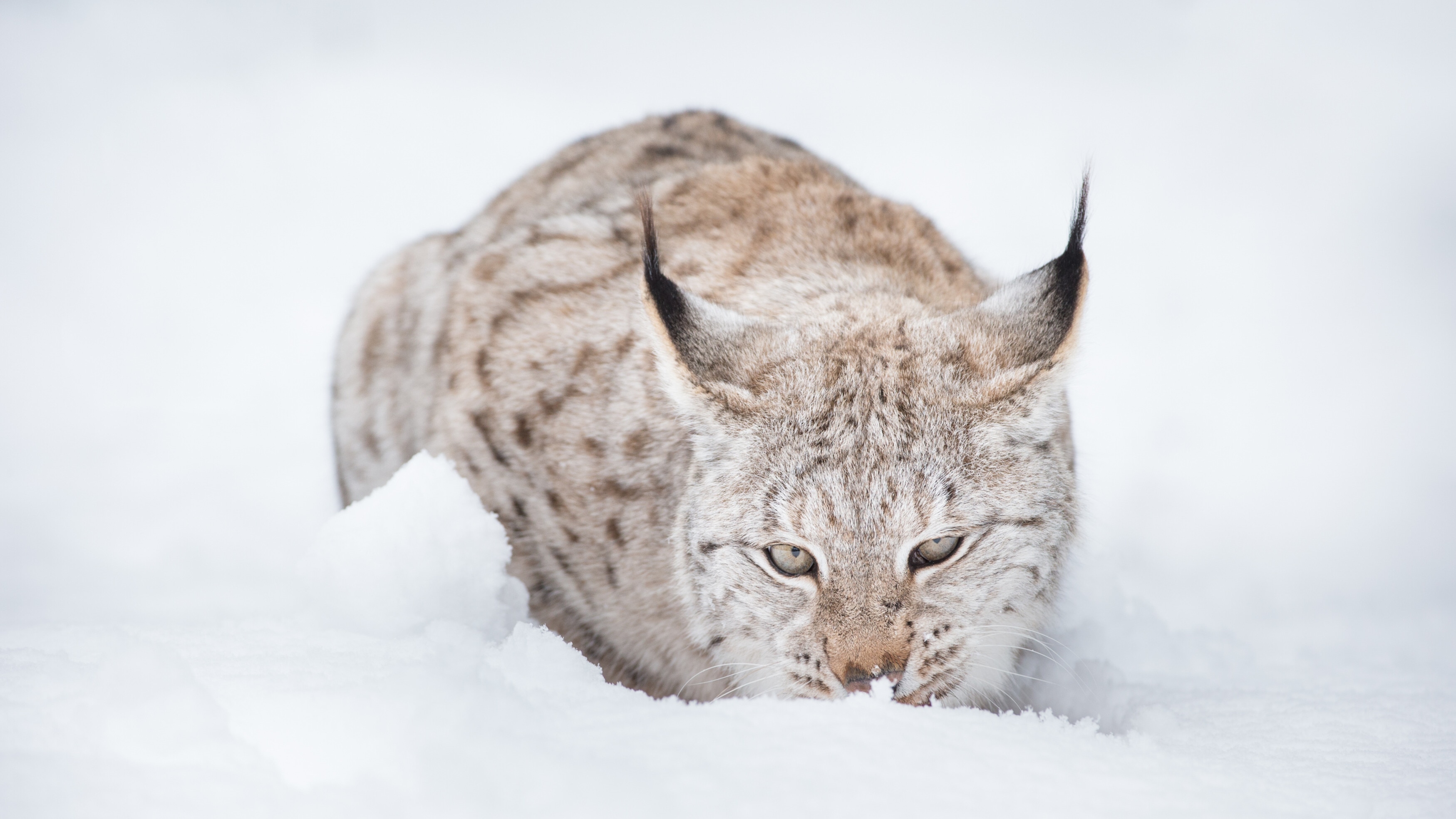
Brave the chill and meet the coolest creatures on Earth! This playlist of 11 frosty video clips from BBC landmark shows like Frozen Planet and Planet Earth explores how animals survive some of the coldest places on the planet. Students will learn about adaptations, seasonal behaviors, and the survival strategies that help bison, foxes, seals, grizzlies, snow monkeys, polar bears, lynx, and more thrive in freezing climates.
They’ll discover how winter weather shapes each animal’s daily life; how they find food, conserve energy, protect themselves from predators; and why these icy habitats play a vital role in Earth’s systems.
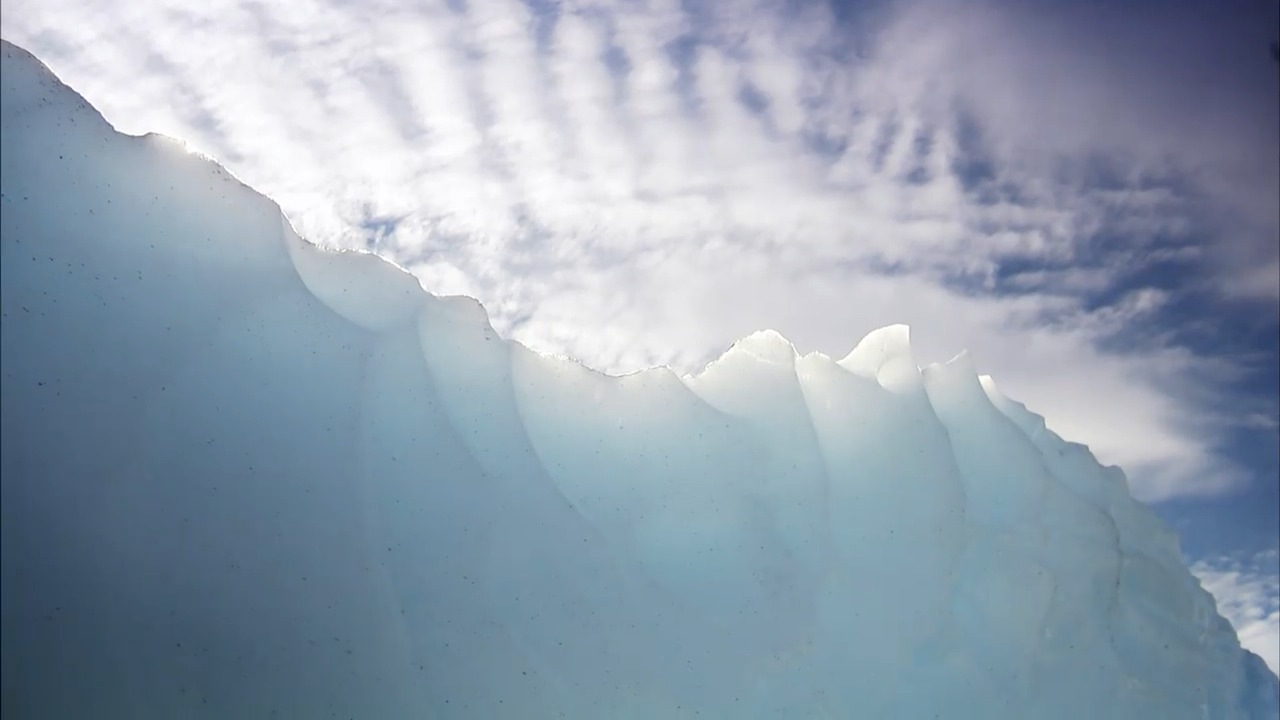
In A Side-by-Side Look at Earth and Titan, Professor Brian Cox discusses Titan, Saturn's moon, where methane exists as water does on Earth — forming clouds, lakes, and rain. This frozen moon offers scientists a glimpse into what Earth might have been like before its oxygen-rich atmosphere developed. This video is excerpted from BBC’s Wonders of the Solar System, a spellbinding documentary series that explores the most extreme locations on Earth to explain how the laws of physics carved natural wonders across the Solar System.
Every cloud, gust of wind, and raindrop has a story. Dive into the science behind weather and explore the forces that keep Earth's atmosphere constantly in motion. Watch the BBC videos linked below, then take the Kahoot to put your weather knowledge to the test.
Explore how solar heating, air pressure, humidity, and global wind patterns work together to shape the weather we experience every day. From the formation of clouds to the movement of storm systems, uncover the science behind Earth's ever-changing atmosphere.
In The Tepuis of Venezuela, narrator Sir David Attenborough describes how wind and rain have carved sandstone mountains into a landscape like something out of a fictional world. As wind and rain impact the mountains, so too do the mountains impact the weather system. This video is excerpted from BBC's Planet Earth, a breathtaking documentary series that highlights the natural wonders of our planet.
Explore the most powerful weather in the solar system in this Kahoot about planetary storms, extreme environments, and the forces that shape other worlds. From Jupiter's Great Red Spot to planet-wide dust storms on Mars, discover how weather behaves in places far different from Earth.
This Kahoot explores winds, clouds, atmospheres, and storms across the solar system while revealing some of the largest and longest-lasting weather events ever observed.
Watch the Planets of Our Solar System playlist and related videos linked below, then take the Kahoot and see how much you know about the extreme weather in our cosmic neighborhood.
In Weather Systems of the Globe, Sir David Attenborough describes air currents as they form Earth’s storms. Circle the globe to see hurricanes, sandstorms, monsoons, and tornadoes! This video is excerpted from BBC's Planet Earth, a breathtaking documentary series that highlights the natural wonders of our planet.
In Neptune, Ice Giant, Professor Brian Cox explains how Neptune is unique because of its atmosphere, cold temperatures, weather, and wind speed. Learn how the pressure and lack of features on Neptune create the highest wind speeds in the Solar System. This video is excerpted from BBC’s The Planets, a series that explores the dramatic lives of the eight planets in our Solar System.
In Inside Planetary Storms, Professor Brian Cox explores the extreme weather conditions on Jupiter, a planet with an incredibly thick atmosphere that fuels its intense storms. Despite being far from the Sun, Jupiter’s storms are powered by immense surface pressure. This atmospheric pressure causes hydrogen gas to transform into a liquid, releasing vast amounts of energy and creating some of the most powerful storms in the Solar System. This video is excerpted from BBC’s Wonders of the Solar System, a spellbinding documentary series that explores the most extreme locations on Earth to explain how the laws of physics carved natural wonders across the Solar System.
It’s officially the “Beijing International Automotive Exhibition,” but its friends call it “Auto China,” and it’s now the largest car show in the world. Nearly 1000 companies flock to the exhibits taking up more than 380,000 square meters, or over 50 football fields! Or 1,246,719 feet and 50 soccer fields, if you’re from America! Or 9,329,989 beep-boop-zoinks and 50 astro-space-ball fields if you’re a Martian from outer space! Any way you spin it, this car show is a big deal, and there were two standout trends.
The first was electric vehicles. There’s always been an issue with charging, as makers have tried to maximize how far cars can travel on single charge while minimizing how long that charge takes. Now, a company called BYD claims to have an ultra-fast charging system that can provide 400 km of range with only 5 minutes of charging. What’s more, it’s designed to operate under extreme weather conditions. Since batteries are usually sensitive to high or low temperatures, addressing this is a major step in making electric vehicles as reliable as gas cars.
The other big topic was also fully autonomous, or self-driving cars. The company Geely developed a self-driving car built specifically for ride-hailing, so there’s no steering wheel or driver’s seat. That means you can pick your nose without fear of the driver judging you! Xpeng’s driverless car uses a combination of lasers, radar, and cameras to build a real time picture of the road, but we hope it works just as well in the clouds, because they may be extending this technology into flying cars as early as next year. It’s a bird! It’s a plane! No, it’s just my Uber! That’s one way to beat traffic.
In Saturn's Dramatic Weather, Professor Brian Cox explains how Saturn is able to maintain dramatic weather when it is so far from the Sun. Learn how the pressure on Saturn creates clouds, storms, and diamond rain. This video is excerpted from BBC’s The Planets, a series that explores the dramatic lives of the eight planets in our Solar System.
From the scorching surface of Mercury to the icy winds of Neptune, this BBC Learning Hub playlist takes you on an awe-inspiring voyage across our celestial neighborhood. Explore the mysteries of alien worlds, witness dramatic planetary weather, uncover the origins of Saturn’s rings, and ponder life on Mars. Whether you're a curious stargazer or a space science enthusiast, these video clips from landmark BBC series like The Planets and Wonders of the Solar System will ignite learner's imagination and deepen your cosmic curiosity.
In Sweat Is the Body's Built-In Cooling System, evolutionary biologist Ben Garrod presents the important role sweat plays in keeping our body cool. Sweat helps regulate our body temperature and works to cool us down through a process called evaporation. Learn how sweat glands work, the effect of metabolism on sweating, and why we can even sweat in colder weather, to understand why sweating is essential for keeping our bodies safe and healthy. This video is excerpted from Secrets of Skin, a documentary series exploring the natural history of the body’s largest organ.
Brave the chill and meet the coolest creatures on Earth! This playlist of 11 frosty video clips from BBC landmark shows like Frozen Planet and Planet Earth explores how animals survive some of the coldest places on the planet. Students will learn about adaptations, seasonal behaviors, and the survival strategies that help bison, foxes, seals, grizzlies, snow monkeys, polar bears, lynx, and more thrive in freezing climates.
They’ll discover how winter weather shapes each animal’s daily life; how they find food, conserve energy, protect themselves from predators; and why these icy habitats play a vital role in Earth’s systems.
In A Side-by-Side Look at Earth and Titan, Professor Brian Cox discusses Titan, Saturn's moon, where methane exists as water does on Earth — forming clouds, lakes, and rain. This frozen moon offers scientists a glimpse into what Earth might have been like before its oxygen-rich atmosphere developed. This video is excerpted from BBC’s Wonders of the Solar System, a spellbinding documentary series that explores the most extreme locations on Earth to explain how the laws of physics carved natural wonders across the Solar System.