The Planets of Our Solar System Playlist
From the scorching surface of Mercury to the icy winds of Neptune, journey across our solar system and discover worlds unlike anything found on Earth.
Travel past rocky planets, enormous gas giants, dazzling rings, and distant moons with clips from landmark BBC series including The Planets and Wonders of the Solar System. Explore the forces that shaped our celestial neighborhood, witness extreme planetary weather, uncover clues to the origins of Saturn’s rings, and investigate what Mars can tell us about the possibility of life beyond Earth.
Along the way, discover how planets form and change over billions of years, why neighboring worlds can be dramatically different from one another, and how scientists use spacecraft, telescopes, and other evidence to piece together their histories.
From towering Martian volcanoes to storms raging on distant planets, these BBC planets videos reveal a solar system filled with extremes, mysteries, and discoveries still waiting to be made.
Lesson Express
Q: How did Mercury lose its atmosphere?
A: Because Mercury is a small planet with relatively weak gravity, it has difficulty holding onto gases. Solar radiation and the solar wind have also contributed to the loss of gases from its atmosphere over time.
Q: How does a planet keep its atmosphere?
A: A planet's gravity helps hold gases close to its surface and prevents them from escaping into space. A planet's temperature and distance from its star can also affect how well it can keep an atmosphere.
Q: What happens when a planet doesn’t have an atmosphere?
A: Without an atmosphere, a planet has little protection from space. Temperatures can change dramatically between day and night, and the surface is more exposed to solar radiation and other conditions in space.
You Might Also Like
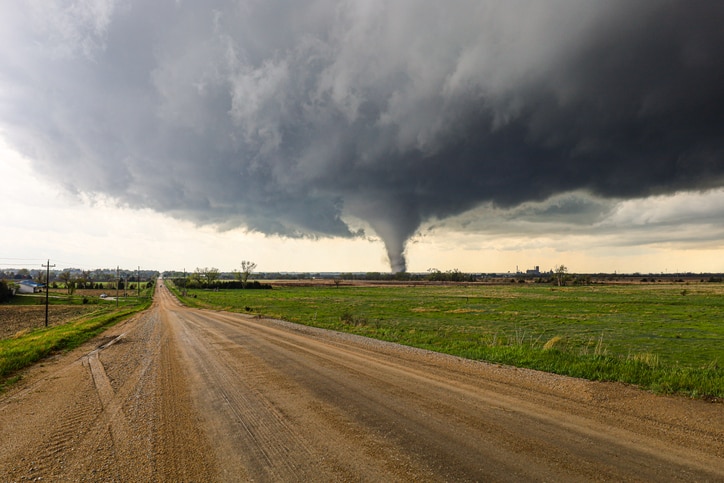
This BBC weather videos collection, featuring unforgettable moments from Blue Planet, Blue Planet II, and other acclaimed series, takes you into hurricanes, tornadoes, blizzards, and other powerful weather events. See what happens when winds intensify, temperatures plunge, and storms transform landscapes in a matter of hours.
Discover the atmospheric conditions that can produce extreme weather and explore how these events affect ecosystems, wildlife, and people. Watch animals respond to rapidly changing conditions, see how powerful storms reshape environments, and uncover the science scientists use to understand and track severe weather.
From swirling winds to driving snow and towering storms, these BBC videos reveal the forces behind some of Earth’s most dramatic weather — and the extraordinary power of our constantly changing atmosphere.
Dive into Got Science?, the BBC’s magazine-style series exploring the surprising science behind everyday experiences. Each clip starts with a question about something familiar — from fear and attraction to pests and animal behavior — then digs into the biology, psychology, evolution, and other science that can help explain what’s really going on.
Explore why bedbugs are so difficult to eliminate, investigate the lightning-fast reactions that make flies such skilled escape artists, and discover how our brains and bodies respond to everything from adorable animals to frightening films.
Look beyond the obvious, examine the evidence, and ask: What does the science say?
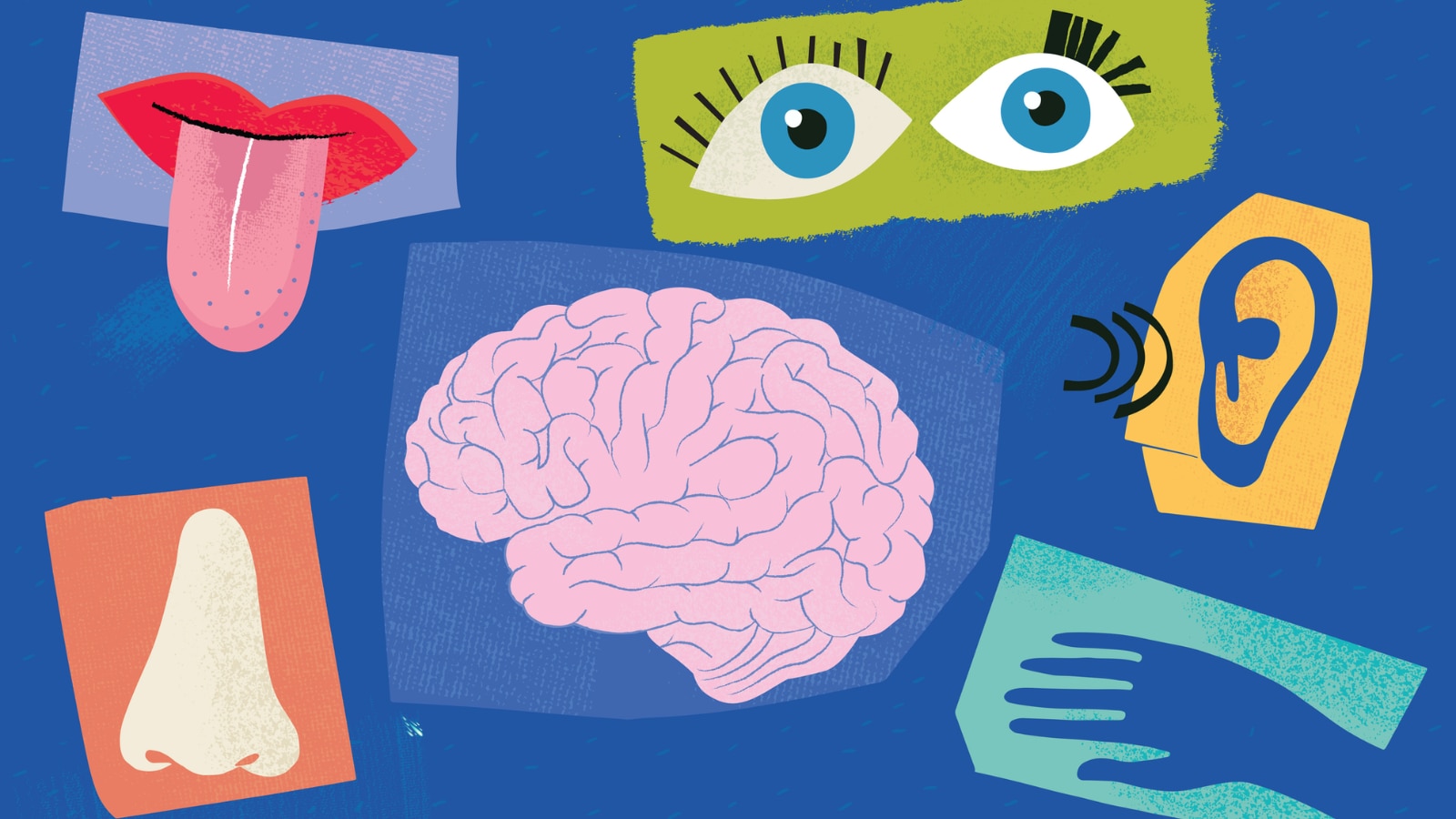
Across 10 fascinating BBC clips from series including Got Science? and Secrets of Skin, explore how the body gathers information about the world — and how the brain turns those signals into the experiences we know as sight, sound, smell, taste, and touch.
Discover why food can taste different on an airplane, how sound can influence flavor, and why the sense of smell involves much more than the nose. Find out what makes fingertips so sensitive, how smell receptors communicate with the brain, and why our eyes produce different kinds of tears.
Our senses don’t always work independently, either. They constantly interact with one another and with the brain, shaping everything from the foods we enjoy to the way we respond to our surroundings. These BBC five senses videos reveal just how much is happening behind the scenes every time we experience the world.
This video playlist brings together 10 fascinating clips from the BBC’s Got Science? series, where everyday questions lead to surprising scientific discoveries. Students explore what’s really happening in the body and brain — from what your brain is doing during sleep paralysis to what it truly means to be “left-brained” or “right-brained.” They’ll investigate what happens when the body becomes dehydrated, how cold temperatures and high altitudes affect how we function, and the unexpected ways our bodies trick us every single day. Packed with “What! Really?” moments, this weird-but-wonderful playlist helps learners connect real science to daily life in unforgettable ways. Get ready to see the familiar become fascinating.
This BBC weather videos collection, featuring unforgettable moments from Blue Planet, Blue Planet II, and other acclaimed series, takes you into hurricanes, tornadoes, blizzards, and other powerful weather events. See what happens when winds intensify, temperatures plunge, and storms transform landscapes in a matter of hours.
Discover the atmospheric conditions that can produce extreme weather and explore how these events affect ecosystems, wildlife, and people. Watch animals respond to rapidly changing conditions, see how powerful storms reshape environments, and uncover the science scientists use to understand and track severe weather.
From swirling winds to driving snow and towering storms, these BBC videos reveal the forces behind some of Earth’s most dramatic weather — and the extraordinary power of our constantly changing atmosphere.
Dive into Got Science?, the BBC’s magazine-style series exploring the surprising science behind everyday experiences. Each clip starts with a question about something familiar — from fear and attraction to pests and animal behavior — then digs into the biology, psychology, evolution, and other science that can help explain what’s really going on.
Explore why bedbugs are so difficult to eliminate, investigate the lightning-fast reactions that make flies such skilled escape artists, and discover how our brains and bodies respond to everything from adorable animals to frightening films.
Look beyond the obvious, examine the evidence, and ask: What does the science say?
Across 10 fascinating BBC clips from series including Got Science? and Secrets of Skin, explore how the body gathers information about the world — and how the brain turns those signals into the experiences we know as sight, sound, smell, taste, and touch.
Discover why food can taste different on an airplane, how sound can influence flavor, and why the sense of smell involves much more than the nose. Find out what makes fingertips so sensitive, how smell receptors communicate with the brain, and why our eyes produce different kinds of tears.
Our senses don’t always work independently, either. They constantly interact with one another and with the brain, shaping everything from the foods we enjoy to the way we respond to our surroundings. These BBC five senses videos reveal just how much is happening behind the scenes every time we experience the world.
This video playlist brings together 10 fascinating clips from the BBC’s Got Science? series, where everyday questions lead to surprising scientific discoveries. Students explore what’s really happening in the body and brain — from what your brain is doing during sleep paralysis to what it truly means to be “left-brained” or “right-brained.” They’ll investigate what happens when the body becomes dehydrated, how cold temperatures and high altitudes affect how we function, and the unexpected ways our bodies trick us every single day. Packed with “What! Really?” moments, this weird-but-wonderful playlist helps learners connect real science to daily life in unforgettable ways. Get ready to see the familiar become fascinating.