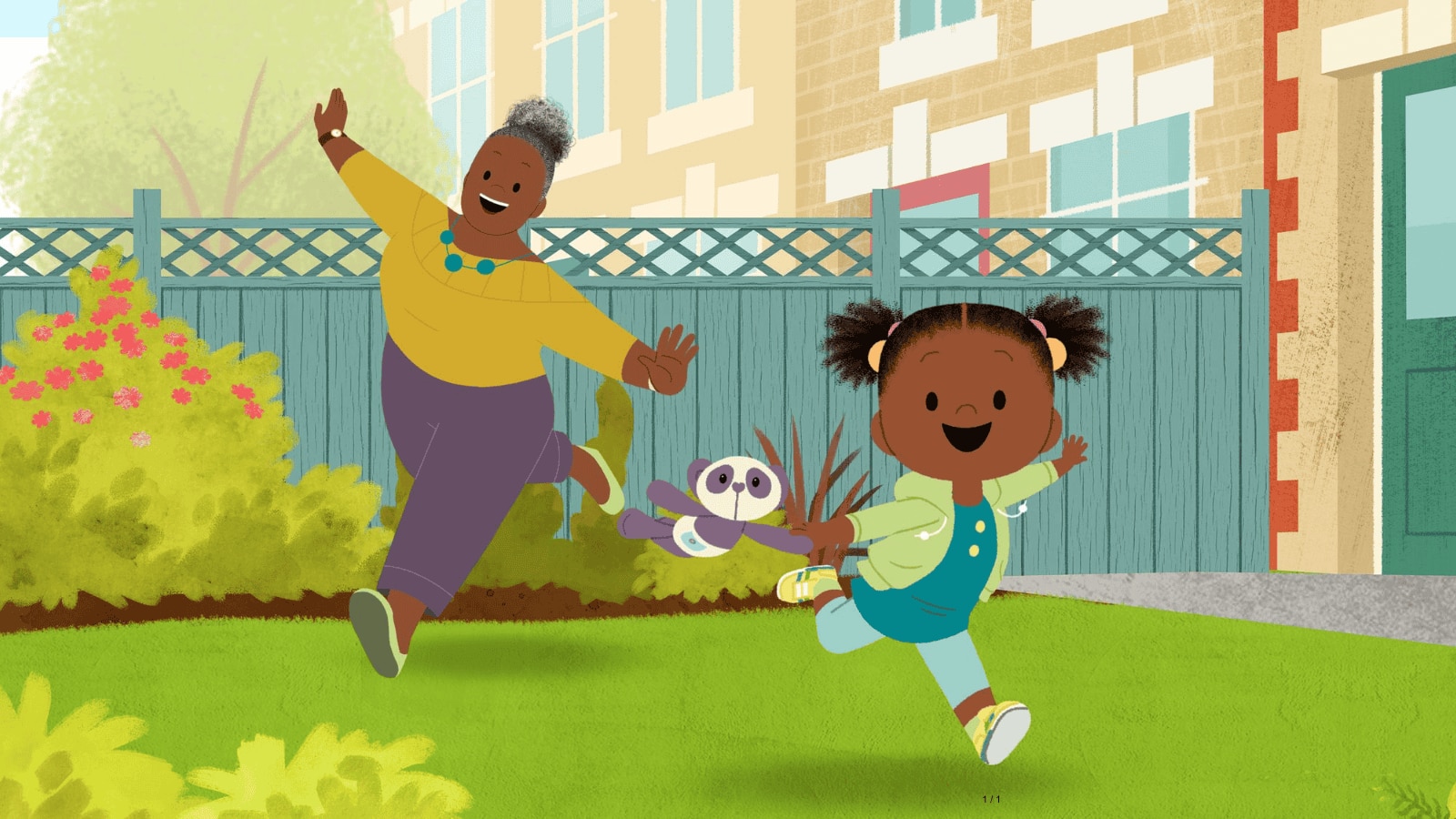
Introducing your new favorite duo! JoJo & Gran Gran is a BBC children's animated television series that follows an inquisitive and cheerful 4-and-a-half-year-old girl and her loving grandmother, who always has something new to teach her. Young learners will love learning alongside the diverse cast of characters as they get to know their community and explore the natural world around them.
This is quick and easy seasonal content — perfect for an intro to a life science (plants, trees, flowers) or social studies (holidays!) lesson. Or watch the video and then try what JoJo and Gran Gran did, whether it's making a fruit crumble or writing a poem.
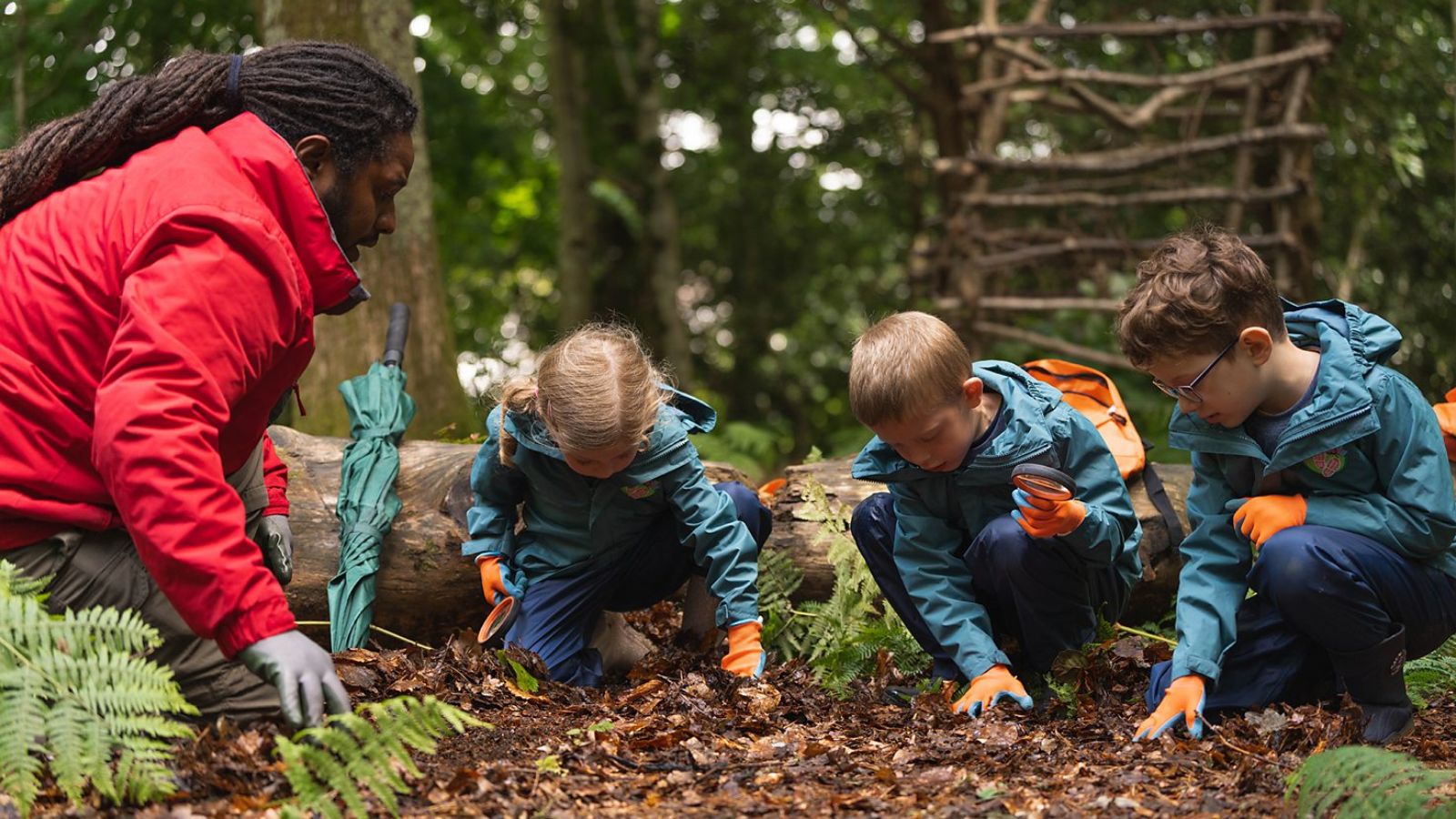
Meet Ranger Hamza, beloved host of BBC's Ranger Hamza's EcoQuest, and his faithful Ramblers. In these short video clips, your young nature explorers can learn all about the natural world around them, from birds and insects to flowers and trees. Make sure you follow up with your own nature walk, and don't miss our free nature walk worksheets!
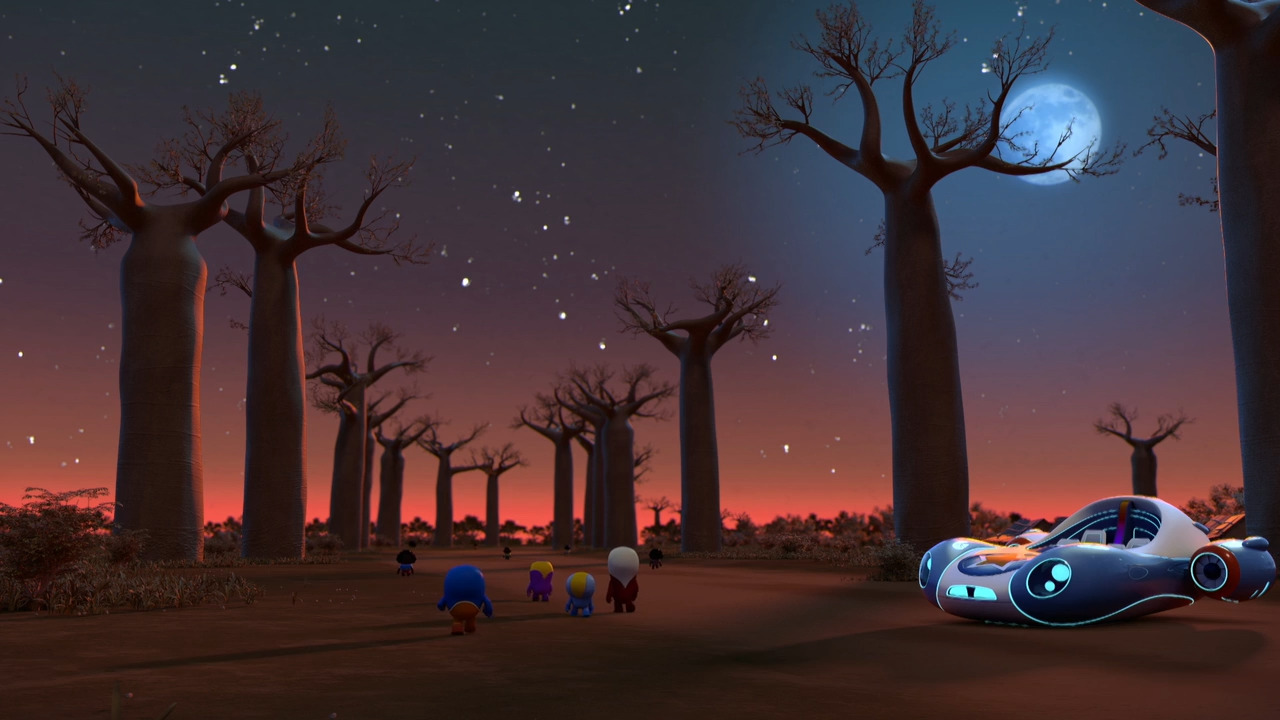
In The Go Jetters Learn About Upside-Down Trees, the Go Jetters crew explores the Avenue of the Baobabs in Madagascar. Ubercorn shares funky facts about these trees, including why they are called the "upside-down tree," and why they are important to nocturnal animals. This video is excerpted from BBC’s Go Jetters, a series that follows the adventures of four international heroes as they travel the globe visiting landmarks and solving environmental problems with Ubercorn, a disco-dancing unicorn.
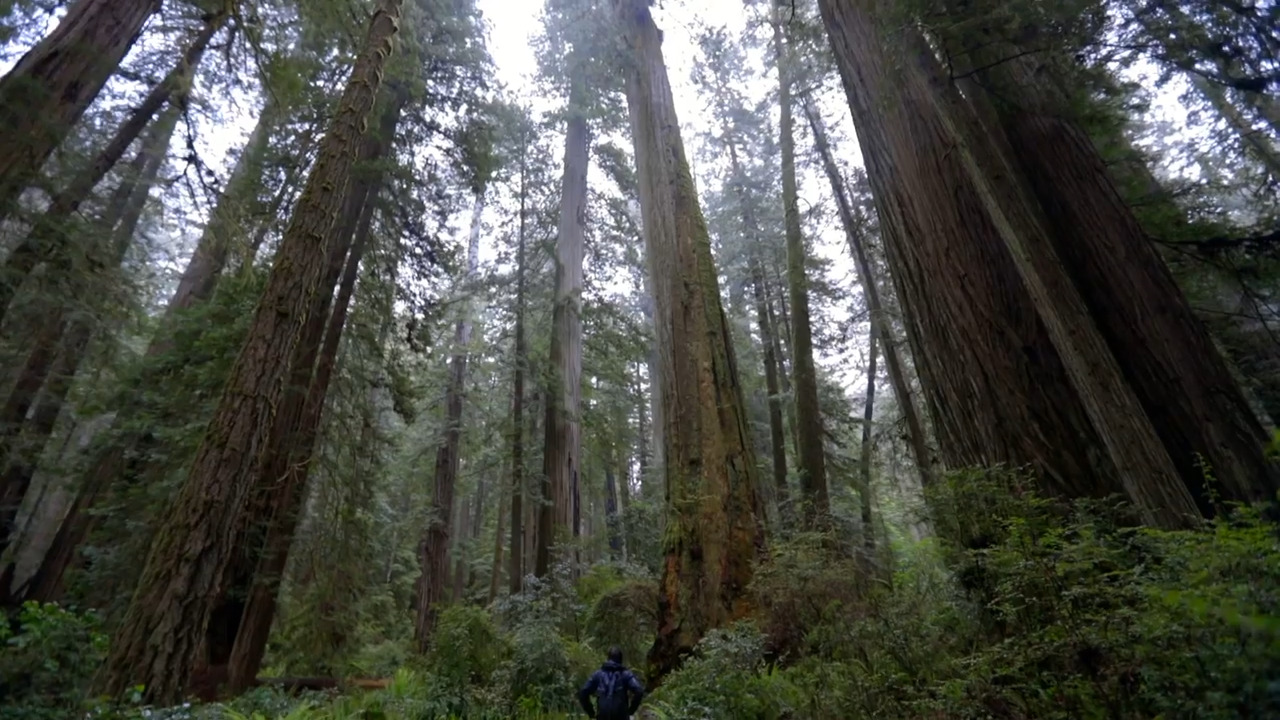
In Protecting the Redwoods, Earth's Tallest Trees, host Simon Reeve journeys to the towering redwoods, some of the oldest and tallest trees on the planet. These giants are in danger, with 95% of the original redwoods already cut down and poachers still threatening their survival. But conservationists are stepping up, using methods like biomimicry to bring these mighty trees back to life, all while Simon climbs 250 feet to see it firsthand! This video is excerpted from BBC’s The Americas With Simon Reeve, in which Simon Reeve explores the landscapes, cultures, and wildlife of North and South America.
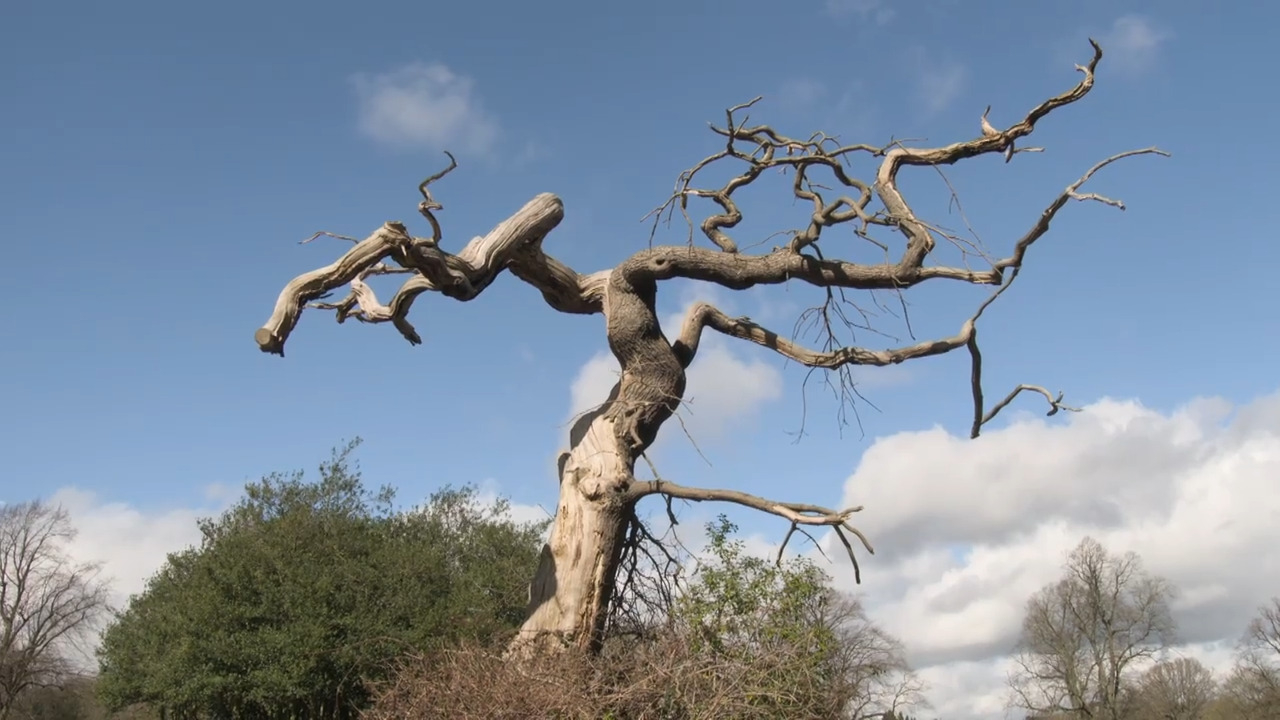
In Snag Tree Secrets, Ranger Hamza and the Ramblers come upon a dead tree called a snag. Join the kids as they learn about the various ways animals use snag trees. This video is excerpted from BBC's Ranger Hamza’s Eco Quest, a nature exploration show in which Ranger Hamza and the Ramblers go on quests to discover nature’s wonders and the important role they play in our environment.
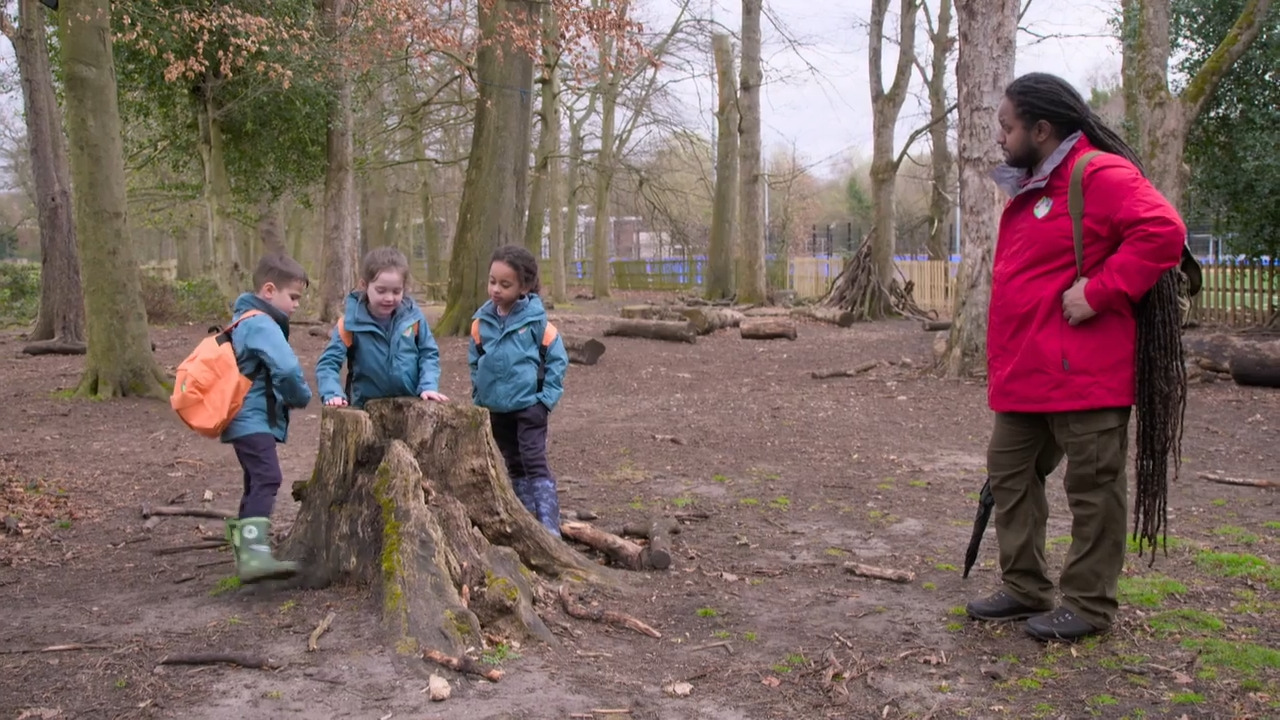
In Ecosystem in a Tree Stump, Ranger Hamza and the Ramblers find dead wood, sticks, and a tree stump. Join them as they investigate the tree stump and learn about the ways the tree stump provides a habitat for insects and animals. This video is excerpted from BBC's Ranger Hamza’s Eco Quest, a nature exploration show in which Ranger Hamza and the Ramblers go on quests to discover nature’s wonders and the important role they play in our environment.
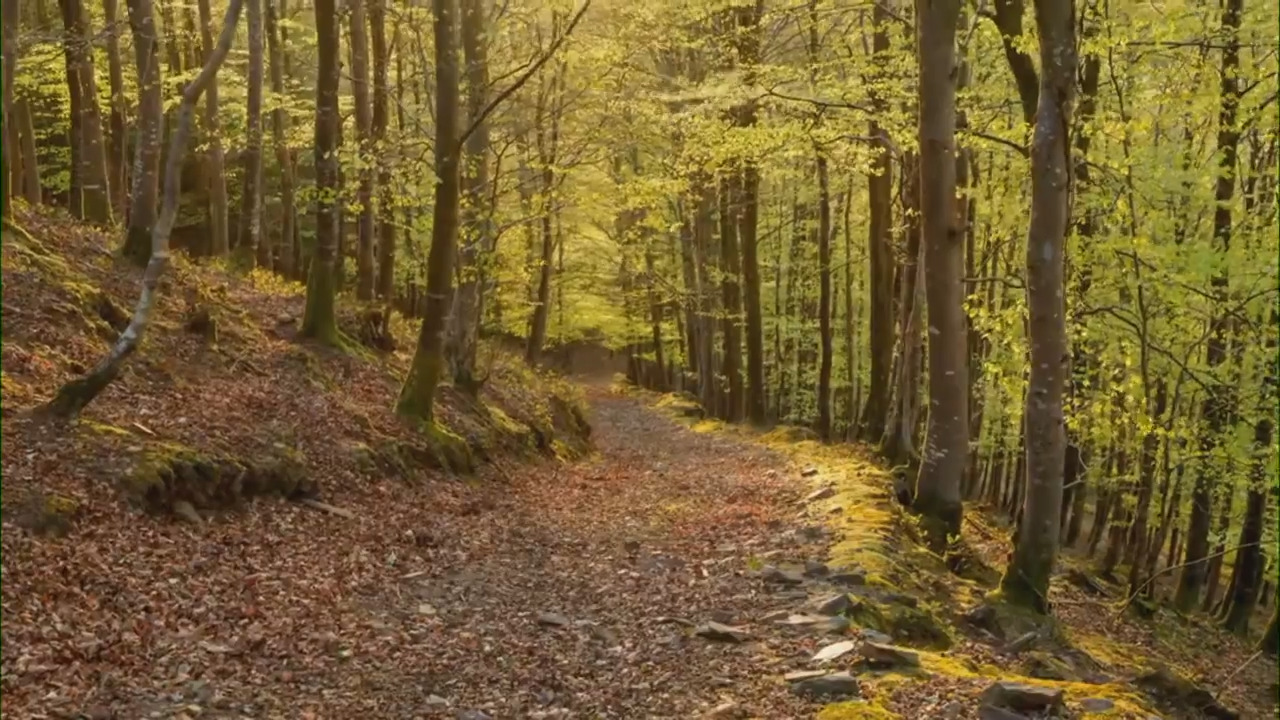
Historical buildings are often protected by law, but what about older trees? The Woodland Trust is working on a Heritage Trees Bill, planting new trees, and attempting to create a national database to make sure these living legends are also protected by the law. This video is excerpted from BBC News.
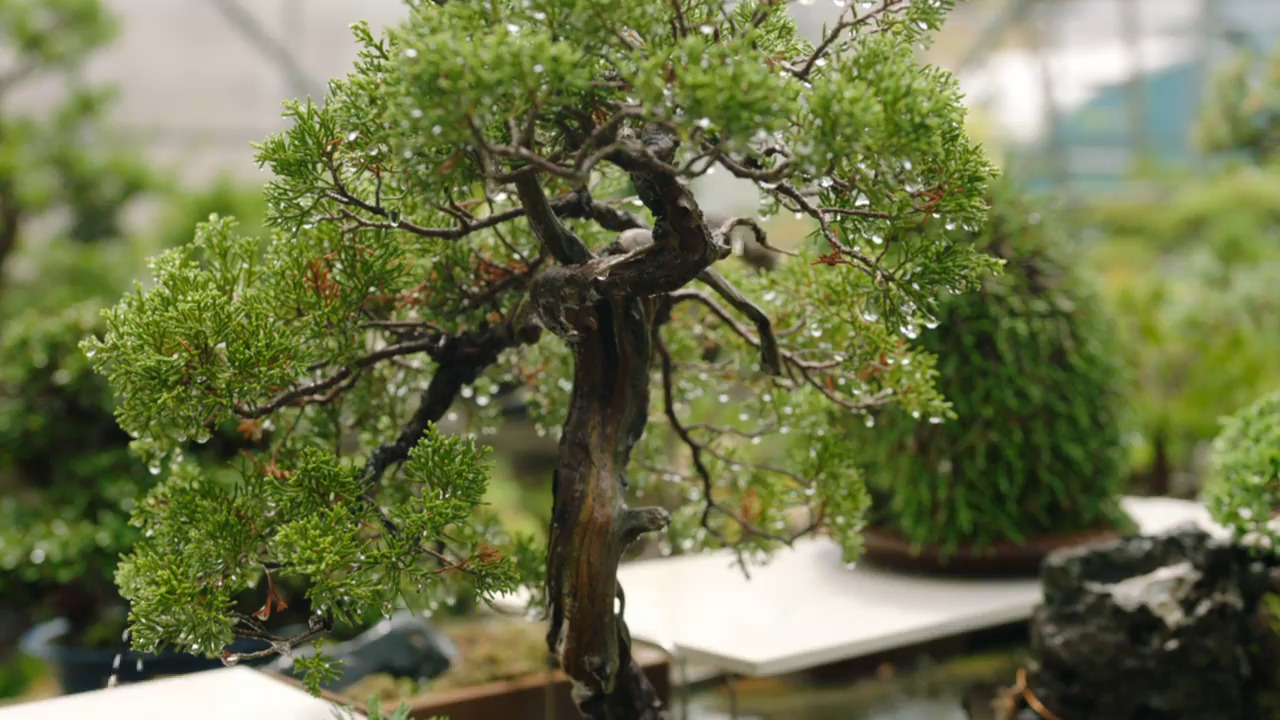
In The Ritual of Bonsai, a bonsai sensei enjoys the ritual and tradition of cultivating bonsai trees. This video is excerpted from BBC's Extraordinary Rituals, a documentary produced by BBC Natural History that explores how humans mark major life moments through ceremonies and traditions.
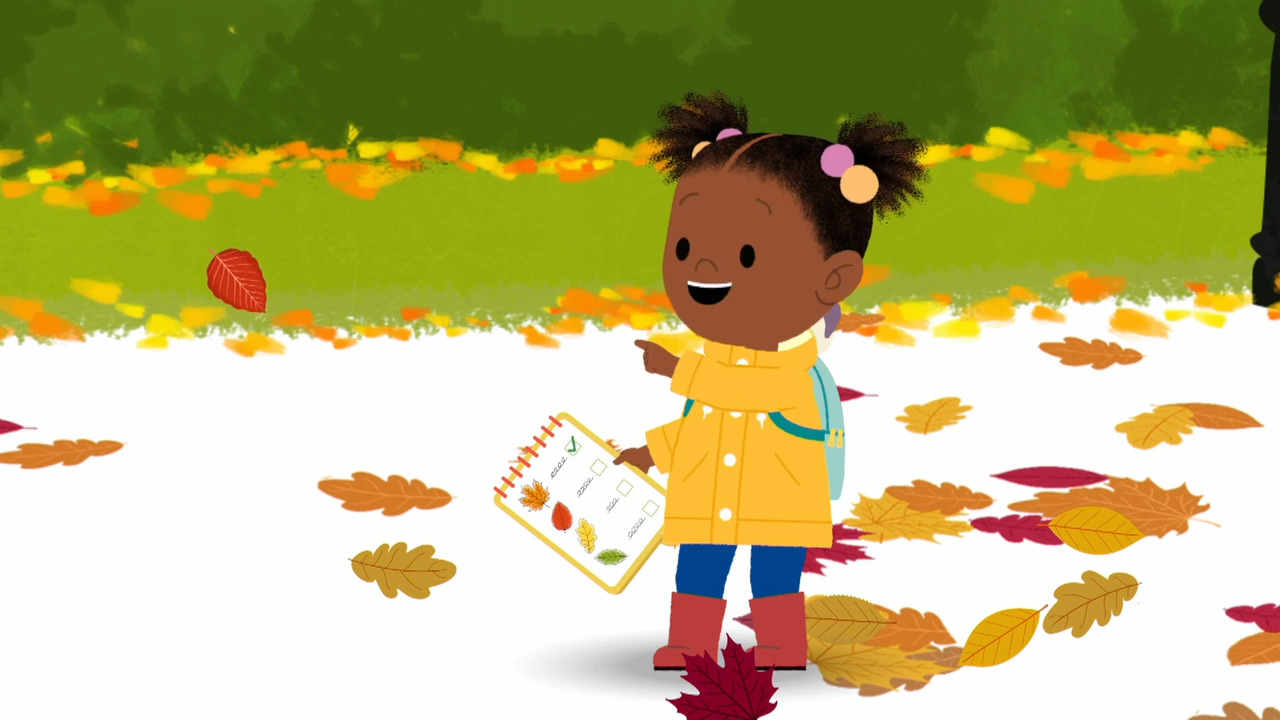
In JoJo and Gran Gran Look for Leaves, JoJo searches for leaves to complete her checklist until she realizes she can’t find a green leaf. Gran Gran suggests a solution. Real-life friends collect leaves that have fallen from the trees. This video is excerpted from BBC’s JoJo & Gran Gran, a children's animated television series following JoJo, an inquisitive and cheerful 4-and-a-half-year-old girl and her loving Gran Gran, who always has something new to teach her.
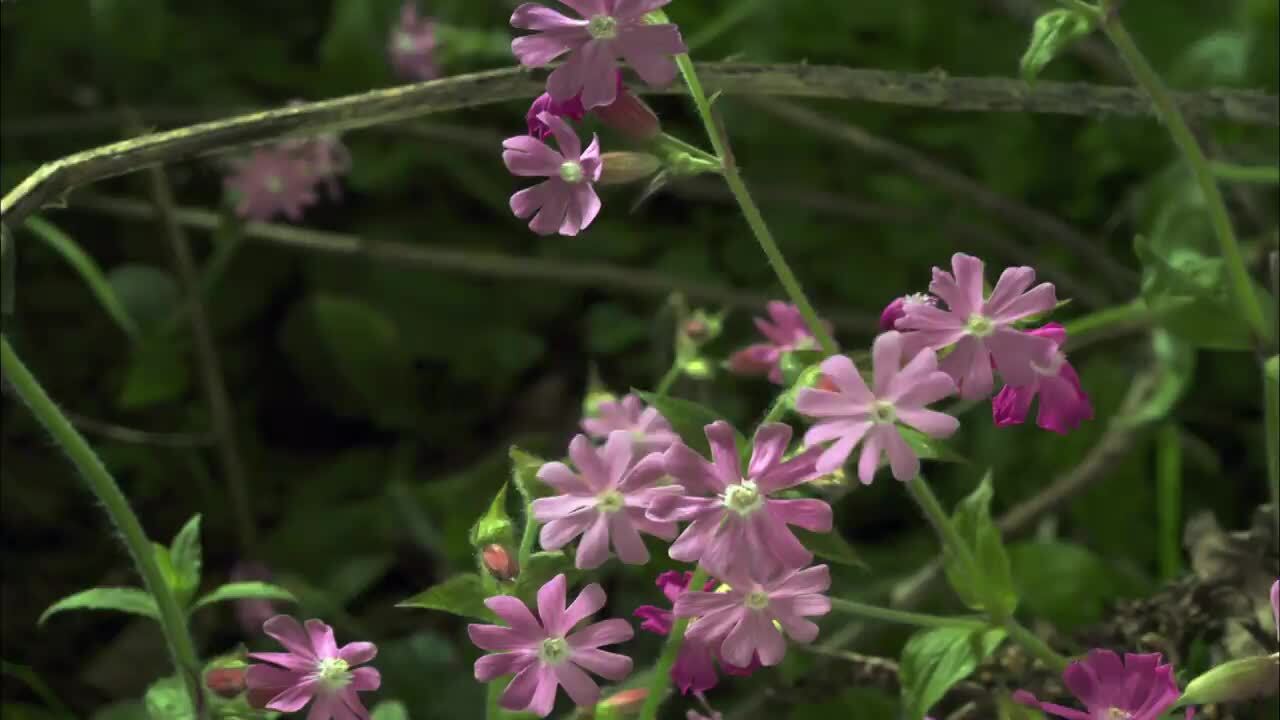
In Seasons in Deciduous Forests, narrator Sir David Attenborough explains how trees and plants respond to the changing seasons. The leaves’ vibrant shift to red can even be seen from space! This video is excerpted from BBC's Planet Earth, a breathtaking documentary series that highlights the natural wonders of our planet.
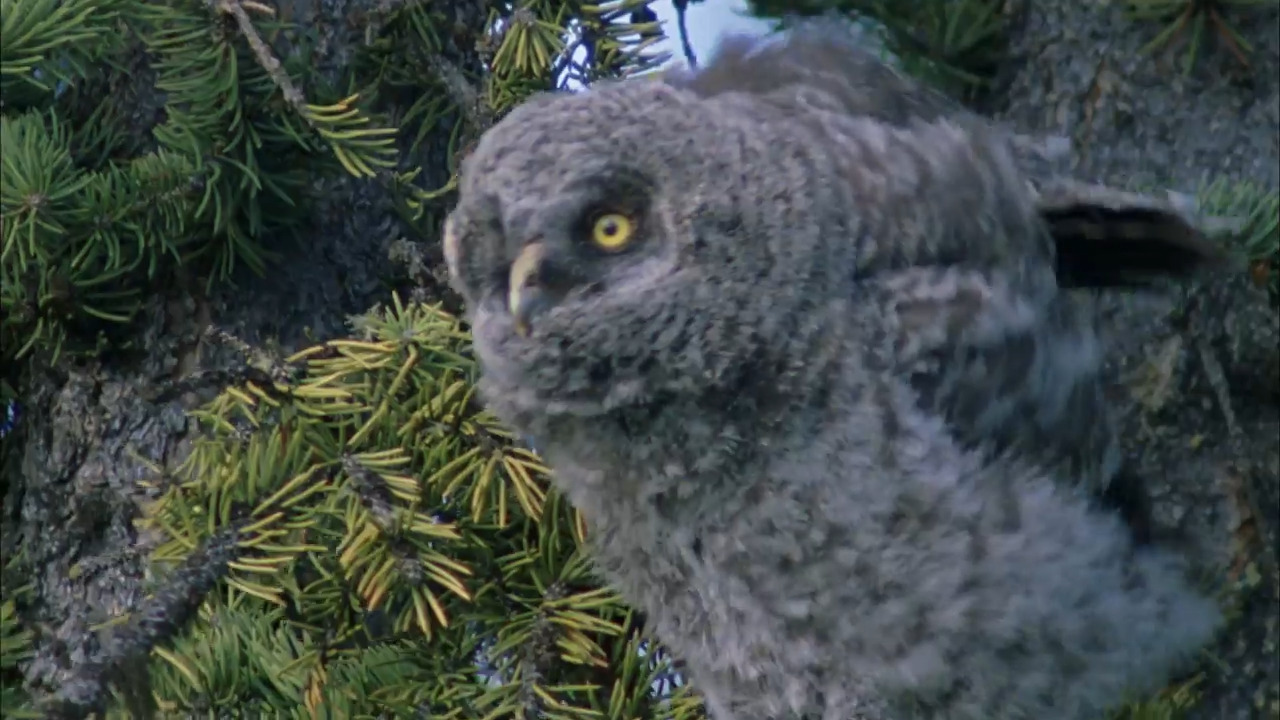
In Great Grey Owls Learn to Fly young grey owls learn to fly in early summer, leaping from tall trees. The tallest of these is a giant sequoia known as General Sherman. Nearby, the oldest trees have been growing for 5,000 years! This video is excerpted from BBC's Planet Earth, a breathtaking documentary series that highlights the natural wonders of our planet.
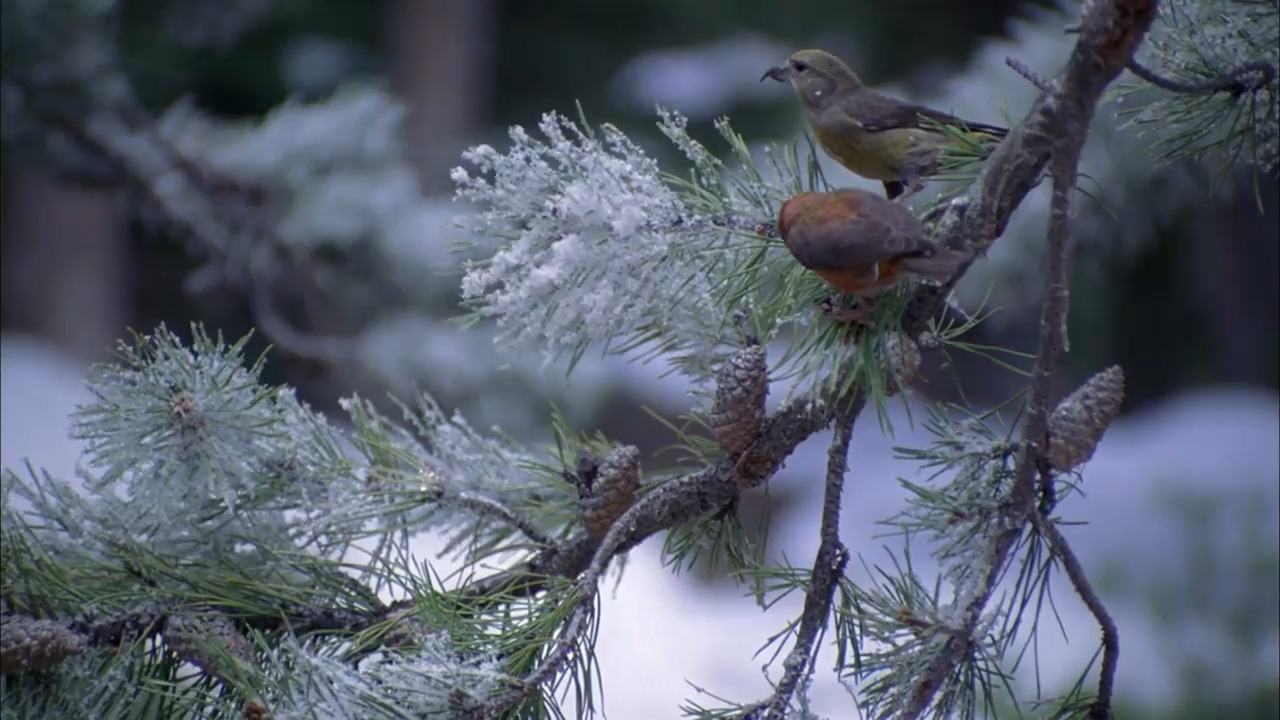
In Why Conifers Aren't So Easy to Eat narrator Sir David Attenborough explains that evergreen trees don’t become food easily. A moose munches on needles full of distasteful resin, while birds pry open cones to eat the seeds. This video is excerpted from BBC's Planet Earth, a breathtaking documentary series that highlights the natural wonders of our planet.
Introducing your new favorite duo! JoJo & Gran Gran is a BBC children's animated television series that follows an inquisitive and cheerful 4-and-a-half-year-old girl and her loving grandmother, who always has something new to teach her. Young learners will love learning alongside the diverse cast of characters as they get to know their community and explore the natural world around them.
This is quick and easy seasonal content — perfect for an intro to a life science (plants, trees, flowers) or social studies (holidays!) lesson. Or watch the video and then try what JoJo and Gran Gran did, whether it's making a fruit crumble or writing a poem.
Meet Ranger Hamza, beloved host of BBC's Ranger Hamza's EcoQuest, and his faithful Ramblers. In these short video clips, your young nature explorers can learn all about the natural world around them, from birds and insects to flowers and trees. Make sure you follow up with your own nature walk, and don't miss our free nature walk worksheets!
In The Go Jetters Learn About Upside-Down Trees, the Go Jetters crew explores the Avenue of the Baobabs in Madagascar. Ubercorn shares funky facts about these trees, including why they are called the "upside-down tree," and why they are important to nocturnal animals. This video is excerpted from BBC’s Go Jetters, a series that follows the adventures of four international heroes as they travel the globe visiting landmarks and solving environmental problems with Ubercorn, a disco-dancing unicorn.
In Protecting the Redwoods, Earth's Tallest Trees, host Simon Reeve journeys to the towering redwoods, some of the oldest and tallest trees on the planet. These giants are in danger, with 95% of the original redwoods already cut down and poachers still threatening their survival. But conservationists are stepping up, using methods like biomimicry to bring these mighty trees back to life, all while Simon climbs 250 feet to see it firsthand! This video is excerpted from BBC’s The Americas With Simon Reeve, in which Simon Reeve explores the landscapes, cultures, and wildlife of North and South America.
In Snag Tree Secrets, Ranger Hamza and the Ramblers come upon a dead tree called a snag. Join the kids as they learn about the various ways animals use snag trees. This video is excerpted from BBC's Ranger Hamza’s Eco Quest, a nature exploration show in which Ranger Hamza and the Ramblers go on quests to discover nature’s wonders and the important role they play in our environment.
In Ecosystem in a Tree Stump, Ranger Hamza and the Ramblers find dead wood, sticks, and a tree stump. Join them as they investigate the tree stump and learn about the ways the tree stump provides a habitat for insects and animals. This video is excerpted from BBC's Ranger Hamza’s Eco Quest, a nature exploration show in which Ranger Hamza and the Ramblers go on quests to discover nature’s wonders and the important role they play in our environment.
Historical buildings are often protected by law, but what about older trees? The Woodland Trust is working on a Heritage Trees Bill, planting new trees, and attempting to create a national database to make sure these living legends are also protected by the law. This video is excerpted from BBC News.
In The Ritual of Bonsai, a bonsai sensei enjoys the ritual and tradition of cultivating bonsai trees. This video is excerpted from BBC's Extraordinary Rituals, a documentary produced by BBC Natural History that explores how humans mark major life moments through ceremonies and traditions.
In JoJo and Gran Gran Look for Leaves, JoJo searches for leaves to complete her checklist until she realizes she can’t find a green leaf. Gran Gran suggests a solution. Real-life friends collect leaves that have fallen from the trees. This video is excerpted from BBC’s JoJo & Gran Gran, a children's animated television series following JoJo, an inquisitive and cheerful 4-and-a-half-year-old girl and her loving Gran Gran, who always has something new to teach her.
In Seasons in Deciduous Forests, narrator Sir David Attenborough explains how trees and plants respond to the changing seasons. The leaves’ vibrant shift to red can even be seen from space! This video is excerpted from BBC's Planet Earth, a breathtaking documentary series that highlights the natural wonders of our planet.
In Great Grey Owls Learn to Fly young grey owls learn to fly in early summer, leaping from tall trees. The tallest of these is a giant sequoia known as General Sherman. Nearby, the oldest trees have been growing for 5,000 years! This video is excerpted from BBC's Planet Earth, a breathtaking documentary series that highlights the natural wonders of our planet.
In Why Conifers Aren't So Easy to Eat narrator Sir David Attenborough explains that evergreen trees don’t become food easily. A moose munches on needles full of distasteful resin, while birds pry open cones to eat the seeds. This video is excerpted from BBC's Planet Earth, a breathtaking documentary series that highlights the natural wonders of our planet.