Kahoot! Grasslands Giants
Explore the wide-open world of grasslands and discover the amazing animals that live in one of Earth’s largest biomes. From enormous elephants and powerful buffalo to towering Kori bustards, hardworking leafcutter ants, and rare Saiga antelope, students will learn how animals survive and thrive in these vast landscapes of grasses and few trees.
This Kahoot explores the unique features of grassland ecosystems, including climate, food chains, migration, and the special adaptations that help animals find food, avoid predators, and survive changing seasons. Students will also discover the differences between tropical savannas and temperate grasslands and the incredible diversity of life found in each.
Watch the related BBC videos (below), then invite your Grade 3–8 students to test their knowledge and uncover the wonders of life on the grasslands.

Explore free, ready-to-play Kahoots from BBC Learning featuring science, history, nature, geography, and more. Learn more.
Explore free, ready-to-play Kahoots from BBC Learning featuring science, history, nature, geography, and more. Learn more.
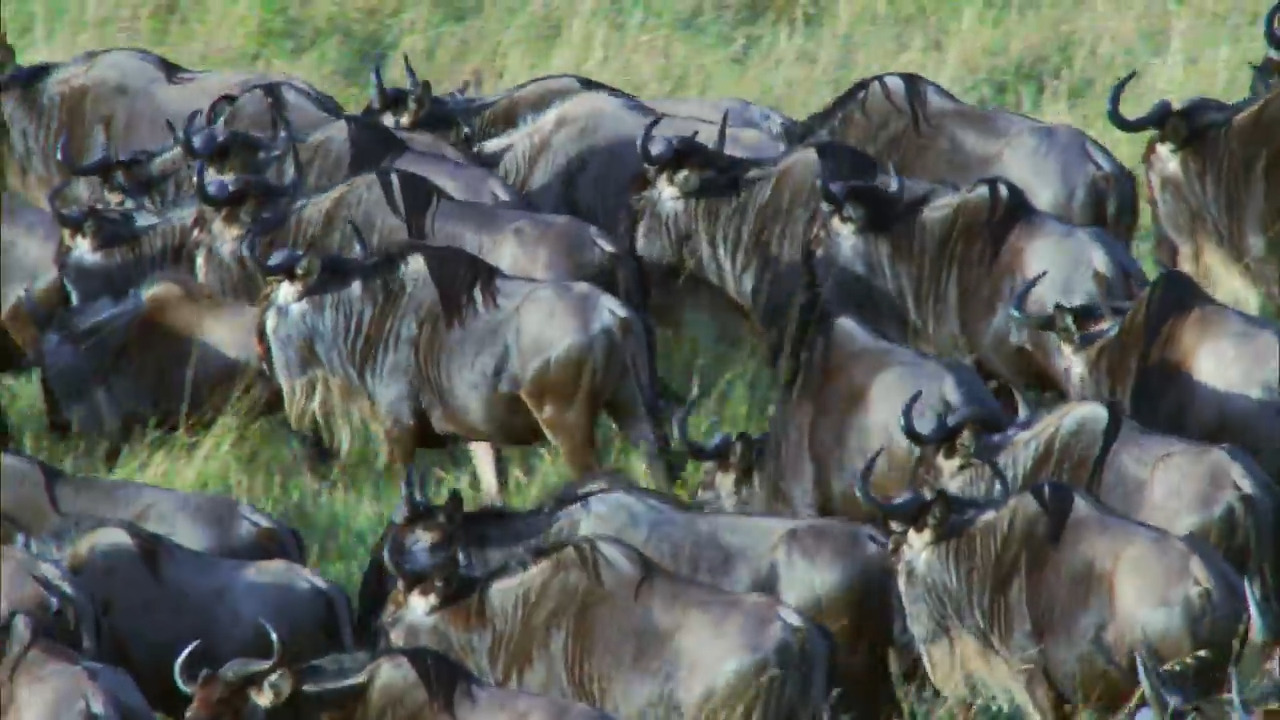
In African Grasslands Provide Food for Millions, narrator Sir David Attenborough teaches about how some animals eat grass and grass seeds. The East African savannas supports a population of 1.5 million red-billed quelea, and nearly 2 million wildebeest. This video is excerpted from BBC's Planet Earth, a breathtaking documentary series that highlights the natural wonders of our planet.
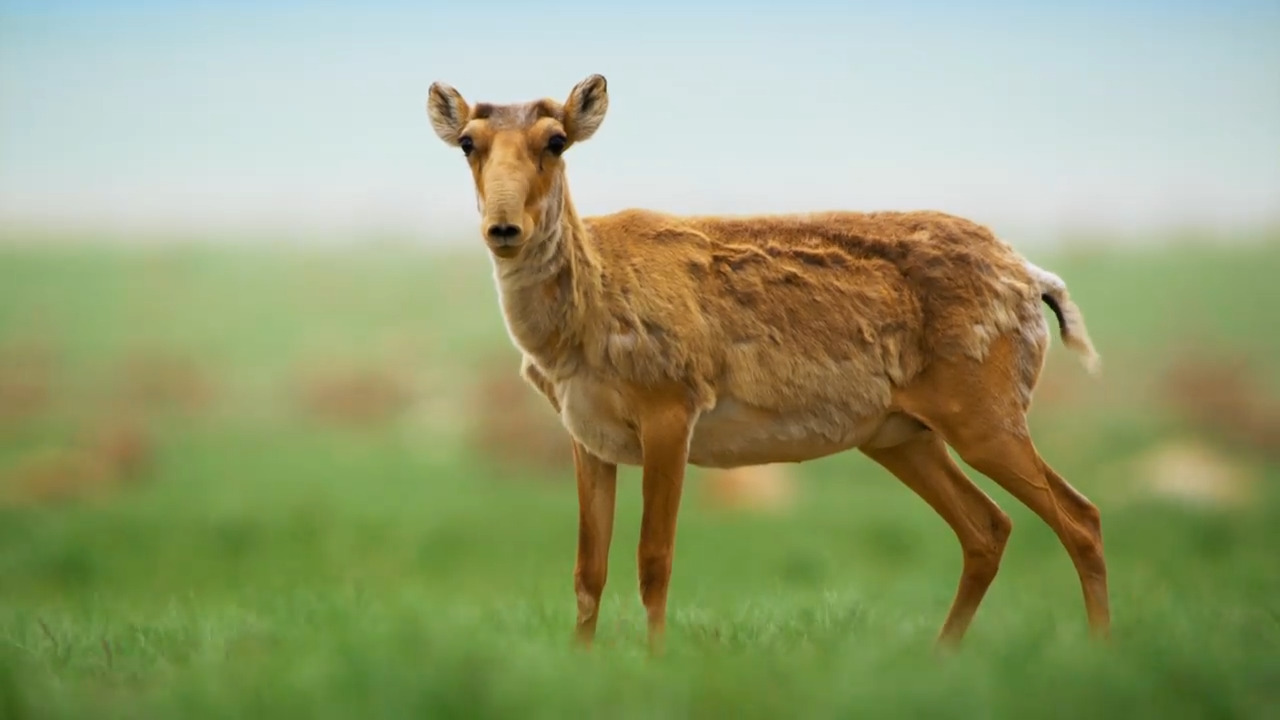
In Meet the Saiga Antelope, narrator Sir David Attenborough introduces the Saiga antelope and how it survives on the vast Eurasian steppe. The video highlights the importance of grasslands, which cover a quarter of the Earth's land and provide essential habitats for animals like the Saiga antelope. This video is excerpted from BBC’s Planet Earth II, a breathtaking documentary series that highlights the natural wonders of our planet.
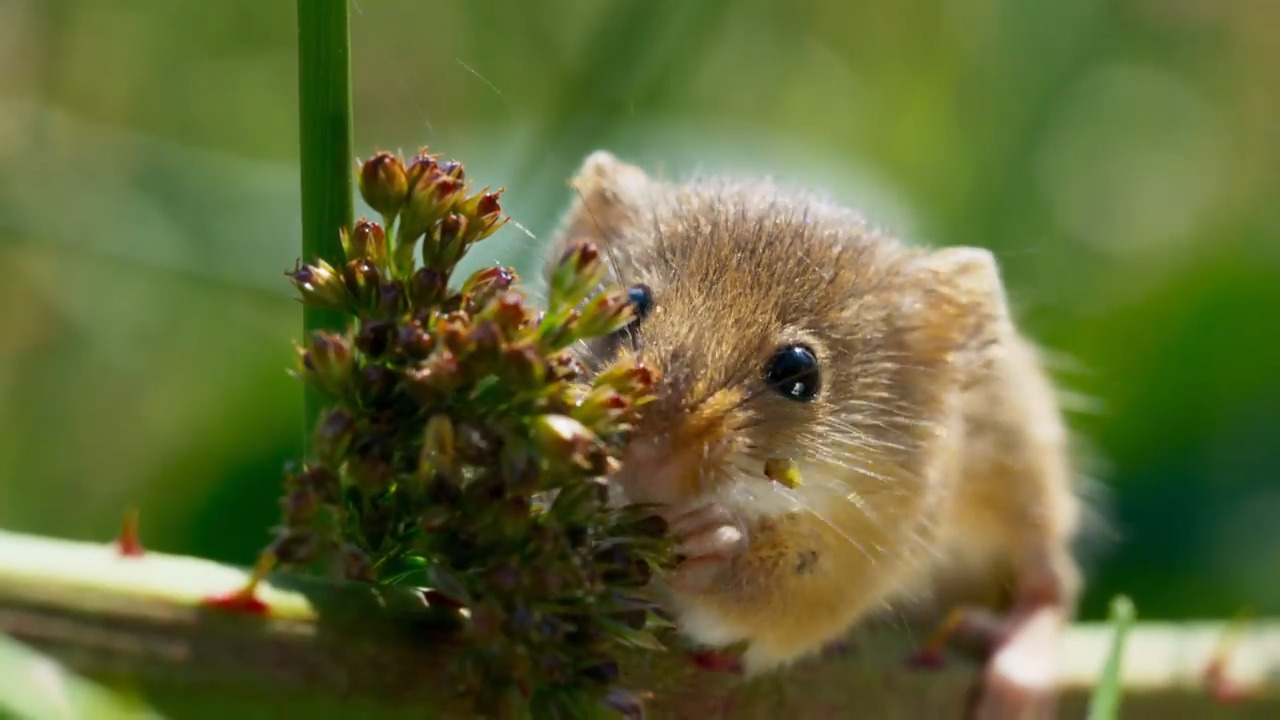
In A Harvest Mouse Navigates the Grasslands, narrator Sir David Attenborough shows how the harvest mouse uses its prehensile tail to navigate the grasslands, find food, and avoid predators like barn owls. This video is excerpted from Planet Earth II, a breathtaking documentary series that highlights the natural wonders of our planet.
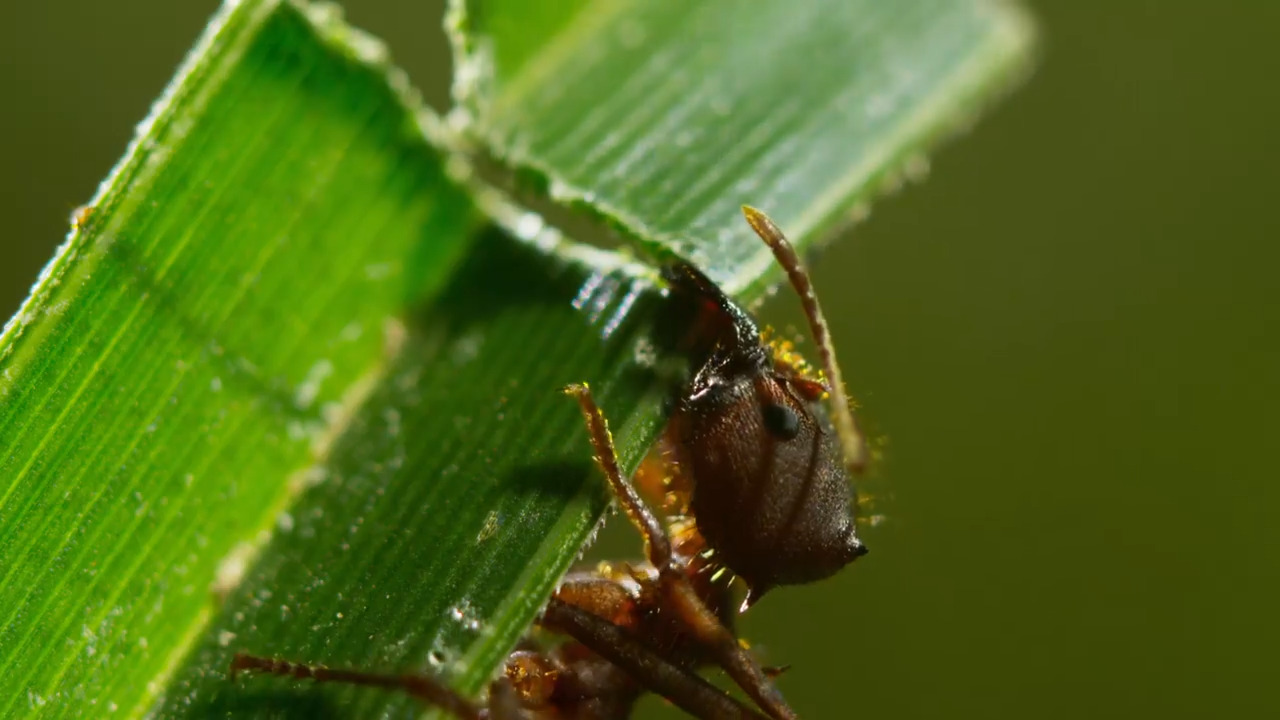
In The Industrious Insects of the Grasslands, narrator Sir David Attenborough explains that around the world, over one-third of the grass that grows will be harvested by insects. Grass cutter ants harvest grass to feed underground fungus that they feed upon. Termites can digest grass, and they in turn become food for the giant anteater. After a prairie fire, termites and anteaters must wait for living roots to regenerate grass. This video is excerpted from BBC’s Planet Earth II, a breathtaking documentary series that highlights the natural wonders of our planet.
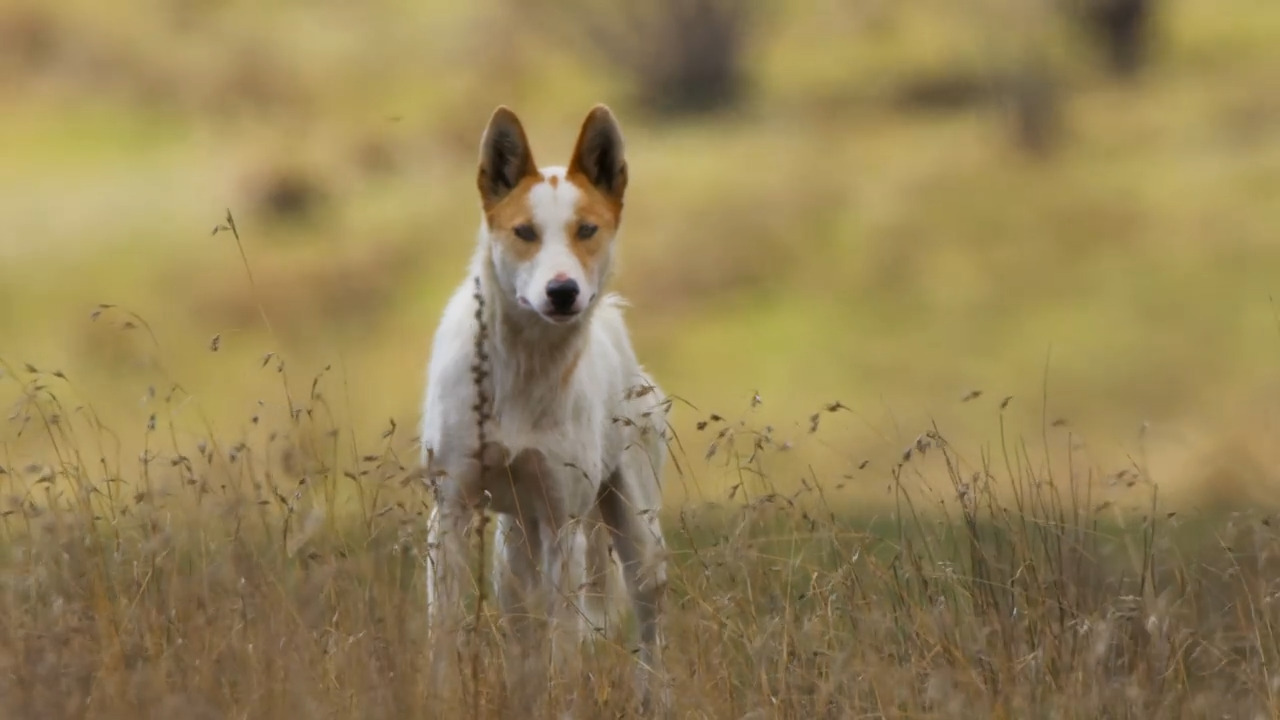
In Dingo Danger in the Grasslands, narrator Sir David Attenborough explains how dingoes, descendants of wolves brought by humans from Asia over 4,000 years ago, prey on kangaroos. Kangaroos, however, are fast and able to outrun them. This video is excerpted from BBC’s Seven Worlds, One Planet, a series featuring remarkable animal behavior from all seven continents.
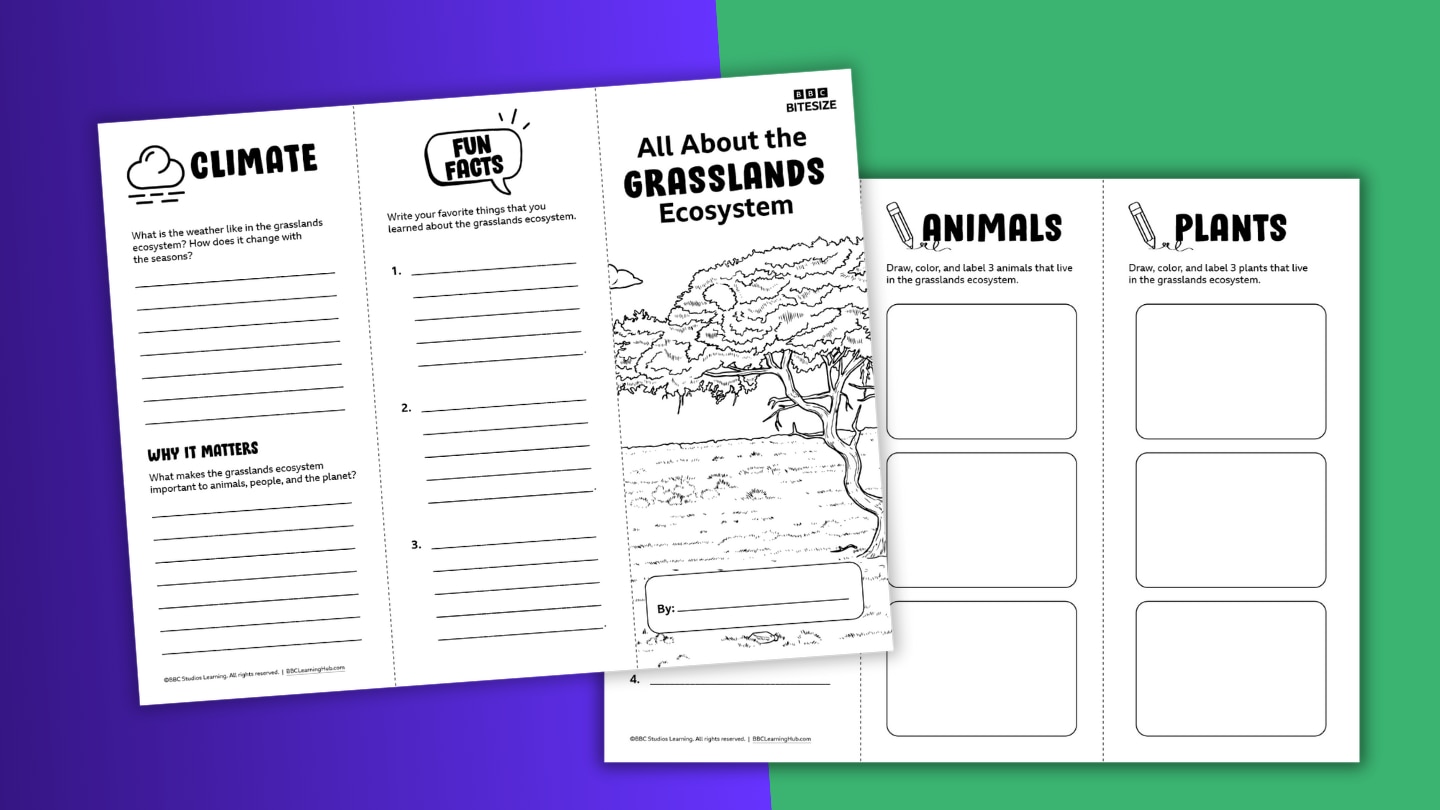
Invite your students on an adventure across the world’s amazing grasslands! From the roaring lions of the African savanna to the thundering bison of the Great Plains, these ecosystems are bursting with life. After watching our videos, challenge your students to become ecosystem experts by creating their own colorful report filled with fascinating facts. (They’ll need to dig deeper with extra research, too!) Inside the brochure, students will uncover and share:
- Location of the ecosystem on a world map
- Adjectives that describe the ecosystem
- Three animals that live in the ecosystem
- Three plants that grow in the ecosystem
- The climate of the ecosystem
- What makes the ecosystem important
- Their favorite fun facts
Your students will summarize the most important details in their own words while keeping it clear and easy to understand. As they choose what to include, they’ll sharpen their ability to evaluate and combine information from different sources. Best of all, they’ll show off their creativity and communication skills by designing a brochure that’s as fun to read as it is informative!
More Like This
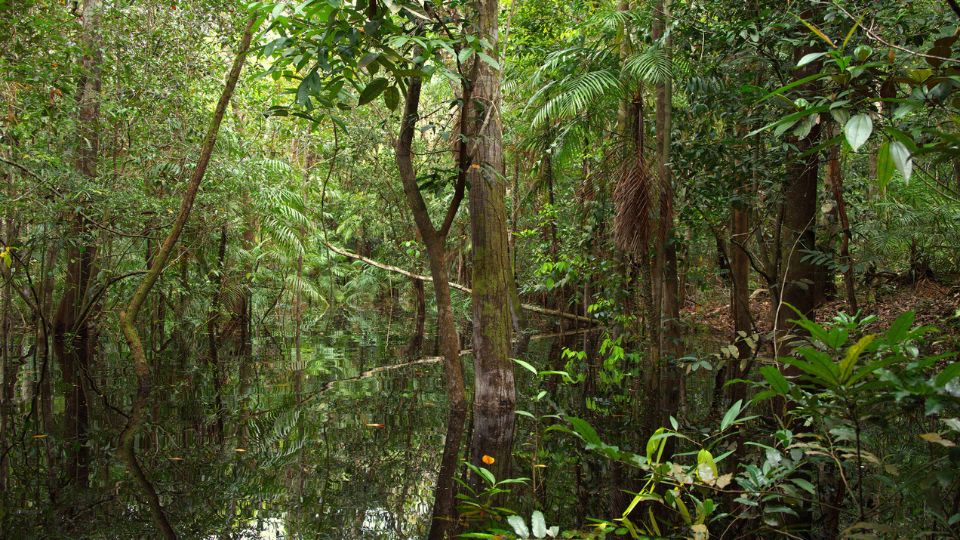
Journey into the heart of the rainforest and explore the four amazing layers that make this ecosystem so unique. From the sunlit emergent layer high above the trees to the dark and humid forest floor below, students will discover how different plants and animals survive and thrive in each part of the rainforest.
This Kahoot examines the rainforest’s distinct layers — the emergent layer, canopy, understory, and forest floor — and the important roles they play in supporting biodiversity. Students will learn how animals adapt to life at different heights, how plants compete for sunlight and water, and how all the layers work together to create one of the richest ecosystems on Earth.
Watch the related BBC videos (below), then invite your Grade 3–8 students to test their knowledge and uncover the wonders hidden within each layer of the rainforest.
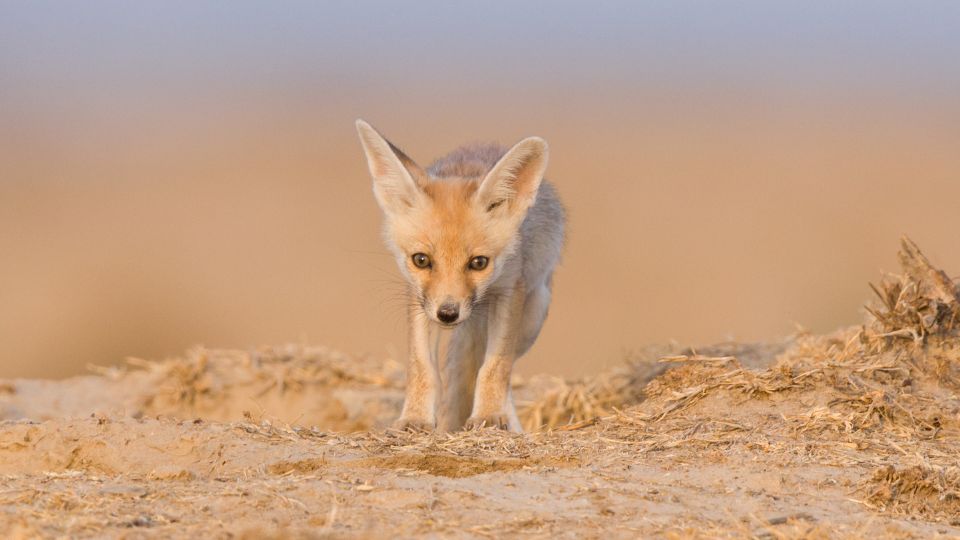
Explore the fascinating world of deserts and discover how plants, animals, and people adapt to survive in some of the hottest and driest places on Earth. From towering cacti and clever nocturnal animals to sudden sandstorms and scarce water sources, students will learn how life continues to thrive in these extreme environments.
This Kahoot investigates the unique features of desert ecosystems, including climate, habitats, food chains, and the special adaptations that help living things conserve water and stay cool. Students will also explore how deserts change over time and why these harsh landscapes are an important part of our planet’s natural systems.
Watch the related BBC videos (below), then invite your Grade 3–8 students to test their knowledge and uncover the surprising diversity and resilience of life in the desert.
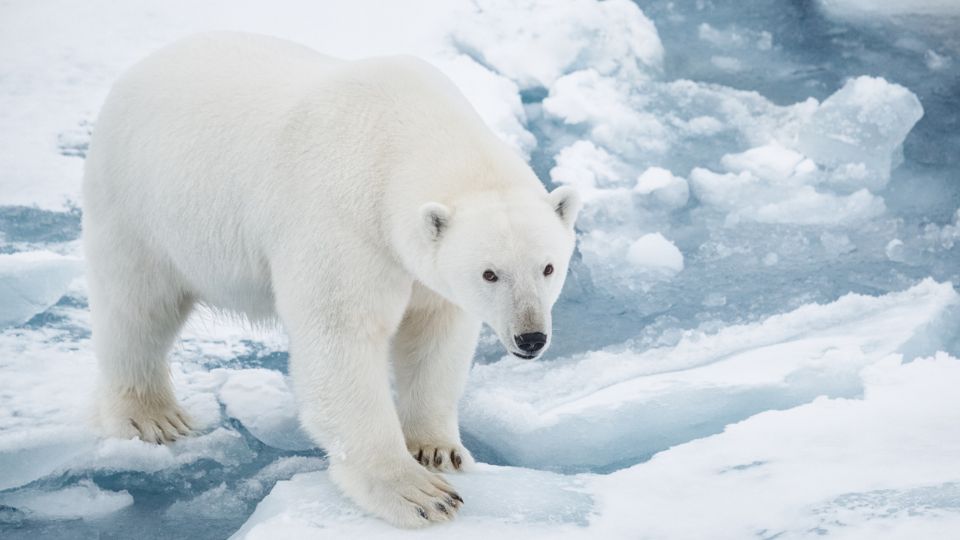
Discover the amazing animals that live in the coldest environments on Earth in this Kahoot about the polar regions. From powerful polar bears and playful seals to emperor penguins and Arctic foxes, students will explore how animals survive freezing temperatures, icy waters, and long, dark winters.
This Kahoot highlights the special adaptations that help polar animals hunt, stay warm, raise their young, and move across snow and ice. Students will also learn how different species depend on one another within polar food chains and how life continues to thrive in these extreme habitats.
Watch the related BBC videos (below), then invite your Grade 3–8 students to test their knowledge and uncover the fascinating world of polar animals.
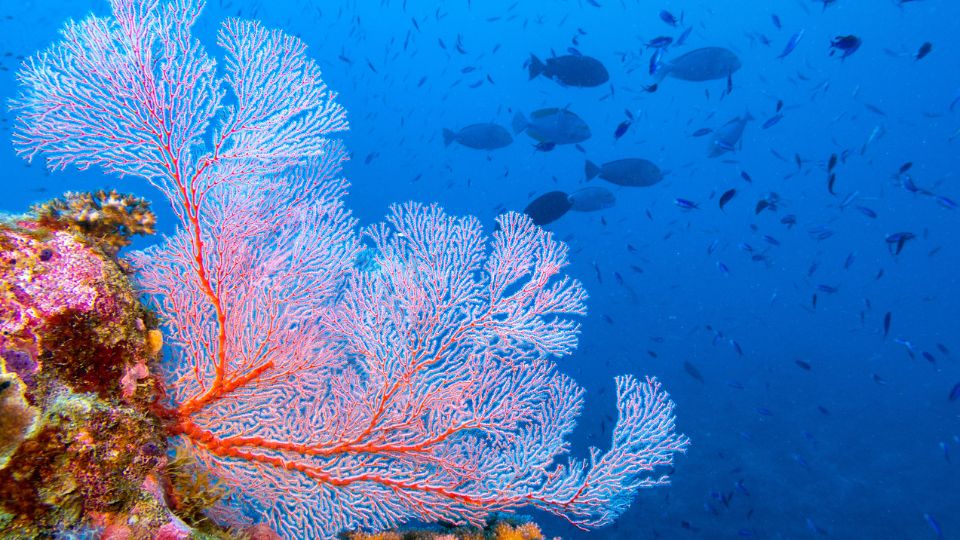
Dive beneath the waves and explore the colorful world of coral reefs and the amazing sea life they support. From bright tropical fish and graceful sea turtles to tiny coral polyps and color-changing cuttlefish, students will discover how reefs are home to some of the most diverse animal populations on Earth.
This Kahoot explores the rich ecosystems found in and around coral reefs, including the relationships between marine animals, food chains, and the special adaptations that help creatures survive underwater. Students will learn how reef animals find food, avoid predators, and depend on coral habitats for shelter and survival.
Watch the related BBC videos (below), then invite your Grade 3–8 students to test their knowledge and uncover the wonders of life beneath the sea.
Journey into the heart of the rainforest and explore the four amazing layers that make this ecosystem so unique. From the sunlit emergent layer high above the trees to the dark and humid forest floor below, students will discover how different plants and animals survive and thrive in each part of the rainforest.
This Kahoot examines the rainforest’s distinct layers — the emergent layer, canopy, understory, and forest floor — and the important roles they play in supporting biodiversity. Students will learn how animals adapt to life at different heights, how plants compete for sunlight and water, and how all the layers work together to create one of the richest ecosystems on Earth.
Watch the related BBC videos (below), then invite your Grade 3–8 students to test their knowledge and uncover the wonders hidden within each layer of the rainforest.
Explore the fascinating world of deserts and discover how plants, animals, and people adapt to survive in some of the hottest and driest places on Earth. From towering cacti and clever nocturnal animals to sudden sandstorms and scarce water sources, students will learn how life continues to thrive in these extreme environments.
This Kahoot investigates the unique features of desert ecosystems, including climate, habitats, food chains, and the special adaptations that help living things conserve water and stay cool. Students will also explore how deserts change over time and why these harsh landscapes are an important part of our planet’s natural systems.
Watch the related BBC videos (below), then invite your Grade 3–8 students to test their knowledge and uncover the surprising diversity and resilience of life in the desert.
Discover the amazing animals that live in the coldest environments on Earth in this Kahoot about the polar regions. From powerful polar bears and playful seals to emperor penguins and Arctic foxes, students will explore how animals survive freezing temperatures, icy waters, and long, dark winters.
This Kahoot highlights the special adaptations that help polar animals hunt, stay warm, raise their young, and move across snow and ice. Students will also learn how different species depend on one another within polar food chains and how life continues to thrive in these extreme habitats.
Watch the related BBC videos (below), then invite your Grade 3–8 students to test their knowledge and uncover the fascinating world of polar animals.
Dive beneath the waves and explore the colorful world of coral reefs and the amazing sea life they support. From bright tropical fish and graceful sea turtles to tiny coral polyps and color-changing cuttlefish, students will discover how reefs are home to some of the most diverse animal populations on Earth.
This Kahoot explores the rich ecosystems found in and around coral reefs, including the relationships between marine animals, food chains, and the special adaptations that help creatures survive underwater. Students will learn how reef animals find food, avoid predators, and depend on coral habitats for shelter and survival.
Watch the related BBC videos (below), then invite your Grade 3–8 students to test their knowledge and uncover the wonders of life beneath the sea.