
Kenya’s Eco-Champions Are Saving Trees, Reefs, and the Economy
Let’s take a virtual trip to the Lamu Archipelago in Kenya, a coastline that’s both prosperous and fragile at the same time. The specific environment is a crucial part of life: the ocean provides fish to feed the islands’ inhabitants, and the forests are populated with mangrove trees that protect the coastline from erosion. So, what happens when fish stocks have declined, mangrove forests have been badly damaged, coral reefs are bleaching, and plastic washes ashore with every tide? Local environmental heroes step up.
Meet “Mama Mikoko,” AKA The Mother of Mangroves, who earned the name through her efforts to restore coastal forests. These mangrove trees not only shield villages from erosion but provide breeding grounds for marine life, and their roots hold the shoreline together. Since 2018, her team has planted more than 200,000 mangrove trees and restored over 20 hectares (about 50 acres) of coastline. That means they’ve restored about 75 percent of the mangrove forest! But not all the action’s on land.
A short boat ride away, primary school teacher Monasha Mbona is helping rebuild coral reefs by attaching living coral fragments to cement structures and returning them to the ocean so they can grow.
As important as the environment is in itself (you know, doing little things like feeding the population and helping the islands not wash away), the projects go beyond helping the environment. Conservation income has also helped fund a desalination machine to turn seawater into freshwater, create jobs for young people, support women’s financial independence, and start microfinance groups.
Take the Challenge

More News Stories
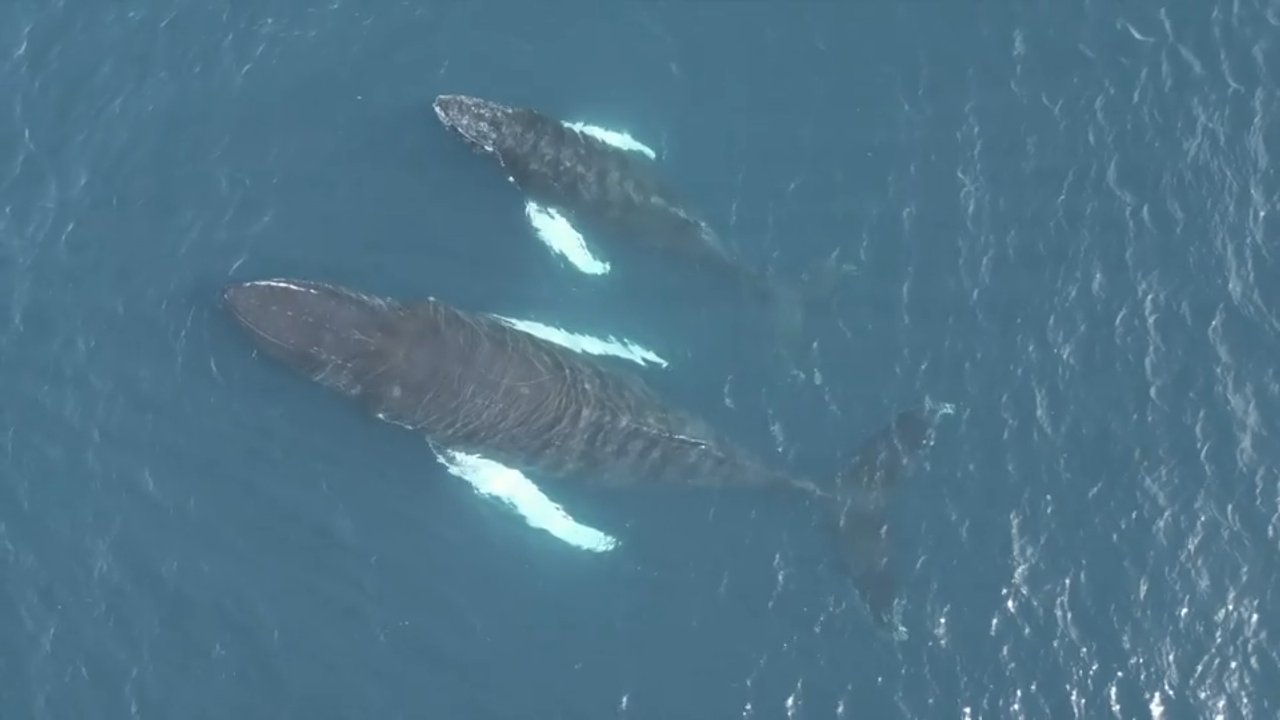
Look at the sea off the coast of East Greenland today, and you’ll notice two big changes: less ice and more whales.
Greenland is a huge Arctic island between North America and Europe. For a long time, thick sea-ice along its eastern coast kept large whales away, even in summer. But as the ocean has warmed and the ice has shrunk, some of the world’s biggest whales have moved in.
Scientists combined airplane surveys, satellite tags on whales and observations from local Inuit hunters. They found that fin whales, humpbacks, and minke whales now arrive by the thousands each summer. The whales are following capelin, a small fish that has moved into the warmer water. Humpbacks weren’t spotted in the area at all until 2006.
A sea full of whales might sound like great news, but it isn’t good news for every species. Many whales can travel between feeding areas, so they can follow the food. But some Arctic animals depend on sea-ice and have fewer places to go.
Polar bears have already been struggling as their icy habitat disappears. Now researchers say narwhals, which are specially adapted to icy Arctic waters, are having to share their home with the new arrivals, and in some places they’re being pushed out.
So the same change that’s creating a feast for some whales is shrinking the world for animals that need the ice.
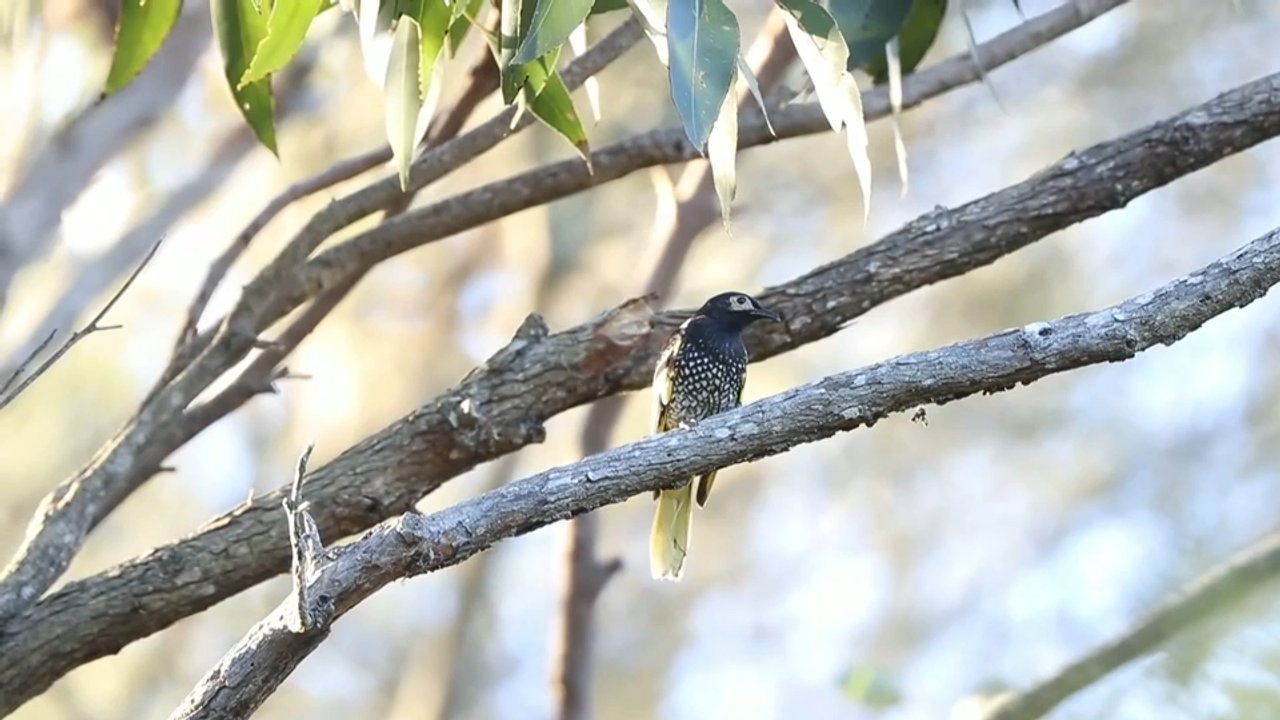
For most of us, forgetting a song is just a little embarrassing, maybe at karaoke. But for one Australian bird, it’s a sign of a much bigger problem.
The regent honeyeater is critically endangered. Fewer than 250 are left in the wild in southeastern Australia. While studying the species, researchers noticed something else: some young males weren’t singing the regent honeyeater song at all.
Like humans learning to talk, many songbirds learn their songs by listening to adults and copying them. But regent honeyeaters are now so rare and so spread out that some young males can’t find an older male to learn from. So they copy the songs of other birds nearby instead.
Researchers found that about 12% of the remaining males could sing only other species’ songs, not their own. That matters because males use their song to attract mates. Fewer songs could mean fewer chicks, making it even harder for the species to recover.
To help, scientists have been teaching young birds raised in zoos the traditional regent honeyeater song, using recordings and older wild males as tutors. The song has now disappeared from the wild, so these zoo birds are the only ones who still know it. Scientists hope that when the birds are released, they’ll pass it on and help the species survive.
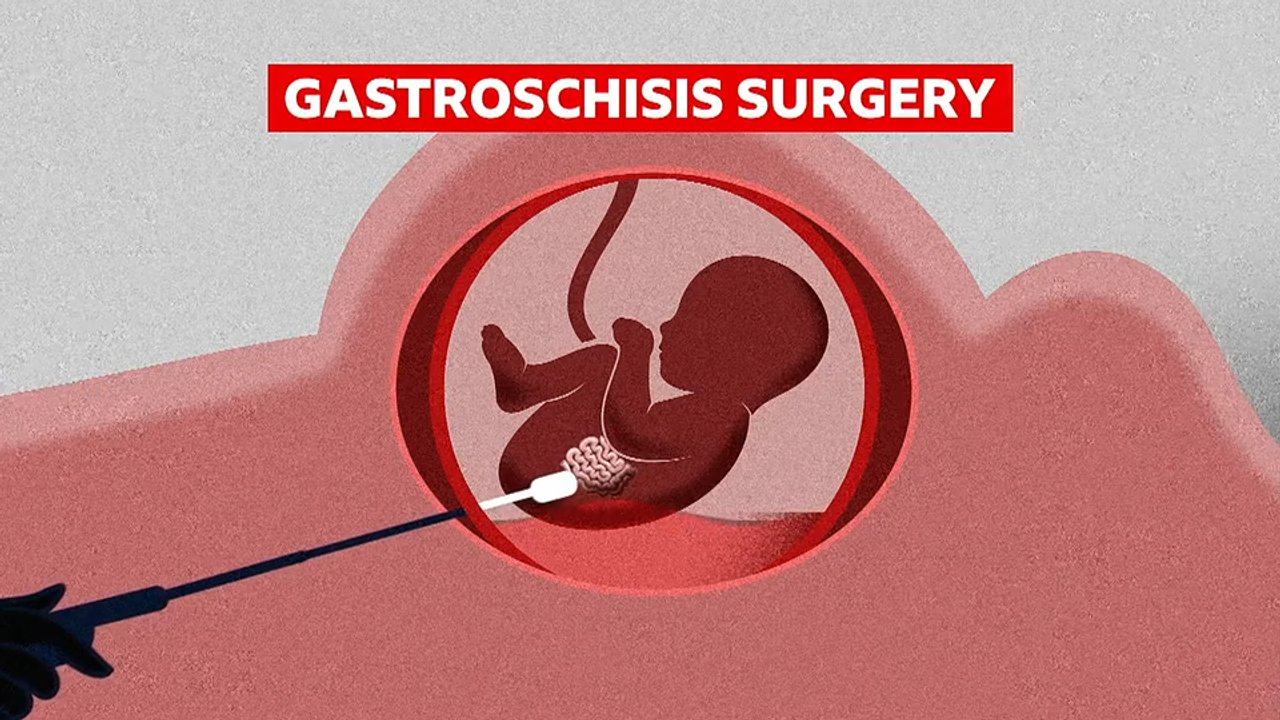
Not many babies can say they had surgery before they were born. Then again, not many babies can say much of anything. But Theo, a baby from London, England, is healthy and thriving after doctors operated on him while he was still inside his mother’s womb.
During a routine scan, doctors discovered Theo had a condition called gastroschisis. That means his intestines were developing outside his body, through an opening in his belly. Babies with gastroschisis usually have surgery after they’re born. But Theo’s family got the chance to join a clinical trial in Texas that would fix the problem before birth.
It took two trips. First, doctors in Belgium injected Botox, a medicine that relaxes muscles, into the muscles of Theo’s belly. Then the family traveled to Houston, Texas. There, surgeons partially exposed the womb and gently moved Theo’s intestines back inside his body using keyhole surgery. That’s a technique where doctors operate through very small cuts using a tiny camera and special tools. Compared with open surgery, it can mean less pain, a lower risk of infection and a faster recovery.
The operation was a success. About three months later, Theo was born healthy. He avoided the multiple surgeries and long hospital stay he might otherwise have faced.
Theo is only the third baby in the world to have this surgery, and it’s still experimental. Doctors hope it will one day be available in more places, including the UK, and help many more babies like Theo.
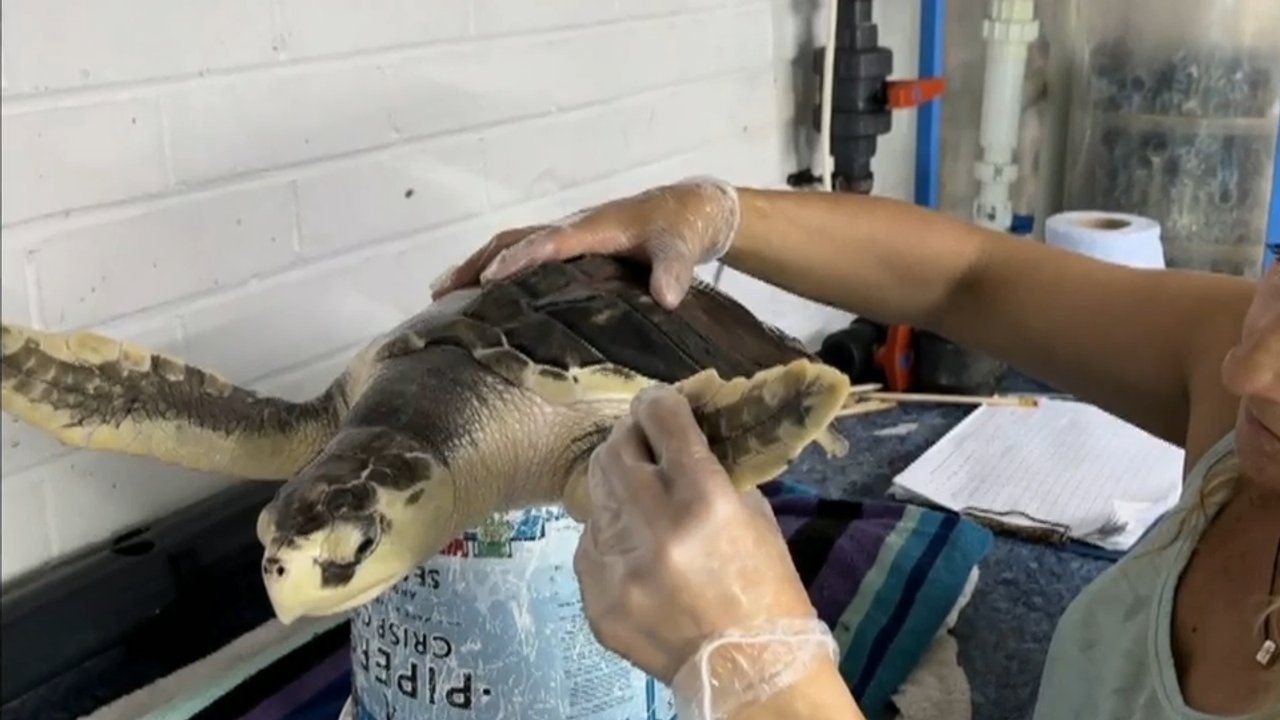
Lots of people find seashells on the beach. Far fewer find a rare sea turtle. But that’s what a dog named Meg did on a walk along a beach in Wales, part of the United Kingdom, in December 2023.
The turtle was a Kemp’s ridley, and he was about 5,000 miles from home. Kemp’s ridleys live in the Gulf of Mexico, but ocean currents and strong winds likely carried this one across the Atlantic into much colder water. By the time he washed ashore, he was severely cold-stunned. That happens to cold-blooded sea animals, most often sea turtles, when the water temperature drops quickly, usually below 50°F. That might not sound freezing, but a typical swimming pool is around 80°F. Remember how cold that feels when you first jump in.
A cold-stunned turtle becomes weak, stiff, and unable to swim properly, so he was lucky to be found. Staff at Anglesey Sea Zoo named him Rhossi, after Rhosneigr, the beach where he was found. They warmed him up very slowly, by only about one degree a day, because warming too fast can be dangerous. He spent nearly two years recovering.
This summer, Rhossi finally went home. He flew by helicopter from Anglesey, an island off the coast of Wales, to London. From there, he took a cargo flight to Houston, Texas, to prepare for his release into the Gulf.
The rescue matters for more than just Rhossi. Kemp’s ridleys are the smallest sea turtles and among the most endangered. They lay their eggs on only a few beaches in Mexico and Texas, and only about 7,000 to 9,000 nesting females are left in the world. Every single turtle counts.
Look at the sea off the coast of East Greenland today, and you’ll notice two big changes: less ice and more whales.
Greenland is a huge Arctic island between North America and Europe. For a long time, thick sea-ice along its eastern coast kept large whales away, even in summer. But as the ocean has warmed and the ice has shrunk, some of the world’s biggest whales have moved in.
Scientists combined airplane surveys, satellite tags on whales and observations from local Inuit hunters. They found that fin whales, humpbacks, and minke whales now arrive by the thousands each summer. The whales are following capelin, a small fish that has moved into the warmer water. Humpbacks weren’t spotted in the area at all until 2006.
A sea full of whales might sound like great news, but it isn’t good news for every species. Many whales can travel between feeding areas, so they can follow the food. But some Arctic animals depend on sea-ice and have fewer places to go.
Polar bears have already been struggling as their icy habitat disappears. Now researchers say narwhals, which are specially adapted to icy Arctic waters, are having to share their home with the new arrivals, and in some places they’re being pushed out.
So the same change that’s creating a feast for some whales is shrinking the world for animals that need the ice.
For most of us, forgetting a song is just a little embarrassing, maybe at karaoke. But for one Australian bird, it’s a sign of a much bigger problem.
The regent honeyeater is critically endangered. Fewer than 250 are left in the wild in southeastern Australia. While studying the species, researchers noticed something else: some young males weren’t singing the regent honeyeater song at all.
Like humans learning to talk, many songbirds learn their songs by listening to adults and copying them. But regent honeyeaters are now so rare and so spread out that some young males can’t find an older male to learn from. So they copy the songs of other birds nearby instead.
Researchers found that about 12% of the remaining males could sing only other species’ songs, not their own. That matters because males use their song to attract mates. Fewer songs could mean fewer chicks, making it even harder for the species to recover.
To help, scientists have been teaching young birds raised in zoos the traditional regent honeyeater song, using recordings and older wild males as tutors. The song has now disappeared from the wild, so these zoo birds are the only ones who still know it. Scientists hope that when the birds are released, they’ll pass it on and help the species survive.
Not many babies can say they had surgery before they were born. Then again, not many babies can say much of anything. But Theo, a baby from London, England, is healthy and thriving after doctors operated on him while he was still inside his mother’s womb.
During a routine scan, doctors discovered Theo had a condition called gastroschisis. That means his intestines were developing outside his body, through an opening in his belly. Babies with gastroschisis usually have surgery after they’re born. But Theo’s family got the chance to join a clinical trial in Texas that would fix the problem before birth.
It took two trips. First, doctors in Belgium injected Botox, a medicine that relaxes muscles, into the muscles of Theo’s belly. Then the family traveled to Houston, Texas. There, surgeons partially exposed the womb and gently moved Theo’s intestines back inside his body using keyhole surgery. That’s a technique where doctors operate through very small cuts using a tiny camera and special tools. Compared with open surgery, it can mean less pain, a lower risk of infection and a faster recovery.
The operation was a success. About three months later, Theo was born healthy. He avoided the multiple surgeries and long hospital stay he might otherwise have faced.
Theo is only the third baby in the world to have this surgery, and it’s still experimental. Doctors hope it will one day be available in more places, including the UK, and help many more babies like Theo.
Lots of people find seashells on the beach. Far fewer find a rare sea turtle. But that’s what a dog named Meg did on a walk along a beach in Wales, part of the United Kingdom, in December 2023.
The turtle was a Kemp’s ridley, and he was about 5,000 miles from home. Kemp’s ridleys live in the Gulf of Mexico, but ocean currents and strong winds likely carried this one across the Atlantic into much colder water. By the time he washed ashore, he was severely cold-stunned. That happens to cold-blooded sea animals, most often sea turtles, when the water temperature drops quickly, usually below 50°F. That might not sound freezing, but a typical swimming pool is around 80°F. Remember how cold that feels when you first jump in.
A cold-stunned turtle becomes weak, stiff, and unable to swim properly, so he was lucky to be found. Staff at Anglesey Sea Zoo named him Rhossi, after Rhosneigr, the beach where he was found. They warmed him up very slowly, by only about one degree a day, because warming too fast can be dangerous. He spent nearly two years recovering.
This summer, Rhossi finally went home. He flew by helicopter from Anglesey, an island off the coast of Wales, to London. From there, he took a cargo flight to Houston, Texas, to prepare for his release into the Gulf.
The rescue matters for more than just Rhossi. Kemp’s ridleys are the smallest sea turtles and among the most endangered. They lay their eggs on only a few beaches in Mexico and Texas, and only about 7,000 to 9,000 nesting females are left in the world. Every single turtle counts.