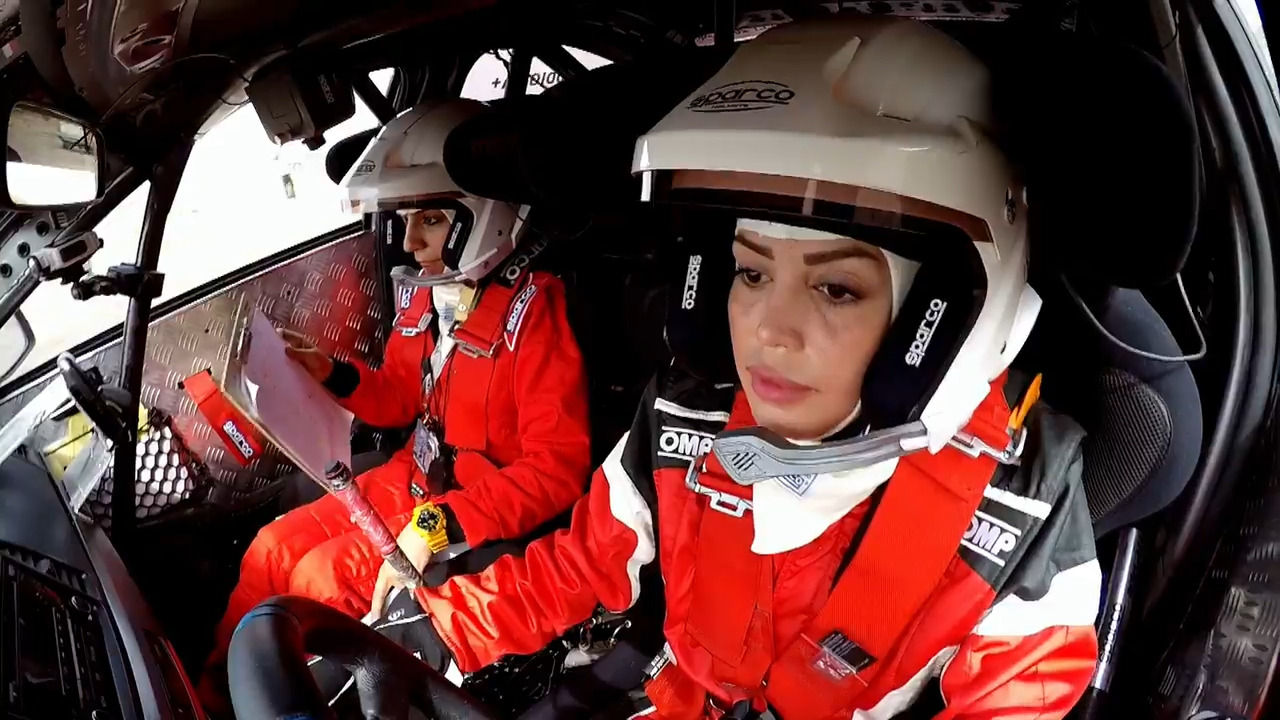
In Laleh Seddigh’s Bold Racing Journey, learn about Iran's first female race car driver, who broke barriers by racing against men in a sport traditionally dominated by men. In a society where women are discouraged from participating in sports, Seddigh proved women are just as capable. Seddigh's passion for driving started when she was just 11 years old, and her mother remembers catching her behind the wheel of a Buick one day. Now, racing is not just her hobby — it's a career that continues to challenge stereotypes. This video is excerpted from BBC's Her Story: The Female Revolution, which explores the history and impact of women’s rights movements and achievements of women.
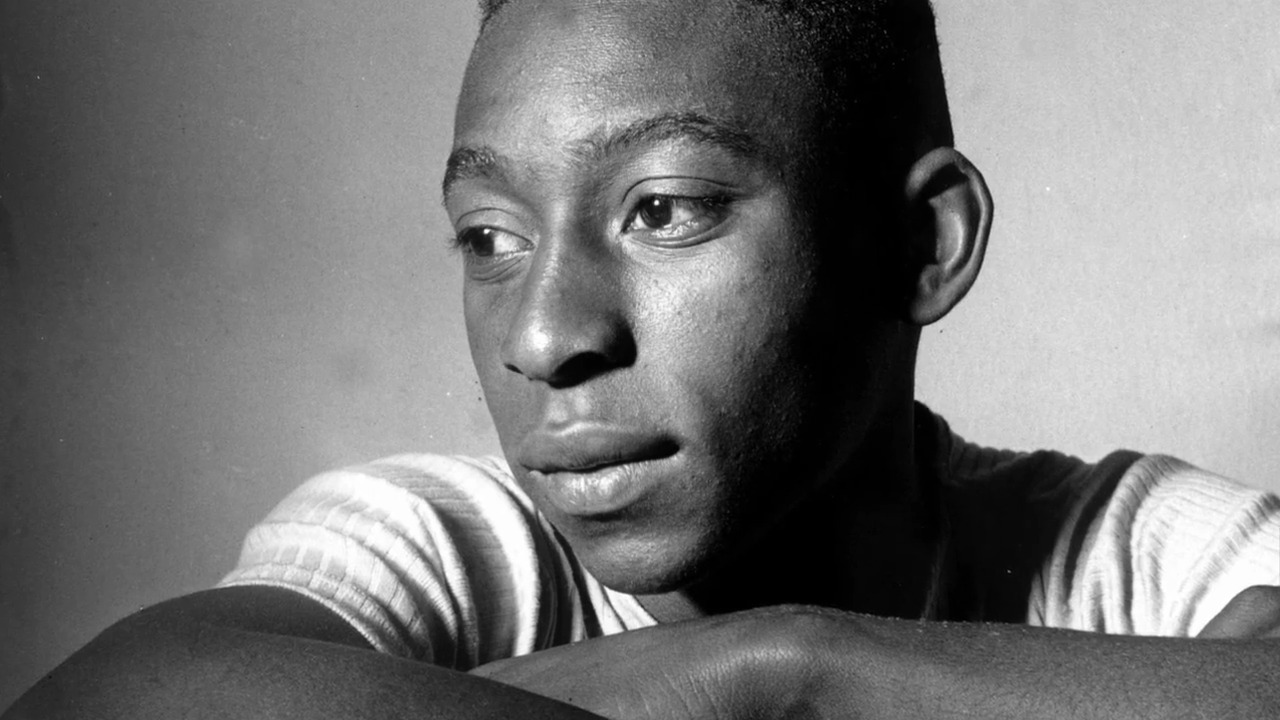
In How Pelé Brought Soccer to the U.S., sports journalist Clare Balding discusses Pelé's contributions to the popularity of soccer. Pelé’s last World Cup match in 1970 helped him emerge as a hero, and in 1971 he brought the game to the United States. This video is excerpted from BBC’s Icons: The Greatest Person of the 20th Century, a documentary series celebrating the achievements of the most influential figures of the era.
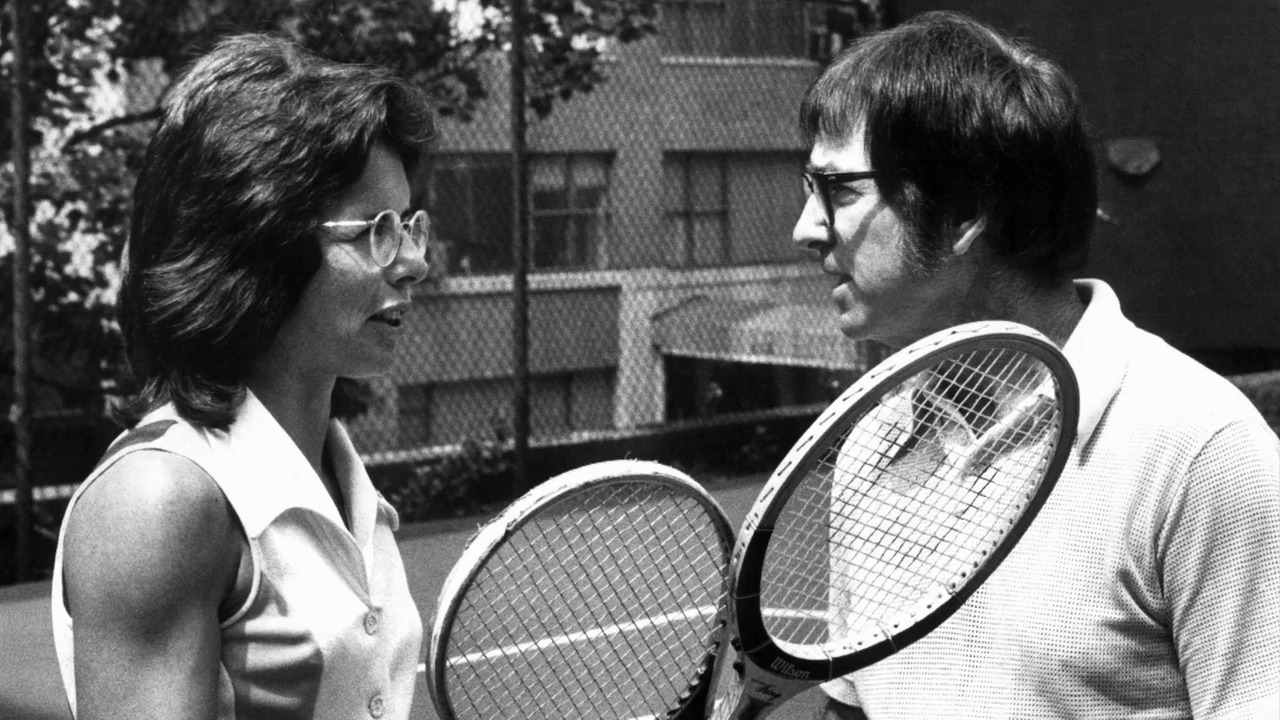
In Billie Jean King's Fight for Equality, sports journalist Clare Balding talks to Billie Jean King about her influence on equality for women in sport. King put her career on the line when she accepted an offer to play against one of the world's top male tennis players, Bobby Riggs, and won. This video is excerpted from BBC’s Icons: The Greatest Person of the 20th Century, a documentary series celebrating the achievements of the most influential figures of the era.
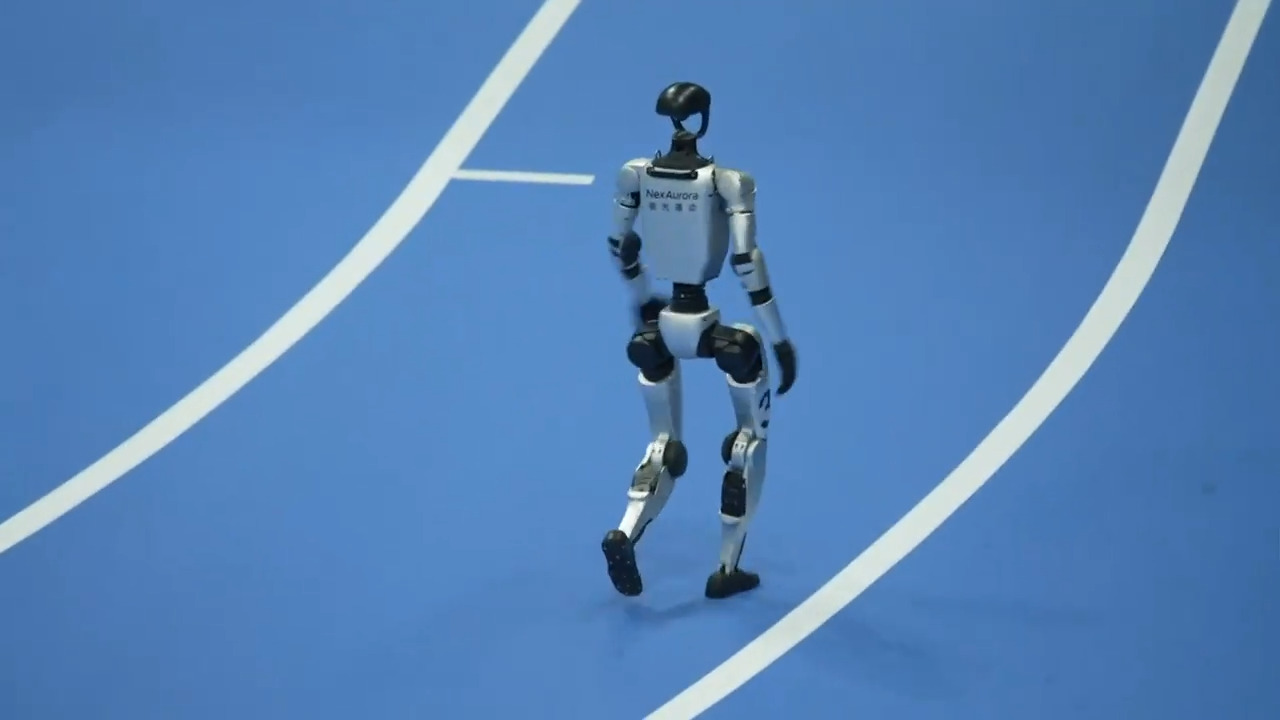
If humans have the Olympics, robots have their own ultimate showdown: the World Humanoid Robot Games in Beijing, China. It’s a high-energy mix of sport and science where humanoid robots sprint, box, and compete in athletic challenges designed to test just how “human-like” they really are.
But this isn’t just for fun (though it definitely looks fun to watch). Engineers use the competition to push their robots to the limit — testing speed, balance, coordination, and decision-making. Every stumble or success helps them figure out how to build smarter, stronger machines for the future. There’s prize money and recognition on the line too, which helps fuel a fast-growing robotics industry already backed by billions of dollars.
And no, this doesn’t mean robot athletes are about to take over your school sports day. Experts say humanoid robots are still mostly heading toward factories and specialized jobs — not everyday life. So for now, the biggest robot “athlete” you’ll probably meet is still your vacuum cleaner doing laps around the living room.
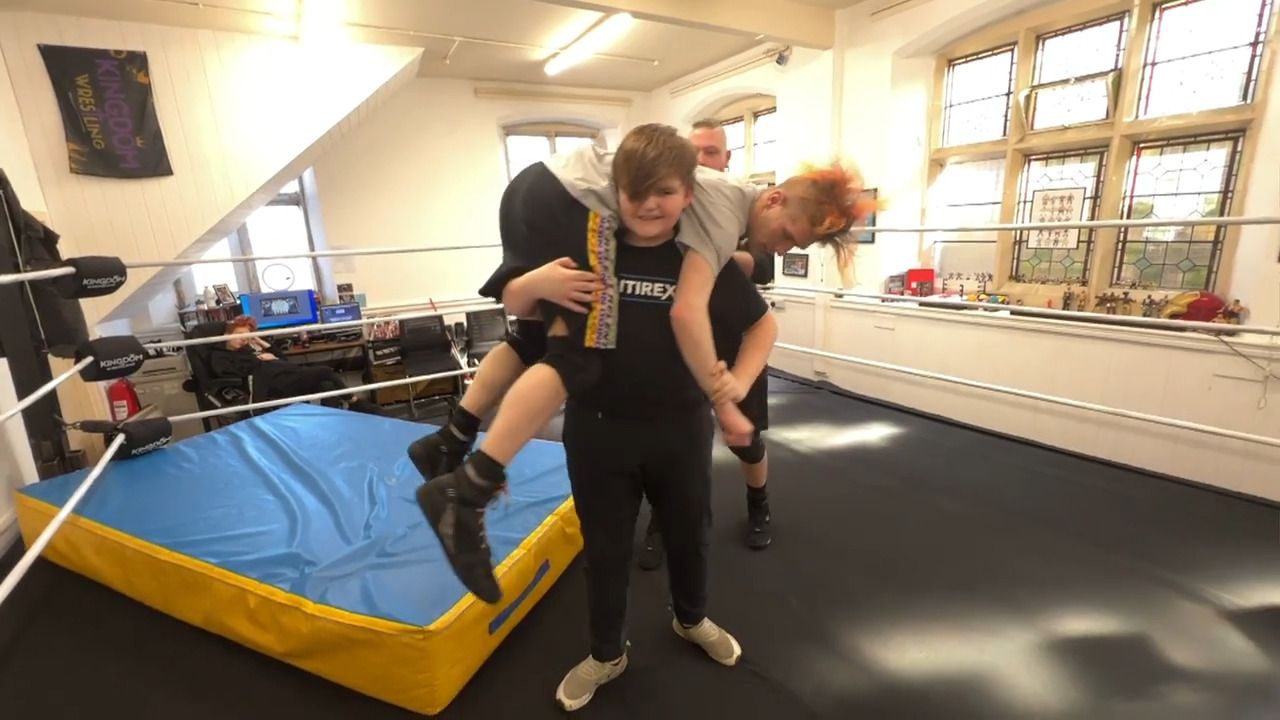
A nonprofit has a creative approach to support kids going through a tough time: a faith-based pro-wrestling charity. The program is led by founder Gareth Thompson, who rose above his difficult childhood to devote his time and efforts to helping other struggling young boys.
In this pro-wrestling after-school program, students learn to use wrestling as a healthy outlet, while getting support from positive male role models. The sport may look aggressive, but at this level of wrestling, all of the moves are choreographed. That minimizes danger and puts the emphasis on routine, discipline, kindness, skill, and confidence. It doesn’t hurt that it’s also a whole lot of fun! Students can use their energy here and actually end up being more focused and calmer in class.
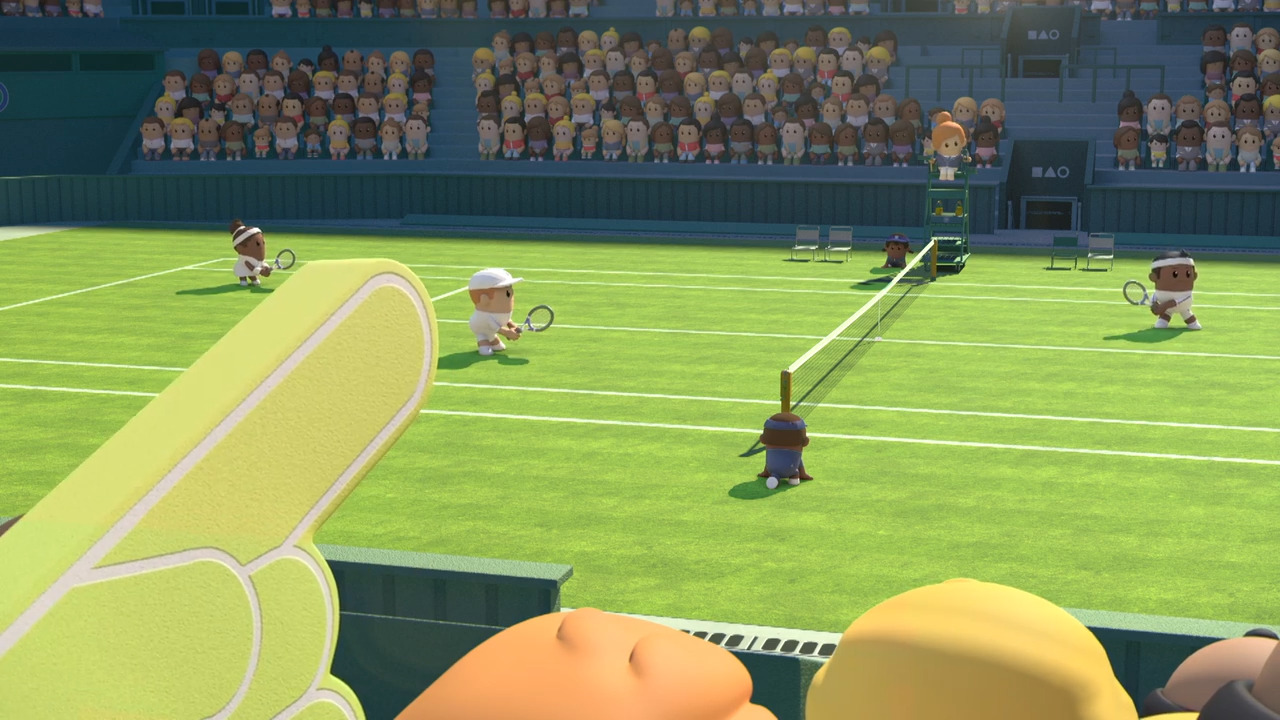
In The Go Jetters Play at Wimbledon, the Go Jetters crew is in London at the Wimbledon tennis court. Ubercorn shares funky facts about Wimbledon including what makes the stadium unique and why it has a guard hawk. This video is excerpted from BBC’s Go Jetters, a series that follows the adventures of four international heroes as they travel the globe visiting landmarks and solving environmental problems with Ubercorn, a disco-dancing
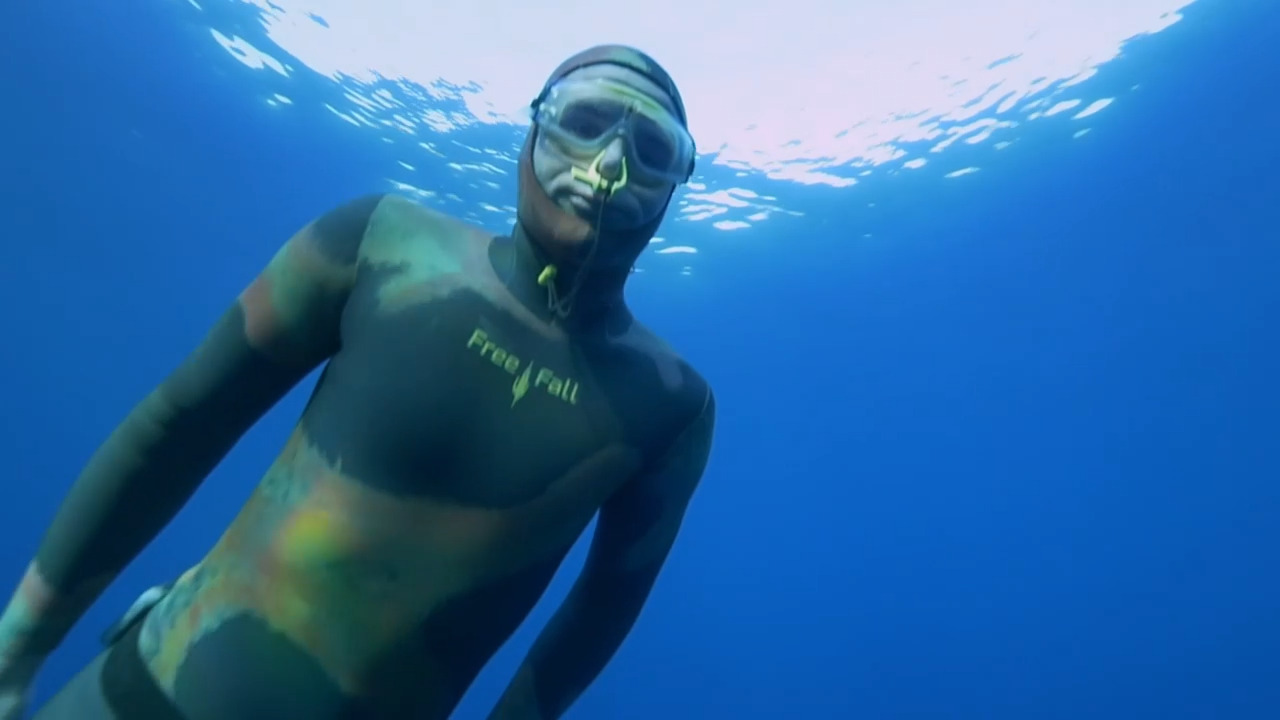
In The Extraordinary Abilities of Breath-Hold Divers, learn about the abilities of breath-hold divers and the scientific discoveries that are being made as researchers study their techniques. Understand the human body's remarkable ability to adapt and how these findings could have future applications in medicine and technology. This video is excerpted from BBC’s The World’s Most Extraordinary People, a documentary series revealing how rare medical conditions inspire groundbreaking scientific discoveries.
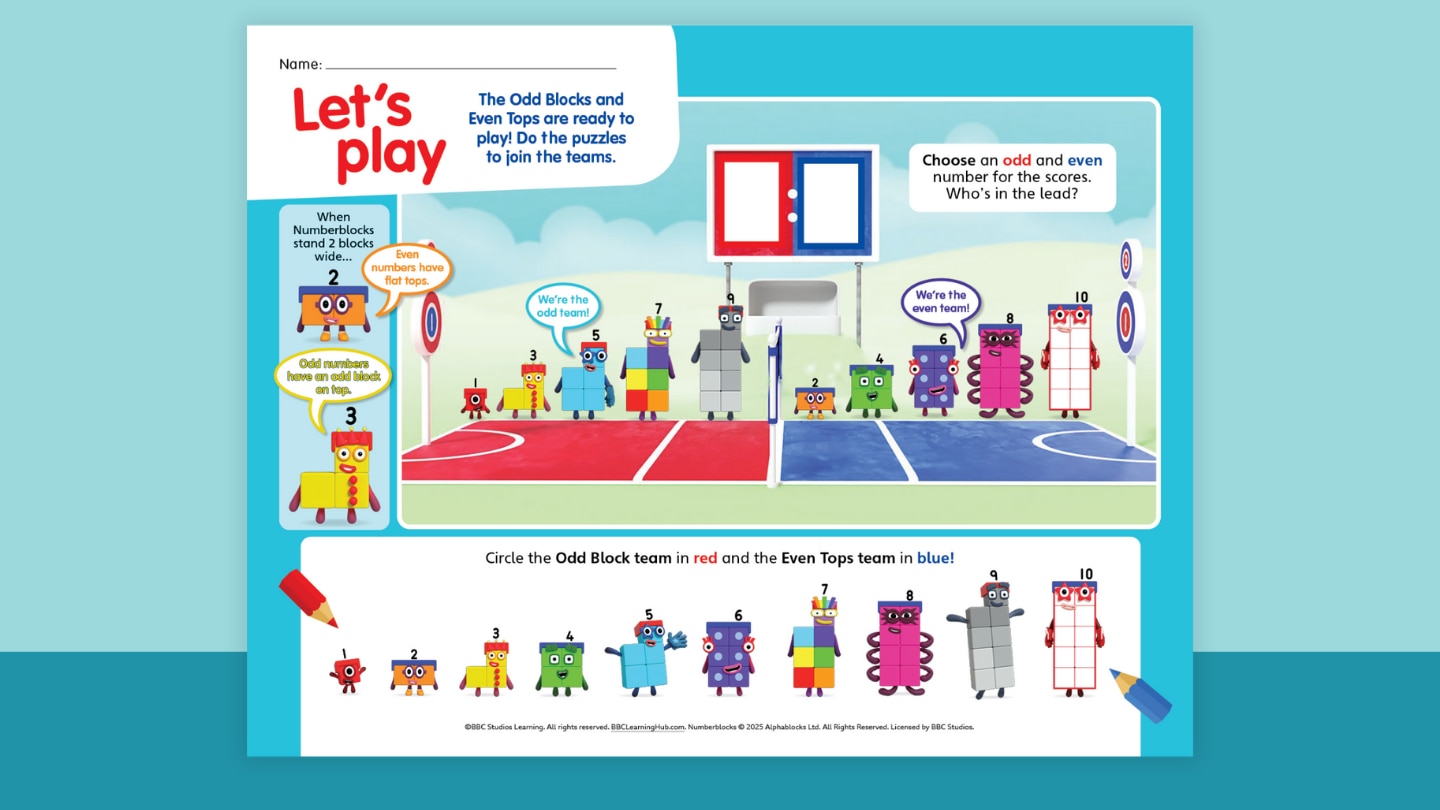
The Odd Blocks and Even Tops are ready to play! Do the puzzles to join the teams. Choose an odd and even number for the scores. Who's in the lead? Circle the Odd Block team in red and the Even Tops team in blue!
Watch full episodes of Numberblocks on their official YouTube channel!
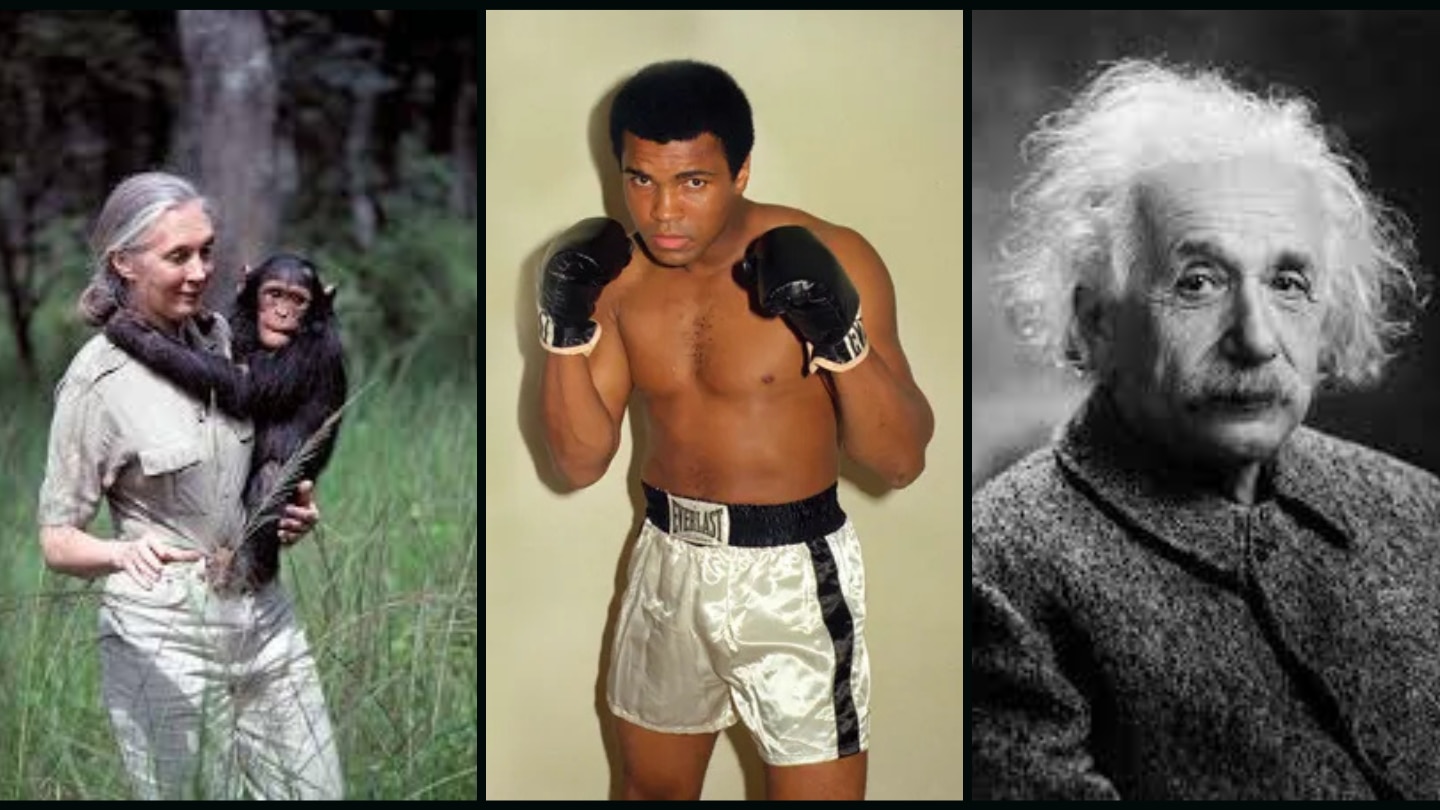
Meet the Icons of the 20th Century. From brilliant scientists and inspiring activists to legendary athletes and artists, these remarkable individuals changed the world in powerful ways. In this video playlist of clips from BBC's Icons: The Greatest Person of the 20th Century, meet Muhammad Ali, Helen Keller, Albert Einstein, Martin Luther King Jr., Pablo Picasso, Jane Goodall, Pelé, Billie Holiday and others — each a trailblazer who shaped history through courage, creativity, and conviction. A perfect playlist to inspire young minds to think big and act boldly!

The article "Mastering Winter Sports: The Science Behind Winning on Ice and Snow!" from BBC's Science Focus takes a look at how athletes use scientific principles to gain an edge in winter sports. It covers techniques and equipment used in speed skating, bobsledding, curling, ski jumping, snowboard cross, and giant slalom.
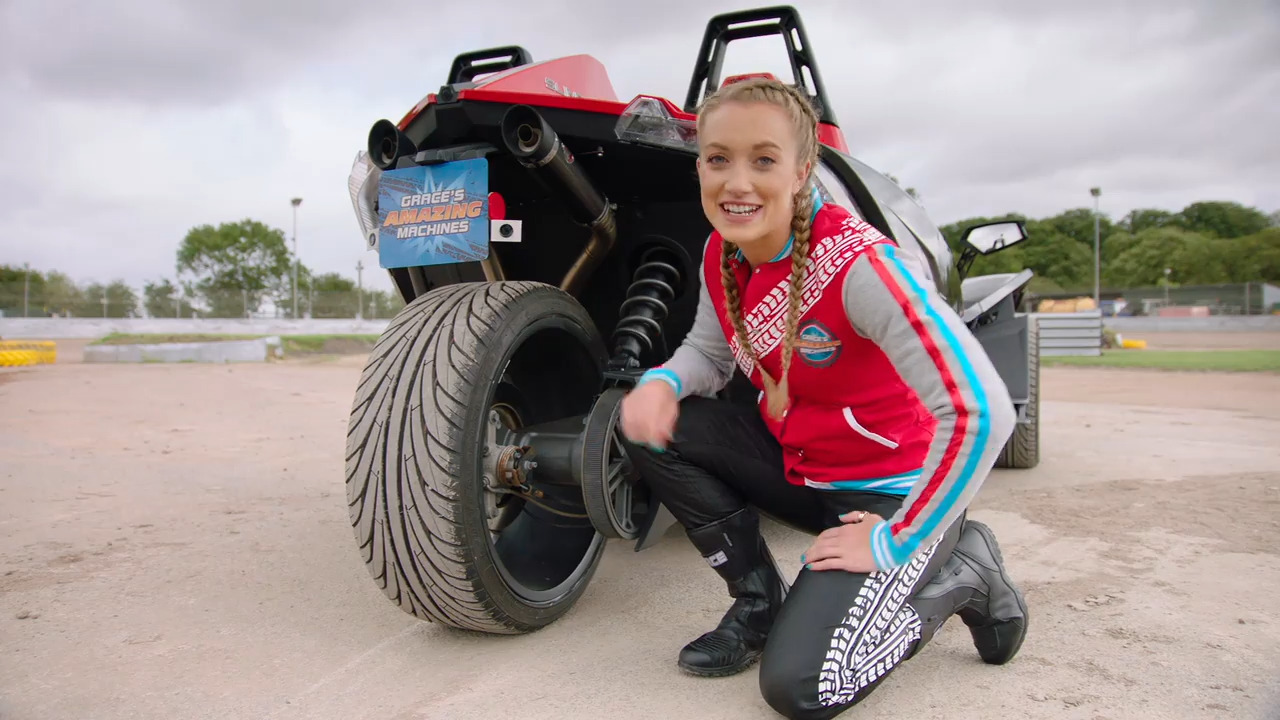
In The Super Fast Three-Wheeled Sports Car, presenter and motorbike racer Grace Webb explains the unique features that make this sports car so fun to drive. It drives like a car but feels like a motorcycle! This video is excerpted from BBC’s Grace’s Amazing Machines, a children’s show that introduces kids to some of the biggest, fastest, and most amazing machines in the world.
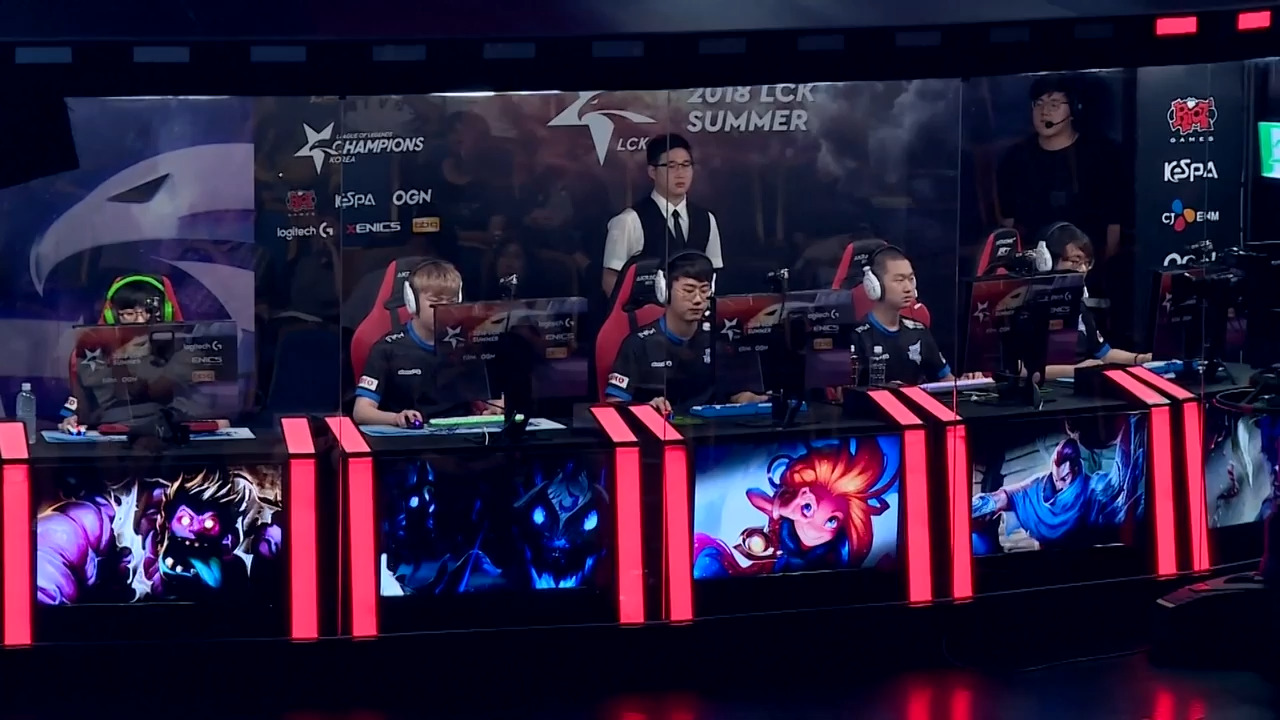
In Should Esports Be an Olympic Sport?, some wonder if competitive gaming should join the Olympics, which could give it global recognition. While esports already has huge international competitions, the Olympic Committee isn’t interested in these games yet. But with esports growing fast and players making millions, some say it doesn’t even need the Olympics to succeed! This video is excerpted from BBC’s My World, a program created for teenagers eager to learn more about the important stories shaping our world.
In Laleh Seddigh’s Bold Racing Journey, learn about Iran's first female race car driver, who broke barriers by racing against men in a sport traditionally dominated by men. In a society where women are discouraged from participating in sports, Seddigh proved women are just as capable. Seddigh's passion for driving started when she was just 11 years old, and her mother remembers catching her behind the wheel of a Buick one day. Now, racing is not just her hobby — it's a career that continues to challenge stereotypes. This video is excerpted from BBC's Her Story: The Female Revolution, which explores the history and impact of women’s rights movements and achievements of women.
In How Pelé Brought Soccer to the U.S., sports journalist Clare Balding discusses Pelé's contributions to the popularity of soccer. Pelé’s last World Cup match in 1970 helped him emerge as a hero, and in 1971 he brought the game to the United States. This video is excerpted from BBC’s Icons: The Greatest Person of the 20th Century, a documentary series celebrating the achievements of the most influential figures of the era.
In Billie Jean King's Fight for Equality, sports journalist Clare Balding talks to Billie Jean King about her influence on equality for women in sport. King put her career on the line when she accepted an offer to play against one of the world's top male tennis players, Bobby Riggs, and won. This video is excerpted from BBC’s Icons: The Greatest Person of the 20th Century, a documentary series celebrating the achievements of the most influential figures of the era.
If humans have the Olympics, robots have their own ultimate showdown: the World Humanoid Robot Games in Beijing, China. It’s a high-energy mix of sport and science where humanoid robots sprint, box, and compete in athletic challenges designed to test just how “human-like” they really are.
But this isn’t just for fun (though it definitely looks fun to watch). Engineers use the competition to push their robots to the limit — testing speed, balance, coordination, and decision-making. Every stumble or success helps them figure out how to build smarter, stronger machines for the future. There’s prize money and recognition on the line too, which helps fuel a fast-growing robotics industry already backed by billions of dollars.
And no, this doesn’t mean robot athletes are about to take over your school sports day. Experts say humanoid robots are still mostly heading toward factories and specialized jobs — not everyday life. So for now, the biggest robot “athlete” you’ll probably meet is still your vacuum cleaner doing laps around the living room.
A nonprofit has a creative approach to support kids going through a tough time: a faith-based pro-wrestling charity. The program is led by founder Gareth Thompson, who rose above his difficult childhood to devote his time and efforts to helping other struggling young boys.
In this pro-wrestling after-school program, students learn to use wrestling as a healthy outlet, while getting support from positive male role models. The sport may look aggressive, but at this level of wrestling, all of the moves are choreographed. That minimizes danger and puts the emphasis on routine, discipline, kindness, skill, and confidence. It doesn’t hurt that it’s also a whole lot of fun! Students can use their energy here and actually end up being more focused and calmer in class.
In The Go Jetters Play at Wimbledon, the Go Jetters crew is in London at the Wimbledon tennis court. Ubercorn shares funky facts about Wimbledon including what makes the stadium unique and why it has a guard hawk. This video is excerpted from BBC’s Go Jetters, a series that follows the adventures of four international heroes as they travel the globe visiting landmarks and solving environmental problems with Ubercorn, a disco-dancing
In The Extraordinary Abilities of Breath-Hold Divers, learn about the abilities of breath-hold divers and the scientific discoveries that are being made as researchers study their techniques. Understand the human body's remarkable ability to adapt and how these findings could have future applications in medicine and technology. This video is excerpted from BBC’s The World’s Most Extraordinary People, a documentary series revealing how rare medical conditions inspire groundbreaking scientific discoveries.
The Odd Blocks and Even Tops are ready to play! Do the puzzles to join the teams. Choose an odd and even number for the scores. Who's in the lead? Circle the Odd Block team in red and the Even Tops team in blue!
Watch full episodes of Numberblocks on their official YouTube channel!
Meet the Icons of the 20th Century. From brilliant scientists and inspiring activists to legendary athletes and artists, these remarkable individuals changed the world in powerful ways. In this video playlist of clips from BBC's Icons: The Greatest Person of the 20th Century, meet Muhammad Ali, Helen Keller, Albert Einstein, Martin Luther King Jr., Pablo Picasso, Jane Goodall, Pelé, Billie Holiday and others — each a trailblazer who shaped history through courage, creativity, and conviction. A perfect playlist to inspire young minds to think big and act boldly!
The article "Mastering Winter Sports: The Science Behind Winning on Ice and Snow!" from BBC's Science Focus takes a look at how athletes use scientific principles to gain an edge in winter sports. It covers techniques and equipment used in speed skating, bobsledding, curling, ski jumping, snowboard cross, and giant slalom.
In The Super Fast Three-Wheeled Sports Car, presenter and motorbike racer Grace Webb explains the unique features that make this sports car so fun to drive. It drives like a car but feels like a motorcycle! This video is excerpted from BBC’s Grace’s Amazing Machines, a children’s show that introduces kids to some of the biggest, fastest, and most amazing machines in the world.
In Should Esports Be an Olympic Sport?, some wonder if competitive gaming should join the Olympics, which could give it global recognition. While esports already has huge international competitions, the Olympic Committee isn’t interested in these games yet. But with esports growing fast and players making millions, some say it doesn’t even need the Olympics to succeed! This video is excerpted from BBC’s My World, a program created for teenagers eager to learn more about the important stories shaping our world.