
Someone's Targeting Britain's Birds of Prey — And Investigators Want To Know Who
The RSPB (Royal Society for the Protection of Birds) is investigating attacks on birds of prey, also called raptors. Raptors hunt and feed on other animals, but even though they're near the top of the food chain, one of their biggest threats is humans.
There have been reports of raptors found dead in suspicious circumstances or caught in illegal traps. Investigators are reviewing footage from cameras near some traps to help identify who's responsible. The traps themselves are legal when used correctly, and any animal that isn't the intended target must be released unharmed. But footage has shown some people mistreating or killing these protected birds instead.
Investigators believe money is behind some of the attacks. Raptors sometimes hunt game birds, which people also hunt for sport or profit. By illegally removing birds of prey, some people may be trying to leave more game birds available for shooting. Officials are struggling to find ways to reduce these attacks — fines and prosecution haven't been very effective so far. Some campaigners want stronger licensing rules for trap use, while others argue that would be hard to enforce and might not stop illegal attacks either.
Take the Challenge
More News Stories
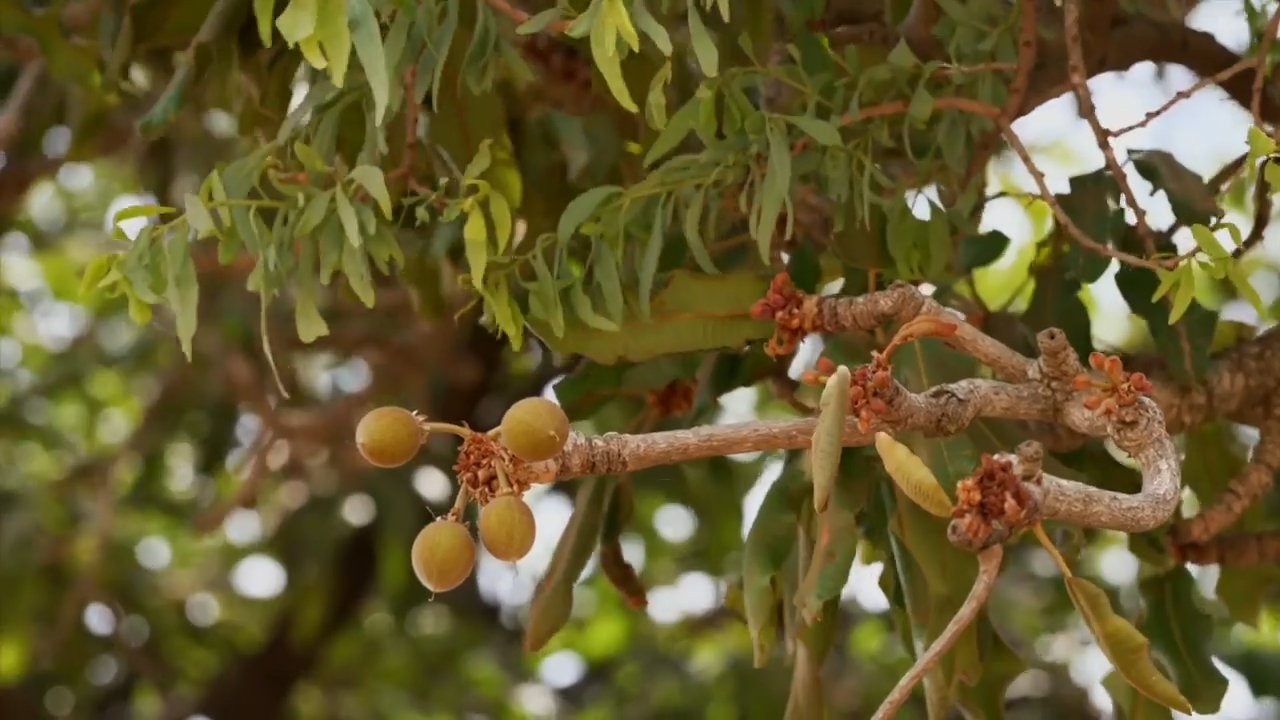
A strip of land stretching from West to East Africa was once so rich with shea nut trees that it earned the name “shea belt.” It seems like a different world from now, when conservationists say the tree is at risk of extinction because of drought, deforestation, and demand for charcoal that puts the trees (and the people who depend on them) under pressure.
Because shea trees produce nuts that can be made into shea butter used in pharmaceuticals, cosmetics, and food, they provide over 60% of household income for rural women who harvest and process the nuts. The decline of the shea tree would disrupt not only the millions across Africa supported by the industry, but supply chains and global markets, as well.
So, save the shea trees, right? It’s not so simple. Poverty pushes people to cut down shea trees and sell them as charcoal. It provides short-term income, but it means those trees are no longer usable for future shea harvests. To make matters worse, burning charcoal emits harmful greenhouse gasses. So cutting down shea trees for charcoal = less shea butter + more deforestation + more greenhouse gasses. Make it stop! Uganda tried. They banned cutting trees for charcoal in 2023, but enforcement is difficult because of high demand, especially in cities.
Between everything, Uganda has lost around 100,000 hectares of forest cover since 1990. That’s the equivalent of 140,000 soccer fields. Activists are calling for action; replanting trees and protecting the existing ones. Without coordinated action, the shea tree and the livelihoods built around it could disappear.
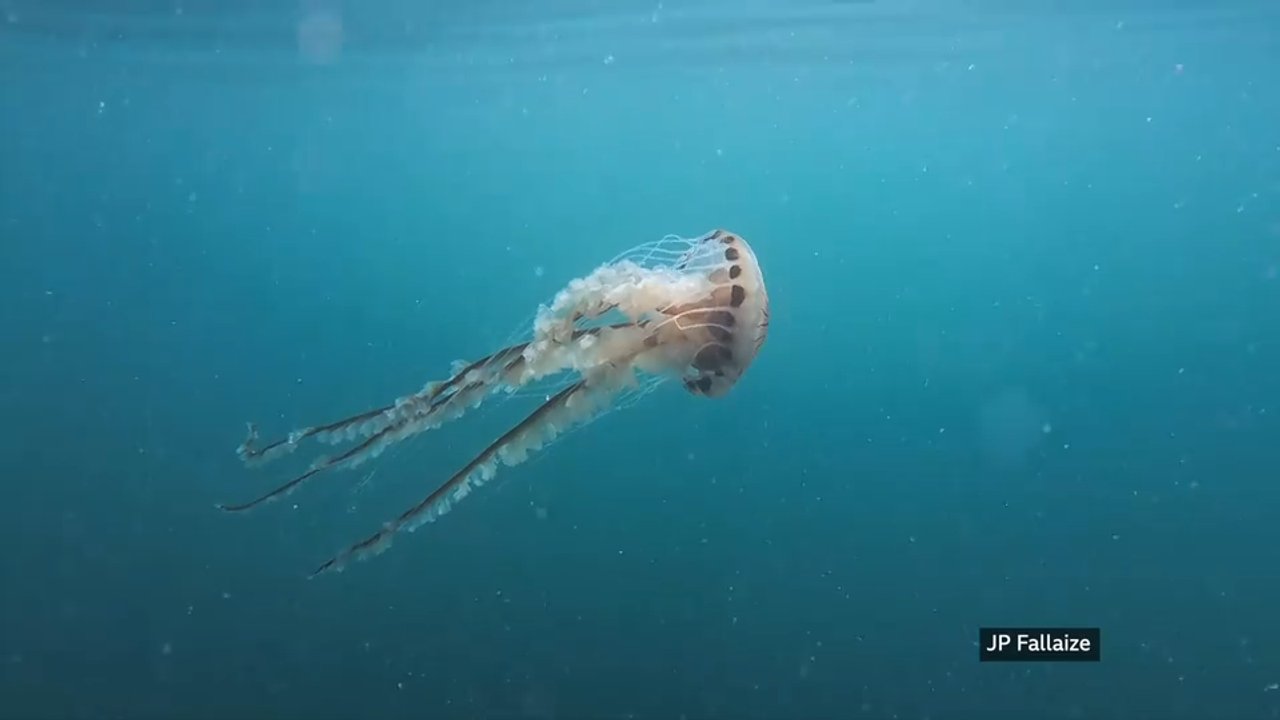
Rising ocean temperatures are starting to change what fishers can find in the waters around Guernsey. The average sea temperature there is normally 16°C to 17°C (61°F to 63°F), but marine heatwaves have pushed surface temperatures higher, reaching around 17.7°C (63.8°F) in July. That may sound like a small increase, but it's enough to shift the behavior of local marine life.
Warmer water actually benefits some species. Octopuses and tuna tend to do well in these conditions, especially when mild winters mean fewer cold-related die-offs. But other species respond by moving toward cooler waters instead. Cold-water crustaceans like crabs, scallops, and lobsters are becoming harder to find as a result, making them more difficult for local fishers to catch.
That shift isn't just an environmental issue — it's an economic one. Fishing crews are having to adapt to new species showing up in their waters, often faster than laws, equipment, and markets can keep up.
Organizations like Sea Fisheries, the government service that manages and protects Guernsey's marine and fishing resources, and DEFRA (the Department for Environment, Food, and Rural Affairs) are working to support the fishing industry through these changes. But experts say protecting the health of marine ecosystems more broadly is just as important, since healthier seas are better equipped to withstand future heatwaves. In the long run, that could benefit both wildlife and fishing communities.
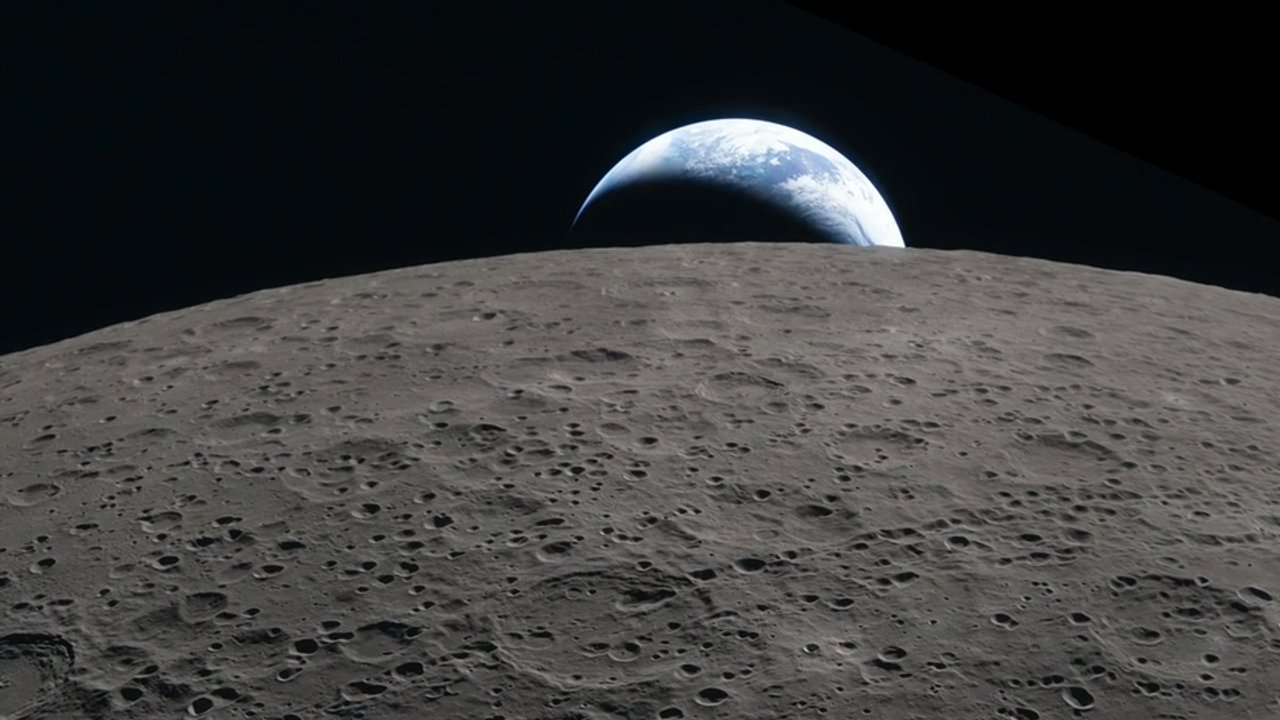
After a historic 10-day mission around the Moon — the first time humans have traveled so far into space since the 70s — the Artemis II crew came away with crucial knowledge: appreciate doors on bathrooms.
Commander Reid Wiseman dished on some other reflections about the trip. For example, the crew didn’t even realize what a big deal this was to people on Earth and didn’t hear much of the news until they talked to their families a few days into the mission. We suppose that’s what happens when you literally have your head in the clouds.
Not only was the journey unforgettable for science, but it was also personally significant for the crew members. One of the most powerful moments came when astronaut Jeremy Hansen named a lunar crater after Wiseman’s late wife, Carroll, a pivotal moment that solidified the crew’s bond.
But that bond wasn’t just to make things more fun — getting along in space is actually a matter of safety, and life inside a spacecraft requires serious teamwork. Think about sharing a room with a stinky sibling or living with a roommate who keeps eating your snacks. Now imagine that, in a room one-fifth the size and no way to escape! The astronauts lived, slept, and worked in extremely close quarters, so it was important to deal with disagreements immediately instead of letting tension build.
As exciting as it was to orbit the Moon, the return to Earth may have been just as intense. The crew re-entered the atmosphere at about 39 times the speed of sound. That’s about 30,000 miles per hour. They experienced forces of about four times normal gravity — about what you feel during the most intense parts of a roller coaster, but the astronauts felt this way for about 13 minutes. Nonstop! And that’s all before parachuting into the Pacific Ocean. All that probably makes it just a little more exhilarating than your bus ride to school.
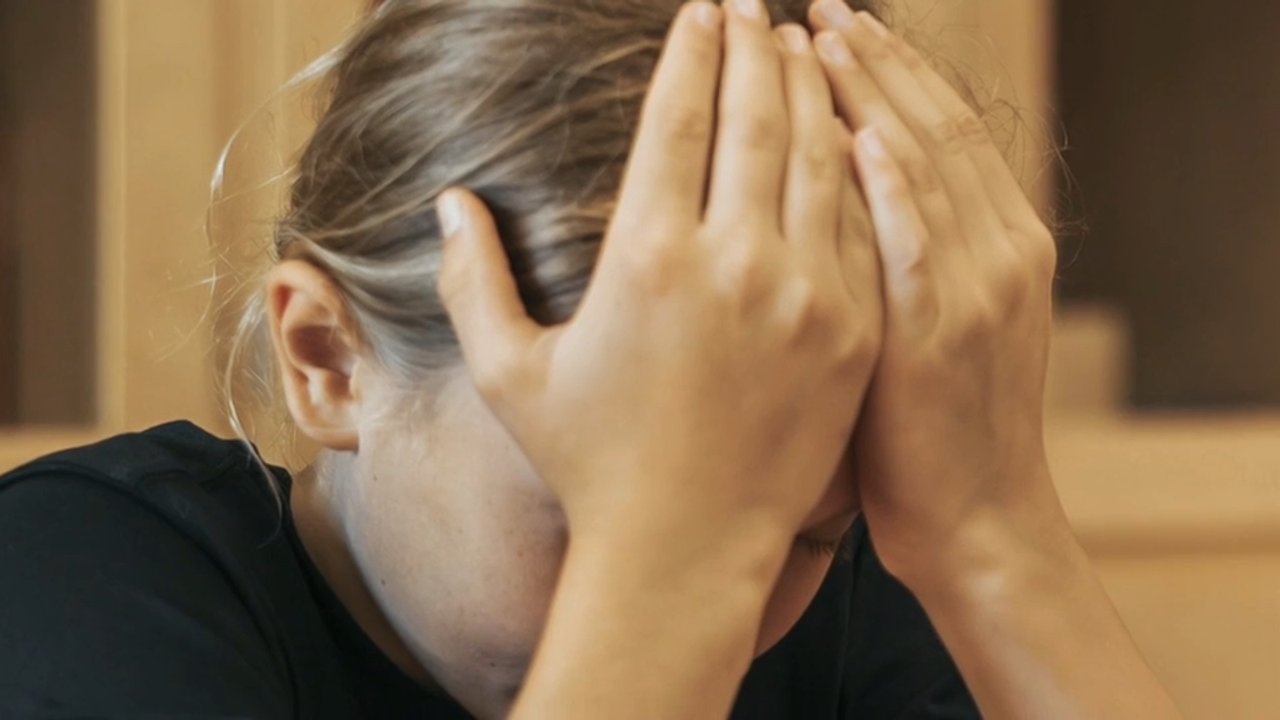
A 7-year-old's biggest worry might not be who's hogging the crayons. A survey in Wales (one of the four nations that make up the United Kingdom) suggests that anxiety, concerns about appearance, trouble sleeping, bullying, and problematic phone use affect children as young as 7.
The School Health Research Network — a Wales-based research initiative that regularly surveys students on health and wellbeing — polled more than 50,000 students at over 500 primary schools (the UK term for elementary schools, covering roughly ages 4 to 11) about their physical and mental health. The results were sobering: one in seven kids ages 7 to 11 struggled with emotional issues severe enough that they might need professional support, and a third of kids reported regularly feeling worried, sad, or upset.
The survey also found that 70% regularly had trouble sleeping, half had experienced bullying, and fewer than half ate fruit or vegetables every day.
This isn't just a UK trend. CDC data shows that among U.S. children ages 3 to 17, about 7% currently have anxiety problems, and U.S. health officials now recommend that children ages 8 and up be screened for anxiety — a sign that early childhood anxiety is being taken seriously on both sides of the Atlantic. These findings aren't just numbers — schools are using them to identify where students need more support, whether that's mental health resources, anti-bullying programs, or something as simple as better sleep habits.
A strip of land stretching from West to East Africa was once so rich with shea nut trees that it earned the name “shea belt.” It seems like a different world from now, when conservationists say the tree is at risk of extinction because of drought, deforestation, and demand for charcoal that puts the trees (and the people who depend on them) under pressure.
Because shea trees produce nuts that can be made into shea butter used in pharmaceuticals, cosmetics, and food, they provide over 60% of household income for rural women who harvest and process the nuts. The decline of the shea tree would disrupt not only the millions across Africa supported by the industry, but supply chains and global markets, as well.
So, save the shea trees, right? It’s not so simple. Poverty pushes people to cut down shea trees and sell them as charcoal. It provides short-term income, but it means those trees are no longer usable for future shea harvests. To make matters worse, burning charcoal emits harmful greenhouse gasses. So cutting down shea trees for charcoal = less shea butter + more deforestation + more greenhouse gasses. Make it stop! Uganda tried. They banned cutting trees for charcoal in 2023, but enforcement is difficult because of high demand, especially in cities.
Between everything, Uganda has lost around 100,000 hectares of forest cover since 1990. That’s the equivalent of 140,000 soccer fields. Activists are calling for action; replanting trees and protecting the existing ones. Without coordinated action, the shea tree and the livelihoods built around it could disappear.
Rising ocean temperatures are starting to change what fishers can find in the waters around Guernsey. The average sea temperature there is normally 16°C to 17°C (61°F to 63°F), but marine heatwaves have pushed surface temperatures higher, reaching around 17.7°C (63.8°F) in July. That may sound like a small increase, but it's enough to shift the behavior of local marine life.
Warmer water actually benefits some species. Octopuses and tuna tend to do well in these conditions, especially when mild winters mean fewer cold-related die-offs. But other species respond by moving toward cooler waters instead. Cold-water crustaceans like crabs, scallops, and lobsters are becoming harder to find as a result, making them more difficult for local fishers to catch.
That shift isn't just an environmental issue — it's an economic one. Fishing crews are having to adapt to new species showing up in their waters, often faster than laws, equipment, and markets can keep up.
Organizations like Sea Fisheries, the government service that manages and protects Guernsey's marine and fishing resources, and DEFRA (the Department for Environment, Food, and Rural Affairs) are working to support the fishing industry through these changes. But experts say protecting the health of marine ecosystems more broadly is just as important, since healthier seas are better equipped to withstand future heatwaves. In the long run, that could benefit both wildlife and fishing communities.
After a historic 10-day mission around the Moon — the first time humans have traveled so far into space since the 70s — the Artemis II crew came away with crucial knowledge: appreciate doors on bathrooms.
Commander Reid Wiseman dished on some other reflections about the trip. For example, the crew didn’t even realize what a big deal this was to people on Earth and didn’t hear much of the news until they talked to their families a few days into the mission. We suppose that’s what happens when you literally have your head in the clouds.
Not only was the journey unforgettable for science, but it was also personally significant for the crew members. One of the most powerful moments came when astronaut Jeremy Hansen named a lunar crater after Wiseman’s late wife, Carroll, a pivotal moment that solidified the crew’s bond.
But that bond wasn’t just to make things more fun — getting along in space is actually a matter of safety, and life inside a spacecraft requires serious teamwork. Think about sharing a room with a stinky sibling or living with a roommate who keeps eating your snacks. Now imagine that, in a room one-fifth the size and no way to escape! The astronauts lived, slept, and worked in extremely close quarters, so it was important to deal with disagreements immediately instead of letting tension build.
As exciting as it was to orbit the Moon, the return to Earth may have been just as intense. The crew re-entered the atmosphere at about 39 times the speed of sound. That’s about 30,000 miles per hour. They experienced forces of about four times normal gravity — about what you feel during the most intense parts of a roller coaster, but the astronauts felt this way for about 13 minutes. Nonstop! And that’s all before parachuting into the Pacific Ocean. All that probably makes it just a little more exhilarating than your bus ride to school.
A 7-year-old's biggest worry might not be who's hogging the crayons. A survey in Wales (one of the four nations that make up the United Kingdom) suggests that anxiety, concerns about appearance, trouble sleeping, bullying, and problematic phone use affect children as young as 7.
The School Health Research Network — a Wales-based research initiative that regularly surveys students on health and wellbeing — polled more than 50,000 students at over 500 primary schools (the UK term for elementary schools, covering roughly ages 4 to 11) about their physical and mental health. The results were sobering: one in seven kids ages 7 to 11 struggled with emotional issues severe enough that they might need professional support, and a third of kids reported regularly feeling worried, sad, or upset.
The survey also found that 70% regularly had trouble sleeping, half had experienced bullying, and fewer than half ate fruit or vegetables every day.
This isn't just a UK trend. CDC data shows that among U.S. children ages 3 to 17, about 7% currently have anxiety problems, and U.S. health officials now recommend that children ages 8 and up be screened for anxiety — a sign that early childhood anxiety is being taken seriously on both sides of the Atlantic. These findings aren't just numbers — schools are using them to identify where students need more support, whether that's mental health resources, anti-bullying programs, or something as simple as better sleep habits.