How Pelé Brought Soccer to the U.S.
In How Pelé Brought Soccer to the U.S., sports journalist Clare Balding discusses Pelé's contributions to the popularity of soccer. Pelé’s last World Cup match in 1970 helped him emerge as a hero, and in 1971 he brought the game to the United States. This video is excerpted from BBC’s Icons: The Greatest Person of the 20th Century, a documentary series celebrating the achievements of the most influential figures of the era.
Icons asks you to assess the achievements of the 20th Century's most important and influential figures — men and women who helped shape our world today. Learn more.
Lesson Express
Q: How was Pelé able to make soccer popular in the United States?
A: Pelé’s talent, fame, and contributions to soccer inspired a new generation in the U.S. to embrace the sport.
Q: How did Pelé's achievements in the World Cup influence his legacy?
A: His World Cup victories established him as a global sports icon, making his move to the U.S. even more impactful.
Q: Why do you think soccer wasn't very popular in the U.S. before Pelé's arrival?
A: American sports culture was already centered on football, baseball, and basketball; soccer was less well-known.
More Like This
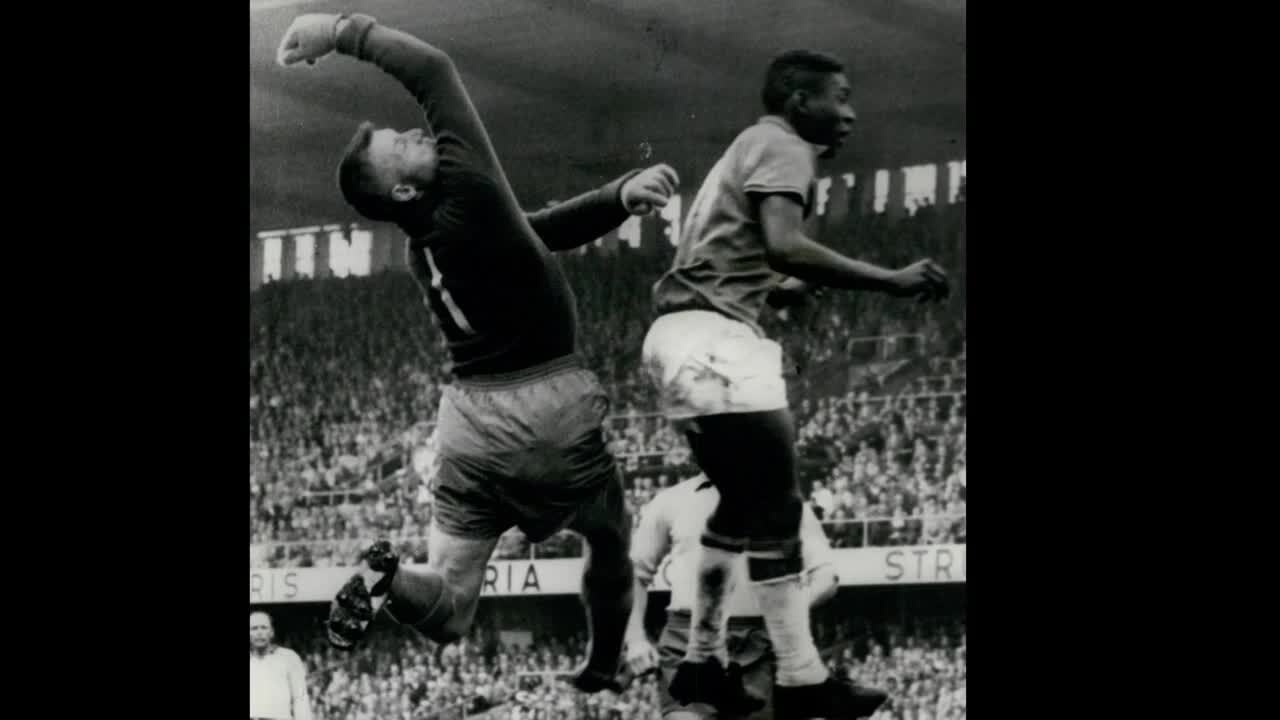
In Pele's Pledge to His Father, sports journalist Clare Balding describes how Pelé pledged to his father that he would help Brazil win the World Cup. She describes his childhood and rise to fame. This video is excerpted from BBC’s Icons: The Greatest Person of the 20th Century, a documentary series celebrating the achievements of the most influential figures of the era.
In Pele's Pledge to His Father, sports journalist Clare Balding describes how Pelé pledged to his father that he would help Brazil win the World Cup. She describes his childhood and rise to fame. This video is excerpted from BBC’s Icons: The Greatest Person of the 20th Century, a documentary series celebrating the achievements of the most influential figures of the era.