
From Pool to Orbit: How Astronauts Prepare for Spacewalks
Being an astronaut is no joke — for your brain and your body to be prepared, you need to train, not unlike sports or school. Want to train for a soccer match? You may need to go for runs or lift weights. Need to prepare for a math test? You may need to repeat your times tables. Going into space soon? You may need to put on a space suit and get strapped into a full-sized replica of the International Space Station, then submerged in a 12-meter (40-foot!) deep pool for six hours. At least, that’s what astronaut Rosemary Coogan did to make sure she was ready for her spacewalk.
Coogan was chosen from 22,000 applicants to become a European Space Agency astronaut and may be the first Englishwoman to set foot on the moon.
Space preparation is daunting, but she had teams of supporters like divers and control room workers to make sure she was safe. The spacewalk test is meant to make sure that Rosemary could survive the conditions off of earth, even when things don’t go according to plan.
Take the Challenge

More News Stories
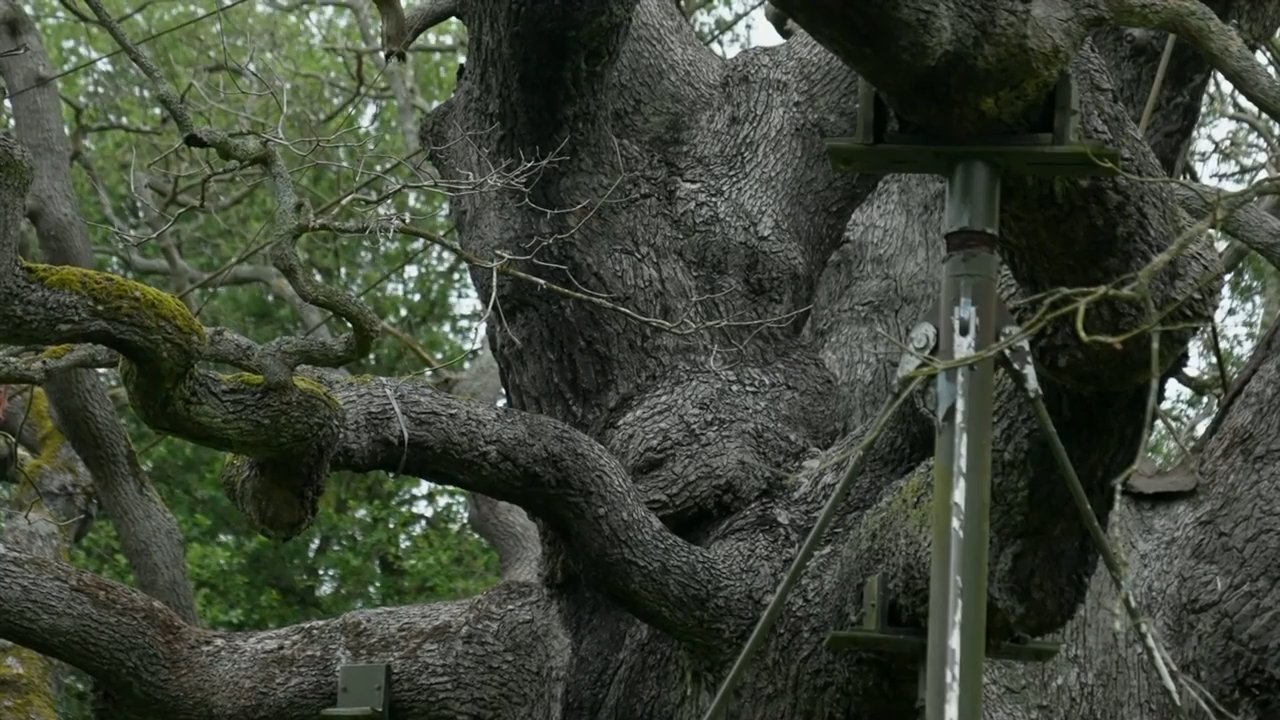
The Major Oak has finally fallen. Figuratively. The famous tree still technically stands, but has been pronounced dead after a long life of as many as 1,200 years. The massive oak tree was well-known for being central to Robin Hood folklore, but it also stood out with its formidable trunk circumference of 11 meters, or 33 feet. That’s big enough for a large African elephant to hula hoop with.
The huge tree still stands tall, looking majestic with its craggly branches and massive reach, but it’s been in decline for years. This year is the first that it hasn’t put any leaves out, so experts deemed it deceased.
While it was certainly old, its demise was likely quickened by climate change, heat waves, and damage to the surrounding soil from people coming to admire the tree. Admirers may have meant well, but decades of foot traffic compacted the soil around the tree's roots, making it harder for the tree to absorb the water, nutrients, and minerals it needed.
It may not produce lush, green leaves anymore, but fans can still pay homage to The Major Oak. It will remain in its spot to decompose (which could take more than 100 years), and the legacy of the tree lives on in the form of saplings that have been grown from acorns and cuttings.

End-to-end encryption prevents anyone from viewing online communications except the sender and the receiver. Or, it prevents anyone online from viewing it. Can’t do much about someone looking over your shoulder on the subway.
In 2019, Meta CEO Mark Zuckerberg promised to roll it out across his suite of apps — you know, those Facebook and Instagram things you may have heard of? But that promise was met with mixed results. On one hand, many were happy that their private conversations could be kept, well, private. On the other hand, there was pushback from police and government groups that could use messages to catch criminals.
Implementing end-to-end encryption was a years-long process for Zuckerberg, until his platforms abandoned the concept just this year. The company tweaked their terms and conditions to suggest that not enough people were opting into the encryption, but critics have questioned that explanation, pointing out that private messaging is an important part of how platforms keep users engaged and can support their advertising business.
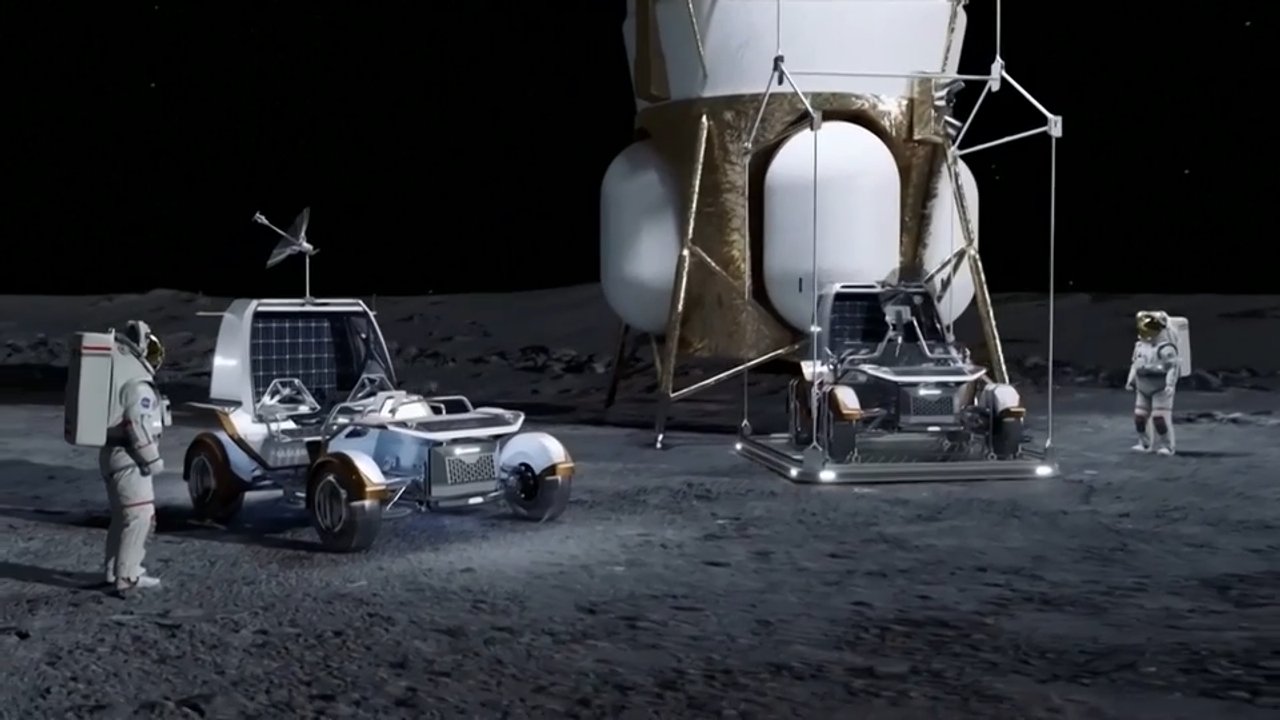
“Shoot for the Moon — if you miss, you’ll land among the stars,” won’t cut it for NASA, who says “Nah, Moon or bust.”
NASA’s got big plans, and their names are Moonbase 1, 2, and 3. They were too busy working on the science to put more into the names, okay? Moonbase 1 will be the first privately-funded lander to reach the lunar south pole, Moonbase 2 will deliver a record amount of equipment that would support astronauts at a lunar base, and Moonbase 3 will focus on gathering research and data.
But these are just glimpses of NASA’s lunar ambitions, namely to put a base on the Moon. It starts with sending dozens of rovers and lunar landers to scope out the perfect spot, followed by building small cabins for short missions, and then building larger structures sustained by nuclear power for the long term. That’s not until 2033, but NASA wants to send astronauts back to the lunar surface by 2028.
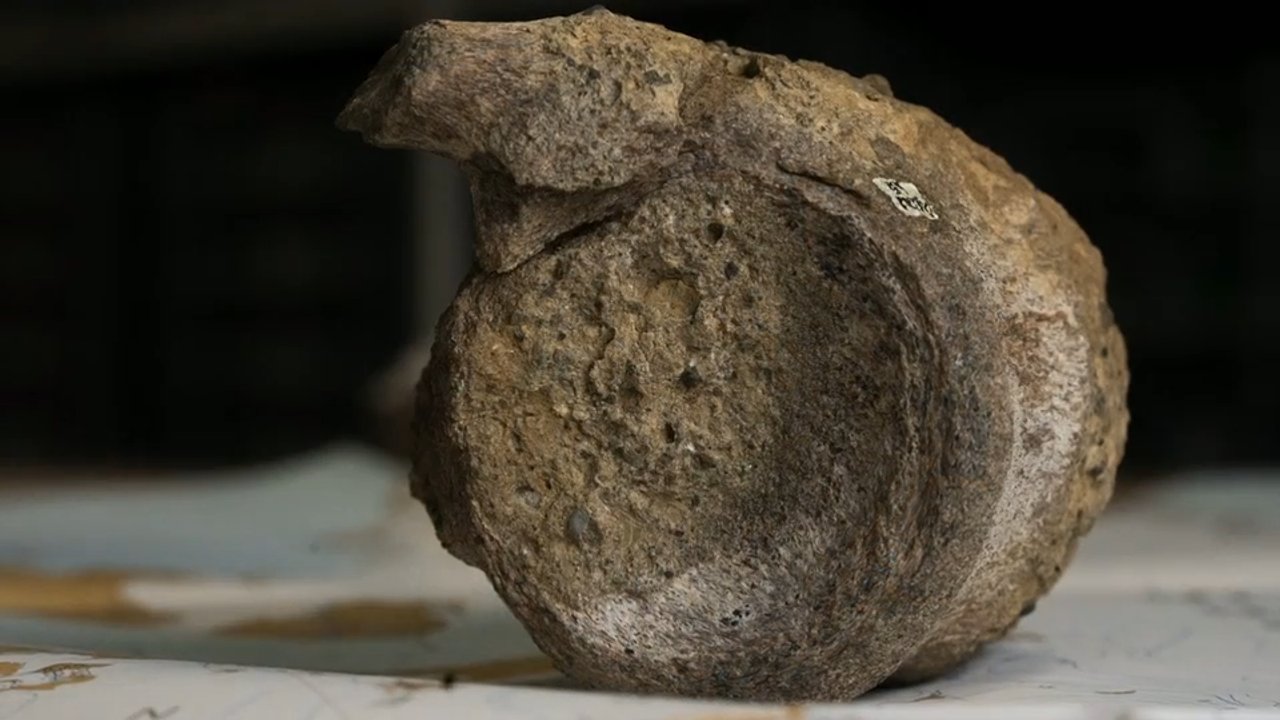
Sometimes a discovery doesn't happen in the field — it happens decades later, in a drawer.
In the 1980s, an Antarctic expedition recovered a fossil and recorded it simply as "vertebra of a large reptile" in a field notebook. That single line was all anyone knew about it for the next 40 years.
It wasn't until paleontologist Dr. Mark Evans revisited old research and notes that the fossil was properly identified — as the first dinosaur bone ever found in Antarctica. Its distinctive shape points to a Titanosaur, the largest dinosaur to ever walk the Earth.
The bone had been sitting in a collection the entire time. What changed wasn't the fossil — it was someone finally looking at it with the right knowledge asking the right questions.
The Major Oak has finally fallen. Figuratively. The famous tree still technically stands, but has been pronounced dead after a long life of as many as 1,200 years. The massive oak tree was well-known for being central to Robin Hood folklore, but it also stood out with its formidable trunk circumference of 11 meters, or 33 feet. That’s big enough for a large African elephant to hula hoop with.
The huge tree still stands tall, looking majestic with its craggly branches and massive reach, but it’s been in decline for years. This year is the first that it hasn’t put any leaves out, so experts deemed it deceased.
While it was certainly old, its demise was likely quickened by climate change, heat waves, and damage to the surrounding soil from people coming to admire the tree. Admirers may have meant well, but decades of foot traffic compacted the soil around the tree's roots, making it harder for the tree to absorb the water, nutrients, and minerals it needed.
It may not produce lush, green leaves anymore, but fans can still pay homage to The Major Oak. It will remain in its spot to decompose (which could take more than 100 years), and the legacy of the tree lives on in the form of saplings that have been grown from acorns and cuttings.
End-to-end encryption prevents anyone from viewing online communications except the sender and the receiver. Or, it prevents anyone online from viewing it. Can’t do much about someone looking over your shoulder on the subway.
In 2019, Meta CEO Mark Zuckerberg promised to roll it out across his suite of apps — you know, those Facebook and Instagram things you may have heard of? But that promise was met with mixed results. On one hand, many were happy that their private conversations could be kept, well, private. On the other hand, there was pushback from police and government groups that could use messages to catch criminals.
Implementing end-to-end encryption was a years-long process for Zuckerberg, until his platforms abandoned the concept just this year. The company tweaked their terms and conditions to suggest that not enough people were opting into the encryption, but critics have questioned that explanation, pointing out that private messaging is an important part of how platforms keep users engaged and can support their advertising business.
“Shoot for the Moon — if you miss, you’ll land among the stars,” won’t cut it for NASA, who says “Nah, Moon or bust.”
NASA’s got big plans, and their names are Moonbase 1, 2, and 3. They were too busy working on the science to put more into the names, okay? Moonbase 1 will be the first privately-funded lander to reach the lunar south pole, Moonbase 2 will deliver a record amount of equipment that would support astronauts at a lunar base, and Moonbase 3 will focus on gathering research and data.
But these are just glimpses of NASA’s lunar ambitions, namely to put a base on the Moon. It starts with sending dozens of rovers and lunar landers to scope out the perfect spot, followed by building small cabins for short missions, and then building larger structures sustained by nuclear power for the long term. That’s not until 2033, but NASA wants to send astronauts back to the lunar surface by 2028.
Sometimes a discovery doesn't happen in the field — it happens decades later, in a drawer.
In the 1980s, an Antarctic expedition recovered a fossil and recorded it simply as "vertebra of a large reptile" in a field notebook. That single line was all anyone knew about it for the next 40 years.
It wasn't until paleontologist Dr. Mark Evans revisited old research and notes that the fossil was properly identified — as the first dinosaur bone ever found in Antarctica. Its distinctive shape points to a Titanosaur, the largest dinosaur to ever walk the Earth.
The bone had been sitting in a collection the entire time. What changed wasn't the fossil — it was someone finally looking at it with the right knowledge asking the right questions.