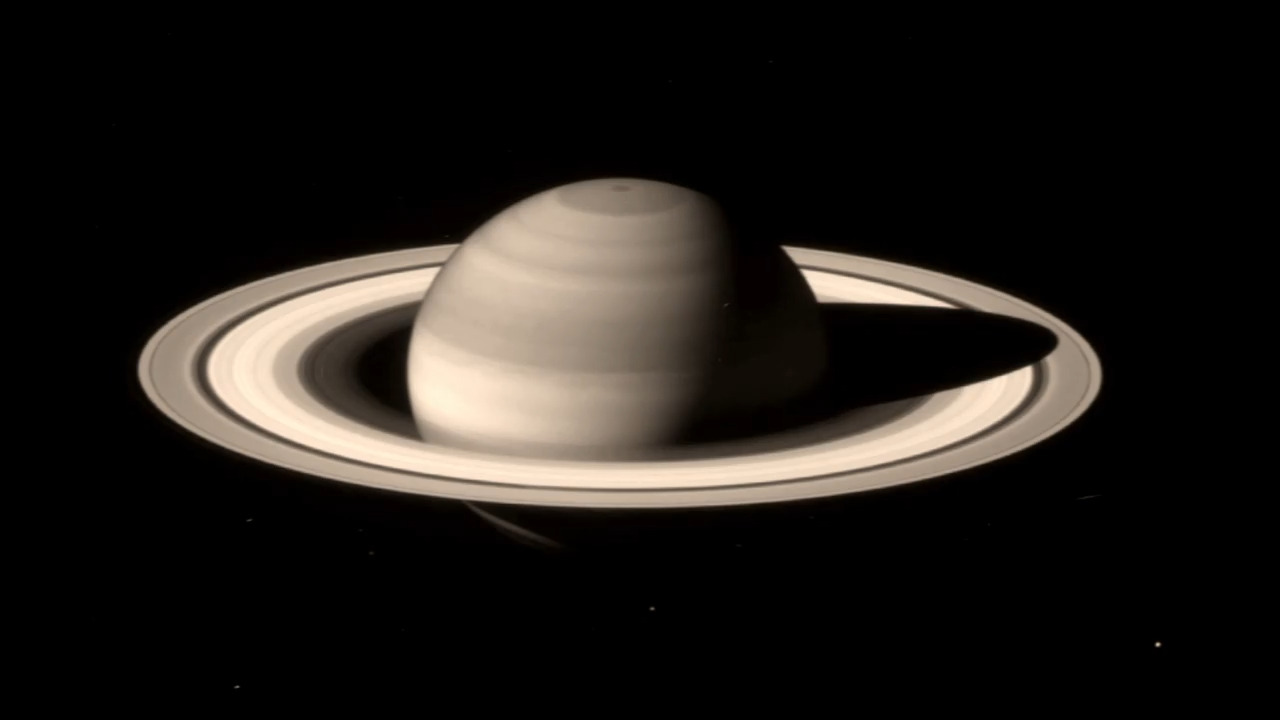
In The Origin of Saturn’s Intricate Rings, Professor Brian Cox visits the control center for Cassini, the spacecraft launched in 1997 that orbits Saturn. Cassini’s mission is to photograph Saturn’s rings and shed light on the origin story of the rings. Saturn behaves like a miniature Solar System with Saturn as sun, and moons that surround the rings, providing us the opportunity to learn about our own origin after the planets formed. This video is excerpted from BBC's Wonders of the Solar System, a spellbinding documentary series that explores the most extreme locations on Earth to explain how the laws of physics carved natural wonders across the Solar System.
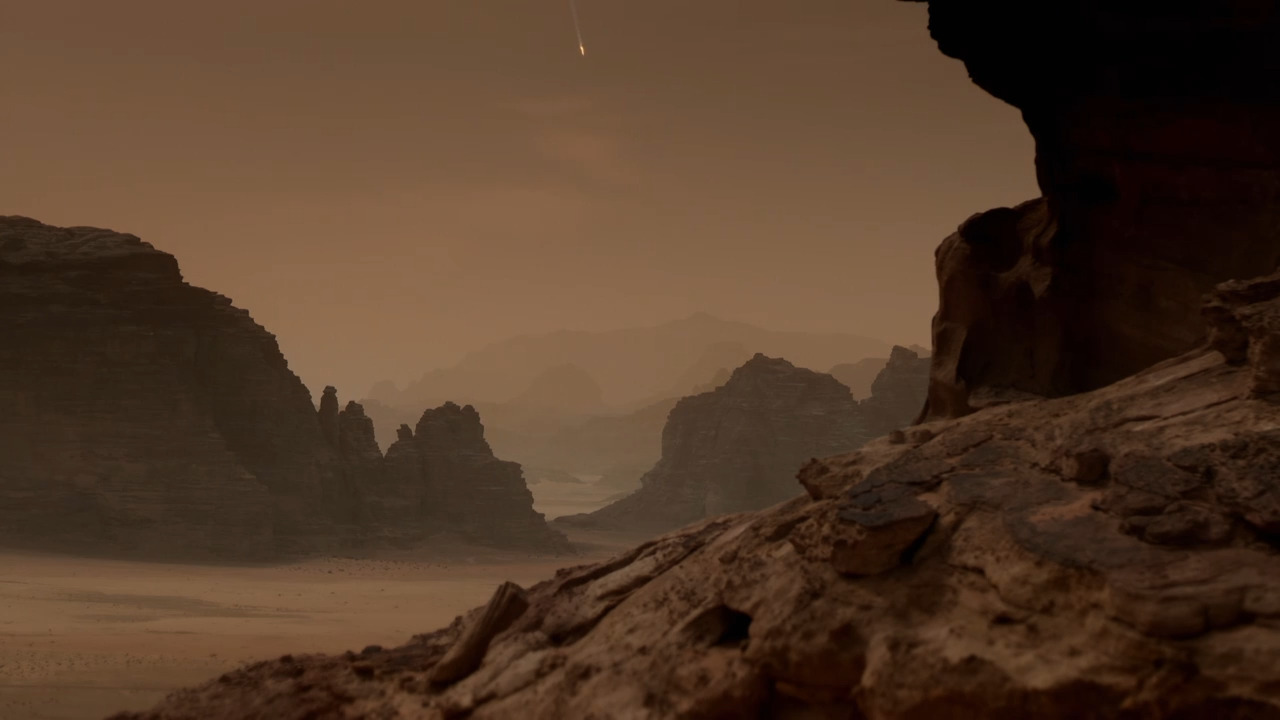
In Exploring Mars, Professor Brian Cox describes the various spacecraft that have landed on Mars and what we have learned from each. Learn how each Mars exploration project yielded more information about the Red Planet, and what the roving laboratory, Curiosity, helped scientists learn about Mars that other spacecraft had not. This video is excerpted from BBC’s The Planets, a series that explores the dramatic lives of the eight planets in our Solar System.
In Challenges and Triumphs of Reaching the Red Planet, Dr. Adam Steltzner and his team work to solve the challenges of landing spacecraft on Mars, especially when dealing with heavier crewed flights. Learn how innovative approaches, such as using retropropulsion and landing sideways, may address these issues. This video is excerpted from BBC’s The Big Thinkers, Should We Go to Mars?, where Dr. Kevin Fong explores the complex scientific and technological hurdles of space exploration.
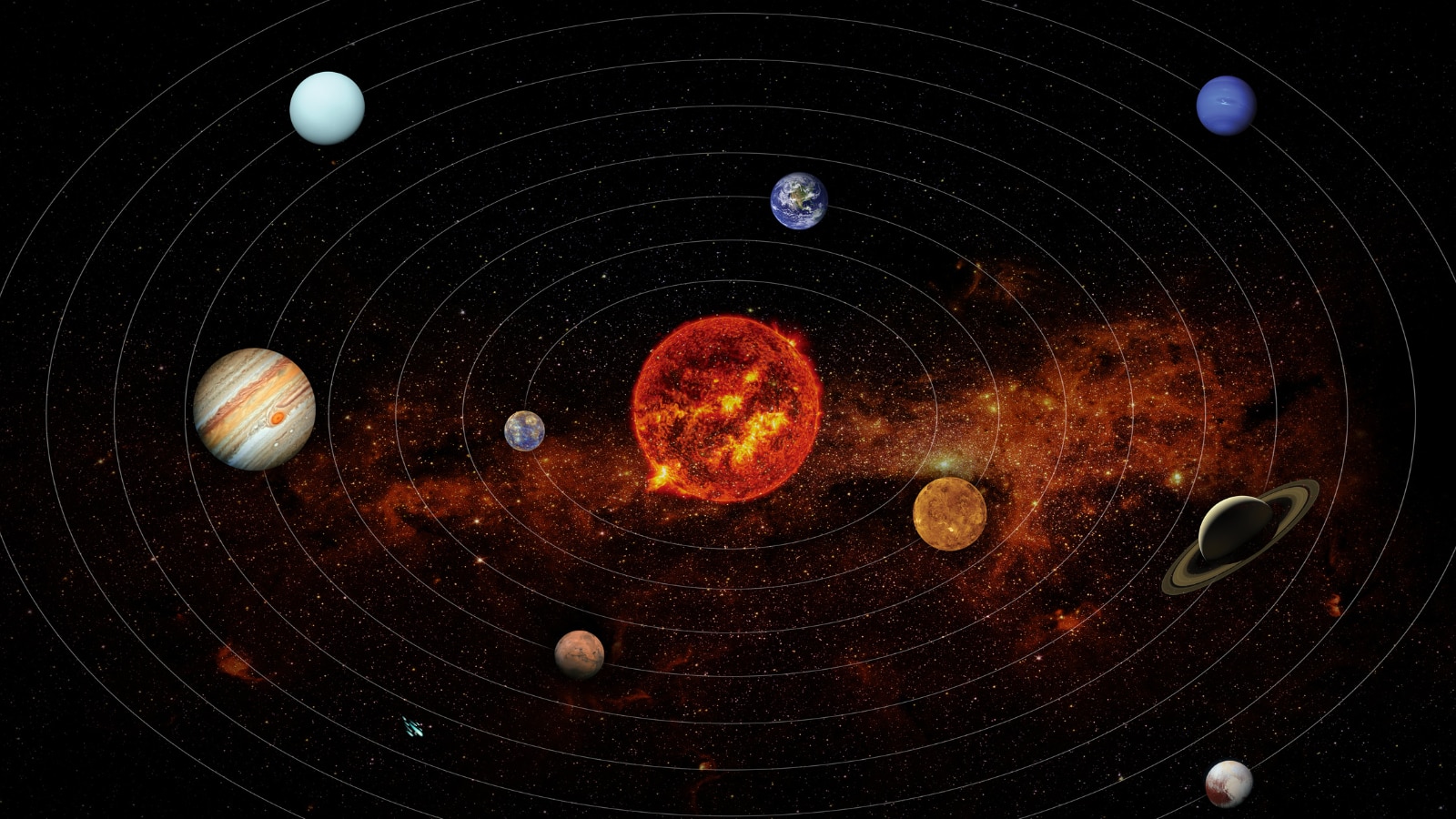
From the scorching surface of Mercury to the icy winds of Neptune, this BBC Learning Hub playlist takes you on an awe-inspiring voyage across our celestial neighborhood. Explore the mysteries of alien worlds, witness dramatic planetary weather, uncover the origins of Saturn’s rings, and ponder life on Mars. Whether you're a curious stargazer or a space science enthusiast, these video clips from landmark BBC series like The Planets and Wonders of the Solar System will ignite learner's imagination and deepen your cosmic curiosity.
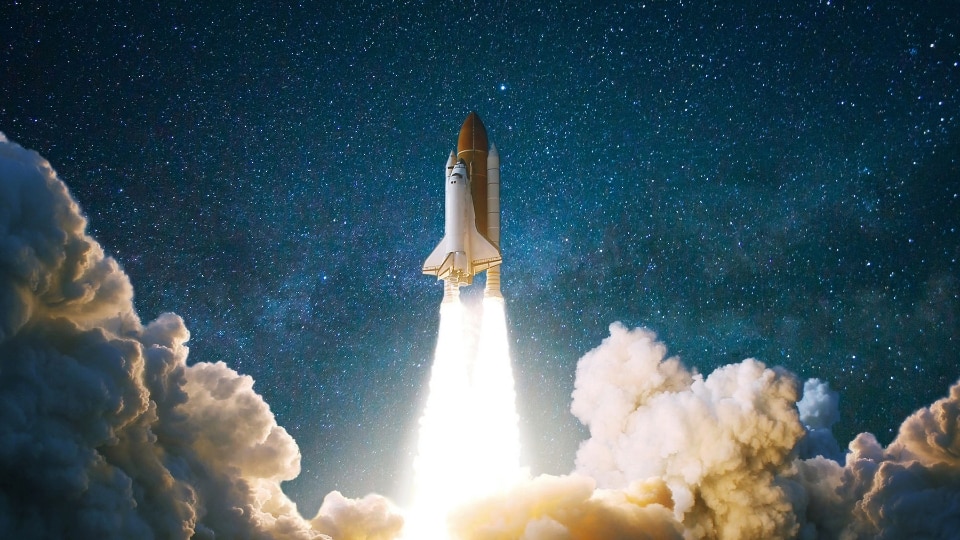
Journey beyond the Solar System to explore exoplanets, distant stars, and the search for new worlds. From planets orbiting faraway suns to potentially habitable worlds light-years from Earth, discover how astronomers are uncovering new corners of the universe.
This Kahoot explores the science of exoplanet discovery, space exploration, and the technologies that allow us to detect and study worlds we cannot directly see while revealing how each new discovery expands our understanding of the cosmos.
Watch the related videos linked below, then take the Kahoot and see how much you know about the incredible worlds waiting to be discovered beyond our Solar System.

The article "Top 10 Heaviest Spacecraft Ever Launched" from BBC's Science Focus examines the most massive spacecraft to have flown in Earth's orbit and beyond.
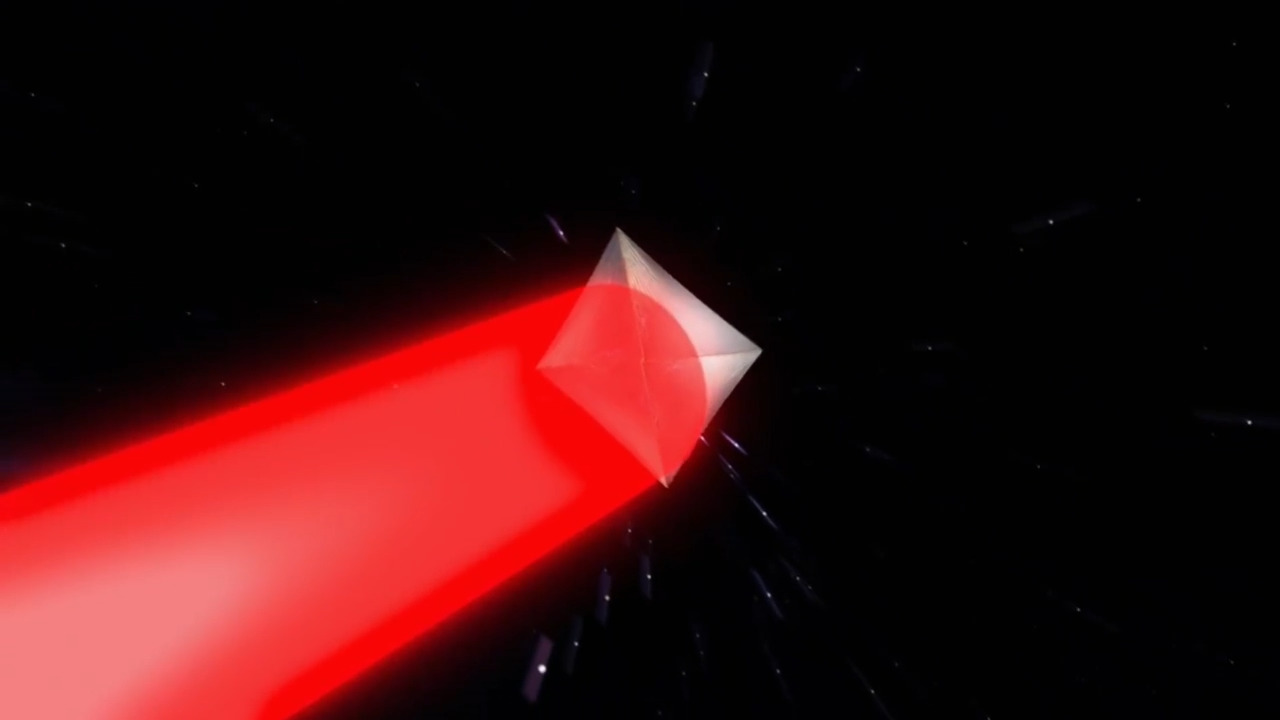
In Traveling at the Speed of Light, narrator Kate Yule describes how Einstein's theory could allow humans to explore the cosmos, but to do so would involve traveling at the speed of light. Learn about Stephen Hawking’s Breakthrough Starshot, which aimed to develop a spaceship that could do just that. Zac Manchester from Stanford University has continued these efforts and developed sprites, which are tiny spacecraft that travel at a speed of 20% of the speed of light. This video is excerpted from BBC’s Einstein & Hawking: Masters of Our Universe, a mind-bending documentary that tells the story of how the two most famous scientists of the 20th Century transformed our understanding of the Universe and changed the world.
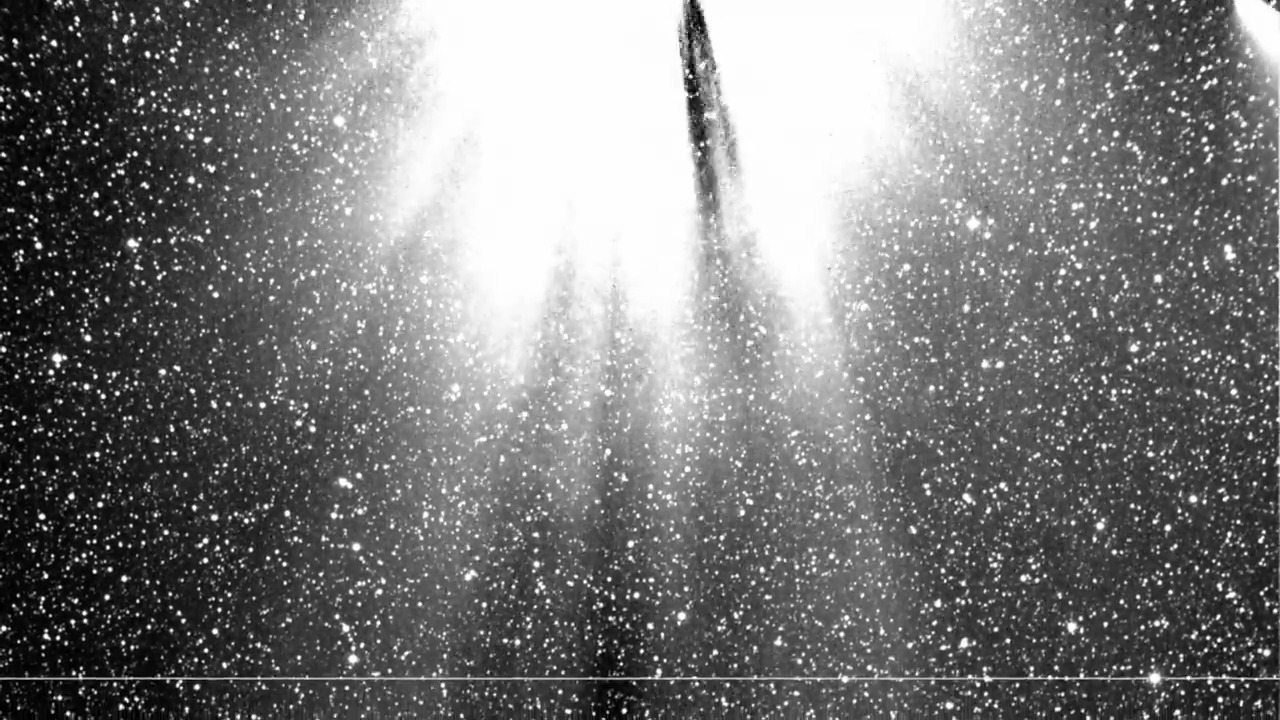
In The Grand Tour of Voyager 1, Professor Brian Cox discusses how the Voyager 1 spacecraft, launched in 1977, continues to send signals back to Earth from its journey to the outer reaches of our Solar System. Learn about the groundbreaking space exploration efforts of the Voyager missions, especially its role in mapping the solar wind’s reach and helping scientists understand the auroras occurring on distant planets like Jupiter and Saturn. Using images from the Hubble Space Telescope and data from Voyager 1, scientists are unraveling the mysteries of the Solar System's farthest edges.
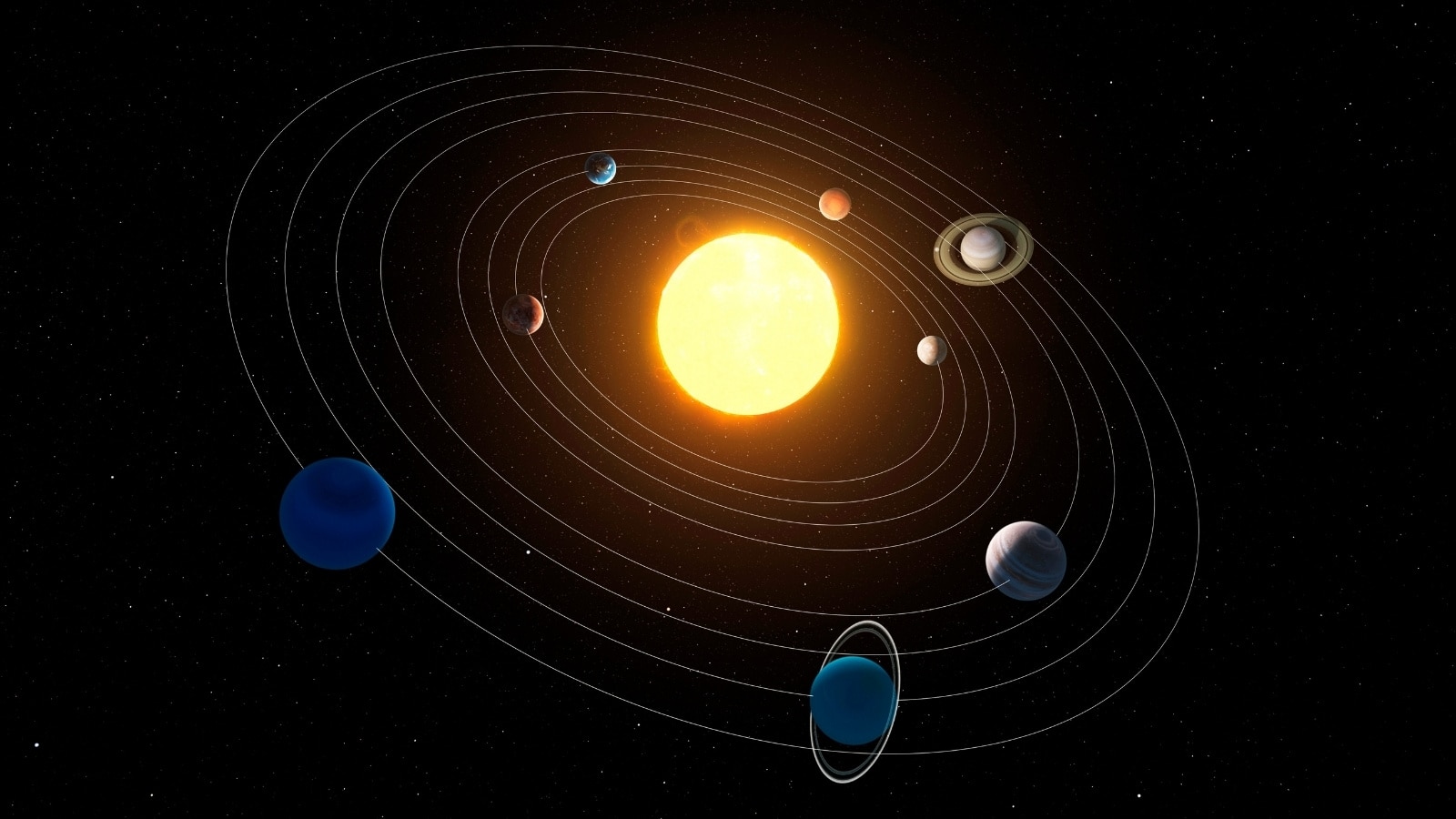
The article "Does Our Solar System Have a Protective Wall?" from BBC's Science Focus explains the concept of the "heliopause," the boundary where the solar wind from the Sun meets the interstellar medium. This boundary, sometimes described as a "wall," plays a crucial role in protecting Earth from harmful cosmic rays.

The article "Water found buried under Mars equator" from BBC's Science Focus showcases the discovery of ice beneath Mars' equator using data from ESA's Mars Express spacecraft. This finding could be crucial for future human missions to Mars, as the ice deposits could provide a valuable water source.
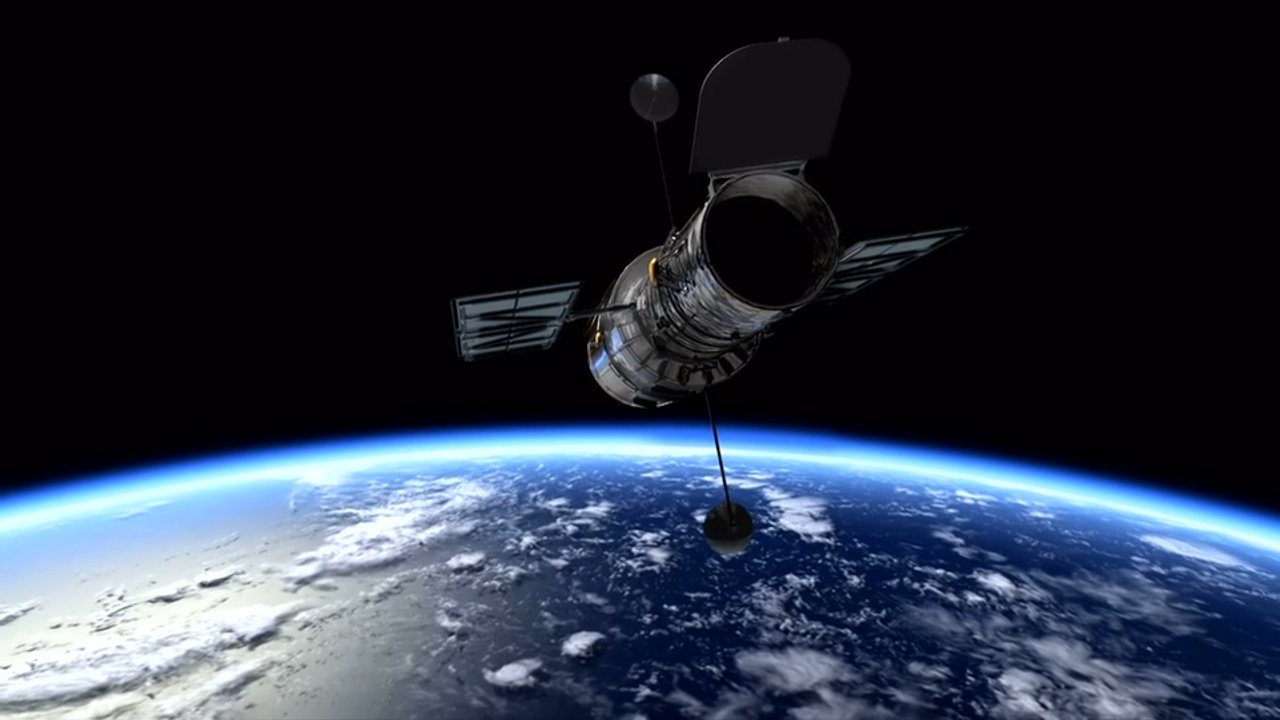
NASA is attempting something it has never done before: rescuing a space telescope that's slowly falling toward Earth.
The Swift Space Telescope has spent more than 20 years helping scientists study some of the universe's most powerful explosions. It originally orbited about 600 kilometers (over 300 miles) above Earth. At that height, the atmosphere is normally very thin — but increased solar activity has been pushing more of the atmosphere outward, creating extra drag. That drag slowed Swift down and caused its orbit to drop to about 360 kilometers (a little over 225 miles) above Earth.
To save it, NASA launched a rocket carrying a fridge-sized robot called Link. Link will first take pictures of Swift to figure out the safest place to grab hold of it. Then, using three robotic arms and its thrusters, it will slowly push Swift back up into a higher orbit. The whole process could take several months.
The mission is risky, since NASA has never attempted a rescue like this before. But if it works, Swift could keep operating for another decade. A success could also give NASA a blueprint for rescuing other aging spacecraft in the future — including the Hubble Space Telescope.
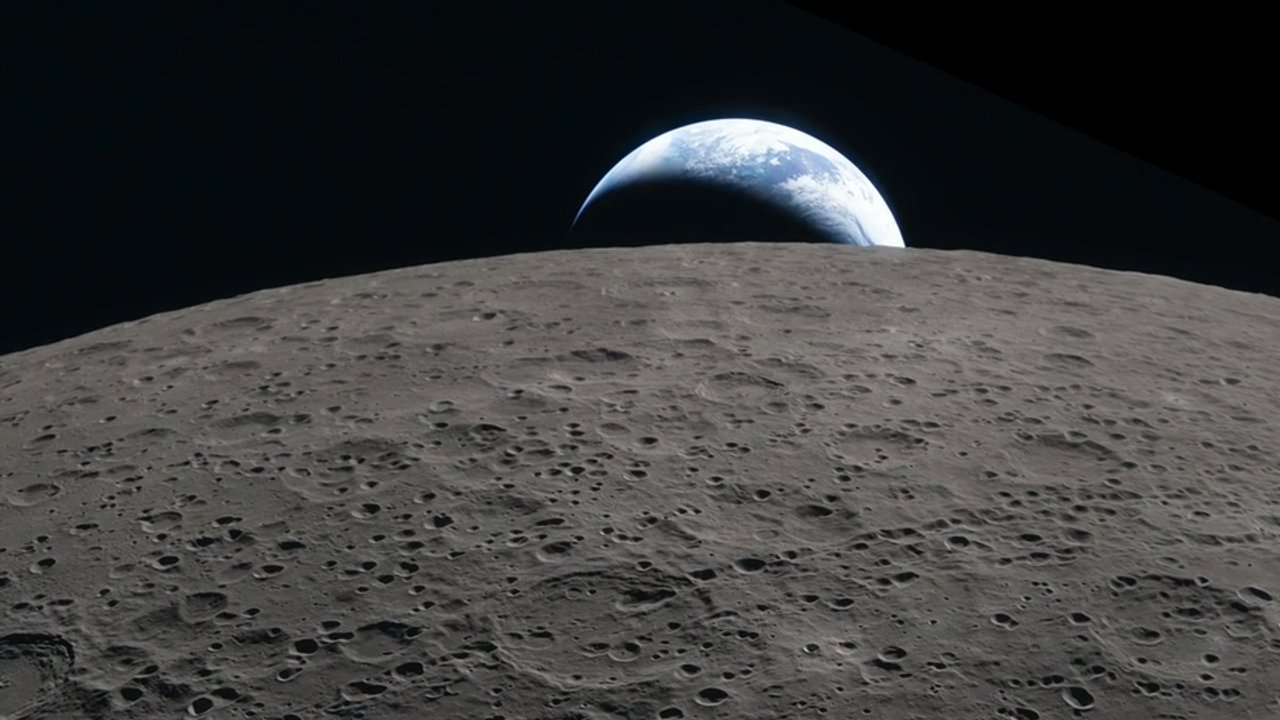
After a historic 10-day mission around the Moon — the first time humans have traveled so far into space since the 70s — the Artemis II crew came away with crucial knowledge: appreciate doors on bathrooms.
Commander Reid Wiseman dished on some other reflections about the trip. For example, the crew didn’t even realize what a big deal this was to people on Earth and didn’t hear much of the news until they talked to their families a few days into the mission. We suppose that’s what happens when you literally have your head in the clouds.
Not only was the journey unforgettable for science, but it was also personally significant for the crew members. One of the most powerful moments came when astronaut Jeremy Hansen named a lunar crater after Wiseman’s late wife, Carroll, a pivotal moment that solidified the crew’s bond.
But that bond wasn’t just to make things more fun — getting along in space is actually a matter of safety, and life inside a spacecraft requires serious teamwork. Think about sharing a room with a stinky sibling or living with a roommate who keeps eating your snacks. Now imagine that, in a room one-fifth the size and no way to escape! The astronauts lived, slept, and worked in extremely close quarters, so it was important to deal with disagreements immediately instead of letting tension build.
As exciting as it was to orbit the Moon, the return to Earth may have been just as intense. The crew re-entered the atmosphere at about 39 times the speed of sound. That’s about 30,000 miles per hour. They experienced forces of about four times normal gravity — about what you feel during the most intense parts of a roller coaster, but the astronauts felt this way for about 13 minutes. Nonstop! And that’s all before parachuting into the Pacific Ocean. All that probably makes it just a little more exhilarating than your bus ride to school.
In The Origin of Saturn’s Intricate Rings, Professor Brian Cox visits the control center for Cassini, the spacecraft launched in 1997 that orbits Saturn. Cassini’s mission is to photograph Saturn’s rings and shed light on the origin story of the rings. Saturn behaves like a miniature Solar System with Saturn as sun, and moons that surround the rings, providing us the opportunity to learn about our own origin after the planets formed. This video is excerpted from BBC's Wonders of the Solar System, a spellbinding documentary series that explores the most extreme locations on Earth to explain how the laws of physics carved natural wonders across the Solar System.
In Exploring Mars, Professor Brian Cox describes the various spacecraft that have landed on Mars and what we have learned from each. Learn how each Mars exploration project yielded more information about the Red Planet, and what the roving laboratory, Curiosity, helped scientists learn about Mars that other spacecraft had not. This video is excerpted from BBC’s The Planets, a series that explores the dramatic lives of the eight planets in our Solar System.
In Challenges and Triumphs of Reaching the Red Planet, Dr. Adam Steltzner and his team work to solve the challenges of landing spacecraft on Mars, especially when dealing with heavier crewed flights. Learn how innovative approaches, such as using retropropulsion and landing sideways, may address these issues. This video is excerpted from BBC’s The Big Thinkers, Should We Go to Mars?, where Dr. Kevin Fong explores the complex scientific and technological hurdles of space exploration.
From the scorching surface of Mercury to the icy winds of Neptune, this BBC Learning Hub playlist takes you on an awe-inspiring voyage across our celestial neighborhood. Explore the mysteries of alien worlds, witness dramatic planetary weather, uncover the origins of Saturn’s rings, and ponder life on Mars. Whether you're a curious stargazer or a space science enthusiast, these video clips from landmark BBC series like The Planets and Wonders of the Solar System will ignite learner's imagination and deepen your cosmic curiosity.
Journey beyond the Solar System to explore exoplanets, distant stars, and the search for new worlds. From planets orbiting faraway suns to potentially habitable worlds light-years from Earth, discover how astronomers are uncovering new corners of the universe.
This Kahoot explores the science of exoplanet discovery, space exploration, and the technologies that allow us to detect and study worlds we cannot directly see while revealing how each new discovery expands our understanding of the cosmos.
Watch the related videos linked below, then take the Kahoot and see how much you know about the incredible worlds waiting to be discovered beyond our Solar System.
The article "Top 10 Heaviest Spacecraft Ever Launched" from BBC's Science Focus examines the most massive spacecraft to have flown in Earth's orbit and beyond.
In Traveling at the Speed of Light, narrator Kate Yule describes how Einstein's theory could allow humans to explore the cosmos, but to do so would involve traveling at the speed of light. Learn about Stephen Hawking’s Breakthrough Starshot, which aimed to develop a spaceship that could do just that. Zac Manchester from Stanford University has continued these efforts and developed sprites, which are tiny spacecraft that travel at a speed of 20% of the speed of light. This video is excerpted from BBC’s Einstein & Hawking: Masters of Our Universe, a mind-bending documentary that tells the story of how the two most famous scientists of the 20th Century transformed our understanding of the Universe and changed the world.
In The Grand Tour of Voyager 1, Professor Brian Cox discusses how the Voyager 1 spacecraft, launched in 1977, continues to send signals back to Earth from its journey to the outer reaches of our Solar System. Learn about the groundbreaking space exploration efforts of the Voyager missions, especially its role in mapping the solar wind’s reach and helping scientists understand the auroras occurring on distant planets like Jupiter and Saturn. Using images from the Hubble Space Telescope and data from Voyager 1, scientists are unraveling the mysteries of the Solar System's farthest edges.
The article "Does Our Solar System Have a Protective Wall?" from BBC's Science Focus explains the concept of the "heliopause," the boundary where the solar wind from the Sun meets the interstellar medium. This boundary, sometimes described as a "wall," plays a crucial role in protecting Earth from harmful cosmic rays.
The article "Water found buried under Mars equator" from BBC's Science Focus showcases the discovery of ice beneath Mars' equator using data from ESA's Mars Express spacecraft. This finding could be crucial for future human missions to Mars, as the ice deposits could provide a valuable water source.
NASA is attempting something it has never done before: rescuing a space telescope that's slowly falling toward Earth.
The Swift Space Telescope has spent more than 20 years helping scientists study some of the universe's most powerful explosions. It originally orbited about 600 kilometers (over 300 miles) above Earth. At that height, the atmosphere is normally very thin — but increased solar activity has been pushing more of the atmosphere outward, creating extra drag. That drag slowed Swift down and caused its orbit to drop to about 360 kilometers (a little over 225 miles) above Earth.
To save it, NASA launched a rocket carrying a fridge-sized robot called Link. Link will first take pictures of Swift to figure out the safest place to grab hold of it. Then, using three robotic arms and its thrusters, it will slowly push Swift back up into a higher orbit. The whole process could take several months.
The mission is risky, since NASA has never attempted a rescue like this before. But if it works, Swift could keep operating for another decade. A success could also give NASA a blueprint for rescuing other aging spacecraft in the future — including the Hubble Space Telescope.
After a historic 10-day mission around the Moon — the first time humans have traveled so far into space since the 70s — the Artemis II crew came away with crucial knowledge: appreciate doors on bathrooms.
Commander Reid Wiseman dished on some other reflections about the trip. For example, the crew didn’t even realize what a big deal this was to people on Earth and didn’t hear much of the news until they talked to their families a few days into the mission. We suppose that’s what happens when you literally have your head in the clouds.
Not only was the journey unforgettable for science, but it was also personally significant for the crew members. One of the most powerful moments came when astronaut Jeremy Hansen named a lunar crater after Wiseman’s late wife, Carroll, a pivotal moment that solidified the crew’s bond.
But that bond wasn’t just to make things more fun — getting along in space is actually a matter of safety, and life inside a spacecraft requires serious teamwork. Think about sharing a room with a stinky sibling or living with a roommate who keeps eating your snacks. Now imagine that, in a room one-fifth the size and no way to escape! The astronauts lived, slept, and worked in extremely close quarters, so it was important to deal with disagreements immediately instead of letting tension build.
As exciting as it was to orbit the Moon, the return to Earth may have been just as intense. The crew re-entered the atmosphere at about 39 times the speed of sound. That’s about 30,000 miles per hour. They experienced forces of about four times normal gravity — about what you feel during the most intense parts of a roller coaster, but the astronauts felt this way for about 13 minutes. Nonstop! And that’s all before parachuting into the Pacific Ocean. All that probably makes it just a little more exhilarating than your bus ride to school.