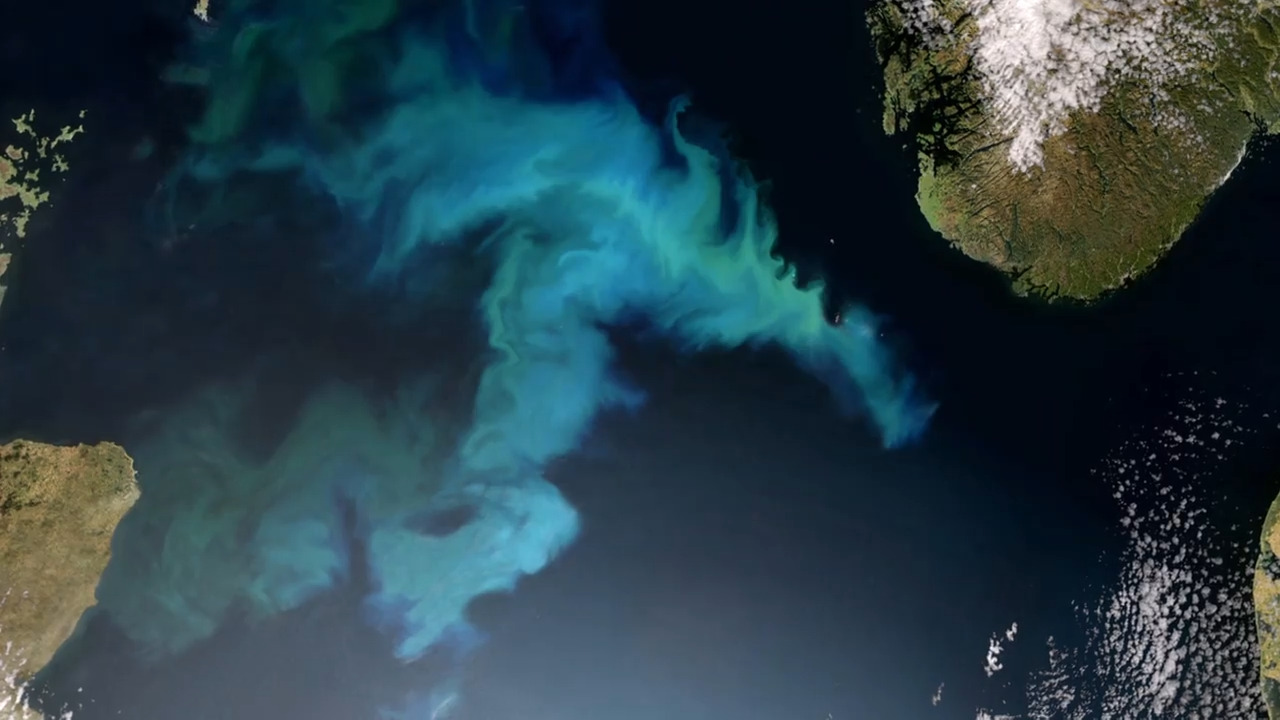
In Phytoplankton, the Life-Giving Force Beneath the Waves, geologist Iain Stewart explains how oceans are vital to life on Earth, especially because of tiny phytoplankton which produce 50% of the oxygen we breathe! These microscopic organisms feed sea creatures and help turn sunlight and carbon dioxide into energy. Oceans also have a vast network of currents that connect all the seas, proven when 29,000 rubber ducks drifted across the world, showing how these currents link every ocean. This video is excerpted from BBC’s Earth: The Power of the Planet, a documentary series in which Dr. Iain Stewart discovers how Earth's forces can shape nature, species, and even the climate.

In Obama’s Political Beginnings, historian Simon Schama explains how before Barack Obama was president, he worked to organize laid off factory workers in the South Side of Chicago. As a community organizer, Obama learned how to build alliances and the importance of being at the table. This video is excerpted from BBC’s Obama’s America, in which Simon Schama examines the challenges faced by Barack Obama on the world stage and at home.

The article "3D-Printed Liver Models Help Surgeons "Rehearse" Cancer Surgeries" from BBC's Science Focus explains how scientists have developed a method to 3D print realistic models of cancer patients' organs. These models include imitation tumors and blood, allowing surgeons to practice procedures before performing them on real patients.
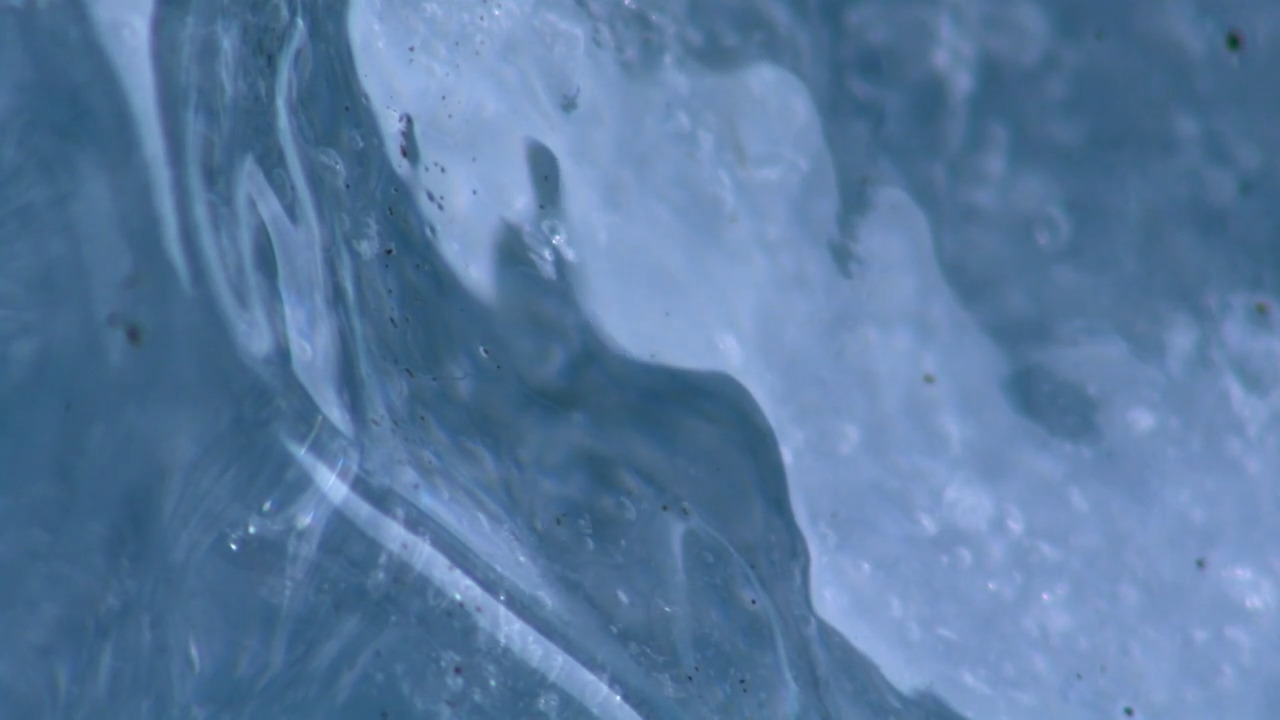
In Microscopic Life in Ice, Professor Brian Cox explores an ice cave and finds microorganisms that are living in the ice. He discusses what this means for life on other planets and moons with scientist Richard Hoover. This video is excerpted from BBC’s The Planets, a series that explores the dramatic lives of the eight planets in our Solar System.
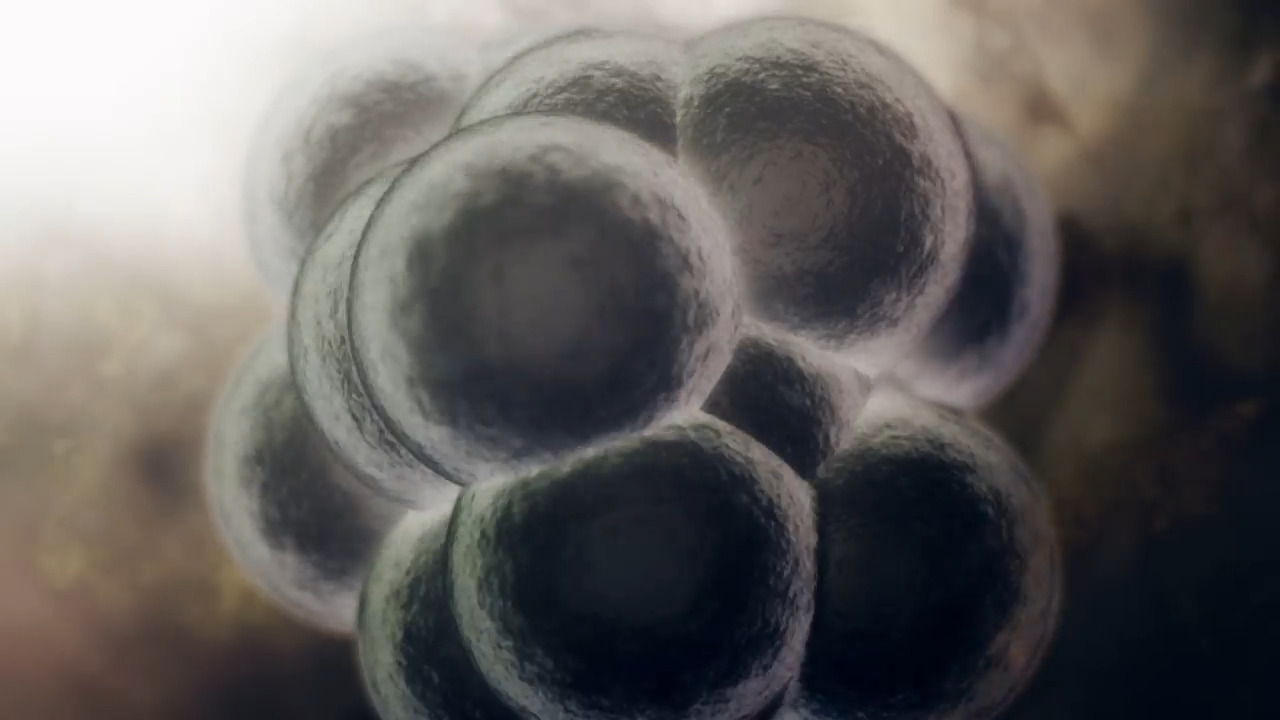
In Intelligent Life — Is It Out There?, Professor Brian Cox explains what happened when complex life developed and what this means for the search for life beyond Earth. This video is excerpted from BBC’s The Planets, a series that explores the dramatic lives of the eight planets in our Solar System.

The article "Habitats and Ecosystems: Understanding Their Differences and Impact on Biodiversity" from BBC's Discover Wildlife explains the differences between habitats, ecosystems, environments, and niches, as well as how these concepts affect biodiversity and the importance of understanding them for conservation efforts.
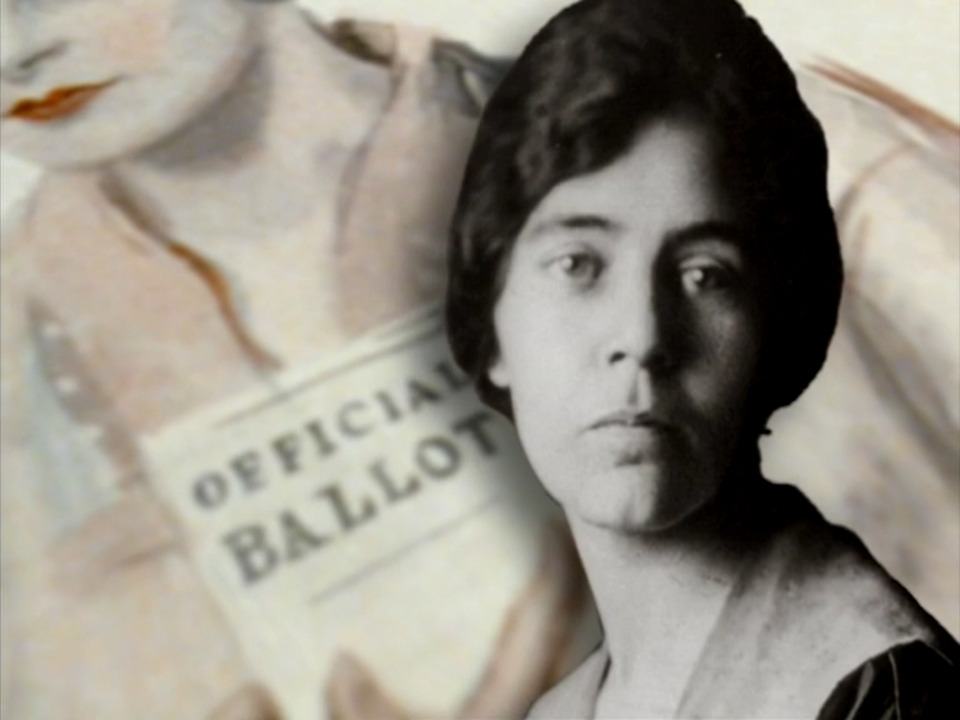
In Alice Paul and the Fight for Women’s Suffrage, activist Alice Paul leads marches and protests to secure women’s right to vote in the United States. Drawing inspiration from the militant suffrage movement in the UK, she organizes the National Woman’s Party, pickets the White House, and helps secure the passage of the 19th Amendment after decades of struggle.
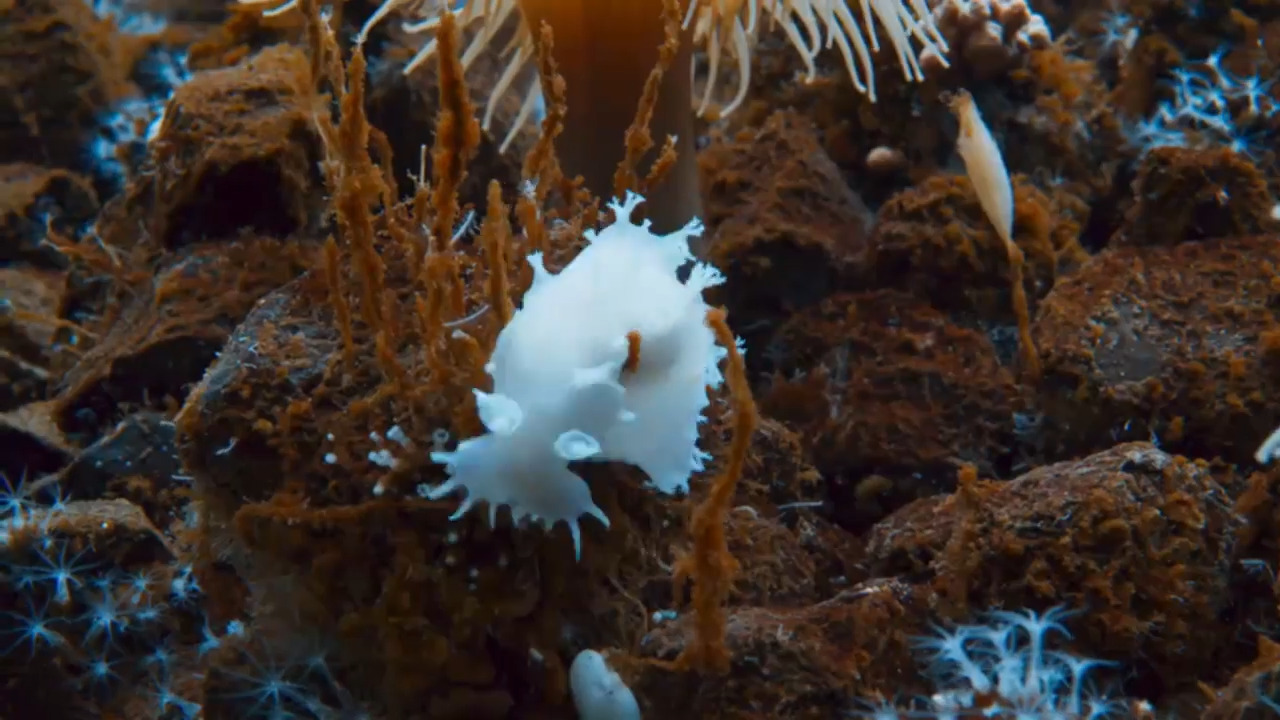
In Strange Sea Creatures Thrive Under the Ice, journey below the ice to see how life has diversified. Strange creatures, including nudibranchs, thrive there. Nudibranchs are hermaphrodites that possess both male and female reproductive organs making mating a matter of finding any other nudibranch. This video is excerpted from BBC’s Seven Worlds, One Planet, a series featuring remarkable animal behavior from all seven continents.
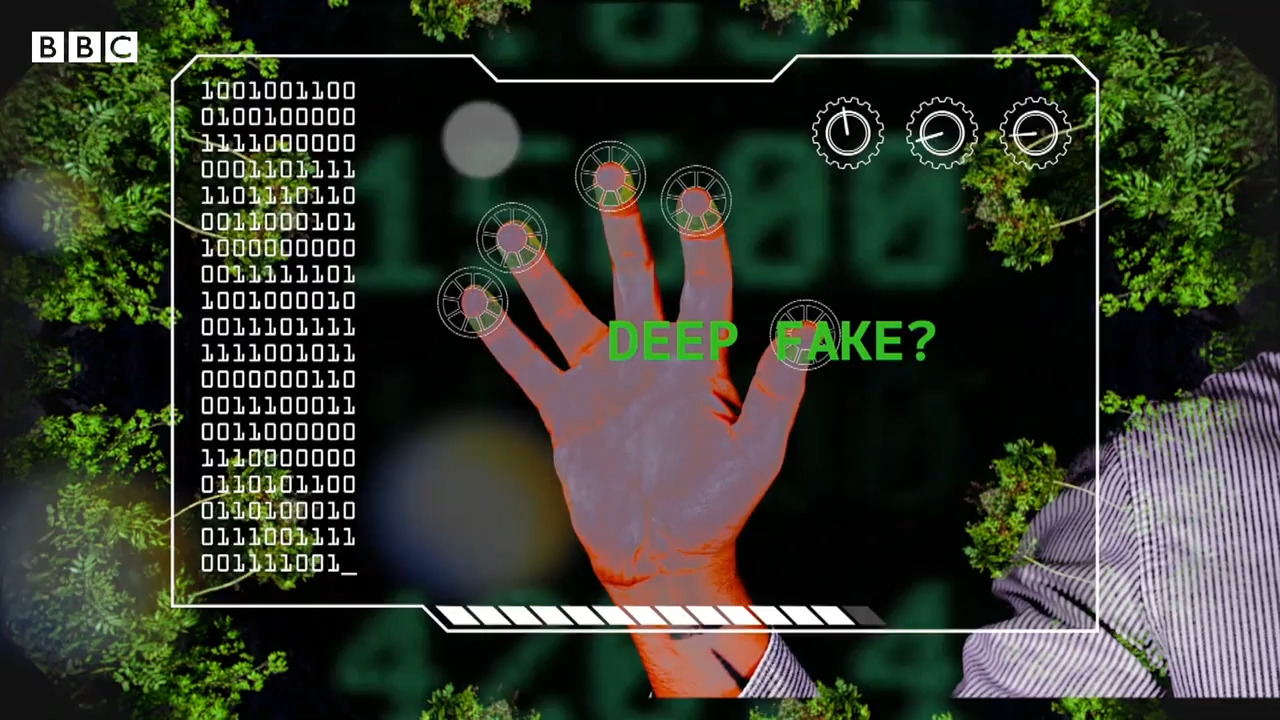
In What About Social Media?, host Radzi Chinyanganya looks at what makes a story go viral, and explains how to evaluate whether or not the story is real before sharing it. Stories can be evaluated by asking if they’ve been reported elsewhere, if the organization that published it is reputable, and if the website the story was on is official. Deep fake videos that use AI to alter faces allow people to create realistic digital versions of themselves. The ability to swap faces has creative possibilities, but it can also be used to mislead people, so it’s crucial to look for clues that something might be false. This video is excerpted from BBC’s My World, a program created for teenagers eager to learn more about the important stories shaping our world.

In Frontsiding to Help Others, host Radzi Chinyanganya introduces Sky Brown, a young skateboarder from California who is using her passion for skateboarding to make a difference in the lives of children, including Sokly, a girl in Cambodia. The video highlights how organizations like Skateistan, a non-governmental organization (NGO), use sports and education to improve the quality of life for children in underserved communities. Through Sky’s efforts, students see how hobbies can be a powerful tool for helping others and creating positive change. This video is excerpted from BBC’s My World, a program created for teenagers eager to learn more about the important stories shaping our world.
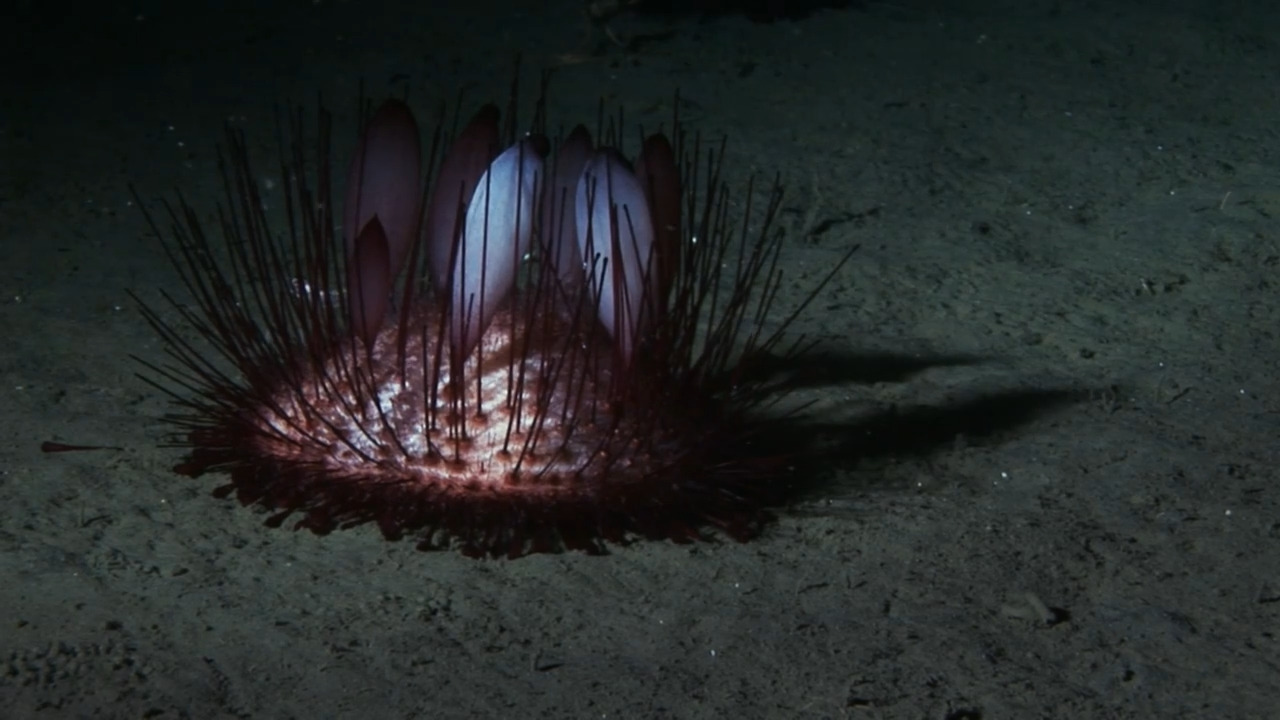
In Subtle Signs of Life on the Seafloor, narrator David Attenborough journeys over two miles beneath the ocean's surface, where the pressure is immense — 300 times greater than at sea level. Here, marine snow, tiny organic particles drifting from above, slowly settles on the seafloor over months. This vast, flat expanse stretches for thousands of miles, with subtle signs of life visible in the soft sediment. Sea urchins sift through the accumulating snow, while shrimp carefully pick out edible particles. The monkfish, nearly indistinguishable from the sand, patiently waits for prey to be lured toward its deceptive trap, sometimes going days between meals. This video is excerpted from BBC’s Planet Earth, a breathtaking documentary series that highlights the natural wonders of our planet.
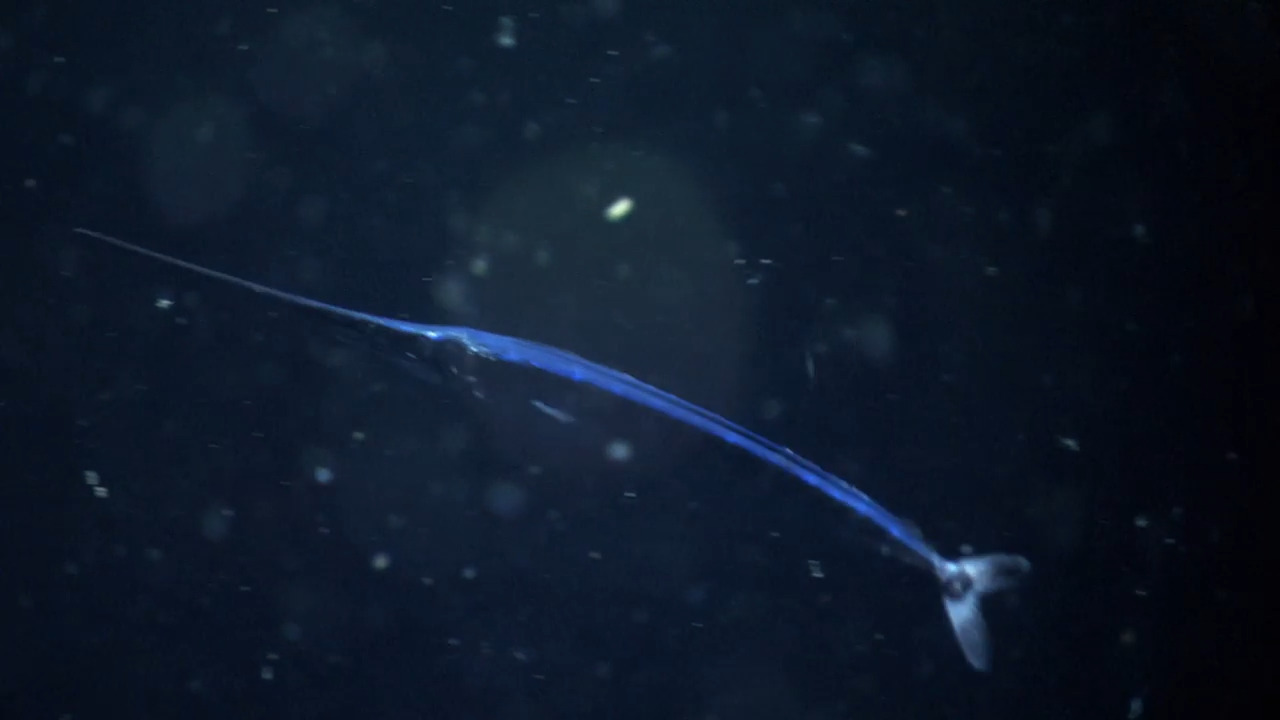
In The Nocturnal Migration of Plankton, narrator David Attenborough explains how plankton retreats into the ocean depths as the Sun rises. To follow them, we descend in a submarine where pressure increases, and temperatures drop. At 500 meters (1,640 feet) below, strange creatures emerge. Organic particles, known as marine snow, drift down, serving as food for many animals like the sea spider, which uses feathered leg-like appendages to capture it. Meanwhile, the sawtooth eel waits motionless, ready to strike at silhouetted prey swimming near the faint glow from the surface. This video is excerpted from BBC’s Planet Earth, a breathtaking documentary series that highlights the natural wonders of our planet.
In Phytoplankton, the Life-Giving Force Beneath the Waves, geologist Iain Stewart explains how oceans are vital to life on Earth, especially because of tiny phytoplankton which produce 50% of the oxygen we breathe! These microscopic organisms feed sea creatures and help turn sunlight and carbon dioxide into energy. Oceans also have a vast network of currents that connect all the seas, proven when 29,000 rubber ducks drifted across the world, showing how these currents link every ocean. This video is excerpted from BBC’s Earth: The Power of the Planet, a documentary series in which Dr. Iain Stewart discovers how Earth's forces can shape nature, species, and even the climate.
In Obama’s Political Beginnings, historian Simon Schama explains how before Barack Obama was president, he worked to organize laid off factory workers in the South Side of Chicago. As a community organizer, Obama learned how to build alliances and the importance of being at the table. This video is excerpted from BBC’s Obama’s America, in which Simon Schama examines the challenges faced by Barack Obama on the world stage and at home.
The article "3D-Printed Liver Models Help Surgeons "Rehearse" Cancer Surgeries" from BBC's Science Focus explains how scientists have developed a method to 3D print realistic models of cancer patients' organs. These models include imitation tumors and blood, allowing surgeons to practice procedures before performing them on real patients.
In Microscopic Life in Ice, Professor Brian Cox explores an ice cave and finds microorganisms that are living in the ice. He discusses what this means for life on other planets and moons with scientist Richard Hoover. This video is excerpted from BBC’s The Planets, a series that explores the dramatic lives of the eight planets in our Solar System.
In Intelligent Life — Is It Out There?, Professor Brian Cox explains what happened when complex life developed and what this means for the search for life beyond Earth. This video is excerpted from BBC’s The Planets, a series that explores the dramatic lives of the eight planets in our Solar System.
The article "Habitats and Ecosystems: Understanding Their Differences and Impact on Biodiversity" from BBC's Discover Wildlife explains the differences between habitats, ecosystems, environments, and niches, as well as how these concepts affect biodiversity and the importance of understanding them for conservation efforts.
In Alice Paul and the Fight for Women’s Suffrage, activist Alice Paul leads marches and protests to secure women’s right to vote in the United States. Drawing inspiration from the militant suffrage movement in the UK, she organizes the National Woman’s Party, pickets the White House, and helps secure the passage of the 19th Amendment after decades of struggle.
In Strange Sea Creatures Thrive Under the Ice, journey below the ice to see how life has diversified. Strange creatures, including nudibranchs, thrive there. Nudibranchs are hermaphrodites that possess both male and female reproductive organs making mating a matter of finding any other nudibranch. This video is excerpted from BBC’s Seven Worlds, One Planet, a series featuring remarkable animal behavior from all seven continents.
In What About Social Media?, host Radzi Chinyanganya looks at what makes a story go viral, and explains how to evaluate whether or not the story is real before sharing it. Stories can be evaluated by asking if they’ve been reported elsewhere, if the organization that published it is reputable, and if the website the story was on is official. Deep fake videos that use AI to alter faces allow people to create realistic digital versions of themselves. The ability to swap faces has creative possibilities, but it can also be used to mislead people, so it’s crucial to look for clues that something might be false. This video is excerpted from BBC’s My World, a program created for teenagers eager to learn more about the important stories shaping our world.
In Frontsiding to Help Others, host Radzi Chinyanganya introduces Sky Brown, a young skateboarder from California who is using her passion for skateboarding to make a difference in the lives of children, including Sokly, a girl in Cambodia. The video highlights how organizations like Skateistan, a non-governmental organization (NGO), use sports and education to improve the quality of life for children in underserved communities. Through Sky’s efforts, students see how hobbies can be a powerful tool for helping others and creating positive change. This video is excerpted from BBC’s My World, a program created for teenagers eager to learn more about the important stories shaping our world.
In Subtle Signs of Life on the Seafloor, narrator David Attenborough journeys over two miles beneath the ocean's surface, where the pressure is immense — 300 times greater than at sea level. Here, marine snow, tiny organic particles drifting from above, slowly settles on the seafloor over months. This vast, flat expanse stretches for thousands of miles, with subtle signs of life visible in the soft sediment. Sea urchins sift through the accumulating snow, while shrimp carefully pick out edible particles. The monkfish, nearly indistinguishable from the sand, patiently waits for prey to be lured toward its deceptive trap, sometimes going days between meals. This video is excerpted from BBC’s Planet Earth, a breathtaking documentary series that highlights the natural wonders of our planet.
In The Nocturnal Migration of Plankton, narrator David Attenborough explains how plankton retreats into the ocean depths as the Sun rises. To follow them, we descend in a submarine where pressure increases, and temperatures drop. At 500 meters (1,640 feet) below, strange creatures emerge. Organic particles, known as marine snow, drift down, serving as food for many animals like the sea spider, which uses feathered leg-like appendages to capture it. Meanwhile, the sawtooth eel waits motionless, ready to strike at silhouetted prey swimming near the faint glow from the surface. This video is excerpted from BBC’s Planet Earth, a breathtaking documentary series that highlights the natural wonders of our planet.