From Single Cells to Simple Animals
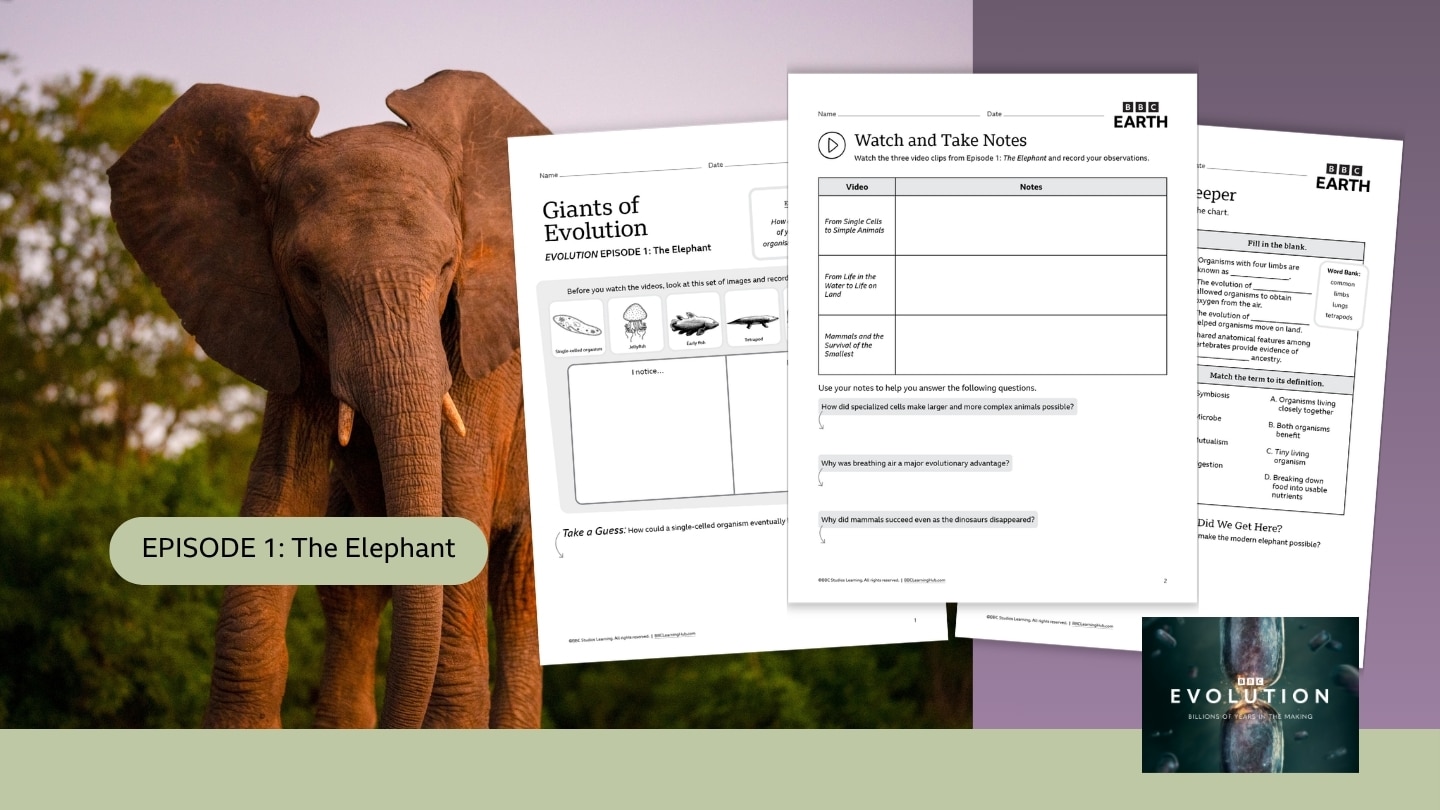
The elephant’s distant ancestors emerged during a major turning point in animal evolution, when cells began specializing and working together to create more complex bodies. This clip from BBC’s Evolution episode "The Elephant" explores how specialization allowed cells to take on different roles, paving the way for tissues, organs, and an explosion of new body shapes — including the tiny ancient ancestor that would eventually give rise to elephants.
The video then examines another evolutionary breakthrough: the development of gills. As early animals adapted structures originally used for feeding to absorb more oxygen, they gained more energy from food and could grow larger and more complex. This innovation helped fuel the evolution of the diverse body forms found in animals today.
Go on an epic four billion year adventure travelling through time to uncover how life on earth evolved. Learn more.
You Might Also Like
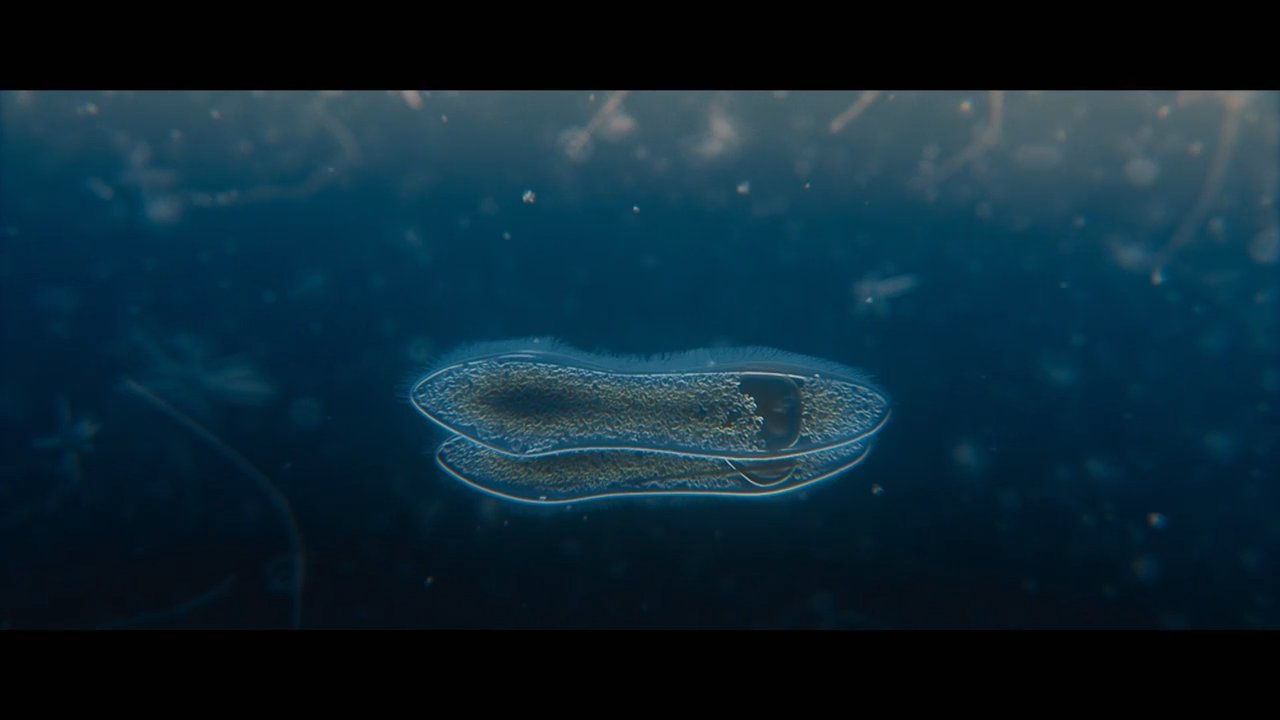
For nearly four billion years, life reproduced without sexes, simply copying itself to create genetically similar offspring. This clip from BBC’s Evolution episode "The Ostrich" explores the emergence of sexual reproduction around two billion years ago, when cells gained the ability to fuse with one another and combine their DNA.
By mixing genetic material from two parents, sexual reproduction created an enormous variety of unique offspring, giving evolution far more variation to work with. The video examines how this seemingly simple change may have helped accelerate the evolution of increasingly complex life, ultimately opening the door to organisms made up of trillions of specialized cells.