
Navi Pillay Wins the 2026 Nobel Peace Prize
“Sharing is caring” is a good motto, but winning a Nobel Peace Prize takes a lot more. You could ask Navanethem “Navi” Pillay, the South African judge named as the 2026 winner, but she may be too busy to answer. At 85, she is still hearing cases at one of the world’s highest courts.
The Nobel Peace Prize is awarded each year to a person or organization that has made an exceptional contribution to peace. That means more than good manners. Winners have often spent decades helping countries cooperate, ending wars, or defending people’s rights. Pillay’s prize highlights an important idea: peace is more than the end of fighting. It also depends on protecting rights, applying laws fairly, and holding people responsible for the most serious crimes.
Pillay grew up in a family of Indian descent in South Africa under apartheid. Apartheid was a system of laws, in place from 1948 until the early 1990s, that separated people by race and denied non-white South Africans equal rights. Despite facing discrimination, she became a lawyer. In 1995, she became the first non-white woman to serve as a judge on South Africa’s High Court.
She went on to work at the international level. She was a judge on the International Criminal Court, which puts individuals on trial for crimes such as genocide and war crimes. She then served as the United Nations High Commissioner for Human Rights, the UN’s top official responsible for protecting human rights around the world. Throughout her career, she has argued that the same basic legal principles should apply to everyone, everywhere.
Today, she is a judge at the International Court of Justice, the UN’s main court for disputes between countries. She is hearing a case in which Myanmar is accused of genocide.
Take the Challenge

More News Stories
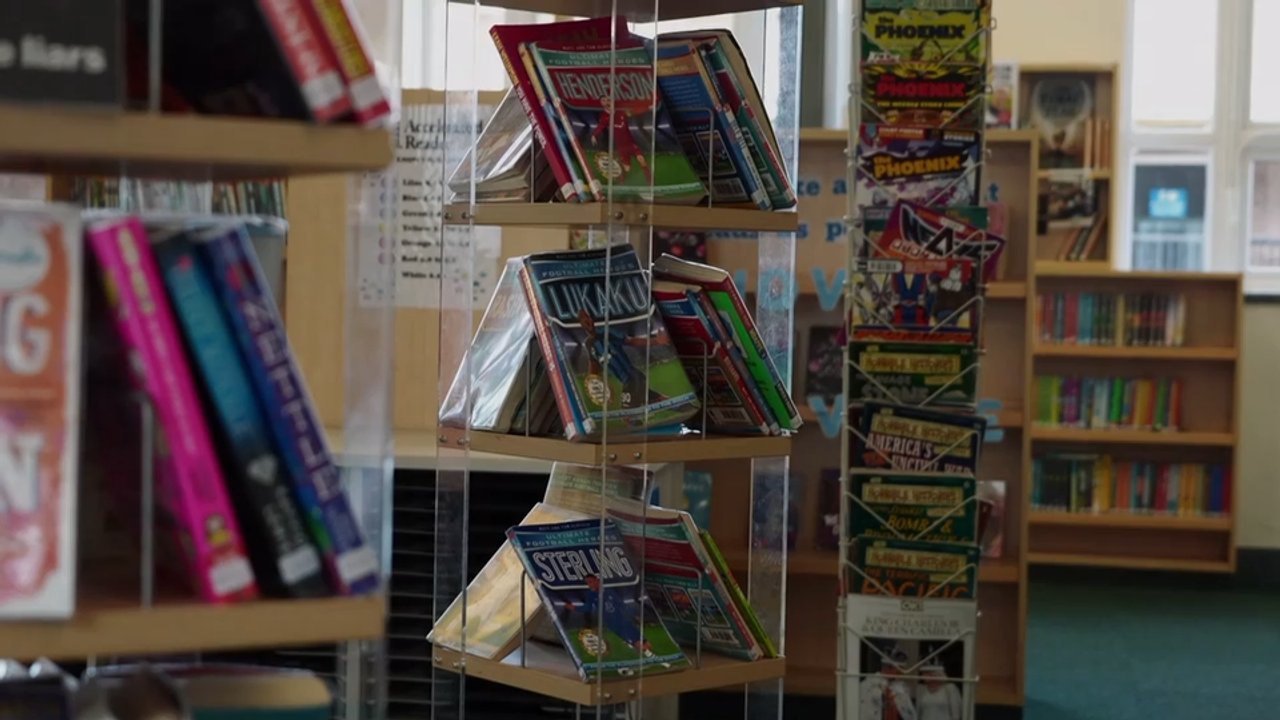
Shhh! You’re in the library! Oh, wait, you’re sharing book recommendations? Carry on, then.
At Ecclesfield School in Sheffield, a city in northern England, students are encouraged to talk about books in the library. Teachers hope it can help turn them into page-turners instead of doom-scrollers.
An international test of 15 year-olds called PISA found that scores in several subjects have dropped in recent years. Reading scores in the UK have held up fairly well. But researchers warn that phones and other digital distractions are becoming part of everyday school life.
In the survey, 28% of teenagers said other students got distracted by digital devices during science lessons. And it’s not just a classroom problem. Students say that even when they want to read, they often go home and end up scrolling on their phones instead.
Still, teachers at Ecclesfield don’t see phones as the enemy. When so much easy entertainment is right at your fingertips, picking up a book takes more effort. So the school builds reading into students’ daily routines and tries to make books feel relevant, instead of treating reading as something students simply “should” do.
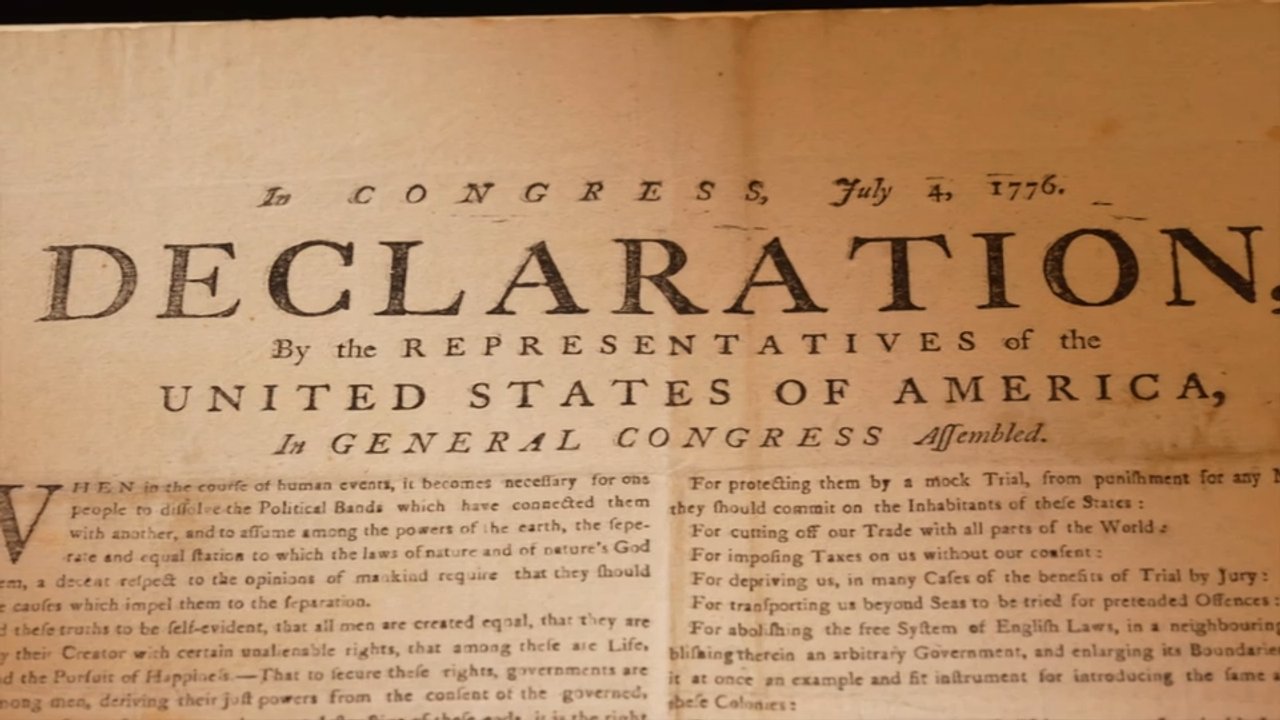
Michael Scurr has spent Thursday mornings volunteering at Britain’s National Archives in London for more than a decade, sorting and labeling old government records. One day, he unfolded a document and saw the word “Declaration” printed in big letters across the top.
He had found a rare 1776 printed copy of the United States Declaration of Independence. We just hope he’d washed off the Cheeto dust first.
The copy has quite a backstory. It was printed in Exeter, New Hampshire, in mid-July 1776, just days after the Declaration was adopted, to spread the news through the colonies. It ended up aboard the Dalton, an American privateer (a privately owned ship allowed to attack enemy ships in wartime). When Britain’s Royal Navy captured the Dalton, the document was taken too. It was filed away with British naval records and sat there for nearly 250 years without anyone realizing what it was.
Only 11 copies of this New Hampshire printing are known to survive, and this is the only one outside the United States. Instead of tucking it back in a box, the archives put it on public display this summer, in time for the 250th anniversary of American independence.
Why all the fuss over an old piece of paper? The Declaration’s ideas, including the right to “life, liberty, and the pursuit of happiness,” went on to inspire independence and rights movements around the world. A copy like this shows that a document’s story can keep going long after the moment it was written.
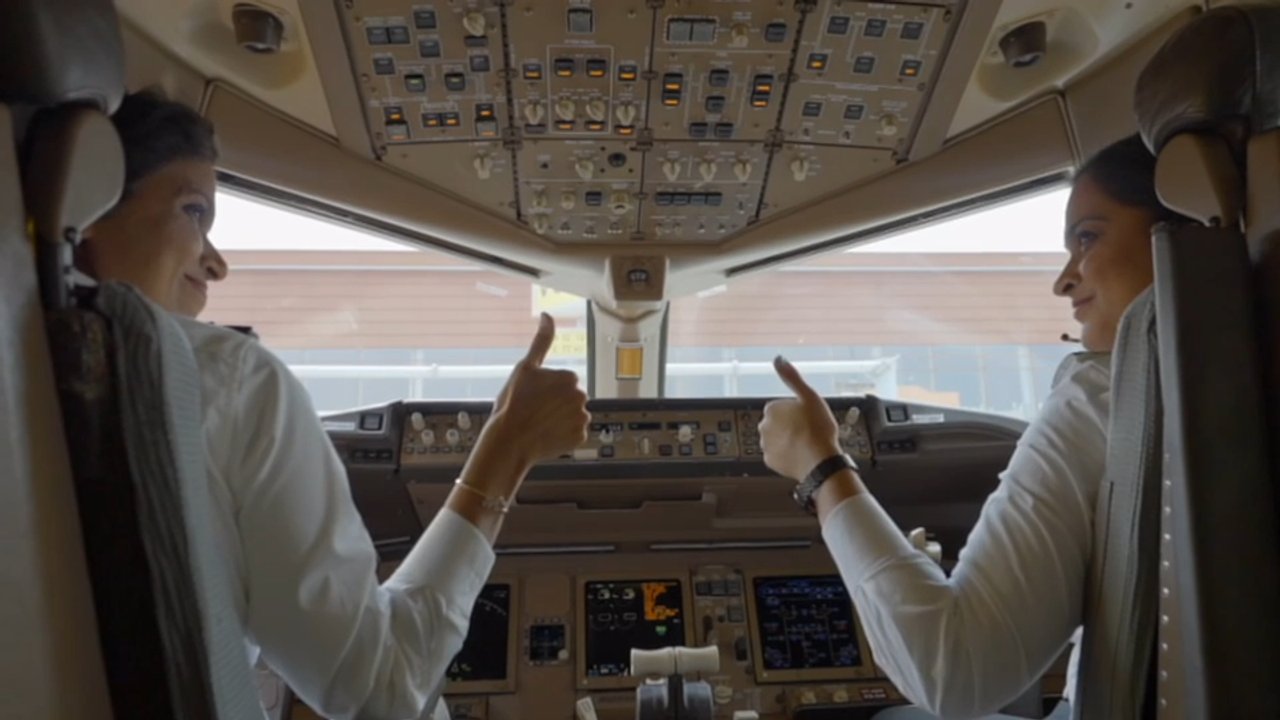
Women have been flying planes since before commercial airlines even existed, so why is it that today, women make up only about 6% of pilots worldwide? Although they account for more than a third of the aviation industry’s workforce, most women work in the cabins or on the ground and are much more rarely in the cockpit.
This low (ahem, abysmal) percentage of female pilots has several possible explanations, but it shouldn’t surprise you that none of them are because women aren’t capable! More likely reasons include a lack of female role models, limited access to science and technical education, gender stereotypes, and the challenge of balancing a demanding career in aviation with family life. These are a lot to work against, but support such as scholarships, cadet programs, flexible working, and family-friendly policies could help more women enter the profession and stay in it.
Think those are too much to ask for? Take a look at India! There, around 15% of airline pilots are women — that’s almost three times the global average. Experts say this is partly because of a smaller gender pay gap and the rapid growth of their aviation industry.
Unfortunately, getting more women into piloting roles isn’t as simple as just hiring more females. Part of it starts in early education, where schools can show young women that a career in aviation is possible for them (not just the boys in their class). Organizations like governments and airlines also need to address pay, safety, and working hours.

Every summer, the days get longer and the temperatures rise. And every summer, social media posts claiming that sunscreen causes cancer, or is a scam, start spreading again.
Some of these posts point to real scientific research but leave out important context. That twists what the study actually found.
One example is a 2023 study that found people who used sunscreen more often were also more likely to develop melanoma, a dangerous type of skin cancer. That sounds scary, but it doesn't mean sunscreen caused the cancer. When two things happen together, one isn't necessarily causing the other.
The researchers point to something called the "sunscreen paradox." People who use sunscreen a lot may also spend more time in strong sunlight. They may also not put on enough sunscreen or reapply it often enough. So the extra sun exposure, not the sunscreen, is likely what raises their risk.
Sun exposure is a balancing act. A little sunshine helps your body make vitamin D, which you need. Too much can damage the DNA in your skin cells. Sunscreen cuts down on the ultraviolet (UV) rays that reach your skin. These are the invisible rays from the sun that cause sunburns. Experts recommend using sunscreen along with shade and protective clothing. It takes a little more planning before a beach day, but it's worth it.
Shhh! You’re in the library! Oh, wait, you’re sharing book recommendations? Carry on, then.
At Ecclesfield School in Sheffield, a city in northern England, students are encouraged to talk about books in the library. Teachers hope it can help turn them into page-turners instead of doom-scrollers.
An international test of 15 year-olds called PISA found that scores in several subjects have dropped in recent years. Reading scores in the UK have held up fairly well. But researchers warn that phones and other digital distractions are becoming part of everyday school life.
In the survey, 28% of teenagers said other students got distracted by digital devices during science lessons. And it’s not just a classroom problem. Students say that even when they want to read, they often go home and end up scrolling on their phones instead.
Still, teachers at Ecclesfield don’t see phones as the enemy. When so much easy entertainment is right at your fingertips, picking up a book takes more effort. So the school builds reading into students’ daily routines and tries to make books feel relevant, instead of treating reading as something students simply “should” do.
Michael Scurr has spent Thursday mornings volunteering at Britain’s National Archives in London for more than a decade, sorting and labeling old government records. One day, he unfolded a document and saw the word “Declaration” printed in big letters across the top.
He had found a rare 1776 printed copy of the United States Declaration of Independence. We just hope he’d washed off the Cheeto dust first.
The copy has quite a backstory. It was printed in Exeter, New Hampshire, in mid-July 1776, just days after the Declaration was adopted, to spread the news through the colonies. It ended up aboard the Dalton, an American privateer (a privately owned ship allowed to attack enemy ships in wartime). When Britain’s Royal Navy captured the Dalton, the document was taken too. It was filed away with British naval records and sat there for nearly 250 years without anyone realizing what it was.
Only 11 copies of this New Hampshire printing are known to survive, and this is the only one outside the United States. Instead of tucking it back in a box, the archives put it on public display this summer, in time for the 250th anniversary of American independence.
Why all the fuss over an old piece of paper? The Declaration’s ideas, including the right to “life, liberty, and the pursuit of happiness,” went on to inspire independence and rights movements around the world. A copy like this shows that a document’s story can keep going long after the moment it was written.
Women have been flying planes since before commercial airlines even existed, so why is it that today, women make up only about 6% of pilots worldwide? Although they account for more than a third of the aviation industry’s workforce, most women work in the cabins or on the ground and are much more rarely in the cockpit.
This low (ahem, abysmal) percentage of female pilots has several possible explanations, but it shouldn’t surprise you that none of them are because women aren’t capable! More likely reasons include a lack of female role models, limited access to science and technical education, gender stereotypes, and the challenge of balancing a demanding career in aviation with family life. These are a lot to work against, but support such as scholarships, cadet programs, flexible working, and family-friendly policies could help more women enter the profession and stay in it.
Think those are too much to ask for? Take a look at India! There, around 15% of airline pilots are women — that’s almost three times the global average. Experts say this is partly because of a smaller gender pay gap and the rapid growth of their aviation industry.
Unfortunately, getting more women into piloting roles isn’t as simple as just hiring more females. Part of it starts in early education, where schools can show young women that a career in aviation is possible for them (not just the boys in their class). Organizations like governments and airlines also need to address pay, safety, and working hours.
Every summer, the days get longer and the temperatures rise. And every summer, social media posts claiming that sunscreen causes cancer, or is a scam, start spreading again.
Some of these posts point to real scientific research but leave out important context. That twists what the study actually found.
One example is a 2023 study that found people who used sunscreen more often were also more likely to develop melanoma, a dangerous type of skin cancer. That sounds scary, but it doesn't mean sunscreen caused the cancer. When two things happen together, one isn't necessarily causing the other.
The researchers point to something called the "sunscreen paradox." People who use sunscreen a lot may also spend more time in strong sunlight. They may also not put on enough sunscreen or reapply it often enough. So the extra sun exposure, not the sunscreen, is likely what raises their risk.
Sun exposure is a balancing act. A little sunshine helps your body make vitamin D, which you need. Too much can damage the DNA in your skin cells. Sunscreen cuts down on the ultraviolet (UV) rays that reach your skin. These are the invisible rays from the sun that cause sunburns. Experts recommend using sunscreen along with shade and protective clothing. It takes a little more planning before a beach day, but it's worth it.