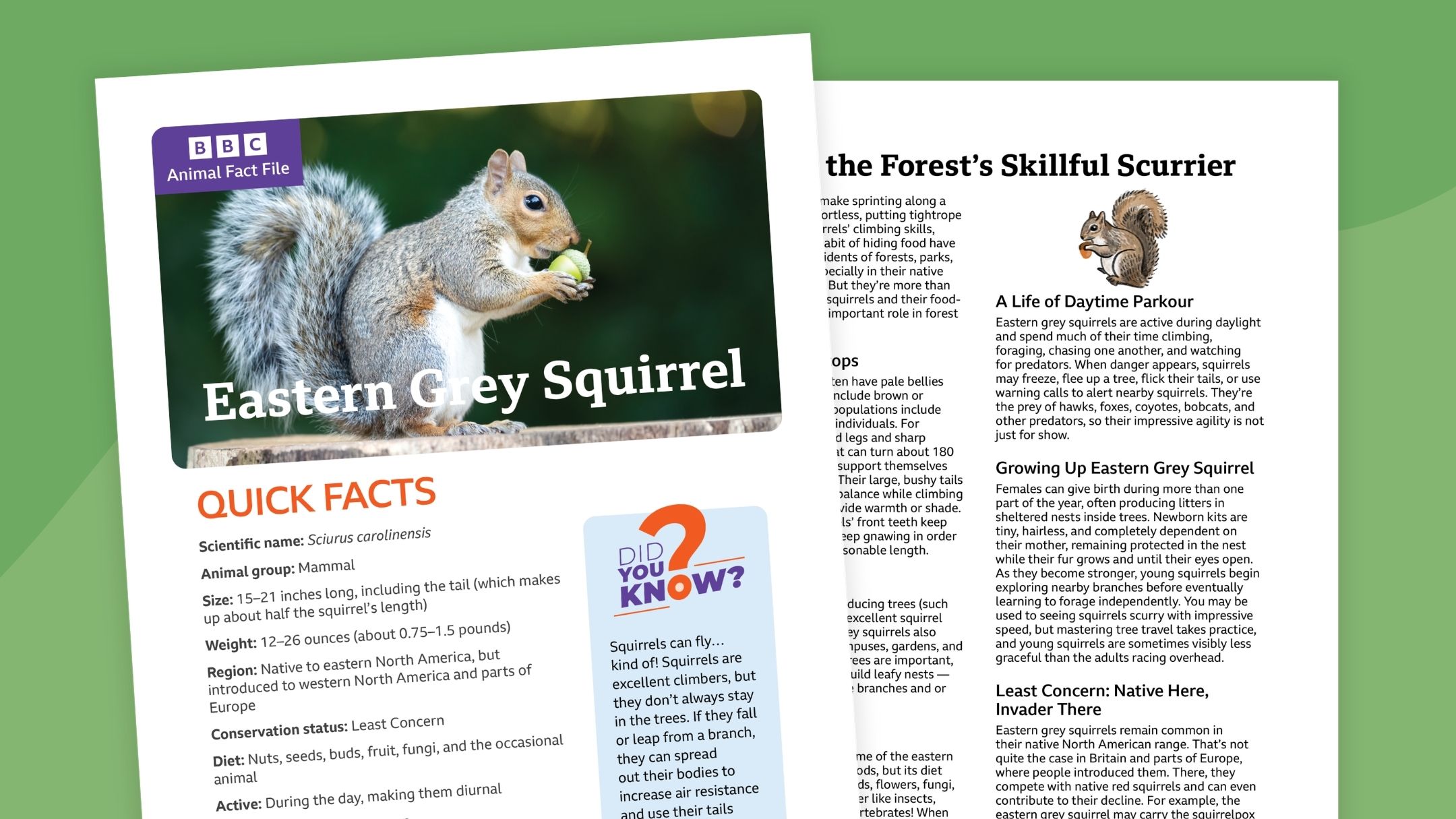
Can a squirrel really fly? Not exactly — but it can leap, fall, and glide through the air with surprising control.
Eastern grey squirrels may be familiar sights in parks and backyards, but there’s a lot going on behind those quick paws and bushy tails. Explore the climbing skills that help them navigate the treetops, the clever way they stash food for later, and the surprising role those forgotten nuts can play in growing new trees. You'll also discover how squirrels communicate, raise their young, and adapt to life in both forests and human neighborhoods.
Teachers and parents, you can use this fact file to:
- Introduce an animal, wildlife, or life science unit
- Support nonfiction reading and vocabulary practice
- Explore animal adaptations, behaviors, and habitats
- Compare animals and the ecosystems they live in
- Practice finding and organizing information from nonfiction texts
- Prepare students for animal research projects or presentations (use our animal report templates!)
- Connect science learning to conservation and environmental issues
- Pair with videos, articles, or other informational texts (see Related Resources below)
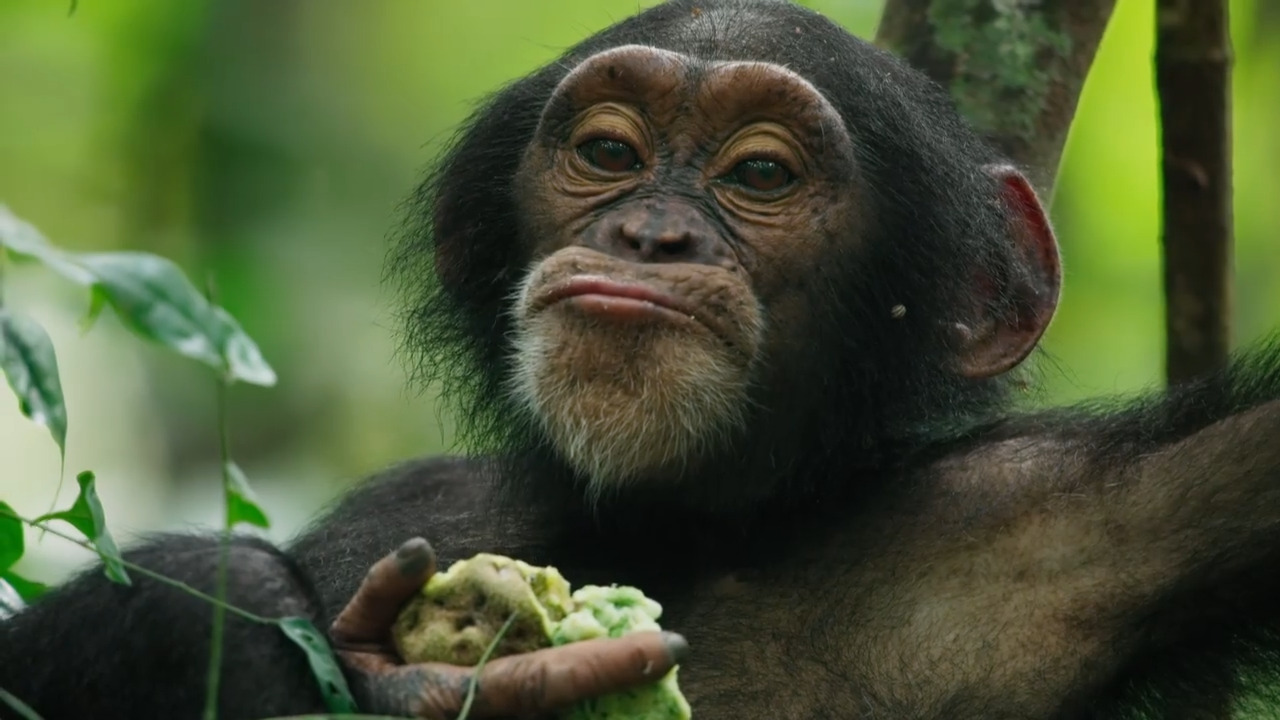
In How Chimpanzees Use Tools, narrator Sir David Attenborough investigates how young chimpanzees are taught how to crack nuts by their mothers. Young chimps can take up to 10 years to master this skill. This video is excerpted from BBC’s Seven Worlds, One Planet, a series featuring remarkable animal behavior from all seven continents.
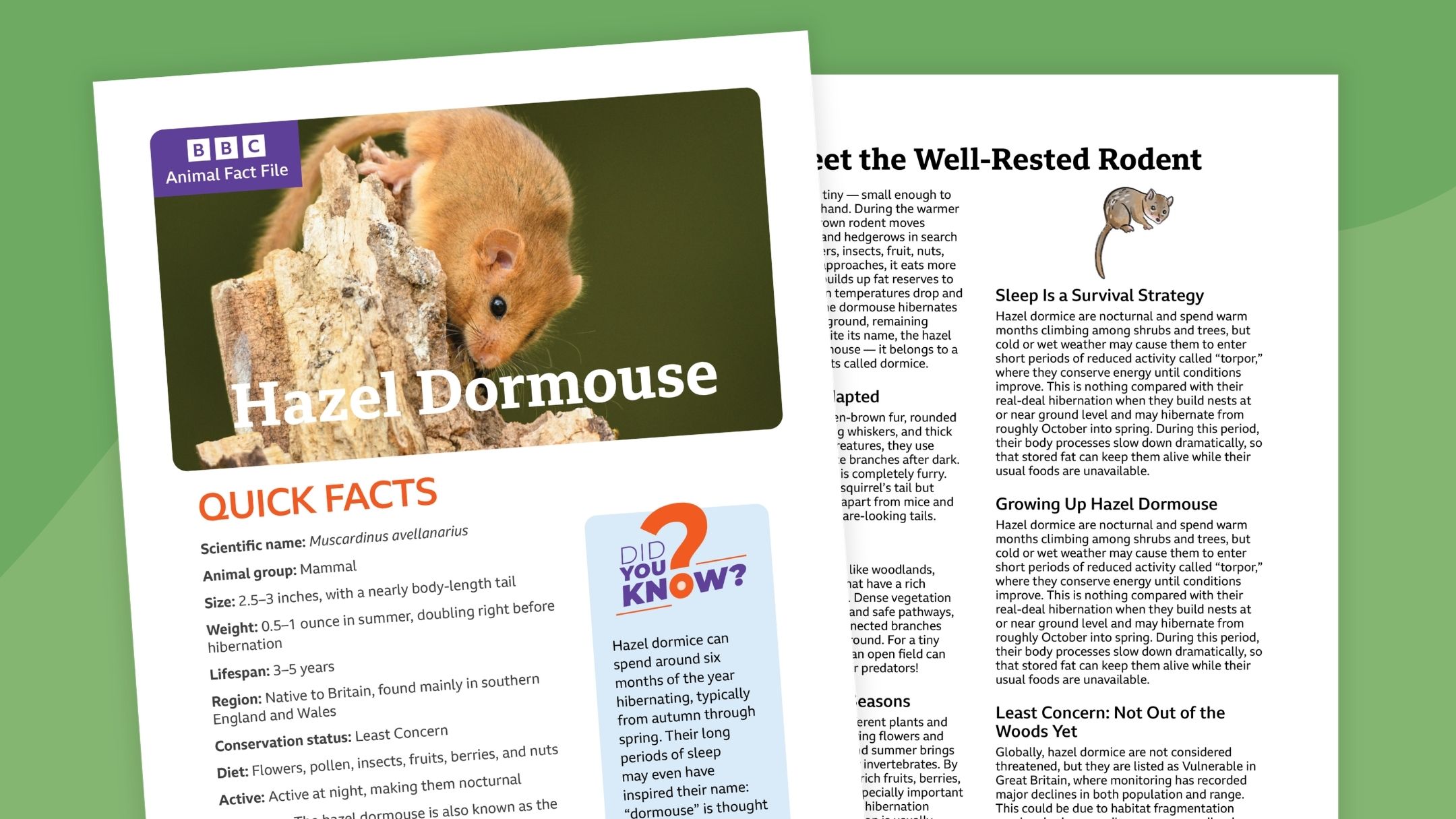
Could you sleep for six months and still have plenty of energy when you wake up? The hazel dormouse does just that, spending much of the colder part of the year in hibernation.
This tiny golden-brown rodent spends the warmer months climbing through trees and hedgerows, eating flowers, insects, berries, and nuts before preparing for winter. Discover how a dormouse’s furry tail and large eyes help it navigate after dark, why autumn is a race to build up energy reserves, and how its long winter sleep helps it survive when food is scarce. You'll also find out why these little climbers need connected woodlands and hedgerows to thrive.
Teachers and parents, you can use this fact file to:
- Introduce an animal, wildlife, or life science unit
- Support nonfiction reading and vocabulary practice
- Explore animal adaptations, behaviors, and habitats
- Compare animals and the ecosystems they live in
- Practice finding and organizing information from nonfiction texts
- Prepare students for animal research projects or presentations (use our animal report templates!)
- Connect science learning to conservation and environmental issues
- Pair with videos, articles, or other informational texts (see Related Resources below)
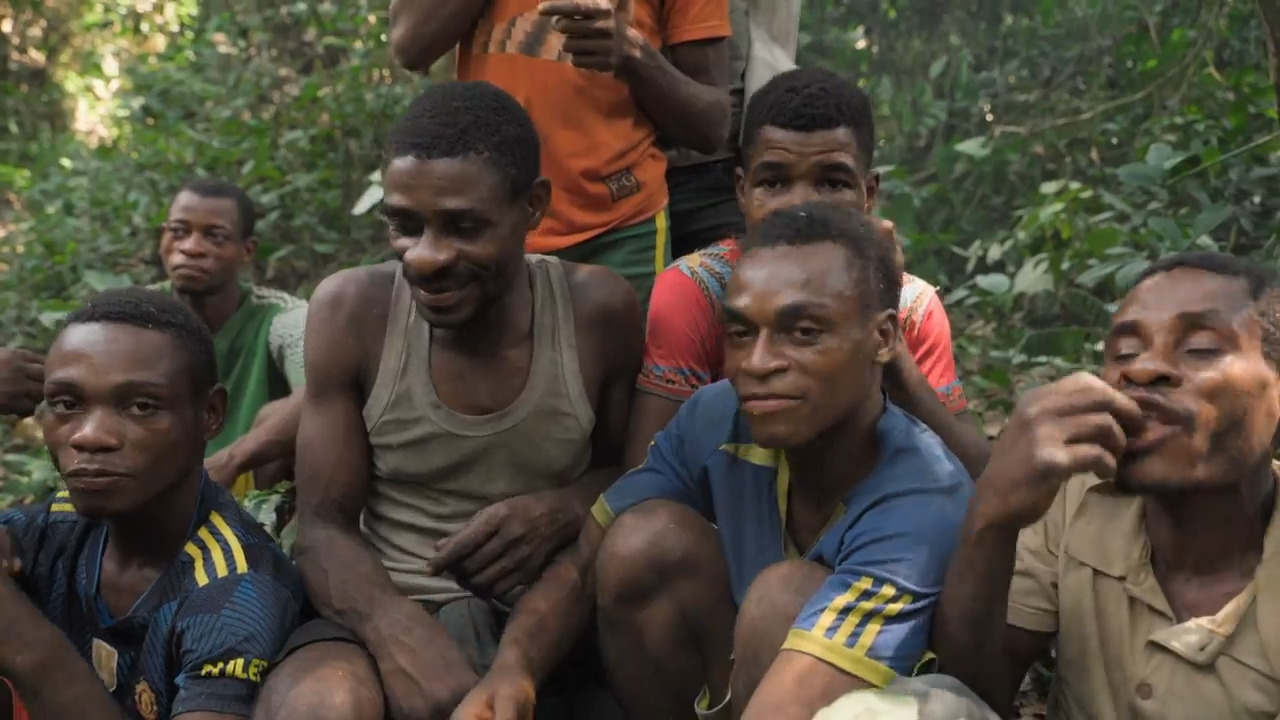
In Honey Hunters of the Congo, host Simon Reeve spends time with the Baka community in the Congo, learning their way of life. He joins the men on a hunt through the rainforest, where they collect fruits, nuts, and fresh honeycomb from a towering tree using a smoker. Back in the village, the Baka share everything they gather, showing unity as a community. Simon gets a taste of the honey and a glimpse of how deeply connected the Baka people are to each other and the rainforest. This video is excerpted from BBC’s Wilderness With Simon Reeve, an epic adventure into the heart of Earth’s last great wild areas, where nature is at its most beautiful and fragile.
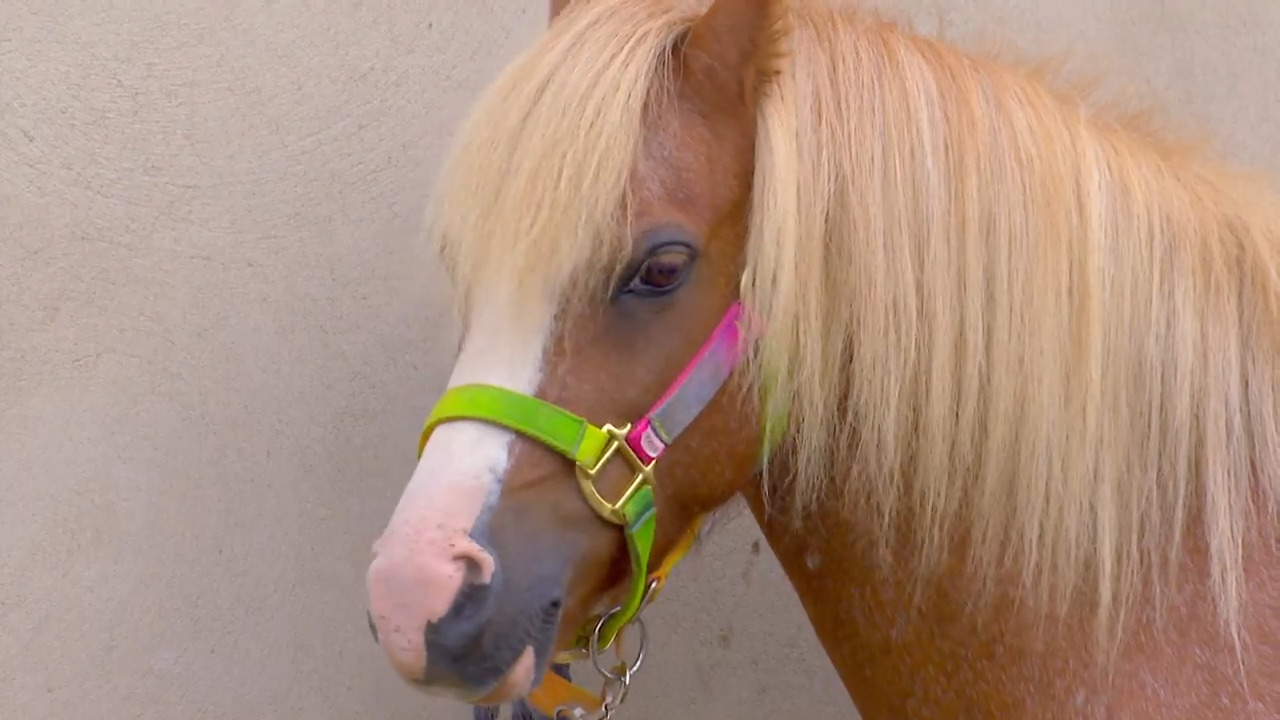
In Saddle Up With Charlie the Pony, host Ferne Corrigan meets Charlie, a playful Welsh mountain pony who loves munching on carrots and apples! These ponies are great climbers from the hills of Wales, and they have some of the biggest eyes of any animal. Ferne learns how to care for a pony like Charlie, including feeding him fresh hay, pony nuts, and making sure he gets lots of exercise every day. This video is excerpted from BBC’s My Pet and Me, a children’s show that introduces kids to the rewards and responsibilities involved when having a pet.
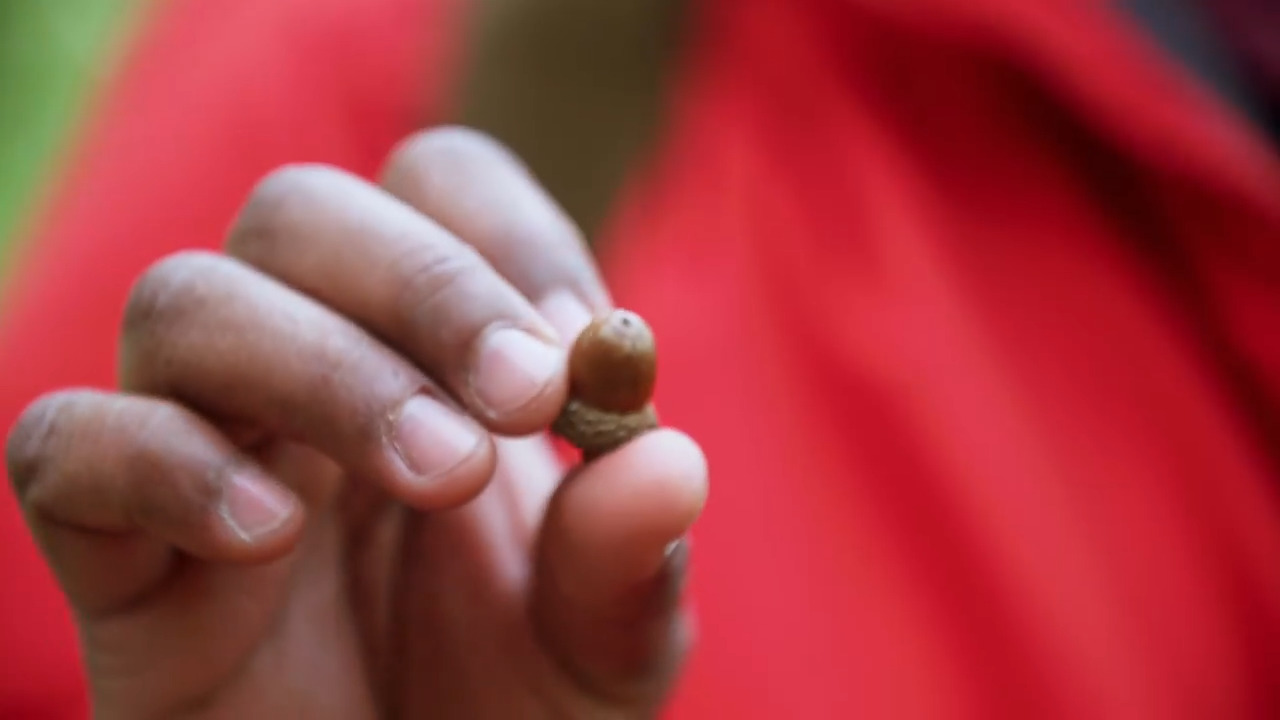
In Acorn Adventure, Ranger Hamza and the Ramblers are on a quest to find acorns! These tiny nuts grow into huge trees, but what happens when acorns fall onto the ground? Join the Ramblers to learn more about this amazing seed. This video is excerpted from BBC's Ranger Hamza’s Eco Quest, a nature exploration show in which Ranger Hamza and the Ramblers go on quests to discover nature’s wonders and the important role they play in our environment.
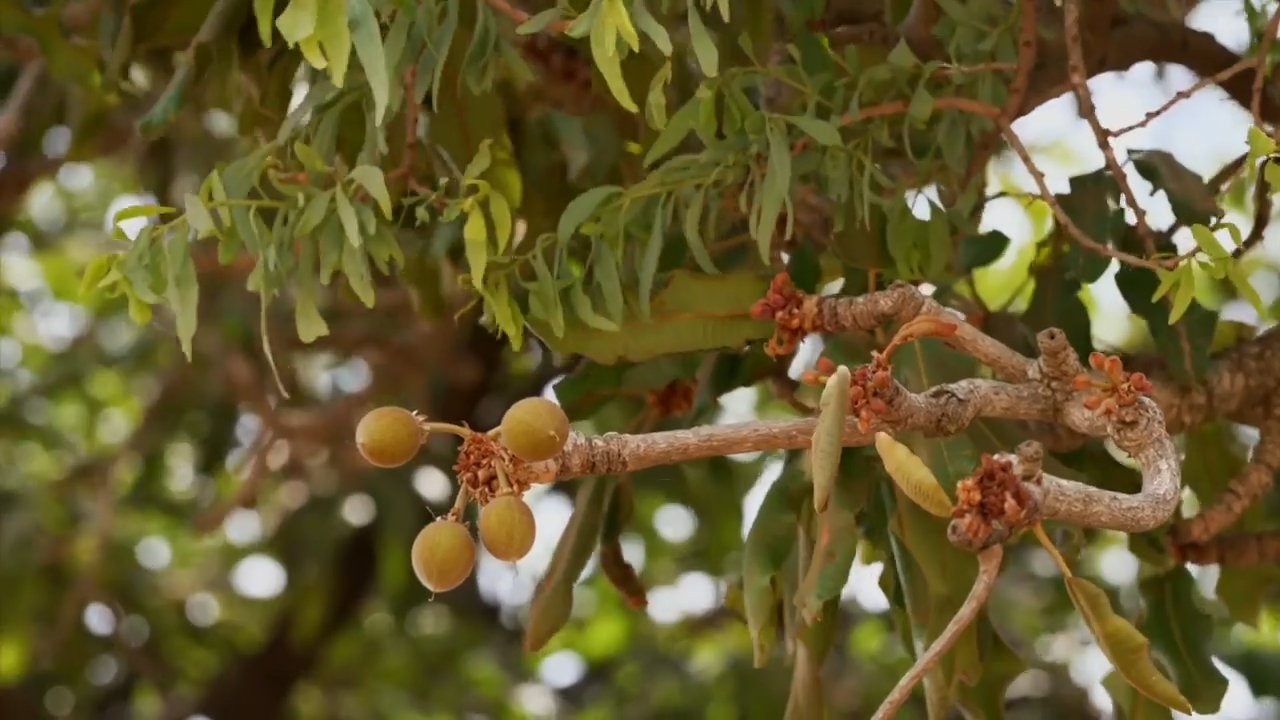
A strip of land stretching from West to East Africa was once so rich with shea nut trees that it earned the name “shea belt.” It seems like a different world from now, when conservationists say the tree is at risk of extinction because of drought, deforestation, and demand for charcoal that puts the trees (and the people who depend on them) under pressure.
Because shea trees produce nuts that can be made into shea butter used in pharmaceuticals, cosmetics, and food, they provide over 60% of household income for rural women who harvest and process the nuts. The decline of the shea tree would disrupt not only the millions across Africa supported by the industry, but supply chains and global markets, as well.
So, save the shea trees, right? It’s not so simple. Poverty pushes people to cut down shea trees and sell them as charcoal. It provides short-term income, but it means those trees are no longer usable for future shea harvests. To make matters worse, burning charcoal emits harmful greenhouse gasses. So cutting down shea trees for charcoal = less shea butter + more deforestation + more greenhouse gasses. Make it stop! Uganda tried. They banned cutting trees for charcoal in 2023, but enforcement is difficult because of high demand, especially in cities.
Between everything, Uganda has lost around 100,000 hectares of forest cover since 1990. That’s the equivalent of 140,000 soccer fields. Activists are calling for action; replanting trees and protecting the existing ones. Without coordinated action, the shea tree and the livelihoods built around it could disappear.
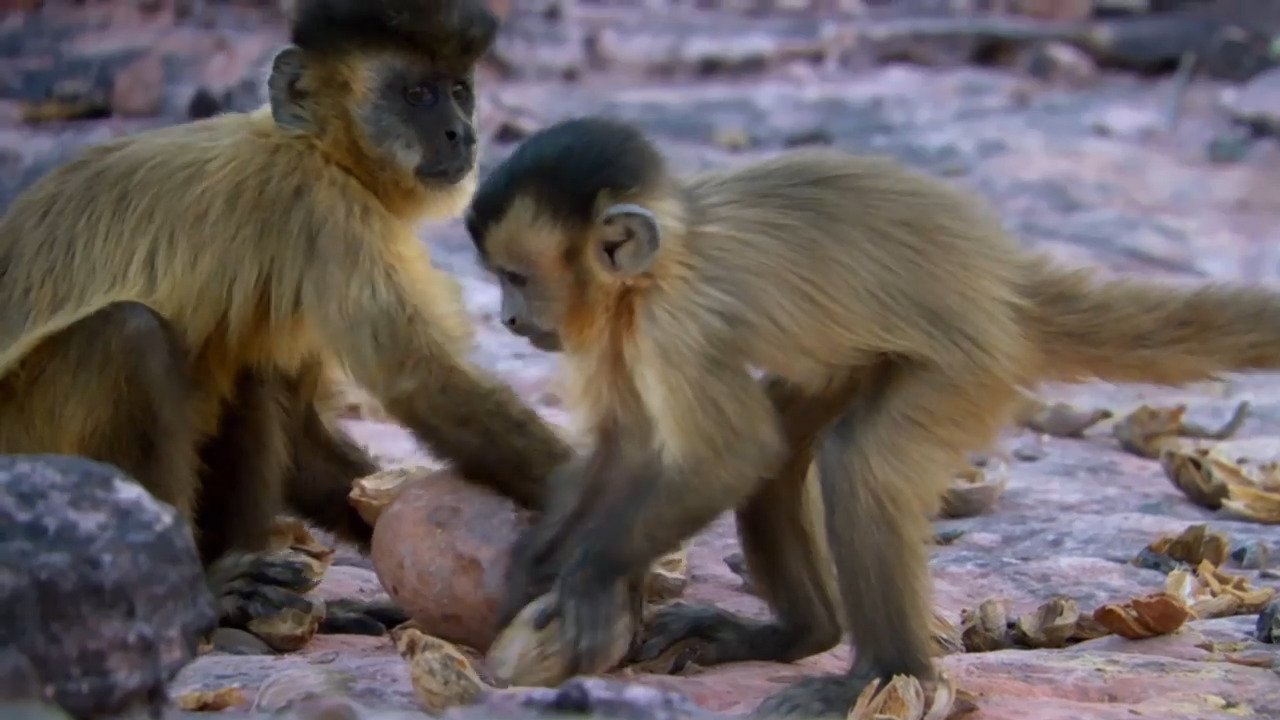
In Young Animals Learn to Find Food, narrator Gordon Buchanan explains how young animals must learn to provide their own food to become independent. Grizzly bear cubs in British Columbia learn to fish for salmon by watching their mother. Capuchin monkeys in Brazil use rocks to smash palm nuts and sticks to pull sap from inside trees. This video is excerpted from BBC's Animal Babies, a heartwarming show that follows the first breaths, first steps and first feeds of some adorable baby animals, revealing the challenges they face to survive in some of the toughest but most beautiful places on the planet.
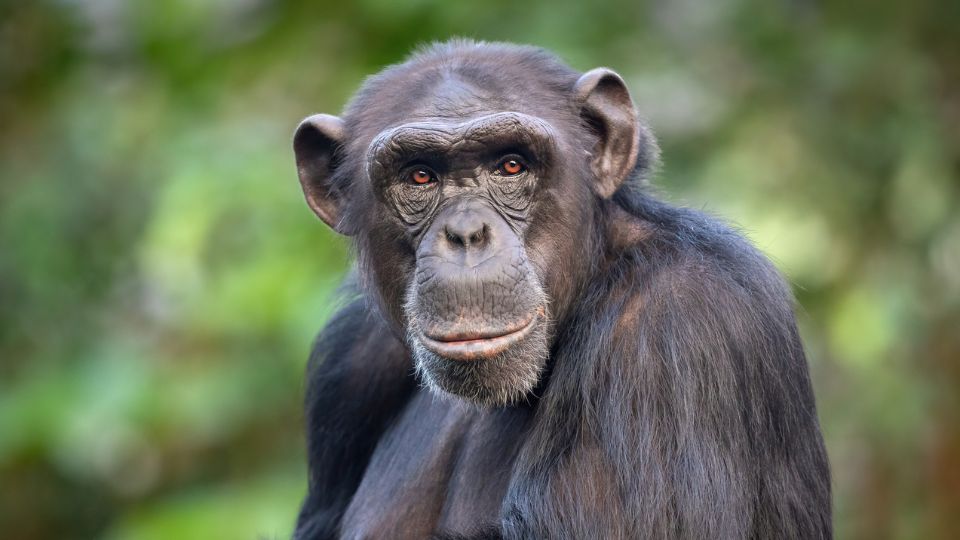
Chimpanzees are among the most intelligent animals on Earth — and they just happen to be our closest living relatives. Sharing about 95–98% of their DNA with humans, chimpanzees can use tools, solve problems, communicate with one another, and even pass knowledge from one generation to the next.
Found in the forests and woodlands of central and western Africa, chimpanzees live in complex social groups called troops. They spend their days searching for food, caring for their young, and navigating a world that is increasingly threatened by habitat loss and human activity.
From cracking nuts with stones to using sticks to fish for termites, chimpanzees continue to amaze scientists with their creativity and intelligence. But how much do you know about these remarkable primates?
Whether you're a wildlife enthusiast, an animal expert, or simply curious about our closest cousins in the animal kingdom, this quiz will put your chimpanzee knowledge to the test. Let's see if you have what it takes to become a Chimp Champion!
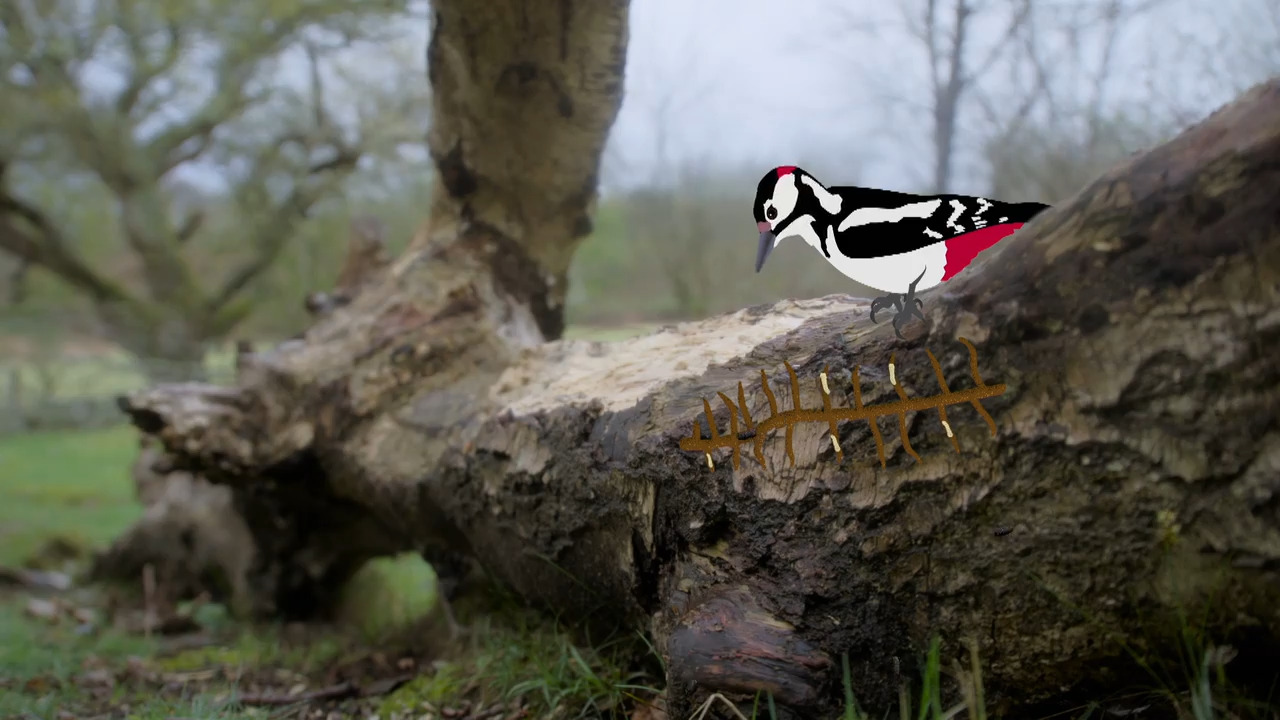
In Woodpeckers and Nuthatches, Woodland Architects, Ranger Hamza and the Ramblers are on a quest to find woodpeckers. Come along to learn about how woodpeckers use their beaks and tongues to find food. This video is excerpted from BBC's Ranger Hamza’s Eco Quest, a nature exploration show in which Ranger Hamza and the Ramblers go on quests to discover nature’s wonders and the important role they play in our environment.
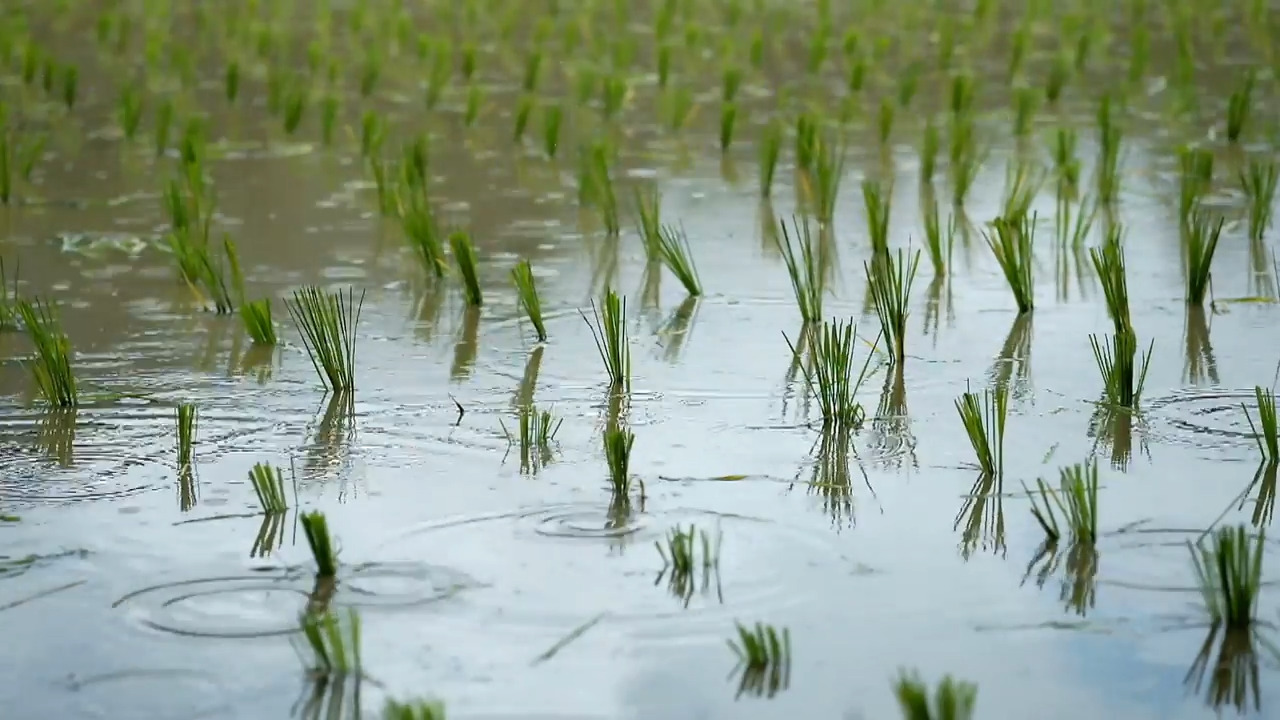
In Climate Change and the Production of Rice, see how increasing global temperatures have contributed to climate change, which has been detrimental to agriculture, particularly rice production. Billions of people rely on rice as a primary food and source of income, but it is increasingly threatened by crop failure, unpredictable weather events, and a decrease in its nutritional value. This video is excerpted from BBC’s Climate Change - The Facts, a documentary that delves into the science of climate change and its far-reaching consequences.
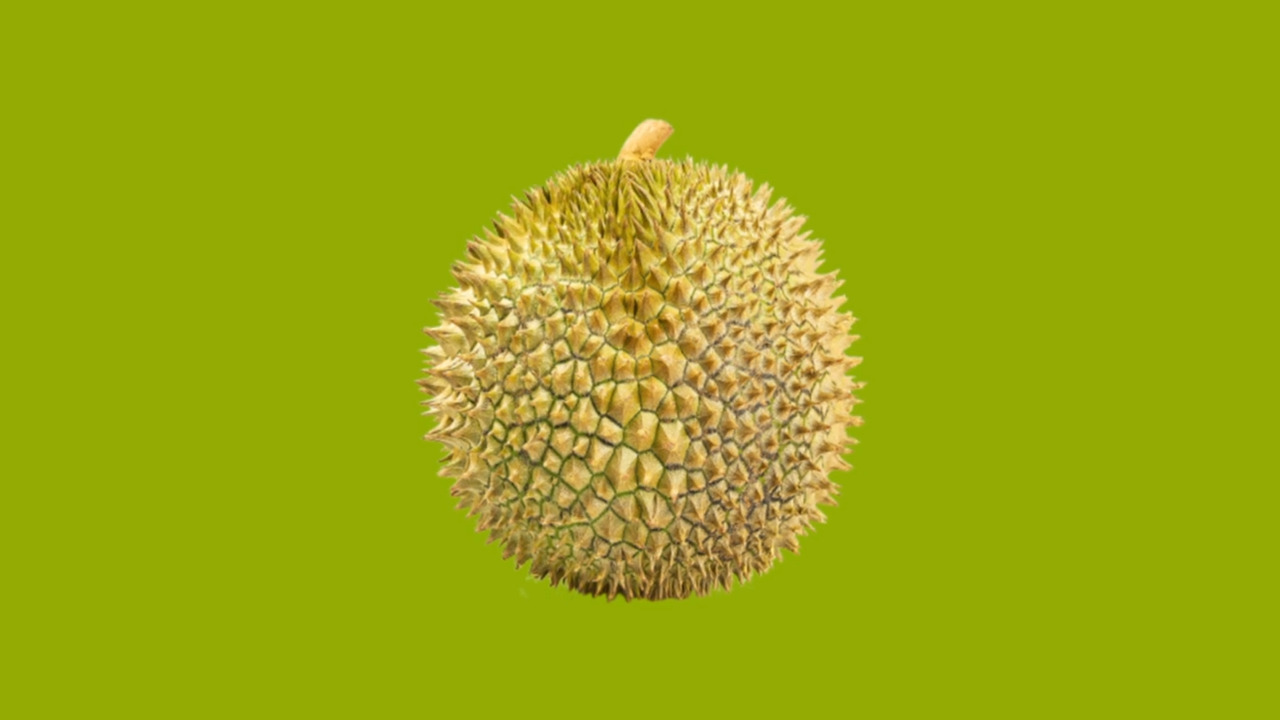
In The Science Behind Durian Fruit, host Harith Iskander celebrates a most unusual food. Known across South East Asia as the “king of fruits,” the durian is celebrated for its unique taste and nutritional benefits — though it’s also famous for its powerful smell! This video is excerpted from BBC’s Got Science?, a science magazine series that explores and explains science in everyday life.
Can a squirrel really fly? Not exactly — but it can leap, fall, and glide through the air with surprising control.
Eastern grey squirrels may be familiar sights in parks and backyards, but there’s a lot going on behind those quick paws and bushy tails. Explore the climbing skills that help them navigate the treetops, the clever way they stash food for later, and the surprising role those forgotten nuts can play in growing new trees. You'll also discover how squirrels communicate, raise their young, and adapt to life in both forests and human neighborhoods.
Teachers and parents, you can use this fact file to:
- Introduce an animal, wildlife, or life science unit
- Support nonfiction reading and vocabulary practice
- Explore animal adaptations, behaviors, and habitats
- Compare animals and the ecosystems they live in
- Practice finding and organizing information from nonfiction texts
- Prepare students for animal research projects or presentations (use our animal report templates!)
- Connect science learning to conservation and environmental issues
- Pair with videos, articles, or other informational texts (see Related Resources below)
In How Chimpanzees Use Tools, narrator Sir David Attenborough investigates how young chimpanzees are taught how to crack nuts by their mothers. Young chimps can take up to 10 years to master this skill. This video is excerpted from BBC’s Seven Worlds, One Planet, a series featuring remarkable animal behavior from all seven continents.
Could you sleep for six months and still have plenty of energy when you wake up? The hazel dormouse does just that, spending much of the colder part of the year in hibernation.
This tiny golden-brown rodent spends the warmer months climbing through trees and hedgerows, eating flowers, insects, berries, and nuts before preparing for winter. Discover how a dormouse’s furry tail and large eyes help it navigate after dark, why autumn is a race to build up energy reserves, and how its long winter sleep helps it survive when food is scarce. You'll also find out why these little climbers need connected woodlands and hedgerows to thrive.
Teachers and parents, you can use this fact file to:
- Introduce an animal, wildlife, or life science unit
- Support nonfiction reading and vocabulary practice
- Explore animal adaptations, behaviors, and habitats
- Compare animals and the ecosystems they live in
- Practice finding and organizing information from nonfiction texts
- Prepare students for animal research projects or presentations (use our animal report templates!)
- Connect science learning to conservation and environmental issues
- Pair with videos, articles, or other informational texts (see Related Resources below)
In Honey Hunters of the Congo, host Simon Reeve spends time with the Baka community in the Congo, learning their way of life. He joins the men on a hunt through the rainforest, where they collect fruits, nuts, and fresh honeycomb from a towering tree using a smoker. Back in the village, the Baka share everything they gather, showing unity as a community. Simon gets a taste of the honey and a glimpse of how deeply connected the Baka people are to each other and the rainforest. This video is excerpted from BBC’s Wilderness With Simon Reeve, an epic adventure into the heart of Earth’s last great wild areas, where nature is at its most beautiful and fragile.
In Saddle Up With Charlie the Pony, host Ferne Corrigan meets Charlie, a playful Welsh mountain pony who loves munching on carrots and apples! These ponies are great climbers from the hills of Wales, and they have some of the biggest eyes of any animal. Ferne learns how to care for a pony like Charlie, including feeding him fresh hay, pony nuts, and making sure he gets lots of exercise every day. This video is excerpted from BBC’s My Pet and Me, a children’s show that introduces kids to the rewards and responsibilities involved when having a pet.
In Acorn Adventure, Ranger Hamza and the Ramblers are on a quest to find acorns! These tiny nuts grow into huge trees, but what happens when acorns fall onto the ground? Join the Ramblers to learn more about this amazing seed. This video is excerpted from BBC's Ranger Hamza’s Eco Quest, a nature exploration show in which Ranger Hamza and the Ramblers go on quests to discover nature’s wonders and the important role they play in our environment.
A strip of land stretching from West to East Africa was once so rich with shea nut trees that it earned the name “shea belt.” It seems like a different world from now, when conservationists say the tree is at risk of extinction because of drought, deforestation, and demand for charcoal that puts the trees (and the people who depend on them) under pressure.
Because shea trees produce nuts that can be made into shea butter used in pharmaceuticals, cosmetics, and food, they provide over 60% of household income for rural women who harvest and process the nuts. The decline of the shea tree would disrupt not only the millions across Africa supported by the industry, but supply chains and global markets, as well.
So, save the shea trees, right? It’s not so simple. Poverty pushes people to cut down shea trees and sell them as charcoal. It provides short-term income, but it means those trees are no longer usable for future shea harvests. To make matters worse, burning charcoal emits harmful greenhouse gasses. So cutting down shea trees for charcoal = less shea butter + more deforestation + more greenhouse gasses. Make it stop! Uganda tried. They banned cutting trees for charcoal in 2023, but enforcement is difficult because of high demand, especially in cities.
Between everything, Uganda has lost around 100,000 hectares of forest cover since 1990. That’s the equivalent of 140,000 soccer fields. Activists are calling for action; replanting trees and protecting the existing ones. Without coordinated action, the shea tree and the livelihoods built around it could disappear.
In Young Animals Learn to Find Food, narrator Gordon Buchanan explains how young animals must learn to provide their own food to become independent. Grizzly bear cubs in British Columbia learn to fish for salmon by watching their mother. Capuchin monkeys in Brazil use rocks to smash palm nuts and sticks to pull sap from inside trees. This video is excerpted from BBC's Animal Babies, a heartwarming show that follows the first breaths, first steps and first feeds of some adorable baby animals, revealing the challenges they face to survive in some of the toughest but most beautiful places on the planet.
Chimpanzees are among the most intelligent animals on Earth — and they just happen to be our closest living relatives. Sharing about 95–98% of their DNA with humans, chimpanzees can use tools, solve problems, communicate with one another, and even pass knowledge from one generation to the next.
Found in the forests and woodlands of central and western Africa, chimpanzees live in complex social groups called troops. They spend their days searching for food, caring for their young, and navigating a world that is increasingly threatened by habitat loss and human activity.
From cracking nuts with stones to using sticks to fish for termites, chimpanzees continue to amaze scientists with their creativity and intelligence. But how much do you know about these remarkable primates?
Whether you're a wildlife enthusiast, an animal expert, or simply curious about our closest cousins in the animal kingdom, this quiz will put your chimpanzee knowledge to the test. Let's see if you have what it takes to become a Chimp Champion!
In Woodpeckers and Nuthatches, Woodland Architects, Ranger Hamza and the Ramblers are on a quest to find woodpeckers. Come along to learn about how woodpeckers use their beaks and tongues to find food. This video is excerpted from BBC's Ranger Hamza’s Eco Quest, a nature exploration show in which Ranger Hamza and the Ramblers go on quests to discover nature’s wonders and the important role they play in our environment.
In Climate Change and the Production of Rice, see how increasing global temperatures have contributed to climate change, which has been detrimental to agriculture, particularly rice production. Billions of people rely on rice as a primary food and source of income, but it is increasingly threatened by crop failure, unpredictable weather events, and a decrease in its nutritional value. This video is excerpted from BBC’s Climate Change - The Facts, a documentary that delves into the science of climate change and its far-reaching consequences.
In The Science Behind Durian Fruit, host Harith Iskander celebrates a most unusual food. Known across South East Asia as the “king of fruits,” the durian is celebrated for its unique taste and nutritional benefits — though it’s also famous for its powerful smell! This video is excerpted from BBC’s Got Science?, a science magazine series that explores and explains science in everyday life.