
Around the World With BBC's Planet Earth
BBC Videos + Printable Passport + Quiz
It's been 20 incredible years since Planet Earth debuted on the BBC. In honor of this landmark, we're taking you on an educational trip around our very own blue marble. Grab our printable passport and take a video journey across all seven continents. From polar bears in the Antarctic to mouse lemurs in Madagascar, explore the amazing biodiversity of the fourth planet from the Sun.
Passport and Playlist
Watch our playlist of the eight most popular video clips from the iconic BBC nature documentary series Planet Earth, perfect for ages 8–14 and adults too! Make sure you download our passport printable, which will serve as a guide and a check for understanding for kids as they make their way around the world to learn about incredible animals. Finally, have them take our comprehensive quiz to see how much they learned!
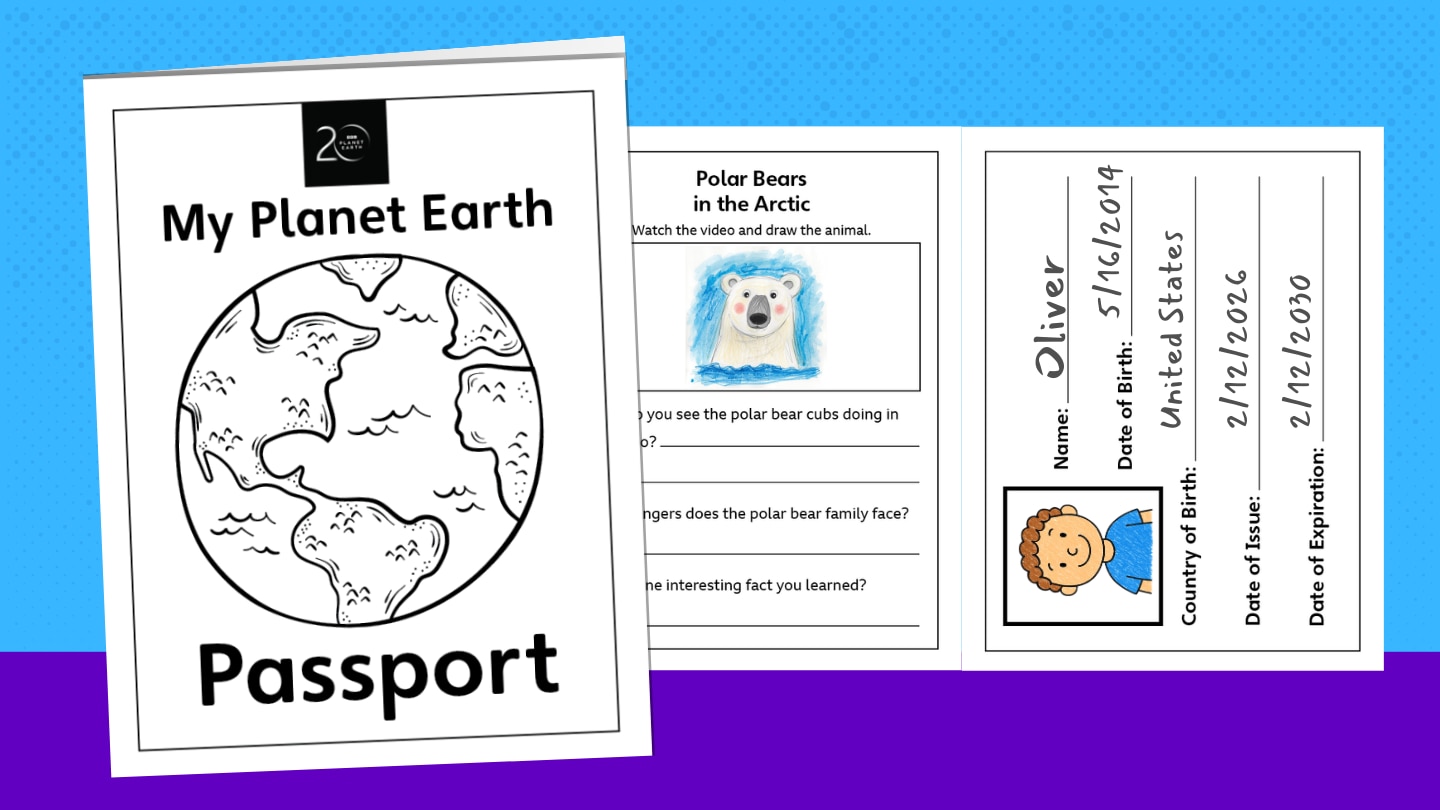
This Planet Earth Passport is your students' perfect guide (just right for ages 8–11) to exploring some of the most-watched videos clips from the iconic BBC series Planet Earth. And it's right in time for Earth Day on April 22!
You can take part by showing your class our playlist of eight amazing animal videos and using our passport as a companion. Students will follow the map to each location and answer questions at each stop. They'll explore:
- Polar Bears in Antarctica
- Bobcats in the Rocky Mountains
- Catfish in France
- Marine Iguanas in the Galápagos
- Cave Swiftlets in Borneo
- Mouse Lemurs in Madagascar
- Dolphins in Western Australia
- Emperor Penguins in Antarctica
To make copies of the passport, print on both sides flipped on the long edge. Make sure you collate and then cut them in half (there are two passports per set).
March 5, 2026, marks the 20th anniversary of premiere of BBC's Planet Earth (and it's just in time for Earth Day on April 22, too!). The breathtaking and award-winning documentary series, narrated by none other than Sir David Attenborough, highlights the natural wonders of our planet. In honor of this momentous occasion, we've put together some of the most popular clips from this beloved natural history show for students ages 8–14.
Get up close and personal with hydroplaning dolphins. Witness an iguana hatchling's terrifying race to survive, pursued by racer snakes. Watch the first steps of two polar bear cubs emerging from hibernation. More of the real-life magic of our blue marble awaits in this video playlist, part of our Planet Earth Collection. Grab your Planet Earth Passport and start exploring!
This Planet Earth Passport is your students' perfect guide (just right for ages 8–11) to exploring some of the most-watched videos clips from the iconic BBC series Planet Earth. And it's right in time for Earth Day on April 22!
You can take part by showing your class our playlist of eight amazing animal videos and using our passport as a companion. Students will follow the map to each location and answer questions at each stop. They'll explore:
- Polar Bears in Antarctica
- Bobcats in the Rocky Mountains
- Catfish in France
- Marine Iguanas in the Galápagos
- Cave Swiftlets in Borneo
- Mouse Lemurs in Madagascar
- Dolphins in Western Australia
- Emperor Penguins in Antarctica
To make copies of the passport, print on both sides flipped on the long edge. Make sure you collate and then cut them in half (there are two passports per set).
March 5, 2026, marks the 20th anniversary of premiere of BBC's Planet Earth (and it's just in time for Earth Day on April 22, too!). The breathtaking and award-winning documentary series, narrated by none other than Sir David Attenborough, highlights the natural wonders of our planet. In honor of this momentous occasion, we've put together some of the most popular clips from this beloved natural history show for students ages 8–14.
Get up close and personal with hydroplaning dolphins. Witness an iguana hatchling's terrifying race to survive, pursued by racer snakes. Watch the first steps of two polar bear cubs emerging from hibernation. More of the real-life magic of our blue marble awaits in this video playlist, part of our Planet Earth Collection. Grab your Planet Earth Passport and start exploring!
From Antarctica to the Galápagos
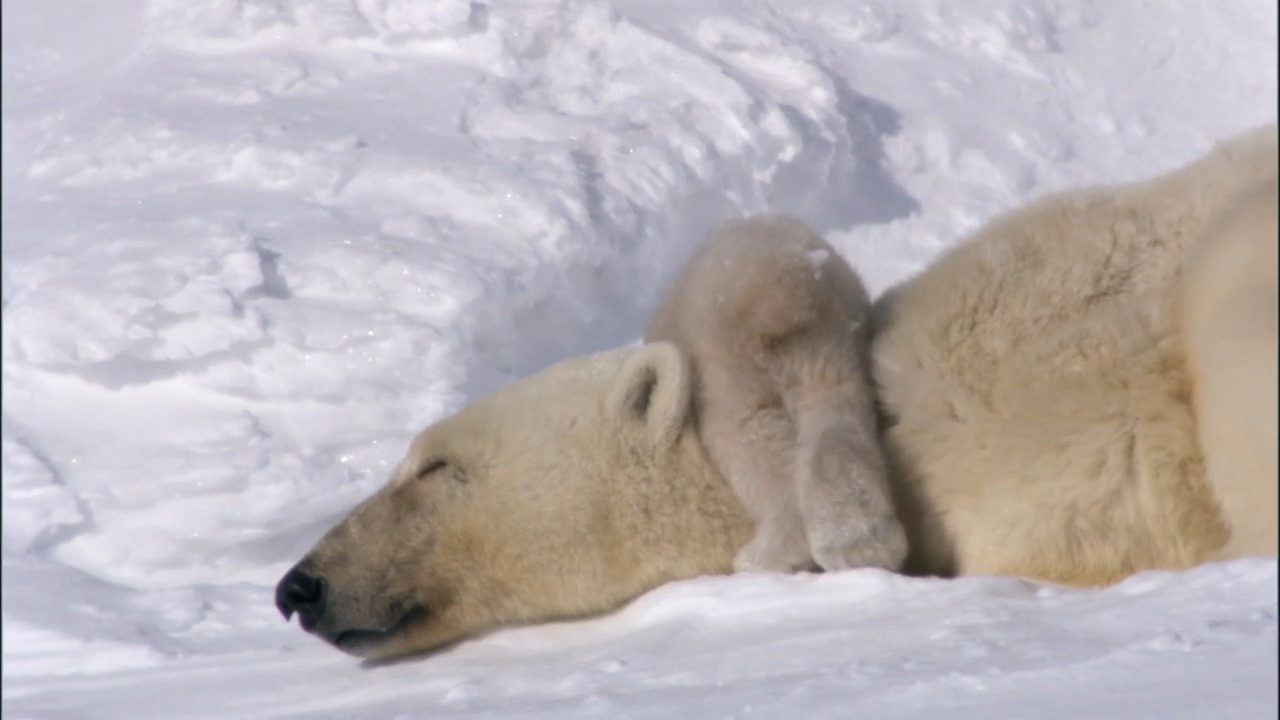
In What Happens When Polar Bears Wake Up Hungry?, narrator Sir David Attenborough explains that a mother polar bear must hunt seals before the spring ice melts. However, a blizzard threatens her two young cubs, and the sea ice is a dangerous place for them. This video is excerpted from BBC's Planet Earth, a breathtaking documentary series that highlights the natural wonders of our planet.
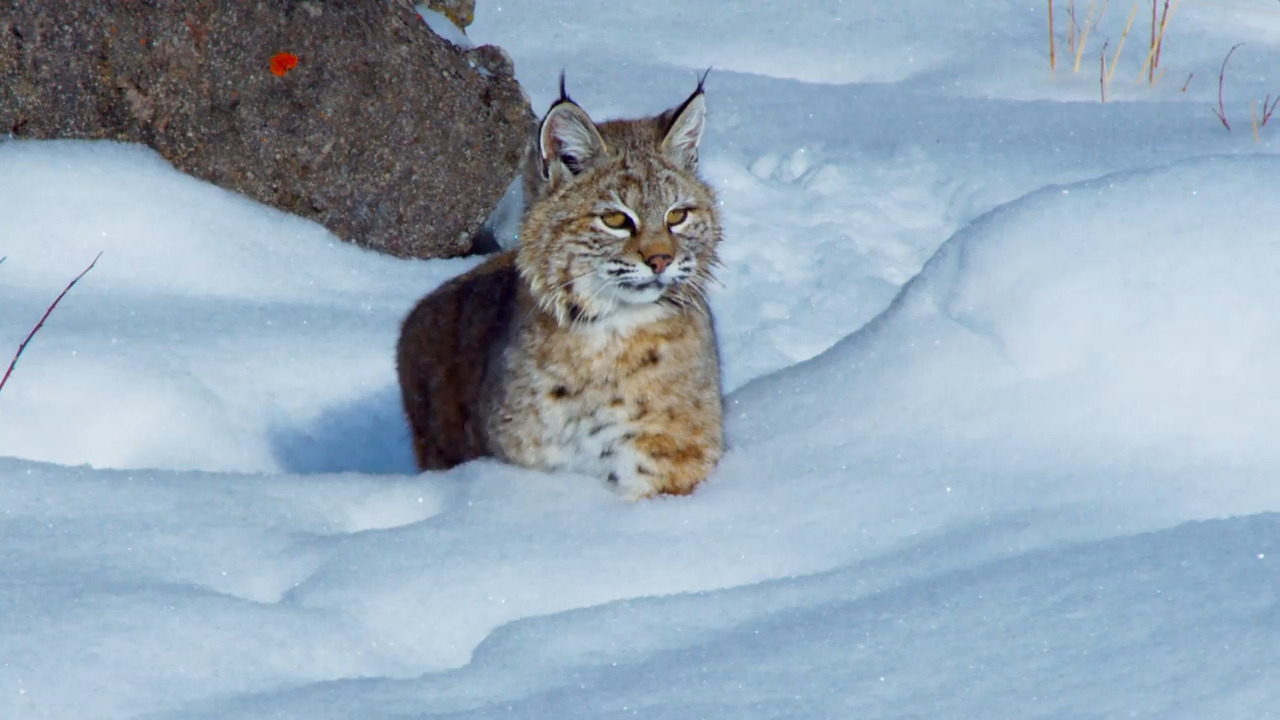
In The Bobcat in the Rockies, narrator Sir David Attenborough explores the extreme cold and snow-covered ground of winter in the Rocky Mountains. He follows a bobcat as it hunts a mouse in the snow. A nearby valley teems with life, thanks to a river fed by a volcanic hot spring. The bobcat hunts ducks in the river and then succeeds in killing a squirrel in a tree. This video is excerpted from BBC’s Planet Earth II, a breathtaking documentary series that highlights the natural wonders of our planet.
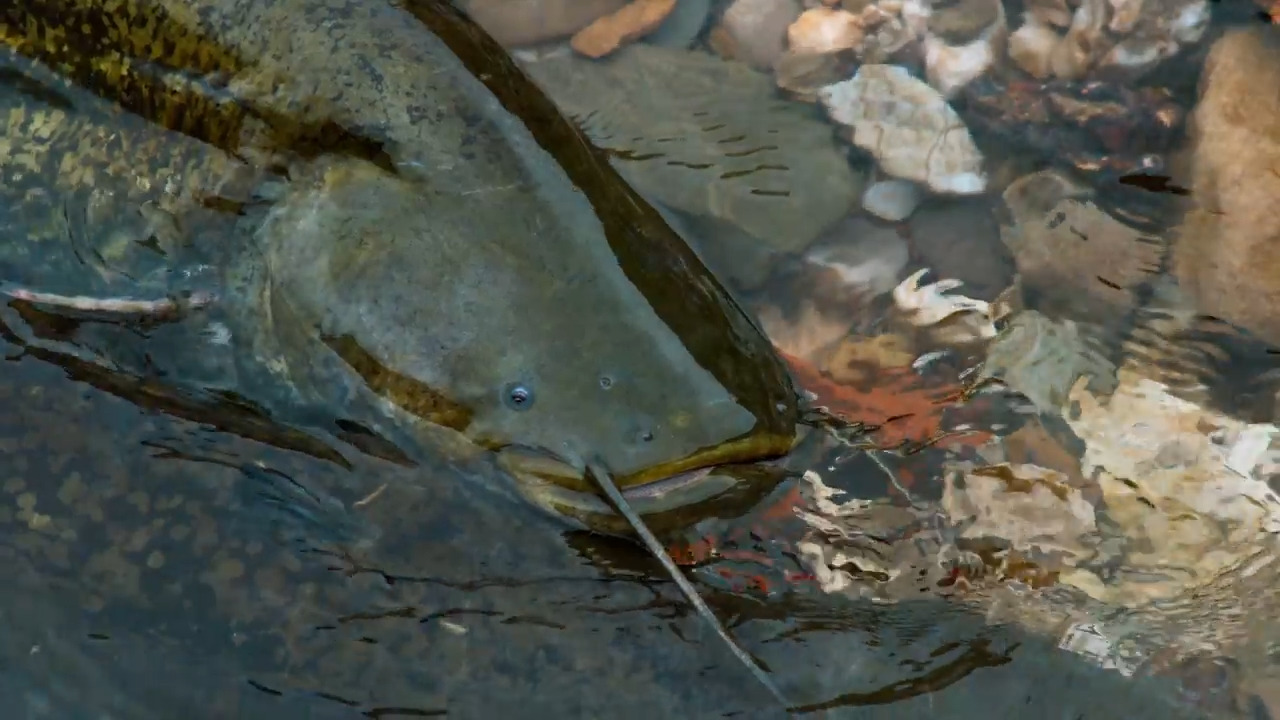
In Pigeons vs. Catfish, narrator Sir David Attenborough explores the unusual predator-prey relationship between urban pigeons and an invasive catfish that uses its whiskery barbels to sense the movements of its victims. Learn more about the interaction between the pigeons and the catfish, including the catfish's unique predatory behavior. This video is excerpted from BBC’s Planet Earth II, a breathtaking documentary series that highlights the natural wonders of our planet.
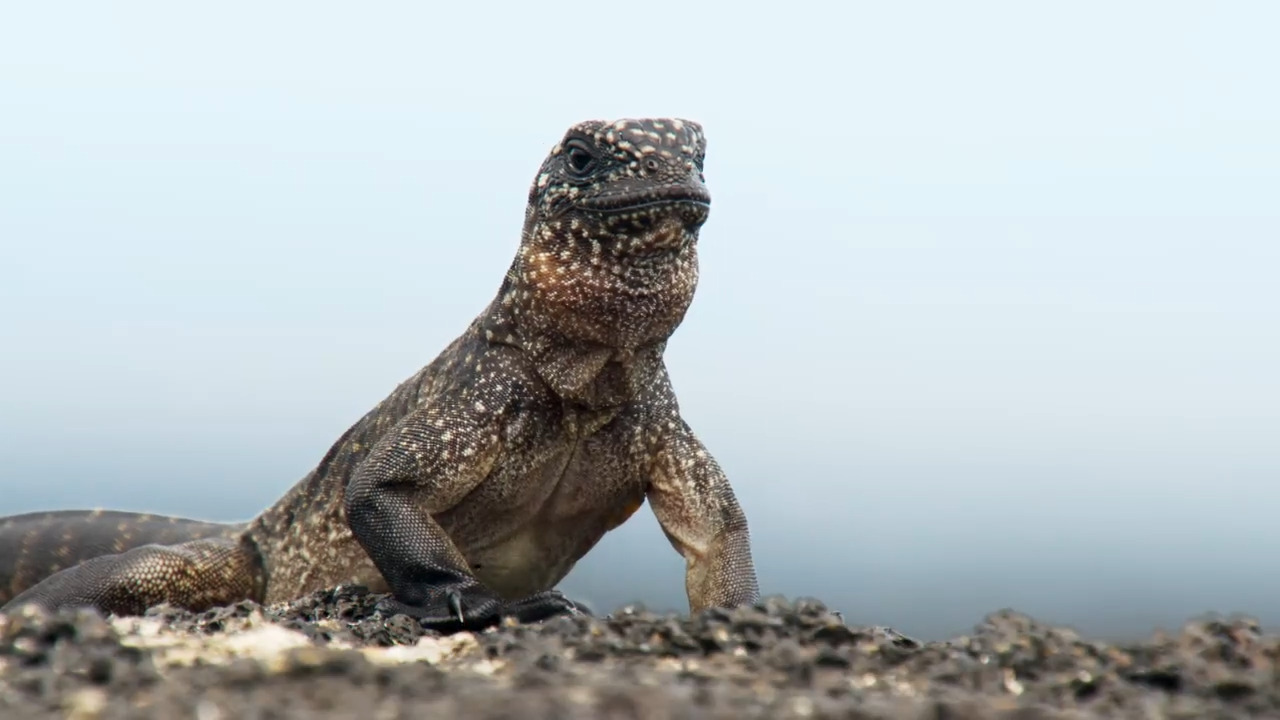
In Marine Iguana Hatchlings vs. Racer Snakes, narrator Sir David Attenborough describes the dramatic and high-stakes journey of marine iguana hatchlings as they emerge from their nests on the Galápagos Islands. With racer snakes lying in wait, the hatchlings must rely on their instincts and speed to evade capture and reach the safety of the rocky shoreline. This video is excerpted from Planet Earth II, a breathtaking documentary series that highlights the natural wonders of our planet.
In What Happens When Polar Bears Wake Up Hungry?, narrator Sir David Attenborough explains that a mother polar bear must hunt seals before the spring ice melts. However, a blizzard threatens her two young cubs, and the sea ice is a dangerous place for them. This video is excerpted from BBC's Planet Earth, a breathtaking documentary series that highlights the natural wonders of our planet.
In The Bobcat in the Rockies, narrator Sir David Attenborough explores the extreme cold and snow-covered ground of winter in the Rocky Mountains. He follows a bobcat as it hunts a mouse in the snow. A nearby valley teems with life, thanks to a river fed by a volcanic hot spring. The bobcat hunts ducks in the river and then succeeds in killing a squirrel in a tree. This video is excerpted from BBC’s Planet Earth II, a breathtaking documentary series that highlights the natural wonders of our planet.
In Pigeons vs. Catfish, narrator Sir David Attenborough explores the unusual predator-prey relationship between urban pigeons and an invasive catfish that uses its whiskery barbels to sense the movements of its victims. Learn more about the interaction between the pigeons and the catfish, including the catfish's unique predatory behavior. This video is excerpted from BBC’s Planet Earth II, a breathtaking documentary series that highlights the natural wonders of our planet.
In Marine Iguana Hatchlings vs. Racer Snakes, narrator Sir David Attenborough describes the dramatic and high-stakes journey of marine iguana hatchlings as they emerge from their nests on the Galápagos Islands. With racer snakes lying in wait, the hatchlings must rely on their instincts and speed to evade capture and reach the safety of the rocky shoreline. This video is excerpted from Planet Earth II, a breathtaking documentary series that highlights the natural wonders of our planet.
From Madagascar to the South Pole
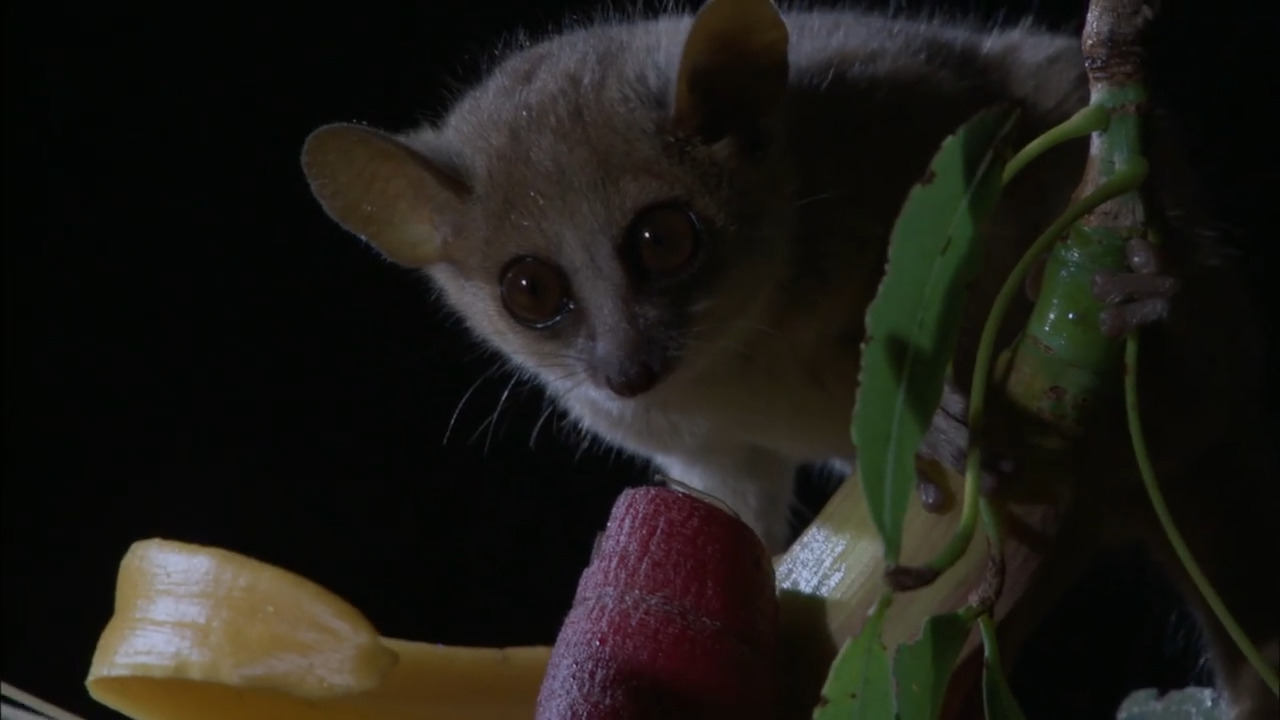
In Mouse Lemurs Are Sneaky Nectar Thieves!, narrator Sir David Attenborough highlights lemurs enjoying a two-course meal in the branches of the baobab tree. First, the lemurs drink nectar meant for pollinating moths; then the lemurs attack the moths! This video is excerpted from BBC's Planet Earth, a breathtaking documentary series that highlights the natural wonders of our planet.
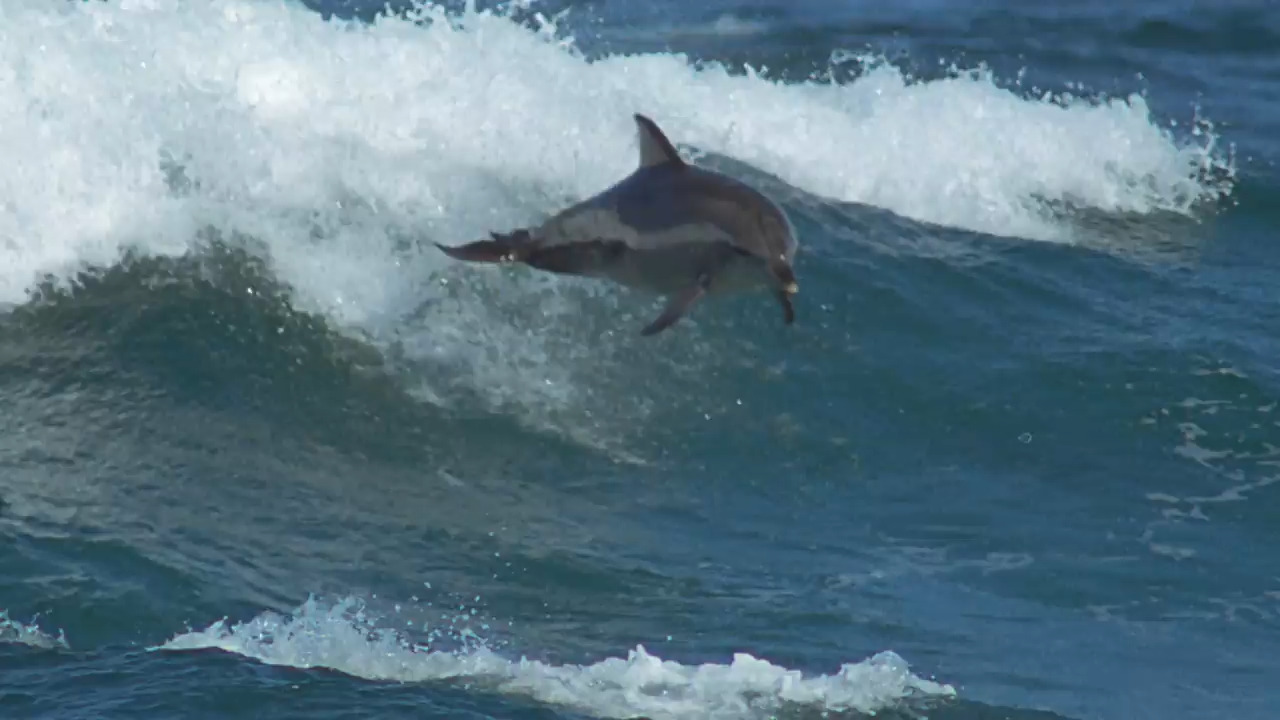
In How Dolphins Hunt in Shallow Water, narrator Sir David Attenborough explains that shallow water is no problem for smart and skilled bottlenose dolphins. See the many strategies they have for hunting fish in just centimeters of water. This video is excerpted from BBC's Planet Earth, a breathtaking documentary series that highlights the natural wonders of our planet.
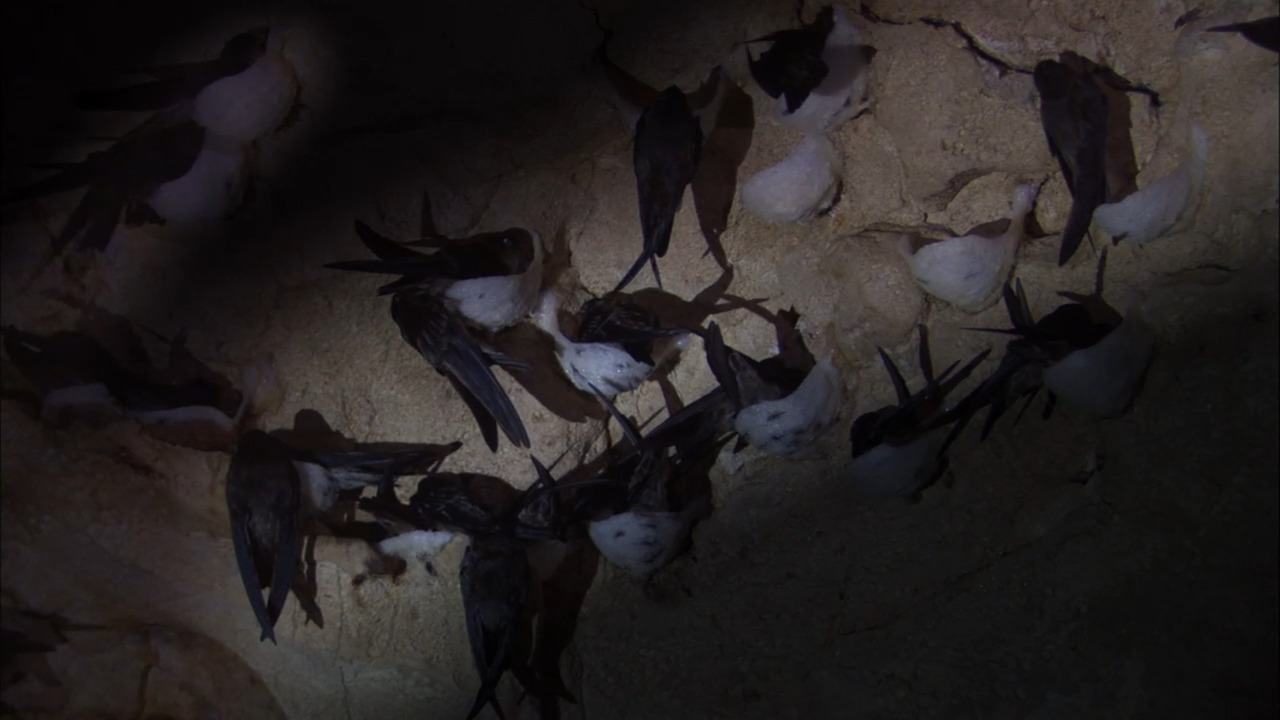
In Cave Swiftlets: Masters of Echolocation, narrator Sir David Attenborough introduces cave swiftlets, birds that, like bats, use echolocation to navigate the dark caves of Borneo. Cave swiftlets rely on clicks to find their way through pitch-black cave passages and locate their small nesting sites. Their nests, made entirely of saliva, take 30 days to build. For centuries, people have harvested these nests, which are the key ingredient in the valuable delicacy, bird’s nest soup. This video is excerpted from BBC’s Planet Earth, a breathtaking documentary series that highlights the natural wonders of our planet.
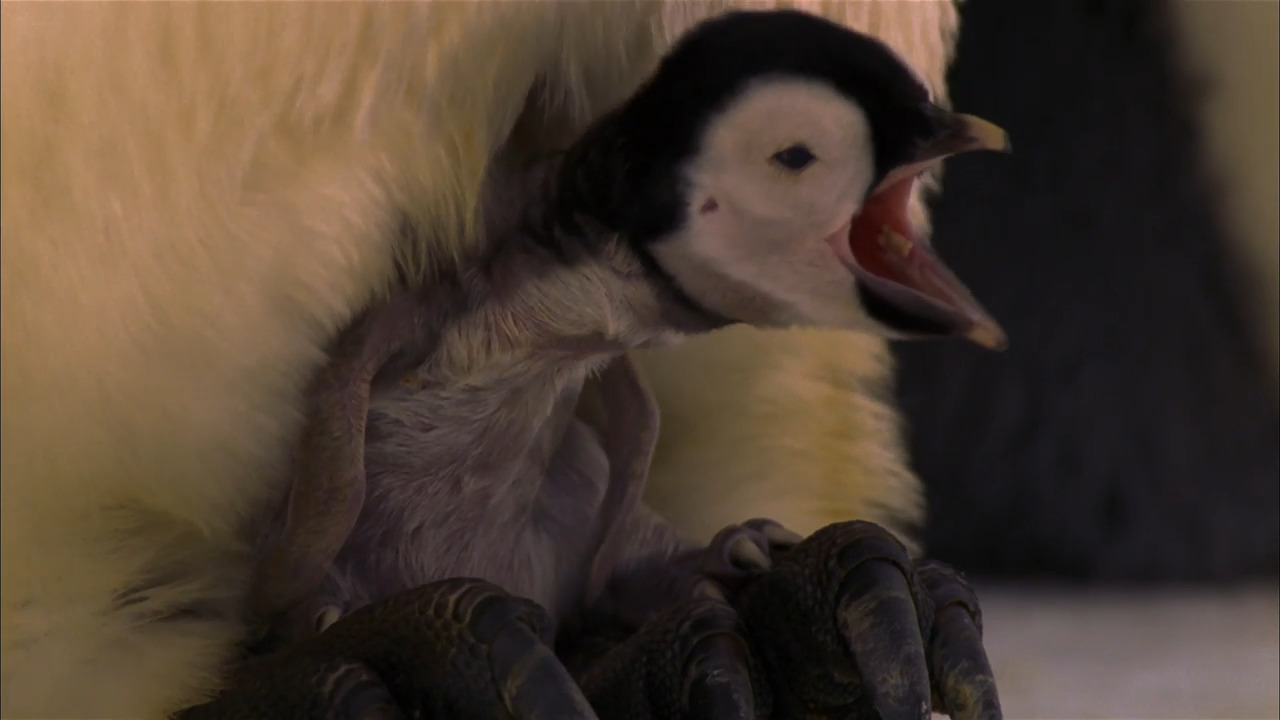
In Hatching Penguin Chicks, narrator Sir David Attenborough visits the southern end of the Earth, where male emperor penguins endure the coldest conditions on the planet while protecting their eggs. The fathers, who have been fasting for months, feed their newly hatched young one last time before the long-awaited return of the females. With bellies full of fish, the mothers call out to identify their mates and reunite with their chicks. The fathers must reluctantly surrender their young, ensuring their survival as the Antarctic winter begins to ease. This video is excerpted from BBC’s Planet Earth, a breathtaking documentary series that highlights the natural wonders of our planet.
In Mouse Lemurs Are Sneaky Nectar Thieves!, narrator Sir David Attenborough highlights lemurs enjoying a two-course meal in the branches of the baobab tree. First, the lemurs drink nectar meant for pollinating moths; then the lemurs attack the moths! This video is excerpted from BBC's Planet Earth, a breathtaking documentary series that highlights the natural wonders of our planet.
In How Dolphins Hunt in Shallow Water, narrator Sir David Attenborough explains that shallow water is no problem for smart and skilled bottlenose dolphins. See the many strategies they have for hunting fish in just centimeters of water. This video is excerpted from BBC's Planet Earth, a breathtaking documentary series that highlights the natural wonders of our planet.
In Cave Swiftlets: Masters of Echolocation, narrator Sir David Attenborough introduces cave swiftlets, birds that, like bats, use echolocation to navigate the dark caves of Borneo. Cave swiftlets rely on clicks to find their way through pitch-black cave passages and locate their small nesting sites. Their nests, made entirely of saliva, take 30 days to build. For centuries, people have harvested these nests, which are the key ingredient in the valuable delicacy, bird’s nest soup. This video is excerpted from BBC’s Planet Earth, a breathtaking documentary series that highlights the natural wonders of our planet.
In Hatching Penguin Chicks, narrator Sir David Attenborough visits the southern end of the Earth, where male emperor penguins endure the coldest conditions on the planet while protecting their eggs. The fathers, who have been fasting for months, feed their newly hatched young one last time before the long-awaited return of the females. With bellies full of fish, the mothers call out to identify their mates and reunite with their chicks. The fathers must reluctantly surrender their young, ensuring their survival as the Antarctic winter begins to ease. This video is excerpted from BBC’s Planet Earth, a breathtaking documentary series that highlights the natural wonders of our planet.
QUIZ: Test Your Knowledge
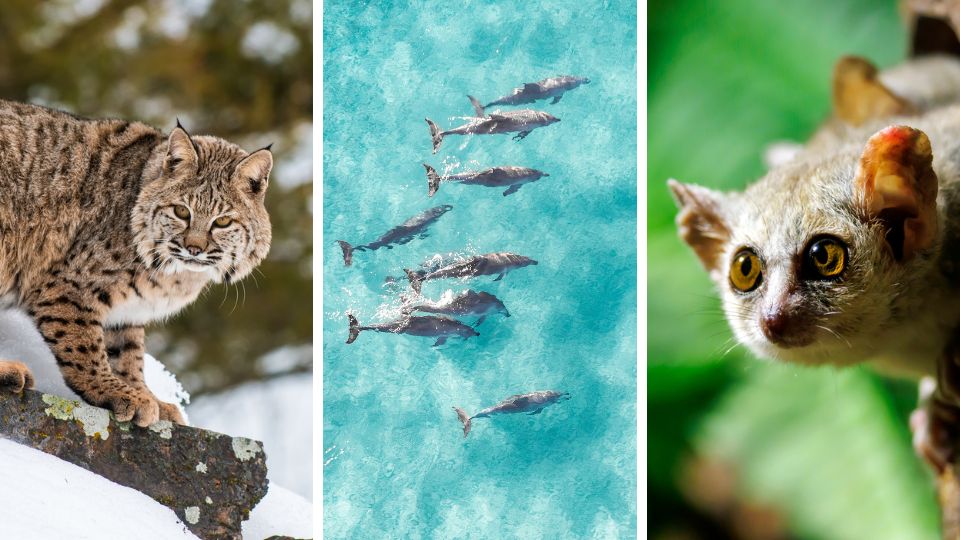
20 years ago, audiences around the world were introduced to the breathtaking beauty of our planet through BBC's Planet Earth. Narrated by the legendary naturalist Sir David Attenborough, the documentary series brought viewers face-to-face with creatures from every corner of the globe.
Now, as we celebrate the 20th anniversary of this unforgettable show, it’s time to test your knowledge! Do you remember how animals survive in the harshest environments? Or the surprising tricks they use to hunt and protect their young? Try this quiz with your students ages 8–14.