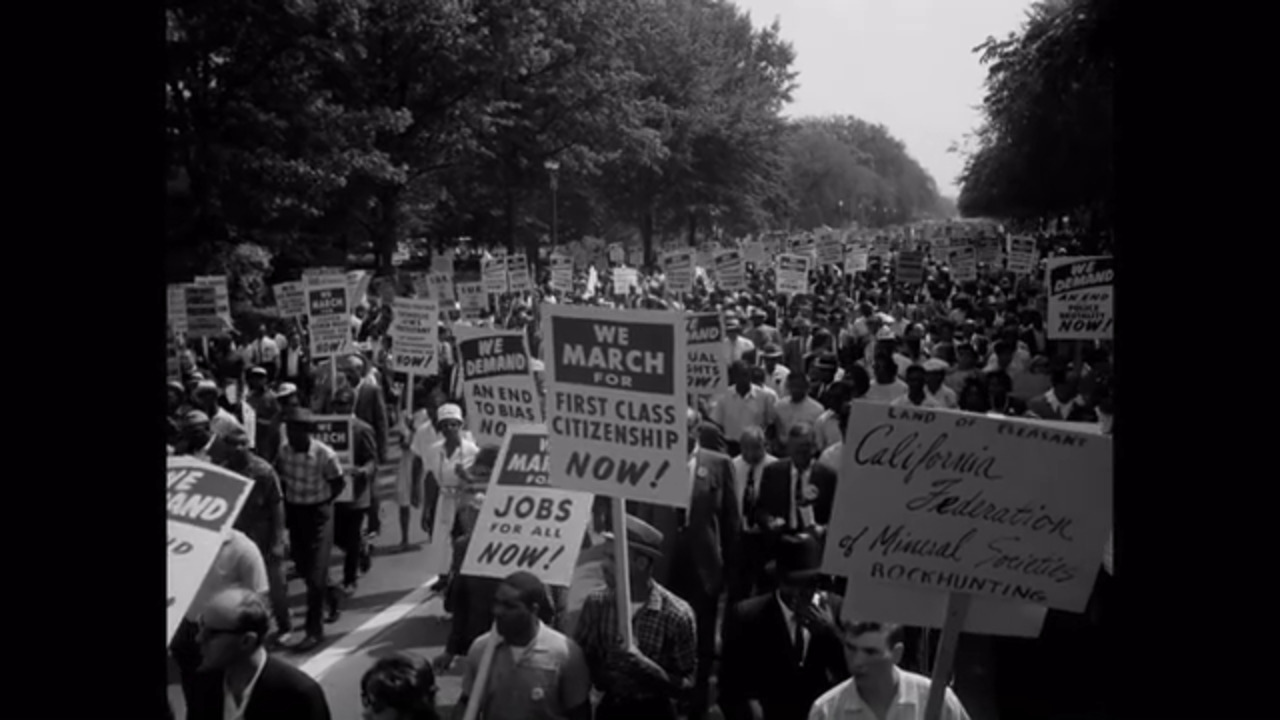
Martin Luther King Jr.’s Story in Song introduces students to Dr. Martin Luther King Jr. and the Civil Rights Movement through music, humor, and powerful historical images. Told as a song, the video shares key moments from Dr. King’s life and his leadership in the fight for equality in a way that is clear, memorable, and engaging for students.
Excerpted from BBC’s Horrible Histories — a multi-award-winning musical and sketch comedy series — this short video uses a familiar, student-friendly format to help make an important part of U.S. history easier to understand. The combination of lyrics, visuals, and real moments from the era helps students connect with the ideas of fairness, courage, and peaceful protest.
At just two and a half minutes, this video is ideal for classrooms. Use it as a quick introduction to Martin Luther King Jr., a lively entry point into the Civil Rights Movement, or a meaningful way to recognize Martin Luther King Jr. Day. It works well as a lesson opener, a review tool, or a discussion starter about how people have worked together to create change in a democracy.
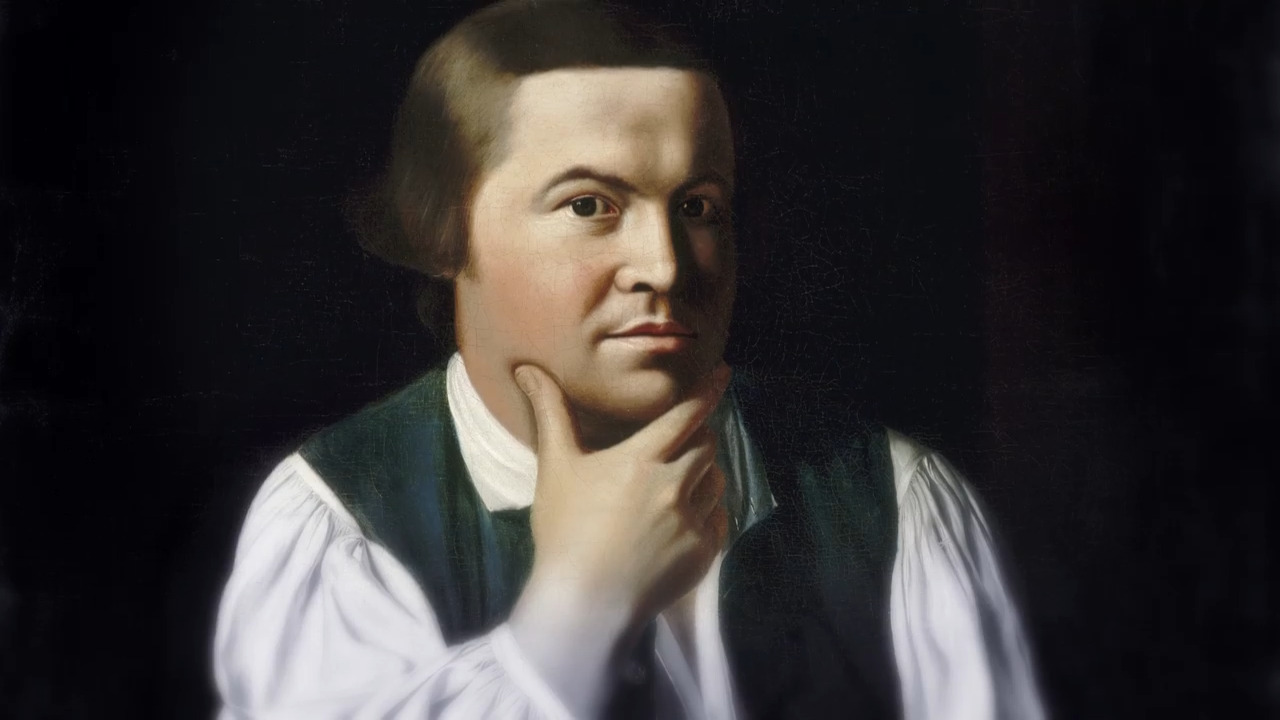
In The Legend of Paul Revere, historian Lucy Worsley investigates the story of Paul Revere and his actions in the first battle of the War of Independence in 1775. According to the poem “Paul Revere's Ride” by Henry Wadsworth Longfellow, Revere was a lone rider who warned soldiers in Concord that the British were on the march. In Revere's own account, he was arrested by the British, and never made it to Concord. This video is excerpted from BBC's American History's Biggest Fibs with Lucy Worsley, in which Worsley reveals the myths and manipulations behind American history.
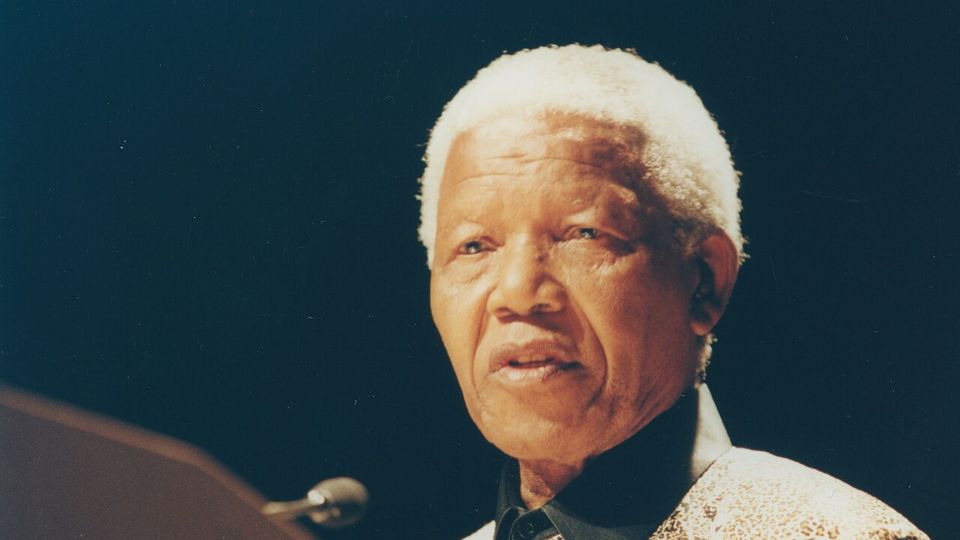
Follow the extraordinary life of Nelson Mandela, from his early fight against apartheid to his role in leading South Africa into a new era of democracy and reconciliation. Students will explore how Mandela stood up against injustice, endured years of imprisonment, and helped unite a divided nation through courage, perseverance, and forgiveness.
This Kahoot examines key moments in Mandela’s journey, including the struggle against apartheid, his 27 years in prison, his release in 1990, and his election as South Africa’s first Black president. Students will discover how his leadership, resilience, and commitment to equality continue to influence Black history and inspire people around the world today.
Watch the related BBC videos, The Remarkable Life of Nelson Mandela and Nelson Mandela Walks Free, then invite your Grade 6–12 students to test their knowledge and deepen their understanding of this iconic global leader.
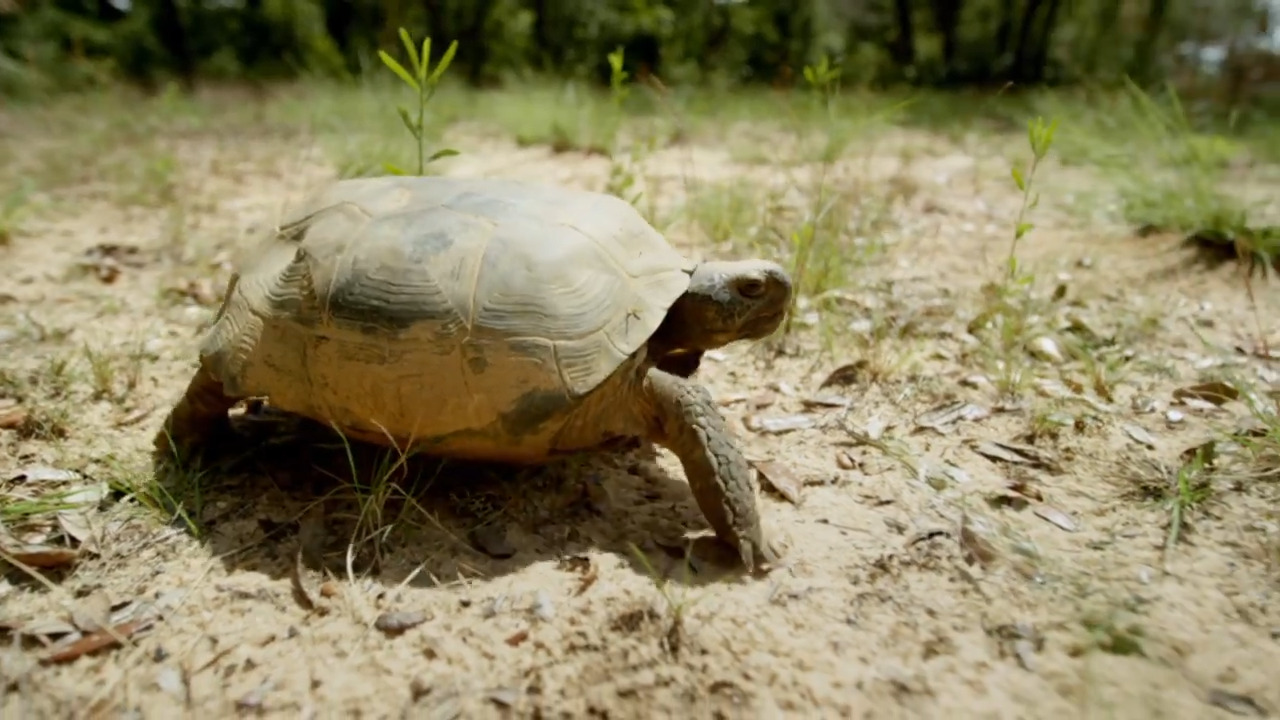
In The Gopher Tortoise, Hero of the Apalachicola Forest, the dry and sandy conditions of the Florida Panhandle make it susceptible to lightning strikes and forest fires. Fortunately, there is one remarkable creature that has helped hundreds of other species survive the flames. This video is excerpted from BBC's Natural World: Florida - America's Animal Paradise, a series displaying Florida’s diverse wildlife and its resilience against increasing environmental threats.

The article "Alice Marble: Tennis Legend, War Hero, and Wonder Woman" from BBC's HistoryExtra tells the incredible life story of Alice Marble. She rose to tennis fame in the 1930s, overcame personal tragedy, edited comics, spied during WWII, and later fought for equality in sports. Her legacy lives on through her fierce determination, fearless activism, and groundbreaking contributions to tennis and beyond.

The article "The Women Who Helped Launch Apollo: The Unsung Heroes of the Moon Mission" from BBC's Science Focus reveals the overlooked contributions of women to the Apollo program. It recounts the vital roles played by female engineers, programmers, and seamstresses, such as JoAnn Morgan, Margaret Hamilton, and Judith Love Cohen, whose expertise helped make the Moon landing possible.
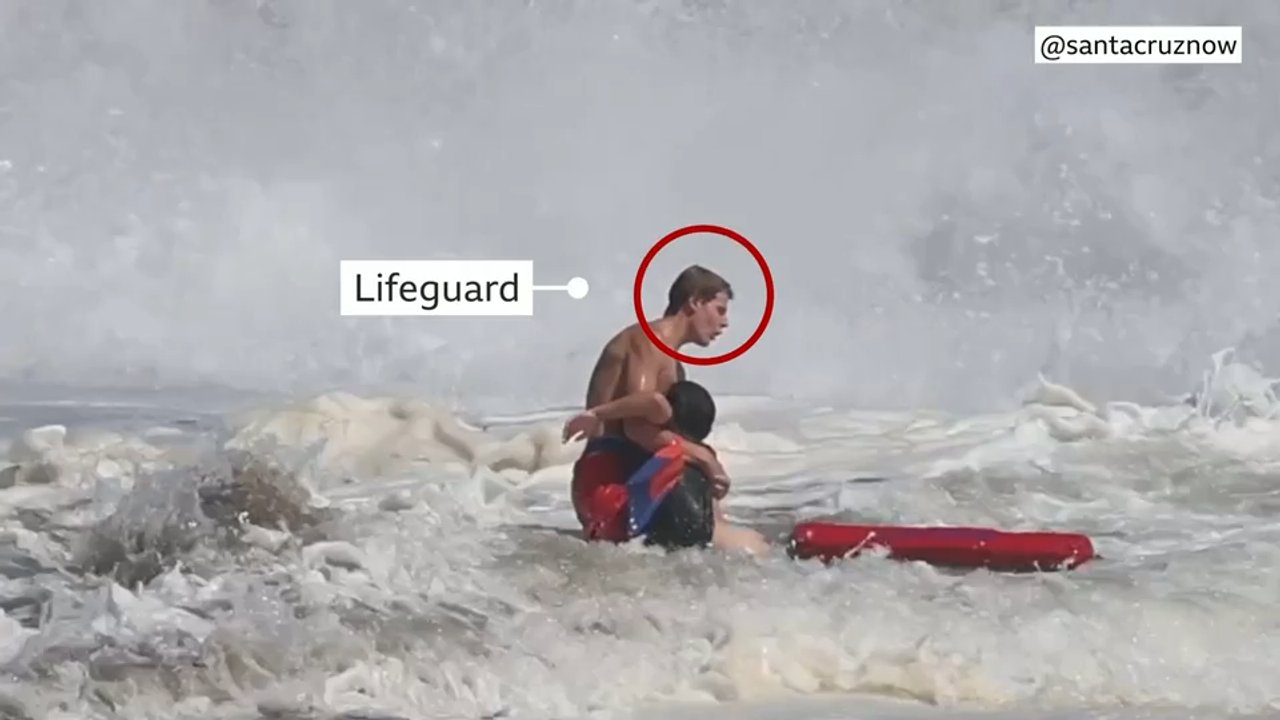
As much fun as the beach can be, it can also be dangerous. Ocean conditions can change rapidly, turning waves from calm to catastrophic in a matter of moments. It’s one of the reasons why lifeguards are so important, and a witness recently caught video footage of a lifeguard — ahem, hero — in action at Seabright State Beach in Santa Cruz, California, where the waves seemed normal at first, then seemingly suddenly turned rough enough to challenge even strong swimmers.
A 10-year-old boy was swept about 15 yards offshore before 16-year-old rookie lifeguard Ryder Williams reached him. Several beachgoers also joined the effort, and the entire rescue lasted just over two minutes. That might not seem like a long time when you’re scrolling on your phone or hitting the snooze button in the morning, but think about fighting against the ocean to save a life for 120 seconds. That’s a lot of pressure!
Williams has since been invited to the White House to receive a high civilian honor for his actions, but the rescue is also important for awareness in general, because it shows why lifeguards matter even when things seem calm.
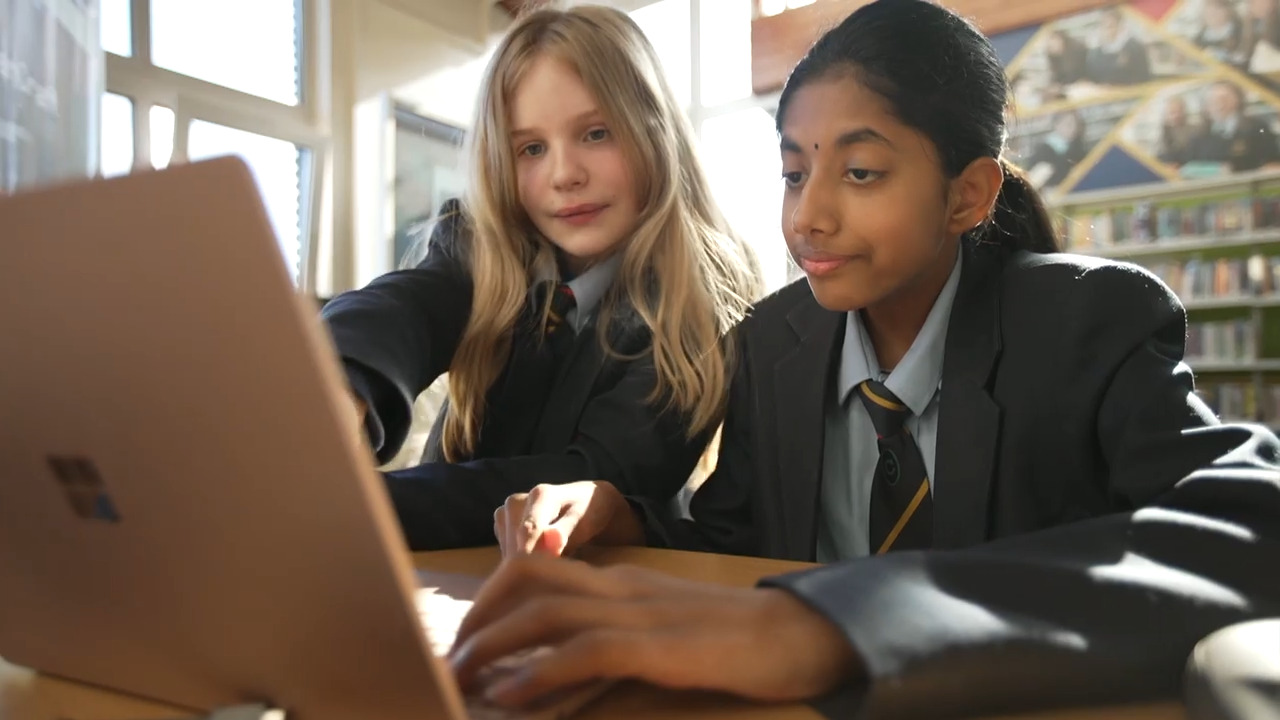
Imagine using your favorite game to help save the real world — that’s exactly what these students are doing! At Archbishop Temple School, kids are using Minecraft to recreate rising rivers and dangerous floods in their own town. Then, they design smart solutions like barriers and defenses to stop the water.
This isn’t just playtime — it’s serious problem-solving. By experimenting in a virtual world, students learn how flooding works and how to protect communities from climate change. One student said it best: they’re “learning while playing” and finding ways to help the planet.
Teachers love it too, because games like Minecraft make learning hands-on, fun, and meaningful. In this pilot project, kids aren’t just playing a game — they’re becoming real-life problem solvers who could help save cities in the future.
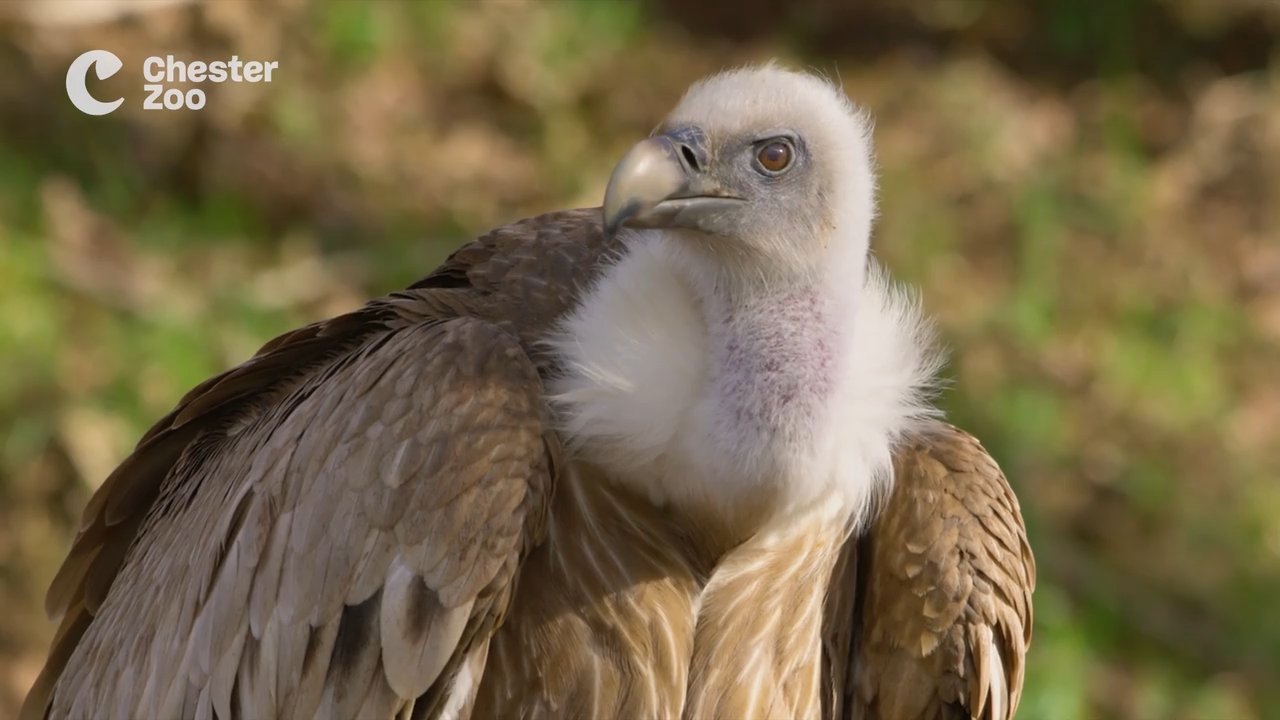
Vultures are the unsung heroes of Africa's ecosystems, playing a vital role in keeping the environment clean and healthy. With their incredible eyesight, enormous wingspans, and remarkably powerful digestive systems, these expert scavengers help prevent the spread of disease by safely consuming animal carcasses that other animals avoid.
In this fact file video from Chester Zoo, discover the amazing adaptations that make vultures so important to the natural world, learn about the critically endangered hooded vulture and how it raises its young, and explore the challenges these remarkable birds face in the wild. You'll also see why protecting vultures is essential for healthy ecosystems and how conservation efforts are helping safeguard their future.
In Andrew Jackson and the Age of the Common Man, learn how Andrew Jackson became a national hero and the seventh president of the United States. His military victories, including the Battle of New Orleans, earned him the nickname “Old Hickory.” Jackson’s presidency marked a turning point in American politics, increasing voter participation and promoting reforms that empowered ordinary citizens, though his policies did not extend to Native Americans, resulting in the Indian Removal Act and the Trail of Tears.
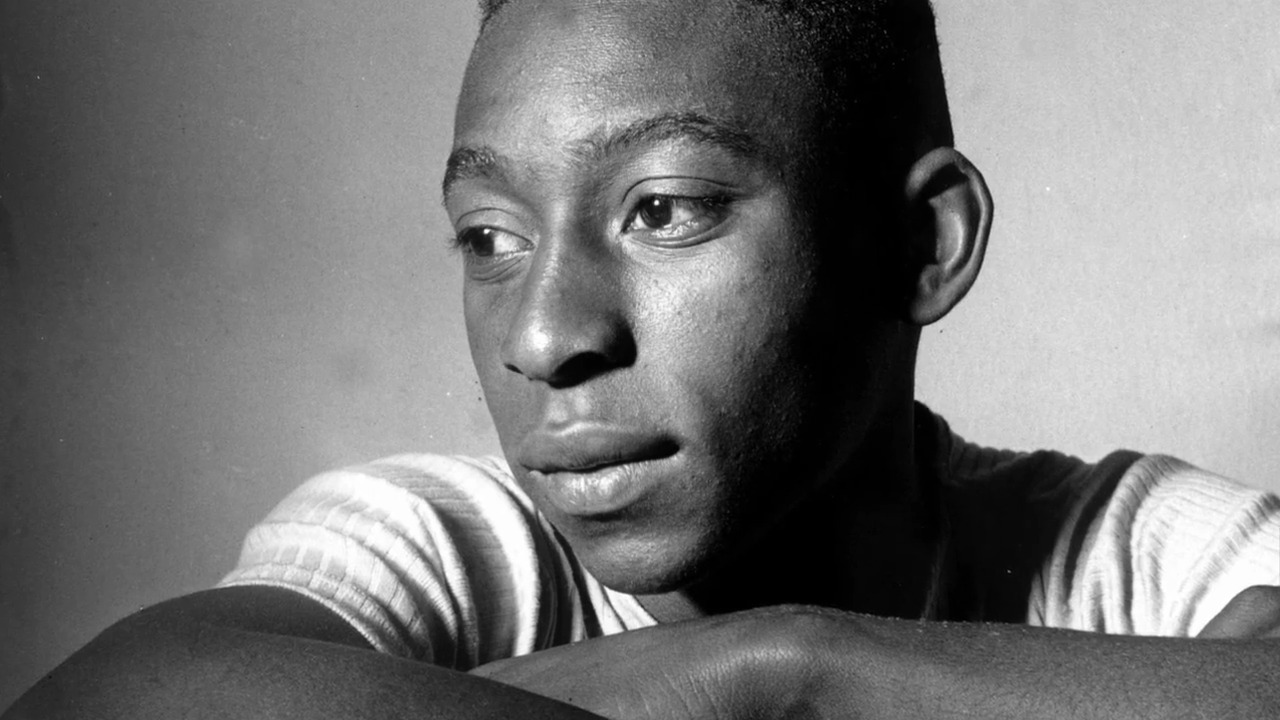
In How Pelé Brought Soccer to the U.S., sports journalist Clare Balding discusses Pelé's contributions to the popularity of soccer. Pelé’s last World Cup match in 1970 helped him emerge as a hero, and in 1971 he brought the game to the United States. This video is excerpted from BBC’s Icons: The Greatest Person of the 20th Century, a documentary series celebrating the achievements of the most influential figures of the era.
In Tu Youyou's Malaria Breakthrough, host Chris Packham tells the story of Tu Youyou’s groundbreaking discovery of artemisinin, a drug that transformed the fight against malaria. Her extraordinary courage, including volunteering as the first test subject, went unnoticed as she was never named on the research papers that led to the breakthrough. This video is excerpted from BBC’s Icons: The Greatest Person of the 20th Century, a documentary series celebrating the achievements of the most influential figures of the era.
Martin Luther King Jr.’s Story in Song introduces students to Dr. Martin Luther King Jr. and the Civil Rights Movement through music, humor, and powerful historical images. Told as a song, the video shares key moments from Dr. King’s life and his leadership in the fight for equality in a way that is clear, memorable, and engaging for students.
Excerpted from BBC’s Horrible Histories — a multi-award-winning musical and sketch comedy series — this short video uses a familiar, student-friendly format to help make an important part of U.S. history easier to understand. The combination of lyrics, visuals, and real moments from the era helps students connect with the ideas of fairness, courage, and peaceful protest.
At just two and a half minutes, this video is ideal for classrooms. Use it as a quick introduction to Martin Luther King Jr., a lively entry point into the Civil Rights Movement, or a meaningful way to recognize Martin Luther King Jr. Day. It works well as a lesson opener, a review tool, or a discussion starter about how people have worked together to create change in a democracy.
In The Legend of Paul Revere, historian Lucy Worsley investigates the story of Paul Revere and his actions in the first battle of the War of Independence in 1775. According to the poem “Paul Revere's Ride” by Henry Wadsworth Longfellow, Revere was a lone rider who warned soldiers in Concord that the British were on the march. In Revere's own account, he was arrested by the British, and never made it to Concord. This video is excerpted from BBC's American History's Biggest Fibs with Lucy Worsley, in which Worsley reveals the myths and manipulations behind American history.
Follow the extraordinary life of Nelson Mandela, from his early fight against apartheid to his role in leading South Africa into a new era of democracy and reconciliation. Students will explore how Mandela stood up against injustice, endured years of imprisonment, and helped unite a divided nation through courage, perseverance, and forgiveness.
This Kahoot examines key moments in Mandela’s journey, including the struggle against apartheid, his 27 years in prison, his release in 1990, and his election as South Africa’s first Black president. Students will discover how his leadership, resilience, and commitment to equality continue to influence Black history and inspire people around the world today.
Watch the related BBC videos, The Remarkable Life of Nelson Mandela and Nelson Mandela Walks Free, then invite your Grade 6–12 students to test their knowledge and deepen their understanding of this iconic global leader.
In The Gopher Tortoise, Hero of the Apalachicola Forest, the dry and sandy conditions of the Florida Panhandle make it susceptible to lightning strikes and forest fires. Fortunately, there is one remarkable creature that has helped hundreds of other species survive the flames. This video is excerpted from BBC's Natural World: Florida - America's Animal Paradise, a series displaying Florida’s diverse wildlife and its resilience against increasing environmental threats.
The article "Alice Marble: Tennis Legend, War Hero, and Wonder Woman" from BBC's HistoryExtra tells the incredible life story of Alice Marble. She rose to tennis fame in the 1930s, overcame personal tragedy, edited comics, spied during WWII, and later fought for equality in sports. Her legacy lives on through her fierce determination, fearless activism, and groundbreaking contributions to tennis and beyond.
The article "The Women Who Helped Launch Apollo: The Unsung Heroes of the Moon Mission" from BBC's Science Focus reveals the overlooked contributions of women to the Apollo program. It recounts the vital roles played by female engineers, programmers, and seamstresses, such as JoAnn Morgan, Margaret Hamilton, and Judith Love Cohen, whose expertise helped make the Moon landing possible.
As much fun as the beach can be, it can also be dangerous. Ocean conditions can change rapidly, turning waves from calm to catastrophic in a matter of moments. It’s one of the reasons why lifeguards are so important, and a witness recently caught video footage of a lifeguard — ahem, hero — in action at Seabright State Beach in Santa Cruz, California, where the waves seemed normal at first, then seemingly suddenly turned rough enough to challenge even strong swimmers.
A 10-year-old boy was swept about 15 yards offshore before 16-year-old rookie lifeguard Ryder Williams reached him. Several beachgoers also joined the effort, and the entire rescue lasted just over two minutes. That might not seem like a long time when you’re scrolling on your phone or hitting the snooze button in the morning, but think about fighting against the ocean to save a life for 120 seconds. That’s a lot of pressure!
Williams has since been invited to the White House to receive a high civilian honor for his actions, but the rescue is also important for awareness in general, because it shows why lifeguards matter even when things seem calm.
Imagine using your favorite game to help save the real world — that’s exactly what these students are doing! At Archbishop Temple School, kids are using Minecraft to recreate rising rivers and dangerous floods in their own town. Then, they design smart solutions like barriers and defenses to stop the water.
This isn’t just playtime — it’s serious problem-solving. By experimenting in a virtual world, students learn how flooding works and how to protect communities from climate change. One student said it best: they’re “learning while playing” and finding ways to help the planet.
Teachers love it too, because games like Minecraft make learning hands-on, fun, and meaningful. In this pilot project, kids aren’t just playing a game — they’re becoming real-life problem solvers who could help save cities in the future.
Vultures are the unsung heroes of Africa's ecosystems, playing a vital role in keeping the environment clean and healthy. With their incredible eyesight, enormous wingspans, and remarkably powerful digestive systems, these expert scavengers help prevent the spread of disease by safely consuming animal carcasses that other animals avoid.
In this fact file video from Chester Zoo, discover the amazing adaptations that make vultures so important to the natural world, learn about the critically endangered hooded vulture and how it raises its young, and explore the challenges these remarkable birds face in the wild. You'll also see why protecting vultures is essential for healthy ecosystems and how conservation efforts are helping safeguard their future.
In Andrew Jackson and the Age of the Common Man, learn how Andrew Jackson became a national hero and the seventh president of the United States. His military victories, including the Battle of New Orleans, earned him the nickname “Old Hickory.” Jackson’s presidency marked a turning point in American politics, increasing voter participation and promoting reforms that empowered ordinary citizens, though his policies did not extend to Native Americans, resulting in the Indian Removal Act and the Trail of Tears.
In How Pelé Brought Soccer to the U.S., sports journalist Clare Balding discusses Pelé's contributions to the popularity of soccer. Pelé’s last World Cup match in 1970 helped him emerge as a hero, and in 1971 he brought the game to the United States. This video is excerpted from BBC’s Icons: The Greatest Person of the 20th Century, a documentary series celebrating the achievements of the most influential figures of the era.
In Tu Youyou's Malaria Breakthrough, host Chris Packham tells the story of Tu Youyou’s groundbreaking discovery of artemisinin, a drug that transformed the fight against malaria. Her extraordinary courage, including volunteering as the first test subject, went unnoticed as she was never named on the research papers that led to the breakthrough. This video is excerpted from BBC’s Icons: The Greatest Person of the 20th Century, a documentary series celebrating the achievements of the most influential figures of the era.