
Minecraft Heroes: Kids Build a City That Beats Floods!
Imagine using your favorite game to help save the real world — that’s exactly what these students are doing! At Archbishop Temple School, kids are using Minecraft to recreate rising rivers and dangerous floods in their own town. Then, they design smart solutions like barriers and defenses to stop the water.
This isn’t just playtime — it’s serious problem-solving. By experimenting in a virtual world, students learn how flooding works and how to protect communities from climate change. One student said it best: they’re “learning while playing” and finding ways to help the planet.
Teachers love it too, because games like Minecraft make learning hands-on, fun, and meaningful. In this pilot project, kids aren’t just playing a game — they’re becoming real-life problem solvers who could help save cities in the future.
Take the Challenge
More News Stories
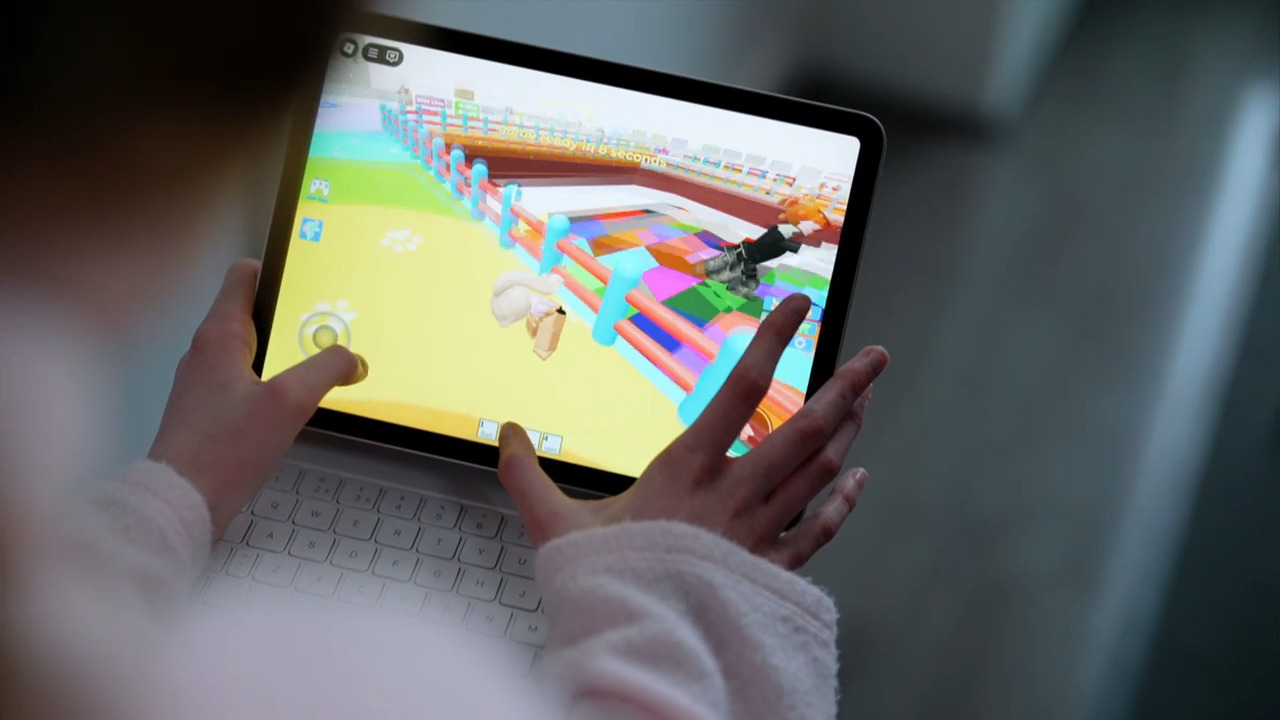
Roblox has exploded into one of the most popular gaming platforms in the world, especially for kids ages 8–12. What started as a small company has grown into a massive online universe with more than 40 million user-created games and experiences — from obstacle courses and role-playing worlds to fashion shows and virtual adventures. In fact, Roblox now has more monthly users than Nintendo Switch and Sony PlayStation combined.
But with its huge popularity comes growing controversy. Critics say that because almost anyone can create a game on the platform, some content may not always be appropriate for younger users. That has raised questions from parents and safety experts about how well kids are protected online.
Roblox co-founder and CEO Dave Baszucki says the company takes safety seriously and has “no tolerance” for inappropriate content. The platform has introduced new protections, including limits on messaging for users under 13. Still, reports show that some kids can sometimes find ways around age restrictions, which keeps the debate going.
Baszucki also says millions of users are having positive, creative experiences on Roblox every day — and reminds parents that they ultimately decide whether it’s the right platform for their children.
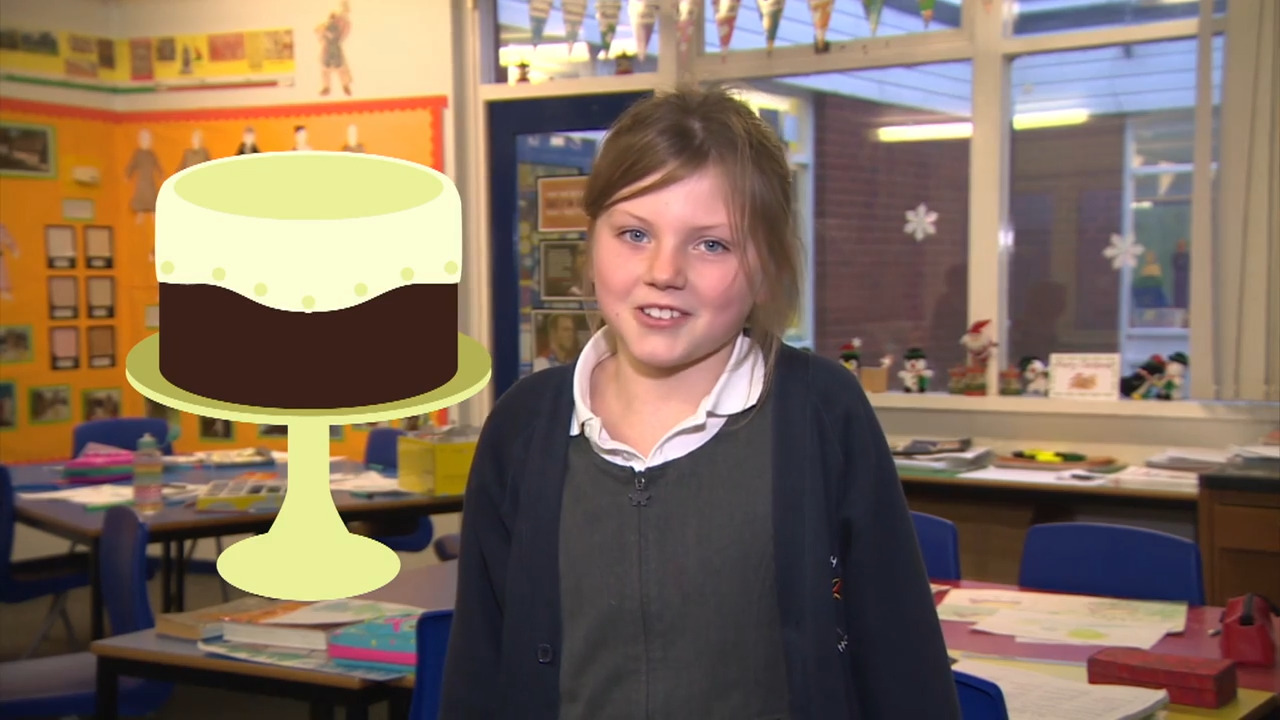
What if homework meant baking a cake, designing a board game, or building something creative instead of filling out worksheets? One elementary school has replaced traditional homework in subjects like math and reading with hands-on projects that students can choose themselves.
Supporters say the new approach makes learning feel more real and less stressful. Students report having more choice, more family time, and more fun. A cooking project, for example, can still involve math, reading, measuring, and following directions — all while making something you can actually eat.
But not everyone agrees. Some people wonder whether creative homework truly prepares students for the more demanding assignments they may face later in middle school, high school, and beyond. Others worry that without regular practice, students may miss chances to build discipline, organization, and study habits.
So what counts as real learning: finishing worksheets — or using skills in everyday life? This school’s homework experiment is raising big questions about how kids learn best.

End-to-end encryption prevents anyone from viewing online communications except the sender and the receiver. Or, it prevents anyone online from viewing it. Can’t do much about someone looking over your shoulder on the subway.
In 2019, Meta CEO Mark Zuckerberg promised to roll it out across his suite of apps — you know, those Facebook and Instagram things you may have heard of? But that promise was met with mixed results. On one hand, many were happy that their private conversations could be kept, well, private. On the other hand, there was pushback from police and government groups that could use messages to catch criminals.
Implementing end-to-end encryption was a years-long process for Zuckerberg, until his platforms abandoned the concept just this year. The company tweaked their terms and conditions to suggest that not enough people were opting into the encryption, but critics have questioned that explanation, pointing out that private messaging is an important part of how platforms keep users engaged and can support their advertising business.
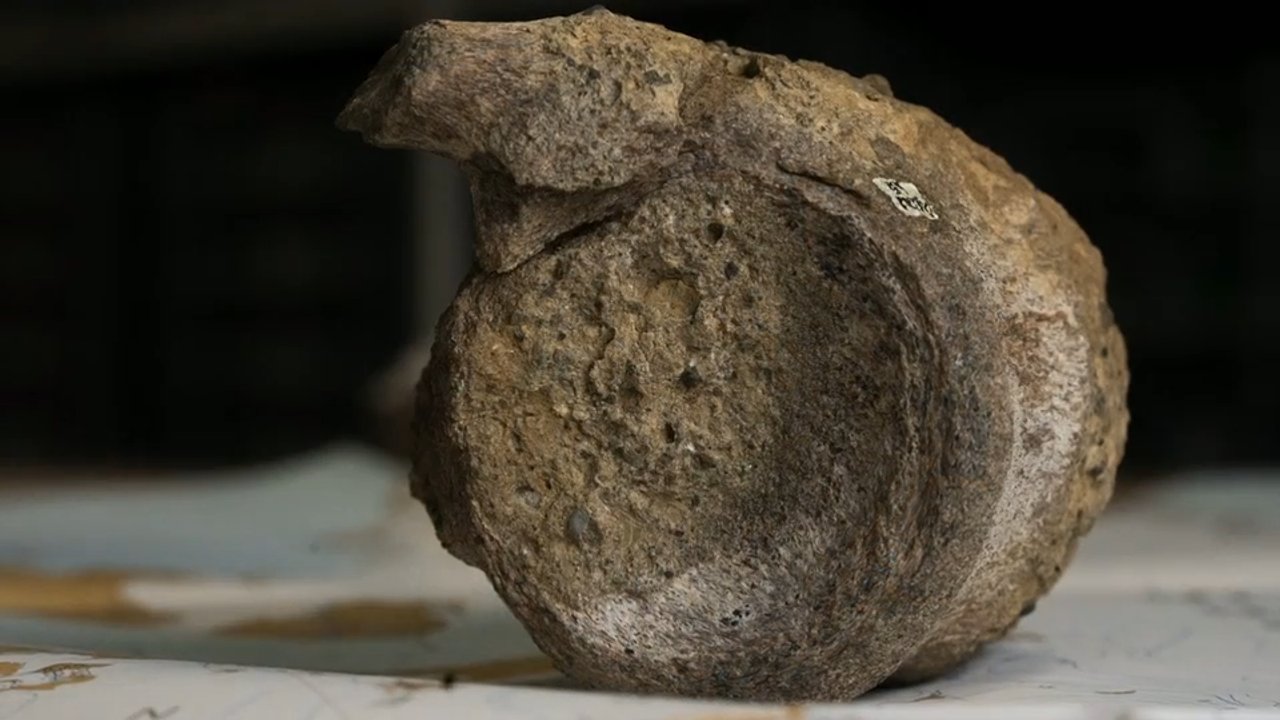
Sometimes a discovery doesn't happen in the field — it happens decades later, in a drawer.
In the 1980s, an Antarctic expedition recovered a fossil and recorded it simply as "vertebra of a large reptile" in a field notebook. That single line was all anyone knew about it for the next 40 years.
It wasn't until paleontologist Dr. Mark Evans revisited old research and notes that the fossil was properly identified — as the first dinosaur bone ever found in Antarctica. Its distinctive shape points to a Titanosaur, the largest dinosaur to ever walk the Earth.
The bone had been sitting in a collection the entire time. What changed wasn't the fossil — it was someone finally looking at it with the right knowledge asking the right questions.
Roblox has exploded into one of the most popular gaming platforms in the world, especially for kids ages 8–12. What started as a small company has grown into a massive online universe with more than 40 million user-created games and experiences — from obstacle courses and role-playing worlds to fashion shows and virtual adventures. In fact, Roblox now has more monthly users than Nintendo Switch and Sony PlayStation combined.
But with its huge popularity comes growing controversy. Critics say that because almost anyone can create a game on the platform, some content may not always be appropriate for younger users. That has raised questions from parents and safety experts about how well kids are protected online.
Roblox co-founder and CEO Dave Baszucki says the company takes safety seriously and has “no tolerance” for inappropriate content. The platform has introduced new protections, including limits on messaging for users under 13. Still, reports show that some kids can sometimes find ways around age restrictions, which keeps the debate going.
Baszucki also says millions of users are having positive, creative experiences on Roblox every day — and reminds parents that they ultimately decide whether it’s the right platform for their children.
What if homework meant baking a cake, designing a board game, or building something creative instead of filling out worksheets? One elementary school has replaced traditional homework in subjects like math and reading with hands-on projects that students can choose themselves.
Supporters say the new approach makes learning feel more real and less stressful. Students report having more choice, more family time, and more fun. A cooking project, for example, can still involve math, reading, measuring, and following directions — all while making something you can actually eat.
But not everyone agrees. Some people wonder whether creative homework truly prepares students for the more demanding assignments they may face later in middle school, high school, and beyond. Others worry that without regular practice, students may miss chances to build discipline, organization, and study habits.
So what counts as real learning: finishing worksheets — or using skills in everyday life? This school’s homework experiment is raising big questions about how kids learn best.
End-to-end encryption prevents anyone from viewing online communications except the sender and the receiver. Or, it prevents anyone online from viewing it. Can’t do much about someone looking over your shoulder on the subway.
In 2019, Meta CEO Mark Zuckerberg promised to roll it out across his suite of apps — you know, those Facebook and Instagram things you may have heard of? But that promise was met with mixed results. On one hand, many were happy that their private conversations could be kept, well, private. On the other hand, there was pushback from police and government groups that could use messages to catch criminals.
Implementing end-to-end encryption was a years-long process for Zuckerberg, until his platforms abandoned the concept just this year. The company tweaked their terms and conditions to suggest that not enough people were opting into the encryption, but critics have questioned that explanation, pointing out that private messaging is an important part of how platforms keep users engaged and can support their advertising business.
Sometimes a discovery doesn't happen in the field — it happens decades later, in a drawer.
In the 1980s, an Antarctic expedition recovered a fossil and recorded it simply as "vertebra of a large reptile" in a field notebook. That single line was all anyone knew about it for the next 40 years.
It wasn't until paleontologist Dr. Mark Evans revisited old research and notes that the fossil was properly identified — as the first dinosaur bone ever found in Antarctica. Its distinctive shape points to a Titanosaur, the largest dinosaur to ever walk the Earth.
The bone had been sitting in a collection the entire time. What changed wasn't the fossil — it was someone finally looking at it with the right knowledge asking the right questions.