What Were the Ancient Olympics Like? Take a Visit to the Games of 436BC
Experience the sights, sports, and surprises of the ancient Olympic Games in Olympia, from horse races to feasting and fierce battles.
The article "What Were the Ancient Olympics Like? Take a Visit to the Games of 436BC" from BBC's HistoryExtra is a time-travel guide to one of the greatest sporting events of the ancient world. With vivid descriptions of travel, food, competition, and cultural traditions, readers explore the five-day festival in Olympia. From brutal pankration to sacred feasts for Zeus, the ancient Games come vividly to life.

BBC's HistoryExtra is devoted to both British and world history and aimed at readers of all levels of knowledge and interest. Learn more about subscriptions here.

BBC's HistoryExtra is devoted to both British and world history and aimed at readers of all levels of knowledge and interest. Learn more about subscriptions here.
Most passages are available in three different versions: Level 1 (Grade 3-5), Level 2 (Grade 6-8), and Level 3 (Grade 9-12). Some more complex texts are available only in Level 2 and Level 3. Use the versions that are most appropriate for the students in your class.
Note: The BBC Learning Hub Editorial Team made use of AI tools to create multiple versions of this article, each tailored to different student reading levels. Every version undergoes a thorough review by our BBC Learning editors to ensure accuracy, quality, and appropriateness.

More Like This
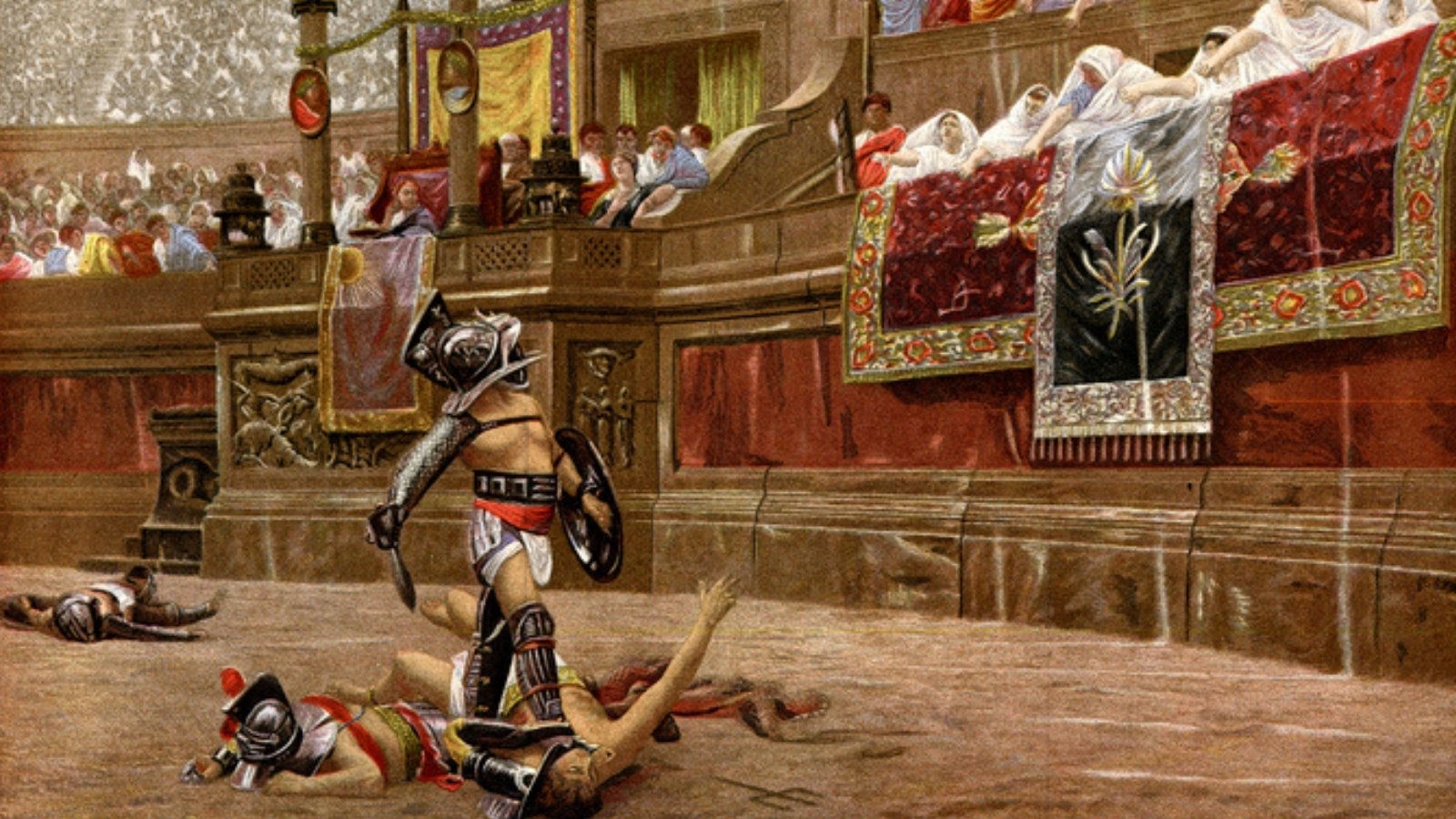
The article "Blood and Fame: Shocking Moments in Ancient Gladiator History" from BBC's HistoryExtra explores the history of gladiator combat in ancient Rome. It traces its origins to Etruscan funeral rituals and details how Julius Caesar, the emperors, and other political figures used these deadly games to gain power and favor.

The article "Daily Life in Ancient Egypt: How Ordinary People Lived Beneath the Pharaohs" from BBC's HistoryExtra explores the lives of regular Egyptians who built a great civilization. Egyptologist Joyce Tyldesley describes family roles, childbirth, jobs, homes, diet, clothing, medicine, religion, and burial customs.

The article "7 Surprising Facts We Now Know About Neanderthals" from BBC's HistoryExtra is a fascinating look at the evolution and legacy of Neanderthals. Archaeologist Rebecca Wragg Sykes explains how these ancient humans were intelligent, adaptable, and left a genetic mark on billions of people today. The piece debunks old myths and highlights seven groundbreaking facts about Neanderthal life and culture.

The article "Cracking the Code: The Secrets of Ancient Egyptian Hieroglyphs" from BBC's HistoryExtra is a fascinating look into the origins, structure, and purpose of hieroglyphs. Egyptologist Toby Wilkinson explains who used hieroglyphs, how they were written and read, and how these symbols conveyed meaning in temples, tombs, and papyrus scrolls.
The article "Blood and Fame: Shocking Moments in Ancient Gladiator History" from BBC's HistoryExtra explores the history of gladiator combat in ancient Rome. It traces its origins to Etruscan funeral rituals and details how Julius Caesar, the emperors, and other political figures used these deadly games to gain power and favor.
The article "Daily Life in Ancient Egypt: How Ordinary People Lived Beneath the Pharaohs" from BBC's HistoryExtra explores the lives of regular Egyptians who built a great civilization. Egyptologist Joyce Tyldesley describes family roles, childbirth, jobs, homes, diet, clothing, medicine, religion, and burial customs.
The article "7 Surprising Facts We Now Know About Neanderthals" from BBC's HistoryExtra is a fascinating look at the evolution and legacy of Neanderthals. Archaeologist Rebecca Wragg Sykes explains how these ancient humans were intelligent, adaptable, and left a genetic mark on billions of people today. The piece debunks old myths and highlights seven groundbreaking facts about Neanderthal life and culture.
The article "Cracking the Code: The Secrets of Ancient Egyptian Hieroglyphs" from BBC's HistoryExtra is a fascinating look into the origins, structure, and purpose of hieroglyphs. Egyptologist Toby Wilkinson explains who used hieroglyphs, how they were written and read, and how these symbols conveyed meaning in temples, tombs, and papyrus scrolls.