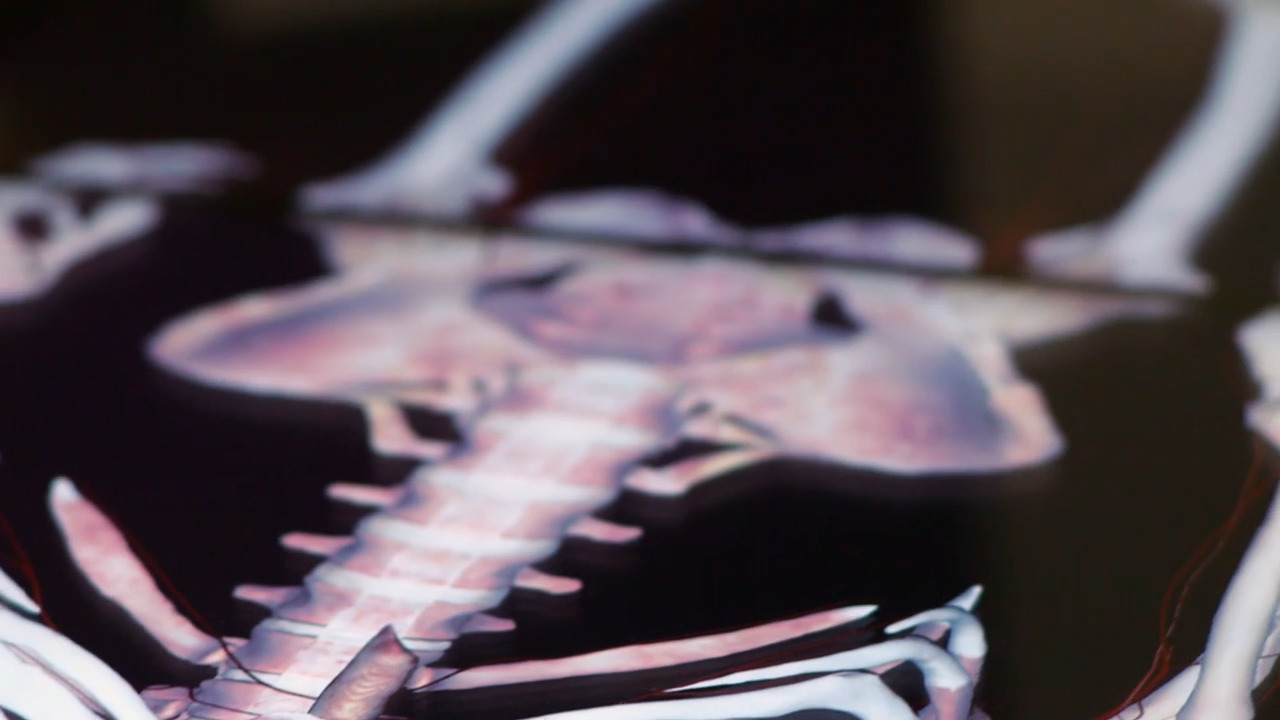
In Understanding Bone Growth Disorders, learn about a rare genetic condition that causes bones to grow abnormally dense. Follow Tim, a man with sclerosteosis, whose bones are 1.5 times denser than granite, which has both advantages and serious medical challenges. His experience with the condition provides insight into how our bones grow and what happens when that growth is excessive. This video is excerpted from BBC’s The World’s Most Extraordinary People, a documentary series revealing how rare medical conditions inspire groundbreaking scientific discoveries.
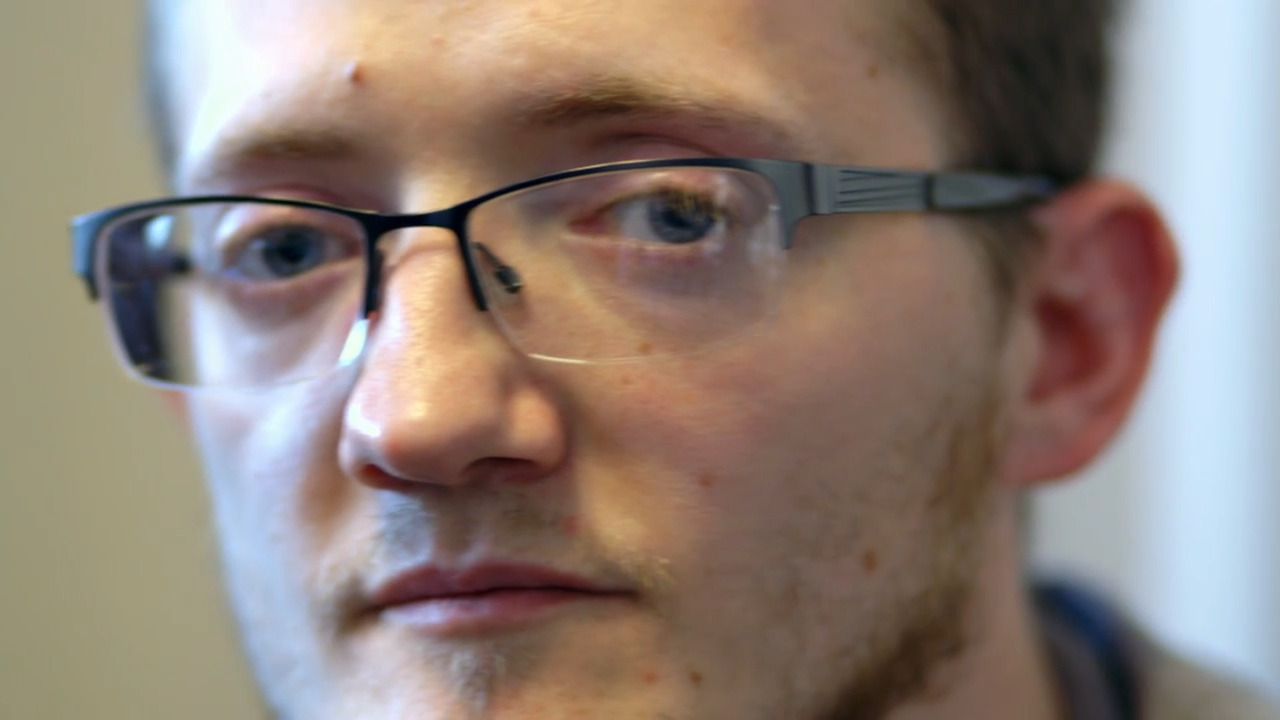
In Some People Don't Feel Pain, Paul describes his unique condition. Paul was born with congenital insensitivity to pain, a rare genetic condition that prevents his brain from processing pain sensations. Explore how pain is created in the body, the risks associated with not feeling pain, and the science behind this rare condition. This video is excerpted from BBC’s The World’s Most Extraordinary People, a documentary series revealing how rare medical conditions inspire groundbreaking scientific discoveries.

The article "7 Surprising Facts We Now Know About Neanderthals" from BBC's HistoryExtra is a fascinating look at the evolution and legacy of Neanderthals. Archaeologist Rebecca Wragg Sykes explains how these ancient humans were intelligent, adaptable, and left a genetic mark on billions of people today. The piece debunks old myths and highlights seven groundbreaking facts about Neanderthal life and culture.
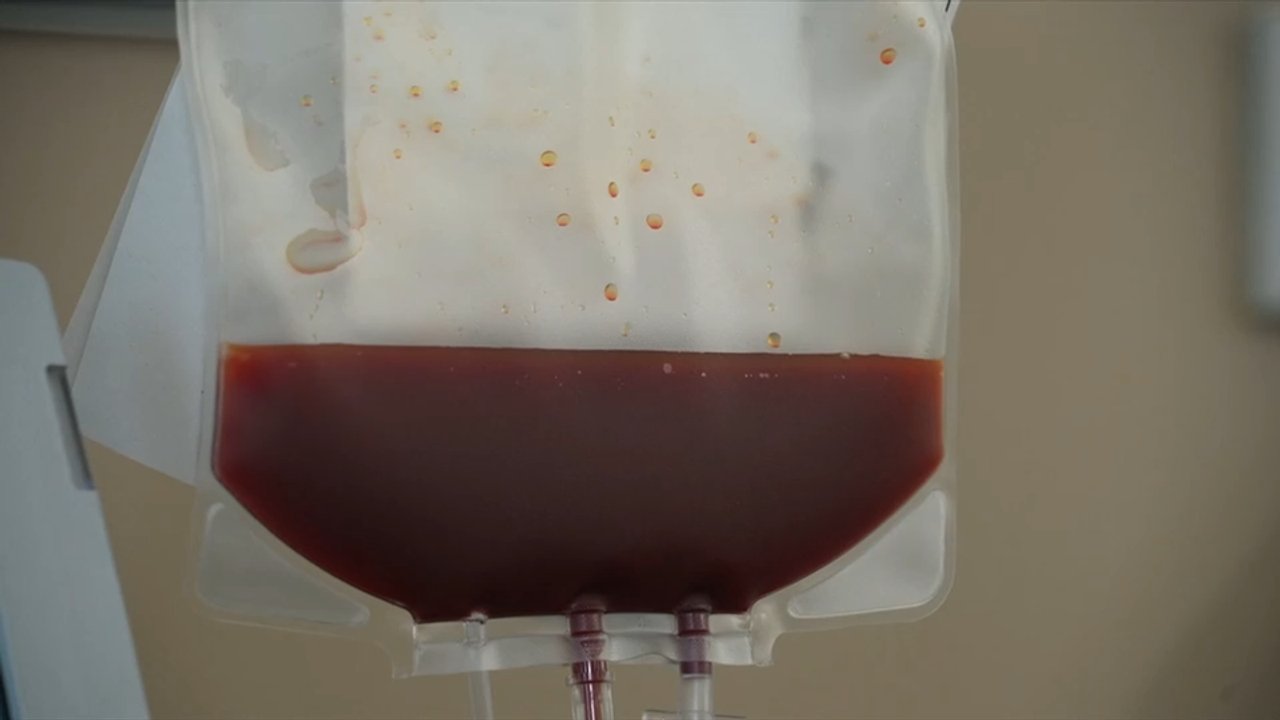
Most of us don’t think much about our blood until we get a paper cut or a scraped knee. 16-year-old Vianne has had to think about hers for most of her life. She has thalassemia, a serious blood disorder. Her body couldn’t make enough healthy hemoglobin, the protein in red blood cells that carries oxygen around the body. She needed blood transfusions every month, and she was often exhausted.
Then she received a new gene-editing treatment.
First, doctors collected some of her stem cells. These are cells that haven’t yet become a particular type, so they can copy themselves and turn into other kinds of cells. In a laboratory, scientists edited the cells’ DNA so they would make more fetal hemoglobin, the kind babies make before they’re born. This extra hemoglobin makes up for the faulty kind that causes thalassemia. Months later, the edited cells were put back into Vianne’s body.
Doctors call the result a “functional cure.” Vianne still has the genetic condition, but its main symptoms have eased so much that she no longer needs transfusions. That means fewer hospital visits and much more energy.
The same treatment is also being used for sickle cell disease. 14-year-old Joel is just starting the process. It isn’t easy: patients need chemotherapy first, to clear space in their bone marrow for the edited cells. But Vianne says it was worth it.
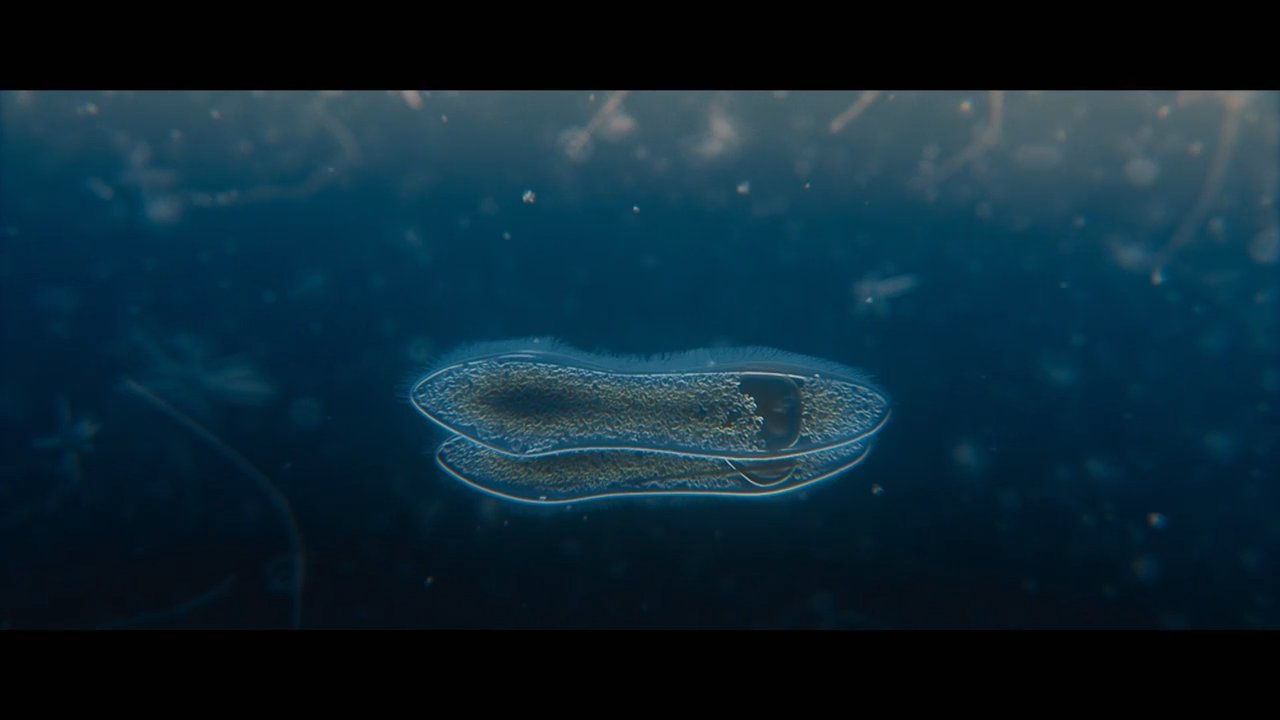
For nearly four billion years, life reproduced without sexes, simply copying itself to create genetically similar offspring. This clip from BBC’s Evolution episode "The Ostrich" explores the emergence of sexual reproduction around two billion years ago, when cells gained the ability to fuse with one another and combine their DNA.
By mixing genetic material from two parents, sexual reproduction created an enormous variety of unique offspring, giving evolution far more variation to work with. The video examines how this seemingly simple change may have helped accelerate the evolution of increasingly complex life, ultimately opening the door to organisms made up of trillions of specialized cells.
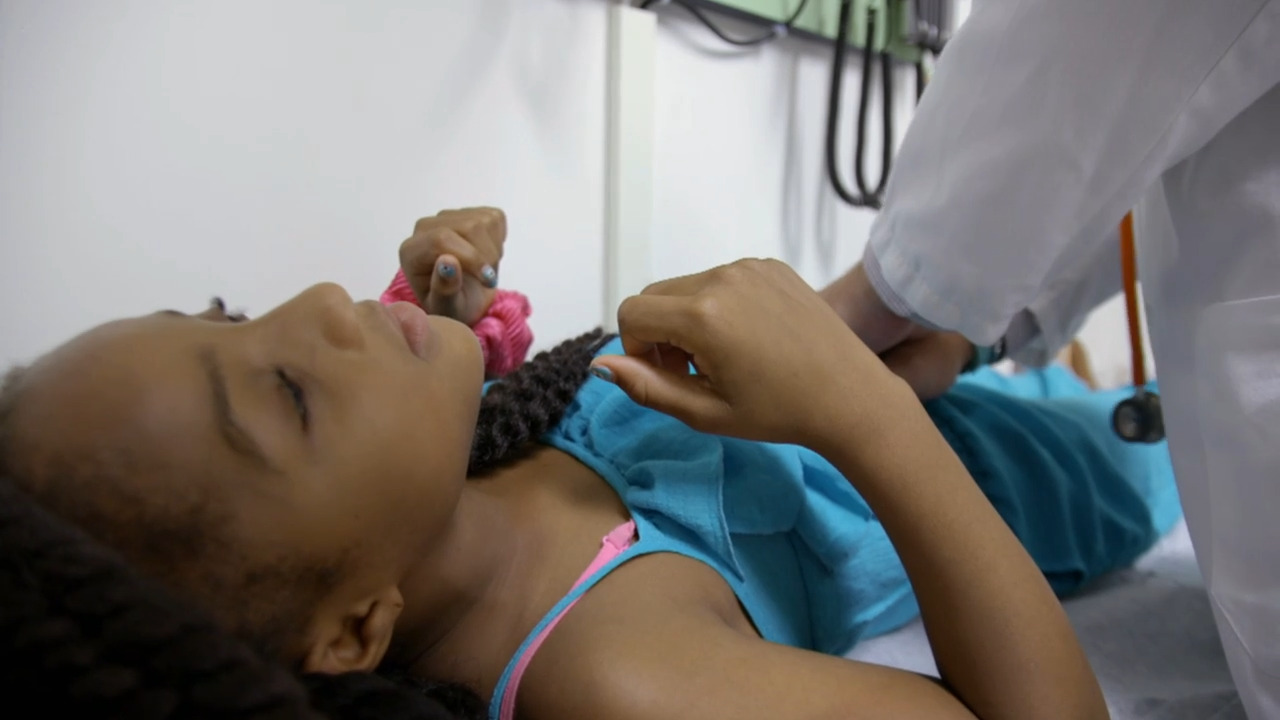
In Understanding Sickle Cell Disease, learn about Sanaya, a young girl whose unique blood helps her avoid symptoms of sickle cell disease. By examining the presence of fetal hemoglobin in her blood, discover how hemoglobin functions in the body and how it can impact individuals with sickle cell disease. This video is excerpted from BBC’s The World’s Most Extraordinary People, a documentary series revealing how rare medical conditions inspire groundbreaking scientific discoveries.

The article "The Last Days of the Neanderthals: When and Why Our Ancient Cousins Disappeared" from BBC's HistoryExtra explores how and why Neanderthals vanished from the Earth. Archaeological evidence and genetic studies point to multiple factors, including climate change, competition with Homo sapiens, and interbreeding. Despite their extinction, Neanderthal DNA still lives on in modern humans.
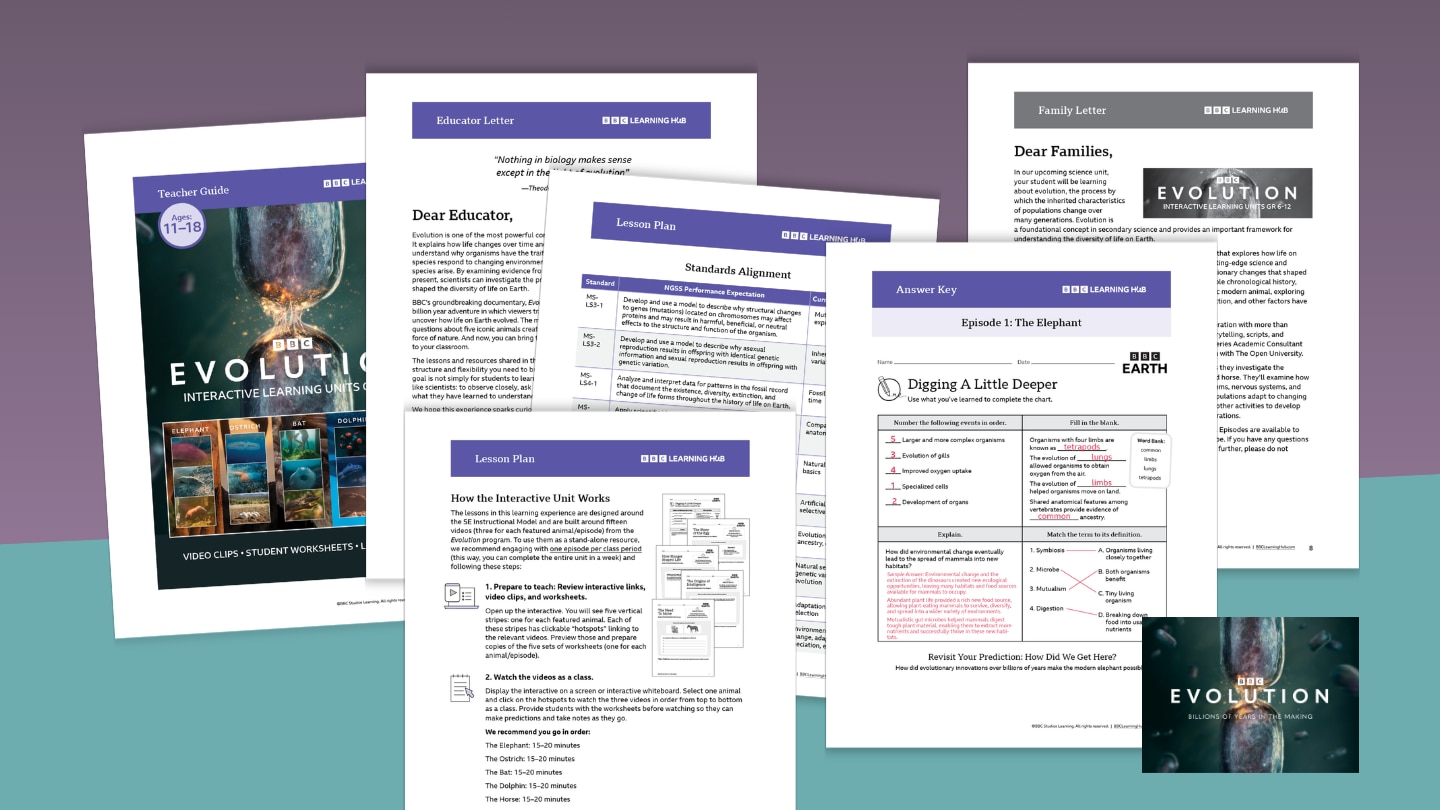
Bring BBC’s Evolution into your classroom with a flexible teaching guide designed to help students investigate how life changes over time. Built around five episodes featuring the elephant, ostrich, bat, dolphin, and horse, the interactive unit combines engaging BBC footage with student worksheets, evidence-based activities, teaching strategies, and extension ideas.
The lessons are structured around the 5E Instructional Model and can be used as a complete five-day learning experience or adapted to support an existing evolution unit. Students make predictions, analyze evidence from video clips, identify patterns, and develop explanations about natural selection, adaptation, genetic variation, and other mechanisms of evolutionary change.
The guide includes:
- Background information and vocabulary for the topic
- How to access and navigate the interactive unit (including videos and worksheets)
- Teacher tips and implementation guidance for using the materials in whole-class, small-group, pair, or individual settings
- Extension activities including an evolution timeline, animal comparisons, and adaptation research.
- NGSS alignment covering middle and high school standards related to genetic variation, natural selection, adaptation, common ancestry, environmental change, and selective breeding
- Family letter to introduce parents and caregivers to the unit and explain what students will be learning and why (as well as how to watch the full episodes at home)
- Answer keys for each set of worksheets
Whether you're introducing evolution for the first time, reinforcing a concept you're already teaching, or looking for a multimedia station or jigsaw activity, this guide gives you the tools to make Evolution part of your science classroom.
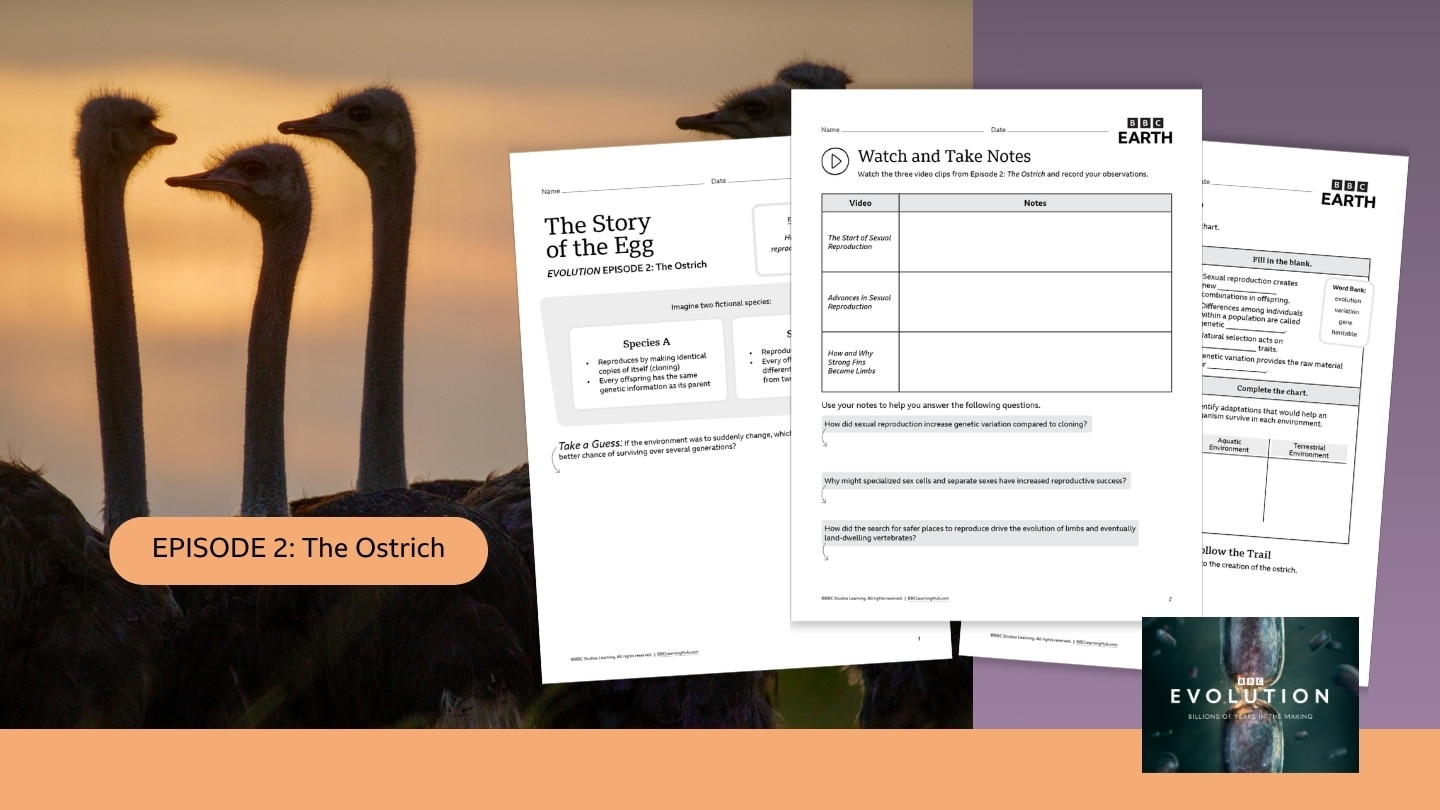
How did the evolution of reproduction eventually lead to the ostrich? This lesson for ages 11–18 follows the evolution of reproduction and explores how the shift from cloning to sexual reproduction introduced greater genetic variation — and new possibilities for life.
Using BBC video clips from Evolution Episode 2: "The Ostrich," investigate how sexual reproduction developed, why specialized sex cells and separate sexes can increase reproductive success, and how reproductive strategies such as hermaphroditism can benefit organisms in certain environments. Follow the connection between reproduction and the move onto land, exploring how the search for safer places to reproduce contributed to the evolution of limbs and land-dwelling vertebrates.
As you work through the lesson, compare reproductive strategies, connect genetic variation to natural selection and evolution, and consider how organisms adapt to aquatic and terrestrial environments. Once you've completed the activities, you'll use evidence from the videos and your own reasoning to explain how changes in reproduction helped shape the evolutionary path to the ostrich.

The article "Is Coffee in Danger of Disappearing?" from BBC's Science Focus explains how wild coffee plants are at high risk of extinction due to threats like climate change, pests, and deforestation. These wild plants are crucial for developing strong, disease-resistant coffee crops.
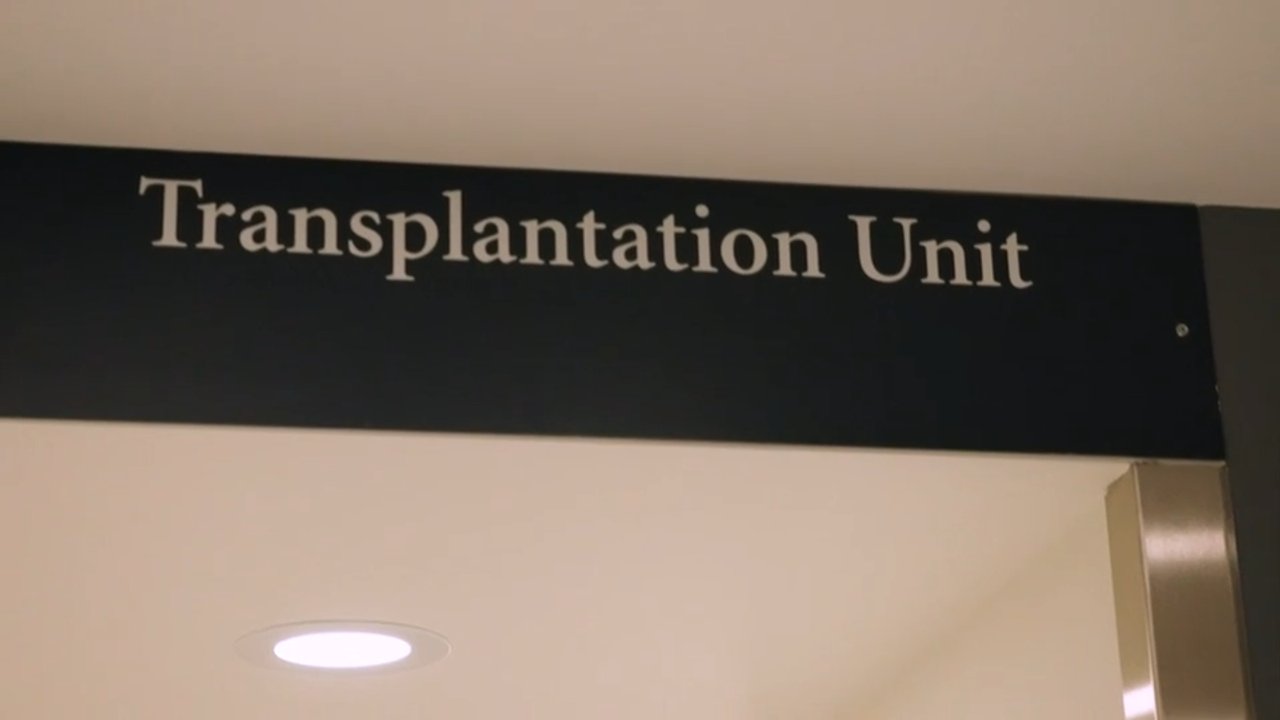
Tim Andrews had end-stage kidney disease, which means his kidneys had almost completely stopped working. Then he got a transplant from a very unexpected donor: a pig.
Your kidneys work like filters. They clean waste and extra water out of your blood, and that waste leaves your body as urine. When the kidneys fail, many patients go on dialysis. A machine filters their blood for them, usually for several hours at a time, a few times a week. Dialysis keeps people alive, but it’s exhausting and takes up a lot of time. Tim depended on it before his transplant. Or, more precisely, before his first transplant.
Tim’s new kidney came from a Yucatán miniature pig, a small breed named after a region in Mexico. The pig had been genetically modified, which means scientists changed some of its genes. These changes made the kidney more like a human one, so Tim’s immune system would be less likely to attack it. Normally, the body treats an organ from another animal as an invader and rejects it. Tim lived for almost nine months without dialysis, longer than any living person who had received a pig kidney before him.
Eventually, Tim went back on dialysis for a short time. Then he received a second transplant, this time a kidney from a human donor. Other people have received pig kidneys, but Tim was the first to go from a pig kidney to a human one.
Living with a pig’s organ might sound strange, but doctors see real promise in it. In the U.S. alone, around 90,000 people are waiting for a kidney transplant, and there aren’t nearly enough human donors. Pig kidneys could one day act as a “bridge,” keeping patients healthy until a human kidney becomes available. Still, this isn’t a solution yet. Researchers are studying how long pig organs can last and whether they’re safe for many more patients.
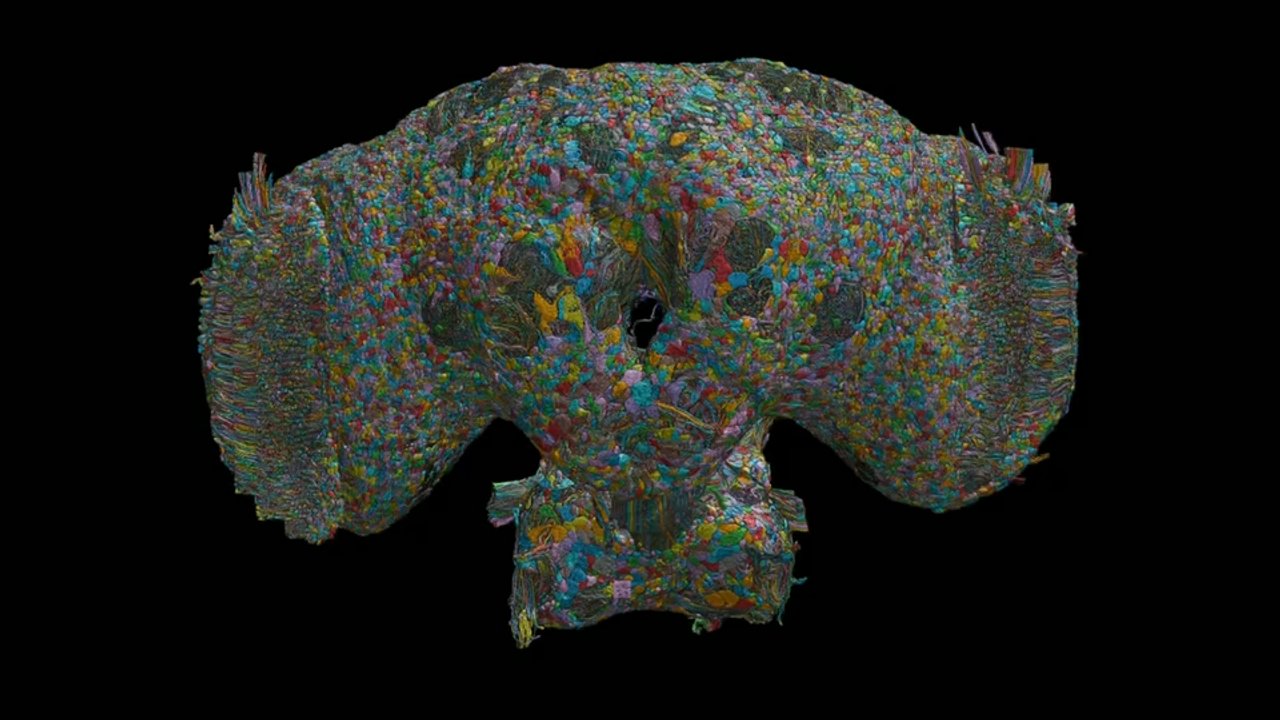
“Beautiful on the inside” may be weirdly appropriate for bugs, considering the 3D map of the male fruit fly brain and nervous system more closely resembles a museum-worthy mosaic or a bowl of fruity cereal than the tiny nuisance you’re used to seeing flying around your apples. Scientists recently created this colorful detailed map by slicing and analyzing every nerve cell with an electron microscope — that’s a microscope that uses accelerated electrons instead of visible light to produce images that can be both extremely magnified and incredibly clear at the same time.
The same team previously mapped a female fly brain a couple of years ago and compared the male and female brains to see that roughly 95% of their brain wiring was similar, while about 5% differed.
But those small differences make for some big differences in behavior, including courtship, aggression, detecting competitors, and producing a “love song” by beating the wings.
It's not news (to these scientists, at least) that just two genes were linked to these behaviors, but comparing these 3D maps helped them learn more about the connection between those genes and the specific brain circuits producing the behavior.
Researchers hope the same logic around connecting genes to brain wiring to behavior can eventually be applied to other animals and maybe even humans! This might help scientists investigate conditions with strong genetic influences, including schizophrenia and autism.
In Understanding Bone Growth Disorders, learn about a rare genetic condition that causes bones to grow abnormally dense. Follow Tim, a man with sclerosteosis, whose bones are 1.5 times denser than granite, which has both advantages and serious medical challenges. His experience with the condition provides insight into how our bones grow and what happens when that growth is excessive. This video is excerpted from BBC’s The World’s Most Extraordinary People, a documentary series revealing how rare medical conditions inspire groundbreaking scientific discoveries.
In Some People Don't Feel Pain, Paul describes his unique condition. Paul was born with congenital insensitivity to pain, a rare genetic condition that prevents his brain from processing pain sensations. Explore how pain is created in the body, the risks associated with not feeling pain, and the science behind this rare condition. This video is excerpted from BBC’s The World’s Most Extraordinary People, a documentary series revealing how rare medical conditions inspire groundbreaking scientific discoveries.
The article "7 Surprising Facts We Now Know About Neanderthals" from BBC's HistoryExtra is a fascinating look at the evolution and legacy of Neanderthals. Archaeologist Rebecca Wragg Sykes explains how these ancient humans were intelligent, adaptable, and left a genetic mark on billions of people today. The piece debunks old myths and highlights seven groundbreaking facts about Neanderthal life and culture.
Most of us don’t think much about our blood until we get a paper cut or a scraped knee. 16-year-old Vianne has had to think about hers for most of her life. She has thalassemia, a serious blood disorder. Her body couldn’t make enough healthy hemoglobin, the protein in red blood cells that carries oxygen around the body. She needed blood transfusions every month, and she was often exhausted.
Then she received a new gene-editing treatment.
First, doctors collected some of her stem cells. These are cells that haven’t yet become a particular type, so they can copy themselves and turn into other kinds of cells. In a laboratory, scientists edited the cells’ DNA so they would make more fetal hemoglobin, the kind babies make before they’re born. This extra hemoglobin makes up for the faulty kind that causes thalassemia. Months later, the edited cells were put back into Vianne’s body.
Doctors call the result a “functional cure.” Vianne still has the genetic condition, but its main symptoms have eased so much that she no longer needs transfusions. That means fewer hospital visits and much more energy.
The same treatment is also being used for sickle cell disease. 14-year-old Joel is just starting the process. It isn’t easy: patients need chemotherapy first, to clear space in their bone marrow for the edited cells. But Vianne says it was worth it.
For nearly four billion years, life reproduced without sexes, simply copying itself to create genetically similar offspring. This clip from BBC’s Evolution episode "The Ostrich" explores the emergence of sexual reproduction around two billion years ago, when cells gained the ability to fuse with one another and combine their DNA.
By mixing genetic material from two parents, sexual reproduction created an enormous variety of unique offspring, giving evolution far more variation to work with. The video examines how this seemingly simple change may have helped accelerate the evolution of increasingly complex life, ultimately opening the door to organisms made up of trillions of specialized cells.
In Understanding Sickle Cell Disease, learn about Sanaya, a young girl whose unique blood helps her avoid symptoms of sickle cell disease. By examining the presence of fetal hemoglobin in her blood, discover how hemoglobin functions in the body and how it can impact individuals with sickle cell disease. This video is excerpted from BBC’s The World’s Most Extraordinary People, a documentary series revealing how rare medical conditions inspire groundbreaking scientific discoveries.
The article "The Last Days of the Neanderthals: When and Why Our Ancient Cousins Disappeared" from BBC's HistoryExtra explores how and why Neanderthals vanished from the Earth. Archaeological evidence and genetic studies point to multiple factors, including climate change, competition with Homo sapiens, and interbreeding. Despite their extinction, Neanderthal DNA still lives on in modern humans.
Bring BBC’s Evolution into your classroom with a flexible teaching guide designed to help students investigate how life changes over time. Built around five episodes featuring the elephant, ostrich, bat, dolphin, and horse, the interactive unit combines engaging BBC footage with student worksheets, evidence-based activities, teaching strategies, and extension ideas.
The lessons are structured around the 5E Instructional Model and can be used as a complete five-day learning experience or adapted to support an existing evolution unit. Students make predictions, analyze evidence from video clips, identify patterns, and develop explanations about natural selection, adaptation, genetic variation, and other mechanisms of evolutionary change.
The guide includes:
- Background information and vocabulary for the topic
- How to access and navigate the interactive unit (including videos and worksheets)
- Teacher tips and implementation guidance for using the materials in whole-class, small-group, pair, or individual settings
- Extension activities including an evolution timeline, animal comparisons, and adaptation research.
- NGSS alignment covering middle and high school standards related to genetic variation, natural selection, adaptation, common ancestry, environmental change, and selective breeding
- Family letter to introduce parents and caregivers to the unit and explain what students will be learning and why (as well as how to watch the full episodes at home)
- Answer keys for each set of worksheets
Whether you're introducing evolution for the first time, reinforcing a concept you're already teaching, or looking for a multimedia station or jigsaw activity, this guide gives you the tools to make Evolution part of your science classroom.
How did the evolution of reproduction eventually lead to the ostrich? This lesson for ages 11–18 follows the evolution of reproduction and explores how the shift from cloning to sexual reproduction introduced greater genetic variation — and new possibilities for life.
Using BBC video clips from Evolution Episode 2: "The Ostrich," investigate how sexual reproduction developed, why specialized sex cells and separate sexes can increase reproductive success, and how reproductive strategies such as hermaphroditism can benefit organisms in certain environments. Follow the connection between reproduction and the move onto land, exploring how the search for safer places to reproduce contributed to the evolution of limbs and land-dwelling vertebrates.
As you work through the lesson, compare reproductive strategies, connect genetic variation to natural selection and evolution, and consider how organisms adapt to aquatic and terrestrial environments. Once you've completed the activities, you'll use evidence from the videos and your own reasoning to explain how changes in reproduction helped shape the evolutionary path to the ostrich.
The article "Is Coffee in Danger of Disappearing?" from BBC's Science Focus explains how wild coffee plants are at high risk of extinction due to threats like climate change, pests, and deforestation. These wild plants are crucial for developing strong, disease-resistant coffee crops.
Tim Andrews had end-stage kidney disease, which means his kidneys had almost completely stopped working. Then he got a transplant from a very unexpected donor: a pig.
Your kidneys work like filters. They clean waste and extra water out of your blood, and that waste leaves your body as urine. When the kidneys fail, many patients go on dialysis. A machine filters their blood for them, usually for several hours at a time, a few times a week. Dialysis keeps people alive, but it’s exhausting and takes up a lot of time. Tim depended on it before his transplant. Or, more precisely, before his first transplant.
Tim’s new kidney came from a Yucatán miniature pig, a small breed named after a region in Mexico. The pig had been genetically modified, which means scientists changed some of its genes. These changes made the kidney more like a human one, so Tim’s immune system would be less likely to attack it. Normally, the body treats an organ from another animal as an invader and rejects it. Tim lived for almost nine months without dialysis, longer than any living person who had received a pig kidney before him.
Eventually, Tim went back on dialysis for a short time. Then he received a second transplant, this time a kidney from a human donor. Other people have received pig kidneys, but Tim was the first to go from a pig kidney to a human one.
Living with a pig’s organ might sound strange, but doctors see real promise in it. In the U.S. alone, around 90,000 people are waiting for a kidney transplant, and there aren’t nearly enough human donors. Pig kidneys could one day act as a “bridge,” keeping patients healthy until a human kidney becomes available. Still, this isn’t a solution yet. Researchers are studying how long pig organs can last and whether they’re safe for many more patients.
“Beautiful on the inside” may be weirdly appropriate for bugs, considering the 3D map of the male fruit fly brain and nervous system more closely resembles a museum-worthy mosaic or a bowl of fruity cereal than the tiny nuisance you’re used to seeing flying around your apples. Scientists recently created this colorful detailed map by slicing and analyzing every nerve cell with an electron microscope — that’s a microscope that uses accelerated electrons instead of visible light to produce images that can be both extremely magnified and incredibly clear at the same time.
The same team previously mapped a female fly brain a couple of years ago and compared the male and female brains to see that roughly 95% of their brain wiring was similar, while about 5% differed.
But those small differences make for some big differences in behavior, including courtship, aggression, detecting competitors, and producing a “love song” by beating the wings.
It's not news (to these scientists, at least) that just two genes were linked to these behaviors, but comparing these 3D maps helped them learn more about the connection between those genes and the specific brain circuits producing the behavior.
Researchers hope the same logic around connecting genes to brain wiring to behavior can eventually be applied to other animals and maybe even humans! This might help scientists investigate conditions with strong genetic influences, including schizophrenia and autism.