The Last Days of the Neanderthals: When and Why Our Ancient Cousins Disappeared
Neanderthals once thrived across Europe and Asia, but vanished around 40,000 years ago. New research suggests climate shifts, competition, and even interbreeding may have played key roles.
The article "The Last Days of the Neanderthals: When and Why Our Ancient Cousins Disappeared" from BBC's HistoryExtra explores how and why Neanderthals vanished from the Earth. Archaeological evidence and genetic studies point to multiple factors, including climate change, competition with Homo sapiens, and interbreeding. Despite their extinction, Neanderthal DNA still lives on in modern humans.

BBC's HistoryExtra is devoted to both British and world history and aimed at readers of all levels of knowledge and interest. Learn more about subscriptions here.

BBC's HistoryExtra is devoted to both British and world history and aimed at readers of all levels of knowledge and interest. Learn more about subscriptions here.
Most passages are available in three different versions: Level 1 (Grade 3-5), Level 2 (Grade 6-8), and Level 3 (Grade 9-12). Some more complex texts are available only in Level 2 and Level 3. Use the versions that are most appropriate for the students in your class.
Note: The BBC Learning Hub Editorial Team made use of AI tools to create multiple versions of this article, each tailored to different student reading levels. Every version undergoes a thorough review by our BBC Learning editors to ensure accuracy, quality, and appropriateness.

More Like This

The article "7 Surprising Facts We Now Know About Neanderthals" from BBC's HistoryExtra is a fascinating look at the evolution and legacy of Neanderthals. Archaeologist Rebecca Wragg Sykes explains how these ancient humans were intelligent, adaptable, and left a genetic mark on billions of people today. The piece debunks old myths and highlights seven groundbreaking facts about Neanderthal life and culture.
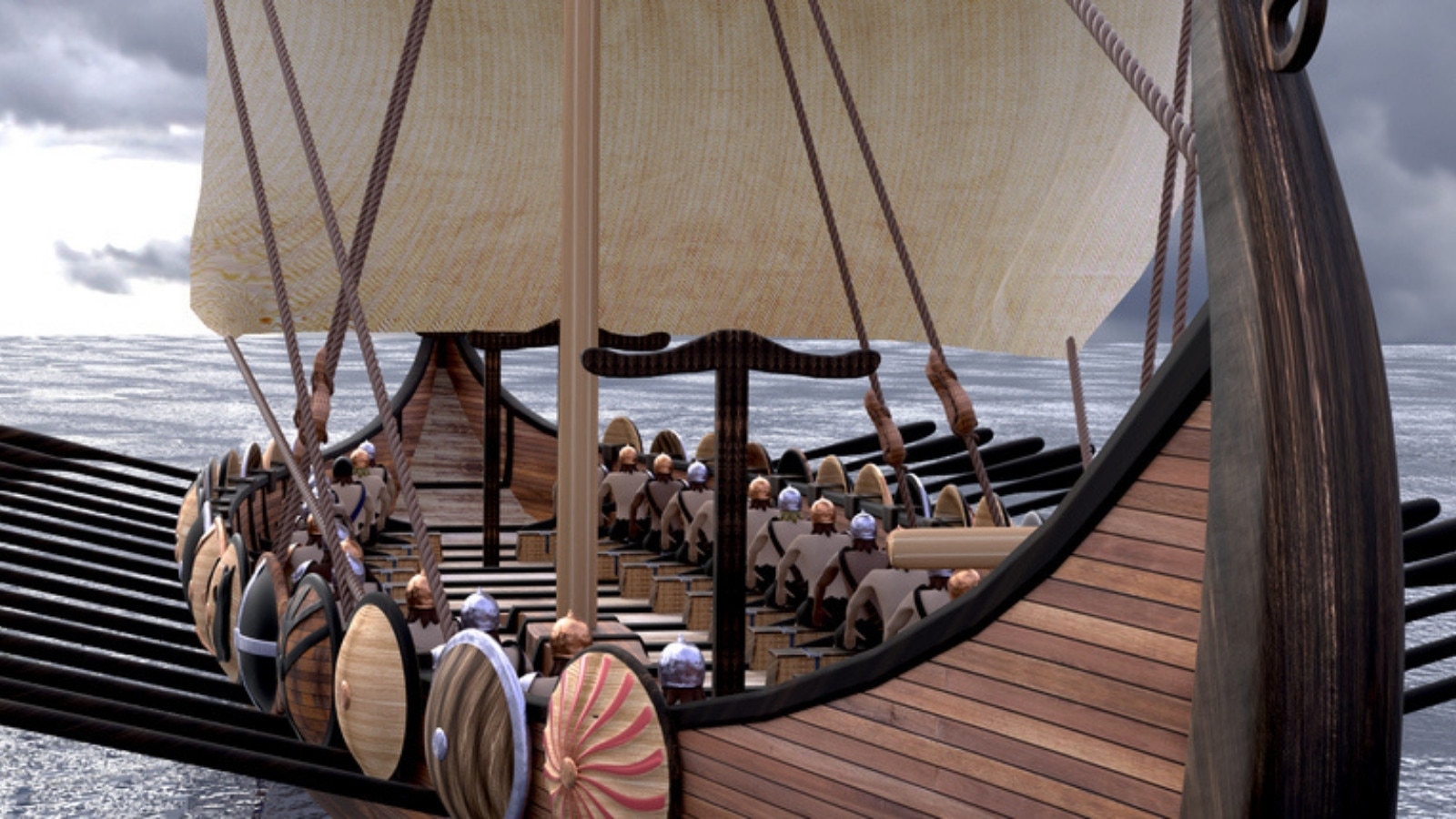
The article "Leif Erikson: The Viking Who Sailed to America" from BBC's HistoryExtra explores the Norse explorer’s journey across the Atlantic nearly 500 years before Columbus.

The article "Lost Nile River Branch May Explain How the Great Pyramids Were Built" from BBC's Science Focus showcases how archaeologists found a long-lost river under the desert, which might have helped the Egyptians move giant stones to build the pyramids. This discovery highlights the importance of the Nile and how environmental changes shaped history.

The article "Legendary Cowboys and Gunslingers Who Defined the Wild West" from BBC's HistoryExtra highlights the lives of 13 influential figures of the Old West, from notorious outlaws like Jesse James and Billy the Kid to celebrated lawmen like Wyatt Earp and Wild Bill Hickok. These individuals shaped the history of the American frontier through their daring adventures, law enforcement, and infamous acts, becoming icons that continue to capture the imagination of the modern world.
The article "7 Surprising Facts We Now Know About Neanderthals" from BBC's HistoryExtra is a fascinating look at the evolution and legacy of Neanderthals. Archaeologist Rebecca Wragg Sykes explains how these ancient humans were intelligent, adaptable, and left a genetic mark on billions of people today. The piece debunks old myths and highlights seven groundbreaking facts about Neanderthal life and culture.
The article "Leif Erikson: The Viking Who Sailed to America" from BBC's HistoryExtra explores the Norse explorer’s journey across the Atlantic nearly 500 years before Columbus.
The article "Lost Nile River Branch May Explain How the Great Pyramids Were Built" from BBC's Science Focus showcases how archaeologists found a long-lost river under the desert, which might have helped the Egyptians move giant stones to build the pyramids. This discovery highlights the importance of the Nile and how environmental changes shaped history.
The article "Legendary Cowboys and Gunslingers Who Defined the Wild West" from BBC's HistoryExtra highlights the lives of 13 influential figures of the Old West, from notorious outlaws like Jesse James and Billy the Kid to celebrated lawmen like Wyatt Earp and Wild Bill Hickok. These individuals shaped the history of the American frontier through their daring adventures, law enforcement, and infamous acts, becoming icons that continue to capture the imagination of the modern world.