
Gene Editing Breakthrough Gives Teens a New Life
Most of us don’t think much about our blood until we get a paper cut or a scraped knee. 16-year-old Vianne has had to think about hers for most of her life. She has thalassemia, a serious blood disorder. Her body couldn’t make enough healthy hemoglobin, the protein in red blood cells that carries oxygen around the body. She needed blood transfusions every month, and she was often exhausted.
Then she received a new gene-editing treatment.
First, doctors collected some of her stem cells. These are cells that haven’t yet become a particular type, so they can copy themselves and turn into other kinds of cells. In a laboratory, scientists edited the cells’ DNA so they would make more fetal hemoglobin, the kind babies make before they’re born. This extra hemoglobin makes up for the faulty kind that causes thalassemia. Months later, the edited cells were put back into Vianne’s body.
Doctors call the result a “functional cure.” Vianne still has the genetic condition, but its main symptoms have eased so much that she no longer needs transfusions. That means fewer hospital visits and much more energy.
The same treatment is also being used for sickle cell disease. 14-year-old Joel is just starting the process. It isn’t easy: patients need chemotherapy first, to clear space in their bone marrow for the edited cells. But Vianne says it was worth it.
Take the Challenge

More News Stories
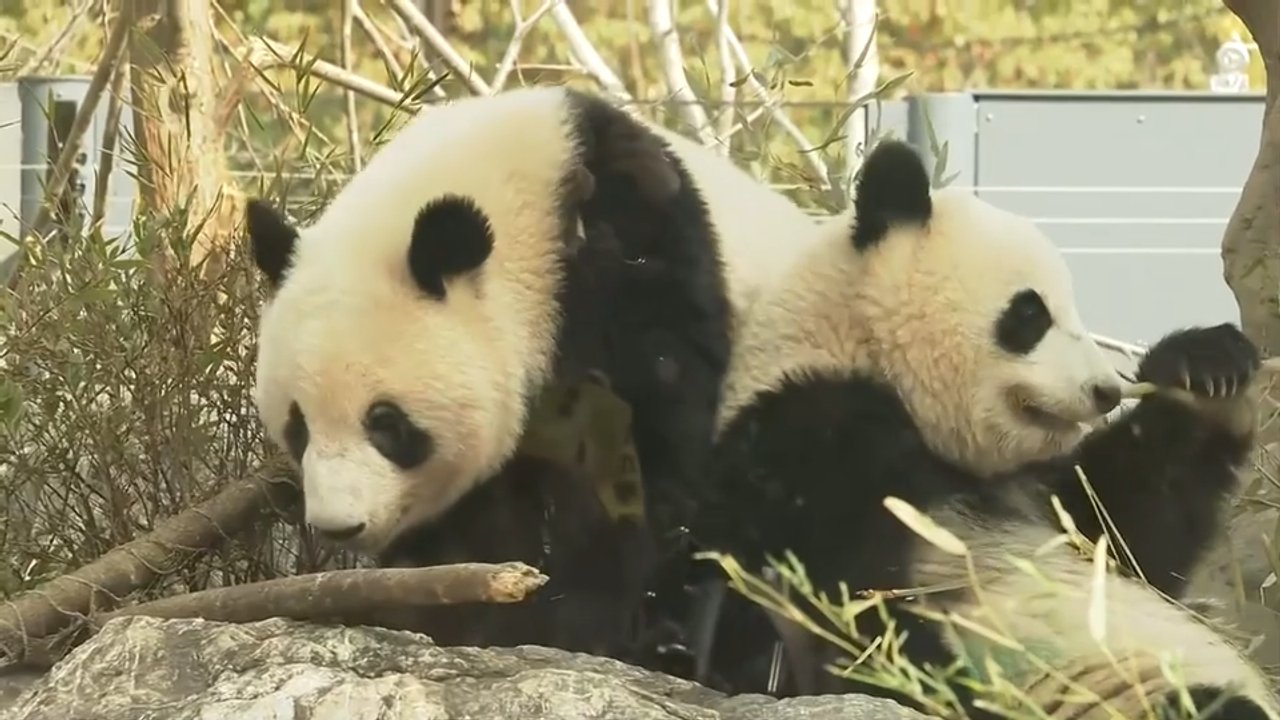
At the start of 2026, Tokyo’s Ueno Zoo said goodbye to two of its most famous residents: twin giant pandas Xiao Xiao and Lei Lei.
The twins were born at the zoo in 2021 and quickly became stars. In their final weeks in Japan, so many families wanted to see them that visitors were picked by lottery.
The pandas were always meant to go back to China. China doesn’t sell or give away its giant pandas. It lends them to other countries, and the loans often depend on how well the two governments get along. This is known as “panda diplomacy.”
The twins left at a tense moment. Relations between China and Japan worsened after Japan’s new prime minister made comments about Taiwan, an island that governs itself but that China claims as part of its territory.
Now, for the first time since 1972, Japan has no giant pandas. That date matters. 1972 was the year Japan and China restored official relations, and China marked it by sending Japan its first pair of pandas. Japan would like more pandas, but officials say a new loan looks unlikely for now.
So the pandas are home in China, and Japan is waiting for a reply.

Last month, the electric car company Tesla showed off a stunt that looked like something from a science-fiction film. At a rocket test site in Texas, its new Roadster sports car drove up a curved ramp, launched into the air using rocket-style thrusters, and stayed up for a few seconds before landing.
Tesla’s boss, Elon Musk, said the car used tanks of high-pressure air and thrusters built with technology from SpaceX, his rocket company. When a thruster releases a blast of air, it pushes the car in the opposite direction.
The flight was impressive, but experts had one big question: Why? Compressed air can’t store much energy, so the car can only stay airborne for a very short time.
There were other catches, too. Nobody was inside the car during the demonstration. Musk said that was to make sure no one got hurt. The flying version also isn’t approved for public roads.
The test shows the difference between proving something can be done and proving it’s useful, efficient, safe, and ready for everyday life.
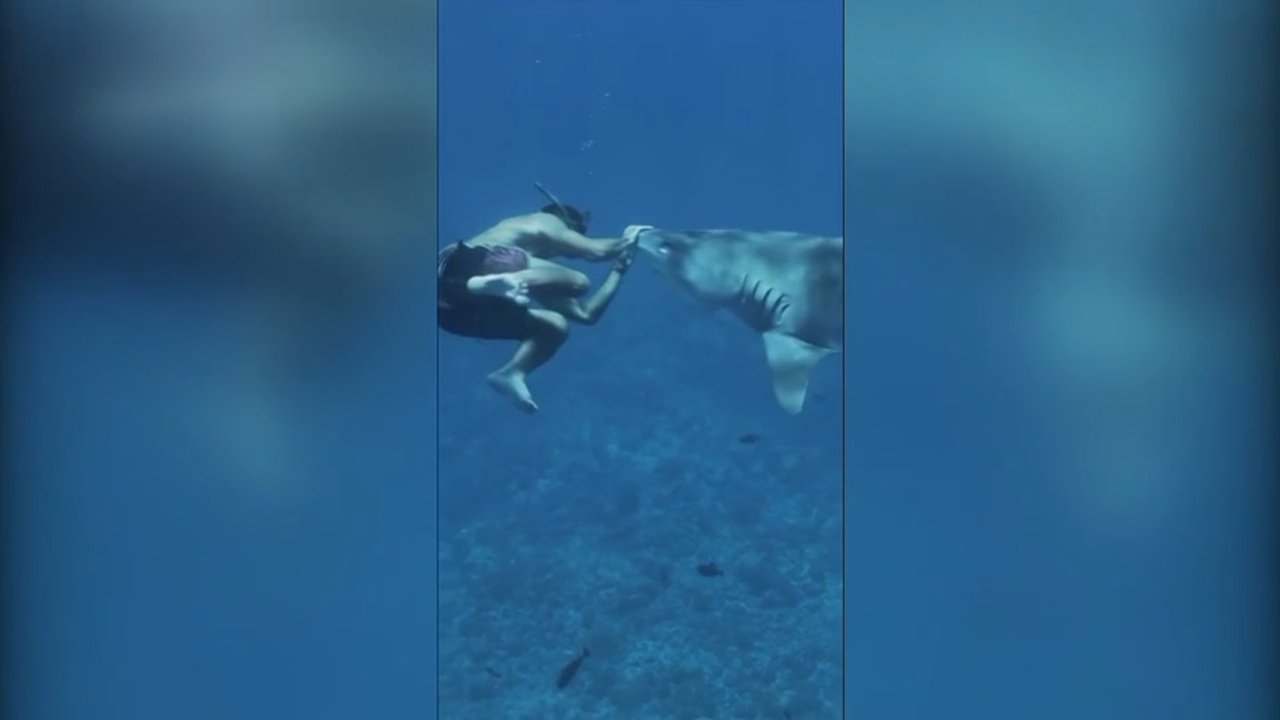
If someone at the beach shouts “Shark!”, you swim away, right? Not everyone does. Videos of people swimming with sharks, touching them, and even hugging them are becoming more popular online. Scientists warn that chasing the perfect shot is risky for the person, and for the shark.
Some shark species are fairly calm, but they’re still wild animals, and they can still bite. Researchers who track shark bites around the world say they’ve seen more people bitten while trying to film or photograph sharks.
The sharks can be harmed, too. Studies show that getting close to a shark or touching it raises its levels of stress hormones. Too much stress can weaken a shark’s immune system, make it more likely to die, and even cause pregnant sharks to lose their young.
To be clear, shark bites are still rare. There are only about 70 recorded each year worldwide. But scientists have simple advice for keeping people and sharks safe: admire sharks from a distance.
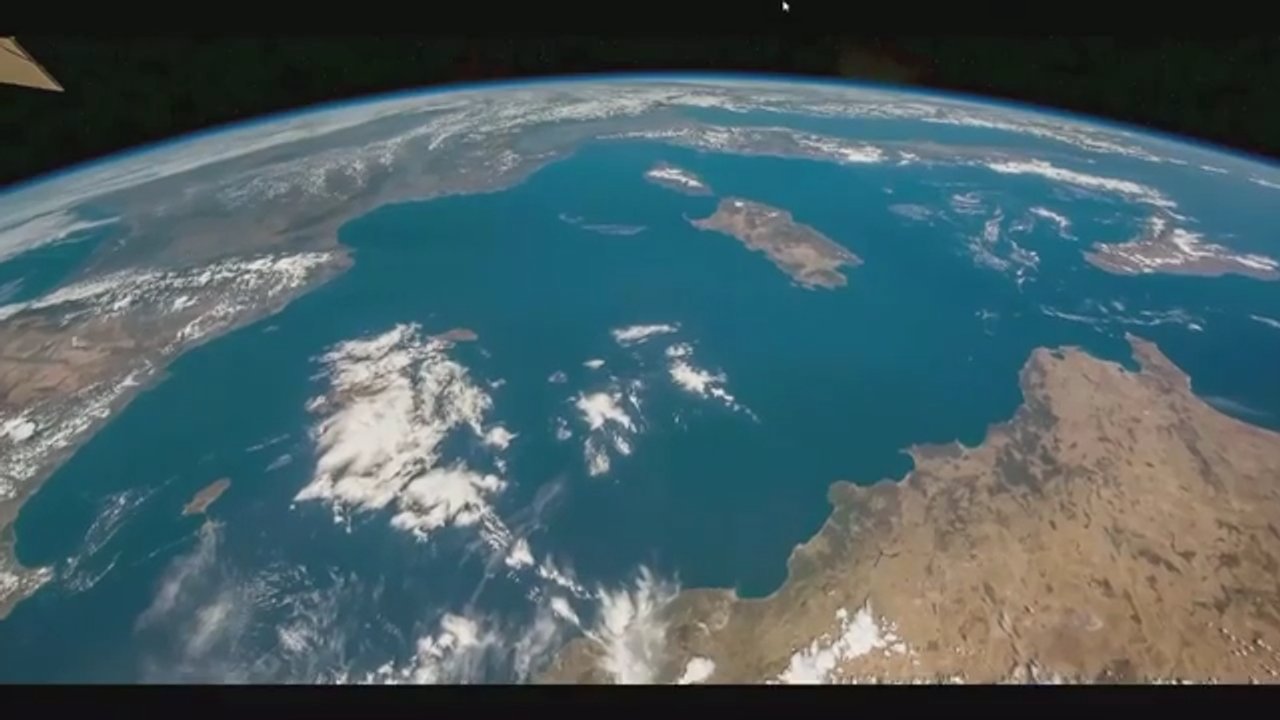
Ring ring! “Hello? Outer space on the line.”
Students at Wick High School in the far north of Scotland recently had a conversation they won’t forget. They spoke directly to an astronaut on the International Space Station, which orbits about 400 kilometers (250 miles) above Earth.
They didn’t have to shout. As the space station passed overhead, the students used an amateur radio to make contact with Joshua Kutryk, an astronaut from Canada. Their school is thought to be the most northerly in the UK ever to reach the space station this way.
The space station travels so fast that the students had only about 10 minutes before it moved out of range. They used every second. One student asked what movies always get wrong about space. Kutryk’s answer: Everything is harder than it looks, even brushing your teeth. Another asked about space food. He said it tastes different up there, even his coffee.
That’s a lot to fit into one short phone call!
At the start of 2026, Tokyo’s Ueno Zoo said goodbye to two of its most famous residents: twin giant pandas Xiao Xiao and Lei Lei.
The twins were born at the zoo in 2021 and quickly became stars. In their final weeks in Japan, so many families wanted to see them that visitors were picked by lottery.
The pandas were always meant to go back to China. China doesn’t sell or give away its giant pandas. It lends them to other countries, and the loans often depend on how well the two governments get along. This is known as “panda diplomacy.”
The twins left at a tense moment. Relations between China and Japan worsened after Japan’s new prime minister made comments about Taiwan, an island that governs itself but that China claims as part of its territory.
Now, for the first time since 1972, Japan has no giant pandas. That date matters. 1972 was the year Japan and China restored official relations, and China marked it by sending Japan its first pair of pandas. Japan would like more pandas, but officials say a new loan looks unlikely for now.
So the pandas are home in China, and Japan is waiting for a reply.
Last month, the electric car company Tesla showed off a stunt that looked like something from a science-fiction film. At a rocket test site in Texas, its new Roadster sports car drove up a curved ramp, launched into the air using rocket-style thrusters, and stayed up for a few seconds before landing.
Tesla’s boss, Elon Musk, said the car used tanks of high-pressure air and thrusters built with technology from SpaceX, his rocket company. When a thruster releases a blast of air, it pushes the car in the opposite direction.
The flight was impressive, but experts had one big question: Why? Compressed air can’t store much energy, so the car can only stay airborne for a very short time.
There were other catches, too. Nobody was inside the car during the demonstration. Musk said that was to make sure no one got hurt. The flying version also isn’t approved for public roads.
The test shows the difference between proving something can be done and proving it’s useful, efficient, safe, and ready for everyday life.
If someone at the beach shouts “Shark!”, you swim away, right? Not everyone does. Videos of people swimming with sharks, touching them, and even hugging them are becoming more popular online. Scientists warn that chasing the perfect shot is risky for the person, and for the shark.
Some shark species are fairly calm, but they’re still wild animals, and they can still bite. Researchers who track shark bites around the world say they’ve seen more people bitten while trying to film or photograph sharks.
The sharks can be harmed, too. Studies show that getting close to a shark or touching it raises its levels of stress hormones. Too much stress can weaken a shark’s immune system, make it more likely to die, and even cause pregnant sharks to lose their young.
To be clear, shark bites are still rare. There are only about 70 recorded each year worldwide. But scientists have simple advice for keeping people and sharks safe: admire sharks from a distance.
Ring ring! “Hello? Outer space on the line.”
Students at Wick High School in the far north of Scotland recently had a conversation they won’t forget. They spoke directly to an astronaut on the International Space Station, which orbits about 400 kilometers (250 miles) above Earth.
They didn’t have to shout. As the space station passed overhead, the students used an amateur radio to make contact with Joshua Kutryk, an astronaut from Canada. Their school is thought to be the most northerly in the UK ever to reach the space station this way.
The space station travels so fast that the students had only about 10 minutes before it moved out of range. They used every second. One student asked what movies always get wrong about space. Kutryk’s answer: Everything is harder than it looks, even brushing your teeth. Another asked about space food. He said it tastes different up there, even his coffee.
That’s a lot to fit into one short phone call!