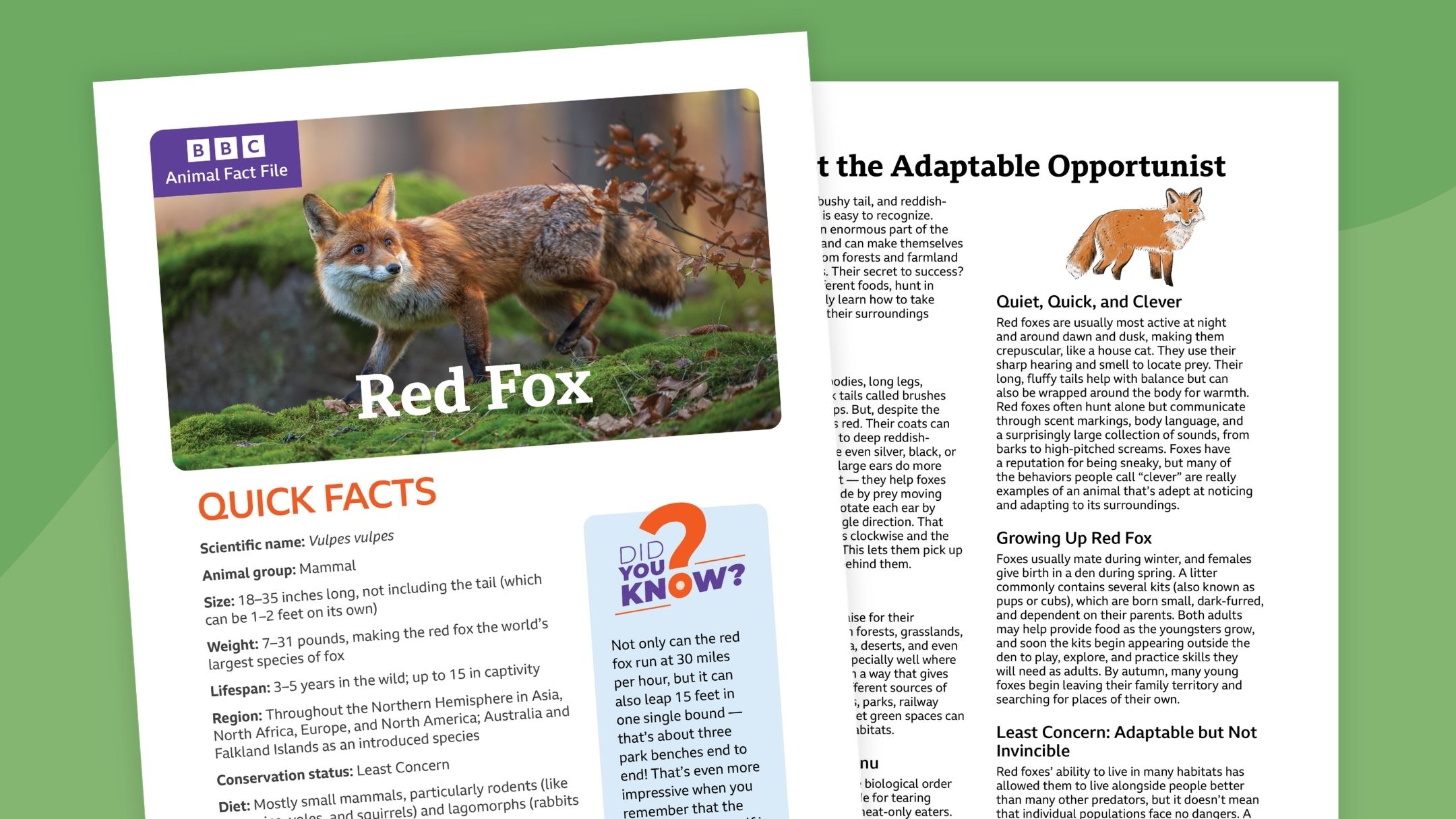
What animal can run 30 miles per hour, leap 15 feet in a single bound, and make itself at home in forests, deserts, farmland, and even cities?
Red foxes are masters of adapting to their surroundings. Explore how their sharp senses, flexible diet, and varied hunting strategies help them find food and survive in habitats all over the world. You'll also discover how foxes communicate, raise their young, and navigate life alongside people — and why being adaptable doesn't make them invincible.
Teachers and parents, you can use this fact file to:
- Introduce an animal, wildlife, or life science unit
- Support nonfiction reading and vocabulary practice
- Explore animal adaptations, behaviors, and habitats
- Compare animals and the ecosystems they live in
- Practice finding and organizing information from nonfiction texts
- Prepare students for animal research projects or presentations (use our animal report templates!)
- Connect science learning to conservation and environmental issues
- Pair with videos, articles, or other informational texts (see Related Resources below)
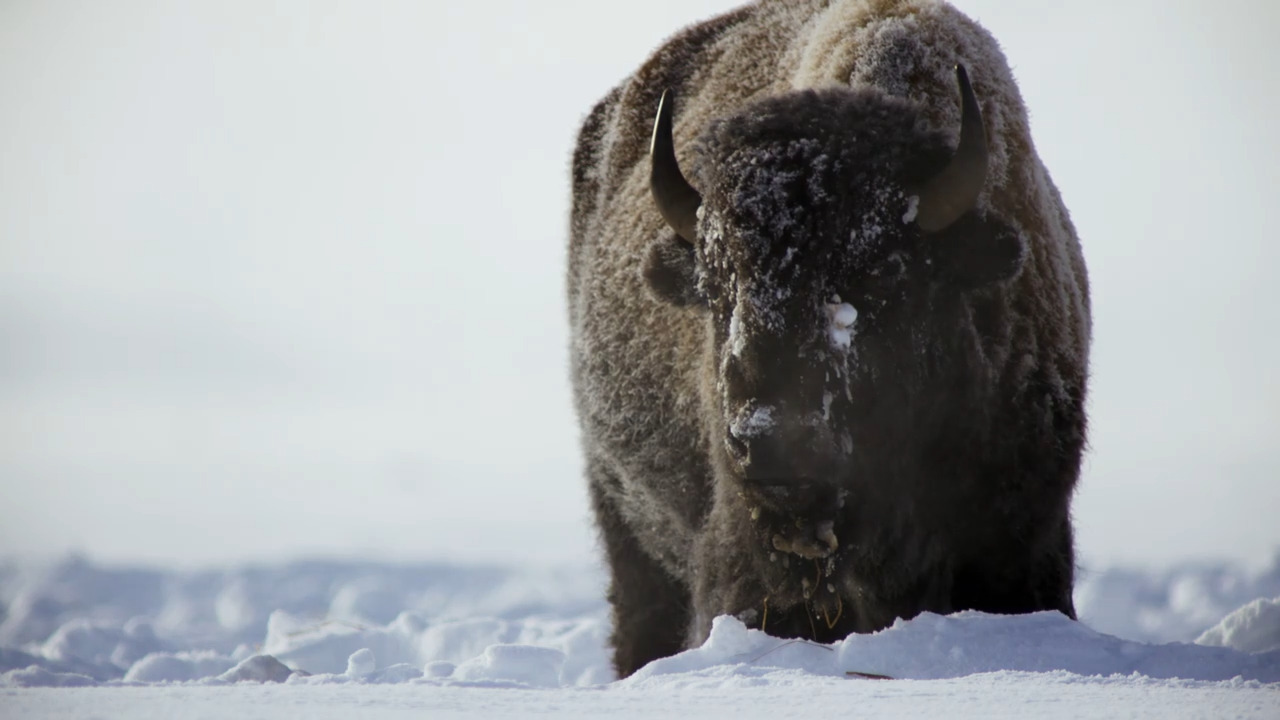
In Bison and Foxes Battle the Cold, narrator Sir David Attenborough takes us through the harsh conditions of the North American prairies, where bison use their strength to uncover food buried beneath the snow, and foxes rely on skill and precision to hunt for meals. This video is excerpted from BBC’s Planet Earth II, a breathtaking documentary series that highlights the natural wonders of our planet.
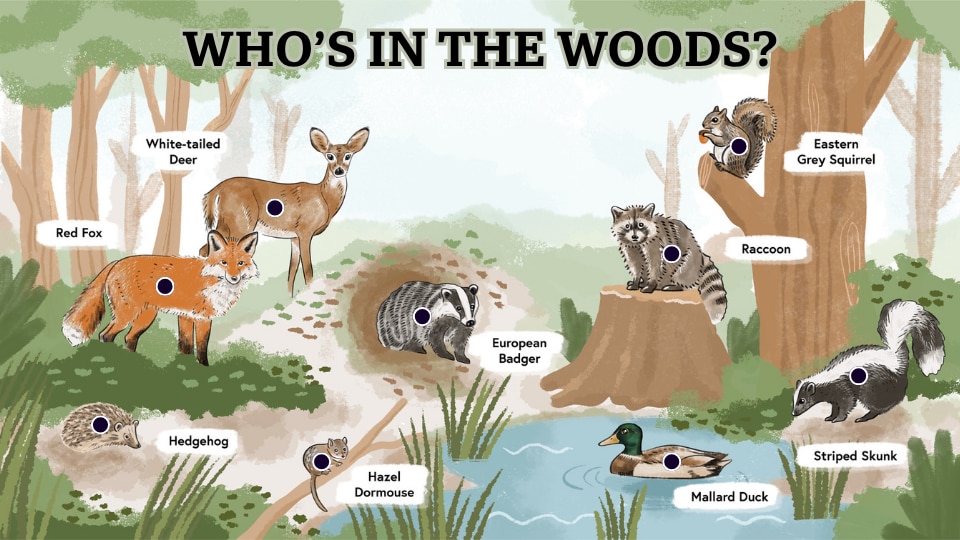
Meet nine wild animals that live in forests, parks, gardens, and neighborhoods: the red fox, white-tailed deer, mallard duck, striped skunk, eastern grey squirrel, raccoon, European badger, hedgehog, and hazel dormouse.
Click on each animal's picture to watch a short video, then click on its name for a fact about what makes it unusual, from its senses and behavior to the ways it has adapted to survive.
Some of these animals may live near you, while others are much harder to spot. Along the way, you'll learn how each one finds food, raises its young, avoids predators, and makes use of the habitat around it.
For Teachers and Parents:
Woodland Animals works well as an introduction to habitats and adaptations or as a self-guided activity for students working on their own or in pairs. Here are a few ways to use it:
- Before exploring: Ask students which of the nine animals they've seen in real life and where. It's a quick way to connect the lesson to their own surroundings.
- While exploring: Have students record one adaptation for each animal, such as a special sense, body feature, or behavior, and how it helps the animal survive.
- After exploring: Ask students to sort the animals by what they eat, when they're active, or how they avoid predators. They can then compare animals that share a habitat but survive in different ways.
- Extension: Some of these animals live in North America, some in Europe, and some in both. Students can research which ones live in their region and why others don't.
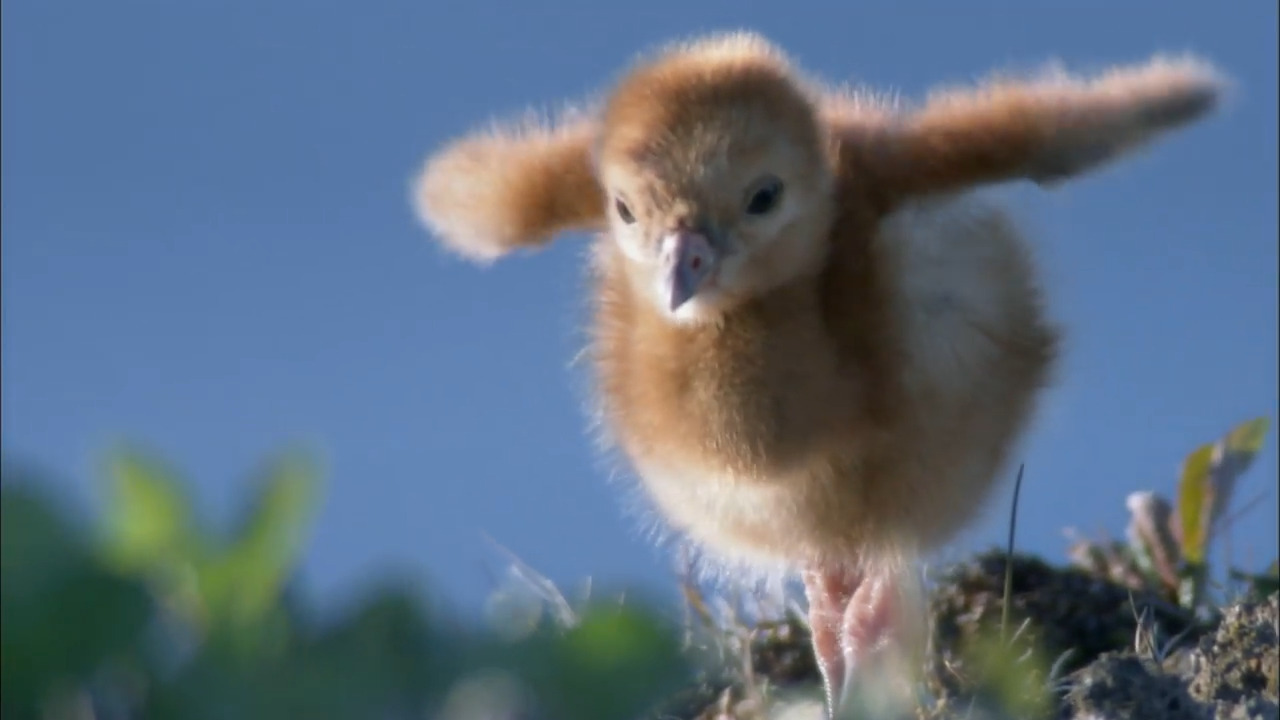
In The Arctic Summer Is Full of Endless Light and Abundant Life, narrator Sir David Attenborough showcases the Arctic at the peak of summer when continuous daylight transforms the tundra into a temporary haven for wildlife. Migratory birds, such as sandhill cranes, return from distant locations like New Mexico to take advantage of the abundant food supply and raise their young. Arctic foxes, now with plentiful food sources, can finally support their families. However, nesting birds must remain vigilant, as Arctic skuas aggressively defend their territories against intruders, even large mammals like reindeer. This video is excerpted from BBC’s Planet Earth, a breathtaking documentary series that highlights the natural wonders of our planet.
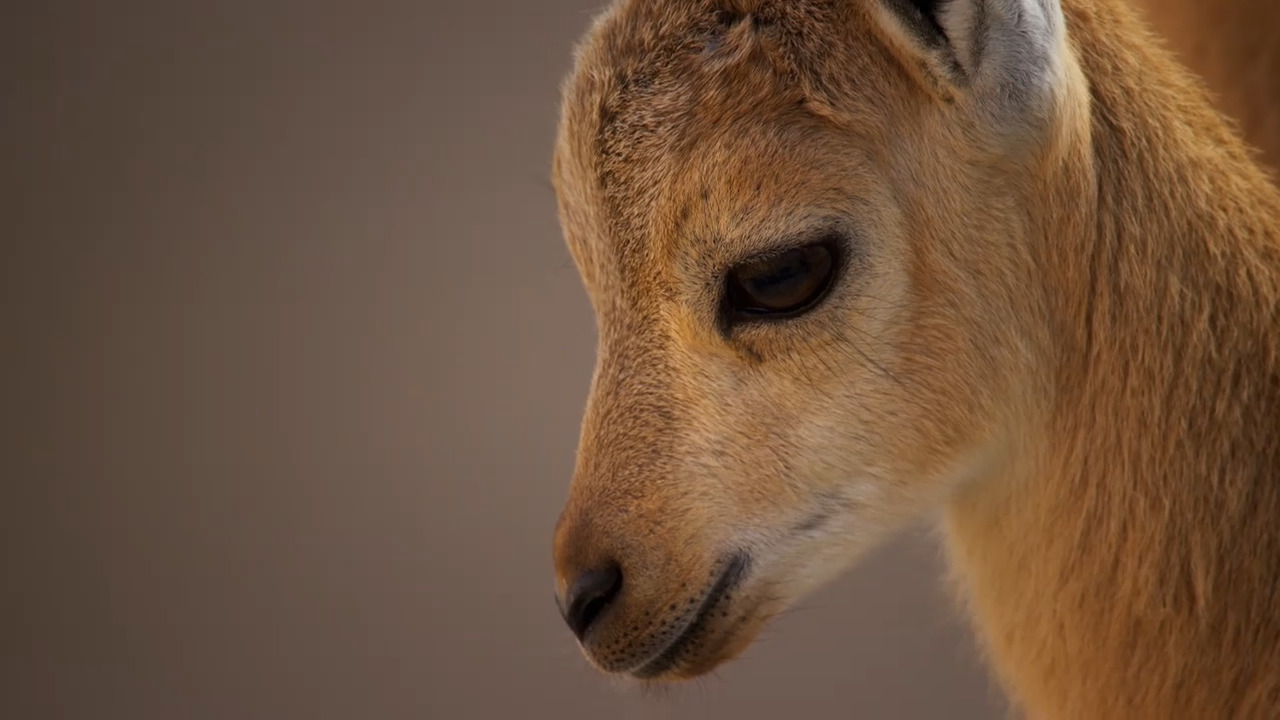
In Ibex Mountaineers, narrator Sir David Attenborough presents the survival behaviors of the Nubian ibex in the harsh environment of the Arabian Peninsula. Watch the ibex’s interactions with predators, including the fox, and the challenges of survival in such a tough landscape. This video is excerpted from BBC’s Planet Earth II, a breathtaking documentary series that highlights the natural wonders of our planet.
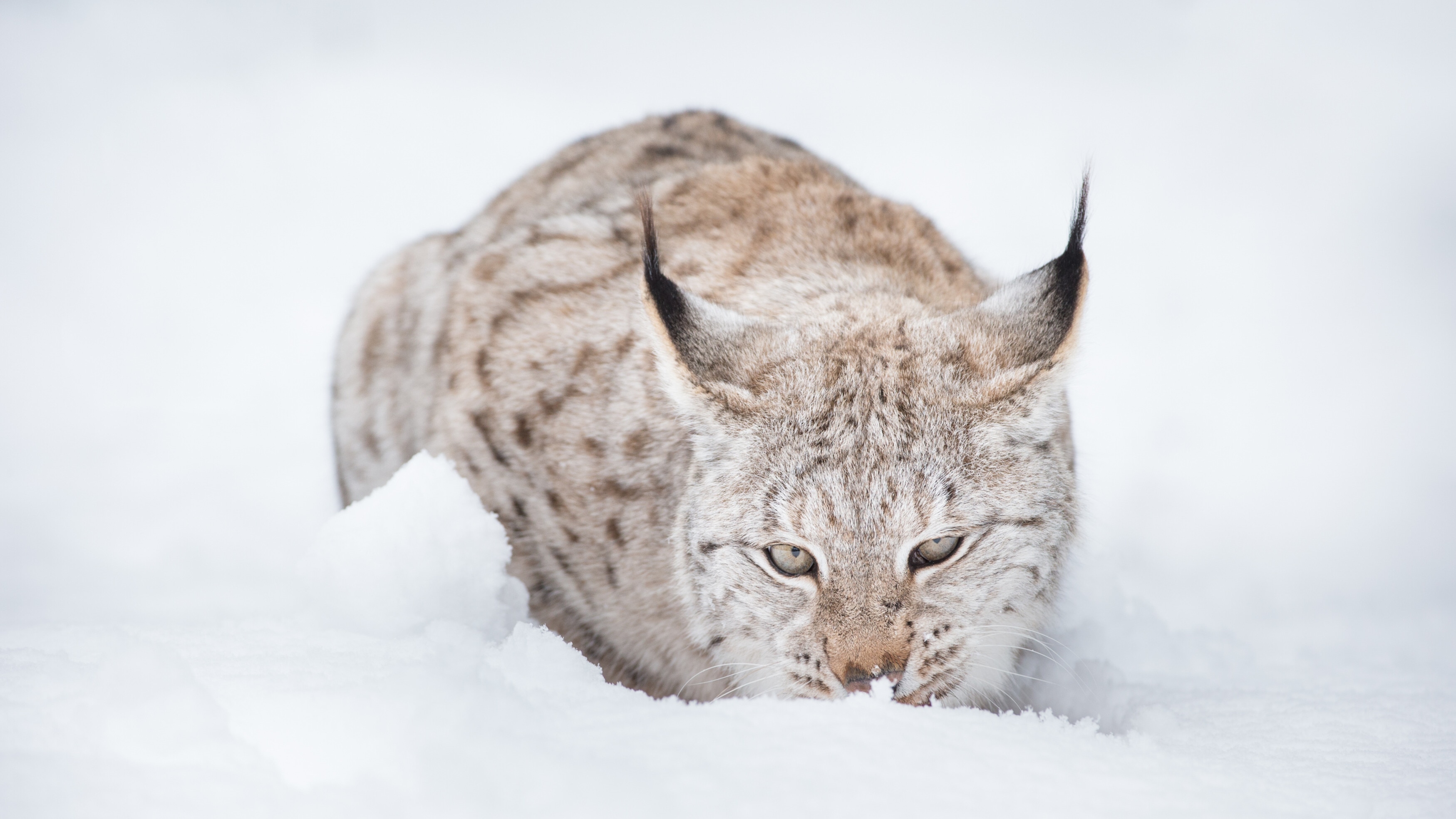
Brave the chill and meet the coolest creatures on Earth! This playlist of 11 frosty video clips from BBC landmark shows like Frozen Planet and Planet Earth explores how animals survive some of the coldest places on the planet. Students will learn about adaptations, seasonal behaviors, and the survival strategies that help bison, foxes, seals, grizzlies, snow monkeys, polar bears, lynx, and more thrive in freezing climates.
They’ll discover how winter weather shapes each animal’s daily life; how they find food, conserve energy, protect themselves from predators; and why these icy habitats play a vital role in Earth’s systems.
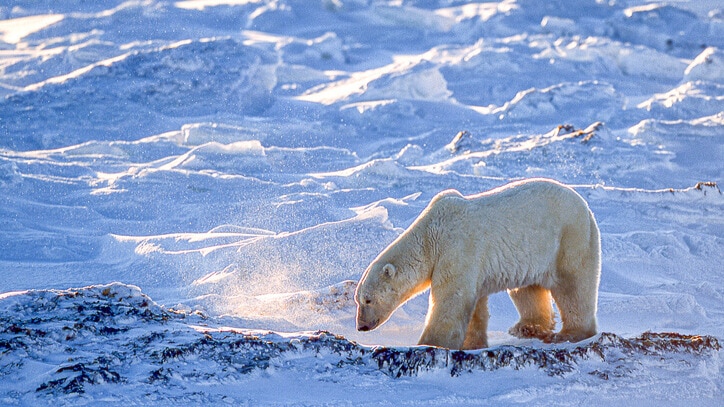
Dive into the incredible world in Arctic with this thrilling BBC Learning Hub playlist! Discover how polar bears, musk oxen, and belugas survive in icy worlds, learn about changing seasons, and see how wildlife and ecosystems adapt to extreme environments and modern challenges.
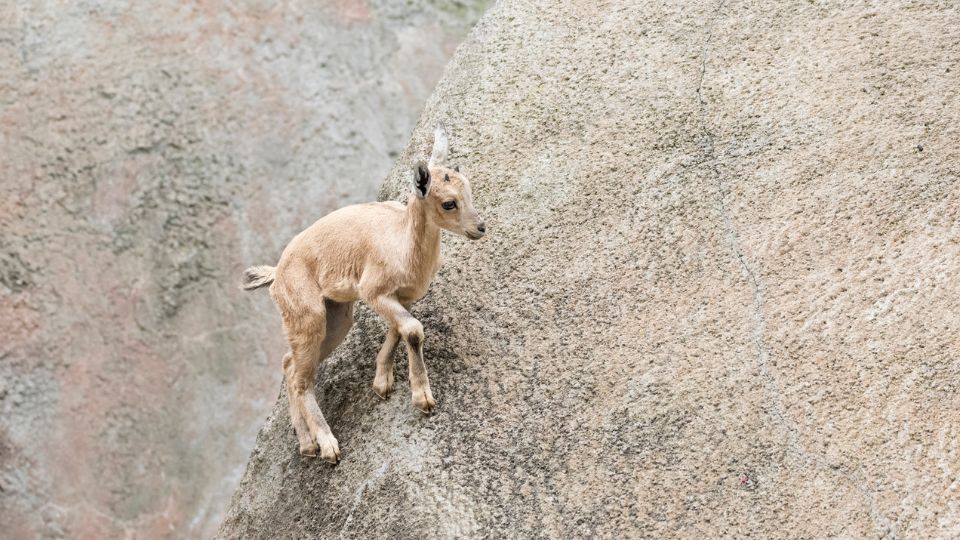
Meet these incredible climbers! First watch Ibex Mountaineers, a short clip from the award-winning BBC series Planet Earth. Sir David Attenborough takes you up into the steep mountains of the Arabian Peninsula where Nubian ibex face predators. Will the nimble babies outfox the fox?
Once your students have watched the video, invite them to check for understanding with this quick, 8-question quiz!
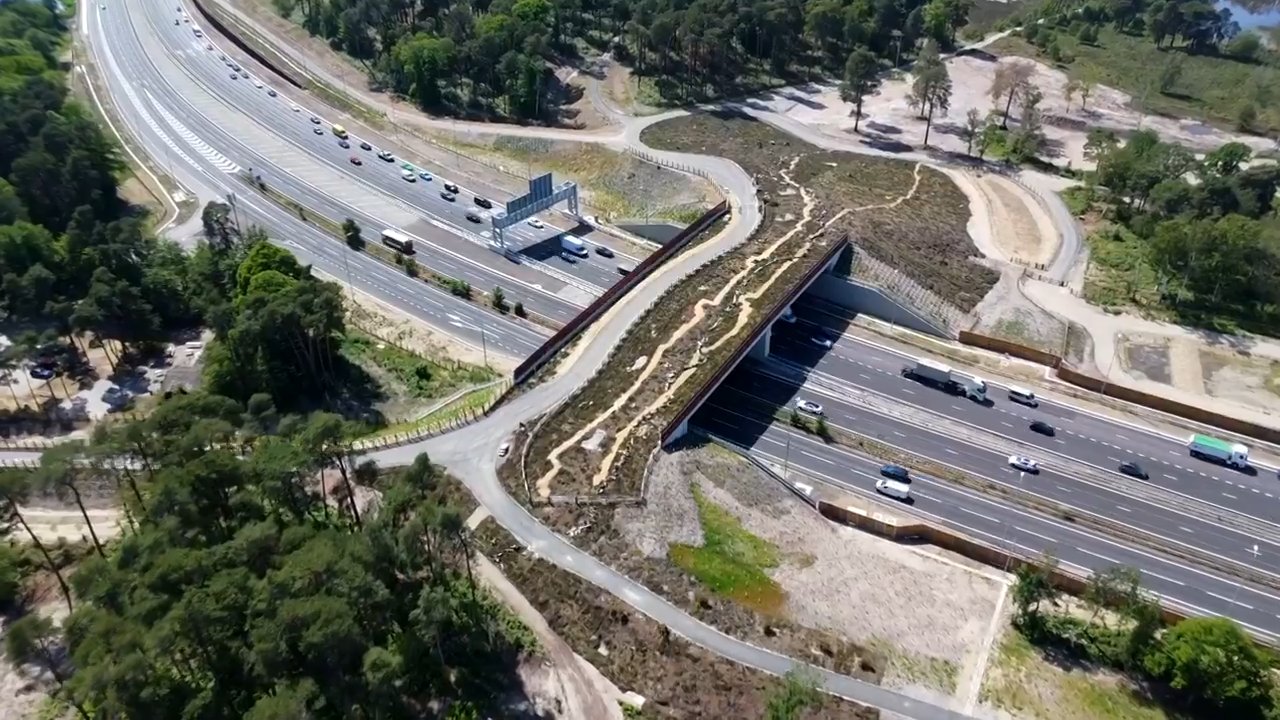
Why did the various wildlife species cross the road? To test the new heathland bridge!
It may look like a bridge that’s just unfinished, but the dirt and grass butting up against the pavement is very intentional.
This heathland bridge separating two commons is the first of its kind to include a network of natural routes that encourage species to reunite for the first time in over 40 years. Man, we would not remember ANYONE’S names! The bridge is home to mosses and vegetative grounds, as well as sand that could be a habitat to species like sand lizards, adders, foxes, deer, and bugs. Lots of bugs.
The bridge connects the heathland on either side, which the Wildlife Trusts are working to restore, so the aim of the bridge is to let wildlife move from side to side, building up the population and their resilience. But, it wasn’t as simple as leaving the bridge half-paved. Crews had to create the heathland by distributing acidic sand before adding areas of ground taken directly from larger heathland sites.
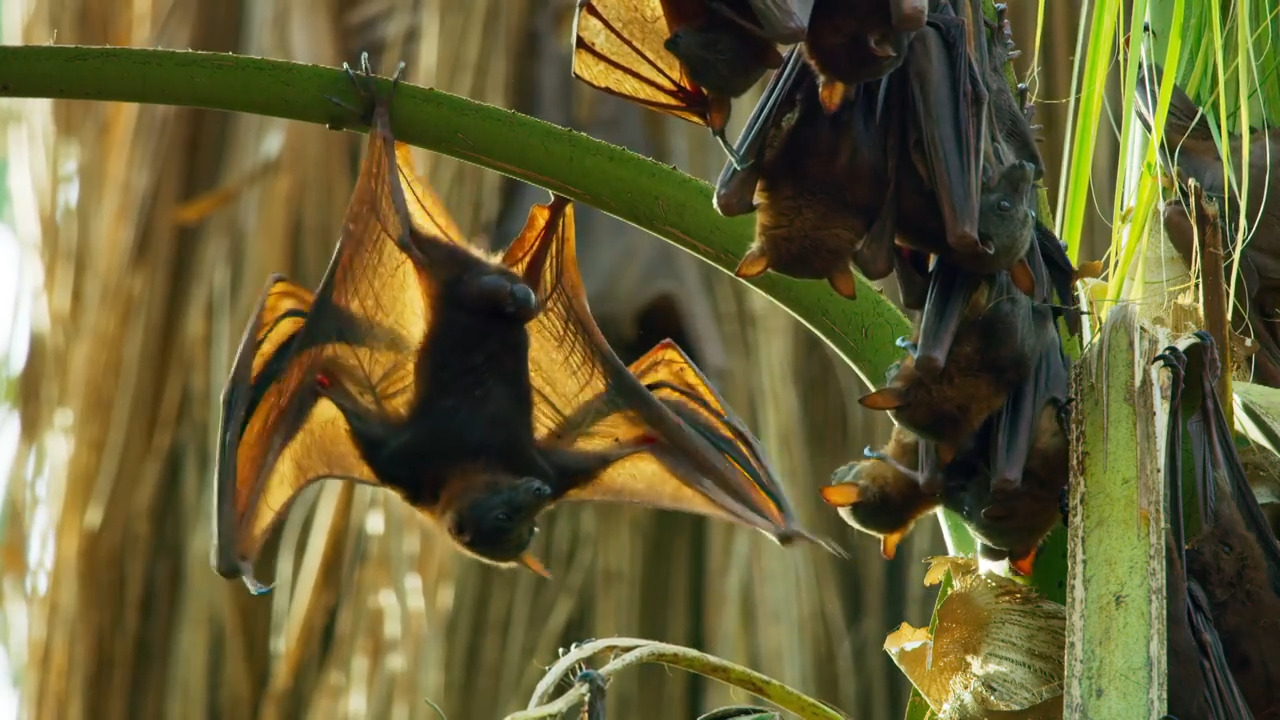
In All About Australian Animals, narrator Sir David Attenborough reveals how the animals living on Australia as it broke away from Gondwanaland have evolved in isolation from the rest of the world. Red flying foxes are newer residents who flew along the chain of volcanic islands linking Asia and Australia. This video is excerpted from BBC’s Seven Worlds, One Planet, a series featuring remarkable animal behavior from all seven continents.
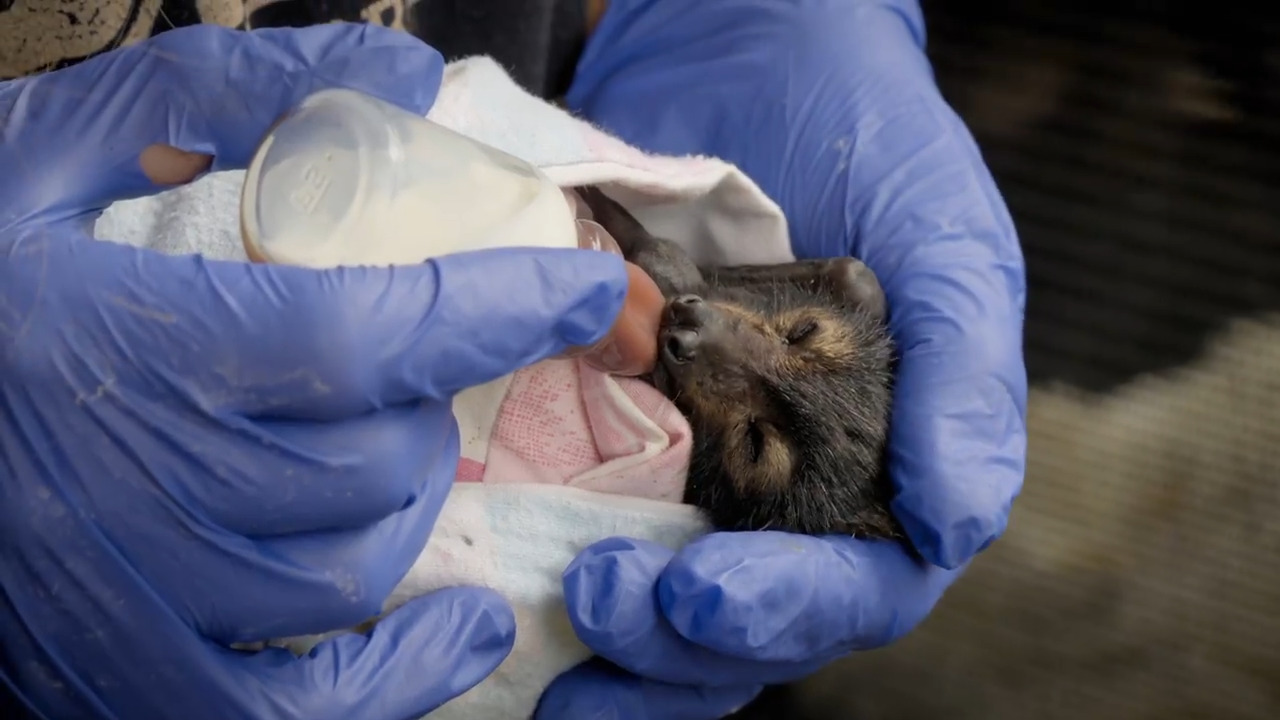
In Climate Change and Its Effect on Species, discover the devastating impact of extreme heat in Australia on flying foxes. Thousands of these creatures died as a result of the intense heat waves caused by climate change. This phenomenon is a stark reminder of how rising temperatures are putting many species at risk of extinction. This video is excerpted from BBC’s Climate Change - The Facts, a documentary that delves into the science of climate change and its far-reaching consequences.
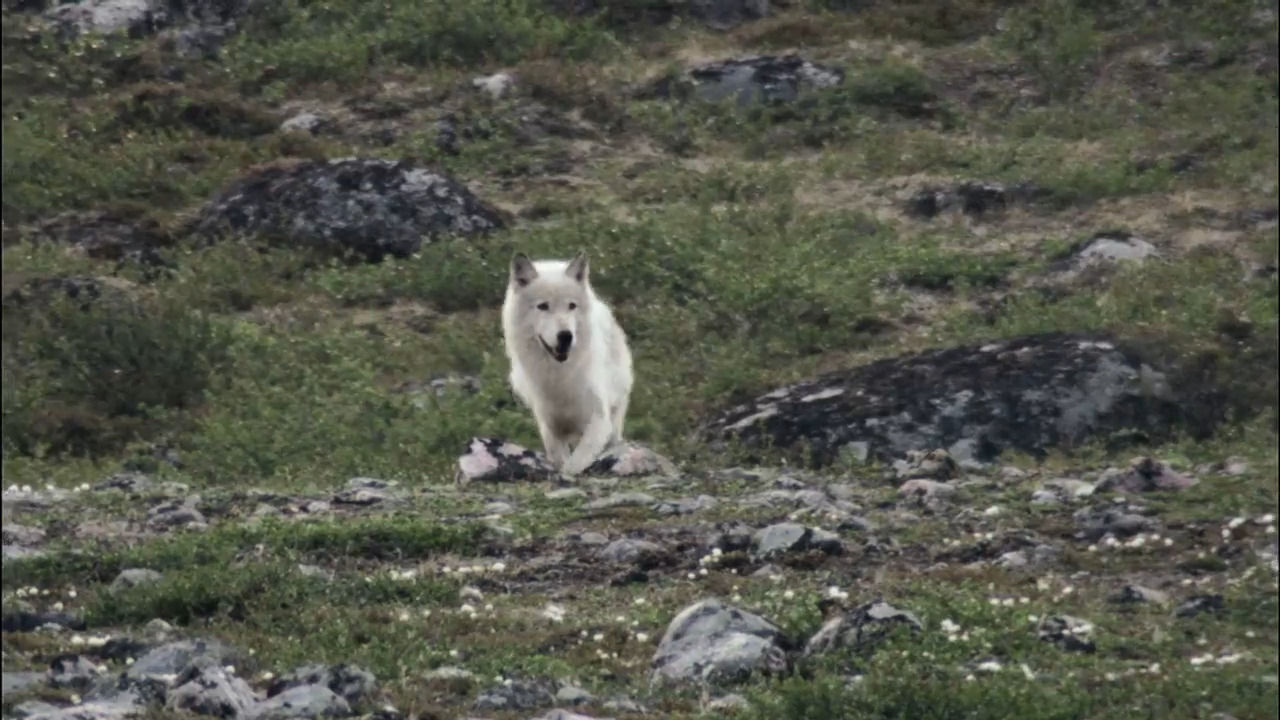
In Predators and Prey in the Arctic, narrator Sir David Attenborough explores snow geese, who gather in numbers to protect themselves and their eggs from Arctic foxes. Watch as an Arctic fox stashes eggs, and wolves hunt for caribou. This video is excerpted from BBC's Planet Earth, a breathtaking documentary series that highlights the natural wonders of our planet.
What animal can run 30 miles per hour, leap 15 feet in a single bound, and make itself at home in forests, deserts, farmland, and even cities?
Red foxes are masters of adapting to their surroundings. Explore how their sharp senses, flexible diet, and varied hunting strategies help them find food and survive in habitats all over the world. You'll also discover how foxes communicate, raise their young, and navigate life alongside people — and why being adaptable doesn't make them invincible.
Teachers and parents, you can use this fact file to:
- Introduce an animal, wildlife, or life science unit
- Support nonfiction reading and vocabulary practice
- Explore animal adaptations, behaviors, and habitats
- Compare animals and the ecosystems they live in
- Practice finding and organizing information from nonfiction texts
- Prepare students for animal research projects or presentations (use our animal report templates!)
- Connect science learning to conservation and environmental issues
- Pair with videos, articles, or other informational texts (see Related Resources below)
In Bison and Foxes Battle the Cold, narrator Sir David Attenborough takes us through the harsh conditions of the North American prairies, where bison use their strength to uncover food buried beneath the snow, and foxes rely on skill and precision to hunt for meals. This video is excerpted from BBC’s Planet Earth II, a breathtaking documentary series that highlights the natural wonders of our planet.
Meet nine wild animals that live in forests, parks, gardens, and neighborhoods: the red fox, white-tailed deer, mallard duck, striped skunk, eastern grey squirrel, raccoon, European badger, hedgehog, and hazel dormouse.
Click on each animal's picture to watch a short video, then click on its name for a fact about what makes it unusual, from its senses and behavior to the ways it has adapted to survive.
Some of these animals may live near you, while others are much harder to spot. Along the way, you'll learn how each one finds food, raises its young, avoids predators, and makes use of the habitat around it.
For Teachers and Parents:
Woodland Animals works well as an introduction to habitats and adaptations or as a self-guided activity for students working on their own or in pairs. Here are a few ways to use it:
- Before exploring: Ask students which of the nine animals they've seen in real life and where. It's a quick way to connect the lesson to their own surroundings.
- While exploring: Have students record one adaptation for each animal, such as a special sense, body feature, or behavior, and how it helps the animal survive.
- After exploring: Ask students to sort the animals by what they eat, when they're active, or how they avoid predators. They can then compare animals that share a habitat but survive in different ways.
- Extension: Some of these animals live in North America, some in Europe, and some in both. Students can research which ones live in their region and why others don't.
In The Arctic Summer Is Full of Endless Light and Abundant Life, narrator Sir David Attenborough showcases the Arctic at the peak of summer when continuous daylight transforms the tundra into a temporary haven for wildlife. Migratory birds, such as sandhill cranes, return from distant locations like New Mexico to take advantage of the abundant food supply and raise their young. Arctic foxes, now with plentiful food sources, can finally support their families. However, nesting birds must remain vigilant, as Arctic skuas aggressively defend their territories against intruders, even large mammals like reindeer. This video is excerpted from BBC’s Planet Earth, a breathtaking documentary series that highlights the natural wonders of our planet.
In Ibex Mountaineers, narrator Sir David Attenborough presents the survival behaviors of the Nubian ibex in the harsh environment of the Arabian Peninsula. Watch the ibex’s interactions with predators, including the fox, and the challenges of survival in such a tough landscape. This video is excerpted from BBC’s Planet Earth II, a breathtaking documentary series that highlights the natural wonders of our planet.
Brave the chill and meet the coolest creatures on Earth! This playlist of 11 frosty video clips from BBC landmark shows like Frozen Planet and Planet Earth explores how animals survive some of the coldest places on the planet. Students will learn about adaptations, seasonal behaviors, and the survival strategies that help bison, foxes, seals, grizzlies, snow monkeys, polar bears, lynx, and more thrive in freezing climates.
They’ll discover how winter weather shapes each animal’s daily life; how they find food, conserve energy, protect themselves from predators; and why these icy habitats play a vital role in Earth’s systems.
Dive into the incredible world in Arctic with this thrilling BBC Learning Hub playlist! Discover how polar bears, musk oxen, and belugas survive in icy worlds, learn about changing seasons, and see how wildlife and ecosystems adapt to extreme environments and modern challenges.
Meet these incredible climbers! First watch Ibex Mountaineers, a short clip from the award-winning BBC series Planet Earth. Sir David Attenborough takes you up into the steep mountains of the Arabian Peninsula where Nubian ibex face predators. Will the nimble babies outfox the fox?
Once your students have watched the video, invite them to check for understanding with this quick, 8-question quiz!
Why did the various wildlife species cross the road? To test the new heathland bridge!
It may look like a bridge that’s just unfinished, but the dirt and grass butting up against the pavement is very intentional.
This heathland bridge separating two commons is the first of its kind to include a network of natural routes that encourage species to reunite for the first time in over 40 years. Man, we would not remember ANYONE’S names! The bridge is home to mosses and vegetative grounds, as well as sand that could be a habitat to species like sand lizards, adders, foxes, deer, and bugs. Lots of bugs.
The bridge connects the heathland on either side, which the Wildlife Trusts are working to restore, so the aim of the bridge is to let wildlife move from side to side, building up the population and their resilience. But, it wasn’t as simple as leaving the bridge half-paved. Crews had to create the heathland by distributing acidic sand before adding areas of ground taken directly from larger heathland sites.
In All About Australian Animals, narrator Sir David Attenborough reveals how the animals living on Australia as it broke away from Gondwanaland have evolved in isolation from the rest of the world. Red flying foxes are newer residents who flew along the chain of volcanic islands linking Asia and Australia. This video is excerpted from BBC’s Seven Worlds, One Planet, a series featuring remarkable animal behavior from all seven continents.
In Climate Change and Its Effect on Species, discover the devastating impact of extreme heat in Australia on flying foxes. Thousands of these creatures died as a result of the intense heat waves caused by climate change. This phenomenon is a stark reminder of how rising temperatures are putting many species at risk of extinction. This video is excerpted from BBC’s Climate Change - The Facts, a documentary that delves into the science of climate change and its far-reaching consequences.
In Predators and Prey in the Arctic, narrator Sir David Attenborough explores snow geese, who gather in numbers to protect themselves and their eggs from Arctic foxes. Watch as an Arctic fox stashes eggs, and wolves hunt for caribou. This video is excerpted from BBC's Planet Earth, a breathtaking documentary series that highlights the natural wonders of our planet.