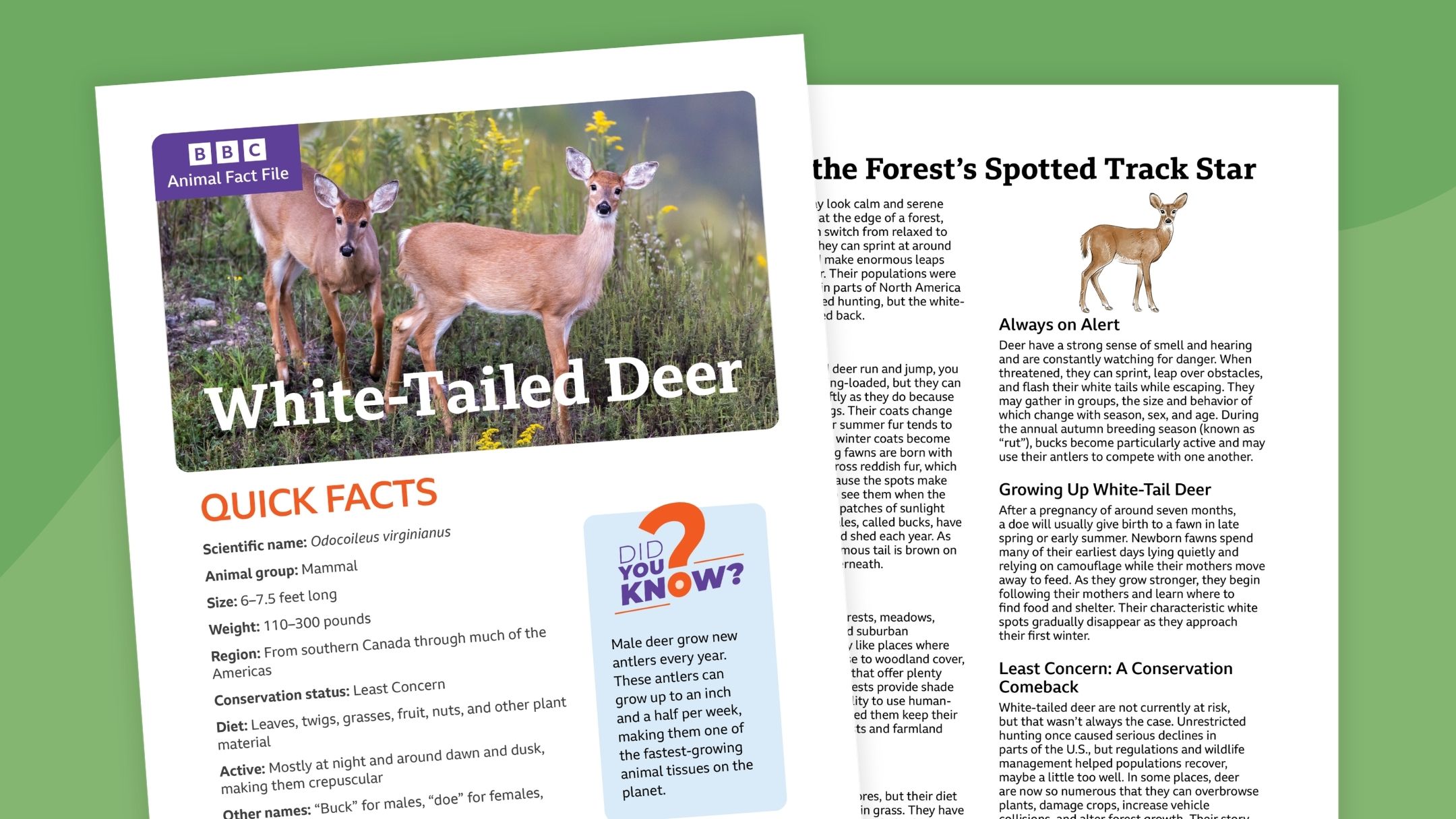
What animal can grow a brand-new set of antlers every year — and grow them faster than you might think?
White-tailed deer are built for life on the move. Explore how their powerful legs help them sprint and leap, how their senses keep them alert to danger, and how their bodies change with the seasons. You'll also discover what fawns do to stay safe, why bucks grow and shed their antlers, and how deer populations have changed over time.
Teachers and parents, you can use this fact file to:
- Introduce an animal, wildlife, or life science unit
- Support nonfiction reading and vocabulary practice
- Explore animal adaptations, behaviors, and habitats
- Compare animals and the ecosystems they live in
- Practice finding and organizing information from nonfiction texts
- Prepare students for animal research projects or presentations (use our animal report templates!)
- Connect science learning to conservation and environmental issues
- Pair with videos, articles, or other informational texts (see Related Resources below)
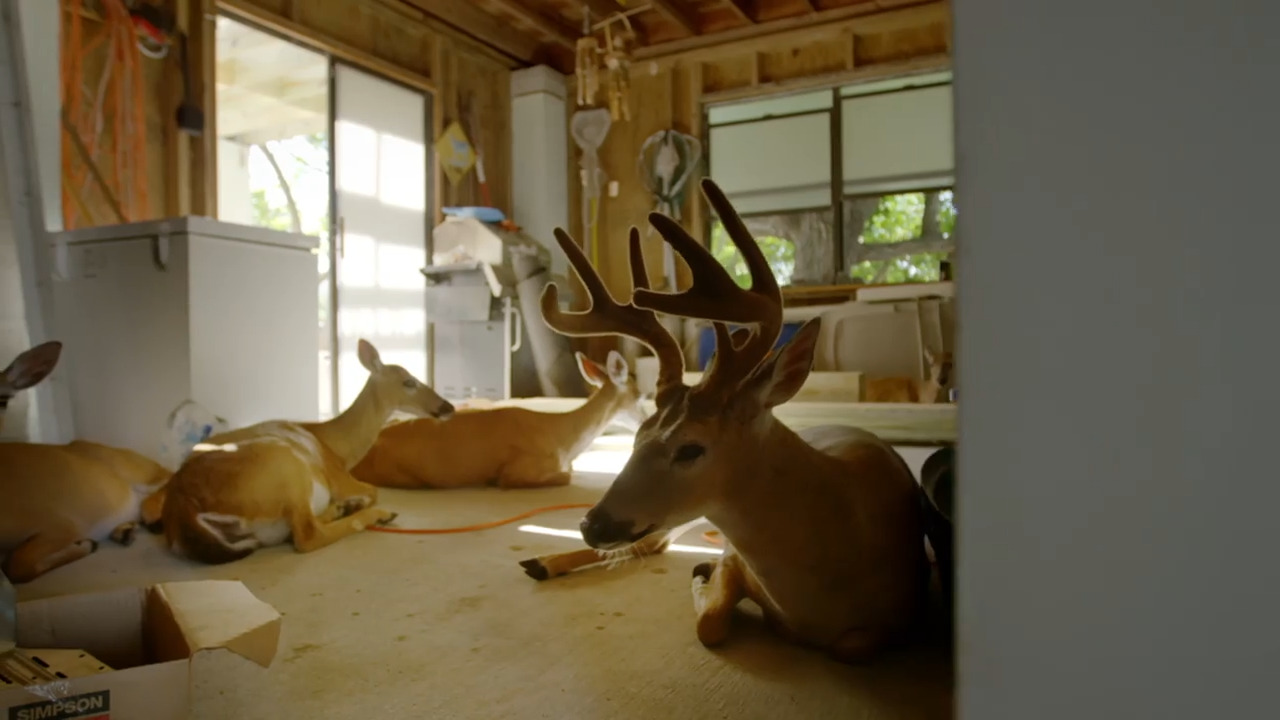
In One Deer Species' "Key" to Survival this smaller subspecies of white-tailed deer survived the devastating effects of Hurricane Irma by moving in closer to human habitats. But will this help or hurt the deer in the long run? This video is excerpted from BBC's Natural World: Florida - America's Animal Paradise, a series displaying Florida’s diverse wildlife and its resilience against increasing environmental threats.
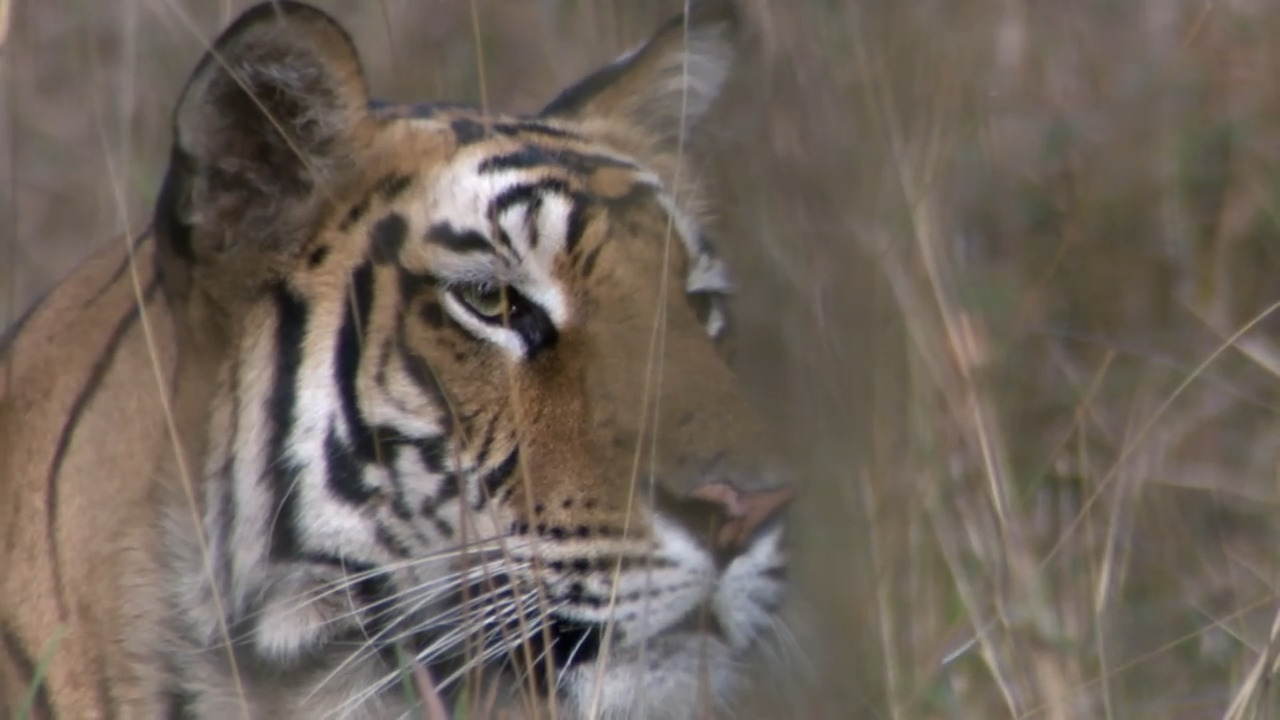
In How Langur Monkeys Help Chital Deer Escape, narrator Sir David Attenborough follows a group of chital deer in India during the dry season as they search for food, all while staying alert for danger. Luckily, they have help from the langur monkeys, who spot a tiger from high in the trees and warn the deer, allowing them to escape safely — showing how animals can work together to stay alive in the wild! This video is excerpted from BBC’s Life, a show that explores the remarkable strategies animals and plants use to ensure their survival.
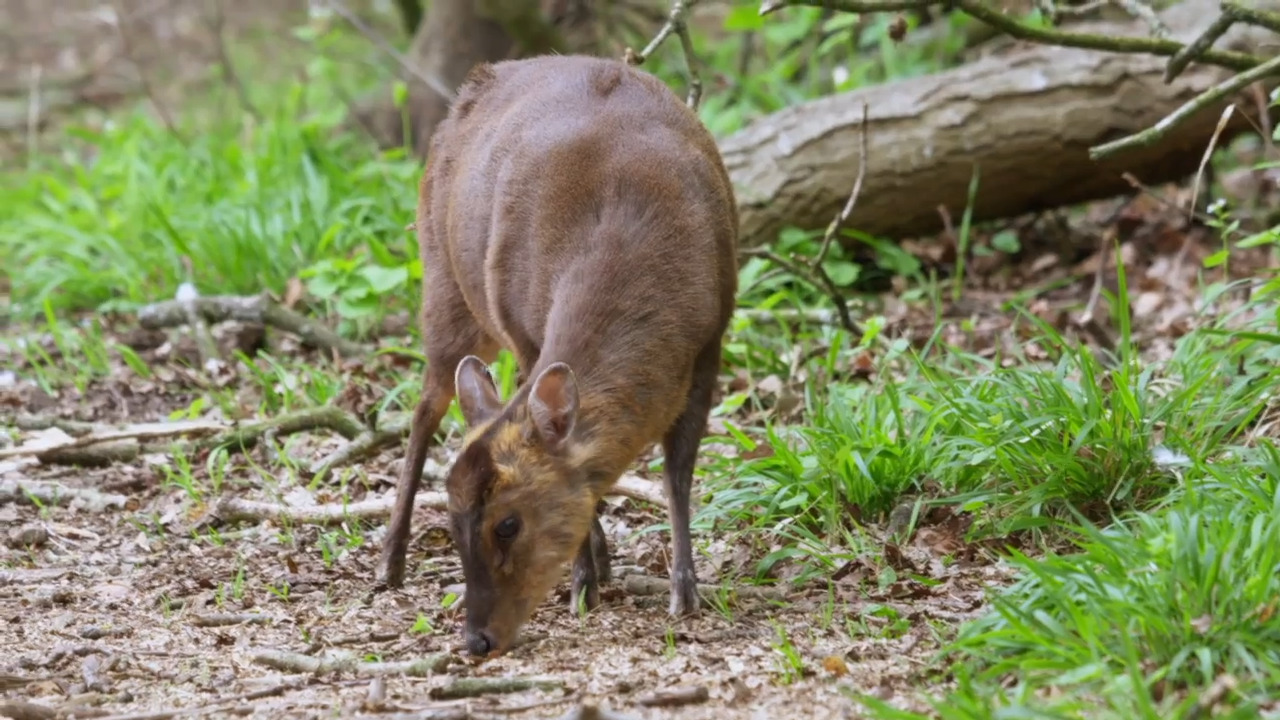
In Deer Spotting Using Our Five Senses, Ranger Hamza and the Ramblers spot a muntjac deer! Tag along and learn how the muntjac rely on oak trees, and how bramble bushes help oak trees to grow, even when lots of animals love to eat acorns and young oak trees. This video is excerpted from BBC's Ranger Hamza’s Eco Quest, a nature exploration show in which Ranger Hamza and the Ramblers go on quests to discover nature’s wonders and the important role they play in our environment.
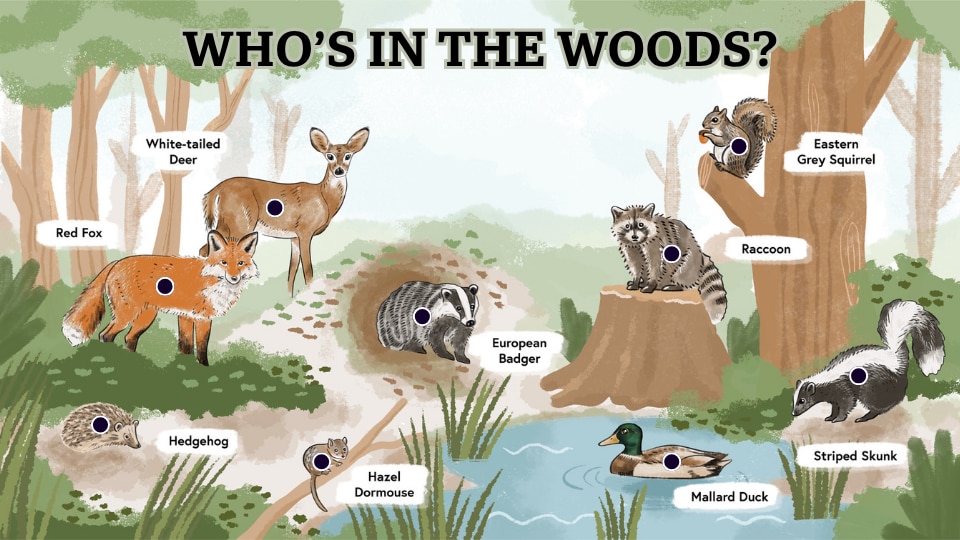
Meet nine wild animals that live in forests, parks, gardens, and neighborhoods: the red fox, white-tailed deer, mallard duck, striped skunk, eastern grey squirrel, raccoon, European badger, hedgehog, and hazel dormouse.
Click on each animal's picture to watch a short video, then click on its name for a fact about what makes it unusual, from its senses and behavior to the ways it has adapted to survive.
Some of these animals may live near you, while others are much harder to spot. Along the way, you'll learn how each one finds food, raises its young, avoids predators, and makes use of the habitat around it.
For Teachers and Parents:
Woodland Animals works well as an introduction to habitats and adaptations or as a self-guided activity for students working on their own or in pairs. Here are a few ways to use it:
- Before exploring: Ask students which of the nine animals they've seen in real life and where. It's a quick way to connect the lesson to their own surroundings.
- While exploring: Have students record one adaptation for each animal, such as a special sense, body feature, or behavior, and how it helps the animal survive.
- After exploring: Ask students to sort the animals by what they eat, when they're active, or how they avoid predators. They can then compare animals that share a habitat but survive in different ways.
- Extension: Some of these animals live in North America, some in Europe, and some in both. Students can research which ones live in their region and why others don't.
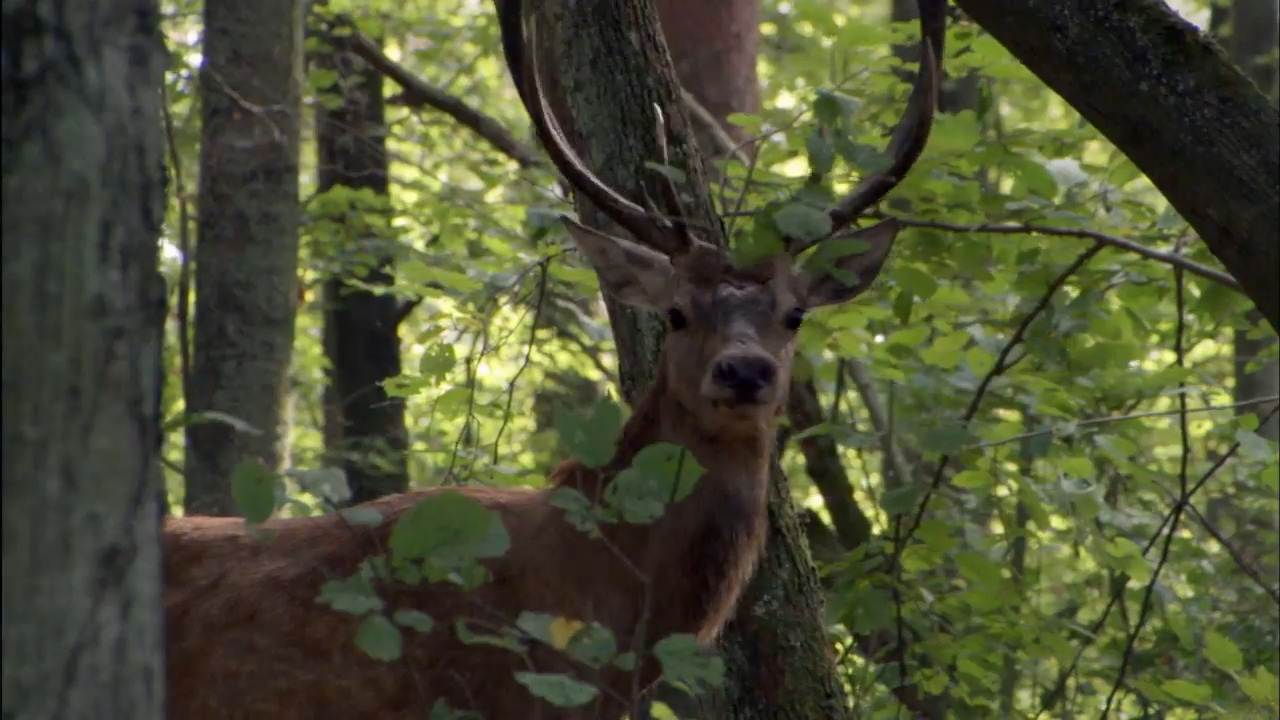
In The Onset of Autumn Means Romance and Danger, narrator Sir David Attenborough describes how animals struggle for survival in broadleaf forests in autumn. Male red deer fight one another in mating season. The rare Amur leopard hunts to feed its cub, despite sparse prey and vegetation for coverage. This video is excerpted from BBC's Planet Earth, a breathtaking documentary series that highlights the natural wonders of our planet.
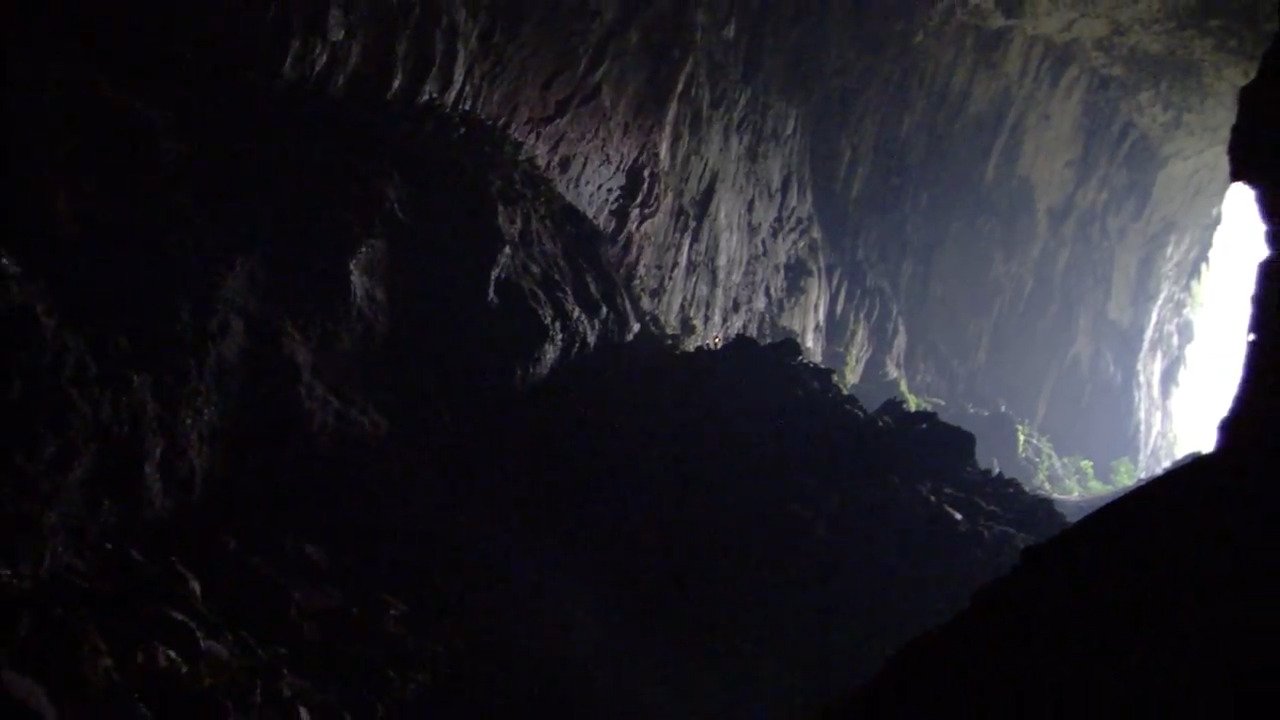
In Life Inside the Sunless Ecosystem of Deer Cave, narrator Sir David Attenborough explores Deer Cave in Borneo, the largest river passage in the world — so vast that a jumbo jet could fly through it. The cave is home to an astonishing 3 million wrinkle-lipped bats, which roost high on the cave walls and ceilings, away from predators. The bats' droppings (guano) form the foundation of a unique food chain within the cave, supporting massive populations of cockroaches, giant cave centipedes, and even crabs. This video is excerpted from BBC’s Planet Earth, a breathtaking documentary series that highlights the natural wonders of our planet.
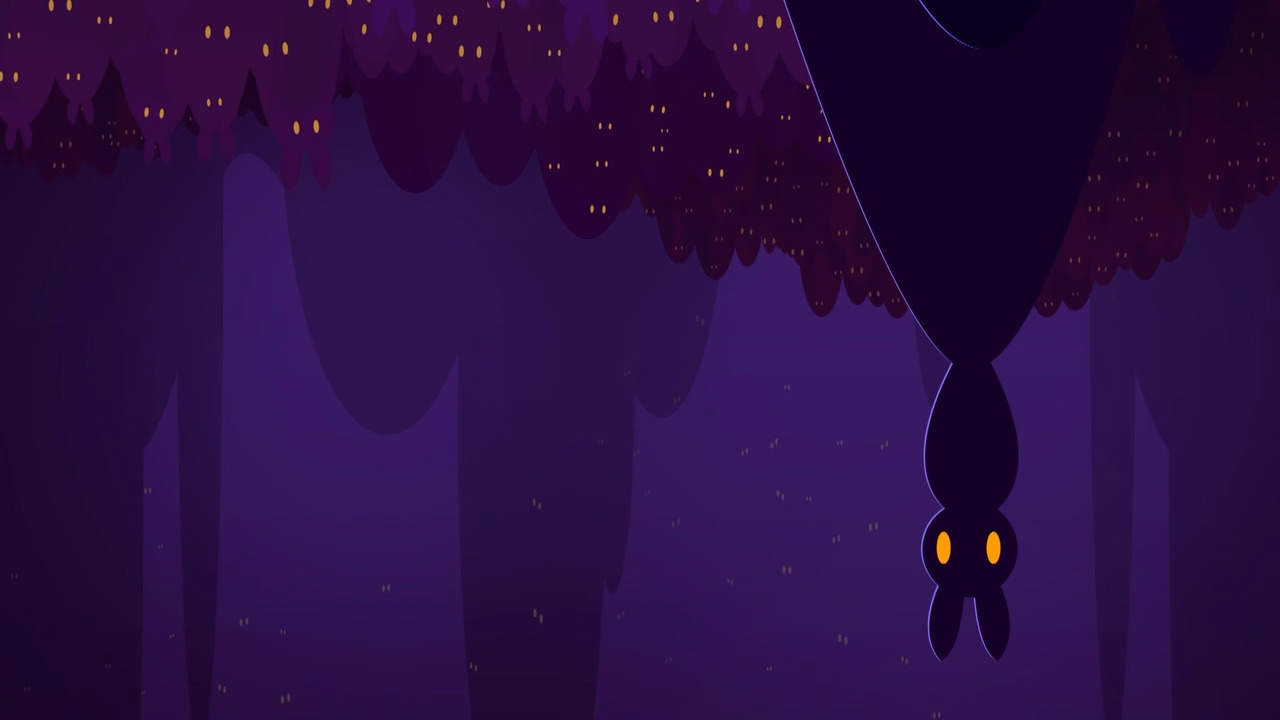
In The Go Jetters and Bats in Borneo's Deer Cave, the Go Jetters crew visits the Gua Rusa or Deer Cave in Borneo. Approximately 3 million bats and over 30 species live inside this huge cave. The guano they produce can be used as fertilizer to help plants grow larger and faster. This video is excerpted from BBC’s Go Jetters, a series that follows the adventures of four international heroes as they travel the globe visiting landmarks and solving environmental problems with Ubercorn, a disco-dancing unicorn.
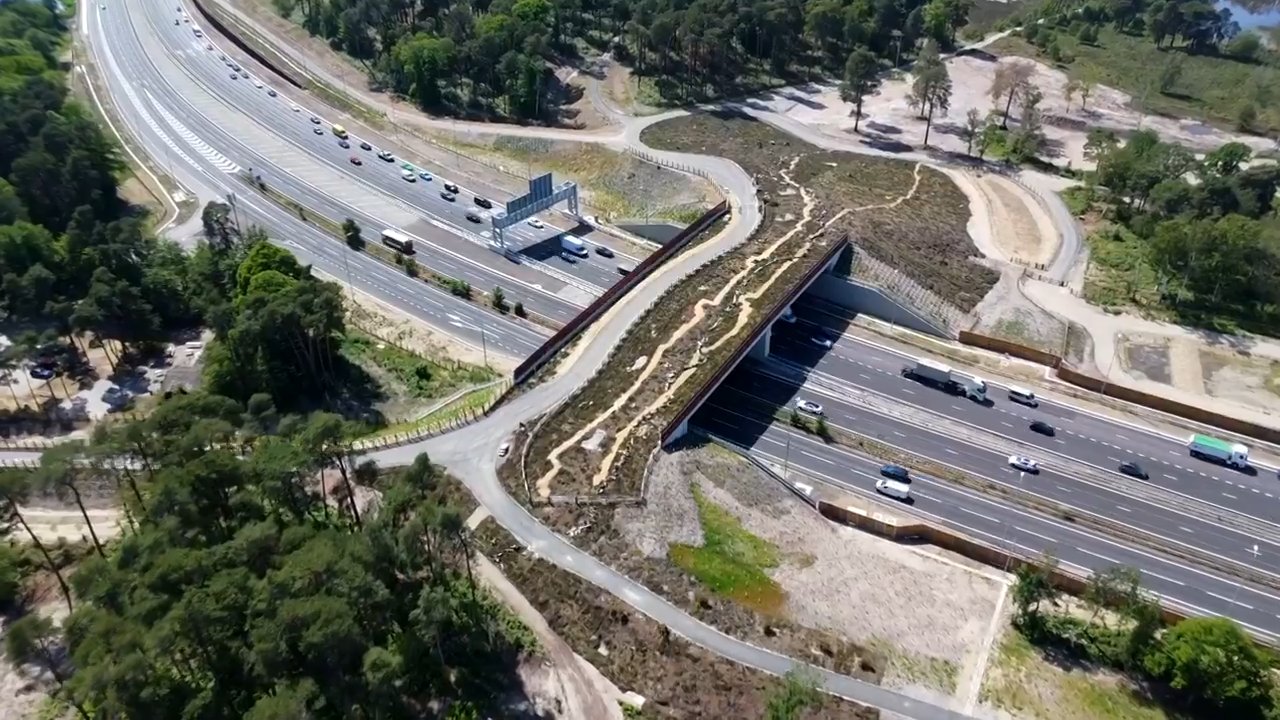
Why did the various wildlife species cross the road? To test the new heathland bridge!
It may look like a bridge that’s just unfinished, but the dirt and grass butting up against the pavement is very intentional.
This heathland bridge separating two commons is the first of its kind to include a network of natural routes that encourage species to reunite for the first time in over 40 years. Man, we would not remember ANYONE’S names! The bridge is home to mosses and vegetative grounds, as well as sand that could be a habitat to species like sand lizards, adders, foxes, deer, and bugs. Lots of bugs.
The bridge connects the heathland on either side, which the Wildlife Trusts are working to restore, so the aim of the bridge is to let wildlife move from side to side, building up the population and their resilience. But, it wasn’t as simple as leaving the bridge half-paved. Crews had to create the heathland by distributing acidic sand before adding areas of ground taken directly from larger heathland sites.
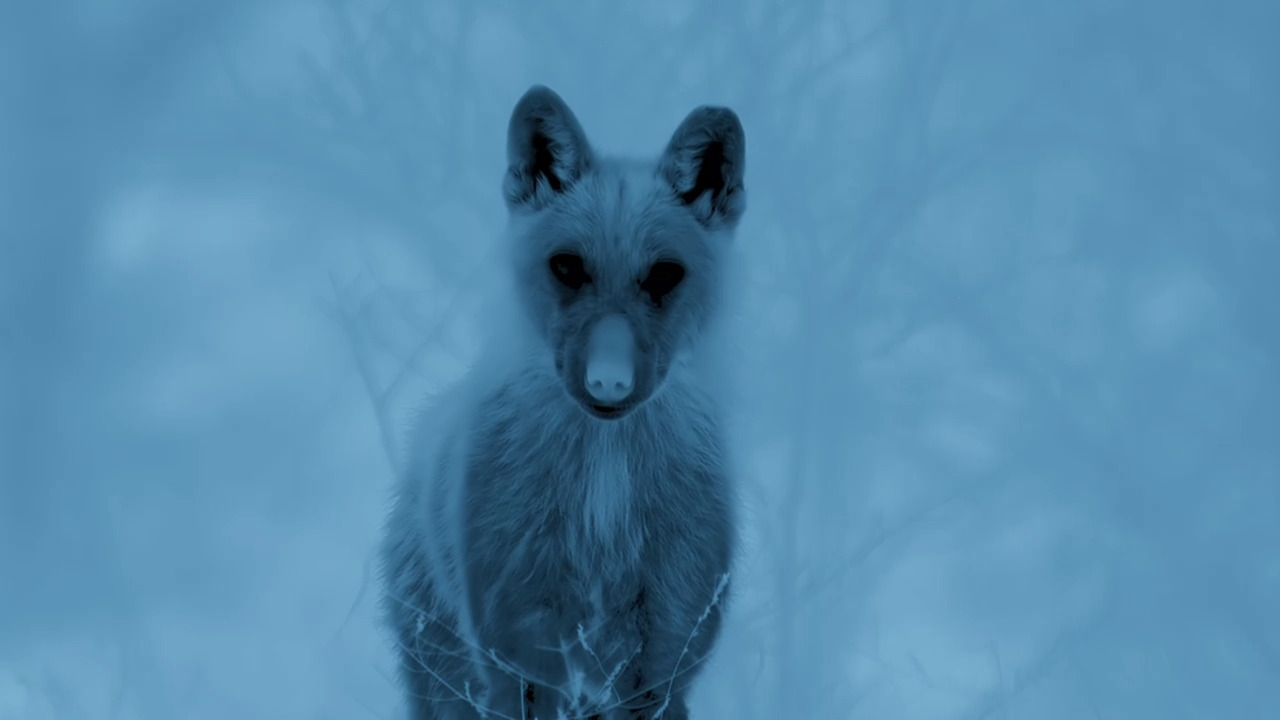
In Wolves Prowling in the Alps, narrator Sir David Attenborough reveals how thermal imaging cameras are used to track a pack of wolves searching for prey around the mountain village of Abruzzo in Italy. They spot red deer, but their hunt is interrupted by human activity. This video is excerpted from BBC’s Seven Worlds, One Planet, a series featuring remarkable animal behavior from all seven continents.
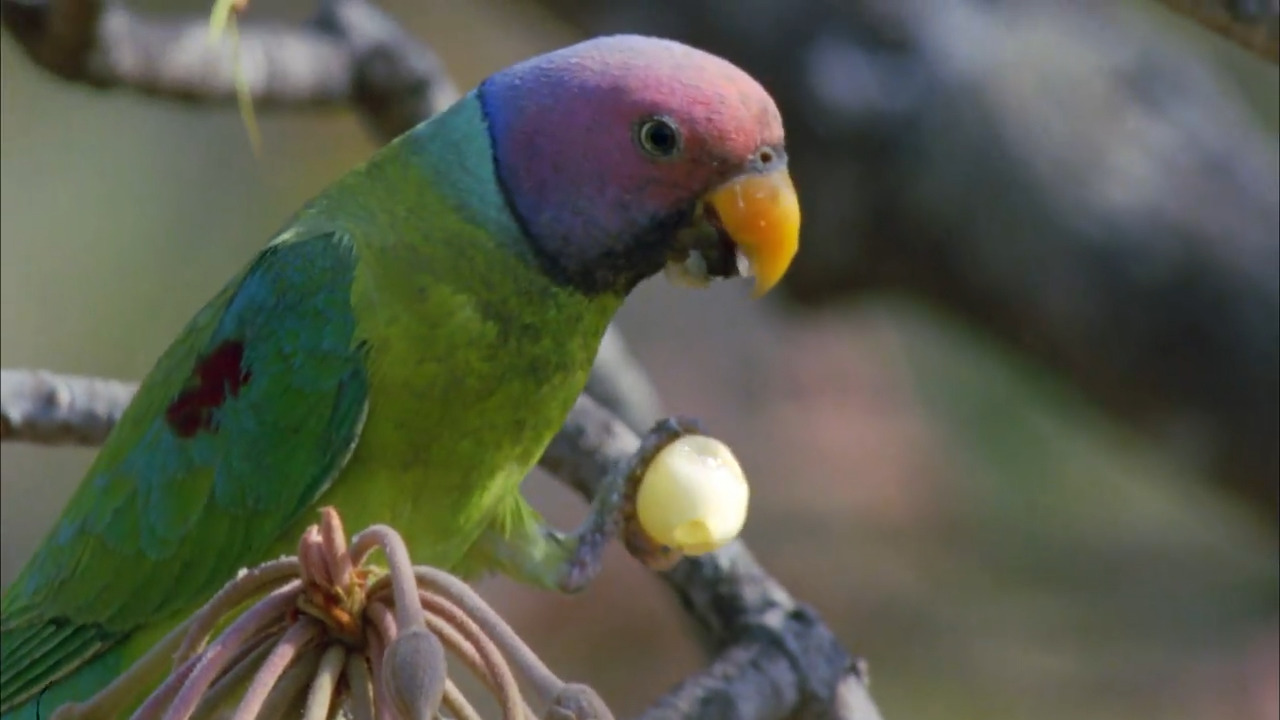
In Inside India’s Teak Forests: Partners in Desperate Times, narrator Sir David Attenborough describes how plants and animals adapt to survive the hot, dry season. Langur monkeys and chital deer form an unlikely partnership to help them survive. This video is excerpted from BBC's Planet Earth, a breathtaking documentary series that highlights the natural wonders of our planet.
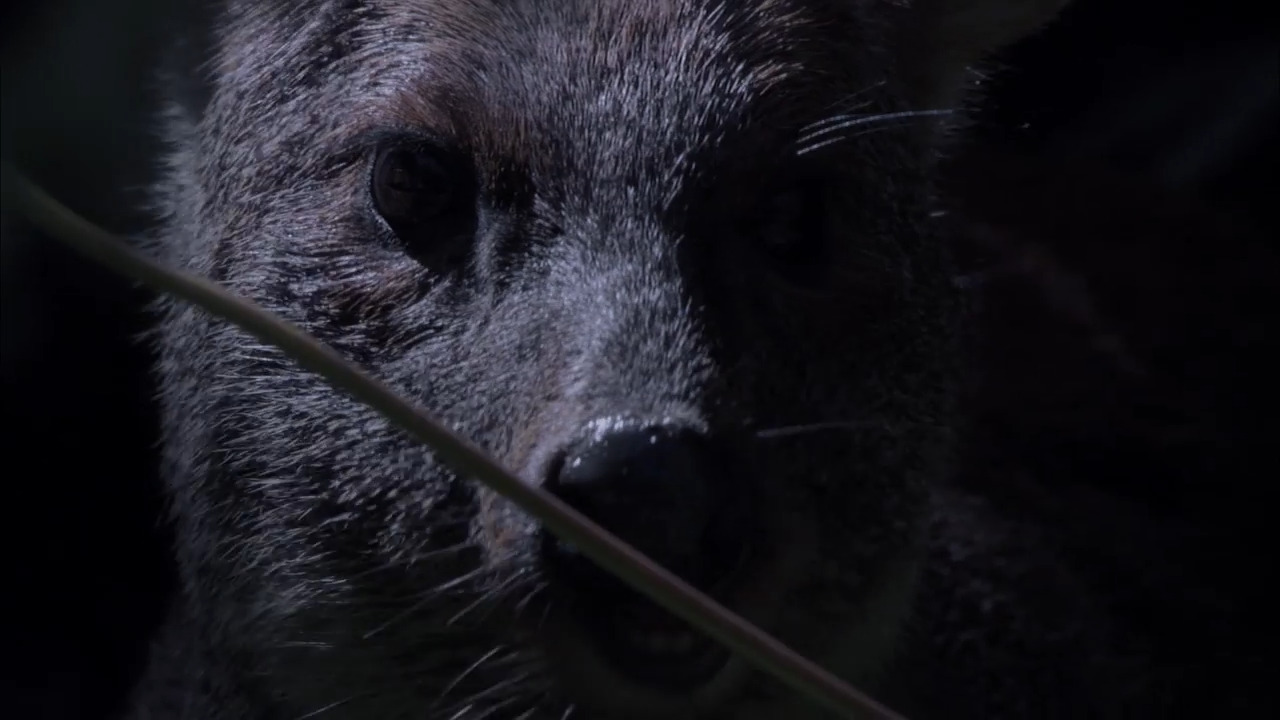
In Sneak a Peek at the Miniature Animals of the South American Forests, narrator Sir David Attenborough describes how the world’s smallest deer is on alert as the smallest cat in the Americas stalks it! Fortunately for the deer, the cat finds moths to feast upon. This video is excerpted from BBC's Planet Earth, a breathtaking documentary series that highlights the natural wonders of our planet.
What animal can grow a brand-new set of antlers every year — and grow them faster than you might think?
White-tailed deer are built for life on the move. Explore how their powerful legs help them sprint and leap, how their senses keep them alert to danger, and how their bodies change with the seasons. You'll also discover what fawns do to stay safe, why bucks grow and shed their antlers, and how deer populations have changed over time.
Teachers and parents, you can use this fact file to:
- Introduce an animal, wildlife, or life science unit
- Support nonfiction reading and vocabulary practice
- Explore animal adaptations, behaviors, and habitats
- Compare animals and the ecosystems they live in
- Practice finding and organizing information from nonfiction texts
- Prepare students for animal research projects or presentations (use our animal report templates!)
- Connect science learning to conservation and environmental issues
- Pair with videos, articles, or other informational texts (see Related Resources below)
In One Deer Species' "Key" to Survival this smaller subspecies of white-tailed deer survived the devastating effects of Hurricane Irma by moving in closer to human habitats. But will this help or hurt the deer in the long run? This video is excerpted from BBC's Natural World: Florida - America's Animal Paradise, a series displaying Florida’s diverse wildlife and its resilience against increasing environmental threats.
In How Langur Monkeys Help Chital Deer Escape, narrator Sir David Attenborough follows a group of chital deer in India during the dry season as they search for food, all while staying alert for danger. Luckily, they have help from the langur monkeys, who spot a tiger from high in the trees and warn the deer, allowing them to escape safely — showing how animals can work together to stay alive in the wild! This video is excerpted from BBC’s Life, a show that explores the remarkable strategies animals and plants use to ensure their survival.
In Deer Spotting Using Our Five Senses, Ranger Hamza and the Ramblers spot a muntjac deer! Tag along and learn how the muntjac rely on oak trees, and how bramble bushes help oak trees to grow, even when lots of animals love to eat acorns and young oak trees. This video is excerpted from BBC's Ranger Hamza’s Eco Quest, a nature exploration show in which Ranger Hamza and the Ramblers go on quests to discover nature’s wonders and the important role they play in our environment.
Meet nine wild animals that live in forests, parks, gardens, and neighborhoods: the red fox, white-tailed deer, mallard duck, striped skunk, eastern grey squirrel, raccoon, European badger, hedgehog, and hazel dormouse.
Click on each animal's picture to watch a short video, then click on its name for a fact about what makes it unusual, from its senses and behavior to the ways it has adapted to survive.
Some of these animals may live near you, while others are much harder to spot. Along the way, you'll learn how each one finds food, raises its young, avoids predators, and makes use of the habitat around it.
For Teachers and Parents:
Woodland Animals works well as an introduction to habitats and adaptations or as a self-guided activity for students working on their own or in pairs. Here are a few ways to use it:
- Before exploring: Ask students which of the nine animals they've seen in real life and where. It's a quick way to connect the lesson to their own surroundings.
- While exploring: Have students record one adaptation for each animal, such as a special sense, body feature, or behavior, and how it helps the animal survive.
- After exploring: Ask students to sort the animals by what they eat, when they're active, or how they avoid predators. They can then compare animals that share a habitat but survive in different ways.
- Extension: Some of these animals live in North America, some in Europe, and some in both. Students can research which ones live in their region and why others don't.
In The Onset of Autumn Means Romance and Danger, narrator Sir David Attenborough describes how animals struggle for survival in broadleaf forests in autumn. Male red deer fight one another in mating season. The rare Amur leopard hunts to feed its cub, despite sparse prey and vegetation for coverage. This video is excerpted from BBC's Planet Earth, a breathtaking documentary series that highlights the natural wonders of our planet.
In Life Inside the Sunless Ecosystem of Deer Cave, narrator Sir David Attenborough explores Deer Cave in Borneo, the largest river passage in the world — so vast that a jumbo jet could fly through it. The cave is home to an astonishing 3 million wrinkle-lipped bats, which roost high on the cave walls and ceilings, away from predators. The bats' droppings (guano) form the foundation of a unique food chain within the cave, supporting massive populations of cockroaches, giant cave centipedes, and even crabs. This video is excerpted from BBC’s Planet Earth, a breathtaking documentary series that highlights the natural wonders of our planet.
In The Go Jetters and Bats in Borneo's Deer Cave, the Go Jetters crew visits the Gua Rusa or Deer Cave in Borneo. Approximately 3 million bats and over 30 species live inside this huge cave. The guano they produce can be used as fertilizer to help plants grow larger and faster. This video is excerpted from BBC’s Go Jetters, a series that follows the adventures of four international heroes as they travel the globe visiting landmarks and solving environmental problems with Ubercorn, a disco-dancing unicorn.
Why did the various wildlife species cross the road? To test the new heathland bridge!
It may look like a bridge that’s just unfinished, but the dirt and grass butting up against the pavement is very intentional.
This heathland bridge separating two commons is the first of its kind to include a network of natural routes that encourage species to reunite for the first time in over 40 years. Man, we would not remember ANYONE’S names! The bridge is home to mosses and vegetative grounds, as well as sand that could be a habitat to species like sand lizards, adders, foxes, deer, and bugs. Lots of bugs.
The bridge connects the heathland on either side, which the Wildlife Trusts are working to restore, so the aim of the bridge is to let wildlife move from side to side, building up the population and their resilience. But, it wasn’t as simple as leaving the bridge half-paved. Crews had to create the heathland by distributing acidic sand before adding areas of ground taken directly from larger heathland sites.
In Wolves Prowling in the Alps, narrator Sir David Attenborough reveals how thermal imaging cameras are used to track a pack of wolves searching for prey around the mountain village of Abruzzo in Italy. They spot red deer, but their hunt is interrupted by human activity. This video is excerpted from BBC’s Seven Worlds, One Planet, a series featuring remarkable animal behavior from all seven continents.
In Inside India’s Teak Forests: Partners in Desperate Times, narrator Sir David Attenborough describes how plants and animals adapt to survive the hot, dry season. Langur monkeys and chital deer form an unlikely partnership to help them survive. This video is excerpted from BBC's Planet Earth, a breathtaking documentary series that highlights the natural wonders of our planet.
In Sneak a Peek at the Miniature Animals of the South American Forests, narrator Sir David Attenborough describes how the world’s smallest deer is on alert as the smallest cat in the Americas stalks it! Fortunately for the deer, the cat finds moths to feast upon. This video is excerpted from BBC's Planet Earth, a breathtaking documentary series that highlights the natural wonders of our planet.