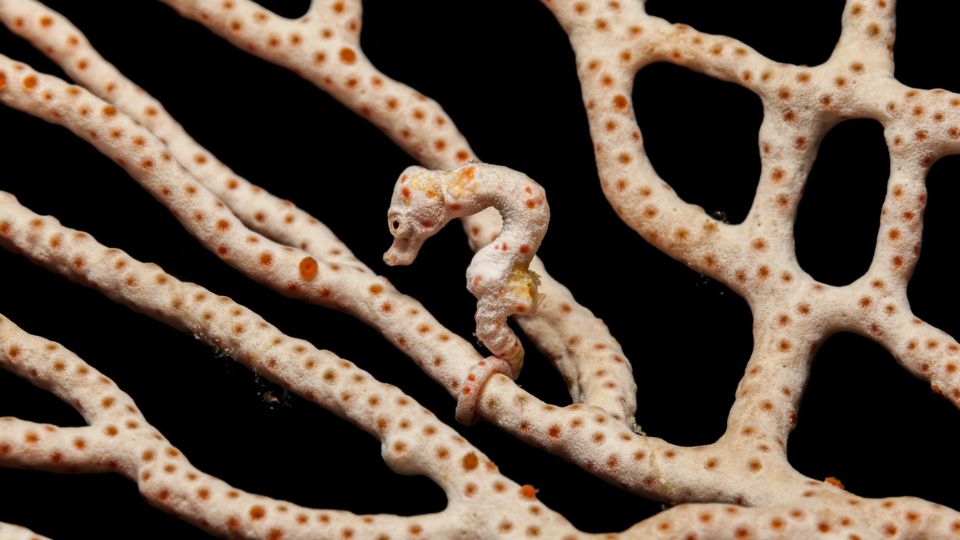
Meet nature's master hiders. Gliding tree frogs, octopuses, arctic foxes — these animals have evolved brilliant ways to blend in, hunt, and survive unseen. We've pulled together a collection of BBC video clips (see Related Resources below) showing off these disappearing acts. Watch them, then take the Kahoot to see what stuck.
Some of the tricks are wild: glass frogs clear their own blood to turn see-through, while arctic foxes shift their fur with the seasons to stay hidden year-round. Explore how these masters of camouflage pull it off, and pick up some solid grounding in evolution and adaptation along the way.
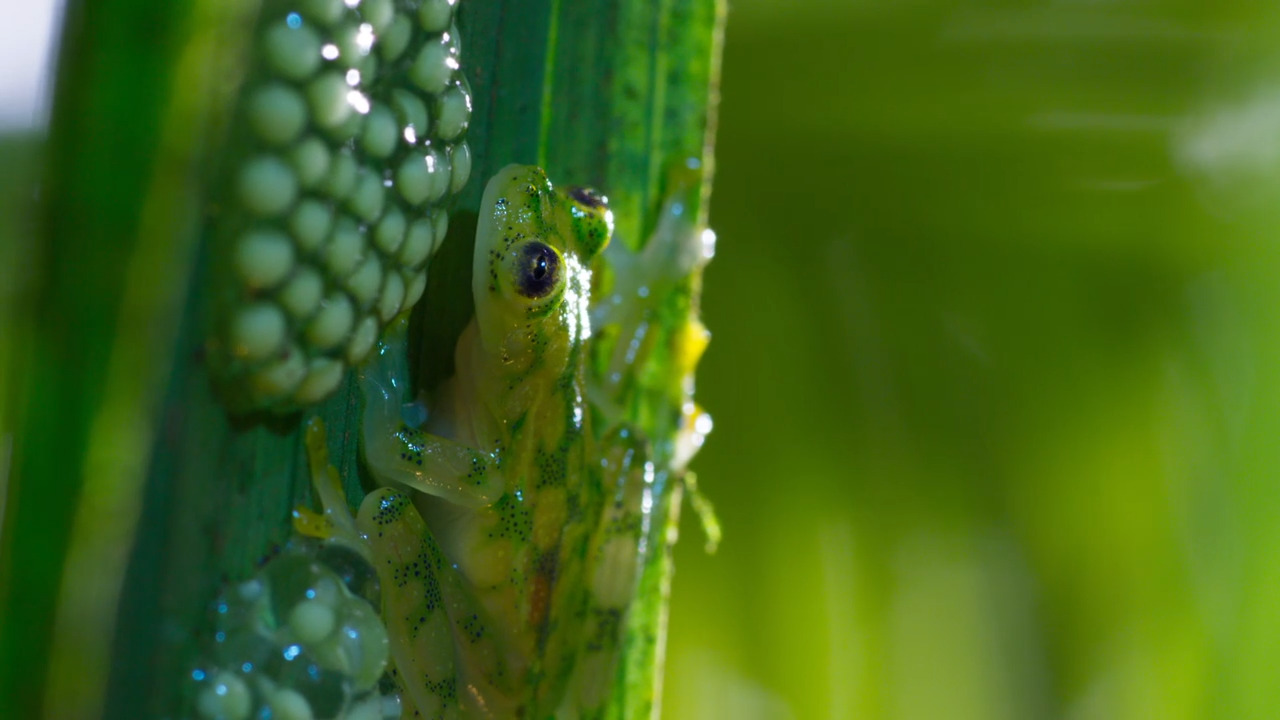
In Camouflage in the Jungle, narrator Sir David Attenborough explores the understory in Costa Rica where animals use camouflage and mimicry to avoid becoming prey. The glass frog avoids detection with its transparent body. The pattern on its back mimics the young egg sacs it is protecting, allowing it to confuse and fight off attacking wasps. This video is excerpted from BBC’s Planet Earth II, a breathtaking documentary series that highlights the natural wonders of our planet.
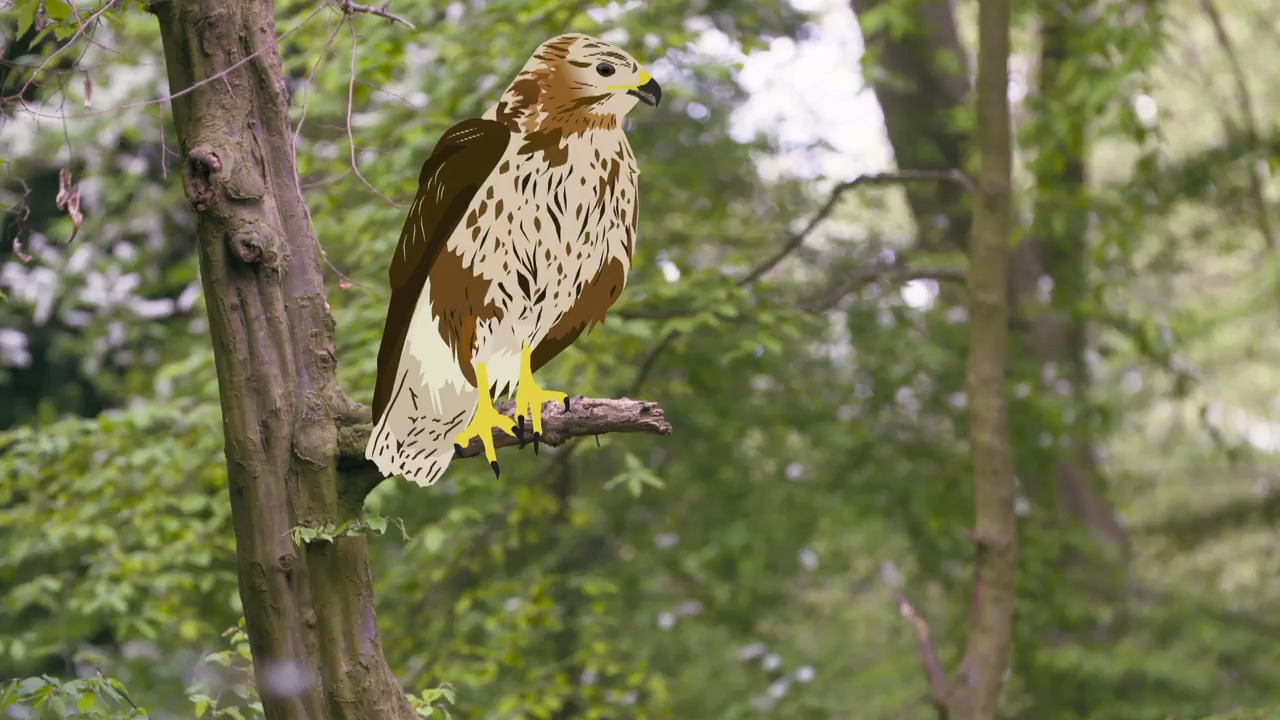
In Now You See Me… Animals in Camouflage, Ranger Hamza and the Ramblers explore sand dunes. But where are all the animals? Join them as they learn about how animals, both predators and prey, use camouflage. This video is excerpted from BBC's Ranger Hamza’s Eco Quest, a nature exploration show in which Ranger Hamza and the Ramblers go on quests to discover nature’s wonders and the important role they play in our environment.
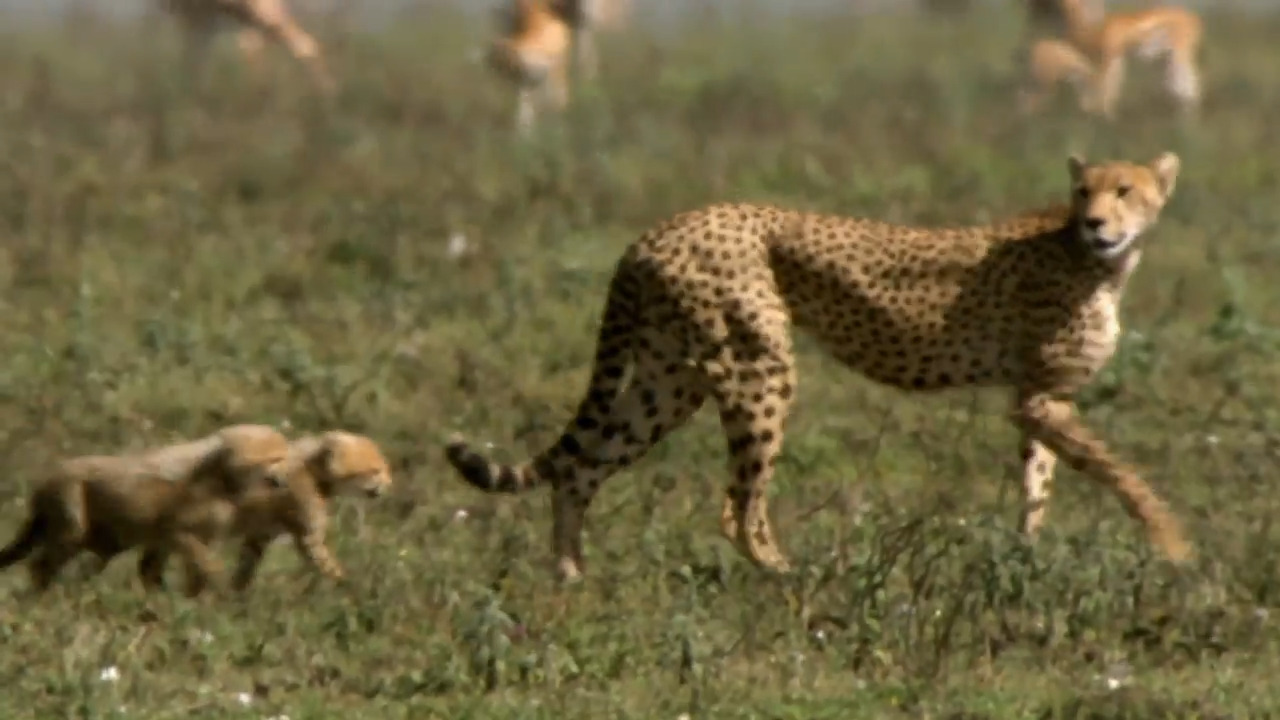
In Cheetah Cubs and Camouflage, narrator Gordon Buchanan describes intense rivalry among predators competing for food in the Serengeti. Cheetah cubs are at risk of being killed by lions and hyenas. They rely on their camouflage to protect them until they can develop speed to outrun danger. The cheetah cub and serval kittens play fight to learn self-defense skills. This video is excerpted from BBC's Animal Babies, a heartwarming show that follows the first breaths, first steps, and first feeds of some adorable baby animals, revealing the challenges they face to survive in some of the toughest but most beautiful places on the planet.
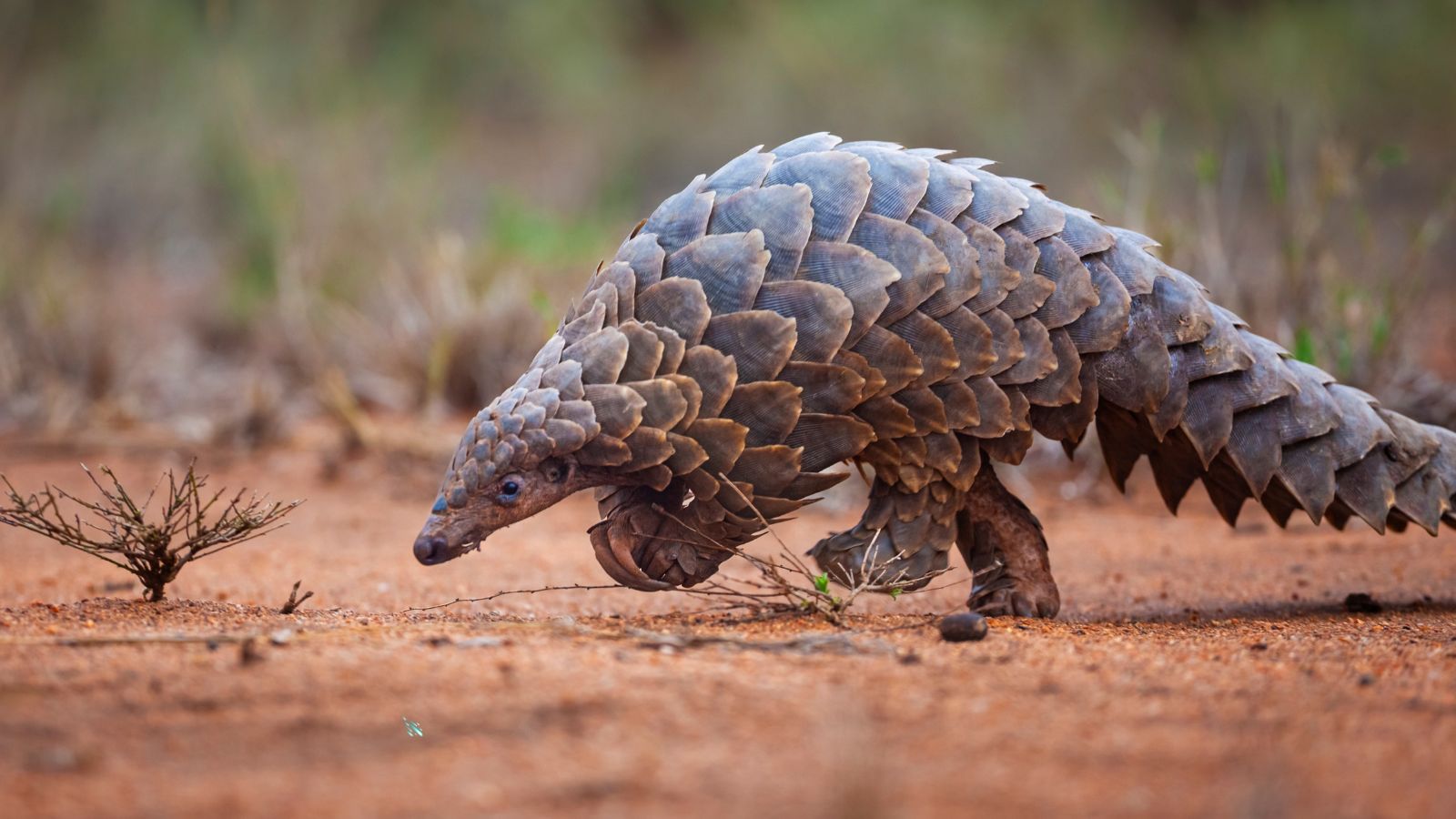
Deserts look empty. They are anything but.
From the sun-scorched dunes of the Sahara to the scrubby plains of Australia, desert animals have cracked one of nature's toughest puzzles: how to survive where water is scarce, temperatures are brutal, and food is hard to find. In this playlist, you'll meet the remarkable species that call these landscapes home — from the iconic camel and the lightning-fast hawk to the bounding kangaroo and the armored pangolin.
Each clip, drawn from landmark BBC series including Seven Worlds, One Planet and Planet Earth II, puts you face-to-face with real desert survival in action. Some animals store water and energy for enormous journeys across open terrain. Others hunt by night, move in short bursts, or use camouflage so good they practically disappear. Every strategy is different. Every one is extraordinary.
As you watch, think bigger: How do animals adapt to temperatures that would stop most creatures in their tracks? What physical traits make desert life not just possible, but thriving? And how do these species — predator and prey, reptile and mammal — depend on each other to keep desert ecosystems in balance?
This playlist won't just teach you about deserts. It will make you see them differently.
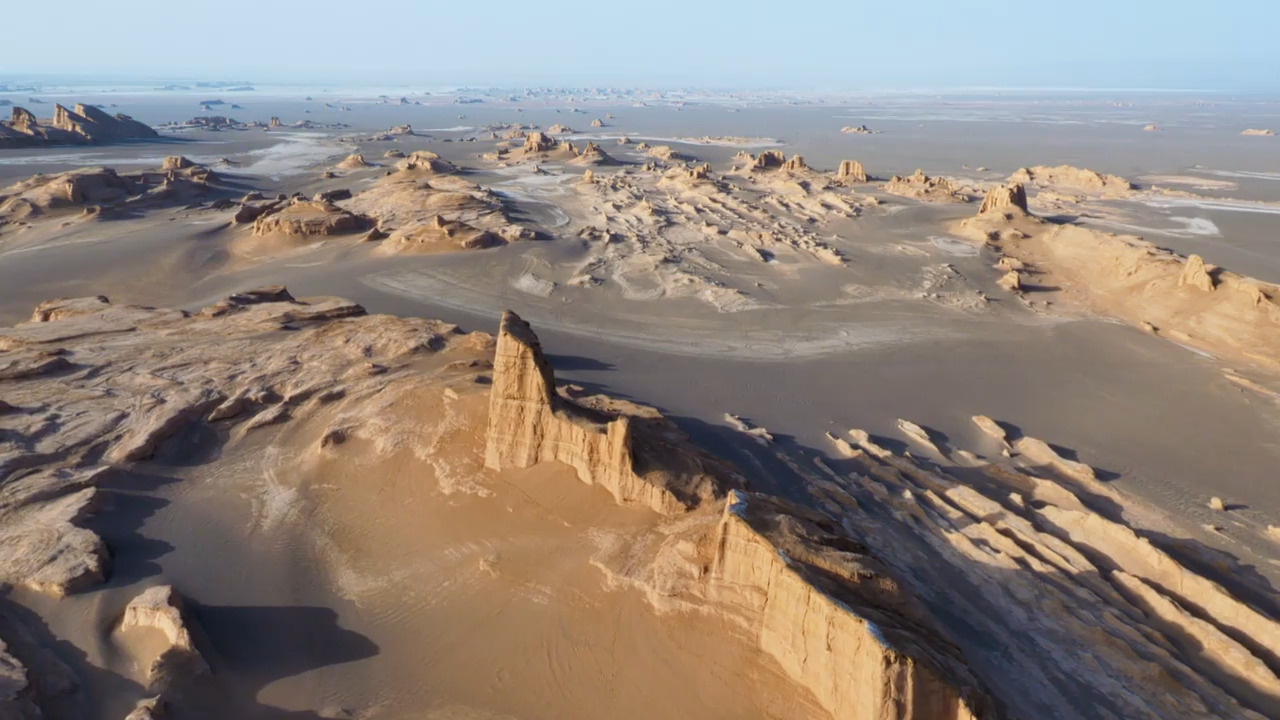
In The Lut Desert's Deadly Viper, narrator Sir David Attenborough explores one of the hottest places on Earth. He reveals how a newly discovered viper uses extraordinary camouflage and a spider-like tail to hunt migrating birds in this harsh environment. This video is excerpted from BBC’s Seven Worlds, One Planet, a series featuring remarkable animal behavior from all seven continents.
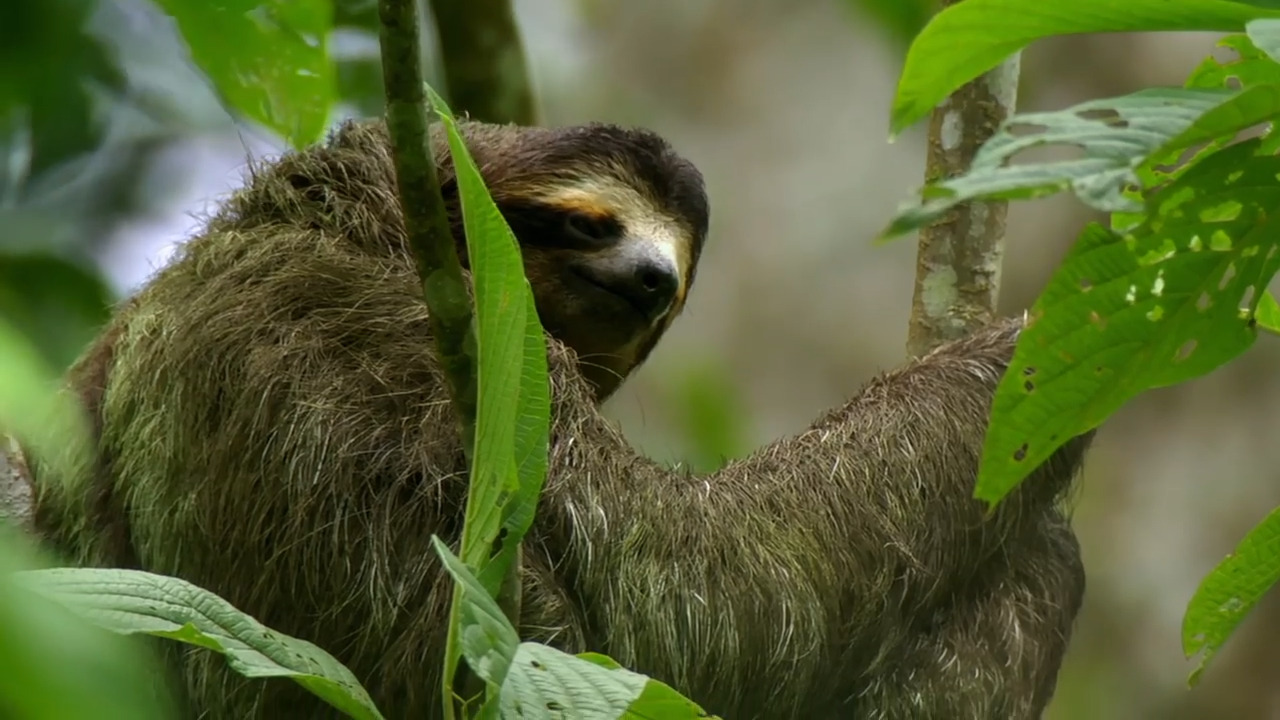
In Sloths, Masters of Slow and Steady, evolutionary biologist Ben Garrod describes how a sloth's skin provides unique camouflage, helping it blend into its environment for protection. Discover the symbiotic relationship between sloths and algae, which grows on their fur and gives them a greenish tint. This algae offers camouflage while also supporting moths that help fertilize the algae. Through this fascinating example of nature’s design, see how animals and plants can depend on each other in unexpected ways. This video is excerpted from Secrets of Skin, a documentary series exploring the natural history of the body’s largest organ.
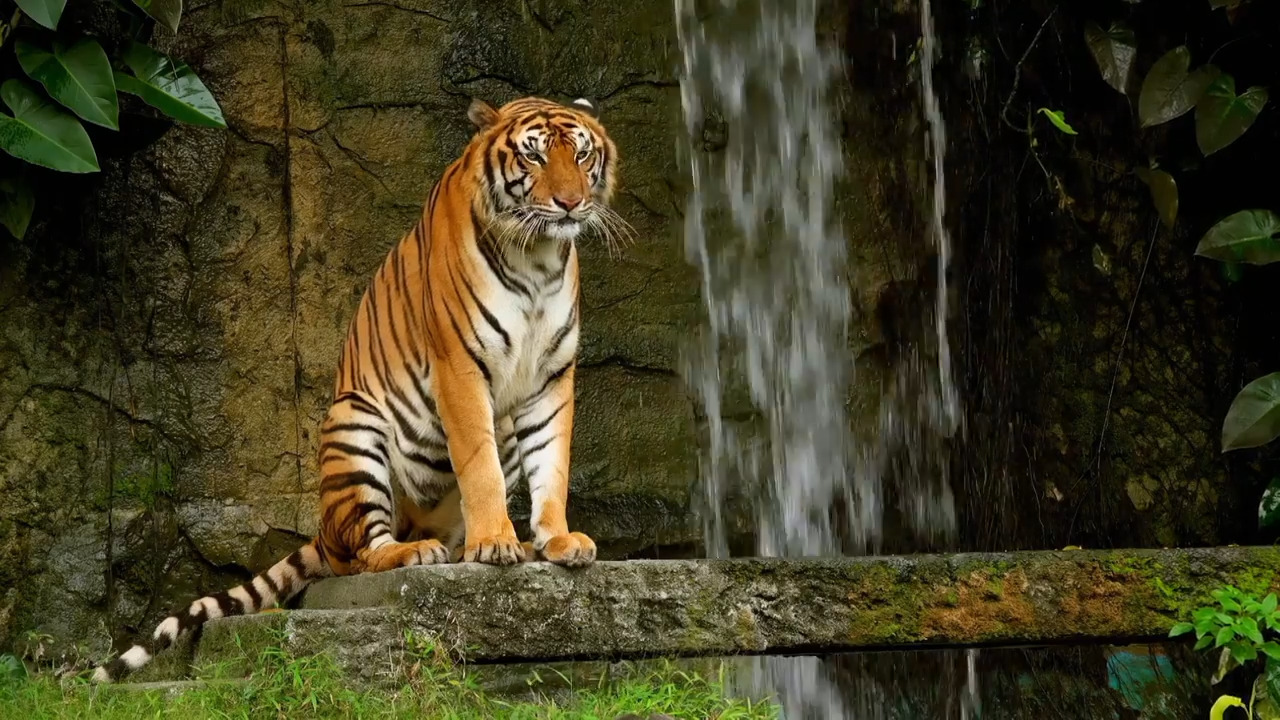
In The Truth About Tiger Stripes, evolutionary biologist Ben Garrod explains why these big cats' stripes are orange and black. Learn how melanin, the pigment responsible for skin and fur color, creates the distinctive camouflage patterns of a tiger’s coat. Discover the ways tigers use their stripes for survival in the wild, blending into their surroundings to avoid predators and enhance their hunting capabilities. This video is excerpted from Secrets of Skin, a documentary series exploring the natural history of the body’s largest organ.
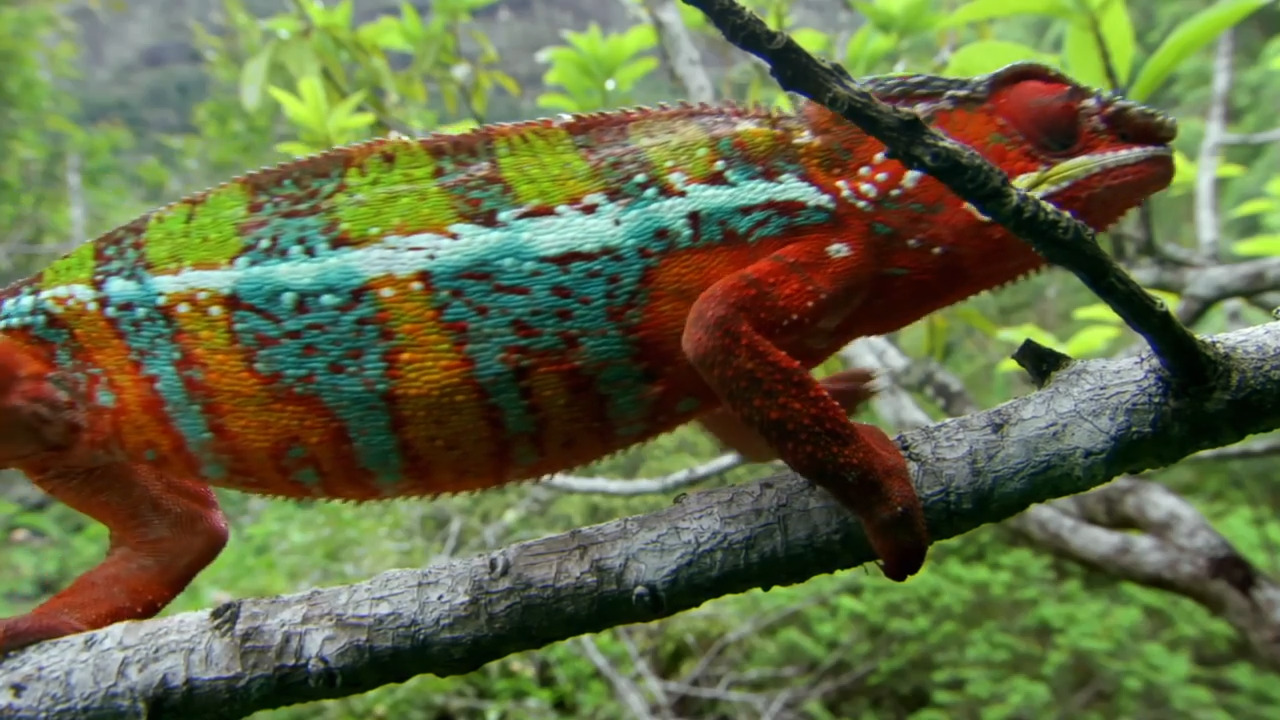
In Protective Pigments, evolutionary biologist Ben Garrod explains the critical role of pigment in protecting vertebrates from ultraviolet light and its broader functions in communication and survival strategies. Find out how pigments, like melanin, protect the skin at a molecular level and the diverse ways animals utilize color for camouflage, signaling, and mate selection. This video is excerpted from Secrets of Skin, a documentary series exploring the natural history of the body’s largest organ.
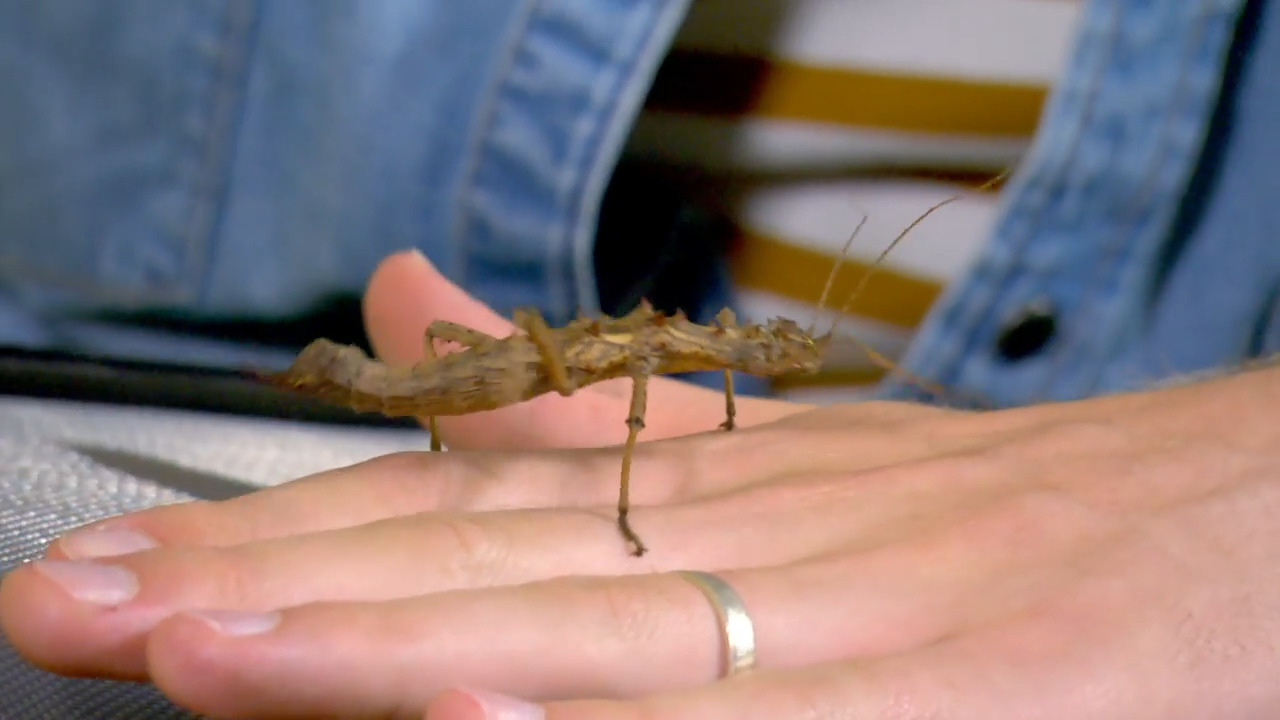
In The Life of Stick Insects, host Rory Crawford looks at the incredible world of stick insects, nature’s best camouflage artists! Hailing from Malaysia, these fascinating critters can blend in so well with their surroundings that some look just like leaves. Today, Rory Crawford meets three awesome stick insects — Pixie, Simone, and Moe — and learns about their unique features. This video is excerpted from BBC’s My Pet and Me, a children’s show that introduces kids to the rewards and responsibilities involved when having a pet.
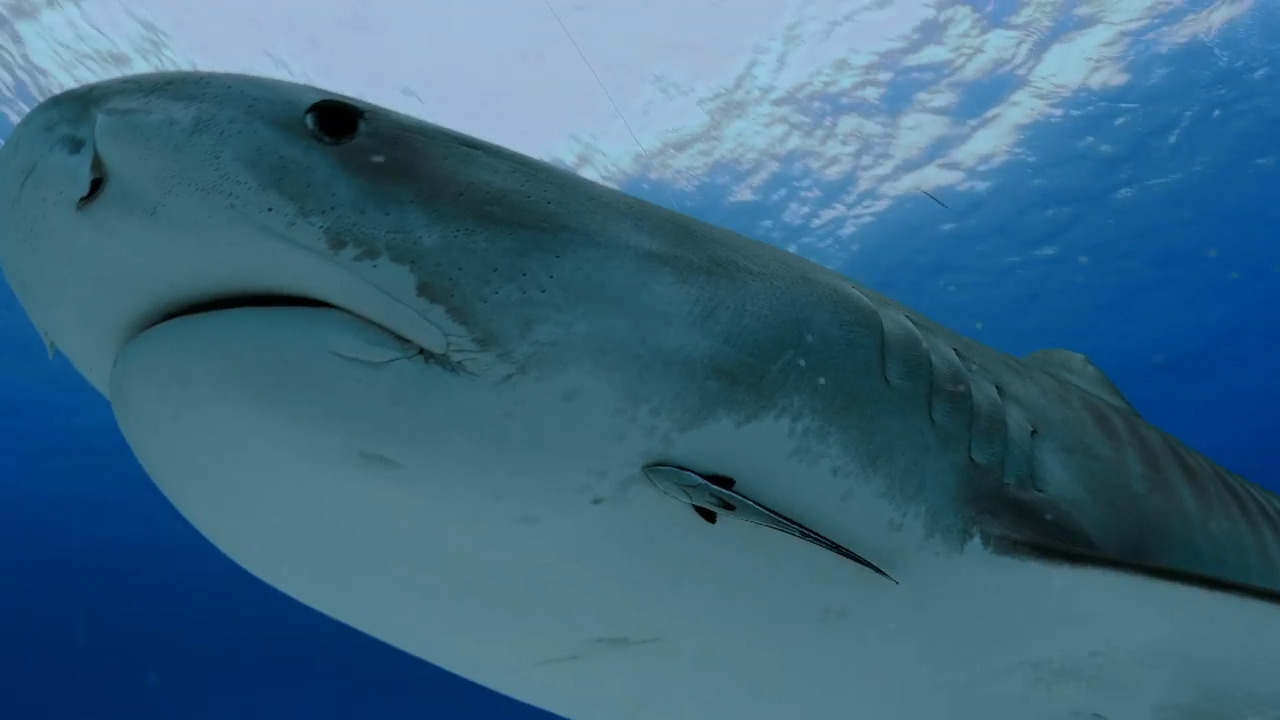
In The Tiger Shark's Deadly Stripes, naturalist Steve Backshall goes diving at Tiger Beach in the Bahamas. He runs into a tiger shark whose camouflage and teeth make it a great predator. This video is excerpted from BBC's Deadly 60, an award-winning nature and adventure show for kids in which narrator Steve Backshall has one mission: to travel the globe in search of 60 of the world's deadliest animals.
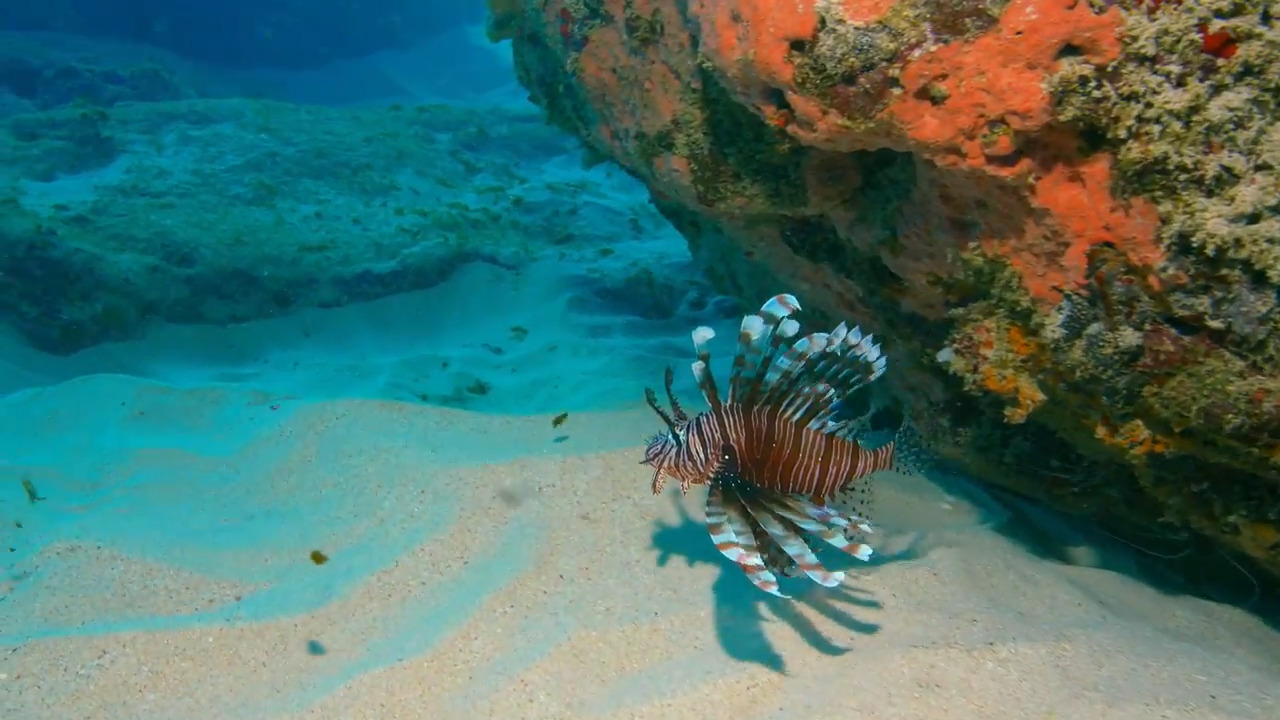
In Lionfish and Frogfish, Ocean Ninjas, naturalist Steve Backshall spots a venomous lionfish and predatory frogfish. He explains how the frogfish walk across the seafloor, use camouflage, and catch prey. This video is excerpted from BBC's Deadly 60, an award-winning nature and adventure show for kids in which narrator Steve Backshall has one mission: to travel the globe in search of 60 of the world's deadliest animals.
Meet nature's master hiders. Gliding tree frogs, octopuses, arctic foxes — these animals have evolved brilliant ways to blend in, hunt, and survive unseen. We've pulled together a collection of BBC video clips (see Related Resources below) showing off these disappearing acts. Watch them, then take the Kahoot to see what stuck.
Some of the tricks are wild: glass frogs clear their own blood to turn see-through, while arctic foxes shift their fur with the seasons to stay hidden year-round. Explore how these masters of camouflage pull it off, and pick up some solid grounding in evolution and adaptation along the way.
In Camouflage in the Jungle, narrator Sir David Attenborough explores the understory in Costa Rica where animals use camouflage and mimicry to avoid becoming prey. The glass frog avoids detection with its transparent body. The pattern on its back mimics the young egg sacs it is protecting, allowing it to confuse and fight off attacking wasps. This video is excerpted from BBC’s Planet Earth II, a breathtaking documentary series that highlights the natural wonders of our planet.
In Now You See Me… Animals in Camouflage, Ranger Hamza and the Ramblers explore sand dunes. But where are all the animals? Join them as they learn about how animals, both predators and prey, use camouflage. This video is excerpted from BBC's Ranger Hamza’s Eco Quest, a nature exploration show in which Ranger Hamza and the Ramblers go on quests to discover nature’s wonders and the important role they play in our environment.
In Cheetah Cubs and Camouflage, narrator Gordon Buchanan describes intense rivalry among predators competing for food in the Serengeti. Cheetah cubs are at risk of being killed by lions and hyenas. They rely on their camouflage to protect them until they can develop speed to outrun danger. The cheetah cub and serval kittens play fight to learn self-defense skills. This video is excerpted from BBC's Animal Babies, a heartwarming show that follows the first breaths, first steps, and first feeds of some adorable baby animals, revealing the challenges they face to survive in some of the toughest but most beautiful places on the planet.
Deserts look empty. They are anything but.
From the sun-scorched dunes of the Sahara to the scrubby plains of Australia, desert animals have cracked one of nature's toughest puzzles: how to survive where water is scarce, temperatures are brutal, and food is hard to find. In this playlist, you'll meet the remarkable species that call these landscapes home — from the iconic camel and the lightning-fast hawk to the bounding kangaroo and the armored pangolin.
Each clip, drawn from landmark BBC series including Seven Worlds, One Planet and Planet Earth II, puts you face-to-face with real desert survival in action. Some animals store water and energy for enormous journeys across open terrain. Others hunt by night, move in short bursts, or use camouflage so good they practically disappear. Every strategy is different. Every one is extraordinary.
As you watch, think bigger: How do animals adapt to temperatures that would stop most creatures in their tracks? What physical traits make desert life not just possible, but thriving? And how do these species — predator and prey, reptile and mammal — depend on each other to keep desert ecosystems in balance?
This playlist won't just teach you about deserts. It will make you see them differently.
In The Lut Desert's Deadly Viper, narrator Sir David Attenborough explores one of the hottest places on Earth. He reveals how a newly discovered viper uses extraordinary camouflage and a spider-like tail to hunt migrating birds in this harsh environment. This video is excerpted from BBC’s Seven Worlds, One Planet, a series featuring remarkable animal behavior from all seven continents.
In Sloths, Masters of Slow and Steady, evolutionary biologist Ben Garrod describes how a sloth's skin provides unique camouflage, helping it blend into its environment for protection. Discover the symbiotic relationship between sloths and algae, which grows on their fur and gives them a greenish tint. This algae offers camouflage while also supporting moths that help fertilize the algae. Through this fascinating example of nature’s design, see how animals and plants can depend on each other in unexpected ways. This video is excerpted from Secrets of Skin, a documentary series exploring the natural history of the body’s largest organ.
In The Truth About Tiger Stripes, evolutionary biologist Ben Garrod explains why these big cats' stripes are orange and black. Learn how melanin, the pigment responsible for skin and fur color, creates the distinctive camouflage patterns of a tiger’s coat. Discover the ways tigers use their stripes for survival in the wild, blending into their surroundings to avoid predators and enhance their hunting capabilities. This video is excerpted from Secrets of Skin, a documentary series exploring the natural history of the body’s largest organ.
In Protective Pigments, evolutionary biologist Ben Garrod explains the critical role of pigment in protecting vertebrates from ultraviolet light and its broader functions in communication and survival strategies. Find out how pigments, like melanin, protect the skin at a molecular level and the diverse ways animals utilize color for camouflage, signaling, and mate selection. This video is excerpted from Secrets of Skin, a documentary series exploring the natural history of the body’s largest organ.
In The Life of Stick Insects, host Rory Crawford looks at the incredible world of stick insects, nature’s best camouflage artists! Hailing from Malaysia, these fascinating critters can blend in so well with their surroundings that some look just like leaves. Today, Rory Crawford meets three awesome stick insects — Pixie, Simone, and Moe — and learns about their unique features. This video is excerpted from BBC’s My Pet and Me, a children’s show that introduces kids to the rewards and responsibilities involved when having a pet.
In The Tiger Shark's Deadly Stripes, naturalist Steve Backshall goes diving at Tiger Beach in the Bahamas. He runs into a tiger shark whose camouflage and teeth make it a great predator. This video is excerpted from BBC's Deadly 60, an award-winning nature and adventure show for kids in which narrator Steve Backshall has one mission: to travel the globe in search of 60 of the world's deadliest animals.
In Lionfish and Frogfish, Ocean Ninjas, naturalist Steve Backshall spots a venomous lionfish and predatory frogfish. He explains how the frogfish walk across the seafloor, use camouflage, and catch prey. This video is excerpted from BBC's Deadly 60, an award-winning nature and adventure show for kids in which narrator Steve Backshall has one mission: to travel the globe in search of 60 of the world's deadliest animals.