Kahoot! Masters of Camouflage
Meet nature's master hiders. Gliding tree frogs, octopuses, arctic foxes — these animals have evolved brilliant ways to blend in, hunt, and survive unseen. We've pulled together a collection of BBC video clips (see Related Resources below) showing off these disappearing acts. Watch them, then take the Kahoot to see what stuck.
Some of the tricks are wild: glass frogs clear their own blood to turn see-through, while arctic foxes shift their fur with the seasons to stay hidden year-round. Explore how these masters of camouflage pull it off, and pick up some solid grounding in evolution and adaptation along the way.

Explore free, ready-to-play Kahoots from BBC Learning featuring science, history, nature, geography, and more. Learn more.
Explore free, ready-to-play Kahoots from BBC Learning featuring science, history, nature, geography, and more. Learn more.
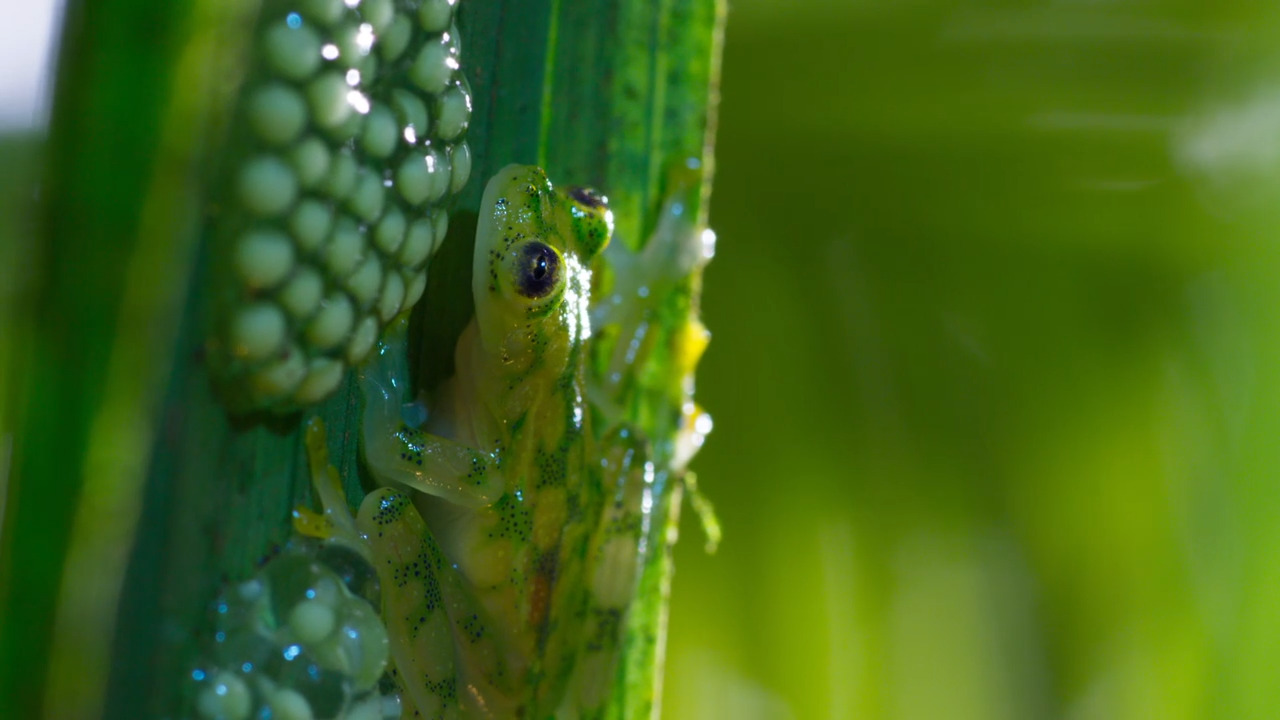
In Camouflage in the Jungle, narrator Sir David Attenborough explores the understory in Costa Rica where animals use camouflage and mimicry to avoid becoming prey. The glass frog avoids detection with its transparent body. The pattern on its back mimics the young egg sacs it is protecting, allowing it to confuse and fight off attacking wasps. This video is excerpted from BBC’s Planet Earth II, a breathtaking documentary series that highlights the natural wonders of our planet.
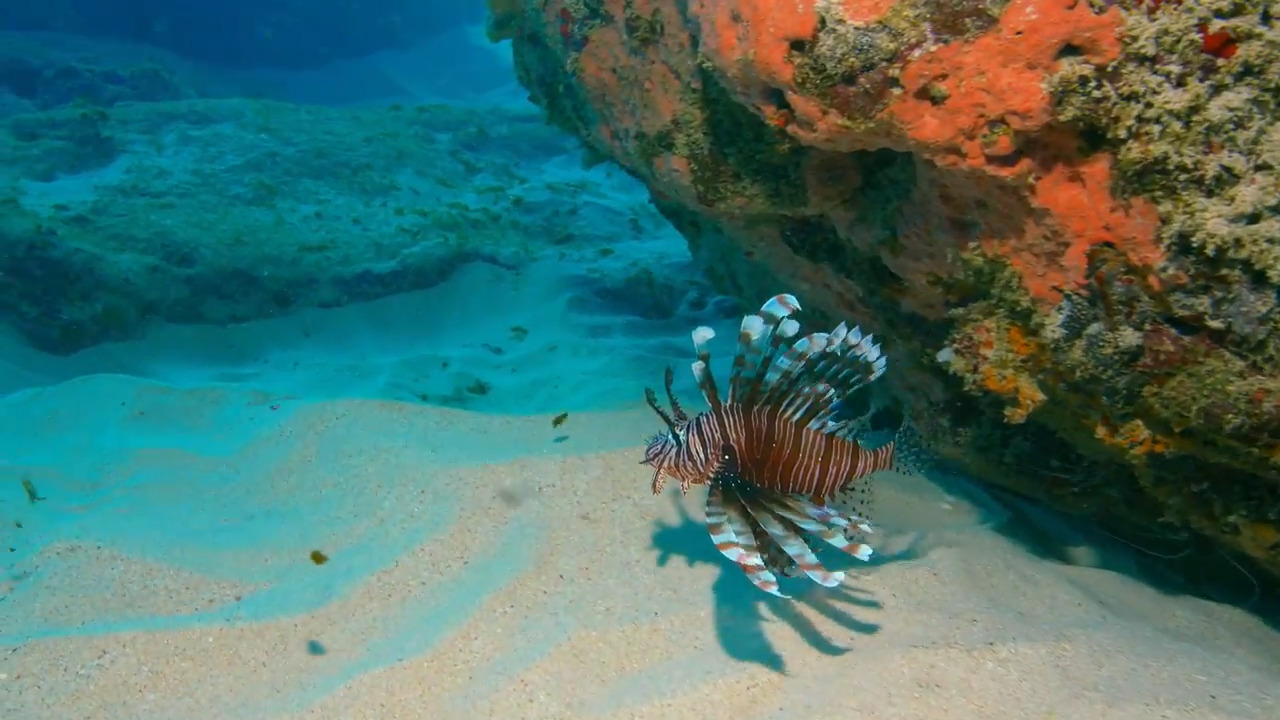
In Lionfish and Frogfish, Ocean Ninjas, naturalist Steve Backshall spots a venomous lionfish and predatory frogfish. He explains how the frogfish walk across the seafloor, use camouflage, and catch prey. This video is excerpted from BBC's Deadly 60, an award-winning nature and adventure show for kids in which narrator Steve Backshall has one mission: to travel the globe in search of 60 of the world's deadliest animals.
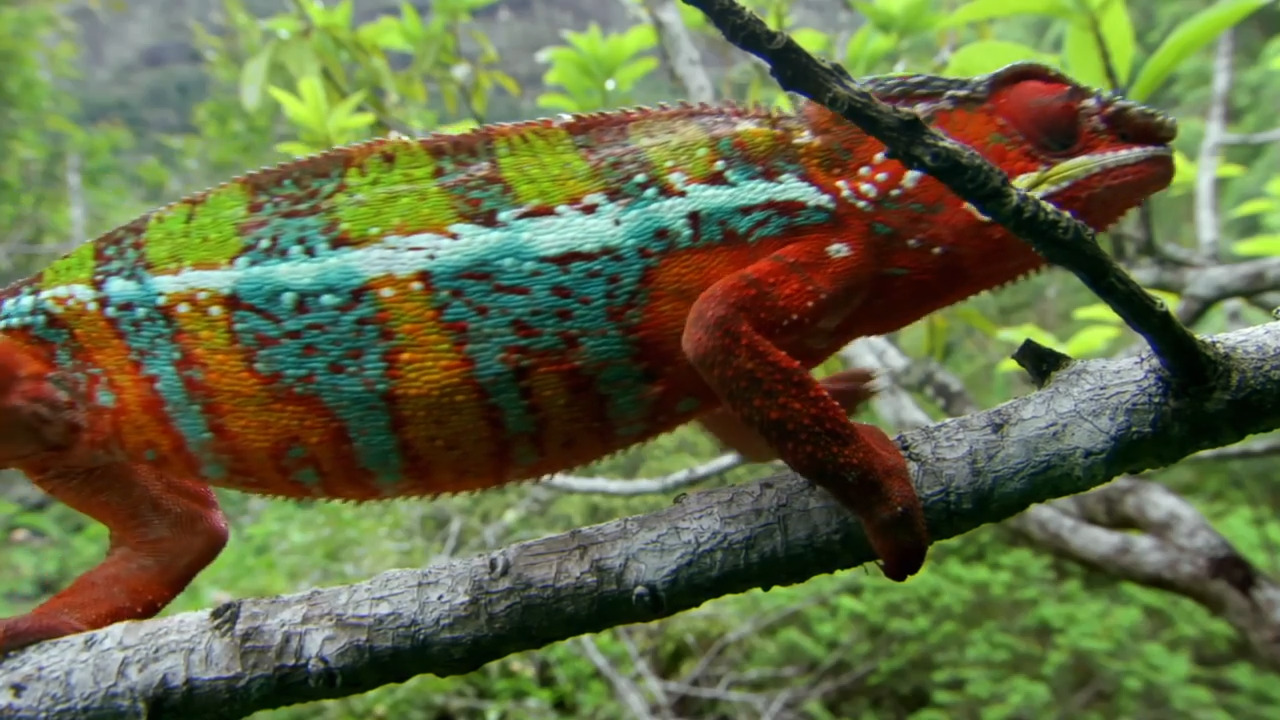
In Protective Pigments, evolutionary biologist Ben Garrod explains the critical role of pigment in protecting vertebrates from ultraviolet light and its broader functions in communication and survival strategies. Find out how pigments, like melanin, protect the skin at a molecular level and the diverse ways animals utilize color for camouflage, signaling, and mate selection. This video is excerpted from Secrets of Skin, a documentary series exploring the natural history of the body’s largest organ.
You Might Also Like
Meet nature's superheroes. Gorillas, camels, cheetahs — these animals have evolved abilities that put them in a league of their own. We've put together a collection of BBC video clips all about animal superpowers (see Related Resources below). Watch them, then take the Kahoot to see what stuck.
Watch the videos, then take the Kahoot to see what you've learned about how these animals' bodies and behaviors help them thrive in the wild — and pick up some solid grounding in evolution and adaptation along the way.
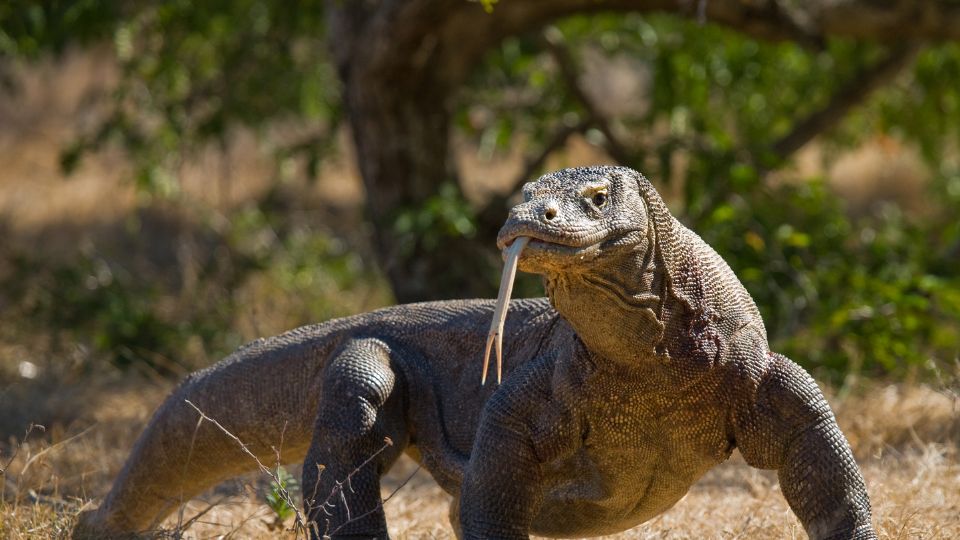
Meet the cold-blooded champions. Komodo dragons, caimans, bullfrogs, waterfall toads — these reptiles and amphibians have evolved extreme skills to survive as ectotherms, relying on their environment instead of their own body heat. We've put together a collection of BBC video clips all about cold-blooded animals (see Related Resources below). Watch them, then take the Kahoot to see what stuck.
The tricks are surprisingly specific: basilisks use a rapid leg motion to run across water without sinking, while waterfall toads — which can't leap like most frogs — have their own clever way of dodging predators. Explore how these cold-blooded creatures have adapted to thrive, and pick up some solid vocabulary along the way.
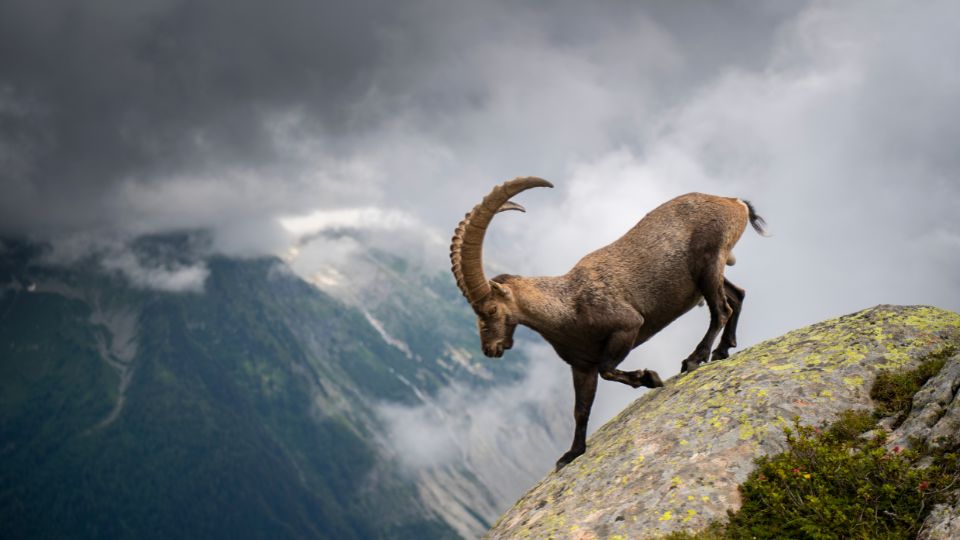
Meet the extreme survivors. Penguins, giraffes, golden snub-nosed monkeys, Namaqua chameleons — these animals have evolved remarkable ways to endure some of the harshest conditions on Earth. We've put together a collection of BBC video clips all about extreme survivors (see Related Resources below). Watch them, then take the Kahoot to see what stuck.
The adaptations are wide-ranging: penguins withstand sub-zero temperatures, giraffes manage naturally high blood pressure, snub-nosed monkeys huddle together to survive freezing nights, and Namaqua chameleons shift skin color to beat the heat of the day. Explore how these animals have adapted, body and behavior, to survive against the odds.
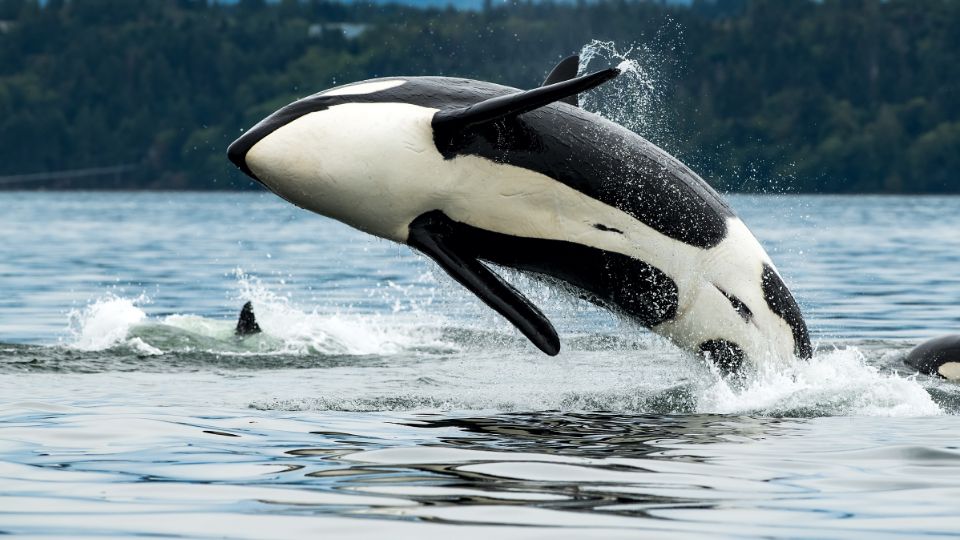
Meet the ocean's fiercest hunters. Orcas, tiger sharks, lionfish, piranhas — these predators have evolved sharp hunting tactics and sensory tricks that let them outmatch their prey in the wild. We've put together a collection of BBC video clips all about ocean predators (see Related Resources below). Watch them, then take the Kahoot to see what stuck.
The tactics are specific and surprising: orcas and tiger sharks use specialized hunting methods, lionfish disorient prey before striking, and piranhas' reputation turns out to be more myth than fact. Explore how these predators have come to dominate their corner of the ocean, and pick up some solid grounding in marine ecosystems along the way.
Meet nature's superheroes. Gorillas, camels, cheetahs — these animals have evolved abilities that put them in a league of their own. We've put together a collection of BBC video clips all about animal superpowers (see Related Resources below). Watch them, then take the Kahoot to see what stuck.
Watch the videos, then take the Kahoot to see what you've learned about how these animals' bodies and behaviors help them thrive in the wild — and pick up some solid grounding in evolution and adaptation along the way.
Meet the cold-blooded champions. Komodo dragons, caimans, bullfrogs, waterfall toads — these reptiles and amphibians have evolved extreme skills to survive as ectotherms, relying on their environment instead of their own body heat. We've put together a collection of BBC video clips all about cold-blooded animals (see Related Resources below). Watch them, then take the Kahoot to see what stuck.
The tricks are surprisingly specific: basilisks use a rapid leg motion to run across water without sinking, while waterfall toads — which can't leap like most frogs — have their own clever way of dodging predators. Explore how these cold-blooded creatures have adapted to thrive, and pick up some solid vocabulary along the way.
Meet the extreme survivors. Penguins, giraffes, golden snub-nosed monkeys, Namaqua chameleons — these animals have evolved remarkable ways to endure some of the harshest conditions on Earth. We've put together a collection of BBC video clips all about extreme survivors (see Related Resources below). Watch them, then take the Kahoot to see what stuck.
The adaptations are wide-ranging: penguins withstand sub-zero temperatures, giraffes manage naturally high blood pressure, snub-nosed monkeys huddle together to survive freezing nights, and Namaqua chameleons shift skin color to beat the heat of the day. Explore how these animals have adapted, body and behavior, to survive against the odds.
Meet the ocean's fiercest hunters. Orcas, tiger sharks, lionfish, piranhas — these predators have evolved sharp hunting tactics and sensory tricks that let them outmatch their prey in the wild. We've put together a collection of BBC video clips all about ocean predators (see Related Resources below). Watch them, then take the Kahoot to see what stuck.
The tactics are specific and surprising: orcas and tiger sharks use specialized hunting methods, lionfish disorient prey before striking, and piranhas' reputation turns out to be more myth than fact. Explore how these predators have come to dominate their corner of the ocean, and pick up some solid grounding in marine ecosystems along the way.