Deserts look empty. They are anything but.
From the sun-scorched dunes of the Sahara to the scrubby plains of Australia, desert animals have cracked one of nature's toughest puzzles: how to survive where water is scarce, temperatures are brutal, and food is hard to find. In this playlist, you'll meet the remarkable species that call these landscapes home — from the iconic camel and the lightning-fast hawk to the bounding kangaroo and the armored pangolin.
Each clip, drawn from landmark BBC series including Seven Worlds, One Planet and Planet Earth II, puts you face-to-face with real desert survival in action. Some animals store water and energy for enormous journeys across open terrain. Others hunt by night, move in short bursts, or use camouflage so good they practically disappear. Every strategy is different. Every one is extraordinary.
As you watch, think bigger: How do animals adapt to temperatures that would stop most creatures in their tracks? What physical traits make desert life not just possible, but thriving? And how do these species — predator and prey, reptile and mammal — depend on each other to keep desert ecosystems in balance?
This playlist won't just teach you about deserts. It will make you see them differently.
Celebrate the incredible work of Sir David Attenborough — a storyteller who has helped millions of students and viewers explore the natural world. On the occasion of his 100th birthday on May 8, 2026, we honor his enormous accomplishments in the field of environmental advocacy and his role in revolutionizing nature documentaries.
This playlist brings together 10 unforgettable clips from landmark BBC series like Planet Earth, Blue Planet, and Frozen Planet. Each video showcases amazing wildlife, powerful storytelling, and moments that spark curiosity and wonder.
Perfect for the classroom or at home, these videos help students connect with nature, understand our planet, and feel inspired to protect it.
March 5, 2026, marks the 20th anniversary of premiere of BBC's Planet Earth (and it's just in time for Earth Day on April 22, too!). The breathtaking and award-winning documentary series, narrated by none other than Sir David Attenborough, highlights the natural wonders of our planet. In honor of this momentous occasion, we've put together some of the most popular clips from this beloved natural history show for students ages 8–14.
Get up close and personal with hydroplaning dolphins. Witness an iguana hatchling's terrifying race to survive, pursued by racer snakes. Watch the first steps of two polar bear cubs emerging from hibernation. More of the real-life magic of our blue marble awaits in this video playlist, part of our Planet Earth Collection. Grab your Planet Earth Passport and start exploring!
Brave the chill and meet the coolest creatures on Earth! This playlist of 11 frosty video clips from BBC landmark shows like Frozen Planet and Planet Earth explores how animals survive some of the coldest places on the planet. Students will learn about adaptations, seasonal behaviors, and the survival strategies that help bison, foxes, seals, grizzlies, snow monkeys, polar bears, lynx, and more thrive in freezing climates.
They’ll discover how winter weather shapes each animal’s daily life; how they find food, conserve energy, protect themselves from predators; and why these icy habitats play a vital role in Earth’s systems.
Forget rats — you've never seen city wildlife like this before! First watch Peregrine Falcons Thrive in New York City, a short clip from the award-winning BBC series Planet Earth. Sir David Attenborough highlights how the peregrine falcons living in New York City adapted well to their urban habitat. The ledges of tall buildings provide a place to nest and from which to soar.
Once your students have watched the video, invite them to check for understanding with this quick, 8-question quiz!
Delve into the eerie and enchanting world of creatures of Halloween! This BBC playlist explores the mysterious lives of wolves, bats, spiders, and owls, revealing the fascinating hunting strategies, survival journeys, and unique ecosystems that make them so captivating. Perfect for a spooky science lesson or a deep dive into the animal kingdom's more shadowy inhabitants.
From the iconic Red Rock formations of Arches National Park in Utah and the majestic peaks of the Rocky Mountains, to the unique wetlands of the Everglades, journey through incredible landscapes. Encounter amazing animals like grizzly bears and bobcats, learn about the vital work of protecting ancient redwood forests, and discover how climate change is reshaping these precious wild spaces.
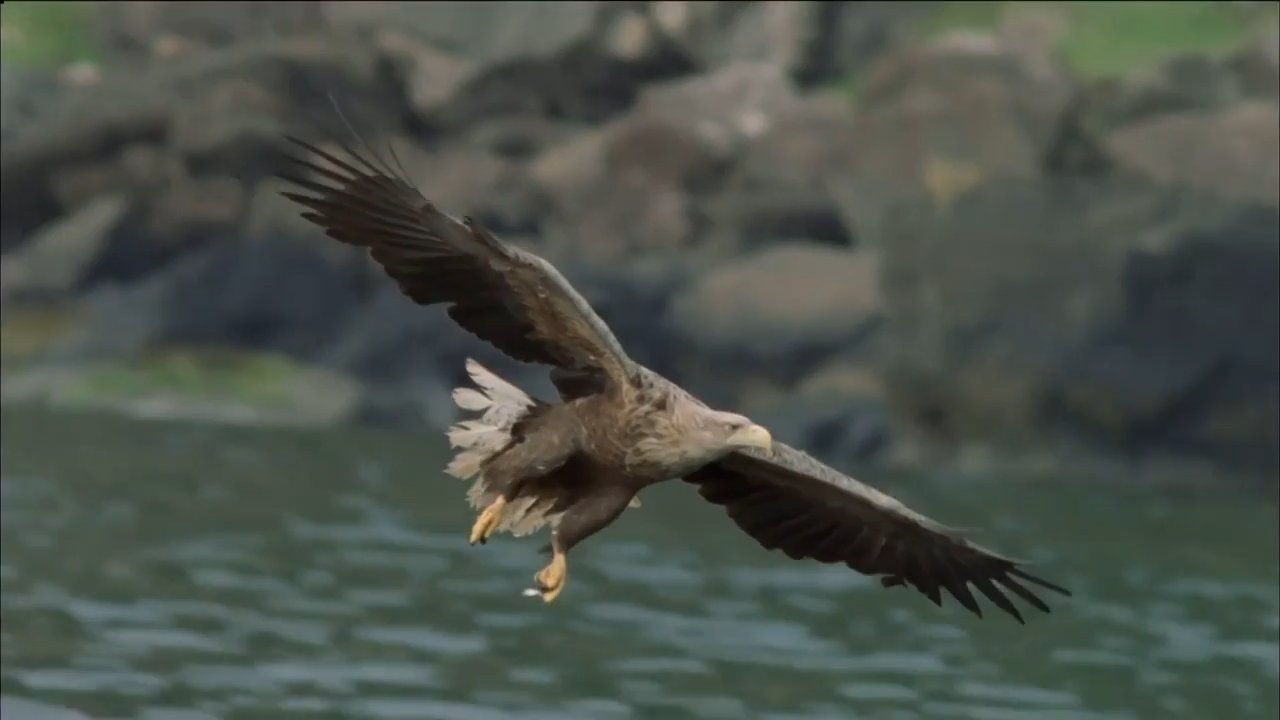
The article "Identification, Habitat, and Diet of the Golden Eagle, UK’s Majestic Raptor" from BBC's Discover Wildlife provides an in-depth look at the golden eagle, the UK's second-largest bird of prey. It details the eagle's physical characteristics, including its dark brown plumage and golden nape, its primary habitats in the Scottish Highlands, and its varied diet consisting mainly of small to medium-sized mammals and birds.
In Wild Budgerigars in the Desert, narrator Sir David Attenborough reveals how well the wild budgerigars have adapted to living in the desert. They fly in flocks to keep themselves safe from predatory birds. This video is excerpted from BBC’s Seven Worlds, One Planet, a series featuring remarkable animal behavior from all seven continents.
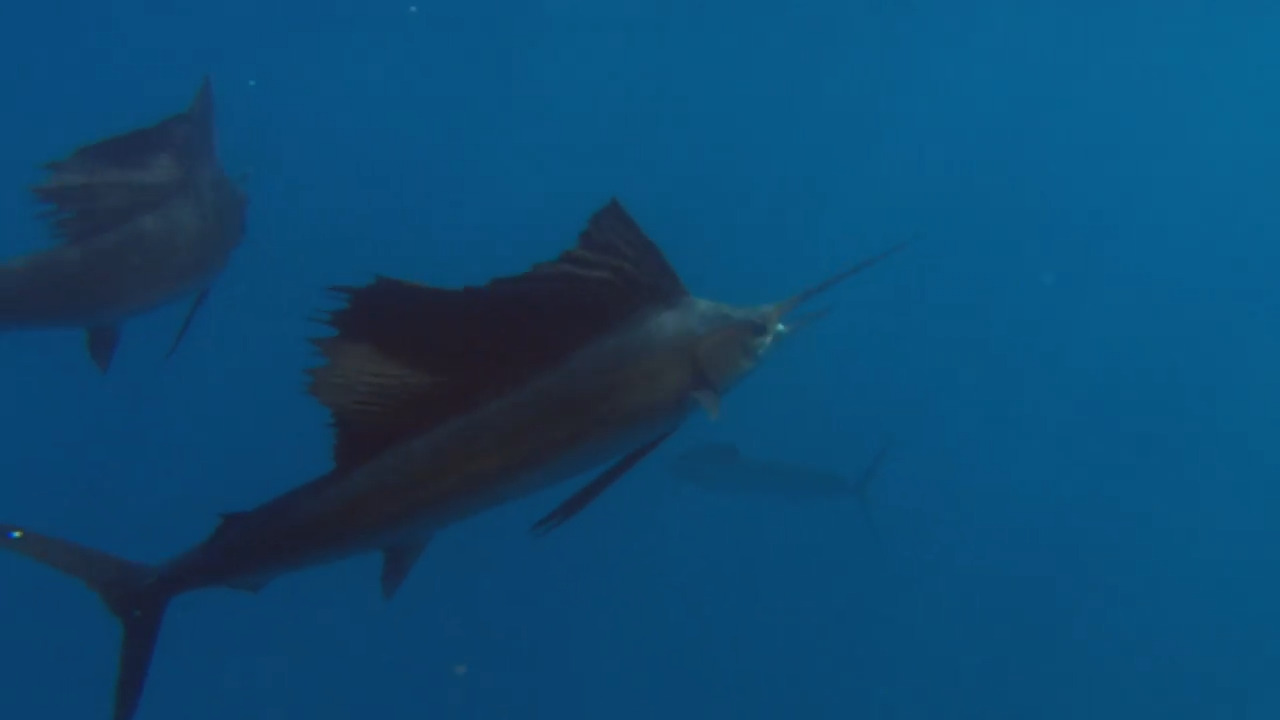
In Frigate Birds and Sailfish on the Hunt, narrator Sir David Attenborough observes the remarkable hunting techniques of frigate birds and sailfish in the open ocean. Frigate birds soar high above the water, scanning for fish below, while sailfish — some reaching lengths of 10 feet (3 meters) — surround schools of bait fish. The sailfish cooperate with one another, using their speed, agility, and color-changing abilities to confuse and catch their prey. As the bait fish move toward the surface, frigate birds dive down to snatch them. This video is excerpted from BBC’s Planet Earth, a breathtaking documentary series that highlights the natural wonders of our planet.
In Bats' A Nightly Journey of Survival, narrator Sir David Attenborough explores the nightly journey of three million bats as they leave their cave to hunt for insects. The bats face many challenges, including evading predatory birds such as rufous-bellied eagles, falcons, and black hawks. Despite these dangers, most bats return safely to their cave by morning. This video is excerpted from BBC’s Planet Earth, a breathtaking documentary series that highlights the natural wonders of our planet.
In Meet the Drongo, the Desert’s Biggest Trickster!, narrator Sir David Attenborough describes the mysterious Kalahari Desert, a dry and ancient land full of strange wonders. Discover the bond between meerkats and clever drongo birds, one of nature’s biggest tricksters. During winter, the drongo mimics warning calls to steal food from the meerkats, but they’re smart enough to catch on to its tricks. Despite his sneaky ways, the drongo is a loyal ally most of the year. This video is excerpted from BBC's Africa, a study of the landscape and wildlife of the world’s wildest continent, Africa.
Deserts look empty. They are anything but.
From the sun-scorched dunes of the Sahara to the scrubby plains of Australia, desert animals have cracked one of nature's toughest puzzles: how to survive where water is scarce, temperatures are brutal, and food is hard to find. In this playlist, you'll meet the remarkable species that call these landscapes home — from the iconic camel and the lightning-fast hawk to the bounding kangaroo and the armored pangolin.
Each clip, drawn from landmark BBC series including Seven Worlds, One Planet and Planet Earth II, puts you face-to-face with real desert survival in action. Some animals store water and energy for enormous journeys across open terrain. Others hunt by night, move in short bursts, or use camouflage so good they practically disappear. Every strategy is different. Every one is extraordinary.
As you watch, think bigger: How do animals adapt to temperatures that would stop most creatures in their tracks? What physical traits make desert life not just possible, but thriving? And how do these species — predator and prey, reptile and mammal — depend on each other to keep desert ecosystems in balance?
This playlist won't just teach you about deserts. It will make you see them differently.
Celebrate the incredible work of Sir David Attenborough — a storyteller who has helped millions of students and viewers explore the natural world. On the occasion of his 100th birthday on May 8, 2026, we honor his enormous accomplishments in the field of environmental advocacy and his role in revolutionizing nature documentaries.
This playlist brings together 10 unforgettable clips from landmark BBC series like Planet Earth, Blue Planet, and Frozen Planet. Each video showcases amazing wildlife, powerful storytelling, and moments that spark curiosity and wonder.
Perfect for the classroom or at home, these videos help students connect with nature, understand our planet, and feel inspired to protect it.
March 5, 2026, marks the 20th anniversary of premiere of BBC's Planet Earth (and it's just in time for Earth Day on April 22, too!). The breathtaking and award-winning documentary series, narrated by none other than Sir David Attenborough, highlights the natural wonders of our planet. In honor of this momentous occasion, we've put together some of the most popular clips from this beloved natural history show for students ages 8–14.
Get up close and personal with hydroplaning dolphins. Witness an iguana hatchling's terrifying race to survive, pursued by racer snakes. Watch the first steps of two polar bear cubs emerging from hibernation. More of the real-life magic of our blue marble awaits in this video playlist, part of our Planet Earth Collection. Grab your Planet Earth Passport and start exploring!
Brave the chill and meet the coolest creatures on Earth! This playlist of 11 frosty video clips from BBC landmark shows like Frozen Planet and Planet Earth explores how animals survive some of the coldest places on the planet. Students will learn about adaptations, seasonal behaviors, and the survival strategies that help bison, foxes, seals, grizzlies, snow monkeys, polar bears, lynx, and more thrive in freezing climates.
They’ll discover how winter weather shapes each animal’s daily life; how they find food, conserve energy, protect themselves from predators; and why these icy habitats play a vital role in Earth’s systems.
Forget rats — you've never seen city wildlife like this before! First watch Peregrine Falcons Thrive in New York City, a short clip from the award-winning BBC series Planet Earth. Sir David Attenborough highlights how the peregrine falcons living in New York City adapted well to their urban habitat. The ledges of tall buildings provide a place to nest and from which to soar.
Once your students have watched the video, invite them to check for understanding with this quick, 8-question quiz!
Delve into the eerie and enchanting world of creatures of Halloween! This BBC playlist explores the mysterious lives of wolves, bats, spiders, and owls, revealing the fascinating hunting strategies, survival journeys, and unique ecosystems that make them so captivating. Perfect for a spooky science lesson or a deep dive into the animal kingdom's more shadowy inhabitants.
From the iconic Red Rock formations of Arches National Park in Utah and the majestic peaks of the Rocky Mountains, to the unique wetlands of the Everglades, journey through incredible landscapes. Encounter amazing animals like grizzly bears and bobcats, learn about the vital work of protecting ancient redwood forests, and discover how climate change is reshaping these precious wild spaces.
The article "Identification, Habitat, and Diet of the Golden Eagle, UK’s Majestic Raptor" from BBC's Discover Wildlife provides an in-depth look at the golden eagle, the UK's second-largest bird of prey. It details the eagle's physical characteristics, including its dark brown plumage and golden nape, its primary habitats in the Scottish Highlands, and its varied diet consisting mainly of small to medium-sized mammals and birds.
In Wild Budgerigars in the Desert, narrator Sir David Attenborough reveals how well the wild budgerigars have adapted to living in the desert. They fly in flocks to keep themselves safe from predatory birds. This video is excerpted from BBC’s Seven Worlds, One Planet, a series featuring remarkable animal behavior from all seven continents.
In Frigate Birds and Sailfish on the Hunt, narrator Sir David Attenborough observes the remarkable hunting techniques of frigate birds and sailfish in the open ocean. Frigate birds soar high above the water, scanning for fish below, while sailfish — some reaching lengths of 10 feet (3 meters) — surround schools of bait fish. The sailfish cooperate with one another, using their speed, agility, and color-changing abilities to confuse and catch their prey. As the bait fish move toward the surface, frigate birds dive down to snatch them. This video is excerpted from BBC’s Planet Earth, a breathtaking documentary series that highlights the natural wonders of our planet.
In Bats' A Nightly Journey of Survival, narrator Sir David Attenborough explores the nightly journey of three million bats as they leave their cave to hunt for insects. The bats face many challenges, including evading predatory birds such as rufous-bellied eagles, falcons, and black hawks. Despite these dangers, most bats return safely to their cave by morning. This video is excerpted from BBC’s Planet Earth, a breathtaking documentary series that highlights the natural wonders of our planet.
In Meet the Drongo, the Desert’s Biggest Trickster!, narrator Sir David Attenborough describes the mysterious Kalahari Desert, a dry and ancient land full of strange wonders. Discover the bond between meerkats and clever drongo birds, one of nature’s biggest tricksters. During winter, the drongo mimics warning calls to steal food from the meerkats, but they’re smart enough to catch on to its tricks. Despite his sneaky ways, the drongo is a loyal ally most of the year. This video is excerpted from BBC's Africa, a study of the landscape and wildlife of the world’s wildest continent, Africa.