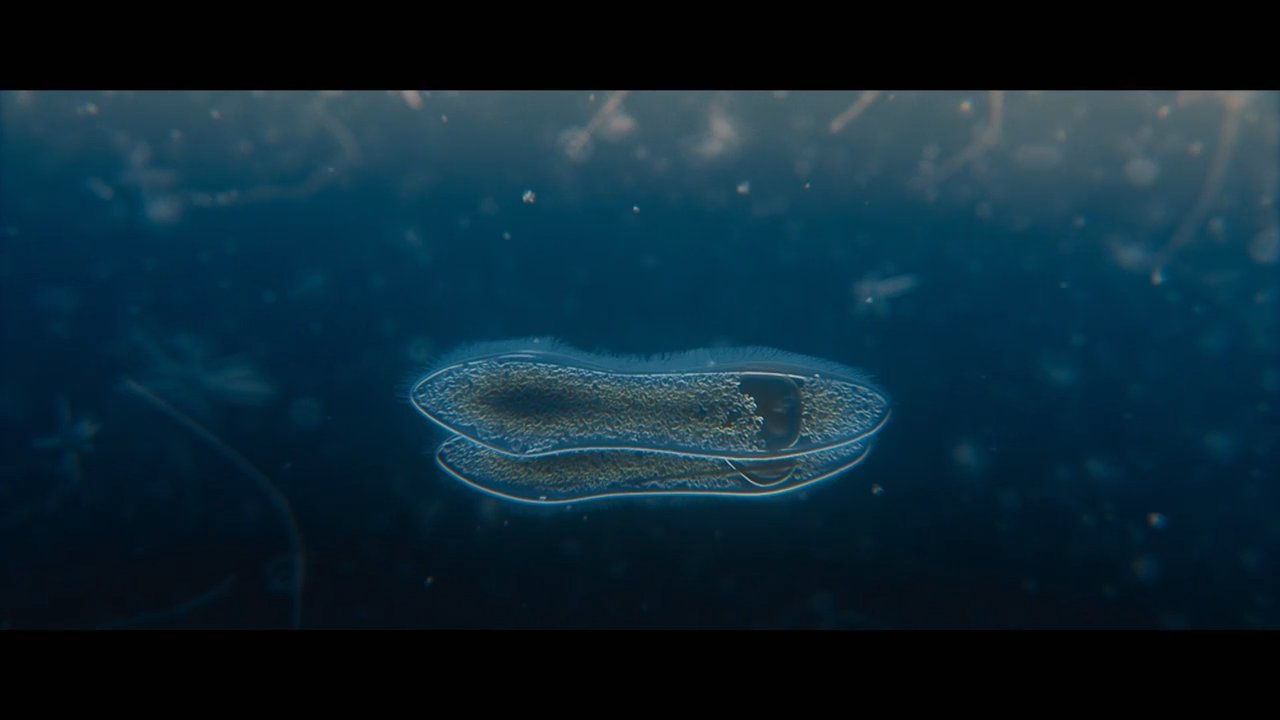
For nearly four billion years, life reproduced without sexes, simply copying itself to create genetically similar offspring. This clip from BBC’s Evolution episode "The Ostrich" explores the emergence of sexual reproduction around two billion years ago, when cells gained the ability to fuse with one another and combine their DNA.
By mixing genetic material from two parents, sexual reproduction created an enormous variety of unique offspring, giving evolution far more variation to work with. The video examines how this seemingly simple change may have helped accelerate the evolution of increasingly complex life, ultimately opening the door to organisms made up of trillions of specialized cells.
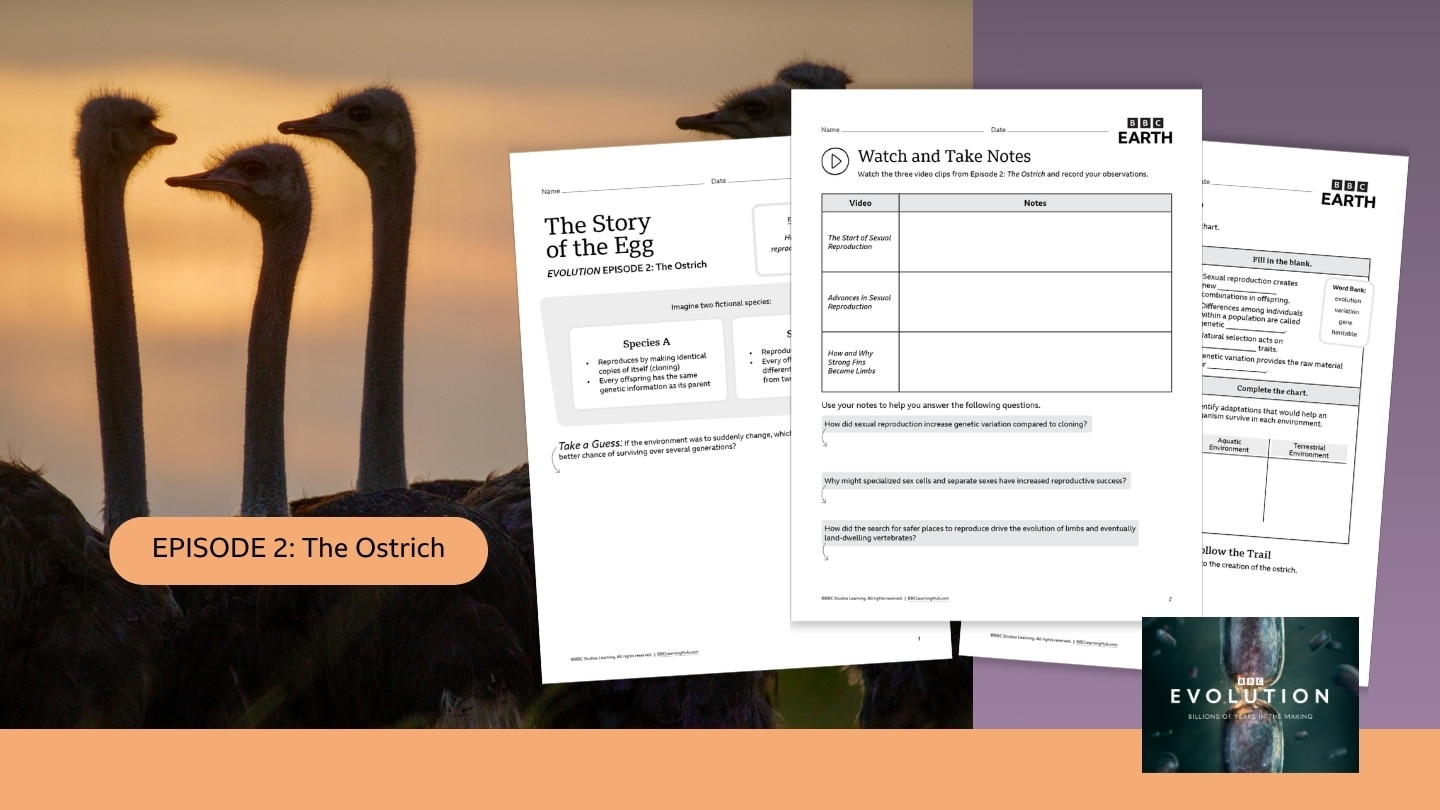
How did the evolution of reproduction eventually lead to the ostrich? This lesson for ages 11–18 follows the evolution of reproduction and explores how the shift from cloning to sexual reproduction introduced greater genetic variation — and new possibilities for life.
Using BBC video clips from Evolution Episode 2: "The Ostrich," investigate how sexual reproduction developed, why specialized sex cells and separate sexes can increase reproductive success, and how reproductive strategies such as hermaphroditism can benefit organisms in certain environments. Follow the connection between reproduction and the move onto land, exploring how the search for safer places to reproduce contributed to the evolution of limbs and land-dwelling vertebrates.
As you work through the lesson, compare reproductive strategies, connect genetic variation to natural selection and evolution, and consider how organisms adapt to aquatic and terrestrial environments. Once you've completed the activities, you'll use evidence from the videos and your own reasoning to explain how changes in reproduction helped shape the evolutionary path to the ostrich.
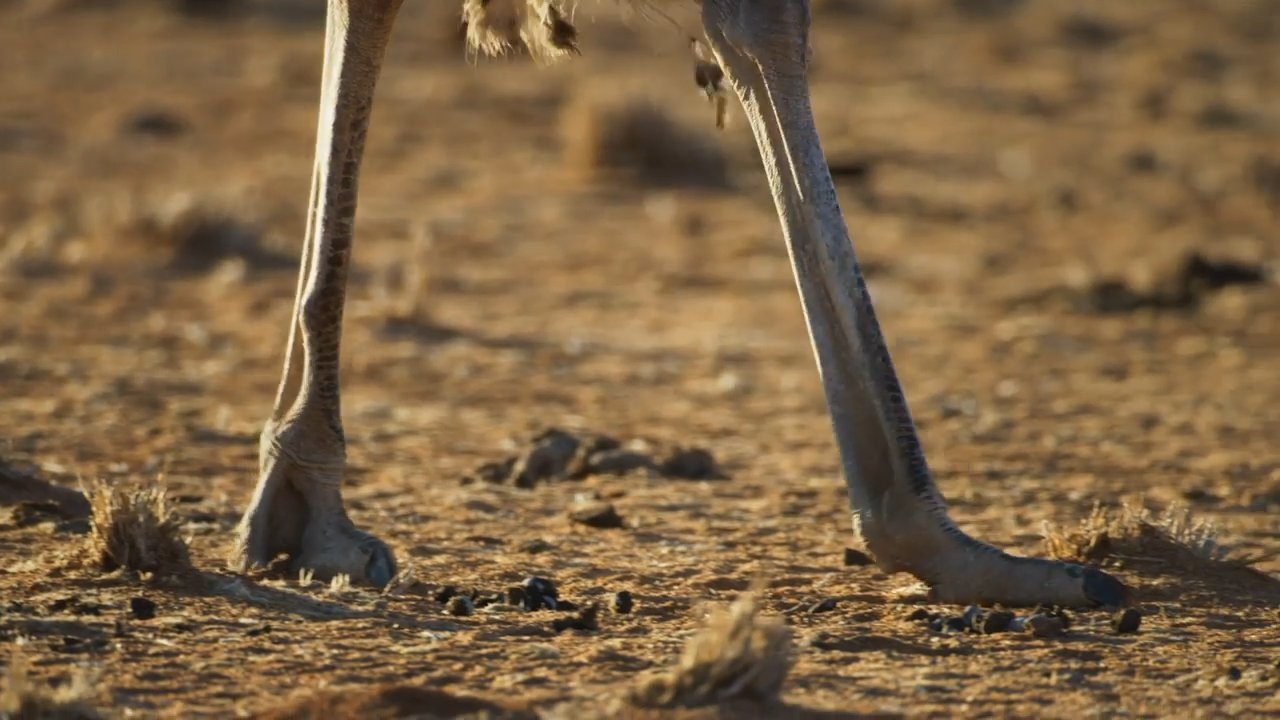
In the Devonian, the oceans were filled with predators, making it dangerous for fish to protect their vulnerable eggs. This clip from BBC’s Evolution episode "The Ostrich" explores how some fish with strong, fleshy-lobed fins may have gained an advantage by venturing into isolated pools and streams where their eggs were safer from aquatic predators.
Over generations, those fins became increasingly adapted for movement on land, with bones, joints, and digits eventually forming the limbs of early land vertebrates. Fossils such as Seymouria reveal the emergence of the familiar five-digit hand, connecting the anatomy of ancient amphibious animals to the limbs of elephants, ostriches, lizards, and humans today.
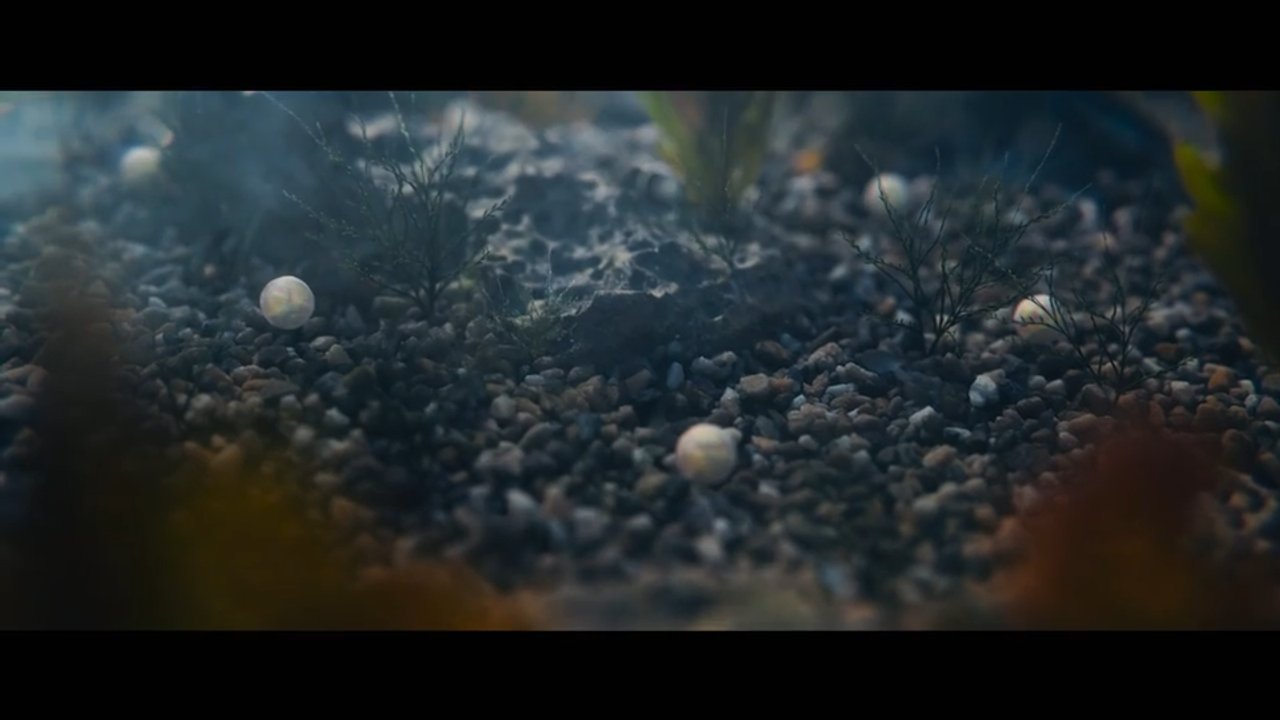
As animals evolved larger, more complex bodies, reproduction had to evolve with them. This clip from BBC’s Evolution episode "The Ostrich" traces the evolution of sexual reproduction from specialized egg and sperm cells to the emergence of separate male and female sexes, using fossils and living animals to explore how these strategies developed.
The story begins with ancient Cambrian animals and the evolution of specialized gametes, then considers why some early animals may have been hermaphrodites, producing both eggs and sperm. The video explores how mutations and evolutionary pressures could have led to separate sexes, with sperm becoming specialized for movement and eggs becoming larger and more nutrient-rich — a specialization taken to an extraordinary extreme in the single-celled beginnings of an ostrich egg.
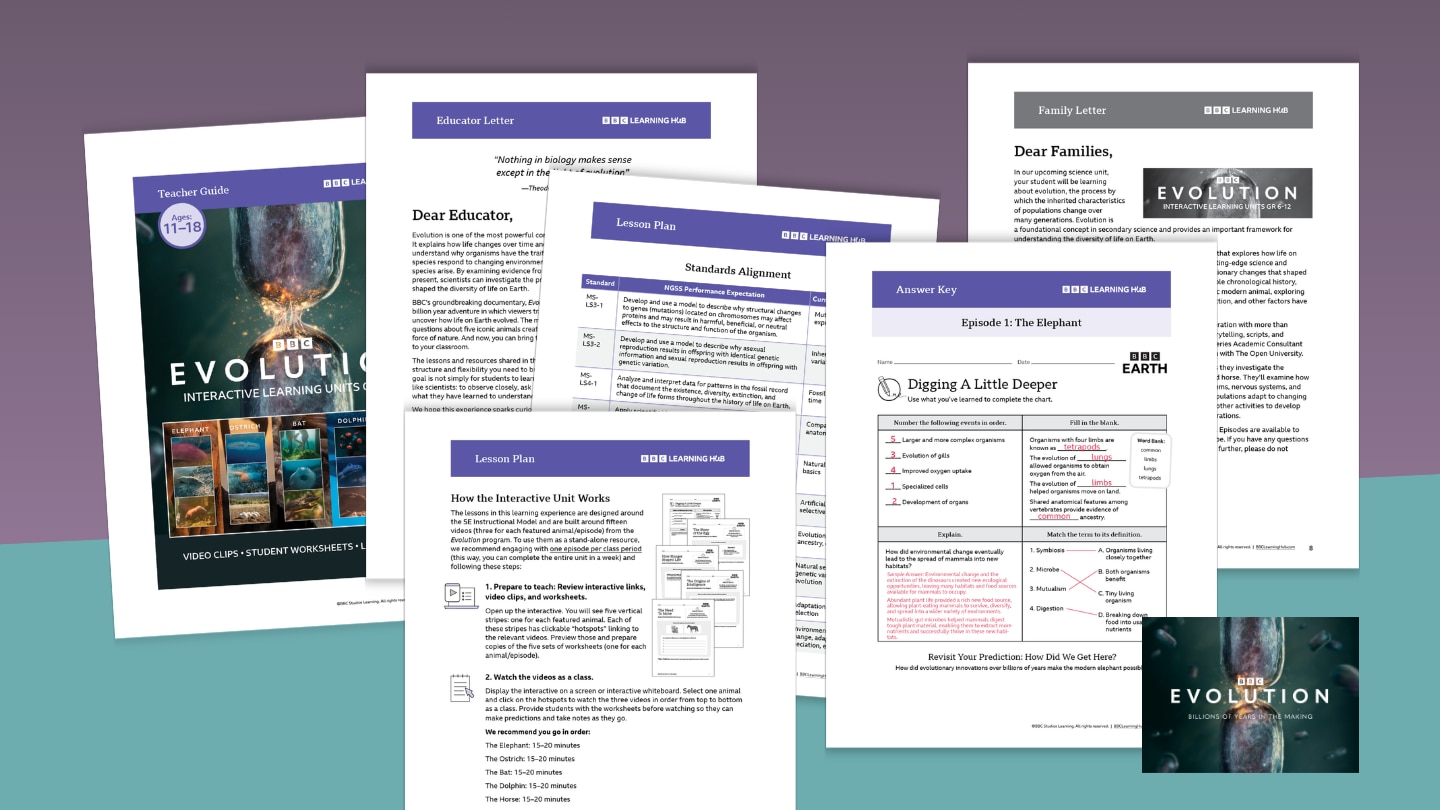
Bring BBC’s Evolution into your classroom with a flexible teaching guide designed to help students investigate how life changes over time. Built around five episodes featuring the elephant, ostrich, bat, dolphin, and horse, the interactive unit combines engaging BBC footage with student worksheets, evidence-based activities, teaching strategies, and extension ideas.
The lessons are structured around the 5E Instructional Model and can be used as a complete five-day learning experience or adapted to support an existing evolution unit. Students make predictions, analyze evidence from video clips, identify patterns, and develop explanations about natural selection, adaptation, genetic variation, and other mechanisms of evolutionary change.
The guide includes:
- Background information and vocabulary for the topic
- How to access and navigate the interactive unit (including videos and worksheets)
- Teacher tips and implementation guidance for using the materials in whole-class, small-group, pair, or individual settings
- Extension activities including an evolution timeline, animal comparisons, and adaptation research.
- NGSS alignment covering middle and high school standards related to genetic variation, natural selection, adaptation, common ancestry, environmental change, and selective breeding
- Family letter to introduce parents and caregivers to the unit and explain what students will be learning and why (as well as how to watch the full episodes at home)
- Answer keys for each set of worksheets
Whether you're introducing evolution for the first time, reinforcing a concept you're already teaching, or looking for a multimedia station or jigsaw activity, this guide gives you the tools to make Evolution part of your science classroom.
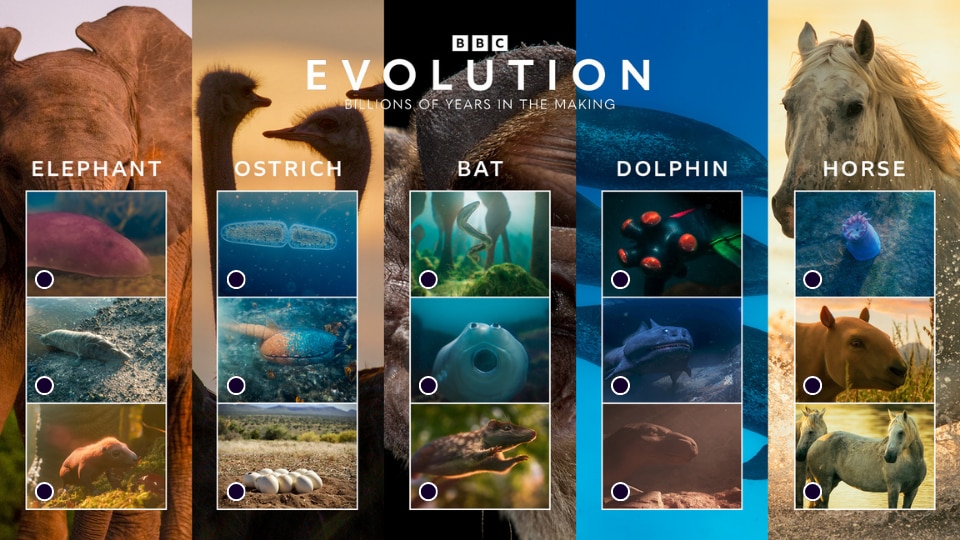
With this interactive unit, you will explore the evolutionary journey of five animals — the elephant, ostrich, bat, dolphin, and horse — through incredible videos from BBC's new documentary series, Evolution.
BBC's Evolution explores the pivotal evolutionary breakthroughs that shaped every living thing. Rather than telling a simple chronological history, each episode traces the deep evolutionary journey of one iconic modern animal, revealing how survival, chance, innovation and partnership have driven life’s astonishing diversity. The scientific research underpinning Evolution involved collaborating more than 600 scientists worldwide. At the heart of the series are the immersive VFX sequences that let viewers meet the characters that shaped the evolution of life on Earth today.
How to get started:
Start with any of the five animals. Click on each of three hotspots in its section (in order from top to bottom). As you explore how changes in body structure, reproduction, feeding, sensory systems, nervous systems, and movement opened new possibilities for survival and helped organisms adapt to changing environments, use the printable student worksheets (see Related Resources) for each animal to guide you.
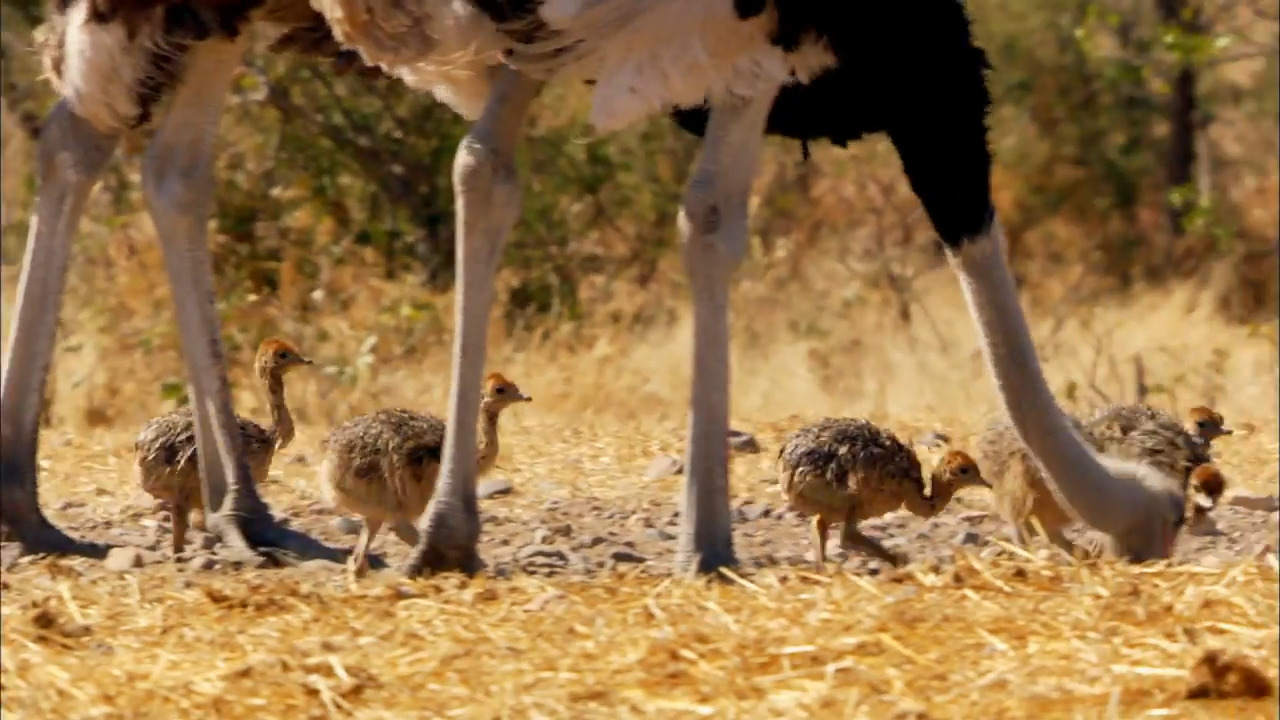
In Ostrich Chicks in the Kalahari narrator Sir David Attenborough describes how ostrich parents tirelessly search for water in the Kalahari Desert. After a long day, they find a watering hole teeming with giraffes, elephants, and zebras. However, danger looms as predators are nearby. When these predators chase away the larger animals, the ostrich family takes the opportunity to drink, demonstrating how survival requires adapting to challenges and opportunities. This video is excerpted from BBC’s Africa, a study of the landscape and wildlife of the world’s wildest continent, Africa.

In Cheetah Brothers Work Together to Hunt, narrator Sir David Attenborough follows three cheetah brothers living in Mount Kenya as they try to hunt zebras. At first, their plan falls apart when one cheetah is blocked by a big zebra, and the others miss their targets. Realizing they need to work together, the brothers switch their focus to a lone ostrich, which is faster and heavier than any of them. But by teaming up, the cheetahs finally succeed in catching their prey. This video is excerpted from BBC's Life, a show that explores the remarkable strategies animals and plants use to ensure their survival.

In Young Animals in the Desert, narrator Gordon Buchanan explores the different ways baby animals get food and water. Many different animals in the Kalahari Desert, both mammals and birds, are shown and discussed including baby ostriches and cheetahs. In many situations, young animals have to be resourceful in order to seek out enough food and water to survive. This video is excerpted from BBC's Animal Babies, a heartwarming show that follows the first breaths, first steps and first feeds of some adorable baby animals, revealing the challenges they face to survive in some of the toughest but most beautiful places on the planet.
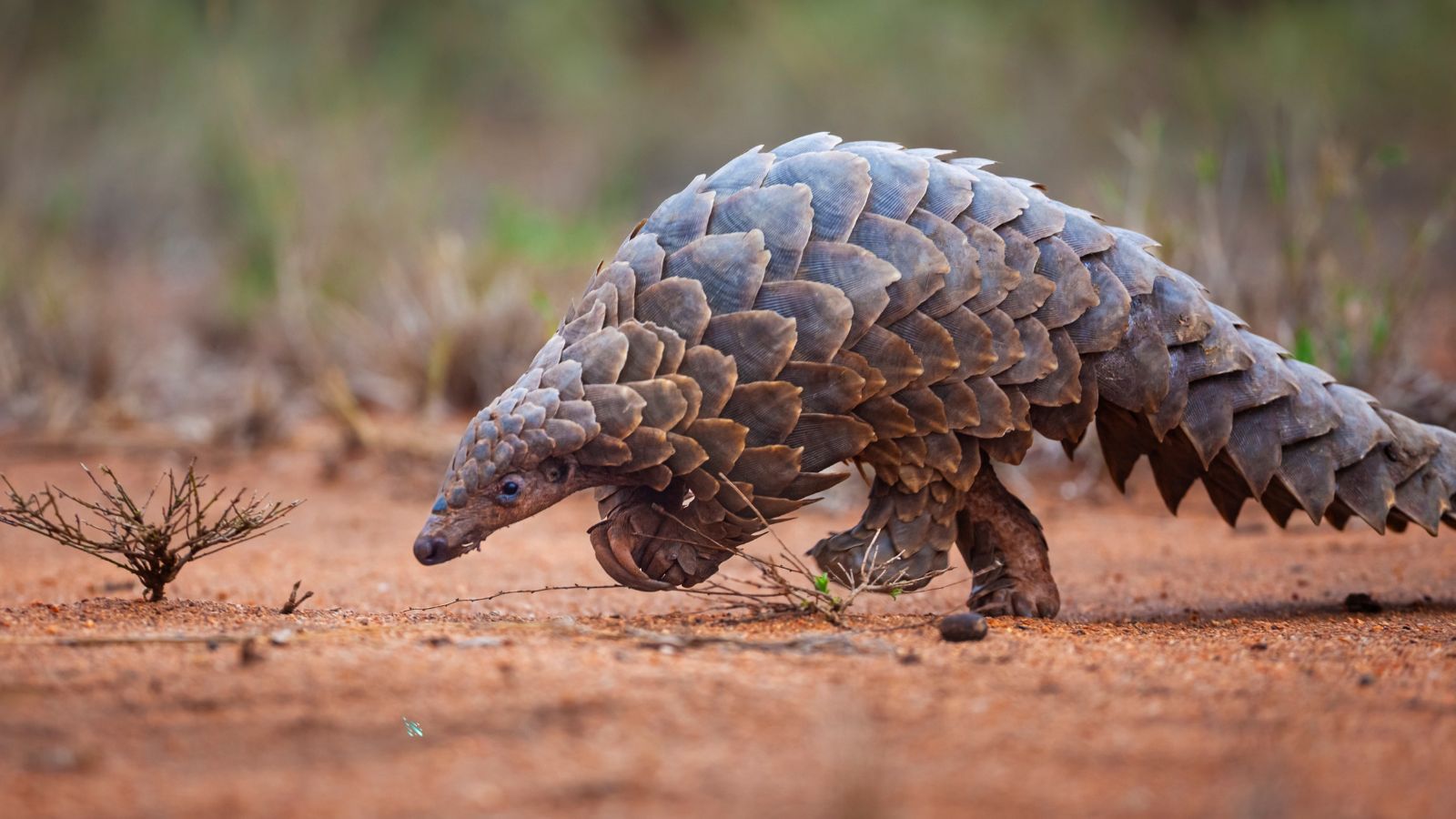
From the sun-scorched dunes of the Sahara to the scrubby plains of Australia, desert animals have cracked one of nature's toughest puzzles: how to survive where water is scarce, temperatures are brutal, and food is hard to find. In this playlist, you'll meet the remarkable species that call these landscapes home — from the iconic camel and the lightning-fast hawk to the bounding kangaroo and the armored pangolin.
Each video, drawn from landmark BBC series including Seven Worlds, One Planet and Planet Earth II, puts you face-to-face with real desert survival in action. Some animals store water and energy for enormous journeys across open terrain. Others hunt by night, move in short bursts, or use camouflage so good they practically disappear. Every strategy is different. Every one is extraordinary.
As you watch, think bigger: How do animals adapt to temperatures that would stop most creatures in their tracks? What physical traits make desert life not just possible, but thriving? And how do these species — predator and prey, reptile and mammal — depend on each other to keep desert ecosystems in balance?
This playlist won't just teach you about deserts. It will make you see them differently.

Watch ducklings take their first wobbly steps, baby elephants splash and explore, young wildebeests race to keep up with the herd, seal pups snooze on the shore, and playful otters discover the world around them. Behind all that cuteness is some fascinating science: every baby animal has its own way of growing, learning, staying safe, and preparing for life as an adult.
These clips offer a closer look at the earliest stages of animal life, from the care young animals receive from their parents to the instincts and behaviors that help them survive. Along the way, explore how different species are born, how quickly they develop, and the challenges they face as they grow.
Come for the tiny paws, fluffy feathers, wobbly legs, and oversized ears. Stay for the science — and plenty of reasons to say “aww.”
For nearly four billion years, life reproduced without sexes, simply copying itself to create genetically similar offspring. This clip from BBC’s Evolution episode "The Ostrich" explores the emergence of sexual reproduction around two billion years ago, when cells gained the ability to fuse with one another and combine their DNA.
By mixing genetic material from two parents, sexual reproduction created an enormous variety of unique offspring, giving evolution far more variation to work with. The video examines how this seemingly simple change may have helped accelerate the evolution of increasingly complex life, ultimately opening the door to organisms made up of trillions of specialized cells.
How did the evolution of reproduction eventually lead to the ostrich? This lesson for ages 11–18 follows the evolution of reproduction and explores how the shift from cloning to sexual reproduction introduced greater genetic variation — and new possibilities for life.
Using BBC video clips from Evolution Episode 2: "The Ostrich," investigate how sexual reproduction developed, why specialized sex cells and separate sexes can increase reproductive success, and how reproductive strategies such as hermaphroditism can benefit organisms in certain environments. Follow the connection between reproduction and the move onto land, exploring how the search for safer places to reproduce contributed to the evolution of limbs and land-dwelling vertebrates.
As you work through the lesson, compare reproductive strategies, connect genetic variation to natural selection and evolution, and consider how organisms adapt to aquatic and terrestrial environments. Once you've completed the activities, you'll use evidence from the videos and your own reasoning to explain how changes in reproduction helped shape the evolutionary path to the ostrich.
In the Devonian, the oceans were filled with predators, making it dangerous for fish to protect their vulnerable eggs. This clip from BBC’s Evolution episode "The Ostrich" explores how some fish with strong, fleshy-lobed fins may have gained an advantage by venturing into isolated pools and streams where their eggs were safer from aquatic predators.
Over generations, those fins became increasingly adapted for movement on land, with bones, joints, and digits eventually forming the limbs of early land vertebrates. Fossils such as Seymouria reveal the emergence of the familiar five-digit hand, connecting the anatomy of ancient amphibious animals to the limbs of elephants, ostriches, lizards, and humans today.
As animals evolved larger, more complex bodies, reproduction had to evolve with them. This clip from BBC’s Evolution episode "The Ostrich" traces the evolution of sexual reproduction from specialized egg and sperm cells to the emergence of separate male and female sexes, using fossils and living animals to explore how these strategies developed.
The story begins with ancient Cambrian animals and the evolution of specialized gametes, then considers why some early animals may have been hermaphrodites, producing both eggs and sperm. The video explores how mutations and evolutionary pressures could have led to separate sexes, with sperm becoming specialized for movement and eggs becoming larger and more nutrient-rich — a specialization taken to an extraordinary extreme in the single-celled beginnings of an ostrich egg.
Bring BBC’s Evolution into your classroom with a flexible teaching guide designed to help students investigate how life changes over time. Built around five episodes featuring the elephant, ostrich, bat, dolphin, and horse, the interactive unit combines engaging BBC footage with student worksheets, evidence-based activities, teaching strategies, and extension ideas.
The lessons are structured around the 5E Instructional Model and can be used as a complete five-day learning experience or adapted to support an existing evolution unit. Students make predictions, analyze evidence from video clips, identify patterns, and develop explanations about natural selection, adaptation, genetic variation, and other mechanisms of evolutionary change.
The guide includes:
- Background information and vocabulary for the topic
- How to access and navigate the interactive unit (including videos and worksheets)
- Teacher tips and implementation guidance for using the materials in whole-class, small-group, pair, or individual settings
- Extension activities including an evolution timeline, animal comparisons, and adaptation research.
- NGSS alignment covering middle and high school standards related to genetic variation, natural selection, adaptation, common ancestry, environmental change, and selective breeding
- Family letter to introduce parents and caregivers to the unit and explain what students will be learning and why (as well as how to watch the full episodes at home)
- Answer keys for each set of worksheets
Whether you're introducing evolution for the first time, reinforcing a concept you're already teaching, or looking for a multimedia station or jigsaw activity, this guide gives you the tools to make Evolution part of your science classroom.
With this interactive unit, you will explore the evolutionary journey of five animals — the elephant, ostrich, bat, dolphin, and horse — through incredible videos from BBC's new documentary series, Evolution.
BBC's Evolution explores the pivotal evolutionary breakthroughs that shaped every living thing. Rather than telling a simple chronological history, each episode traces the deep evolutionary journey of one iconic modern animal, revealing how survival, chance, innovation and partnership have driven life’s astonishing diversity. The scientific research underpinning Evolution involved collaborating more than 600 scientists worldwide. At the heart of the series are the immersive VFX sequences that let viewers meet the characters that shaped the evolution of life on Earth today.
How to get started:
Start with any of the five animals. Click on each of three hotspots in its section (in order from top to bottom). As you explore how changes in body structure, reproduction, feeding, sensory systems, nervous systems, and movement opened new possibilities for survival and helped organisms adapt to changing environments, use the printable student worksheets (see Related Resources) for each animal to guide you.
In Ostrich Chicks in the Kalahari narrator Sir David Attenborough describes how ostrich parents tirelessly search for water in the Kalahari Desert. After a long day, they find a watering hole teeming with giraffes, elephants, and zebras. However, danger looms as predators are nearby. When these predators chase away the larger animals, the ostrich family takes the opportunity to drink, demonstrating how survival requires adapting to challenges and opportunities. This video is excerpted from BBC’s Africa, a study of the landscape and wildlife of the world’s wildest continent, Africa.
In Cheetah Brothers Work Together to Hunt, narrator Sir David Attenborough follows three cheetah brothers living in Mount Kenya as they try to hunt zebras. At first, their plan falls apart when one cheetah is blocked by a big zebra, and the others miss their targets. Realizing they need to work together, the brothers switch their focus to a lone ostrich, which is faster and heavier than any of them. But by teaming up, the cheetahs finally succeed in catching their prey. This video is excerpted from BBC's Life, a show that explores the remarkable strategies animals and plants use to ensure their survival.
In Young Animals in the Desert, narrator Gordon Buchanan explores the different ways baby animals get food and water. Many different animals in the Kalahari Desert, both mammals and birds, are shown and discussed including baby ostriches and cheetahs. In many situations, young animals have to be resourceful in order to seek out enough food and water to survive. This video is excerpted from BBC's Animal Babies, a heartwarming show that follows the first breaths, first steps and first feeds of some adorable baby animals, revealing the challenges they face to survive in some of the toughest but most beautiful places on the planet.
From the sun-scorched dunes of the Sahara to the scrubby plains of Australia, desert animals have cracked one of nature's toughest puzzles: how to survive where water is scarce, temperatures are brutal, and food is hard to find. In this playlist, you'll meet the remarkable species that call these landscapes home — from the iconic camel and the lightning-fast hawk to the bounding kangaroo and the armored pangolin.
Each video, drawn from landmark BBC series including Seven Worlds, One Planet and Planet Earth II, puts you face-to-face with real desert survival in action. Some animals store water and energy for enormous journeys across open terrain. Others hunt by night, move in short bursts, or use camouflage so good they practically disappear. Every strategy is different. Every one is extraordinary.
As you watch, think bigger: How do animals adapt to temperatures that would stop most creatures in their tracks? What physical traits make desert life not just possible, but thriving? And how do these species — predator and prey, reptile and mammal — depend on each other to keep desert ecosystems in balance?
This playlist won't just teach you about deserts. It will make you see them differently.
Watch ducklings take their first wobbly steps, baby elephants splash and explore, young wildebeests race to keep up with the herd, seal pups snooze on the shore, and playful otters discover the world around them. Behind all that cuteness is some fascinating science: every baby animal has its own way of growing, learning, staying safe, and preparing for life as an adult.
These clips offer a closer look at the earliest stages of animal life, from the care young animals receive from their parents to the instincts and behaviors that help them survive. Along the way, explore how different species are born, how quickly they develop, and the challenges they face as they grow.
Come for the tiny paws, fluffy feathers, wobbly legs, and oversized ears. Stay for the science — and plenty of reasons to say “aww.”