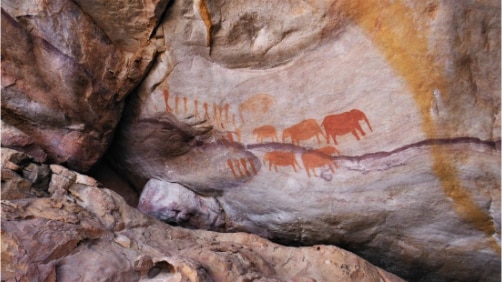
The San have lived in the Kalahari, a vast semi-desert stretching across Botswana, Namibia, and South Africa, for thousands of years. They are among the oldest continuous cultures on Earth. Watch the BBC video clips to see how they live in a place with little surface water: reading animal tracks in the sand, hunting with poisoned arrows, making fire by hand, and finding food and water where outsiders see none. Then take the Kahoot to test what you’ve learned, including the harder story of how San communities have fought to stay on their land and keep their knowledge alive as the world around them changes.
Teachers: Show the clips as a class before playing the Kahoot live or assign both for independent learning. It works as a hook for units on Indigenous peoples, African geography, or human adaptation to extreme environments. The land rights questions give students an opening to discuss who decides how traditional lands are used.
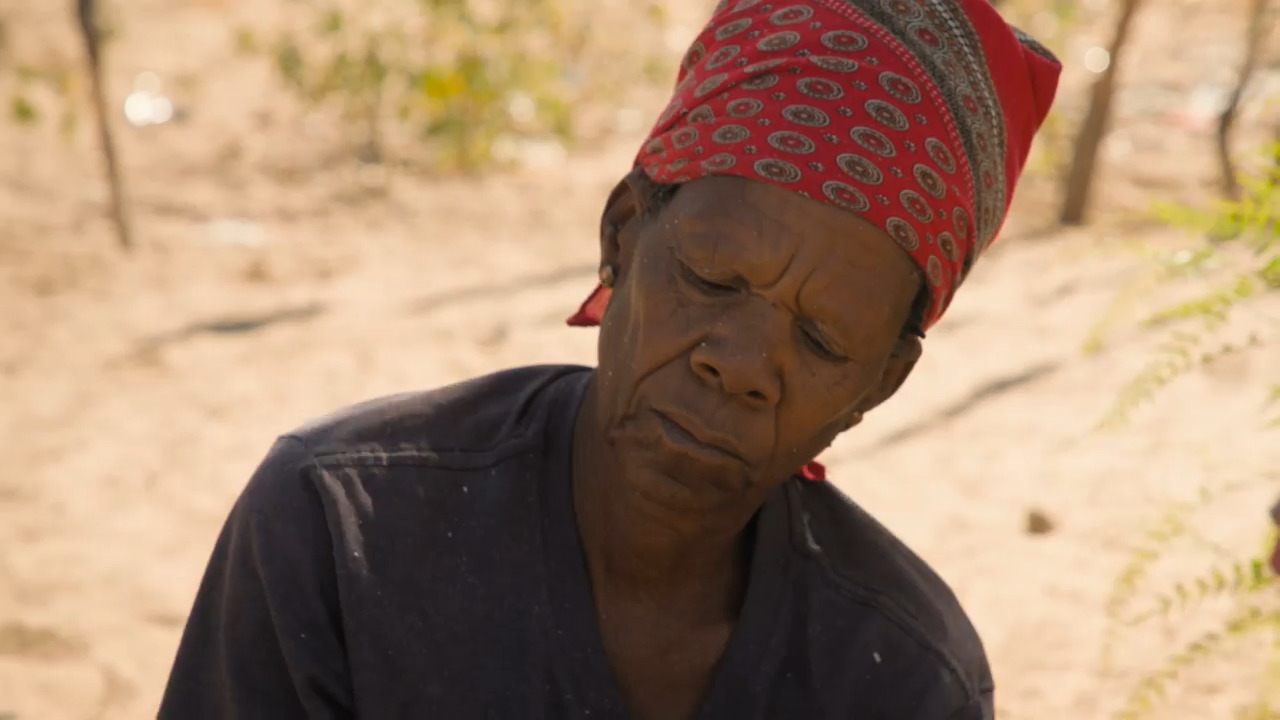
In The San People’s New World, host Simon Reeve explores the Central Kalahari Game Reserve (CKGR) in Botswana, a land filled with wildlife and history. He learns about the San people, who lived there for thousands of years but were forced to relocate to settlements with promises of a better life. Many San feel betrayed, believing they were pushed out for diamonds and wildlife conservation, leaving their ancestral home behind. This video is excerpted from BBC’s Wilderness With Simon Reeve, an epic adventure into the heart of Earth’s last great wild areas, where nature is at its most beautiful and fragile.
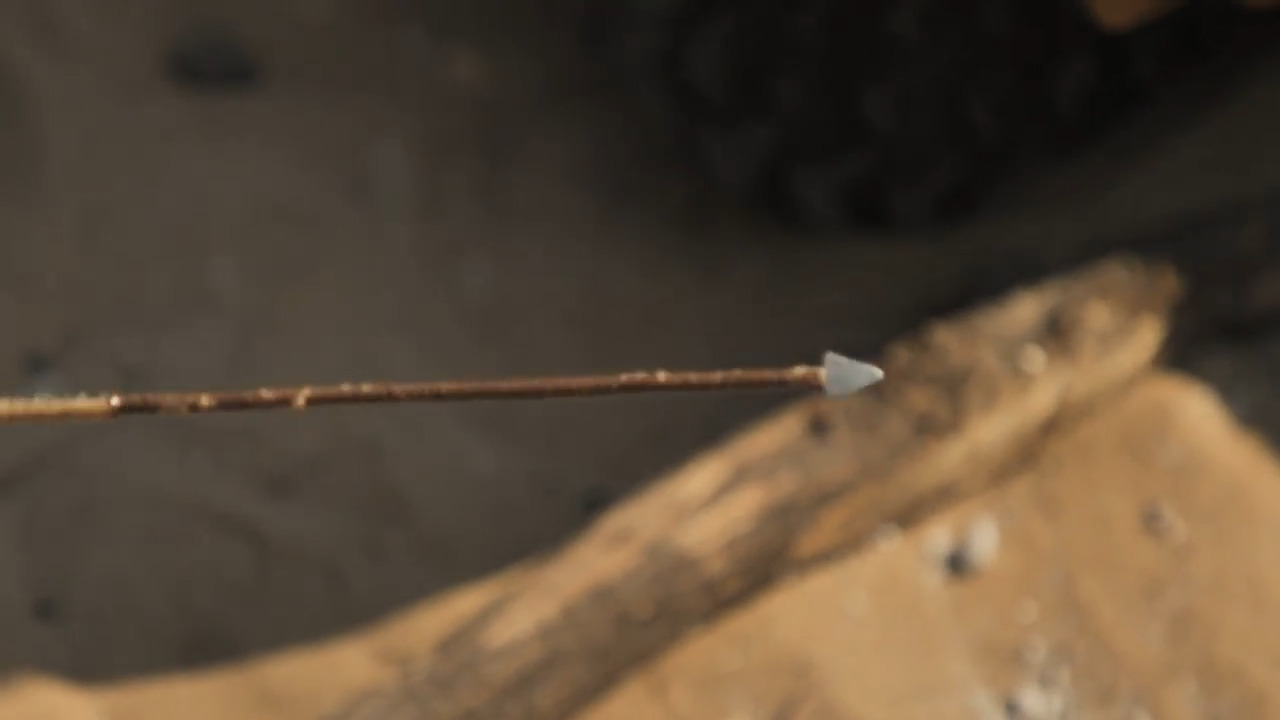
In Hunting With the Masters: The Art of Survival in Deniui, host Simon Reeve visits a remote village in Deniui, Namibia, where some of the world’s last expert wildlife hunters live. The locals welcome Simon and teach him survival skills, like digging deep into the sand to find poisonous beetle larvae. He watches as they craft toxic darts for hunting, a skill passed down to young men as a vital part of providing for their families. This video is excerpted from BBC’s Wilderness With Simon Reeve, an epic adventure into the heart of Earth’s last great wild areas, where nature is at its most beautiful and fragile.

In How the San Track the Wildebeest, host Simon Reeve joins tracker Twee and the hunters as they track and hunt for food. Using bows with poisoned darts, they rely on stealth, silence, and avoiding strong smells that could alert animals. After shooting a wildebeest, the group follows its tracks, showing their deep connection to the land and their expert ability to read the environment in ways most people can’t. This video is excerpted from BBC’s Wilderness With Simon Reeve, an epic adventure into the heart of Earth’s last great wild areas, where nature is at its most beautiful and fragile.
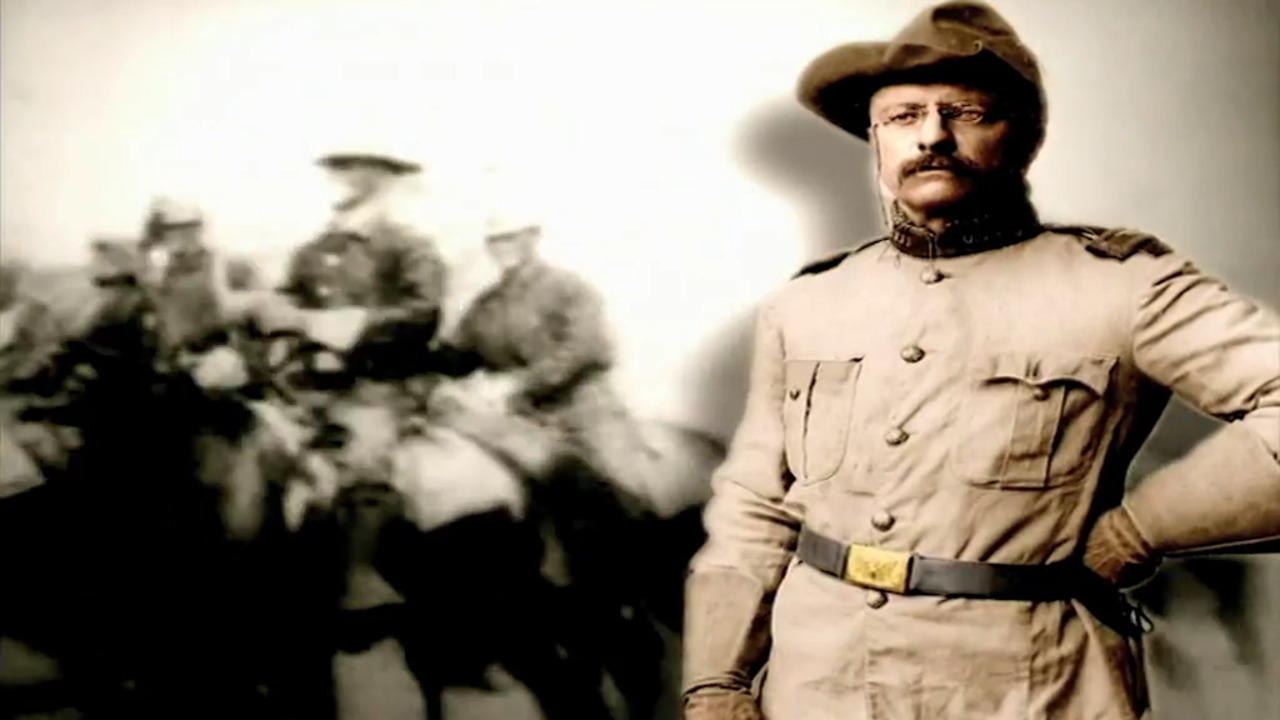
In Theodore Roosevelt and the Rough Riders, learn how Theodore Roosevelt resigned his government position to lead a volunteer cavalry unit in the Spanish-American War. The Rough Riders, a diverse group of cowboys, Native Americans, and regular citizens, fought on foot in Cuba and captured San Juan Hill under Roosevelt’s leadership, earning him national fame and a hero’s welcome. This victory became one of Roosevelt’s most celebrated moments and helped pave his path to the presidency.
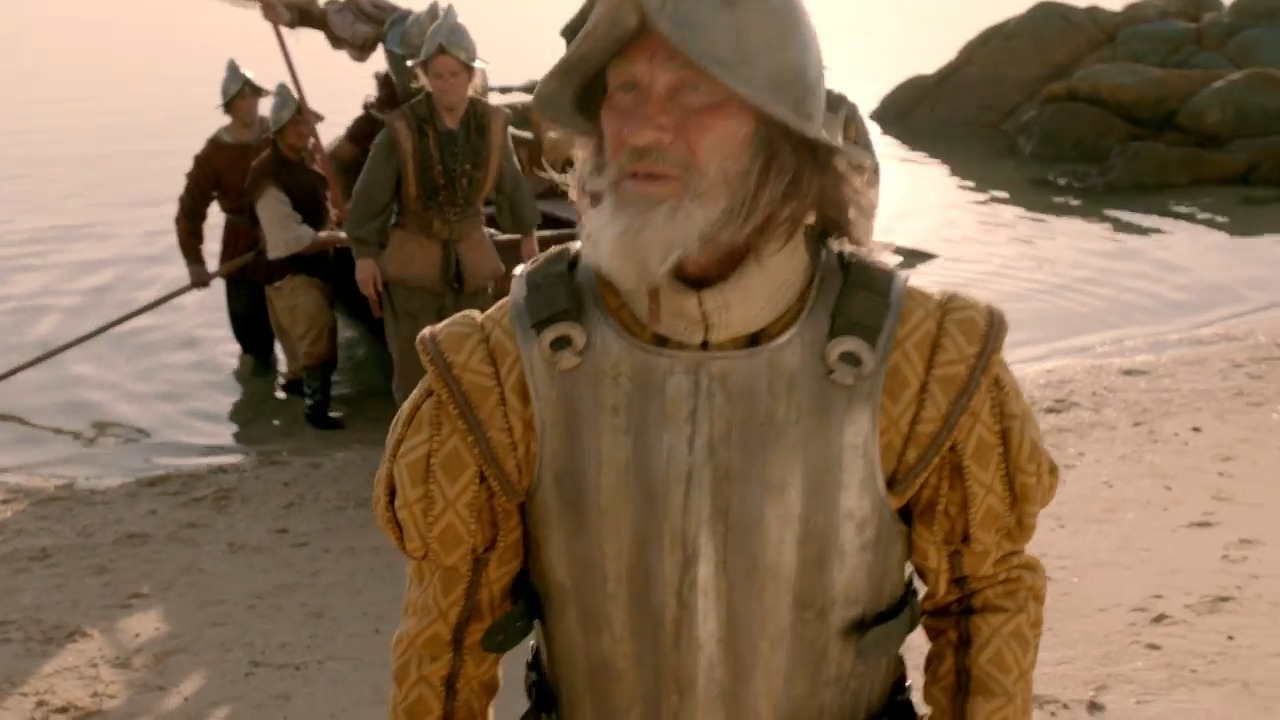
In Columbus in the New World, host Andrew Marr recounts how Christopher Columbus lands on the Bahamian island of Guanahani and decides to name it San Salvador. After meeting with the Indigenous people on the island, Columbus describes how he thinks he can claim the land for Spain, enslave the people, and convert them to Christianity. This kicks off a global gold rush. This video is excerpted from BBC’s Andrew Marr's History of the World, a story of human history that uses reenactments, modern footage, and storytelling to explain history’s greatest achievements.
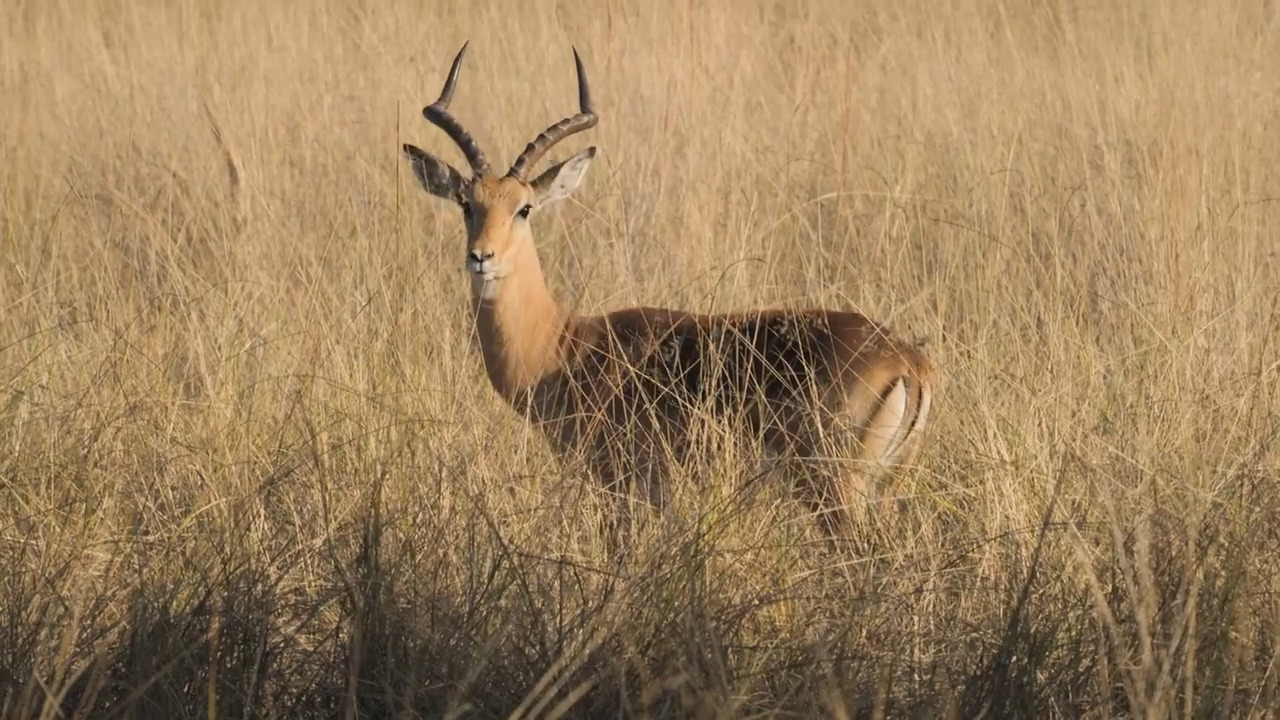
In How Animals and Humans Coexist in the Desert, host Simon Reeve explores the Kalahari Desert with Don, a member of the San people. The Kalahari is a semi-desert and one of the largest sand basins on Earth, stretching across Africa. Despite its tough environment, animals like elephants, lions and jackals thrive here, thanks to seasonal rains that bring food. The San have lived here for thousands of years and are known for their incredible survival and tracking skills, and deep knowledge of the land. This video is excerpted from BBC’s Wilderness With Simon Reeve, an epic adventure into the heart of Earth’s last great wild areas, where nature is at its most beautiful and fragile.
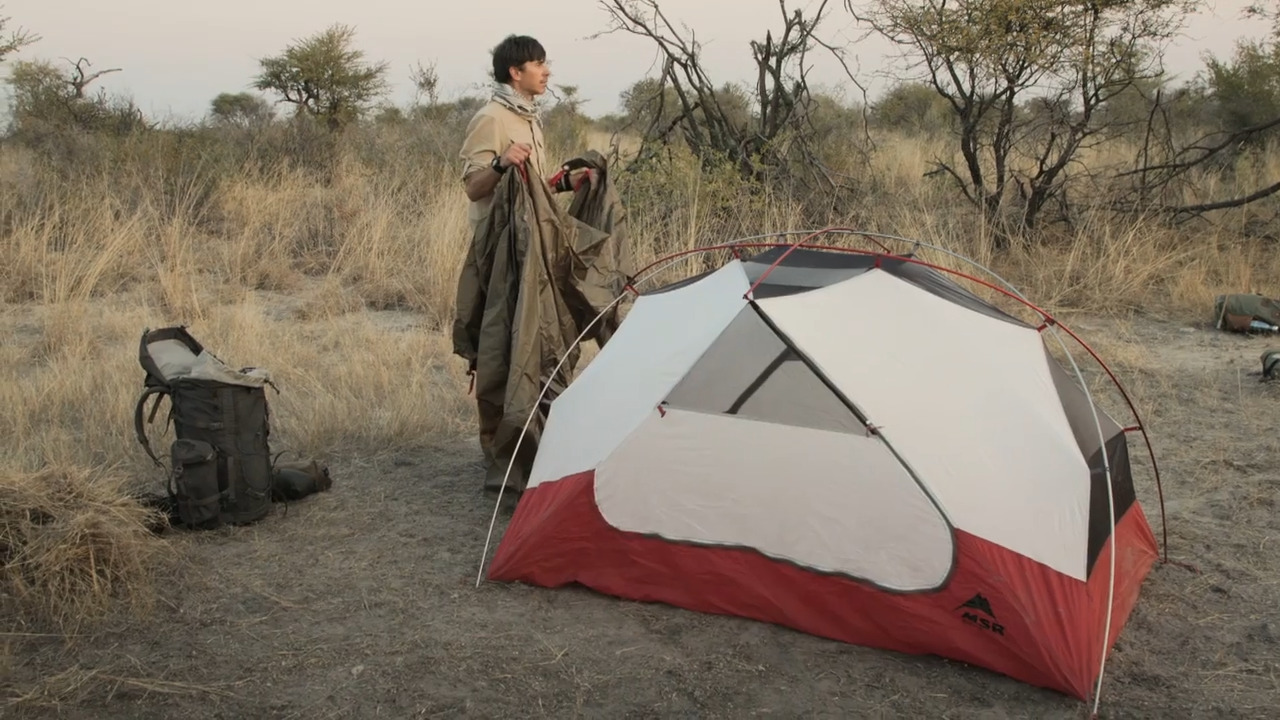
In Hunting and Camping in the Kalahari, host Simon Reeve camps with the San people in the Kalahari, learning their survival skills. As night falls, he tries his hand at making fire with sticks, a skill the San men have mastered. Around the campfire, one man explains how coffee helps him stay alert to listen for predators like lions, sharing a gripping story of waking up to a pride nearby. He reflects on the courage it takes to hunt, reminding Simon that providing for family is worth the risks. This video is excerpted from BBC’s Wilderness With Simon Reeve, an epic adventure into the heart of Earth’s last great wild areas, where nature is at its most beautiful and fragile.

In The Go Jetters and the Golden Gate Bridge, the Go Jetters crew visits The Golden Gate Bridge in San Francisco, California. The crew learns about the bridge’s role in guiding ships when it’s foggy in the San Francisco Bay. This video is excerpted from BBC's Go Jetters, a series that follows the adventures of four plucky international heroes as they travel the globe visiting the world’s most famous landmarks with their friend and mentor, Ubercorn, a disco-dancing unicorn.
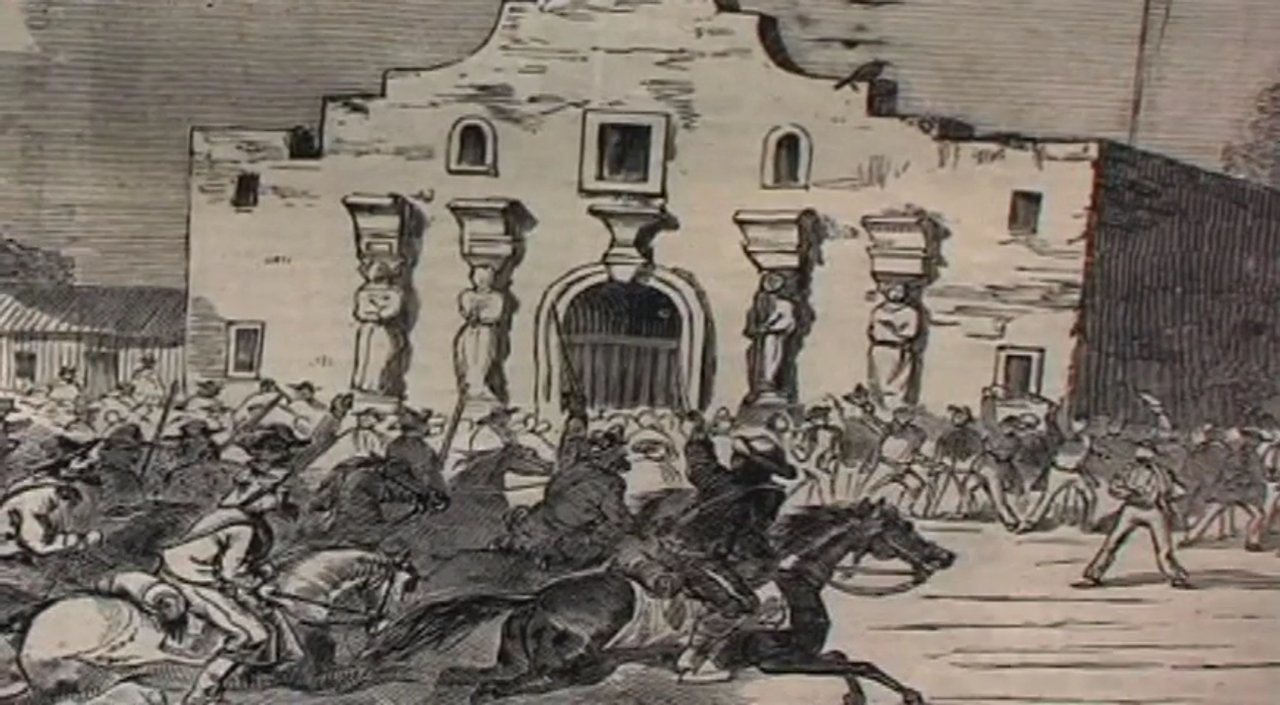
In the 1820s, Texas was part of Mexico, which invited settlers from the United States to move to the region. Disagreements over Mexican laws, cultural differences, and political control contributed to growing tensions. In 1835, the Texas Revolution began, as Texan rebels fought Mexican forces led by President and General Antonio López de Santa Anna. The Battle of the Alamo became a defining moment in the conflict, as a small group of Texan defenders held out for 13 days before Mexican troops captured the mission-fortress on March 6, 1836.
Weeks later, Mexican forces executed hundreds of Texan prisoners at Goliad. On April 21, 1836, General Sam Houston led a surprise attack against Santa Anna’s army at the Battle of San Jacinto. The Texan forces defeated the Mexican army and captured Santa Anna, helping secure Texas independence. Houston later became the first president of the Republic of Texas. The revolution shaped the region’s future, though the conflict also reflected competing claims to land, political authority, and national identity that had lasting consequences for both Texans and Mexico.
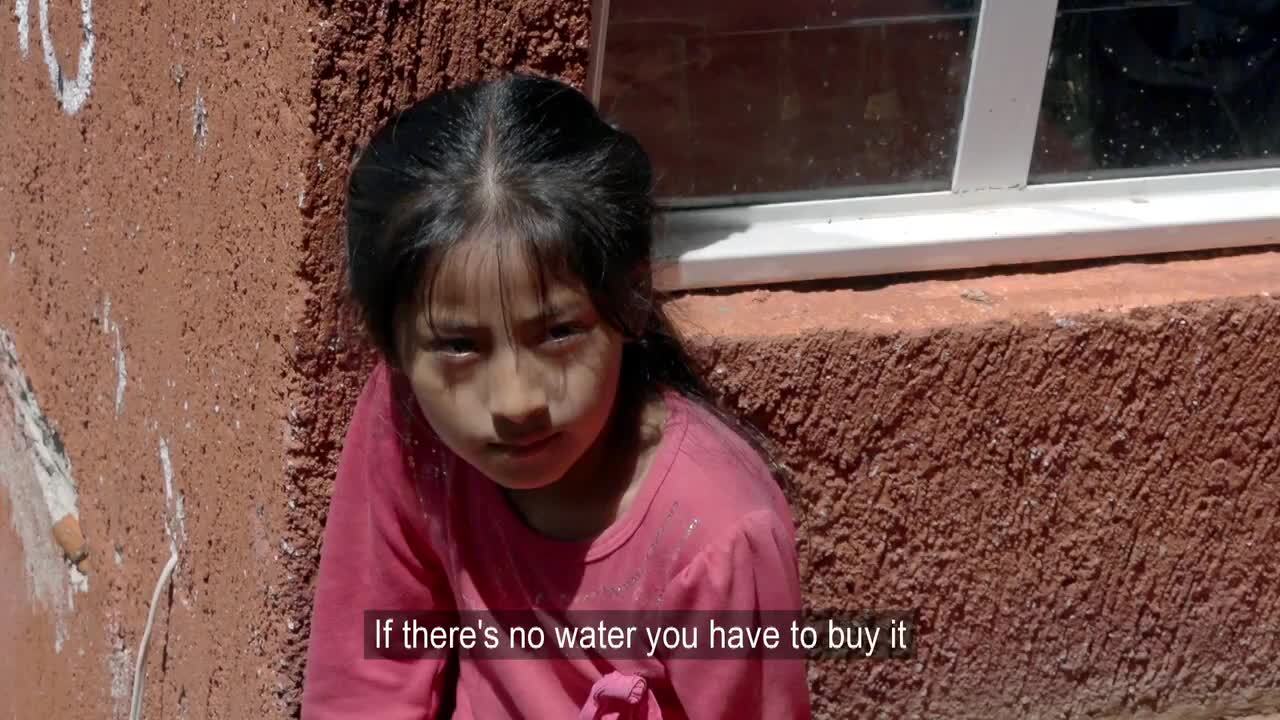
In Follow the Water Wars in Chiapas, host Simon Reeve journeys to Chiapas, Mexico, where he uncovers the harsh reality of life in one of the country’s poorest regions. In San Cristóbal, many families struggle with extreme water shortages. A local shopkeeper reveals how deep wells dug by large corporations, including a massive soda plant, have drained the region’s water supply while receiving preferential treatment. This highlights the stark imbalance between corporate greed and basic survival. This video is excerpted from BBC’s The Americas With Simon Reeve, in which Simon Reeve explores the landscapes, cultures, and wildlife of North and South America.

From the founding of the United States to the Civil War and beyond, American presidents have led the country through moments of conflict, expansion, crisis, and change.
This BBC video playlist explores figures including George Washington, Thomas Jefferson, Abraham Lincoln, Theodore Roosevelt, and others, examining the decisions, ideas, and events that defined their presidencies.
Look beyond familiar stories to consider both their achievements and shortcomings. How did the challenges of their eras influence their choices, and how should we understand the complicated legacies of leaders who helped shape American history?
The San have lived in the Kalahari, a vast semi-desert stretching across Botswana, Namibia, and South Africa, for thousands of years. They are among the oldest continuous cultures on Earth. Watch the BBC video clips to see how they live in a place with little surface water: reading animal tracks in the sand, hunting with poisoned arrows, making fire by hand, and finding food and water where outsiders see none. Then take the Kahoot to test what you’ve learned, including the harder story of how San communities have fought to stay on their land and keep their knowledge alive as the world around them changes.
Teachers: Show the clips as a class before playing the Kahoot live or assign both for independent learning. It works as a hook for units on Indigenous peoples, African geography, or human adaptation to extreme environments. The land rights questions give students an opening to discuss who decides how traditional lands are used.
In The San People’s New World, host Simon Reeve explores the Central Kalahari Game Reserve (CKGR) in Botswana, a land filled with wildlife and history. He learns about the San people, who lived there for thousands of years but were forced to relocate to settlements with promises of a better life. Many San feel betrayed, believing they were pushed out for diamonds and wildlife conservation, leaving their ancestral home behind. This video is excerpted from BBC’s Wilderness With Simon Reeve, an epic adventure into the heart of Earth’s last great wild areas, where nature is at its most beautiful and fragile.
In Hunting With the Masters: The Art of Survival in Deniui, host Simon Reeve visits a remote village in Deniui, Namibia, where some of the world’s last expert wildlife hunters live. The locals welcome Simon and teach him survival skills, like digging deep into the sand to find poisonous beetle larvae. He watches as they craft toxic darts for hunting, a skill passed down to young men as a vital part of providing for their families. This video is excerpted from BBC’s Wilderness With Simon Reeve, an epic adventure into the heart of Earth’s last great wild areas, where nature is at its most beautiful and fragile.
In How the San Track the Wildebeest, host Simon Reeve joins tracker Twee and the hunters as they track and hunt for food. Using bows with poisoned darts, they rely on stealth, silence, and avoiding strong smells that could alert animals. After shooting a wildebeest, the group follows its tracks, showing their deep connection to the land and their expert ability to read the environment in ways most people can’t. This video is excerpted from BBC’s Wilderness With Simon Reeve, an epic adventure into the heart of Earth’s last great wild areas, where nature is at its most beautiful and fragile.
In Theodore Roosevelt and the Rough Riders, learn how Theodore Roosevelt resigned his government position to lead a volunteer cavalry unit in the Spanish-American War. The Rough Riders, a diverse group of cowboys, Native Americans, and regular citizens, fought on foot in Cuba and captured San Juan Hill under Roosevelt’s leadership, earning him national fame and a hero’s welcome. This victory became one of Roosevelt’s most celebrated moments and helped pave his path to the presidency.
In Columbus in the New World, host Andrew Marr recounts how Christopher Columbus lands on the Bahamian island of Guanahani and decides to name it San Salvador. After meeting with the Indigenous people on the island, Columbus describes how he thinks he can claim the land for Spain, enslave the people, and convert them to Christianity. This kicks off a global gold rush. This video is excerpted from BBC’s Andrew Marr's History of the World, a story of human history that uses reenactments, modern footage, and storytelling to explain history’s greatest achievements.
In How Animals and Humans Coexist in the Desert, host Simon Reeve explores the Kalahari Desert with Don, a member of the San people. The Kalahari is a semi-desert and one of the largest sand basins on Earth, stretching across Africa. Despite its tough environment, animals like elephants, lions and jackals thrive here, thanks to seasonal rains that bring food. The San have lived here for thousands of years and are known for their incredible survival and tracking skills, and deep knowledge of the land. This video is excerpted from BBC’s Wilderness With Simon Reeve, an epic adventure into the heart of Earth’s last great wild areas, where nature is at its most beautiful and fragile.
In Hunting and Camping in the Kalahari, host Simon Reeve camps with the San people in the Kalahari, learning their survival skills. As night falls, he tries his hand at making fire with sticks, a skill the San men have mastered. Around the campfire, one man explains how coffee helps him stay alert to listen for predators like lions, sharing a gripping story of waking up to a pride nearby. He reflects on the courage it takes to hunt, reminding Simon that providing for family is worth the risks. This video is excerpted from BBC’s Wilderness With Simon Reeve, an epic adventure into the heart of Earth’s last great wild areas, where nature is at its most beautiful and fragile.
In The Go Jetters and the Golden Gate Bridge, the Go Jetters crew visits The Golden Gate Bridge in San Francisco, California. The crew learns about the bridge’s role in guiding ships when it’s foggy in the San Francisco Bay. This video is excerpted from BBC's Go Jetters, a series that follows the adventures of four plucky international heroes as they travel the globe visiting the world’s most famous landmarks with their friend and mentor, Ubercorn, a disco-dancing unicorn.
In the 1820s, Texas was part of Mexico, which invited settlers from the United States to move to the region. Disagreements over Mexican laws, cultural differences, and political control contributed to growing tensions. In 1835, the Texas Revolution began, as Texan rebels fought Mexican forces led by President and General Antonio López de Santa Anna. The Battle of the Alamo became a defining moment in the conflict, as a small group of Texan defenders held out for 13 days before Mexican troops captured the mission-fortress on March 6, 1836.
Weeks later, Mexican forces executed hundreds of Texan prisoners at Goliad. On April 21, 1836, General Sam Houston led a surprise attack against Santa Anna’s army at the Battle of San Jacinto. The Texan forces defeated the Mexican army and captured Santa Anna, helping secure Texas independence. Houston later became the first president of the Republic of Texas. The revolution shaped the region’s future, though the conflict also reflected competing claims to land, political authority, and national identity that had lasting consequences for both Texans and Mexico.
In Follow the Water Wars in Chiapas, host Simon Reeve journeys to Chiapas, Mexico, where he uncovers the harsh reality of life in one of the country’s poorest regions. In San Cristóbal, many families struggle with extreme water shortages. A local shopkeeper reveals how deep wells dug by large corporations, including a massive soda plant, have drained the region’s water supply while receiving preferential treatment. This highlights the stark imbalance between corporate greed and basic survival. This video is excerpted from BBC’s The Americas With Simon Reeve, in which Simon Reeve explores the landscapes, cultures, and wildlife of North and South America.
From the founding of the United States to the Civil War and beyond, American presidents have led the country through moments of conflict, expansion, crisis, and change.
This BBC video playlist explores figures including George Washington, Thomas Jefferson, Abraham Lincoln, Theodore Roosevelt, and others, examining the decisions, ideas, and events that defined their presidencies.
Look beyond familiar stories to consider both their achievements and shortcomings. How did the challenges of their eras influence their choices, and how should we understand the complicated legacies of leaders who helped shape American history?