Follow the Water Wars in Chiapas
In Follow the Water Wars in Chiapas, host Simon Reeve journeys to Chiapas, Mexico, where he uncovers the harsh reality of life in one of the country’s poorest regions. In San Cristóbal, many families struggle with extreme water shortages. A local shopkeeper reveals how deep wells dug by large corporations, including a massive soda plant, have drained the region’s water supply while receiving preferential treatment. This highlights the stark imbalance between corporate greed and basic survival. This video is excerpted from BBC’s The Americas With Simon Reeve, in which Simon Reeve explores the landscapes, cultures, and wildlife of North and South America.

Simon Reeve begins his most ambitious journey yet, traveling the entire length of the Americas. Learn more.
Lesson Express
Q: How does the water scarcity in Chiapas reflect broader issues of inequality in resource distribution?
A: The water scarcity in Chiapas highlights how corporations often receive preferential treatment over local communities, leading to unequal access to vital resources. This mirrors global issues where marginalized communities struggle to meet basic needs while larger entities exploit resources for profit.
Q: What are the potential long-term impacts on Chiapas if large corporations continue to drain the region's water supply?
A: Continued exploitation of water by corporations could lead to deeper poverty, increased health problems from lack of clean water, environmental degradation, and a rise in social tensions as communities compete for limited resources. This could also force more people to migrate in search of better living conditions.
Q: How do the perspectives of local residents, like the shop owner, differ from those of the corporations using Chiapas’s water? What does this reveal about the power dynamics in the region?
A: Local residents view water as a basic necessity for survival, whereas corporations treat it as a commodity. This contrast reveals a significant power imbalance, where economic interests of large companies outweigh the fundamental rights of local communities.
You Might Also Like
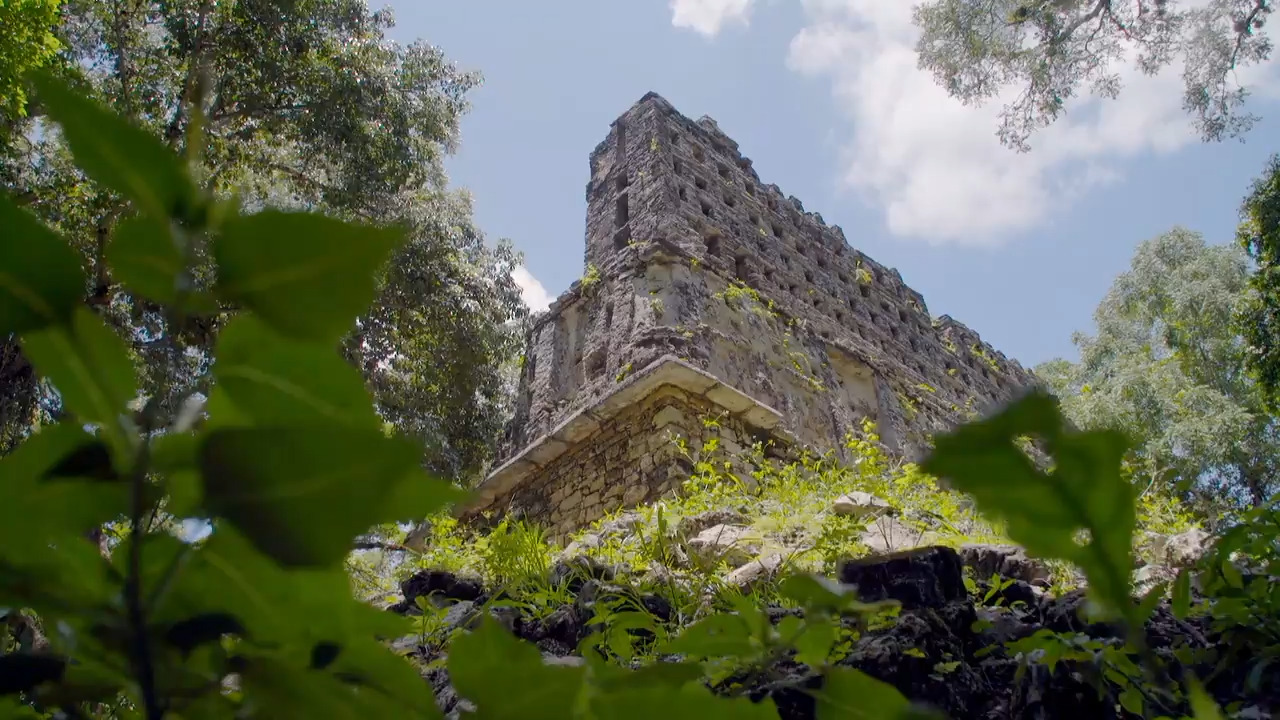
In Secrets of the Mayan Jungle, host Simon Reeve explores the ancient city of Yaxchilan in Mexico. Led by a guide from the Lacandon people — Mayan descendants — he learns how the jungle serves as both a food source and a pharmacy. Simon also uncovers how the arrival of Europeans changed life forever for Indigenous people, bringing devastating diseases that had a lasting impact. This video is excerpted from BBC’s The Americas With Simon Reeve, in which Simon Reeve explores the landscapes, cultures, and wildlife of North and South America.
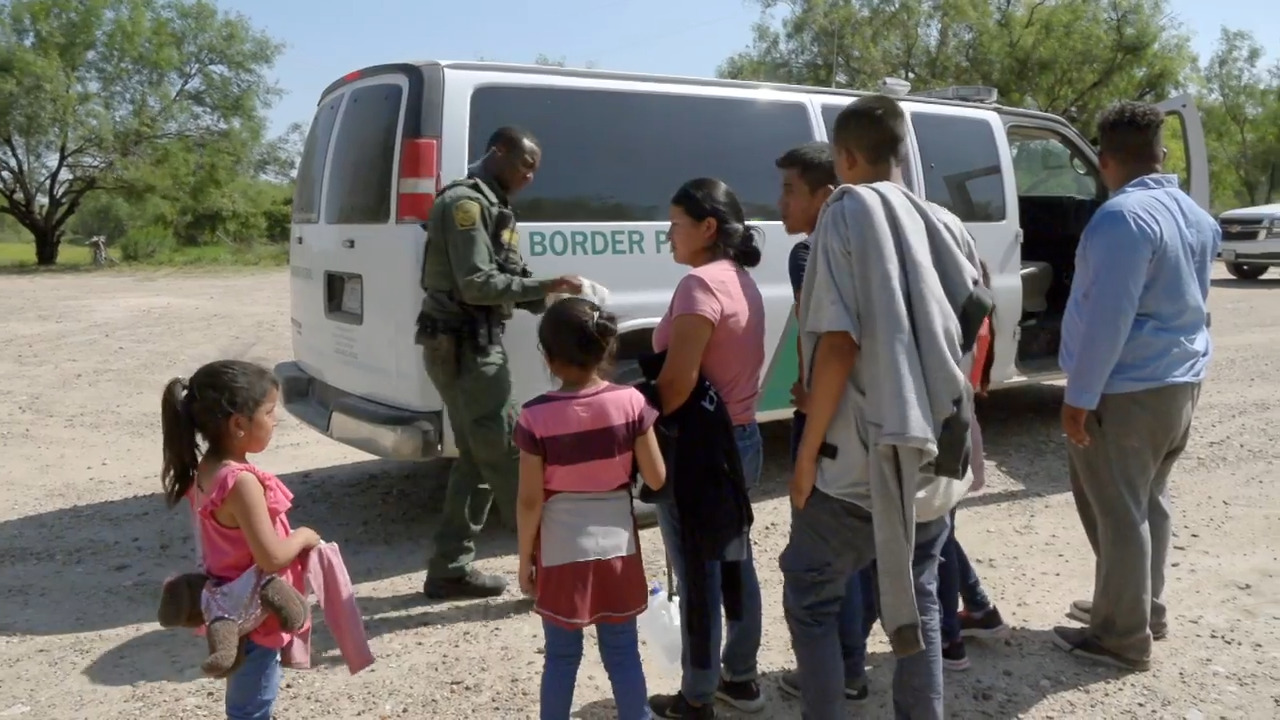
In The Faces and Stories Behind the Texas-Mexico Border Crossing, host Simon Reeve takes a look at immigration at the Texas-Mexico border, revealing challenges faced by both migrants and Border Patrol agents. He sees peoples from Honduras and Guatemala being stopped and beginning the asylum process, a shift from the past when most migrants were from Mexico. Simon also uncovers how the surge forces Border Patrol to focus on paperwork instead of drug/human trafficking, leaving critical issues unaddressed. This video is excerpted from BBC’s The Americas With Simon Reeve, in which Simon Reeve explores the landscapes, cultures, and wildlife of North and South America.
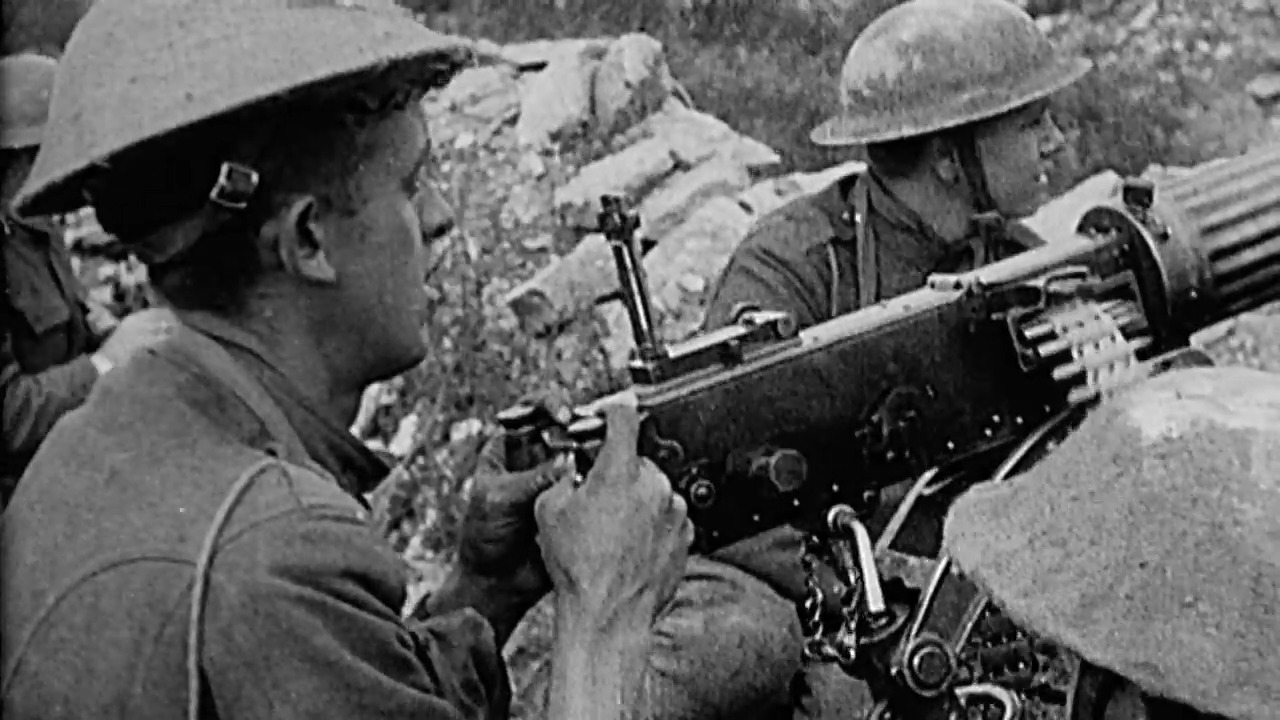
In The Zimmerman Telegram and America’s Entry into WWI, host Andrew Marr takes us back to when the Great War was raging but the Americans hadn’t yet entered the fighting. The Germans attempted to keep America out of the war by getting Mexico to reclaim the territory it lost to the U.S., but this backfired when their telegram was intercepted by the British, ultimately pulling the Americans into the First World War. This video is excerpted from BBC’s Andrew Marr's History of the World, a story of human history that uses reenactments, modern footage, and storytelling to explain history’s greatest achievements.
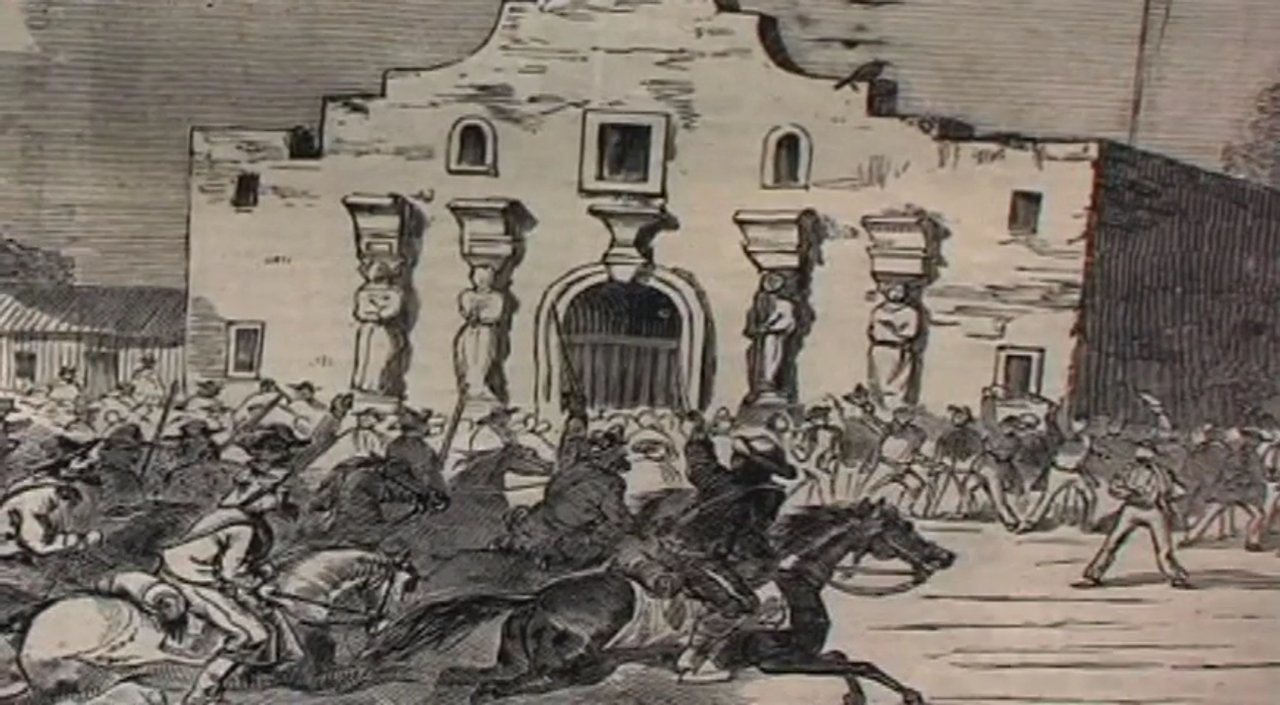
In the 1820s, Texas was part of Mexico, which invited settlers from the United States to move to the region. Disagreements over Mexican laws, cultural differences, and political control contributed to growing tensions. In 1835, the Texas Revolution began, as Texan rebels fought Mexican forces led by President and General Antonio López de Santa Anna. The Battle of the Alamo became a defining moment in the conflict, as a small group of Texan defenders held out for 13 days before Mexican troops captured the mission-fortress on March 6, 1836.
Weeks later, Mexican forces executed hundreds of Texan prisoners at Goliad. On April 21, 1836, General Sam Houston led a surprise attack against Santa Anna’s army at the Battle of San Jacinto. The Texan forces defeated the Mexican army and captured Santa Anna, helping secure Texas independence. Houston later became the first president of the Republic of Texas. The revolution shaped the region’s future, though the conflict also reflected competing claims to land, political authority, and national identity that had lasting consequences for both Texans and Mexico.
In Secrets of the Mayan Jungle, host Simon Reeve explores the ancient city of Yaxchilan in Mexico. Led by a guide from the Lacandon people — Mayan descendants — he learns how the jungle serves as both a food source and a pharmacy. Simon also uncovers how the arrival of Europeans changed life forever for Indigenous people, bringing devastating diseases that had a lasting impact. This video is excerpted from BBC’s The Americas With Simon Reeve, in which Simon Reeve explores the landscapes, cultures, and wildlife of North and South America.
In The Faces and Stories Behind the Texas-Mexico Border Crossing, host Simon Reeve takes a look at immigration at the Texas-Mexico border, revealing challenges faced by both migrants and Border Patrol agents. He sees peoples from Honduras and Guatemala being stopped and beginning the asylum process, a shift from the past when most migrants were from Mexico. Simon also uncovers how the surge forces Border Patrol to focus on paperwork instead of drug/human trafficking, leaving critical issues unaddressed. This video is excerpted from BBC’s The Americas With Simon Reeve, in which Simon Reeve explores the landscapes, cultures, and wildlife of North and South America.
In The Zimmerman Telegram and America’s Entry into WWI, host Andrew Marr takes us back to when the Great War was raging but the Americans hadn’t yet entered the fighting. The Germans attempted to keep America out of the war by getting Mexico to reclaim the territory it lost to the U.S., but this backfired when their telegram was intercepted by the British, ultimately pulling the Americans into the First World War. This video is excerpted from BBC’s Andrew Marr's History of the World, a story of human history that uses reenactments, modern footage, and storytelling to explain history’s greatest achievements.
In the 1820s, Texas was part of Mexico, which invited settlers from the United States to move to the region. Disagreements over Mexican laws, cultural differences, and political control contributed to growing tensions. In 1835, the Texas Revolution began, as Texan rebels fought Mexican forces led by President and General Antonio López de Santa Anna. The Battle of the Alamo became a defining moment in the conflict, as a small group of Texan defenders held out for 13 days before Mexican troops captured the mission-fortress on March 6, 1836.
Weeks later, Mexican forces executed hundreds of Texan prisoners at Goliad. On April 21, 1836, General Sam Houston led a surprise attack against Santa Anna’s army at the Battle of San Jacinto. The Texan forces defeated the Mexican army and captured Santa Anna, helping secure Texas independence. Houston later became the first president of the Republic of Texas. The revolution shaped the region’s future, though the conflict also reflected competing claims to land, political authority, and national identity that had lasting consequences for both Texans and Mexico.