The Texas Revolution and the Fight for Independence
In the 1820s, Texas was part of Mexico, which invited settlers from the United States to move to the region. Disagreements over Mexican laws, cultural differences, and political control contributed to growing tensions. In 1835, the Texas Revolution began, as Texan rebels fought Mexican forces led by President and General Antonio López de Santa Anna. The Battle of the Alamo became a defining moment in the conflict, as a small group of Texan defenders held out for 13 days before Mexican troops captured the mission-fortress on March 6, 1836.
Weeks later, Mexican forces executed hundreds of Texan prisoners at Goliad. On April 21, 1836, General Sam Houston led a surprise attack against Santa Anna’s army at the Battle of San Jacinto. The Texan forces defeated the Mexican army and captured Santa Anna, helping secure Texas independence. Houston later became the first president of the Republic of Texas. The revolution shaped the region’s future, though the conflict also reflected competing claims to land, political authority, and national identity that had lasting consequences for both Texans and Mexico.

Lesson Express
Q: Why did tensions develop after the Mexican government invited Americans to settle in Texas?
A: Many American settlers resisted becoming Mexican citizens and adopting Roman Catholicism, as required by the Mexican government. Disagreements over these requirements, along with other political and cultural differences, contributed to growing tensions.
Q: What happened while the rebels were defending the Alamo?
A: While the defenders held the Alamo for 13 days, Texan leaders, including Sam Houston, worked to organize a new government and declare independence from Mexico.
Q: What tactic helped Sam Houston defeat the Mexican army and secure Texas independence?
A: Houston launched a surprise attack at the Battle of San Jacinto on April 21, 1836. The attack caught the Mexican army off guard, allowing Texan forces to defeat them and capture Santa Anna.
You Might Also Like
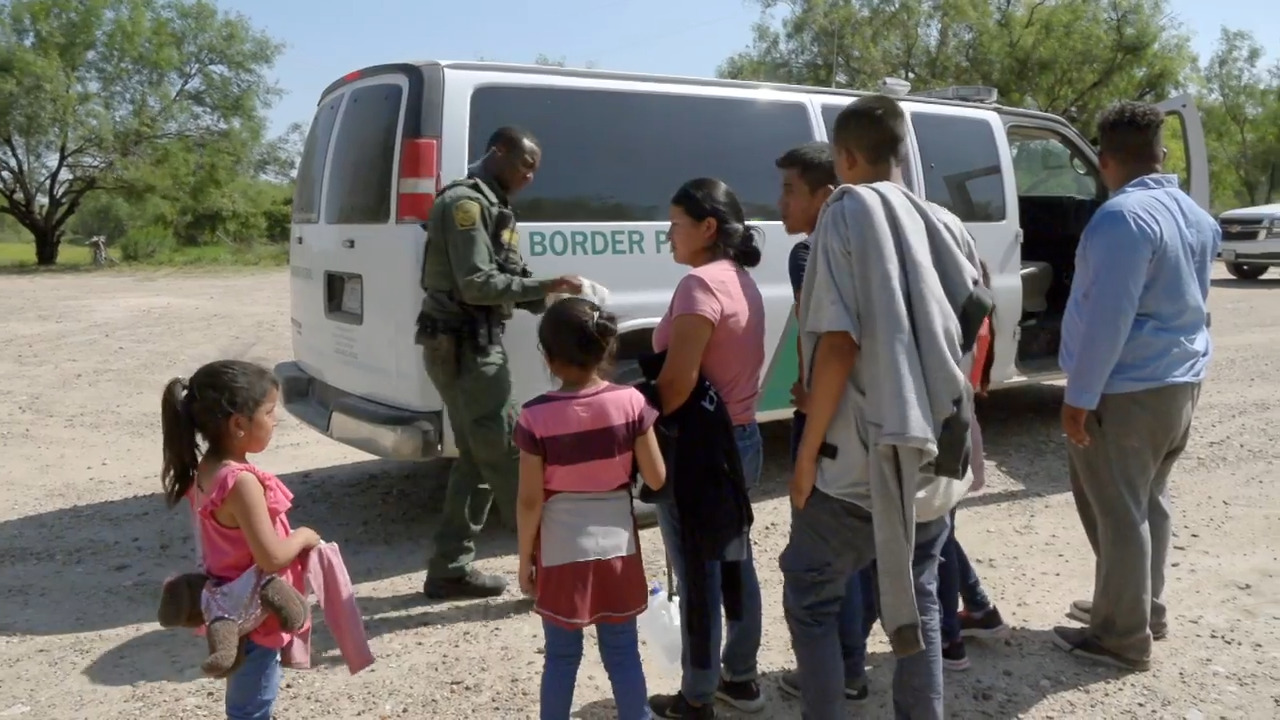
In The Faces and Stories Behind the Texas-Mexico Border Crossing, host Simon Reeve takes a look at immigration at the Texas-Mexico border, revealing challenges faced by both migrants and Border Patrol agents. He sees peoples from Honduras and Guatemala being stopped and beginning the asylum process, a shift from the past when most migrants were from Mexico. Simon also uncovers how the surge forces Border Patrol to focus on paperwork instead of drug/human trafficking, leaving critical issues unaddressed. This video is excerpted from BBC’s The Americas With Simon Reeve, in which Simon Reeve explores the landscapes, cultures, and wildlife of North and South America.
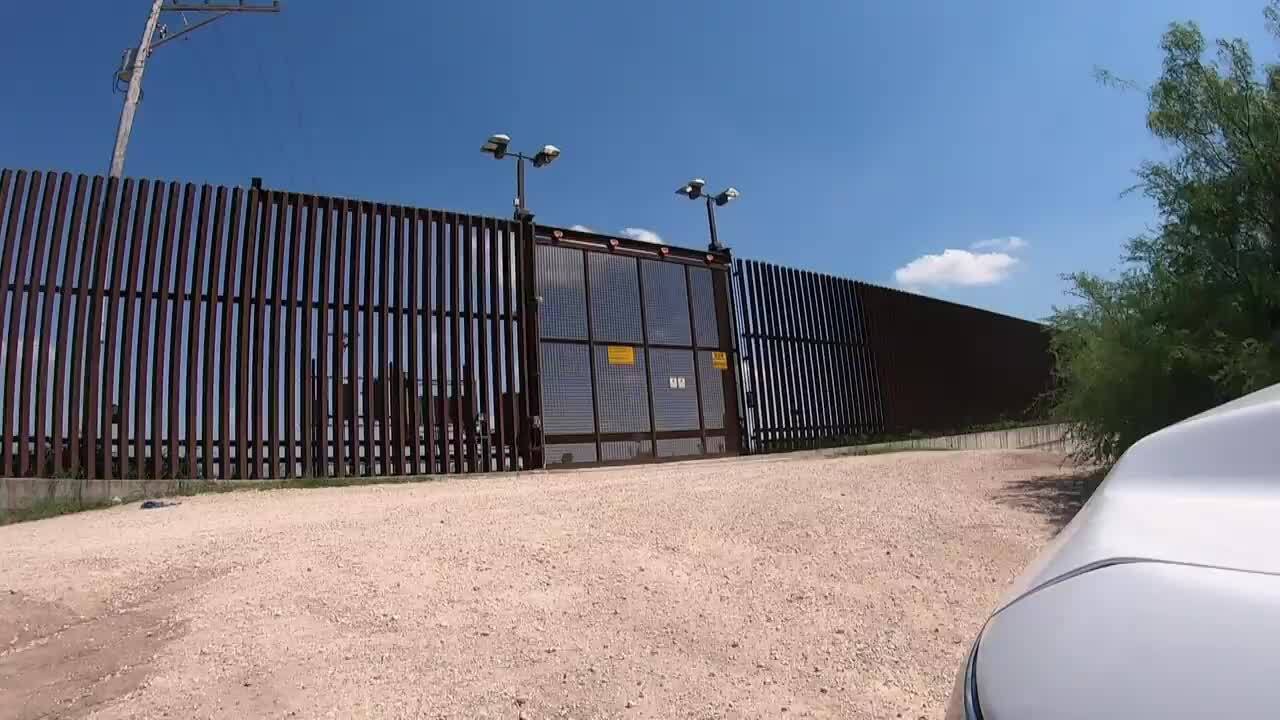
In The Hidden Challenges of the U.S.-Mexico Border, host Simon Reeve explores the U.S.-Mexico border, specifically the Rio Grande region. With over 2,000 miles separating the two countries, Simon meets a Border Patrol agent managing the area. While some parts of the border are fenced, many areas have no barrier at all. Simon also learns how dangerous the Rio Grande is, with migrants risking their lives crossing it, despite its powerful current. This video is excerpted from BBC’s The Americas With Simon Reeve, in which Simon Reeve explores the landscapes, cultures, and wildlife of North and South America.
In James K. Polk and the Push West, learn how President James K. Polk pursued the goal of expanding the United States from the Atlantic to the Pacific. Polk oversaw the annexation of Texas, negotiated the Oregon Territory with Britain, and led the country through the Mexican-American War, securing California and other western lands. His presidency was marked by rapid territorial growth and national ambition, though it came with significant casualties and controversy.
In The Faces and Stories Behind the Texas-Mexico Border Crossing, host Simon Reeve takes a look at immigration at the Texas-Mexico border, revealing challenges faced by both migrants and Border Patrol agents. He sees peoples from Honduras and Guatemala being stopped and beginning the asylum process, a shift from the past when most migrants were from Mexico. Simon also uncovers how the surge forces Border Patrol to focus on paperwork instead of drug/human trafficking, leaving critical issues unaddressed. This video is excerpted from BBC’s The Americas With Simon Reeve, in which Simon Reeve explores the landscapes, cultures, and wildlife of North and South America.
In The Hidden Challenges of the U.S.-Mexico Border, host Simon Reeve explores the U.S.-Mexico border, specifically the Rio Grande region. With over 2,000 miles separating the two countries, Simon meets a Border Patrol agent managing the area. While some parts of the border are fenced, many areas have no barrier at all. Simon also learns how dangerous the Rio Grande is, with migrants risking their lives crossing it, despite its powerful current. This video is excerpted from BBC’s The Americas With Simon Reeve, in which Simon Reeve explores the landscapes, cultures, and wildlife of North and South America.
In James K. Polk and the Push West, learn how President James K. Polk pursued the goal of expanding the United States from the Atlantic to the Pacific. Polk oversaw the annexation of Texas, negotiated the Oregon Territory with Britain, and led the country through the Mexican-American War, securing California and other western lands. His presidency was marked by rapid territorial growth and national ambition, though it came with significant casualties and controversy.