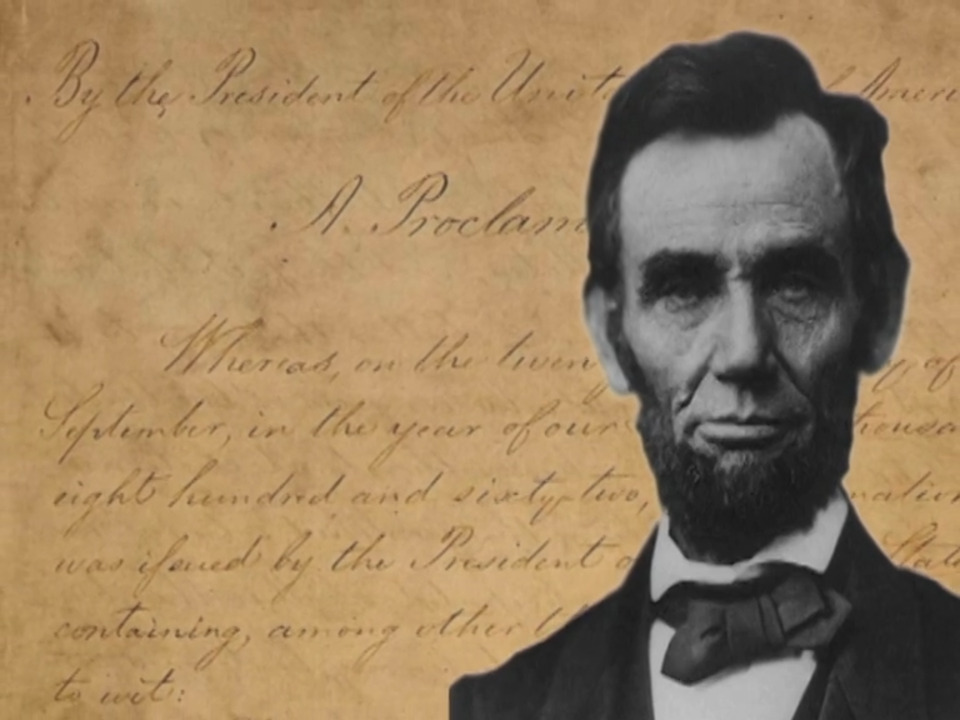
In Abraham Lincoln and the Emancipation Proclamation, learn how President Abraham Lincoln issued a bold declaration during the third year of the Civil War that all enslaved people in Confederate-held territories were to be free. While limited in immediate effect, the proclamation allowed Black men to join the Union Army and became one of the greatest documents of human freedom in U.S. history.
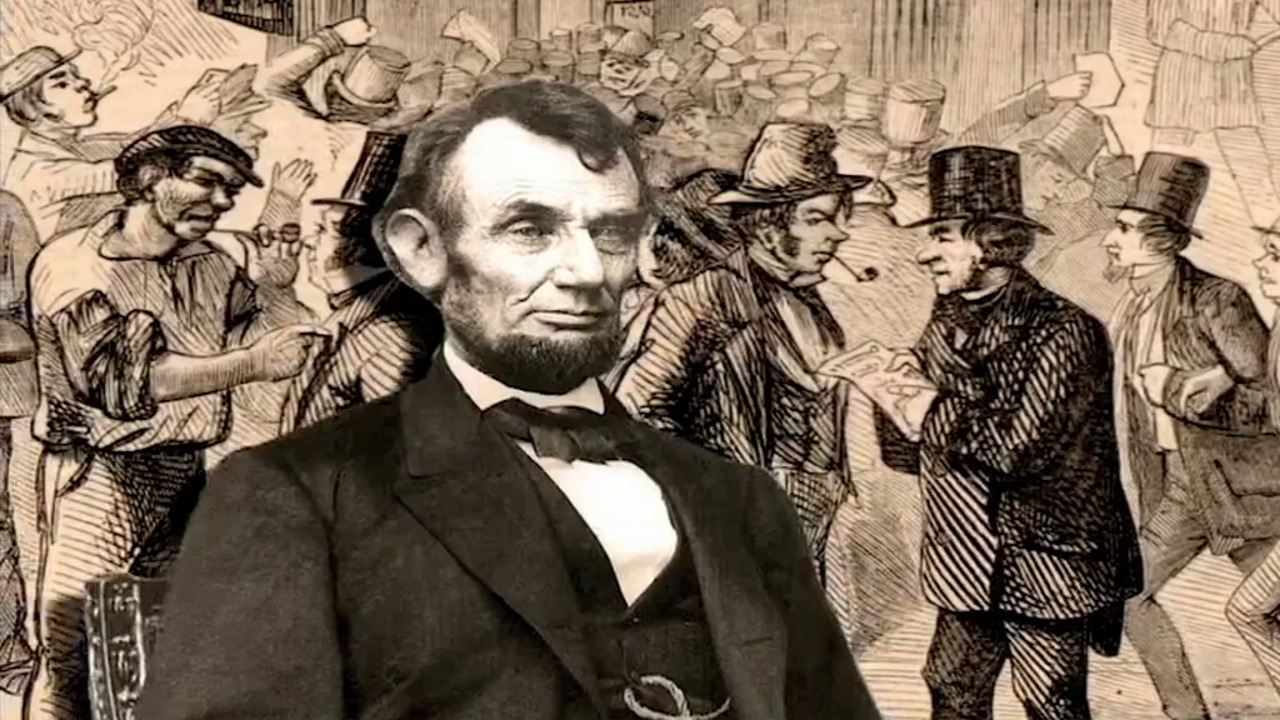
In Abraham Lincoln, the Road to the Confederacy, and the Civil War , learn how growing sectional divisions over slavery and politics led southern states to secede from the Union. After Abraham Lincoln’s election in 1860, seven states left the Union before he even took office, forming the Confederate States of America with Jefferson Davis as their president. Tensions erupted on April 12, 1861, when Confederate forces attacked Fort Sumter, officially beginning the Civil War.

In The History of the Lincoln Memorial, historian Lucy Worsley investigates how the Northern Union Forces defeated the Southern Confederates in the Civil War. She visits the Lincoln Memorial and learns that the 36 columns represent the 36 states that were in the Union after the war. This video is excerpted from BBC's American History's Biggest Fibs With Lucy Worsley, in which Worsley reveals the myths and manipulations behind American history.
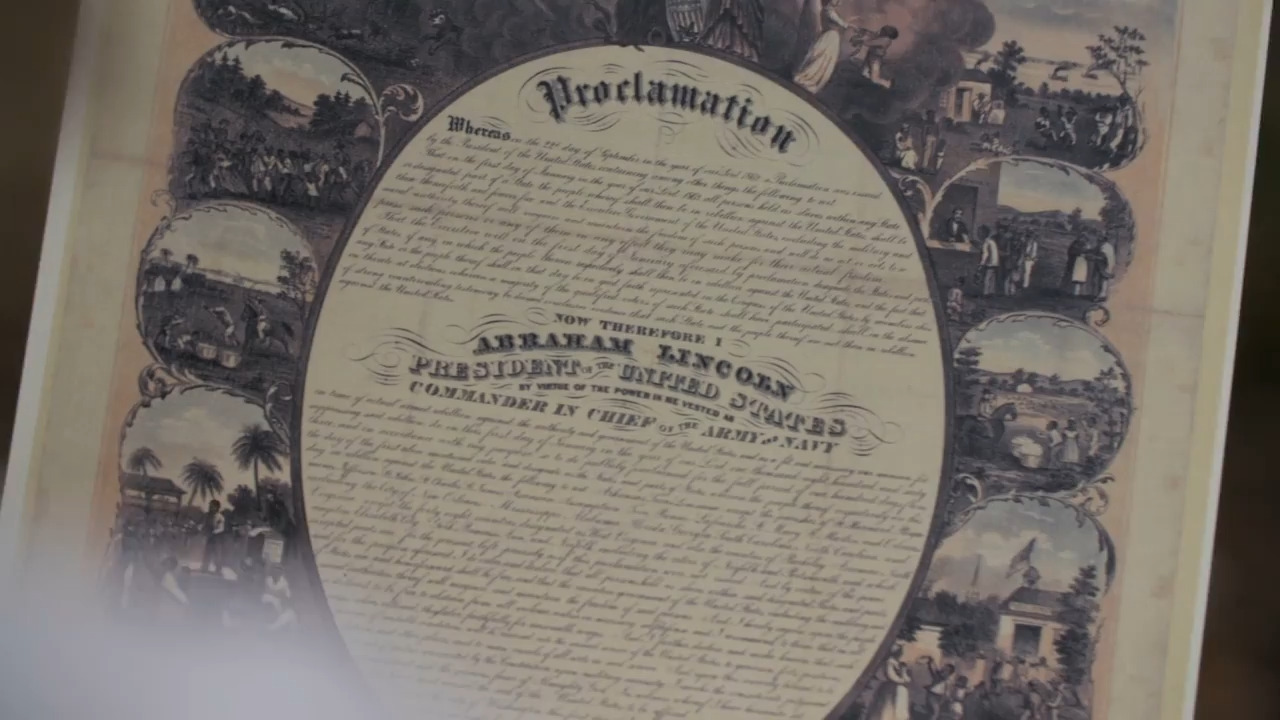
In Abraham Lincoln and Freedom for Some, historian Lucy Worsley takes a look at the Emancipation Proclamation drafted by Lincoln in 1863 that promised freedom from enslavement. However, it was only promised in rebel Southern states. Evidence suggests that Lincoln's main aim was to save the Union, not to end slavery. This video is excerpted from BBC's American History's Biggest Fibs With Lucy Worsley, in which Worsley reveals the myths and manipulations behind American history.

The article "The Emancipation Proclamation: Abraham Lincoln's Declaration That Helped Bring About the End of Slavery" from BBC's HistoryExtra is about how President Lincoln's 1863 order declared freedom for enslaved people in the Confederacy. Although it didn’t free everyone at once, it shifted the Civil War’s focus to ending slavery and led to the 13th Amendment, which abolished slavery throughout the United States.

The article "Abraham Lincoln: From Log Cabin to Legendary Leader" from BBC's HistoryExtra takes a look at the life, leadership, and legacy of America’s 16th president. From his humble frontier beginnings to guiding the country through a civil war and abolishing slavery, the article explores Lincoln’s personal struggles, political battles, and enduring impact on U.S. history.
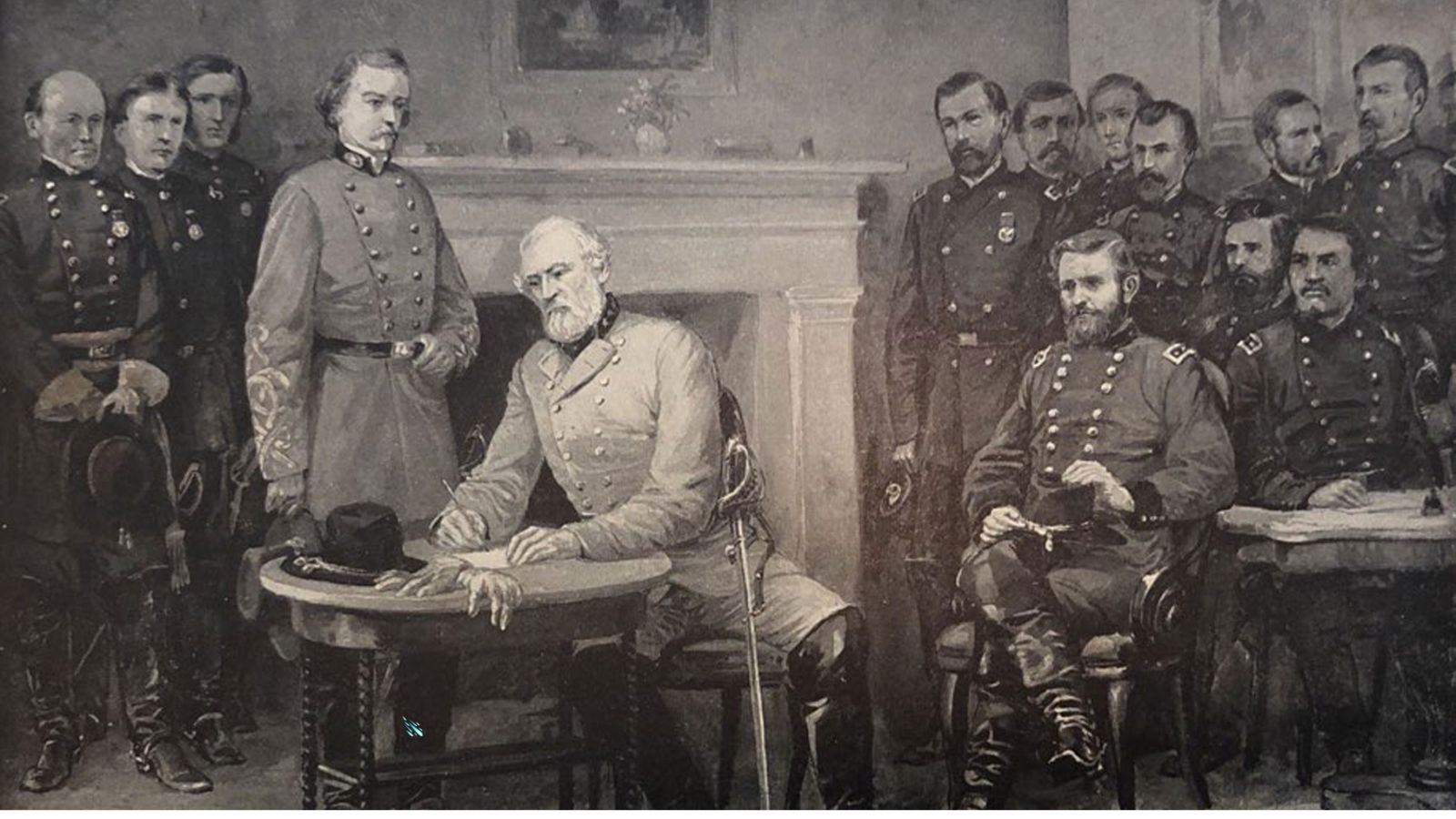
When Lincoln issued the Emancipation Proclamation in 1863, the war to preserve the Union also became a war against slavery. How much Lincoln meant it that way is still debated, and this playlist takes up that question directly. It also covers the new technology that changed how armies fought, the medical crisis in which disease killed twice as many soldiers as combat, the turning-point battles of 1863, and Sherman’s campaign through Georgia. The second half follows the country through Reconstruction: lenient early policies gave way to Radical Reconstruction and constitutional amendments that abolished slavery and guaranteed citizenship and voting rights. It then traces how those gains were rolled back as white Southern Democrats regained power and federal troops withdrew in 1877.
Each video comes with discussion questions, vocabulary, a writing prompt, and classroom activities — all printable from the video page. Questions include why the Emancipation Proclamation didn’t free all enslaved people, why historians call the Civil War the first modern war, and whether Lincoln believed in racial equality.
Teachers and Parents: The playlist picks up where The Road to War leaves off, so together the two playlists cover the full unit for ages 11–18. Videos 1 and 2 work as a pair: a straightforward account of the Emancipation Proclamation followed by historian Lucy Worsley’s case that Lincoln’s main goal was saving the Union. That sets up a strong source-comparison or debate lesson. Lincoln’s Legacy extends the discussion through Frederick Douglass’s reassessment of Lincoln. It contains discriminatory language, so preview it before assigning. The last three videos form a short Reconstruction sequence: The Three Phases of Reconstruction gives the overview, and the next two focus on Black Americans' political gains and the deal that ended federal enforcement, a natural lead-in to Jim Crow and the Civil Rights Movement. Use the "Share With Students" feature to assign videos directly or "Add to Playlist" to build your own sequence.
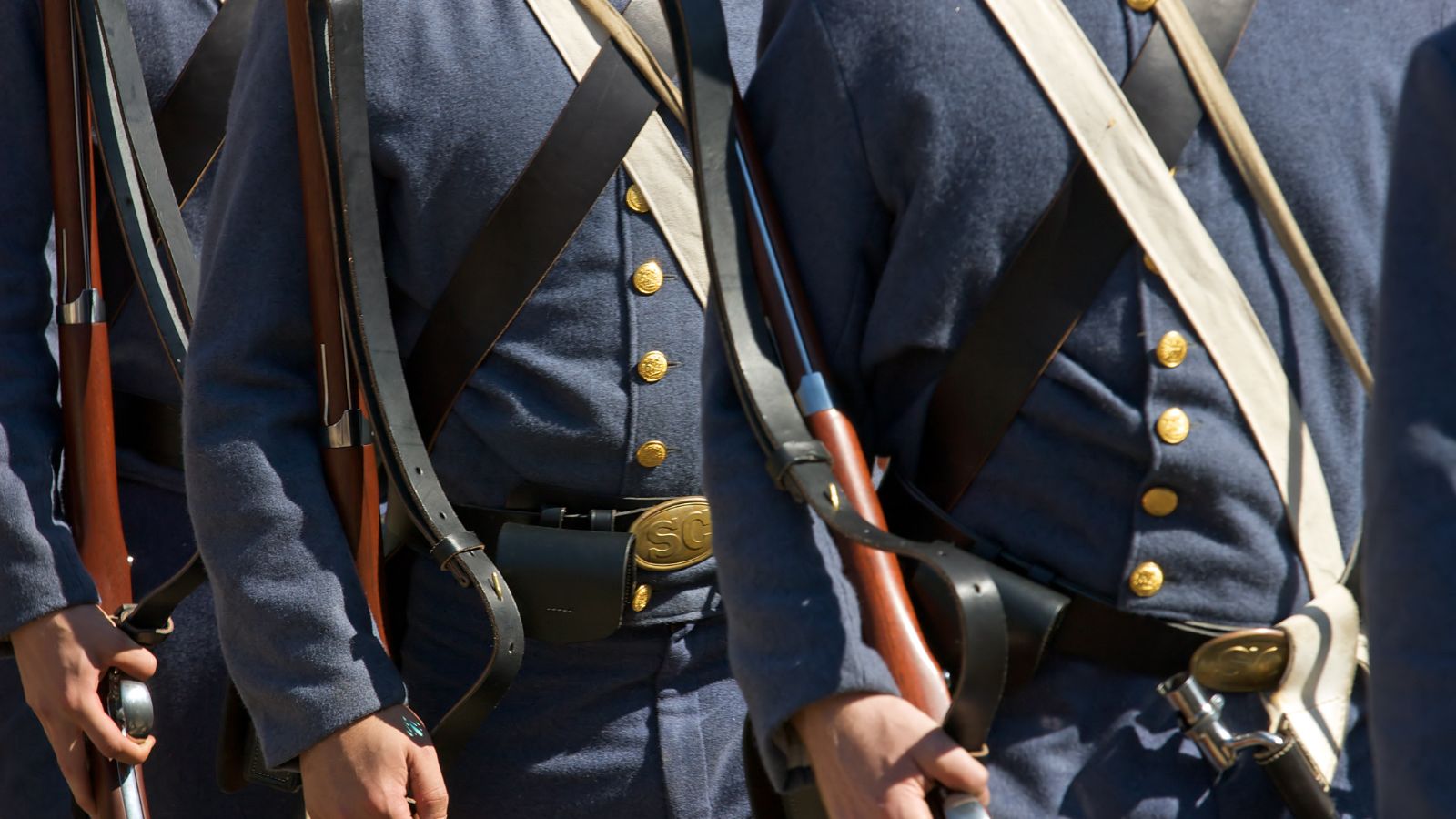
By 1860, the United States had been arguing over slavery for decades. This playlist follows that argument as it hardened into war. It covers the people who resisted slavery, the court case that denied Black Americans citizenship, a raid that pushed the country closer to the edge, and the election that led seven states to secede before Lincoln took office. Each video runs a few minutes and focuses on a single turning point, so the series can be watched start to finish or one video at a time.
Each video comes with discussion questions, vocabulary, a writing prompt ,and classroom activities — all printable from the video page. Questions include why Southern states seceded after Lincoln’s election and how the Civil War split families in border states.
Teachers and Parents: The videos are in chronological order and work as a full unit introduction for students 11–18. They can also be assigned individually to set up a specific lesson. The opening video, from BBC’s American History’s Biggest Fibs With Lucy Worsley, puts slavery at the center of the conflict and gives students a framework for the rest of the list. The Kentucky video closes the list and leads into the companion playlist, The Civil War and Its Aftermath, which runs from the Emancipation Proclamation through the end of Reconstruction. Use the "Share With Students" feature to assign videos directly or "Add to Playlist" to build your own sequence.
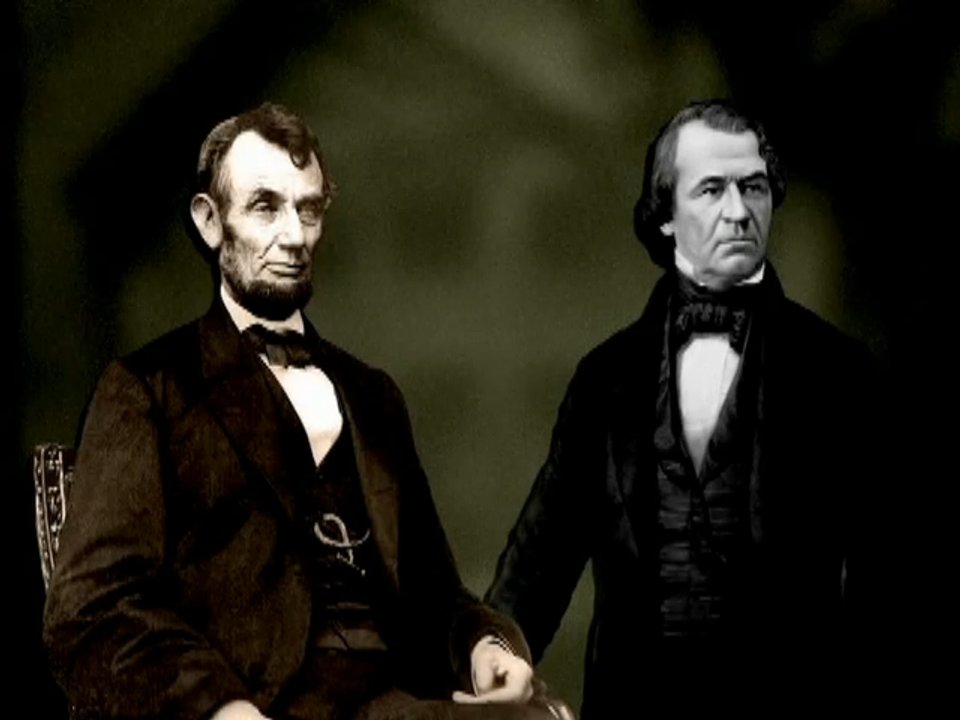
After the Civil War, the South faced major economic and social changes as slavery came to an end. Reconstruction aimed to reunite the country and establish a new political and social order. During Presidential Reconstruction, Presidents Abraham Lincoln and Andrew Johnson favored relatively lenient policies toward the former Confederate states. Disagreements with congressional Republicans led to a more forceful approach beginning in 1867, known as Radical Reconstruction. During this period, constitutional amendments abolished slavery, established birthright citizenship, and prohibited denying voting rights on the basis of race.
African Americans gained political representation, and Southern state governments introduced significant reforms. By the 1870s, however, support for Reconstruction weakened as white Southern Democrats known as Redeemers regained control of state governments. The withdrawal of federal troops in 1877 marked the end of Reconstruction and reduced federal enforcement of African Americans’ civil and political rights. Although Reconstruction brought important constitutional changes, its goals of securing lasting racial equality remained largely unrealized. The struggle for civil rights continued for generations and became a central focus of the Civil Rights Movement in the 1950s and 1960s.

In Lincoln's Legacy, historian Lucy Worsley looks at a re-assessment of Lincoln's legacy. Although he helped free enslaved people, he always did what was in the best interests of his own race. This video is excerpted from BBC's American History's Biggest Fibs With Lucy Worsley, in which Worsley reveals the myths and manipulations behind American history.

The article "How Lincoln's 1860 Election Sparked the Civil War" from BBC's HistoryExtra explores how Abraham Lincoln’s election as U.S. president in 1860 changed the course of American history. It explains the growing conflict over slavery, the breakdown of political parties, and how Lincoln's victory led to the secession of Southern states and the start of the Civil War.
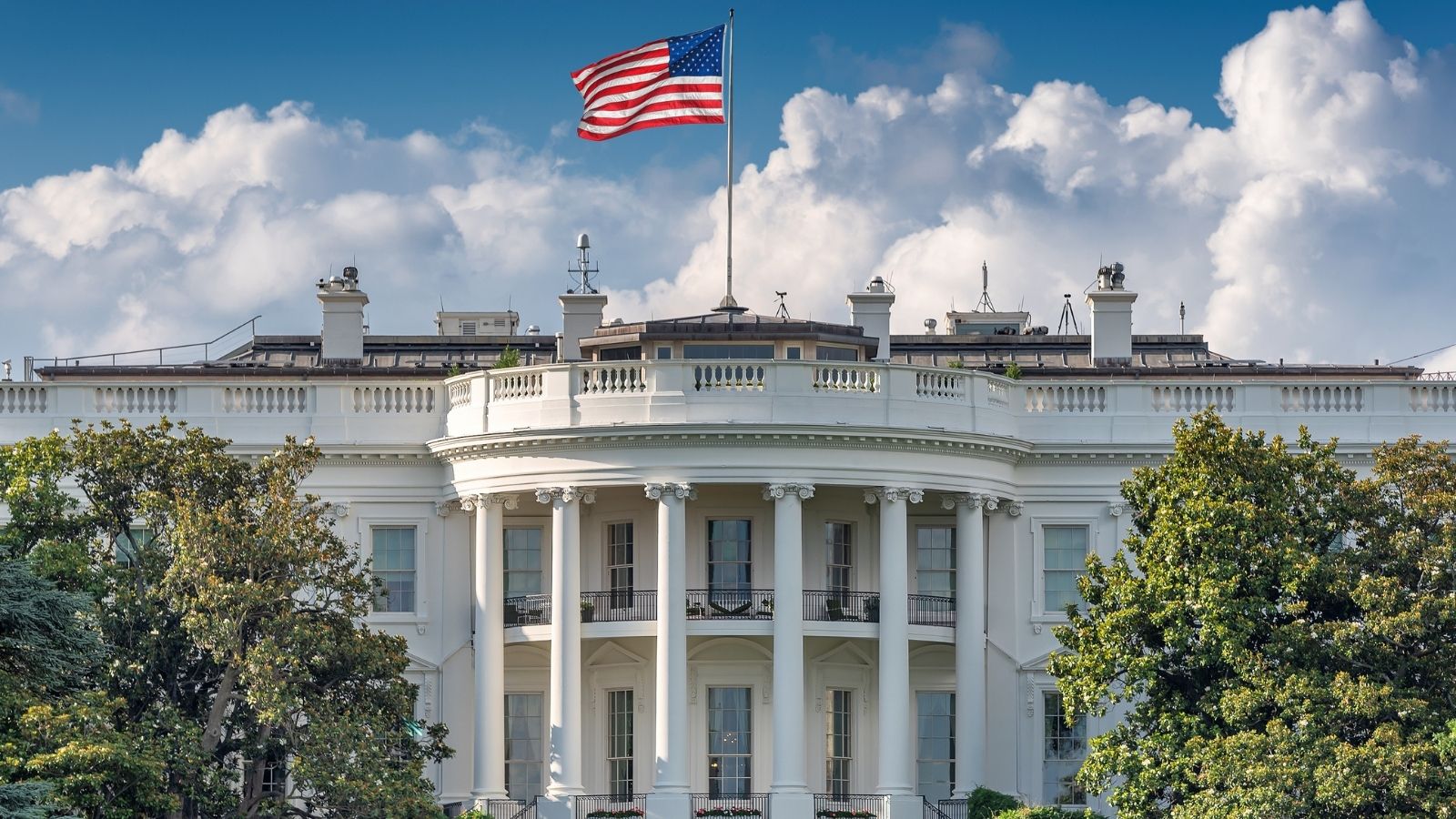
From the founding of the United States to the Civil War and beyond, American presidents have led the country through moments of conflict, expansion, crisis, and change.
This BBC video playlist explores figures including George Washington, Thomas Jefferson, Abraham Lincoln, Theodore Roosevelt, and others, examining the decisions, ideas, and events that defined their presidencies.
Look beyond familiar stories to consider both their achievements and shortcomings. How did the challenges of their eras influence their choices, and how should we understand the complicated legacies of leaders who helped shape American history?
In Abraham Lincoln and the Emancipation Proclamation, learn how President Abraham Lincoln issued a bold declaration during the third year of the Civil War that all enslaved people in Confederate-held territories were to be free. While limited in immediate effect, the proclamation allowed Black men to join the Union Army and became one of the greatest documents of human freedom in U.S. history.
In Abraham Lincoln, the Road to the Confederacy, and the Civil War , learn how growing sectional divisions over slavery and politics led southern states to secede from the Union. After Abraham Lincoln’s election in 1860, seven states left the Union before he even took office, forming the Confederate States of America with Jefferson Davis as their president. Tensions erupted on April 12, 1861, when Confederate forces attacked Fort Sumter, officially beginning the Civil War.
In The History of the Lincoln Memorial, historian Lucy Worsley investigates how the Northern Union Forces defeated the Southern Confederates in the Civil War. She visits the Lincoln Memorial and learns that the 36 columns represent the 36 states that were in the Union after the war. This video is excerpted from BBC's American History's Biggest Fibs With Lucy Worsley, in which Worsley reveals the myths and manipulations behind American history.
In Abraham Lincoln and Freedom for Some, historian Lucy Worsley takes a look at the Emancipation Proclamation drafted by Lincoln in 1863 that promised freedom from enslavement. However, it was only promised in rebel Southern states. Evidence suggests that Lincoln's main aim was to save the Union, not to end slavery. This video is excerpted from BBC's American History's Biggest Fibs With Lucy Worsley, in which Worsley reveals the myths and manipulations behind American history.
The article "The Emancipation Proclamation: Abraham Lincoln's Declaration That Helped Bring About the End of Slavery" from BBC's HistoryExtra is about how President Lincoln's 1863 order declared freedom for enslaved people in the Confederacy. Although it didn’t free everyone at once, it shifted the Civil War’s focus to ending slavery and led to the 13th Amendment, which abolished slavery throughout the United States.
The article "Abraham Lincoln: From Log Cabin to Legendary Leader" from BBC's HistoryExtra takes a look at the life, leadership, and legacy of America’s 16th president. From his humble frontier beginnings to guiding the country through a civil war and abolishing slavery, the article explores Lincoln’s personal struggles, political battles, and enduring impact on U.S. history.
When Lincoln issued the Emancipation Proclamation in 1863, the war to preserve the Union also became a war against slavery. How much Lincoln meant it that way is still debated, and this playlist takes up that question directly. It also covers the new technology that changed how armies fought, the medical crisis in which disease killed twice as many soldiers as combat, the turning-point battles of 1863, and Sherman’s campaign through Georgia. The second half follows the country through Reconstruction: lenient early policies gave way to Radical Reconstruction and constitutional amendments that abolished slavery and guaranteed citizenship and voting rights. It then traces how those gains were rolled back as white Southern Democrats regained power and federal troops withdrew in 1877.
Each video comes with discussion questions, vocabulary, a writing prompt, and classroom activities — all printable from the video page. Questions include why the Emancipation Proclamation didn’t free all enslaved people, why historians call the Civil War the first modern war, and whether Lincoln believed in racial equality.
Teachers and Parents: The playlist picks up where The Road to War leaves off, so together the two playlists cover the full unit for ages 11–18. Videos 1 and 2 work as a pair: a straightforward account of the Emancipation Proclamation followed by historian Lucy Worsley’s case that Lincoln’s main goal was saving the Union. That sets up a strong source-comparison or debate lesson. Lincoln’s Legacy extends the discussion through Frederick Douglass’s reassessment of Lincoln. It contains discriminatory language, so preview it before assigning. The last three videos form a short Reconstruction sequence: The Three Phases of Reconstruction gives the overview, and the next two focus on Black Americans' political gains and the deal that ended federal enforcement, a natural lead-in to Jim Crow and the Civil Rights Movement. Use the "Share With Students" feature to assign videos directly or "Add to Playlist" to build your own sequence.
By 1860, the United States had been arguing over slavery for decades. This playlist follows that argument as it hardened into war. It covers the people who resisted slavery, the court case that denied Black Americans citizenship, a raid that pushed the country closer to the edge, and the election that led seven states to secede before Lincoln took office. Each video runs a few minutes and focuses on a single turning point, so the series can be watched start to finish or one video at a time.
Each video comes with discussion questions, vocabulary, a writing prompt ,and classroom activities — all printable from the video page. Questions include why Southern states seceded after Lincoln’s election and how the Civil War split families in border states.
Teachers and Parents: The videos are in chronological order and work as a full unit introduction for students 11–18. They can also be assigned individually to set up a specific lesson. The opening video, from BBC’s American History’s Biggest Fibs With Lucy Worsley, puts slavery at the center of the conflict and gives students a framework for the rest of the list. The Kentucky video closes the list and leads into the companion playlist, The Civil War and Its Aftermath, which runs from the Emancipation Proclamation through the end of Reconstruction. Use the "Share With Students" feature to assign videos directly or "Add to Playlist" to build your own sequence.
After the Civil War, the South faced major economic and social changes as slavery came to an end. Reconstruction aimed to reunite the country and establish a new political and social order. During Presidential Reconstruction, Presidents Abraham Lincoln and Andrew Johnson favored relatively lenient policies toward the former Confederate states. Disagreements with congressional Republicans led to a more forceful approach beginning in 1867, known as Radical Reconstruction. During this period, constitutional amendments abolished slavery, established birthright citizenship, and prohibited denying voting rights on the basis of race.
African Americans gained political representation, and Southern state governments introduced significant reforms. By the 1870s, however, support for Reconstruction weakened as white Southern Democrats known as Redeemers regained control of state governments. The withdrawal of federal troops in 1877 marked the end of Reconstruction and reduced federal enforcement of African Americans’ civil and political rights. Although Reconstruction brought important constitutional changes, its goals of securing lasting racial equality remained largely unrealized. The struggle for civil rights continued for generations and became a central focus of the Civil Rights Movement in the 1950s and 1960s.
In Lincoln's Legacy, historian Lucy Worsley looks at a re-assessment of Lincoln's legacy. Although he helped free enslaved people, he always did what was in the best interests of his own race. This video is excerpted from BBC's American History's Biggest Fibs With Lucy Worsley, in which Worsley reveals the myths and manipulations behind American history.
The article "How Lincoln's 1860 Election Sparked the Civil War" from BBC's HistoryExtra explores how Abraham Lincoln’s election as U.S. president in 1860 changed the course of American history. It explains the growing conflict over slavery, the breakdown of political parties, and how Lincoln's victory led to the secession of Southern states and the start of the Civil War.
From the founding of the United States to the Civil War and beyond, American presidents have led the country through moments of conflict, expansion, crisis, and change.
This BBC video playlist explores figures including George Washington, Thomas Jefferson, Abraham Lincoln, Theodore Roosevelt, and others, examining the decisions, ideas, and events that defined their presidencies.
Look beyond familiar stories to consider both their achievements and shortcomings. How did the challenges of their eras influence their choices, and how should we understand the complicated legacies of leaders who helped shape American history?