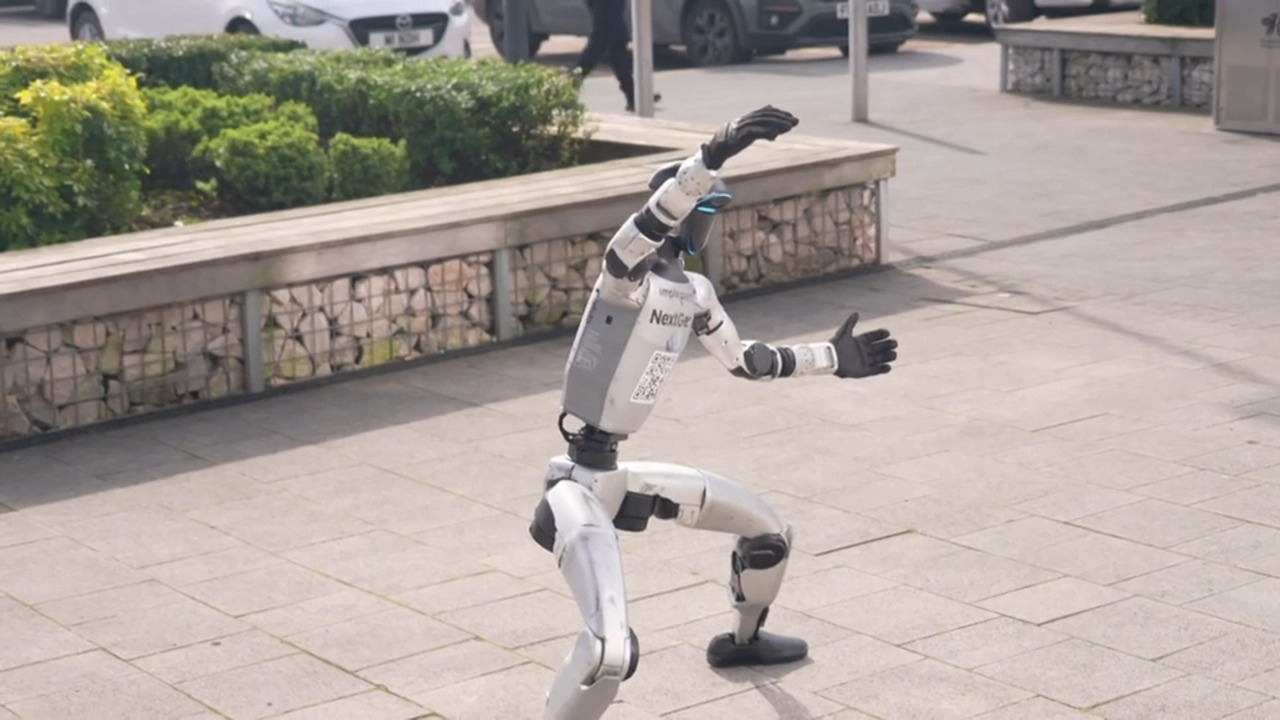
Everybody’s destiny looks different. Scientist Nathan’s looks like a humanoid robot dancing in the street. Nathan is the engineer designing a robot named Destiny’s software, creating her personality, and making sure she doesn't trip over anything.
Like many other robots, Destiny’s hardware was built in China, but it's Nathan who has spent months customizing and programming instructions. It can do housework or walk the dog, but the tech is being developed to ultimately help save the world. Unless your room is dangerously dirty, that probably looks more like decommissioning nuclear reactors or remote bomb disposal. That’s possible with robots like Destiny because they be controlled from across the world, where their human bosses are safe and sound.
But even distance between engineer and robot doesn’t necessarily mean Destiny is open to threats. Nathan says software has come so far that if it gets hacked, the robot can turn itself off, so that it can’t be controlled. So, no danger of your teacher getting into the system and assigning extra homework or something. Destiny is meant to be a friend, not a threat! Unless you’re scared of getting out-danced. Turns out, she’s got some moves besides just “the robot”!
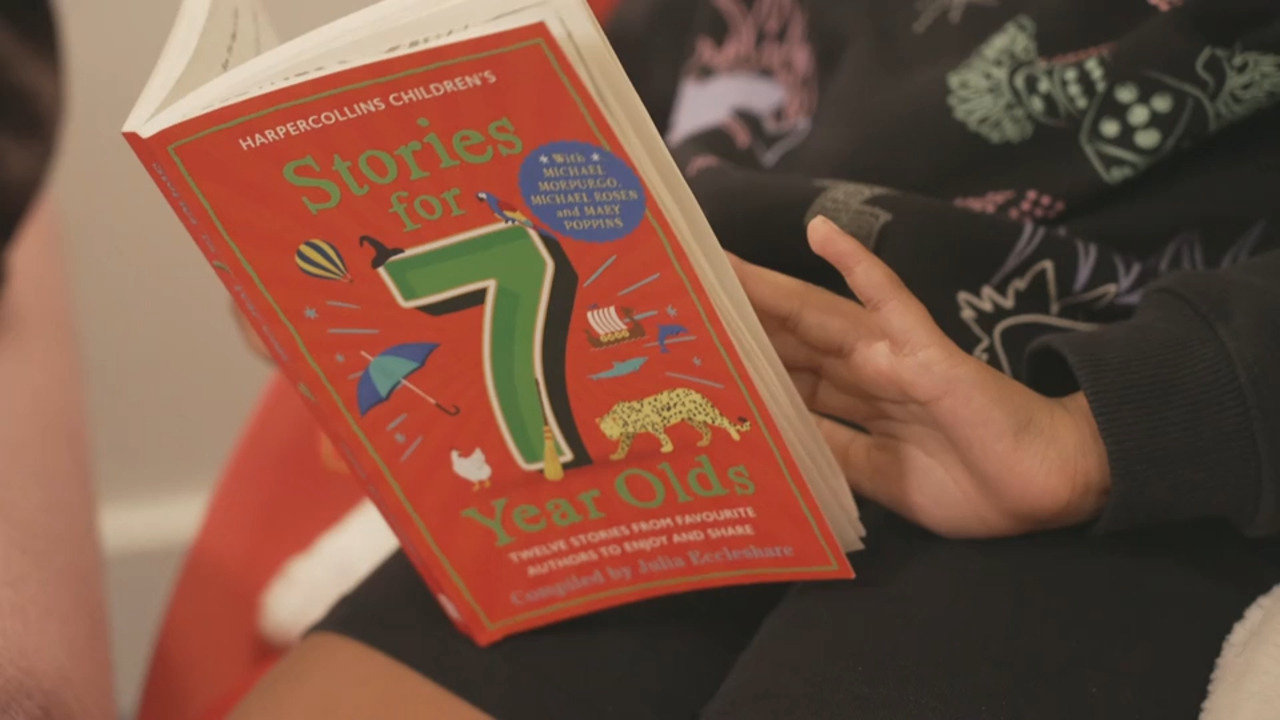
Feeling stressed? Try reading this out loud!
Researchers have found that reading together can help strengthen bonds and reduce stress. In a recent study, families were asked to read together while wearing a brain monitoring cap that tracks activity over time. The results suggested that moments of shared reading can sync brain patterns between two people, which then suggest that the experience of reading books together helps parents and children connect.
Furthermore, the importance of stories themselves can’t be ignored. Stories are how people explain the world and their lives to one another — the decisions you make and the person you become are partially influenced by the stories you’ve read or heard. The research is very new, but studies of this sort can help us understand why reading together builds empathy, focus, emotional well-being, and might support children’s development and encourage a lifelong love of reading. And not just because a good story might distract two siblings for long enough to stop flicking each other’s ears!
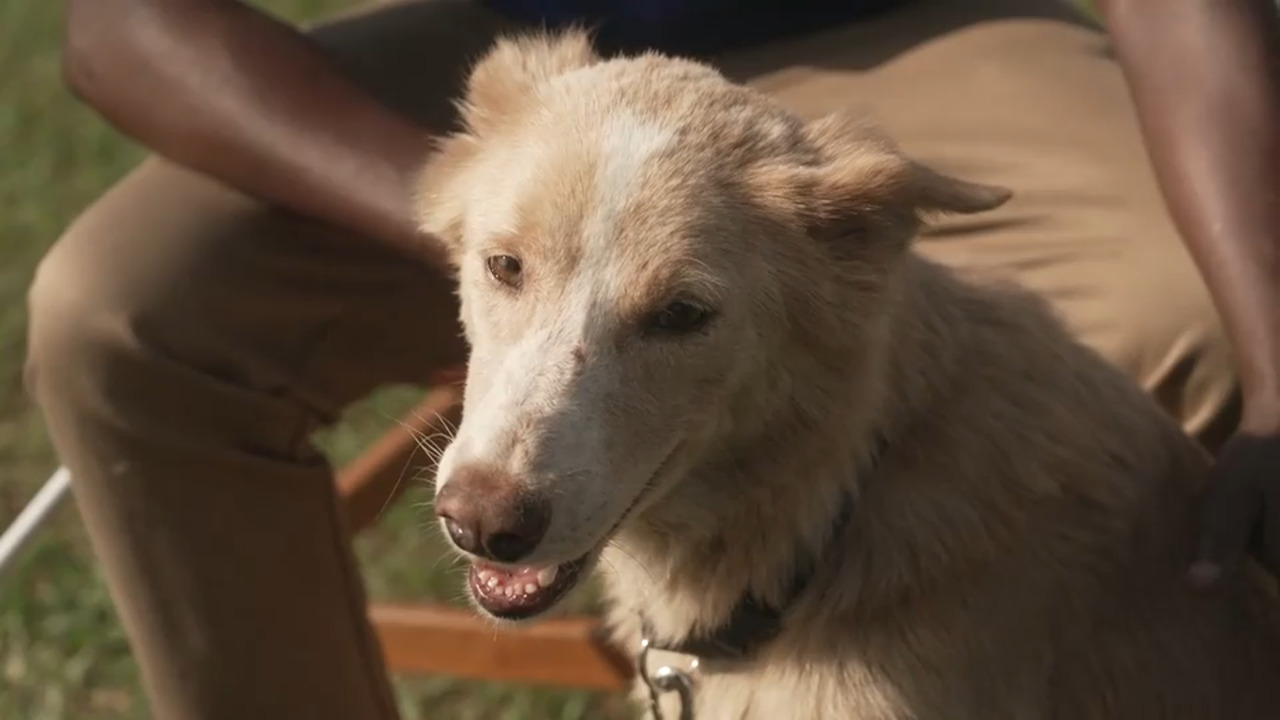
Don’t you hate it when you’re late for work, but you just can’t find your bone and lunch bag of kibble? That may be the case for a group of dogs in Gulu, Northern Uganda, who work as therapy dogs, helping people with tough upbringings navigate their trauma and adjust to a happy life. To support a population that grew up in a war (and the unsafe conditions that came with it), a charity has paired them with dogs.
What’s better? The dogs benefit, too! We’re not talking about an end-of-the-week paycheck or big office parties, but something better: overdue love and affection. All the dogs are former street dogs, so they weren’t properly cared for, and these have helped more than 120 people and dogs find healing bonds with each other.
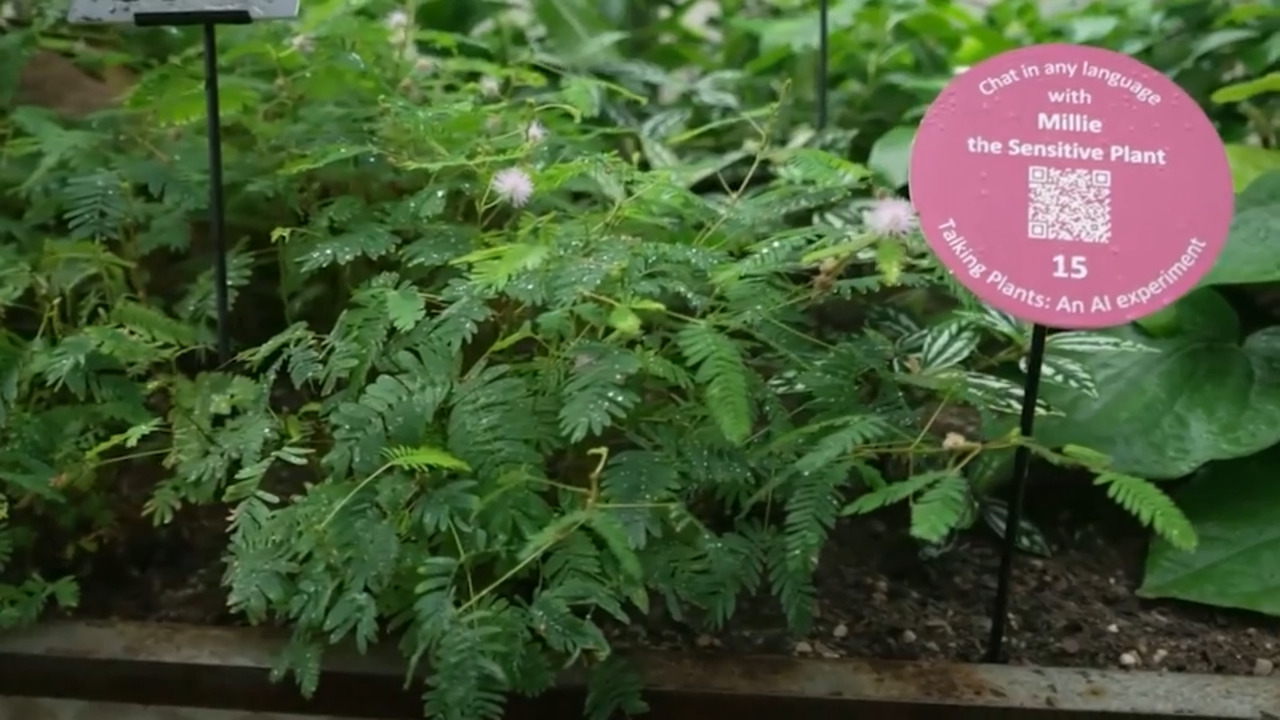
If you’ve ever wanted to ask Brussels sprouts… just… why? Well, you may be able to get pretty close. There’s an exhibition called Talking Plants at Cambridge University Botanic Garden, where visitors can talk to plants! Well, anyone can always talk to plants. But, in this greenhouse, artificial intelligence is being used to get the plants to respond.
The exhibit features a variety of plant life to go with 20 AI personalities a Cambridge professor, Sam, and his team created for the garden. With a QR code and a phone, visitors can come in and engage with the plants, ask them questions, and listen to their responses. Each plant has its own name, personality, and based on where in the world it's from, and some can speak multiple languages. They can even tell jokes!
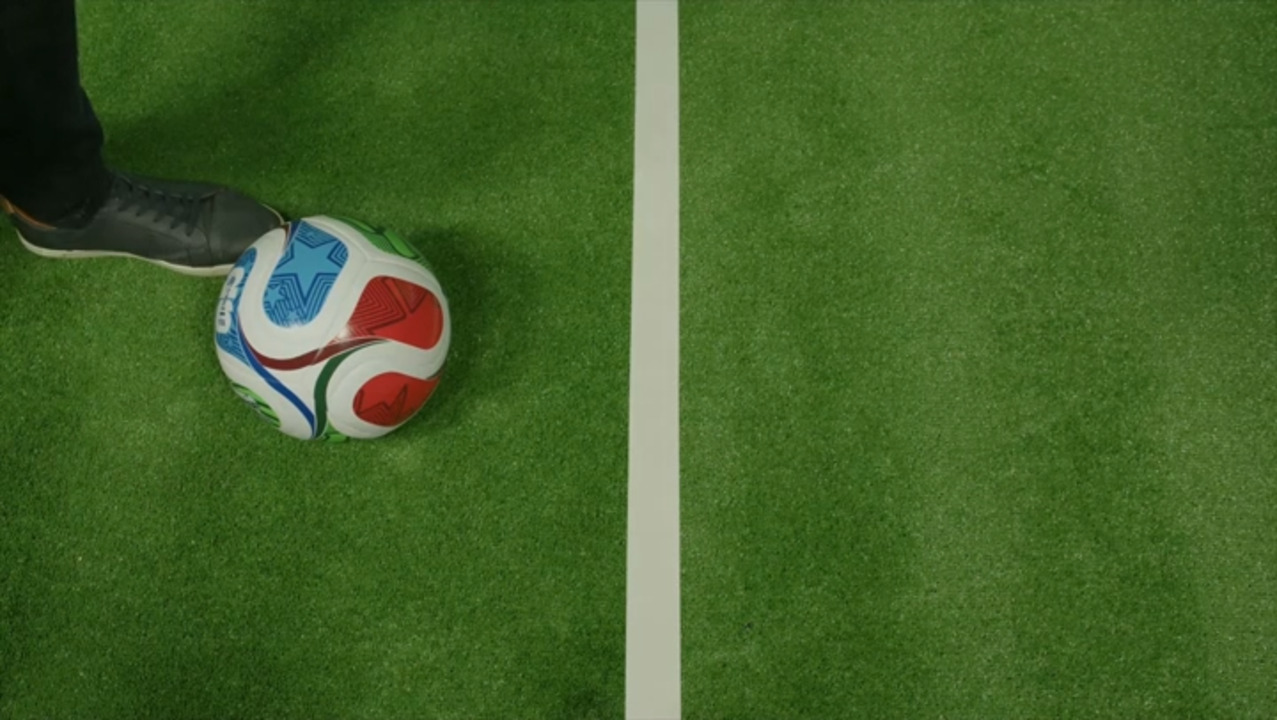
Are you watching the 2026 World Cup?! We hope so, because it’s a big one. The biggest one, actually. It’s the first with three countries co-hosting (Canada, the U.S., and Mexico), and it’s been expanded to 48 teams (from 32).
But the size of the tournament isn’t where the differences end, not by a long shot! This year, the World Cup is also introducing new rules, like a possible red card for players covering their mouths! If you gasped and covered your own mouth, don’t worry. First because you’re probably not playing in the World Cup (yet), but also because this penalty is only given to players who are being confrontational.
Other additions include the VAR (Video Assistant Referee) getting the power to check second yellow cards and corners, a 5-second countdown on goal kicks and throw-ins, and a rule that players being subbed will have just 10 seconds to leave the pitch. No time for dilly dallying, we’ve got 16 more teams to watch this year!
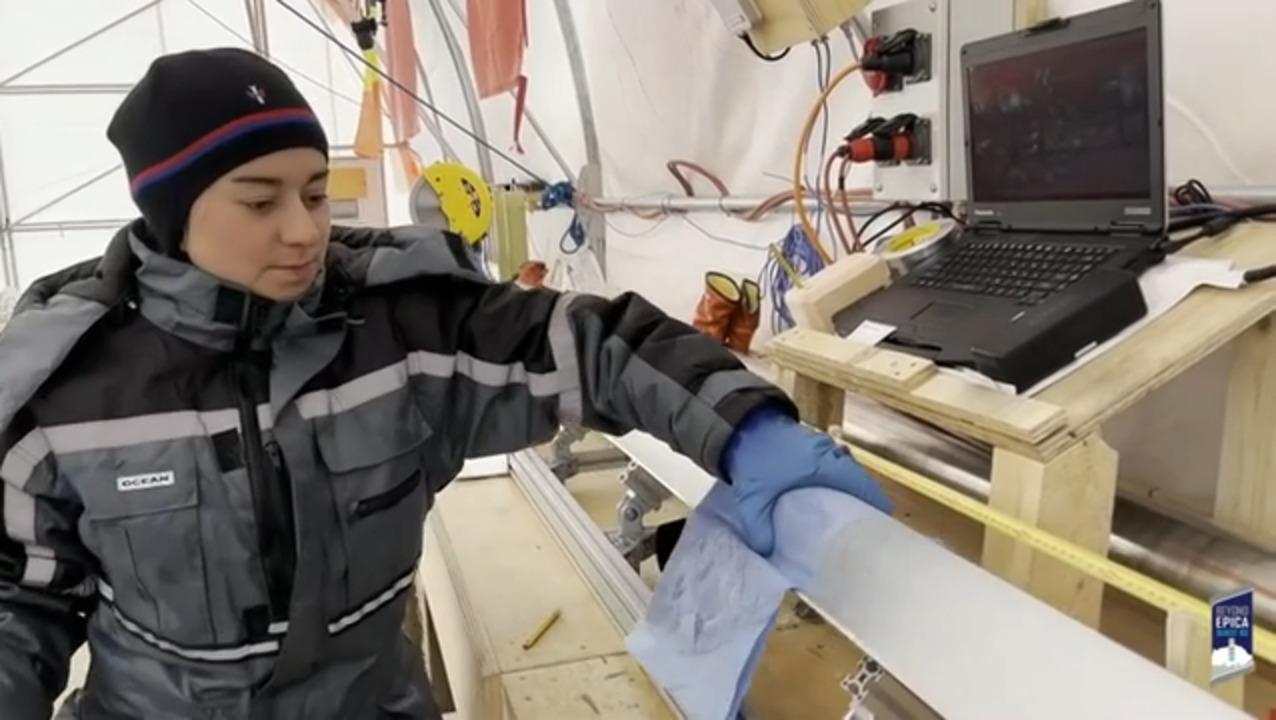
Scientists have found some very old ice. No, it’s not bag of frozen peas that have been in your freezer for three years (which means someone’s not eating their vegetables). It’s actually cores of Antarctic ice, the oldest that have ever been collected, that go back over a million years.
Researchers are keeping almost 200 pieces of meter-long ice cores that were drilled from a depth of almost 3 km over the course of four years. After careful preservation, the ice now needs to be melted in order to reveal the rich environmental history that the ice has to offer. When melted carefully and incredibly slowly, scientists can see how the Earth changed over time, including variations in temperature, snowfall, and wind, because the tiny bubbles give a snapshot of carbon dioxide levels.
Studying this old ice will help scientists understand our environment today. For example, the concentration of greenhouse gasses we see today is higher than they have been in the past 800,000 years. To understand how the climate might change in the future, we need to learn about how it’s changed in the past.
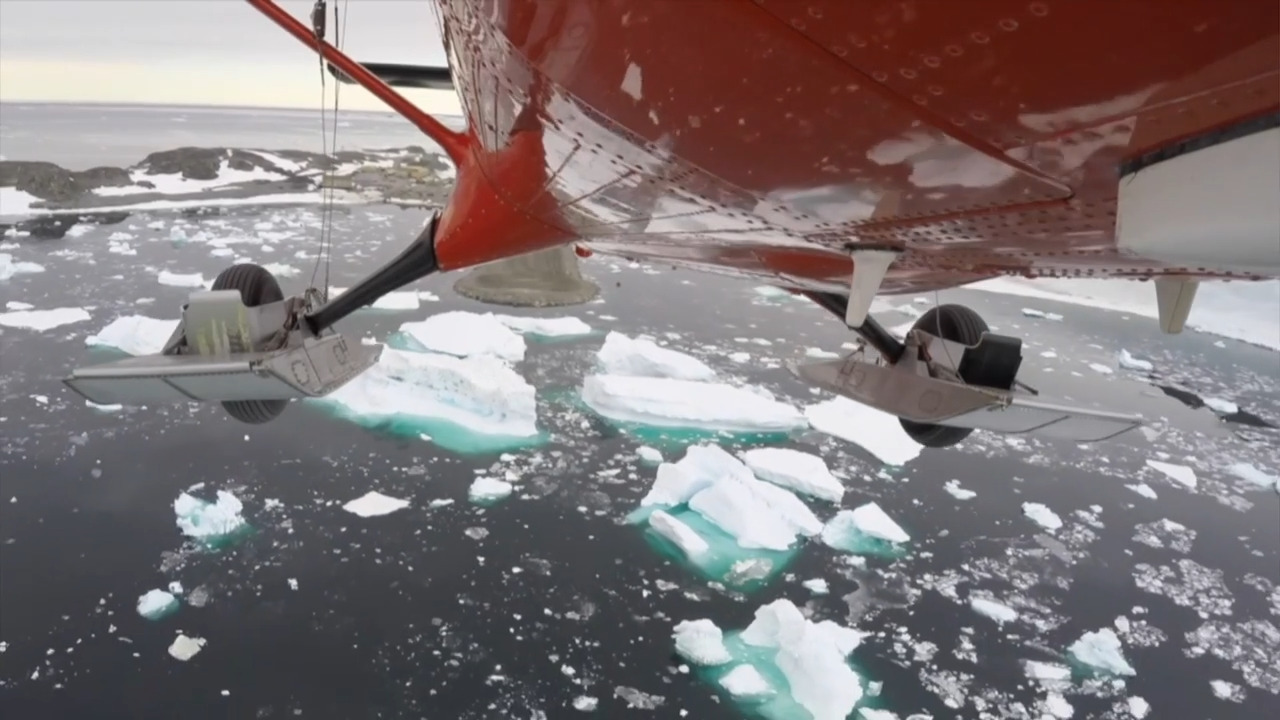
Research in Antarctica is important, but it’s not the most accessible place — have fun finding an Uber willing to take you (and your lab equipment) all the way there! Scientists no longer have to rely on foot travel, as they did decades ago, but taking to the air needs a bit of extra thought, because the technology has to work in Antarctica’s severe weather.
A promising solution is a new drone, tested in a part of North Wales known as “Snowdonia,” where the frigid temperatures put the drone through its cold weather paces. The drone has a few benefits — it doesn’t need a pilot on board (so it can go to remote places), it can travel up to 1000 km in one trip, and needs significantly less fuel than a normal plane. It does still need someone controlling it from the ground, but this can be from a computer, at base, perhaps with a mug of hot cocoa.
Researchers Rebecca and Tom will be conducting Antarctic research with this drone, with the goal of using radar on the drone to draw a picture of what’s under the ice sheets, to help predict how fast they could melt.
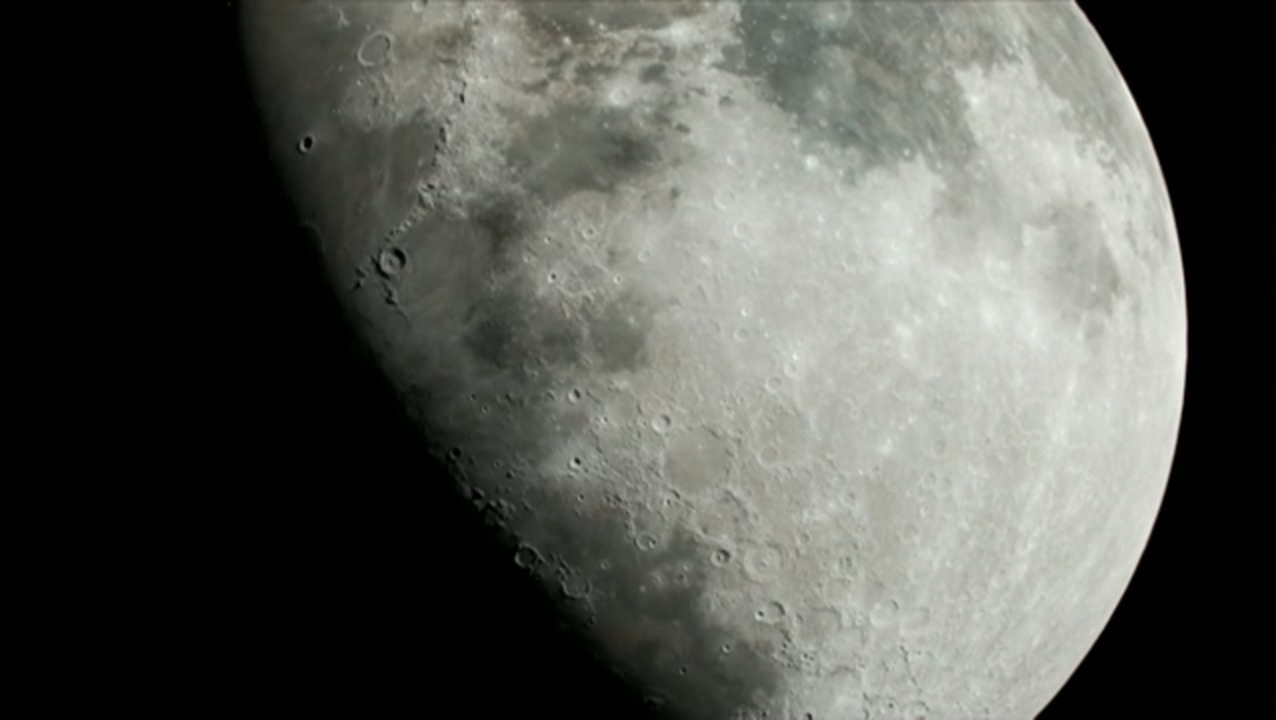
Ever wanted to hop onto a fluffy cloud? Catch a falling star? Bottle sunshine? Well, you can’t. But what you can do is hold some of the Moon in your hand… if you’re one of the few qualified scientists who are researching new lunar material. Sharing is caring, but these researchers have a great reason for being very precious with moon dust.
Moon dust is some of the rarest material on the planet and, for the first time, China has shared its samples of moon dust internationally. These samples have now racked up some serious frequent flyer miles, traveling across the globe after being taken all the way from the Moon. Talk about jet lag. Until now, scientists have been using samples collected decades ago. It wasn’t until 2020 that China’s spacecraft went to an unexplored spot of the Moon, then returned with 2 kilograms of moon rock. This dust is now being studied, and researchers are working carefully (VERY carefully) to uncover the evidence it has to offer about our universe’s environmental history.
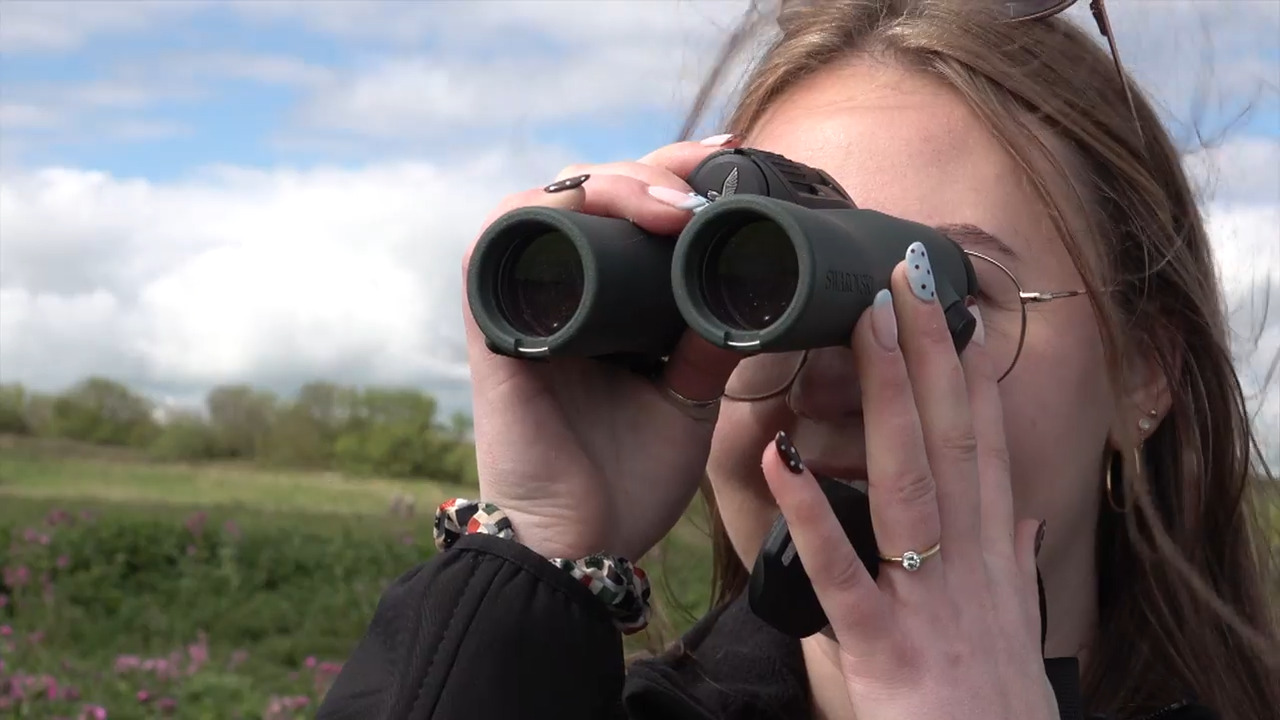
Birdwatching is taking off in a big way among young people. Reports say that around 750,000 people aged 16–29 in the UK and millions in the U.S. now regularly go birdwatching — turning what was once seen as a “quiet” hobby into a fast-growing trend.
Part of the appeal is how simple it is to start. You don’t need expensive gear or special training — just curiosity and a bit of time outdoors. It’s a low-pressure way to take a break from screens, notice what’s around you, and actually tune into sounds and spaces most people scroll past.
Ironically, social media is helping drive the trend. Birdwatching accounts, short videos, and identification apps are making it easier than ever to learn bird calls, spot species, and share discoveries with others. Instead of pulling people away from nature, platforms like TikTok and Instagram are often pushing people back into it.
Conservationists are especially excited because this kind of interest helps more people connect with wildlife and care about protecting it. Birdwatching is becoming less about binoculars and notebooks — and more about curiosity, community, and noticing the world a little differently.
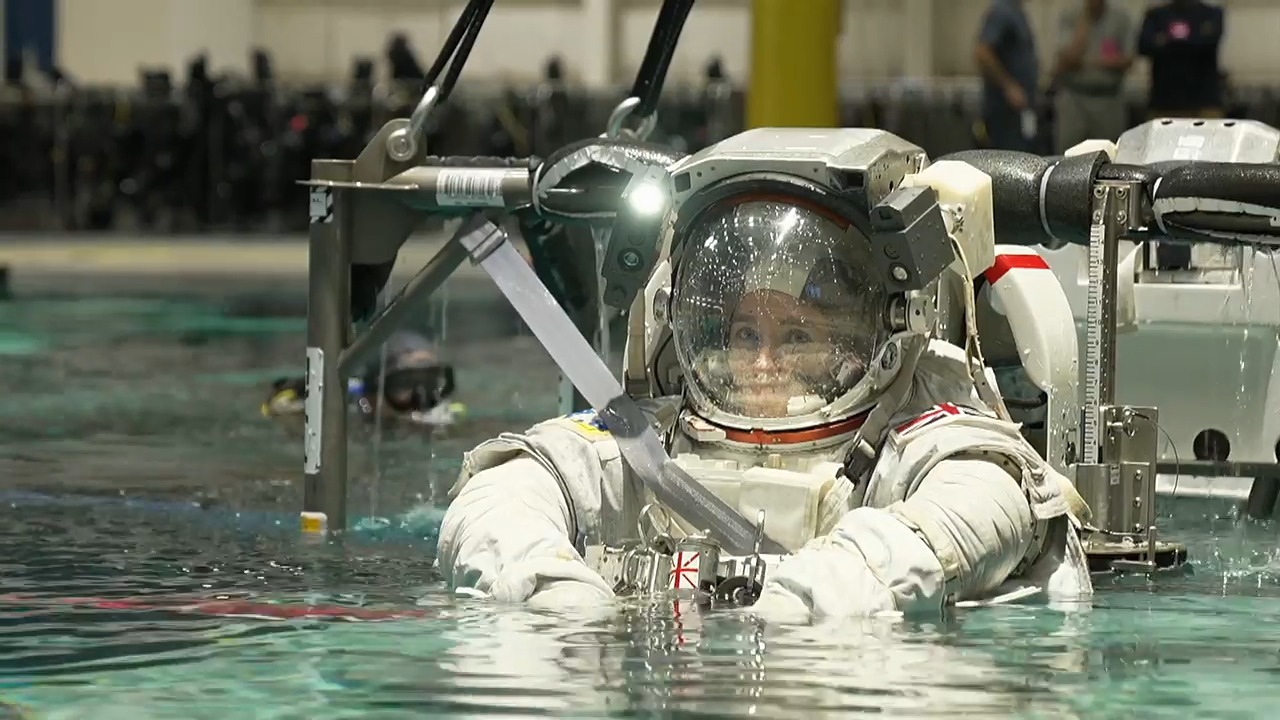
Being an astronaut is no joke — for your brain and your body to be prepared, you need to train, not unlike sports or school. Want to train for a soccer match? You may need to go for runs or lift weights. Need to prepare for a math test? You may need to repeat your times tables. Going into space soon? You may need to put on a space suit and get strapped into a full-sized replica of the International Space Station, then submerged in a 12-meter (40-foot!) deep pool for six hours. At least, that’s what astronaut Rosemary Coogan did to make sure she was ready for her spacewalk.
Coogan was chosen from 22,000 applicants to become a European Space Agency astronaut and may be the first Englishwoman to set foot on the moon.
Space preparation is daunting, but she had teams of supporters like divers and control room workers to make sure she was safe. The spacewalk test is meant to make sure that Rosemary could survive the conditions off of earth, even when things don’t go according to plan.
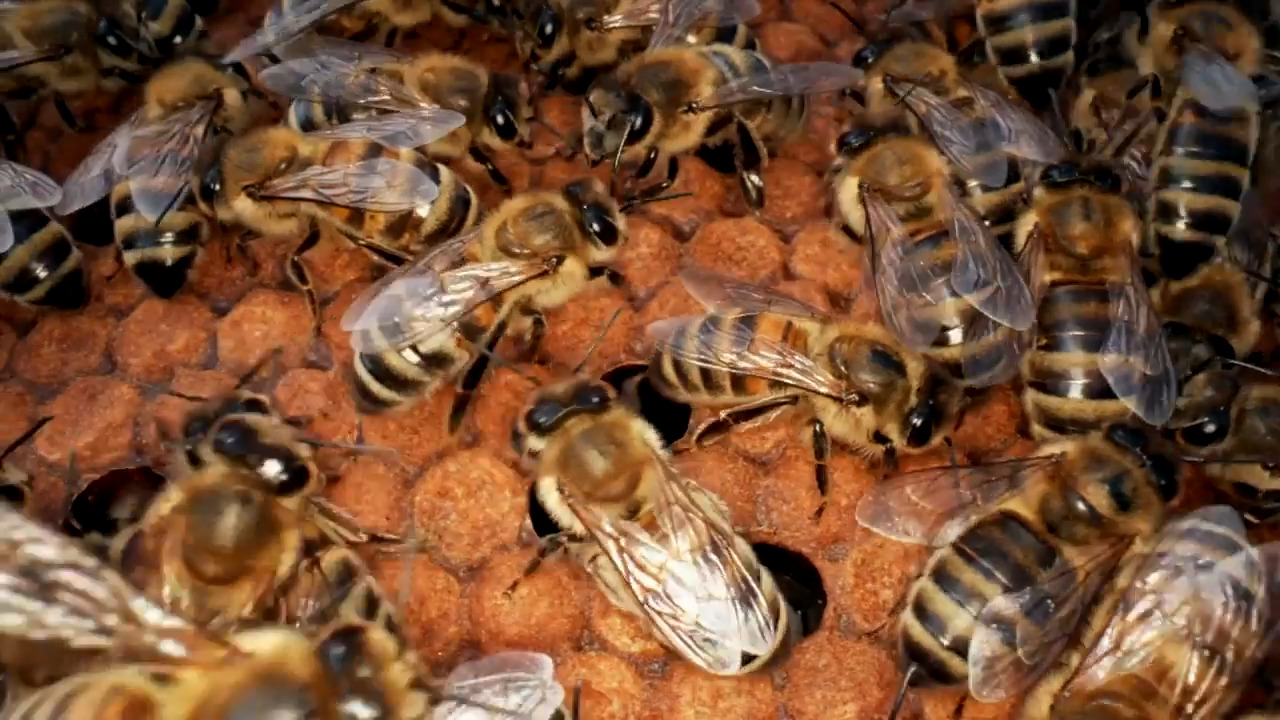
Beekeeper Nick was confused when his bees kept dying off. He kept his hives being stocked with food, so why did he still lose around 75% of the colony? The answer was in what was (or wasn’t) in his bees’ food.
In the wild, bees take what they need from flowers to make honey, and then feed off this honey in the winter. When we take this honey for ourselves, beekeepers replace it with supplementary food in the form of sugar and water, and scientists now say that bees can’t subsist off of just sugar and water, as the simple combination was missing key nutrients. Your parents probably said the same thing about why you can’t just have cake for dinner!
After years of testing different foods for bees, scientists have finally discovered how to make the core ingredient, called “sterole.” Oxford scientists have been developing the best foods for bees, and have found that the bees who consumed the food with sterole were healthier, and had up to 15 times more baby bees! This breakthrough is incredibly important — it means bees can still thrive without floral pollen, which would also help our food security, since bees are so important for pollinating crops.
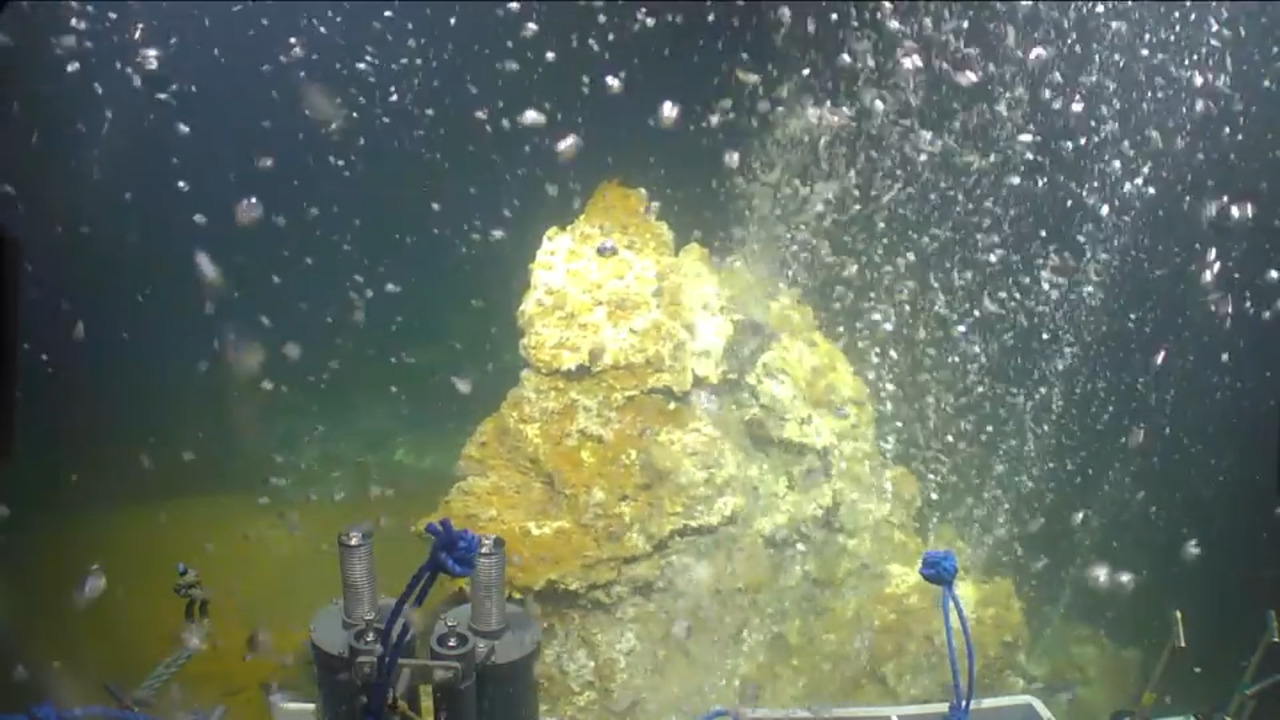
Underwater volcanoes are some of the least visible — but most important — geological features on Earth. Scientist Dr. Isobel Yeo studies these deep-sea volcanoes near the Greek island of Santorini using remotely-operated underwater robots. These robotic tools allow researchers to safely explore volcanic regions and locate hydrothermal vents, where hot gases and fluids escape from cracks in Earth’s crust.
Her team is focused on understanding how underwater eruptions behave differently from those on land. The surrounding water pressure, temperature, and ocean currents can all influence how magma and gases move during an eruption. By studying these systems, scientists can improve predictions of volcanic activity and better understand potential risks.
Although an eruption is not expected soon, this research is important for improving early warning systems and helping nearby coastal communities prepare for future volcanic events.
Everybody’s destiny looks different. Scientist Nathan’s looks like a humanoid robot dancing in the street. Nathan is the engineer designing a robot named Destiny’s software, creating her personality, and making sure she doesn't trip over anything.
Like many other robots, Destiny’s hardware was built in China, but it's Nathan who has spent months customizing and programming instructions. It can do housework or walk the dog, but the tech is being developed to ultimately help save the world. Unless your room is dangerously dirty, that probably looks more like decommissioning nuclear reactors or remote bomb disposal. That’s possible with robots like Destiny because they be controlled from across the world, where their human bosses are safe and sound.
But even distance between engineer and robot doesn’t necessarily mean Destiny is open to threats. Nathan says software has come so far that if it gets hacked, the robot can turn itself off, so that it can’t be controlled. So, no danger of your teacher getting into the system and assigning extra homework or something. Destiny is meant to be a friend, not a threat! Unless you’re scared of getting out-danced. Turns out, she’s got some moves besides just “the robot”!
Feeling stressed? Try reading this out loud!
Researchers have found that reading together can help strengthen bonds and reduce stress. In a recent study, families were asked to read together while wearing a brain monitoring cap that tracks activity over time. The results suggested that moments of shared reading can sync brain patterns between two people, which then suggest that the experience of reading books together helps parents and children connect.
Furthermore, the importance of stories themselves can’t be ignored. Stories are how people explain the world and their lives to one another — the decisions you make and the person you become are partially influenced by the stories you’ve read or heard. The research is very new, but studies of this sort can help us understand why reading together builds empathy, focus, emotional well-being, and might support children’s development and encourage a lifelong love of reading. And not just because a good story might distract two siblings for long enough to stop flicking each other’s ears!
Don’t you hate it when you’re late for work, but you just can’t find your bone and lunch bag of kibble? That may be the case for a group of dogs in Gulu, Northern Uganda, who work as therapy dogs, helping people with tough upbringings navigate their trauma and adjust to a happy life. To support a population that grew up in a war (and the unsafe conditions that came with it), a charity has paired them with dogs.
What’s better? The dogs benefit, too! We’re not talking about an end-of-the-week paycheck or big office parties, but something better: overdue love and affection. All the dogs are former street dogs, so they weren’t properly cared for, and these have helped more than 120 people and dogs find healing bonds with each other.
If you’ve ever wanted to ask Brussels sprouts… just… why? Well, you may be able to get pretty close. There’s an exhibition called Talking Plants at Cambridge University Botanic Garden, where visitors can talk to plants! Well, anyone can always talk to plants. But, in this greenhouse, artificial intelligence is being used to get the plants to respond.
The exhibit features a variety of plant life to go with 20 AI personalities a Cambridge professor, Sam, and his team created for the garden. With a QR code and a phone, visitors can come in and engage with the plants, ask them questions, and listen to their responses. Each plant has its own name, personality, and based on where in the world it's from, and some can speak multiple languages. They can even tell jokes!
Are you watching the 2026 World Cup?! We hope so, because it’s a big one. The biggest one, actually. It’s the first with three countries co-hosting (Canada, the U.S., and Mexico), and it’s been expanded to 48 teams (from 32).
But the size of the tournament isn’t where the differences end, not by a long shot! This year, the World Cup is also introducing new rules, like a possible red card for players covering their mouths! If you gasped and covered your own mouth, don’t worry. First because you’re probably not playing in the World Cup (yet), but also because this penalty is only given to players who are being confrontational.
Other additions include the VAR (Video Assistant Referee) getting the power to check second yellow cards and corners, a 5-second countdown on goal kicks and throw-ins, and a rule that players being subbed will have just 10 seconds to leave the pitch. No time for dilly dallying, we’ve got 16 more teams to watch this year!
Scientists have found some very old ice. No, it’s not bag of frozen peas that have been in your freezer for three years (which means someone’s not eating their vegetables). It’s actually cores of Antarctic ice, the oldest that have ever been collected, that go back over a million years.
Researchers are keeping almost 200 pieces of meter-long ice cores that were drilled from a depth of almost 3 km over the course of four years. After careful preservation, the ice now needs to be melted in order to reveal the rich environmental history that the ice has to offer. When melted carefully and incredibly slowly, scientists can see how the Earth changed over time, including variations in temperature, snowfall, and wind, because the tiny bubbles give a snapshot of carbon dioxide levels.
Studying this old ice will help scientists understand our environment today. For example, the concentration of greenhouse gasses we see today is higher than they have been in the past 800,000 years. To understand how the climate might change in the future, we need to learn about how it’s changed in the past.
Research in Antarctica is important, but it’s not the most accessible place — have fun finding an Uber willing to take you (and your lab equipment) all the way there! Scientists no longer have to rely on foot travel, as they did decades ago, but taking to the air needs a bit of extra thought, because the technology has to work in Antarctica’s severe weather.
A promising solution is a new drone, tested in a part of North Wales known as “Snowdonia,” where the frigid temperatures put the drone through its cold weather paces. The drone has a few benefits — it doesn’t need a pilot on board (so it can go to remote places), it can travel up to 1000 km in one trip, and needs significantly less fuel than a normal plane. It does still need someone controlling it from the ground, but this can be from a computer, at base, perhaps with a mug of hot cocoa.
Researchers Rebecca and Tom will be conducting Antarctic research with this drone, with the goal of using radar on the drone to draw a picture of what’s under the ice sheets, to help predict how fast they could melt.
Ever wanted to hop onto a fluffy cloud? Catch a falling star? Bottle sunshine? Well, you can’t. But what you can do is hold some of the Moon in your hand… if you’re one of the few qualified scientists who are researching new lunar material. Sharing is caring, but these researchers have a great reason for being very precious with moon dust.
Moon dust is some of the rarest material on the planet and, for the first time, China has shared its samples of moon dust internationally. These samples have now racked up some serious frequent flyer miles, traveling across the globe after being taken all the way from the Moon. Talk about jet lag. Until now, scientists have been using samples collected decades ago. It wasn’t until 2020 that China’s spacecraft went to an unexplored spot of the Moon, then returned with 2 kilograms of moon rock. This dust is now being studied, and researchers are working carefully (VERY carefully) to uncover the evidence it has to offer about our universe’s environmental history.
Birdwatching is taking off in a big way among young people. Reports say that around 750,000 people aged 16–29 in the UK and millions in the U.S. now regularly go birdwatching — turning what was once seen as a “quiet” hobby into a fast-growing trend.
Part of the appeal is how simple it is to start. You don’t need expensive gear or special training — just curiosity and a bit of time outdoors. It’s a low-pressure way to take a break from screens, notice what’s around you, and actually tune into sounds and spaces most people scroll past.
Ironically, social media is helping drive the trend. Birdwatching accounts, short videos, and identification apps are making it easier than ever to learn bird calls, spot species, and share discoveries with others. Instead of pulling people away from nature, platforms like TikTok and Instagram are often pushing people back into it.
Conservationists are especially excited because this kind of interest helps more people connect with wildlife and care about protecting it. Birdwatching is becoming less about binoculars and notebooks — and more about curiosity, community, and noticing the world a little differently.
Being an astronaut is no joke — for your brain and your body to be prepared, you need to train, not unlike sports or school. Want to train for a soccer match? You may need to go for runs or lift weights. Need to prepare for a math test? You may need to repeat your times tables. Going into space soon? You may need to put on a space suit and get strapped into a full-sized replica of the International Space Station, then submerged in a 12-meter (40-foot!) deep pool for six hours. At least, that’s what astronaut Rosemary Coogan did to make sure she was ready for her spacewalk.
Coogan was chosen from 22,000 applicants to become a European Space Agency astronaut and may be the first Englishwoman to set foot on the moon.
Space preparation is daunting, but she had teams of supporters like divers and control room workers to make sure she was safe. The spacewalk test is meant to make sure that Rosemary could survive the conditions off of earth, even when things don’t go according to plan.
Beekeeper Nick was confused when his bees kept dying off. He kept his hives being stocked with food, so why did he still lose around 75% of the colony? The answer was in what was (or wasn’t) in his bees’ food.
In the wild, bees take what they need from flowers to make honey, and then feed off this honey in the winter. When we take this honey for ourselves, beekeepers replace it with supplementary food in the form of sugar and water, and scientists now say that bees can’t subsist off of just sugar and water, as the simple combination was missing key nutrients. Your parents probably said the same thing about why you can’t just have cake for dinner!
After years of testing different foods for bees, scientists have finally discovered how to make the core ingredient, called “sterole.” Oxford scientists have been developing the best foods for bees, and have found that the bees who consumed the food with sterole were healthier, and had up to 15 times more baby bees! This breakthrough is incredibly important — it means bees can still thrive without floral pollen, which would also help our food security, since bees are so important for pollinating crops.
Underwater volcanoes are some of the least visible — but most important — geological features on Earth. Scientist Dr. Isobel Yeo studies these deep-sea volcanoes near the Greek island of Santorini using remotely-operated underwater robots. These robotic tools allow researchers to safely explore volcanic regions and locate hydrothermal vents, where hot gases and fluids escape from cracks in Earth’s crust.
Her team is focused on understanding how underwater eruptions behave differently from those on land. The surrounding water pressure, temperature, and ocean currents can all influence how magma and gases move during an eruption. By studying these systems, scientists can improve predictions of volcanic activity and better understand potential risks.
Although an eruption is not expected soon, this research is important for improving early warning systems and helping nearby coastal communities prepare for future volcanic events.