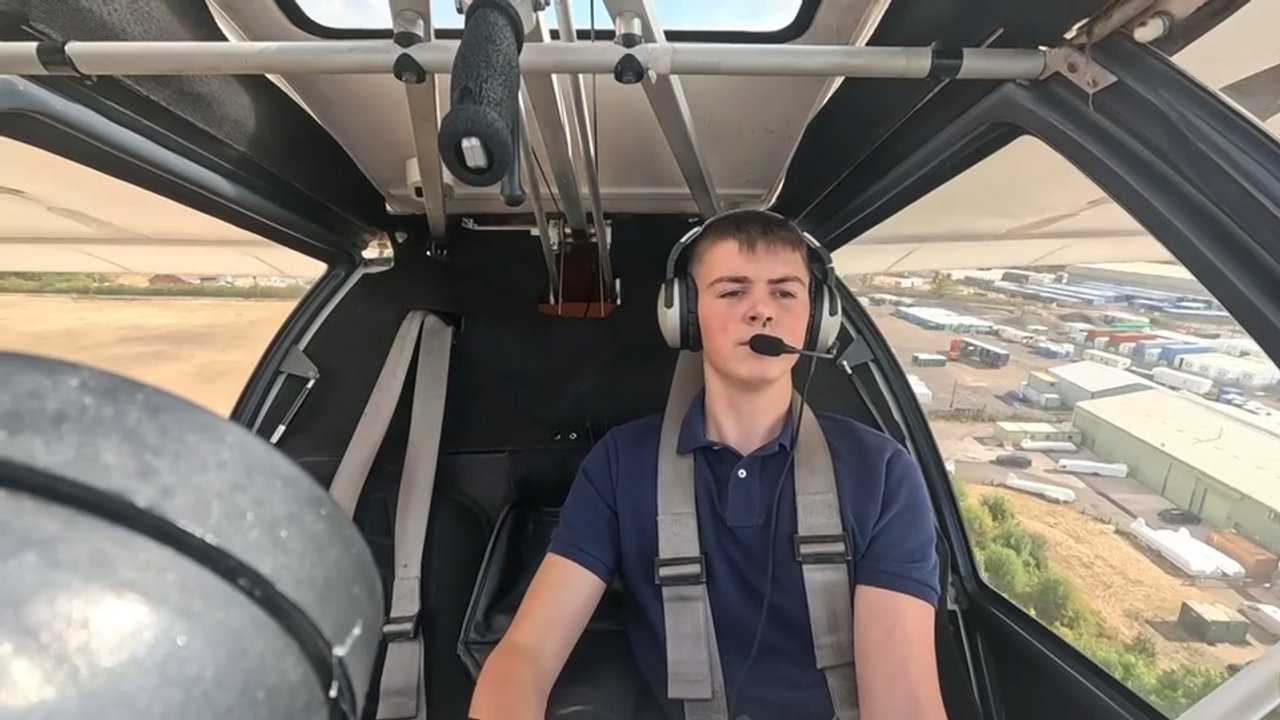
Most people hear “getting a license” and think of driving a car. But what if there was another option, with a lot less traffic? Thousands of teens in the UK are getting the chance to learn to fly, thanks to a charity called British Young Pilots (BYP).
Patrick founded it in 2023. Growing up near Heathrow, London’s biggest airport, he never thought flying would be for someone like him. Now he wants to open it up to everyone. Patrick has ADHD, and so does 13-year-old Izzy, who has autism. Her first lesson was more than an exciting ride. It was a chance to find something she might really want to pursue, and her family says that kind of passion matters for her sense of purpose and well-being.
Flying is expensive, so BYP works to bring the price down. It uses microlights, which are very small, light aircraft, and does much of its teaching in schools on flight simulators. That saves money and fuel. About 2,000 students from all backgrounds have enrolled so far, and around 200 get bursaries (grants) that cut their costs by 80%.
Up, up, and away! Then safely back down, of course. These young pilots still have homework to do.
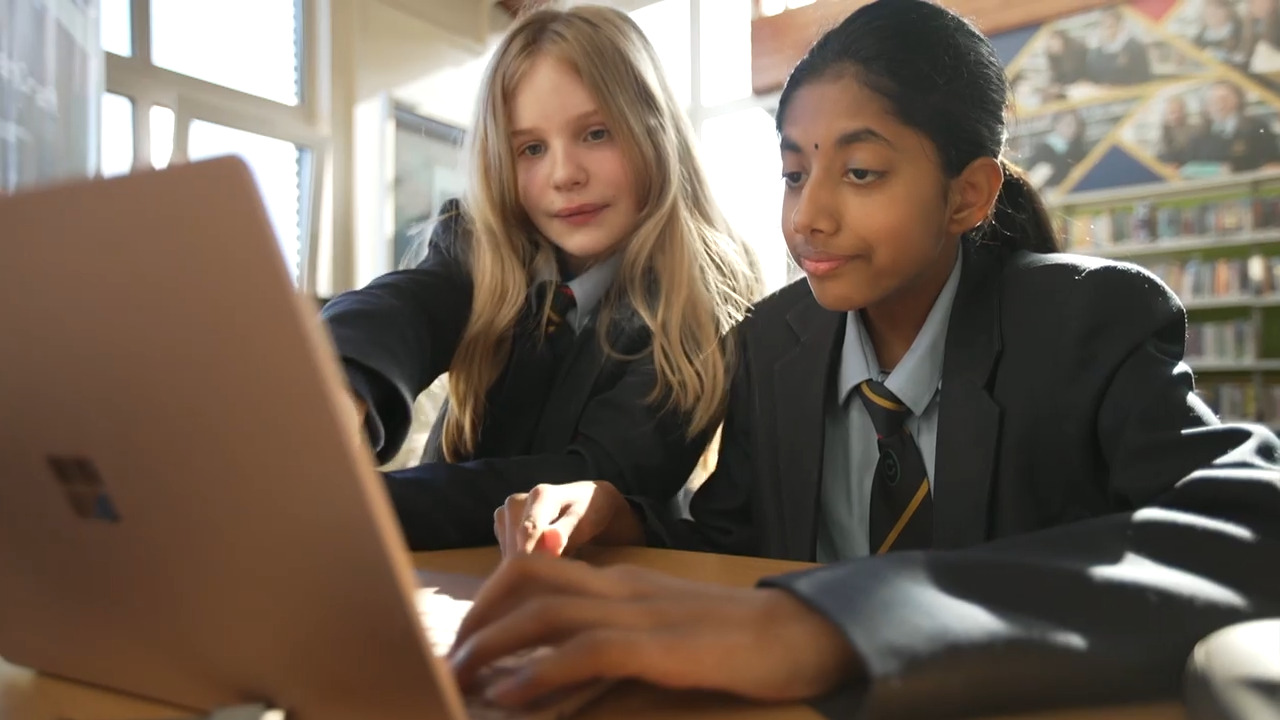
Imagine using your favorite game to help save the real world — that’s exactly what these students are doing! At Archbishop Temple School, kids are using Minecraft to recreate rising rivers and dangerous floods in their own town. Then, they design smart solutions like barriers and defenses to stop the water.
This isn’t just playtime — it’s serious problem-solving. By experimenting in a virtual world, students learn how flooding works and how to protect communities from climate change. One student said it best: they’re “learning while playing” and finding ways to help the planet.
Teachers love it too, because games like Minecraft make learning hands-on, fun, and meaningful. In this pilot project, kids aren’t just playing a game — they’re becoming real-life problem solvers who could help save cities in the future.
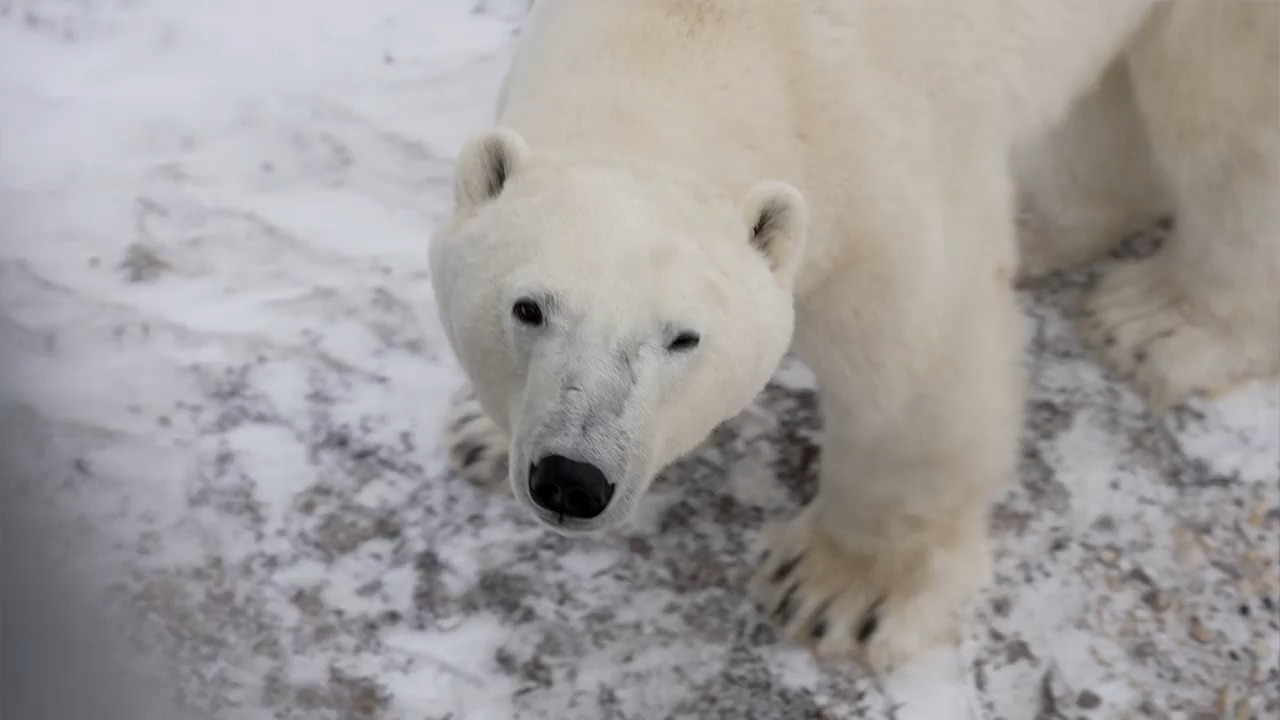
In Churchill, Manitoba — often called the “polar bear capital of the world” — polar bears are facing a changing home. As the Arctic warms, sea ice is forming later and melting earlier. That’s a big problem, because polar bears rely on the ice like a hunting platform to catch seals.
Now, they’re stuck on land for longer periods, waiting for the ice to return. And while they wait, hunger builds. Some bears are wandering closer to towns in search of food, digging through garbage and sometimes coming into conflict with people.
Scientists say the situation is serious: polar bear populations in some areas have dropped sharply in the last generation. As the ice keeps shrinking, the challenge of sharing space between humans and polar bears is only getting harder.
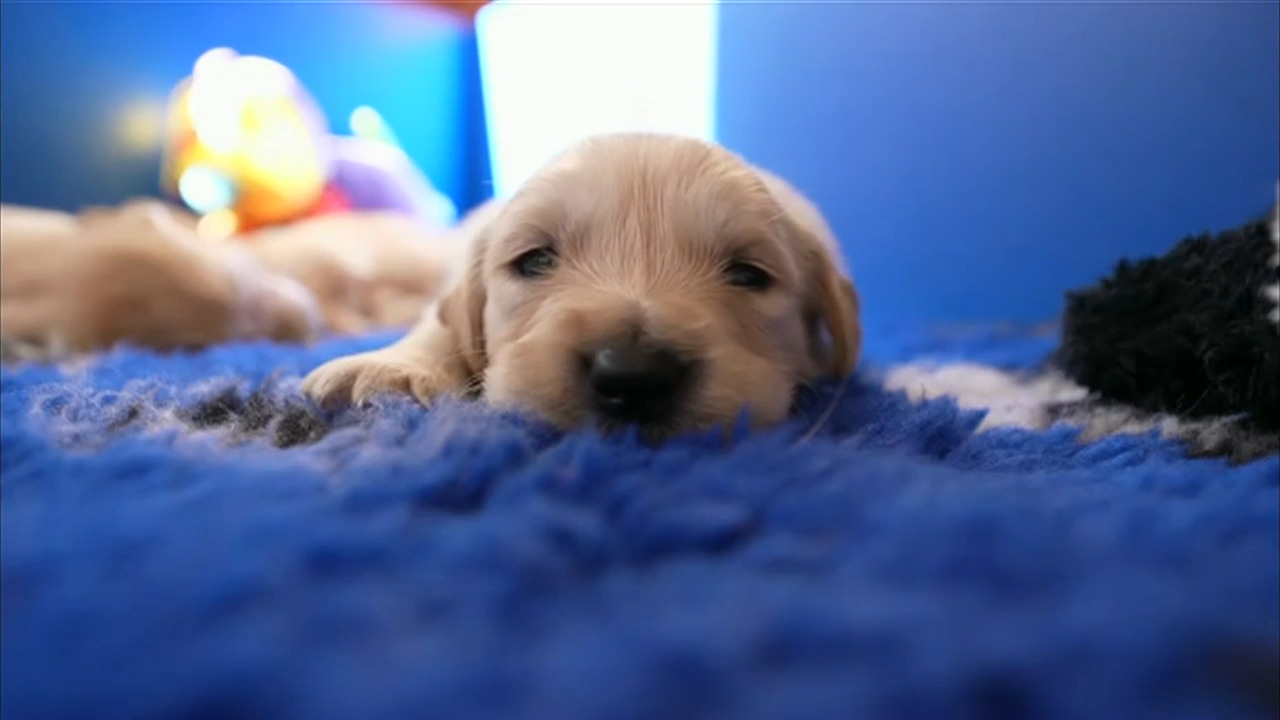
Ever wondered how guide dogs get their start? It begins with caring volunteers who give special “super-mom” dogs a loving home while they raise future guide dog puppies! These adorable pups spend their first few weeks cuddling, growing, and being cared for by volunteers — with help from veterinarians and all supplies covered. By 8 weeks old, they’re ready to begin training to become life-changing companions for people who need them.
Taking care of these dogs is fun, meaningful, and full of puppy snuggles. Would you want to be part of something this amazing?
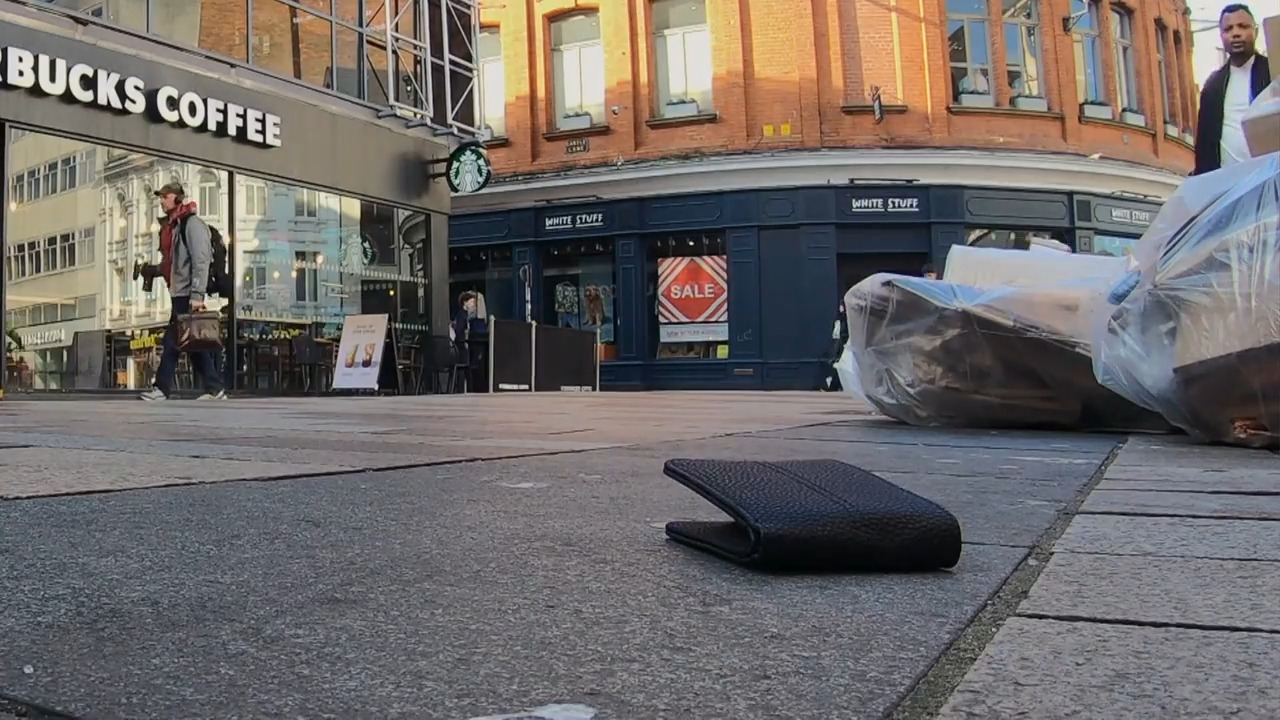
In Belfast, Northern Ireland, researchers tried a simple but revealing experiment: they “lost” ten wallets around the city to see how people would respond. Each wallet had a little cash inside and a card showing how to return it to the owner.
Why does this matter? Scientists who study happiness say that how much people trust strangers — and how often strangers act kindly — is a big clue to how happy a place is overall. It turns out that things like strong communities, helping others, and even sharing meals can matter almost as much as money or jobs when it comes to well-being.
So the real question isn’t just how many wallets were returned — it’s what those choices say about how people treat each other, and how that shapes everyday happiness.
Ring ring! “Hello? Outer space on the line.”
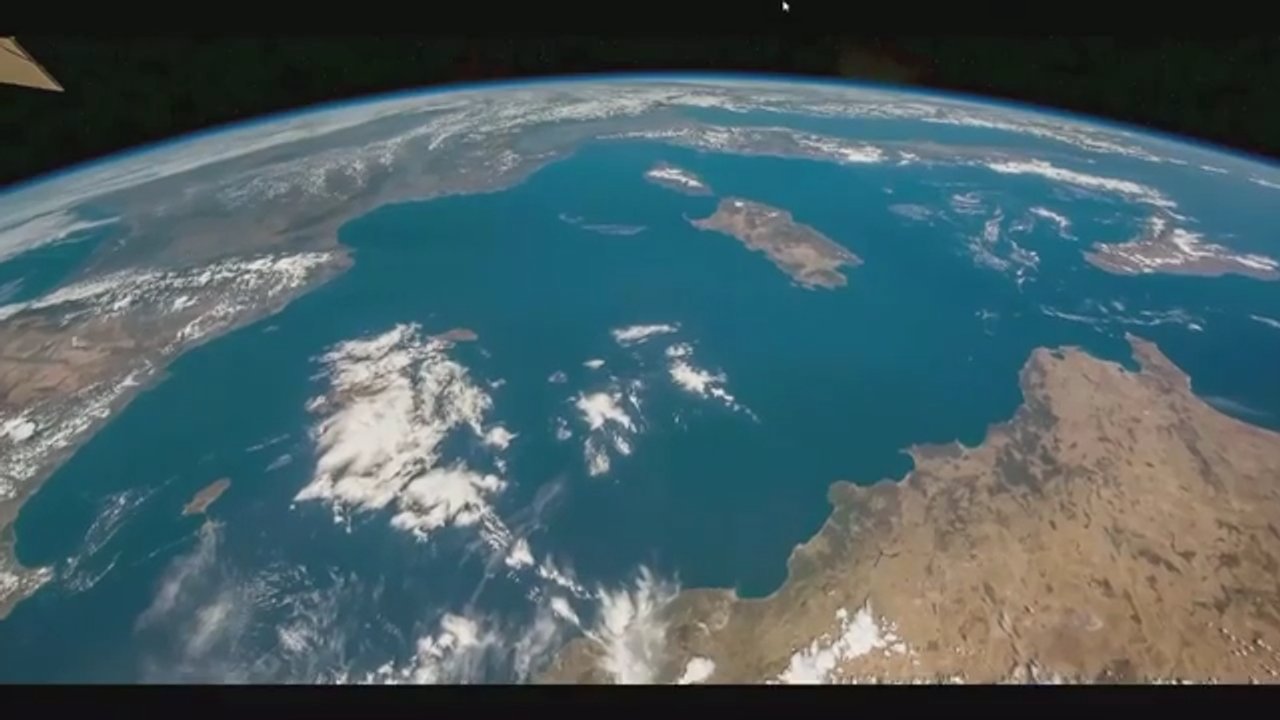
Students at Wick High School in the far north of Scotland recently had a conversation they won’t forget. They spoke directly to an astronaut on the International Space Station, which orbits about 400 kilometers (250 miles) above Earth.
They didn’t have to shout. As the space station passed overhead, the students used an amateur radio to make contact with Joshua Kutryk, an astronaut from Canada. Their school is thought to be the most northerly in the UK ever to reach the space station this way.
The space station travels so fast that the students had only about 10 minutes before it moved out of range. They used every second. One student asked what movies always get wrong about space. Kutryk’s answer: Everything is harder than it looks, even brushing your teeth. Another asked about space food. He said it tastes different up there, even his coffee.
That’s a lot to fit into one short phone call!
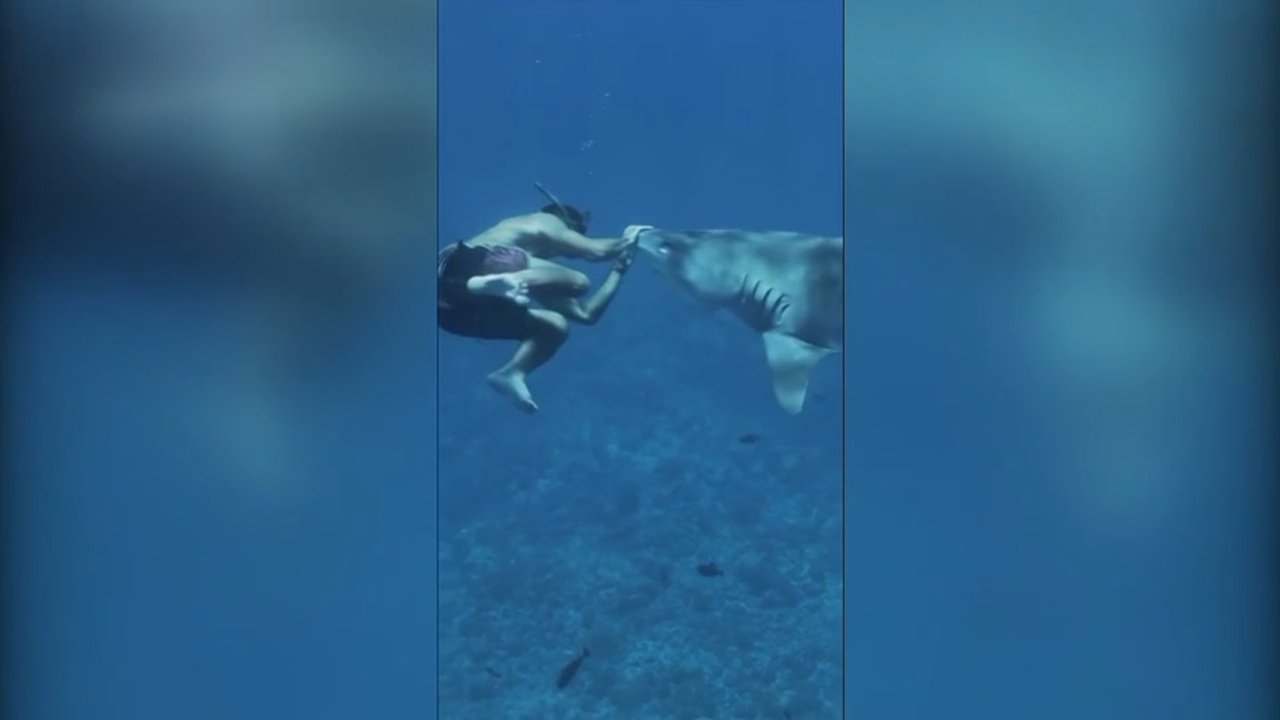
If someone at the beach shouts “Shark!”, you swim away, right? Not everyone does. Videos of people swimming with sharks, touching them, and even hugging them are becoming more popular online. Scientists warn that chasing the perfect shot is risky for the person, and for the shark.
Some shark species are fairly calm, but they’re still wild animals, and they can still bite. Researchers who track shark bites around the world say they’ve seen more people bitten while trying to film or photograph sharks.
The sharks can be harmed, too. Studies show that getting close to a shark or touching it raises its levels of stress hormones. Too much stress can weaken a shark’s immune system, make it more likely to die, and even cause pregnant sharks to lose their young.
To be clear, shark bites are still rare. There are only about 70 recorded each year worldwide. But scientists have simple advice for keeping people and sharks safe: admire sharks from a distance.
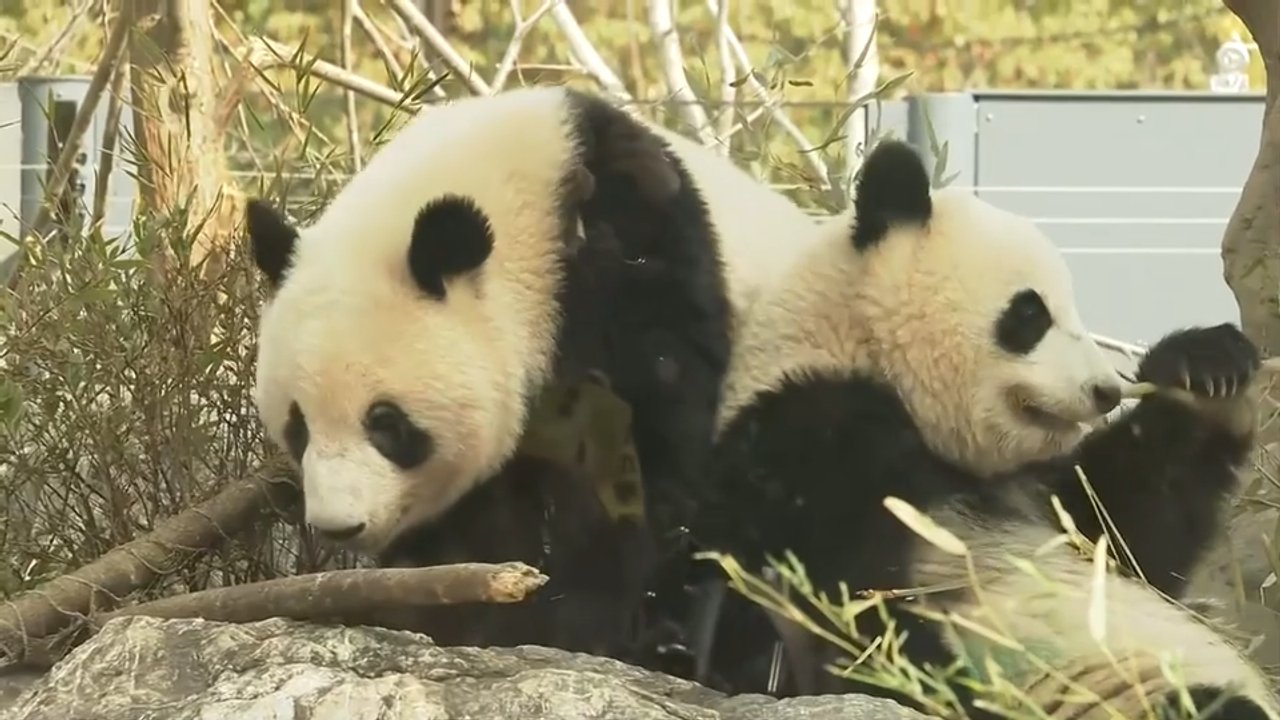
At the start of 2026, Tokyo’s Ueno Zoo said goodbye to two of its most famous residents: twin giant pandas Xiao Xiao and Lei Lei.
The twins were born at the zoo in 2021 and quickly became stars. In their final weeks in Japan, so many families wanted to see them that visitors were picked by lottery.
The pandas were always meant to go back to China. China doesn’t sell or give away its giant pandas. It lends them to other countries, and the loans often depend on how well the two governments get along. This is known as “panda diplomacy.”
The twins left at a tense moment. Relations between China and Japan worsened after Japan’s new prime minister made comments about Taiwan, an island that governs itself but that China claims as part of its territory.
Now, for the first time since 1972, Japan has no giant pandas. That date matters. 1972 was the year Japan and China restored official relations, and China marked it by sending Japan its first pair of pandas. Japan would like more pandas, but officials say a new loan looks unlikely for now.
So the pandas are home in China, and Japan is waiting for a reply.
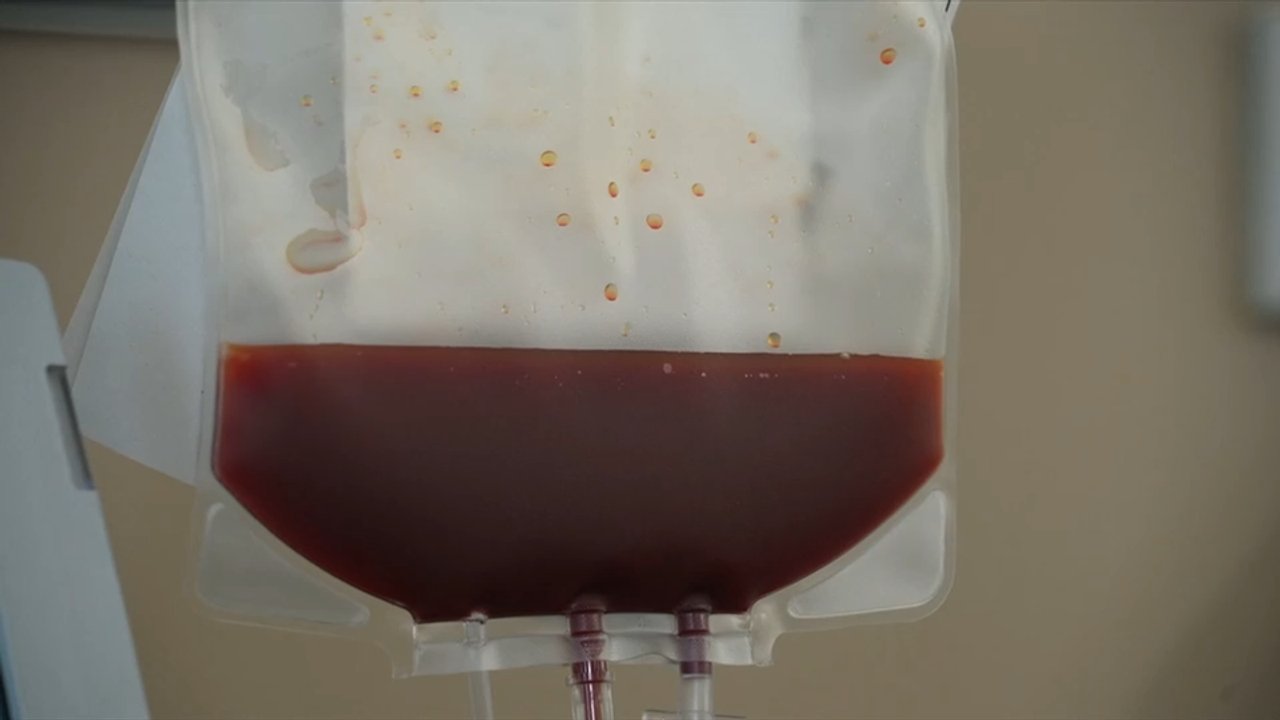
Most of us don’t think much about our blood until we get a paper cut or a scraped knee. 16-year-old Vianne has had to think about hers for most of her life. She has thalassemia, a serious blood disorder. Her body couldn’t make enough healthy hemoglobin, the protein in red blood cells that carries oxygen around the body. She needed blood transfusions every month, and she was often exhausted.
Then she received a new gene-editing treatment.
First, doctors collected some of her stem cells. These are cells that haven’t yet become a particular type, so they can copy themselves and turn into other kinds of cells. In a laboratory, scientists edited the cells’ DNA so they would make more fetal hemoglobin, the kind babies make before they’re born. This extra hemoglobin makes up for the faulty kind that causes thalassemia. Months later, the edited cells were put back into Vianne’s body.
Doctors call the result a “functional cure.” Vianne still has the genetic condition, but its main symptoms have eased so much that she no longer needs transfusions. That means fewer hospital visits and much more energy.
The same treatment is also being used for sickle cell disease. 14-year-old Joel is just starting the process. It isn’t easy: patients need chemotherapy first, to clear space in their bone marrow for the edited cells. But Vianne says it was worth it.

Last month, the electric car company Tesla showed off a stunt that looked like something from a science-fiction film. At a rocket test site in Texas, its new Roadster sports car drove up a curved ramp, launched into the air using rocket-style thrusters, and stayed up for a few seconds before landing.
Tesla’s boss, Elon Musk, said the car used tanks of high-pressure air and thrusters built with technology from SpaceX, his rocket company. When a thruster releases a blast of air, it pushes the car in the opposite direction.
The flight was impressive, but experts had one big question: Why? Compressed air can’t store much energy, so the car can only stay airborne for a very short time.
There were other catches, too. Nobody was inside the car during the demonstration. Musk said that was to make sure no one got hurt. The flying version also isn’t approved for public roads.
The test shows the difference between proving something can be done and proving it’s useful, efficient, safe, and ready for everyday life.
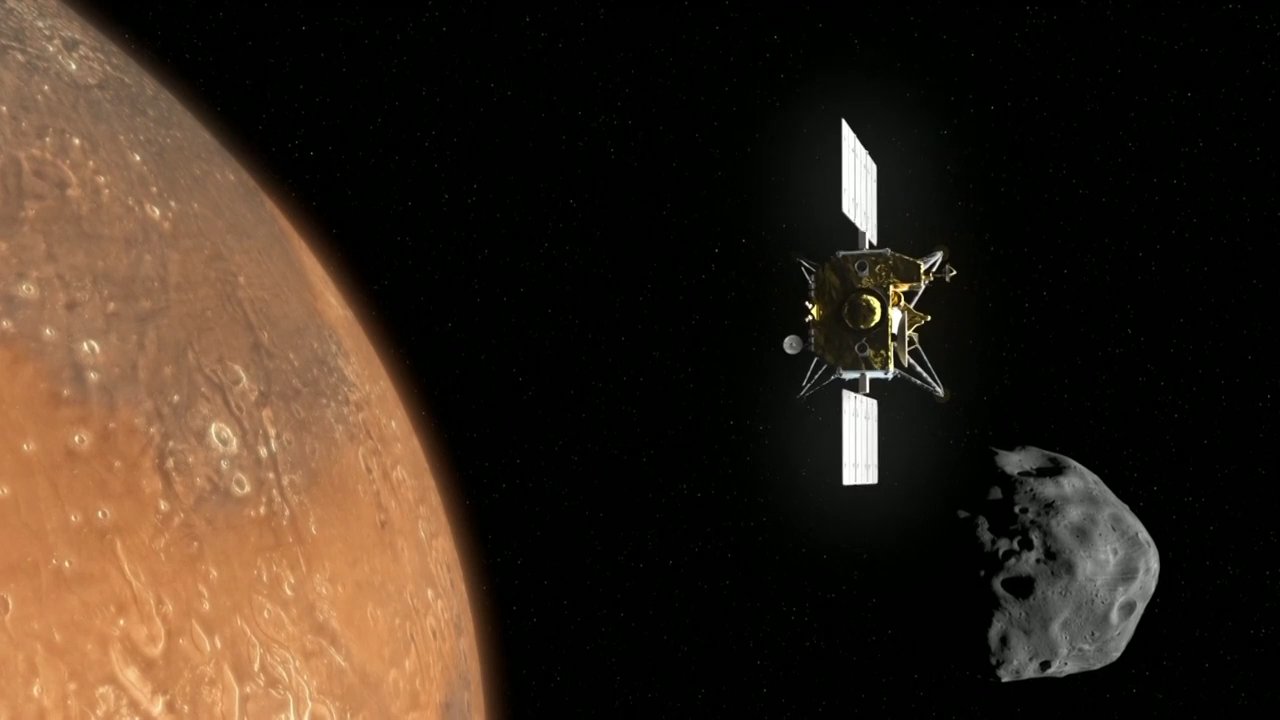
The Mars Moons Exploration’s mission: grab a piece of one of Mars’s moons and bring it back to Earth. Talk about a big job! No wonder this is the first time anyone’s ever attempted this.
Our inner Solar System has only three moons: one for Earth and two for Mars. Mars may have two moons, but they’re both relatively small. The smaller moon, Deimos, is about 6 miles across. Phobos is around double that, but, at 12 miles across, its diameter is still closer to the distance to your local grocery store than the size of Earth’s Moon (which is over 2,000 miles across).
Scientists want to bring a sample from Phobos back to Earth, which should hopefully help answer the question: How exactly did these Mars moons form? One possibility is that a giant impact on early Mars blasted debris into space that later became the moons. Another is that Phobos and Deimos started as asteroids that were captured by Mars’s gravity.
Until now, the only pieces of Mars that scientists have been able to study fell to Earth as meteorites, but these types of samples become contaminated as they travel through our atmosphere. A piece taken directly from Phobos, however, would be pristine.
The plan is for the spacecraft to fly past Deimos, send a rover onto Phobos, and later land to collect a sample that is expected to return to Earth in 2031. After all this, researchers are expecting a whopping… 10 grams of material. That’s the same as about two nickels! But scientists say that is enough, especially because they would be able to do several studies on each grain of material.
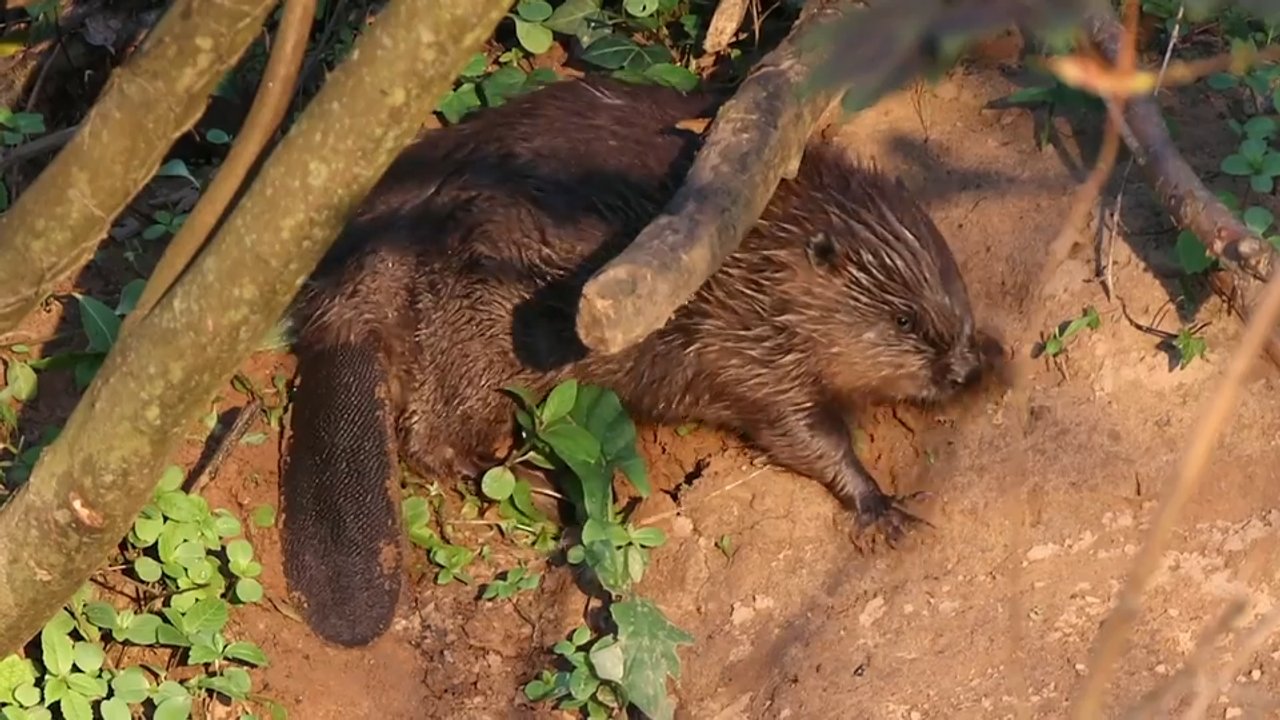
Need a quick fix for nature? Just add beavers! Okay, it’s not quite that simple. But a small beaver family in the UK has shown what these animals can do, turning a shallow, struggling stream into what Forestry England called a “watery wonderland.”
Don’t picture water slides. Before the beavers arrived, the stream nearly dried up every summer. The beavers built dams from branches and mud, which held water back and spread it across the land. That created wetlands, areas where shallow water covers the ground for much of the year. Those wetlands now support insects, birds, and bats, along with small predators such as stoats, weasels, and pine martens. (Pine martens are tree-climbing relatives of the weasel.)
For now, the beavers live inside a fenced area. Their success has conservation groups asking whether beavers could one day be released into the wild without fences. That takes more than opening a gate. First, conservationists need feasibility studies (research to check whether a release would work). They also need government permission and a long-term plan for managing the animals. And they have to work out how beavers and people will share the land, since beaver dams can flood farmland, roads, or gardens.
If it’s done well, the payoff could be big. Beaver wetlands can boost biodiversity, or the variety of living things in one area. They also act like sponges, helping land hold on to water during heatwaves and droughts.
Most people hear “getting a license” and think of driving a car. But what if there was another option, with a lot less traffic? Thousands of teens in the UK are getting the chance to learn to fly, thanks to a charity called British Young Pilots (BYP).
Patrick founded it in 2023. Growing up near Heathrow, London’s biggest airport, he never thought flying would be for someone like him. Now he wants to open it up to everyone. Patrick has ADHD, and so does 13-year-old Izzy, who has autism. Her first lesson was more than an exciting ride. It was a chance to find something she might really want to pursue, and her family says that kind of passion matters for her sense of purpose and well-being.
Flying is expensive, so BYP works to bring the price down. It uses microlights, which are very small, light aircraft, and does much of its teaching in schools on flight simulators. That saves money and fuel. About 2,000 students from all backgrounds have enrolled so far, and around 200 get bursaries (grants) that cut their costs by 80%.
Up, up, and away! Then safely back down, of course. These young pilots still have homework to do.
Imagine using your favorite game to help save the real world — that’s exactly what these students are doing! At Archbishop Temple School, kids are using Minecraft to recreate rising rivers and dangerous floods in their own town. Then, they design smart solutions like barriers and defenses to stop the water.
This isn’t just playtime — it’s serious problem-solving. By experimenting in a virtual world, students learn how flooding works and how to protect communities from climate change. One student said it best: they’re “learning while playing” and finding ways to help the planet.
Teachers love it too, because games like Minecraft make learning hands-on, fun, and meaningful. In this pilot project, kids aren’t just playing a game — they’re becoming real-life problem solvers who could help save cities in the future.
In Churchill, Manitoba — often called the “polar bear capital of the world” — polar bears are facing a changing home. As the Arctic warms, sea ice is forming later and melting earlier. That’s a big problem, because polar bears rely on the ice like a hunting platform to catch seals.
Now, they’re stuck on land for longer periods, waiting for the ice to return. And while they wait, hunger builds. Some bears are wandering closer to towns in search of food, digging through garbage and sometimes coming into conflict with people.
Scientists say the situation is serious: polar bear populations in some areas have dropped sharply in the last generation. As the ice keeps shrinking, the challenge of sharing space between humans and polar bears is only getting harder.
Ever wondered how guide dogs get their start? It begins with caring volunteers who give special “super-mom” dogs a loving home while they raise future guide dog puppies! These adorable pups spend their first few weeks cuddling, growing, and being cared for by volunteers — with help from veterinarians and all supplies covered. By 8 weeks old, they’re ready to begin training to become life-changing companions for people who need them.
Taking care of these dogs is fun, meaningful, and full of puppy snuggles. Would you want to be part of something this amazing?
In Belfast, Northern Ireland, researchers tried a simple but revealing experiment: they “lost” ten wallets around the city to see how people would respond. Each wallet had a little cash inside and a card showing how to return it to the owner.
Why does this matter? Scientists who study happiness say that how much people trust strangers — and how often strangers act kindly — is a big clue to how happy a place is overall. It turns out that things like strong communities, helping others, and even sharing meals can matter almost as much as money or jobs when it comes to well-being.
So the real question isn’t just how many wallets were returned — it’s what those choices say about how people treat each other, and how that shapes everyday happiness.
Ring ring! “Hello? Outer space on the line.”
Students at Wick High School in the far north of Scotland recently had a conversation they won’t forget. They spoke directly to an astronaut on the International Space Station, which orbits about 400 kilometers (250 miles) above Earth.
They didn’t have to shout. As the space station passed overhead, the students used an amateur radio to make contact with Joshua Kutryk, an astronaut from Canada. Their school is thought to be the most northerly in the UK ever to reach the space station this way.
The space station travels so fast that the students had only about 10 minutes before it moved out of range. They used every second. One student asked what movies always get wrong about space. Kutryk’s answer: Everything is harder than it looks, even brushing your teeth. Another asked about space food. He said it tastes different up there, even his coffee.
That’s a lot to fit into one short phone call!
If someone at the beach shouts “Shark!”, you swim away, right? Not everyone does. Videos of people swimming with sharks, touching them, and even hugging them are becoming more popular online. Scientists warn that chasing the perfect shot is risky for the person, and for the shark.
Some shark species are fairly calm, but they’re still wild animals, and they can still bite. Researchers who track shark bites around the world say they’ve seen more people bitten while trying to film or photograph sharks.
The sharks can be harmed, too. Studies show that getting close to a shark or touching it raises its levels of stress hormones. Too much stress can weaken a shark’s immune system, make it more likely to die, and even cause pregnant sharks to lose their young.
To be clear, shark bites are still rare. There are only about 70 recorded each year worldwide. But scientists have simple advice for keeping people and sharks safe: admire sharks from a distance.
At the start of 2026, Tokyo’s Ueno Zoo said goodbye to two of its most famous residents: twin giant pandas Xiao Xiao and Lei Lei.
The twins were born at the zoo in 2021 and quickly became stars. In their final weeks in Japan, so many families wanted to see them that visitors were picked by lottery.
The pandas were always meant to go back to China. China doesn’t sell or give away its giant pandas. It lends them to other countries, and the loans often depend on how well the two governments get along. This is known as “panda diplomacy.”
The twins left at a tense moment. Relations between China and Japan worsened after Japan’s new prime minister made comments about Taiwan, an island that governs itself but that China claims as part of its territory.
Now, for the first time since 1972, Japan has no giant pandas. That date matters. 1972 was the year Japan and China restored official relations, and China marked it by sending Japan its first pair of pandas. Japan would like more pandas, but officials say a new loan looks unlikely for now.
So the pandas are home in China, and Japan is waiting for a reply.
Most of us don’t think much about our blood until we get a paper cut or a scraped knee. 16-year-old Vianne has had to think about hers for most of her life. She has thalassemia, a serious blood disorder. Her body couldn’t make enough healthy hemoglobin, the protein in red blood cells that carries oxygen around the body. She needed blood transfusions every month, and she was often exhausted.
Then she received a new gene-editing treatment.
First, doctors collected some of her stem cells. These are cells that haven’t yet become a particular type, so they can copy themselves and turn into other kinds of cells. In a laboratory, scientists edited the cells’ DNA so they would make more fetal hemoglobin, the kind babies make before they’re born. This extra hemoglobin makes up for the faulty kind that causes thalassemia. Months later, the edited cells were put back into Vianne’s body.
Doctors call the result a “functional cure.” Vianne still has the genetic condition, but its main symptoms have eased so much that she no longer needs transfusions. That means fewer hospital visits and much more energy.
The same treatment is also being used for sickle cell disease. 14-year-old Joel is just starting the process. It isn’t easy: patients need chemotherapy first, to clear space in their bone marrow for the edited cells. But Vianne says it was worth it.
Last month, the electric car company Tesla showed off a stunt that looked like something from a science-fiction film. At a rocket test site in Texas, its new Roadster sports car drove up a curved ramp, launched into the air using rocket-style thrusters, and stayed up for a few seconds before landing.
Tesla’s boss, Elon Musk, said the car used tanks of high-pressure air and thrusters built with technology from SpaceX, his rocket company. When a thruster releases a blast of air, it pushes the car in the opposite direction.
The flight was impressive, but experts had one big question: Why? Compressed air can’t store much energy, so the car can only stay airborne for a very short time.
There were other catches, too. Nobody was inside the car during the demonstration. Musk said that was to make sure no one got hurt. The flying version also isn’t approved for public roads.
The test shows the difference between proving something can be done and proving it’s useful, efficient, safe, and ready for everyday life.
The Mars Moons Exploration’s mission: grab a piece of one of Mars’s moons and bring it back to Earth. Talk about a big job! No wonder this is the first time anyone’s ever attempted this.
Our inner Solar System has only three moons: one for Earth and two for Mars. Mars may have two moons, but they’re both relatively small. The smaller moon, Deimos, is about 6 miles across. Phobos is around double that, but, at 12 miles across, its diameter is still closer to the distance to your local grocery store than the size of Earth’s Moon (which is over 2,000 miles across).
Scientists want to bring a sample from Phobos back to Earth, which should hopefully help answer the question: How exactly did these Mars moons form? One possibility is that a giant impact on early Mars blasted debris into space that later became the moons. Another is that Phobos and Deimos started as asteroids that were captured by Mars’s gravity.
Until now, the only pieces of Mars that scientists have been able to study fell to Earth as meteorites, but these types of samples become contaminated as they travel through our atmosphere. A piece taken directly from Phobos, however, would be pristine.
The plan is for the spacecraft to fly past Deimos, send a rover onto Phobos, and later land to collect a sample that is expected to return to Earth in 2031. After all this, researchers are expecting a whopping… 10 grams of material. That’s the same as about two nickels! But scientists say that is enough, especially because they would be able to do several studies on each grain of material.
Need a quick fix for nature? Just add beavers! Okay, it’s not quite that simple. But a small beaver family in the UK has shown what these animals can do, turning a shallow, struggling stream into what Forestry England called a “watery wonderland.”
Don’t picture water slides. Before the beavers arrived, the stream nearly dried up every summer. The beavers built dams from branches and mud, which held water back and spread it across the land. That created wetlands, areas where shallow water covers the ground for much of the year. Those wetlands now support insects, birds, and bats, along with small predators such as stoats, weasels, and pine martens. (Pine martens are tree-climbing relatives of the weasel.)
For now, the beavers live inside a fenced area. Their success has conservation groups asking whether beavers could one day be released into the wild without fences. That takes more than opening a gate. First, conservationists need feasibility studies (research to check whether a release would work). They also need government permission and a long-term plan for managing the animals. And they have to work out how beavers and people will share the land, since beaver dams can flood farmland, roads, or gardens.
If it’s done well, the payoff could be big. Beaver wetlands can boost biodiversity, or the variety of living things in one area. They also act like sponges, helping land hold on to water during heatwaves and droughts.