
Puppy Power! How You Can Help Raise Future Guide Dogs
Ever wondered how guide dogs get their start? It begins with caring volunteers who give special “super-mom” dogs a loving home while they raise future guide dog puppies! These adorable pups spend their first few weeks cuddling, growing, and being cared for by volunteers — with help from veterinarians and all supplies covered. By 8 weeks old, they’re ready to begin training to become life-changing companions for people who need them.
Taking care of these dogs is fun, meaningful, and full of puppy snuggles. Would you want to be part of something this amazing?
Take the Challenge
More News Stories
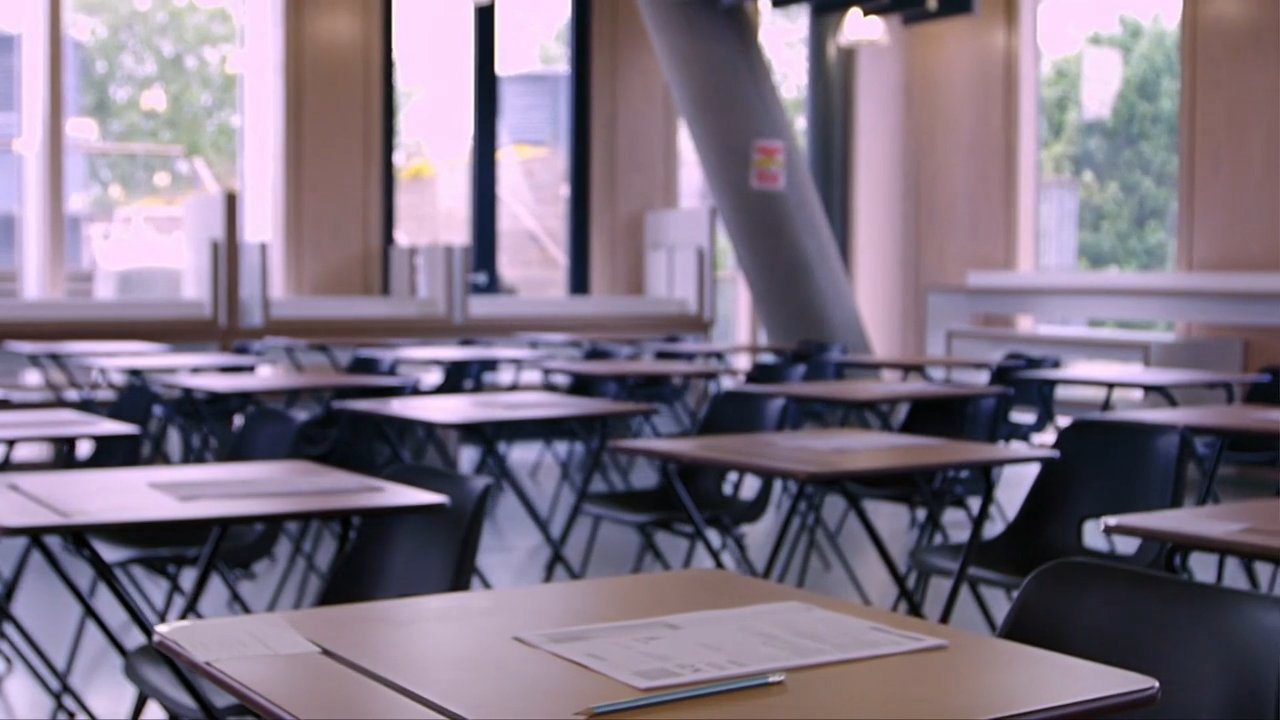
Every student, everywhere, knows the feeling: walking out of a big exam with no idea if you did well or completely bombed it. This year, that feeling hit an entire country at once.
In the UK, this year's math exams were unusually tough — tough enough that students flooded social media with one shared message: "that test kicked my butt." And it wasn't about skipping study time or being dramatic. Many said the exam's structure meant you could know the material and still not be able to show it.
Here's why: the questions were worded differently than in past years. If a student got stuck on the first part of a question, they couldn't move on to the rest — like having the perfect ice cream sundae recipe, but the ice cream and toppings are locked in a vault guarded by a saber-toothed parabola.
Not everyone agreed the test was actually harder. Some math experts said the calculations themselves were standard, and students should have been able to solve them. So who's right?
It's not really a students vs. experts argument. When exam boards set the grades for a test like this, they review a wide range of evidence to make sure students end up with fair results — not just the raw difficulty of the questions. The organization that oversees UK exams also said it will keep a close eye on this one going forward.

“Not all heroes wear capes.” Some might be found in grease-stained jumpsuits, like mechanic Jamie Howell, who spends his spare time finding stolen motorbikes. But Howell isn’t doing it to build himself an impressive collection. Actually, it’s quite the opposite. Having your bike stolen is not only inconvenient and scary, it’s often heartbreaking. Having experienced firsthand the joy and the value of riding a motorcycle, Howell is working to return that privilege to the people that have had their bikes taken.
But he doesn’t just drive around shouting “Marco,” and waiting for a Harley to roar back “Polo.” Instead, he visits known “dumping grounds” for stolen bikes, where thieves ditch bikes for a couple of days if they suspect they have trackers, before coming back to collect the bikes, often using them to steal even more bike. It’s like using celery to eat… something else that’s as gross as celery.
After recovering a bike, Howell can help find its owner and reunite them. You might think that in today’s world of constant surveillance footage, fewer people would even try to get away with theft. In reality, bike thieves can strike quickly and in broad daylight, and sometimes they can’t even be prosecuted by police (even if there’s video footage) if they have their faces covered.

Move over, Superman. There are new heroes flying through the sky! The women of London’s Air Ambulance fly helicopters staffed with medical crews that take to the skies to save lives and inspire people everywhere. Not only do these teams provide critical care to people in need, but they also shape future generations by demonstrating what’s possible for women. But, it’s not specific to inspiring kids. A current pilot actually came from a full career as an accountant before moving from The Cloud to the clouds.
As impressive as it already is, the company is always striving to improve. They’ve recently gotten a team together to operate an ECMO, a life-support system for patients with severe, life-threatening heart or lung failure. Everyone works as a team to make sure patients get transported quickly and safely. The pilots not only fly the choppers but are instrumental in helping the medical team get set up for success and allowing them to focus on the patients.
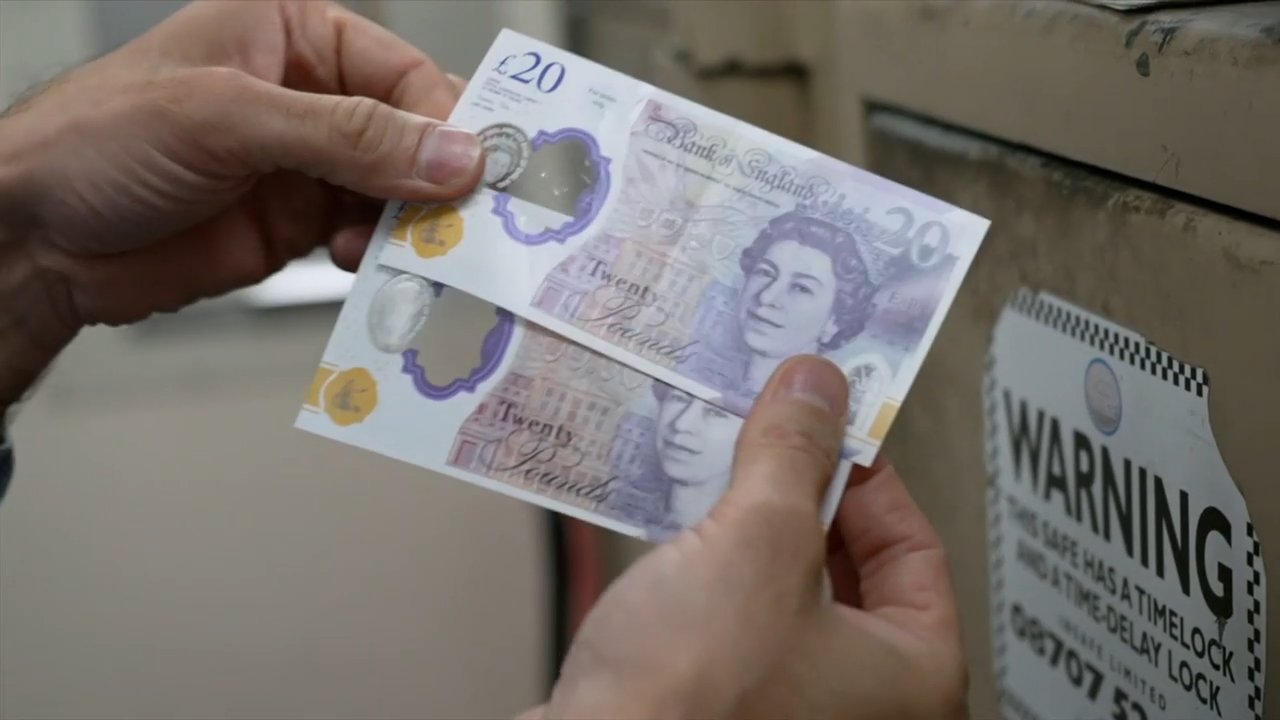
“Flush with cash” might need to turn into “flush that cash” if fake money keeps popping up! Counterfeit cash used to be a problem for mostly shops and retailers, but there’s been a recent rise in fake cash popping up in the home! That doesn’t mean that more of your neighborhood pals have decided to print their own money, or that fake bills are appearing out of thin air, but enough of it is in circulation that everyday people are going to make a purchase or deposit money with counterfeit cash, very possibly by accident.
In 2024, there were 99,000 fake notes in circulation. Last year, that doubled to 200,000, partly because of a rise in organized crime. While the fake bills make their way between hands and households and businesses, people become increasingly reliant on electronic methods of payment (like cards and Venmo), so they fall a bit out of practice of knowing what physical, paper money looks and feels like.
Unfortunately, it’s not always the people making counterfeit bills that are punished. Shops and retailers are hurting, and customers go into banks and post offices to deposit money that can’t be accepted because it ends up being fake.
Every student, everywhere, knows the feeling: walking out of a big exam with no idea if you did well or completely bombed it. This year, that feeling hit an entire country at once.
In the UK, this year's math exams were unusually tough — tough enough that students flooded social media with one shared message: "that test kicked my butt." And it wasn't about skipping study time or being dramatic. Many said the exam's structure meant you could know the material and still not be able to show it.
Here's why: the questions were worded differently than in past years. If a student got stuck on the first part of a question, they couldn't move on to the rest — like having the perfect ice cream sundae recipe, but the ice cream and toppings are locked in a vault guarded by a saber-toothed parabola.
Not everyone agreed the test was actually harder. Some math experts said the calculations themselves were standard, and students should have been able to solve them. So who's right?
It's not really a students vs. experts argument. When exam boards set the grades for a test like this, they review a wide range of evidence to make sure students end up with fair results — not just the raw difficulty of the questions. The organization that oversees UK exams also said it will keep a close eye on this one going forward.
“Not all heroes wear capes.” Some might be found in grease-stained jumpsuits, like mechanic Jamie Howell, who spends his spare time finding stolen motorbikes. But Howell isn’t doing it to build himself an impressive collection. Actually, it’s quite the opposite. Having your bike stolen is not only inconvenient and scary, it’s often heartbreaking. Having experienced firsthand the joy and the value of riding a motorcycle, Howell is working to return that privilege to the people that have had their bikes taken.
But he doesn’t just drive around shouting “Marco,” and waiting for a Harley to roar back “Polo.” Instead, he visits known “dumping grounds” for stolen bikes, where thieves ditch bikes for a couple of days if they suspect they have trackers, before coming back to collect the bikes, often using them to steal even more bike. It’s like using celery to eat… something else that’s as gross as celery.
After recovering a bike, Howell can help find its owner and reunite them. You might think that in today’s world of constant surveillance footage, fewer people would even try to get away with theft. In reality, bike thieves can strike quickly and in broad daylight, and sometimes they can’t even be prosecuted by police (even if there’s video footage) if they have their faces covered.
Move over, Superman. There are new heroes flying through the sky! The women of London’s Air Ambulance fly helicopters staffed with medical crews that take to the skies to save lives and inspire people everywhere. Not only do these teams provide critical care to people in need, but they also shape future generations by demonstrating what’s possible for women. But, it’s not specific to inspiring kids. A current pilot actually came from a full career as an accountant before moving from The Cloud to the clouds.
As impressive as it already is, the company is always striving to improve. They’ve recently gotten a team together to operate an ECMO, a life-support system for patients with severe, life-threatening heart or lung failure. Everyone works as a team to make sure patients get transported quickly and safely. The pilots not only fly the choppers but are instrumental in helping the medical team get set up for success and allowing them to focus on the patients.
“Flush with cash” might need to turn into “flush that cash” if fake money keeps popping up! Counterfeit cash used to be a problem for mostly shops and retailers, but there’s been a recent rise in fake cash popping up in the home! That doesn’t mean that more of your neighborhood pals have decided to print their own money, or that fake bills are appearing out of thin air, but enough of it is in circulation that everyday people are going to make a purchase or deposit money with counterfeit cash, very possibly by accident.
In 2024, there were 99,000 fake notes in circulation. Last year, that doubled to 200,000, partly because of a rise in organized crime. While the fake bills make their way between hands and households and businesses, people become increasingly reliant on electronic methods of payment (like cards and Venmo), so they fall a bit out of practice of knowing what physical, paper money looks and feels like.
Unfortunately, it’s not always the people making counterfeit bills that are punished. Shops and retailers are hurting, and customers go into banks and post offices to deposit money that can’t be accepted because it ends up being fake.