10 Article Response Worksheets
Use them with our student articles!Help students become more thoughtful, engaged readers with this collection of Nonfiction Article Response Worksheets. Designed to accompany our student articles, these printable activities build reading comprehension, critical thinking, vocabulary, and written communication skills.
The 10 worksheets offer a variety of ways for students to engage with nonfiction texts. Activities include identifying the Five Ws and H, finding the main idea and supporting details, ranking important facts, making connections, exploring new vocabulary, and taking notes. Students can also illustrate key information and analyze an author's purpose and intended audience.
Use these flexible worksheets with articles across a range of subjects and reading levels. Assign the same activity to the whole class, mix and match worksheets, or let students choose how they respond. They're a great way to reinforce literacy skills while connecting classroom learning to real-world topics.


Get your students excited about wildlife with this collection of engaging articles! Covering elephants, polar bears, whales, and even the rarest creatures on Earth, these resources are perfect for sparking curiosity. Each article is available at three reading levels, making it easy for you to share with readers of all abilities in your classroom.
You Might Also Like

Help students become more informed, thoughtful consumers of the news with this collection of News Story Response Worksheets. Designed to accompany our BBC Newsbites daily videos + challenges, these printable activities give students a purpose for watching while building skills in reading comprehension, critical thinking, media literacy and written communication.
The five worksheets offer different ways to explore news stories. Students can identify the Five Ws and H, find the main idea and supporting details, summarize a story, explore new vocabulary, reflect on its relevance to their lives, or take a closer look at how reporters use interviews, visuals, and storytelling techniques.
Use the worksheets to complement your current events lessons, reinforce key learning skills, or encourage deeper discussion. Assign the same activity to the whole class, mix and match worksheets, or let students choose how they respond based on their interests and learning goals.

Help students get more out of educational videos with this collection of Video Response Worksheets. Designed to accompany any BBC Learning Hub video, these printable activities encourage active viewing while building comprehension, critical thinking, and communication skills.
The six worksheets offer a variety of ways for students to reflect on what they watch. Activities include identifying key ideas and interesting facts, creating a quiz for classmates, reviewing and rating a video, illustrating important details, and analyzing a video's message, tone, and visual elements.
Use these flexible worksheets with videos across a range of subjects and grade levels. Assign the same activity to the whole class, mix and match worksheets, or let students choose how they respond. They're a simple way to encourage thoughtful viewing, check for understanding, and extend learning beyond the screen.

Help students explore the natural world with this collection of Animal Report Templates. These printable activities accompany BBC Learning Hub wildlife videos and encourage students to investigate animal behavior, habitats, adaptations, diets, and conservation challenges.
The four worksheets offer different ways for students to organize information and deepen their understanding of wildlife. Activities include creating a wildlife profile, exploring cause-and-effect relationships, recording observations in a field journal, and developing a conservation awareness campaign. Students can also draw animals in their habitats and consider how environmental changes affect different species.
Use these flexible worksheets with wildlife videos across a range of topics. Assign the same activity to the whole class, mix and match worksheets, or let students choose based on their interests and learning goals. They're a great way to build science skills, encourage critical thinking, and inspire a deeper appreciation for biodiversity.
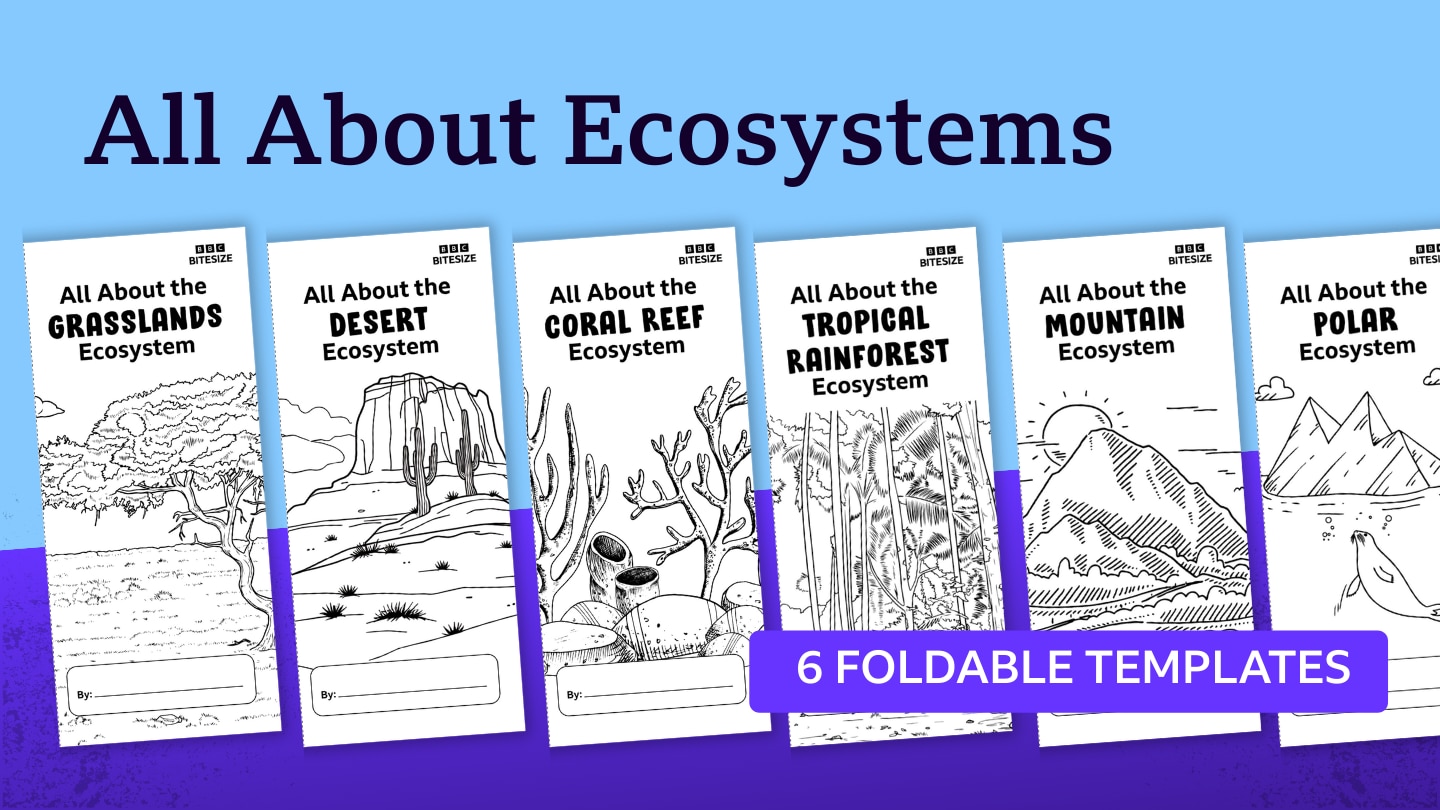
Every living thing is connected — this collection helps students see how. It covers six ecosystems: grasslands, desert, coral reef, tropical rainforest, mountain, and polar, each with its own video and matching report template.
After watching BBC video clips about an ecosystem, have students dig deeper with their own research and build a brochure covering:
- Location of the ecosystem on a world map
- Adjectives that describe the ecosystem
- Three animals that live there
- Three plants that grow there
- The climate
- Why the ecosystem matters
- Their favorite fun facts
Students summarize in their own words, which means they're practicing a real skill: pulling information from multiple sources and deciding what's worth keeping. Use one report template explore all six ecosystems back-to-back as a full unit.
Help students become more informed, thoughtful consumers of the news with this collection of News Story Response Worksheets. Designed to accompany our BBC Newsbites daily videos + challenges, these printable activities give students a purpose for watching while building skills in reading comprehension, critical thinking, media literacy and written communication.
The five worksheets offer different ways to explore news stories. Students can identify the Five Ws and H, find the main idea and supporting details, summarize a story, explore new vocabulary, reflect on its relevance to their lives, or take a closer look at how reporters use interviews, visuals, and storytelling techniques.
Use the worksheets to complement your current events lessons, reinforce key learning skills, or encourage deeper discussion. Assign the same activity to the whole class, mix and match worksheets, or let students choose how they respond based on their interests and learning goals.
Help students get more out of educational videos with this collection of Video Response Worksheets. Designed to accompany any BBC Learning Hub video, these printable activities encourage active viewing while building comprehension, critical thinking, and communication skills.
The six worksheets offer a variety of ways for students to reflect on what they watch. Activities include identifying key ideas and interesting facts, creating a quiz for classmates, reviewing and rating a video, illustrating important details, and analyzing a video's message, tone, and visual elements.
Use these flexible worksheets with videos across a range of subjects and grade levels. Assign the same activity to the whole class, mix and match worksheets, or let students choose how they respond. They're a simple way to encourage thoughtful viewing, check for understanding, and extend learning beyond the screen.
Help students explore the natural world with this collection of Animal Report Templates. These printable activities accompany BBC Learning Hub wildlife videos and encourage students to investigate animal behavior, habitats, adaptations, diets, and conservation challenges.
The four worksheets offer different ways for students to organize information and deepen their understanding of wildlife. Activities include creating a wildlife profile, exploring cause-and-effect relationships, recording observations in a field journal, and developing a conservation awareness campaign. Students can also draw animals in their habitats and consider how environmental changes affect different species.
Use these flexible worksheets with wildlife videos across a range of topics. Assign the same activity to the whole class, mix and match worksheets, or let students choose based on their interests and learning goals. They're a great way to build science skills, encourage critical thinking, and inspire a deeper appreciation for biodiversity.
Every living thing is connected — this collection helps students see how. It covers six ecosystems: grasslands, desert, coral reef, tropical rainforest, mountain, and polar, each with its own video and matching report template.
After watching BBC video clips about an ecosystem, have students dig deeper with their own research and build a brochure covering:
- Location of the ecosystem on a world map
- Adjectives that describe the ecosystem
- Three animals that live there
- Three plants that grow there
- The climate
- Why the ecosystem matters
- Their favorite fun facts
Students summarize in their own words, which means they're practicing a real skill: pulling information from multiple sources and deciding what's worth keeping. Use one report template explore all six ecosystems back-to-back as a full unit.