Our Five Senses Video Playlist
Explore the five senses like never before! Dive into 10 fascinating BBC videos from shows like Got Science? and Secrets of Skin that uncover the amazing science behind how we see, hear, smell, taste, and touch. Students will discover why food tastes different on an airplane, how smell involves more than just the nose, why our eyes make emotional tears, how sound can change flavor, and how fingertips and smell receptors send powerful signals to the brain. It’s a fun, surprising look at the hidden connections between the brain and our everyday experiences.
Lesson Express
Q: Where else in the body besides the nose can we find smell receptors, and what is their purpose?
A: Smell receptors are found in the kidneys and airways, where they help detect harmful substances and protect the body.
Q: How do smell receptors in the lungs help with healing?
A: They detect injuries and start processes that help repair lung tissues.
Q: Why is it helpful for smell receptors to exist in places other than the nose?
A: Having receptors throughout the body allows for quicker detection of dangers and faster responses to keep us healthy.
You Might Also Like
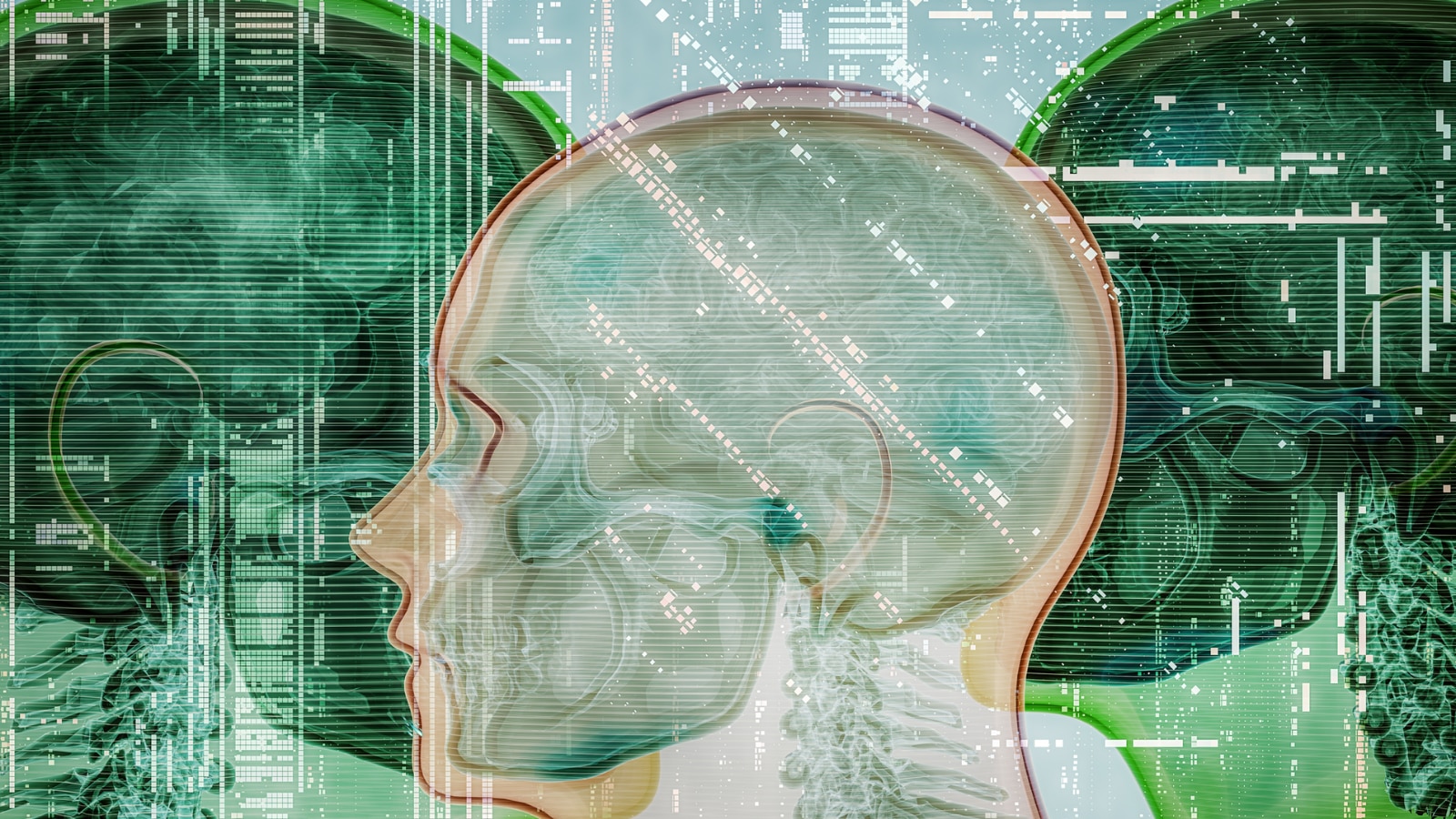
This video playlist brings together 10 fascinating clips from the BBC’s Got Science? series, where everyday questions lead to surprising scientific discoveries. Students explore what’s really happening in the body and brain — from what your brain is doing during sleep paralysis to what it truly means to be “left-brained” or “right-brained.” They’ll investigate what happens when the body becomes dehydrated, how cold temperatures and high altitudes affect how we function, and the unexpected ways our bodies trick us every single day. Packed with “What! Really?” moments, this weird-but-wonderful playlist helps learners connect real science to daily life in unforgettable ways. Get ready to see the familiar become fascinating.

In Exploring Umami and the Science of MSG, host Harith Iskander explores the savory taste known as umami, first discovered by Professor Ikeda in 1909. He isolated glutamate and combined it with salt and water to create monosodium glutamate (MSG). While MSG was once thought to cause negative side effects, scientific investigations have since disproven these claims. This video is excerpted from BBC’s Got Science?, a science magazine series that explores and explains science in everyday life.

In Hacks to Trick the Body, host Harith Iskander shares simple tricks to make everyday annoyances like pins and needles, itchy throats, and nosebleeds go away quickly. Learn how the body’s different parts interact and how a few easy hacks can help us feel better fast. This video is excerpted from BBC’s Got Science?, a science magazine series that explores and explains science in everyday life.
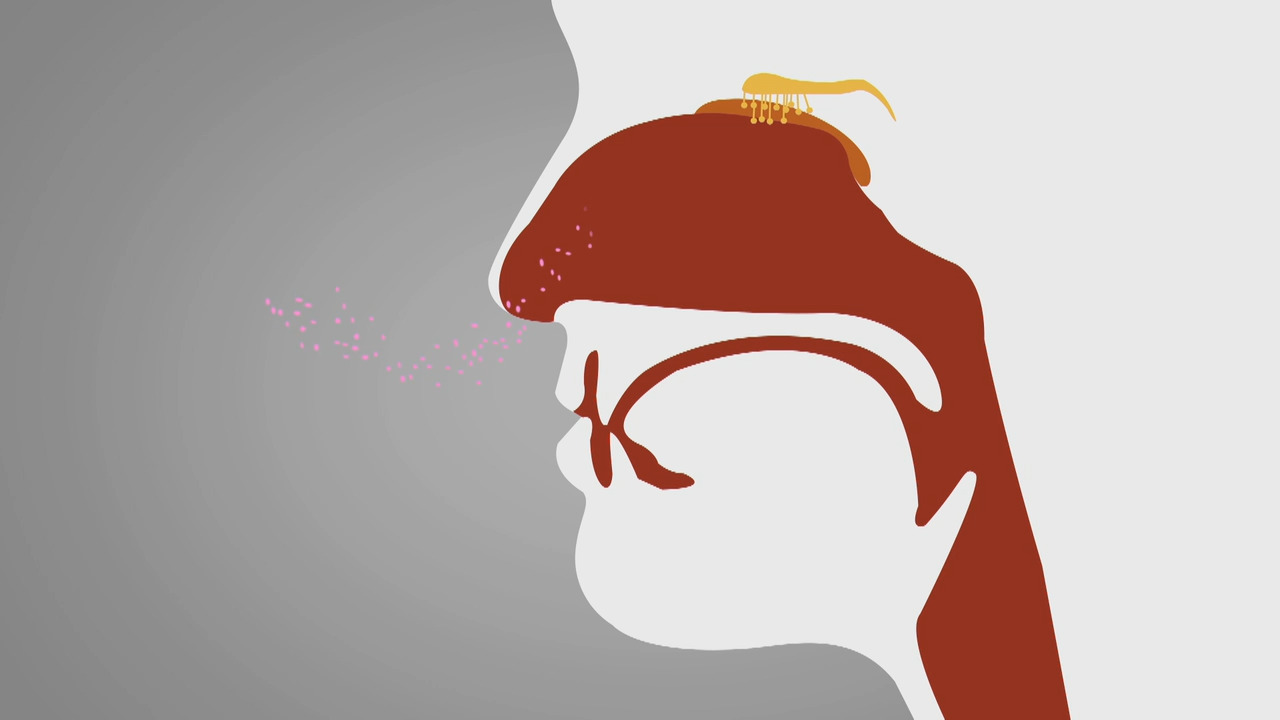
In Smell Receptors, the Hidden Defenders of Your Body, host Harith Iskander explains how our bodies have smell receptors not just in the nose but in surprising places like the kidneys and airways. These receptors help defend us against harmful substances and even assist with healing, especially in the lungs. This video is excerpted from BBC’s Got Science?, a science magazine series that explores and explains science in everyday life.
This video playlist brings together 10 fascinating clips from the BBC’s Got Science? series, where everyday questions lead to surprising scientific discoveries. Students explore what’s really happening in the body and brain — from what your brain is doing during sleep paralysis to what it truly means to be “left-brained” or “right-brained.” They’ll investigate what happens when the body becomes dehydrated, how cold temperatures and high altitudes affect how we function, and the unexpected ways our bodies trick us every single day. Packed with “What! Really?” moments, this weird-but-wonderful playlist helps learners connect real science to daily life in unforgettable ways. Get ready to see the familiar become fascinating.
In Exploring Umami and the Science of MSG, host Harith Iskander explores the savory taste known as umami, first discovered by Professor Ikeda in 1909. He isolated glutamate and combined it with salt and water to create monosodium glutamate (MSG). While MSG was once thought to cause negative side effects, scientific investigations have since disproven these claims. This video is excerpted from BBC’s Got Science?, a science magazine series that explores and explains science in everyday life.
In Hacks to Trick the Body, host Harith Iskander shares simple tricks to make everyday annoyances like pins and needles, itchy throats, and nosebleeds go away quickly. Learn how the body’s different parts interact and how a few easy hacks can help us feel better fast. This video is excerpted from BBC’s Got Science?, a science magazine series that explores and explains science in everyday life.
In Smell Receptors, the Hidden Defenders of Your Body, host Harith Iskander explains how our bodies have smell receptors not just in the nose but in surprising places like the kidneys and airways. These receptors help defend us against harmful substances and even assist with healing, especially in the lungs. This video is excerpted from BBC’s Got Science?, a science magazine series that explores and explains science in everyday life.