Got Science? Weird and Wonderful Videos Playlist
Dive into this curated playlist of clips from Got Science?, the BBC’s magazine-style series that unpacks the science behind everyday life. From why we melt at baby animals to why scary movies make us jump, each episode reveals the surprising biology and behavior shaping our world. Students can explore questions like why flies are nearly impossible to catch and why bedbugs are so tough to defeat. Every video includes discussion questions, writing prompts, and more to spark curiosity and critical thinking in middle and high school classrooms.
Lesson Express
Q: Why do humans feel cute aggression when they see baby animals?
A: It’s an evolutionary response to help ensure humans protect and care for babies.
Q: How does the brain react to something cute?
A: The brain releases dopamine, which makes us feel good but can also lead to cute aggression.
Q: What is the benefit of cute aggression for baby animals?
A: Cute aggression helps keep humans engaged in protecting and nurturing young animals, ensuring their survival.
More Like This
This video playlist brings together 10 fascinating clips from the BBC’s Got Science? series, where everyday questions lead to surprising scientific discoveries. Students explore what’s really happening in the body and brain — from what your brain is doing during sleep paralysis to what it truly means to be “left-brained” or “right-brained.” They’ll investigate what happens when the body becomes dehydrated, how cold temperatures and high altitudes affect how we function, and the unexpected ways our bodies trick us every single day. Packed with “What! Really?” moments, this weird-but-wonderful playlist helps learners connect real science to daily life in unforgettable ways. Get ready to see the familiar become fascinating.
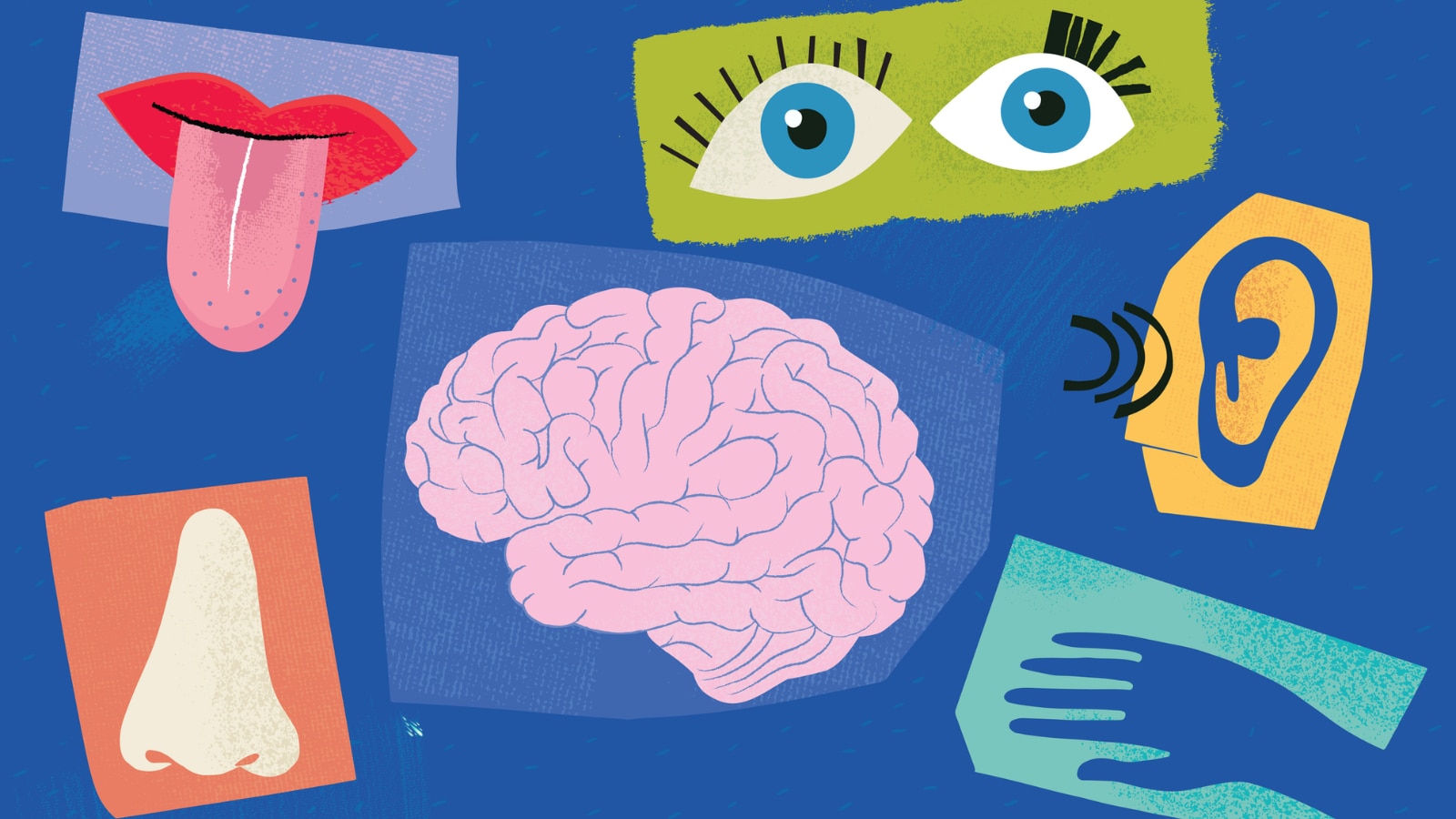
Explore the five senses like never before! Dive into 10 fascinating BBC videos from shows like Got Science? and Secrets of Skin that uncover the amazing science behind how we see, hear, smell, taste, and touch. Students will discover why food tastes different on an airplane, how smell involves more than just the nose, why our eyes make emotional tears, how sound can change flavor, and how fingertips and smell receptors send powerful signals to the brain. It’s a fun, surprising look at the hidden connections between the brain and our everyday experiences.
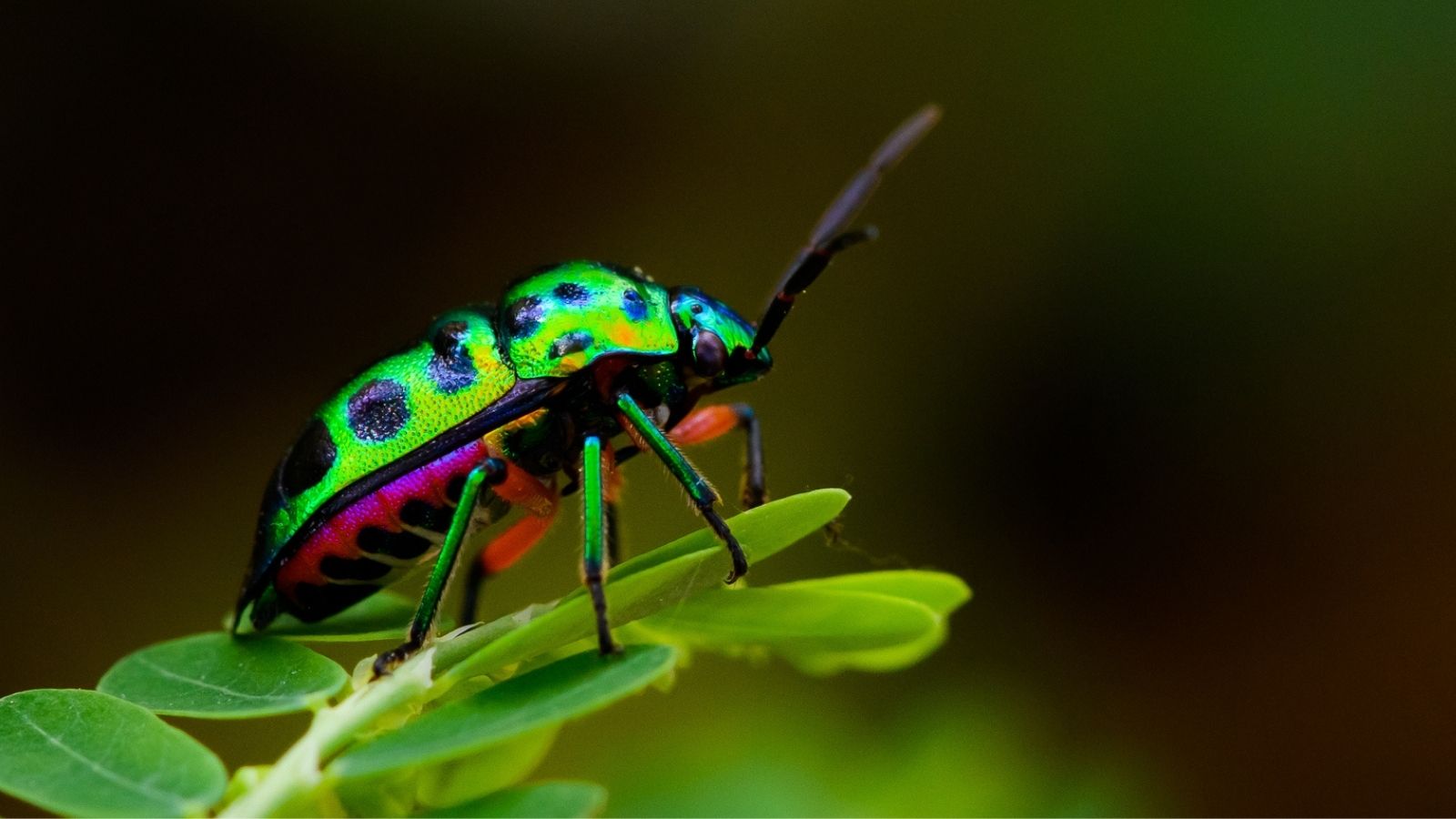
Discover the amazing hunting techniques of cave glow worms, witness the transformation of lake fly midges, and delve into the mysteries of bioluminescence in the jungle night. Prepare for a close-up look at the miniature marvels all around us!
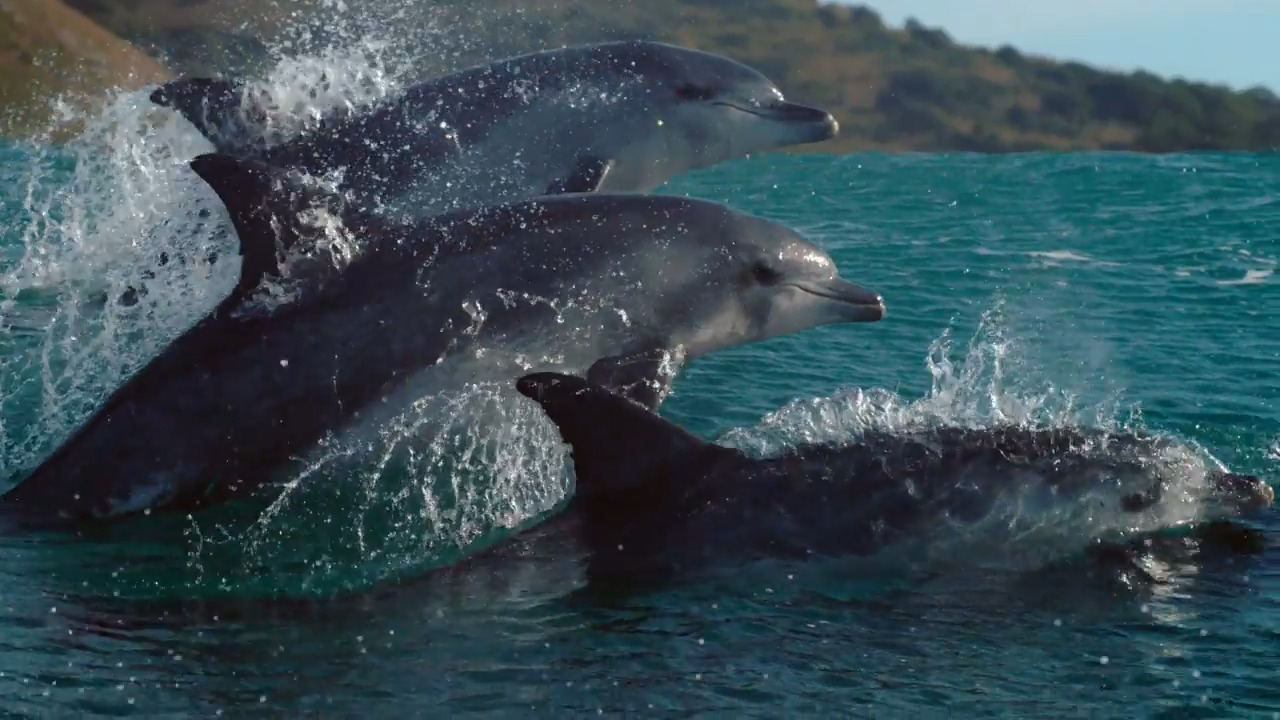
In Surf's Up with Dolphins, narrator Sir David Attenborough shows how adult dolphins teach baby dolphins about their world. This video is excerpted from BBC’s Blue Planet II, a natural history series that explores the world's oceans, the animals that live in them, and the threats they face, using modern filming techniques and equipment to capture previously unseen areas of the ocean.
This video playlist brings together 10 fascinating clips from the BBC’s Got Science? series, where everyday questions lead to surprising scientific discoveries. Students explore what’s really happening in the body and brain — from what your brain is doing during sleep paralysis to what it truly means to be “left-brained” or “right-brained.” They’ll investigate what happens when the body becomes dehydrated, how cold temperatures and high altitudes affect how we function, and the unexpected ways our bodies trick us every single day. Packed with “What! Really?” moments, this weird-but-wonderful playlist helps learners connect real science to daily life in unforgettable ways. Get ready to see the familiar become fascinating.
Explore the five senses like never before! Dive into 10 fascinating BBC videos from shows like Got Science? and Secrets of Skin that uncover the amazing science behind how we see, hear, smell, taste, and touch. Students will discover why food tastes different on an airplane, how smell involves more than just the nose, why our eyes make emotional tears, how sound can change flavor, and how fingertips and smell receptors send powerful signals to the brain. It’s a fun, surprising look at the hidden connections between the brain and our everyday experiences.
Discover the amazing hunting techniques of cave glow worms, witness the transformation of lake fly midges, and delve into the mysteries of bioluminescence in the jungle night. Prepare for a close-up look at the miniature marvels all around us!
In Surf's Up with Dolphins, narrator Sir David Attenborough shows how adult dolphins teach baby dolphins about their world. This video is excerpted from BBC’s Blue Planet II, a natural history series that explores the world's oceans, the animals that live in them, and the threats they face, using modern filming techniques and equipment to capture previously unseen areas of the ocean.