11 of 11 results for "undefined"
News Clip
Some Schools Say No More Smartphones

Phones away! In April of 2026, the UK government said it would introduce a ban on smartphones in schools, saying they should be phone free, all day. That may seem clear, but there have been more than enough interpretations of this law to cause problems. 

Most schools do restrict phone use, but their methods of doing so and how seriously they take the rule, vary from place to place. Some use lockers, some use sealed magnetic pouches, and some haven’t really committed to the rule yet. So, officials are pushing for more clarity and more regulation.

For example, what defines a smartphone? A phone with internet access is much different from one that can only call and text. Should students be allowed to use a flip phone but not an iPhone? Are camera phones allowed? Does it count as a smartphone if it’s a rotary phone with a degree from Harvard?! The government has a lot of work to do before everybody’s on the same page.

Kahoot
Kahoot! Muhammad Ali

Muhammad Ali, from his rise as a boxing champion to his inspiring comeback and lasting global influence. Students will follow Ali’s journey through triumph, controversy, and perseverance as he fought to regain the heavyweight title and became one of the most recognized athletes in history.

This Kahoot examines key moments in Ali’s story, including the court case that temporarily cost him his boxing license and championship, his dramatic return to the ring, and the determination that defined his later years after being diagnosed with Parkinson's disease. Students will build listening skills, vocabulary, and historical awareness while exploring how Ali’s courage, confidence, and resilience inspired millions around the world.

Watch the related BBC videos, Cassius Clay Becomes Muhammad Ali and Muhammad Ali's Comeback, then invite your Grade 6–12 students to test their knowledge and discover why Muhammad Ali remains a global symbol of strength, perseverance, and conviction.

Printable
Snip, Stick, and Giggle to Create a Funny Story With Bluey and Bingo

Create your own hilarious story by snipping out all the words and arranging them on the page... however you like! What will yours say? It could go something like this: 

Once upon a time, a monkey met a sausage. It had a gnome on its head. "Oh, hello!" it said. It felt very silly. The next day a fairy was feeling a bit cheeky so it decided to go to the beach. "Wackadoo," it said. The end.

Student Article
5 Key Events That Changed the U.S. Civil Rights Movement

The article "5 Key Events That Changed the U.S. Civil Rights Movement" from BBC's HistoryExtra explores five defining moments that shaped the fight for racial equality in America.

Student Article
Legendary Cowboys and Gunslingers Who Defined the Wild West

The article "Legendary Cowboys and Gunslingers Who Defined the Wild West" from BBC's HistoryExtra highlights the lives of 13 influential figures of the Old West, from notorious outlaws like Jesse James and Billy the Kid to celebrated lawmen like Wyatt Earp and Wild Bill Hickok. These individuals shaped the history of the American frontier through their daring adventures, law enforcement, and infamous acts, becoming icons that continue to capture the imagination of the modern world.

Student Article
9/11: Two Decades Later

The article "9/11: Two Decades Later" from BBC's HistoryExtra is a reflection on the lasting impacts of the September 11 attacks. It explores whether 9/11 genuinely altered the course of global history, shaping U.S. foreign policy, the "war on terror," and global security. Despite its undeniable effect on U.S. politics, the article questions whether 9/11 was a defining moment in the broader context of geopolitical changes, particularly in relation to China and the Middle East.

Student Article
The 9 Battles That Forged the United States: Key Clashes of the American Revolutionary War

The article "The 9 Battles That Forged the United States: Key Clashes of the American Revolutionary War" from BBC's HistoryExtra chronicles nine critical battles that defined the American Revolutionary War. Beginning with the confrontations at Lexington and Concord in 1775 and ending with the British surrender at Yorktown in 1781, the piece highlights how each engagement influenced the course of the war and contributed to the eventual establishment of the United States.​

Video
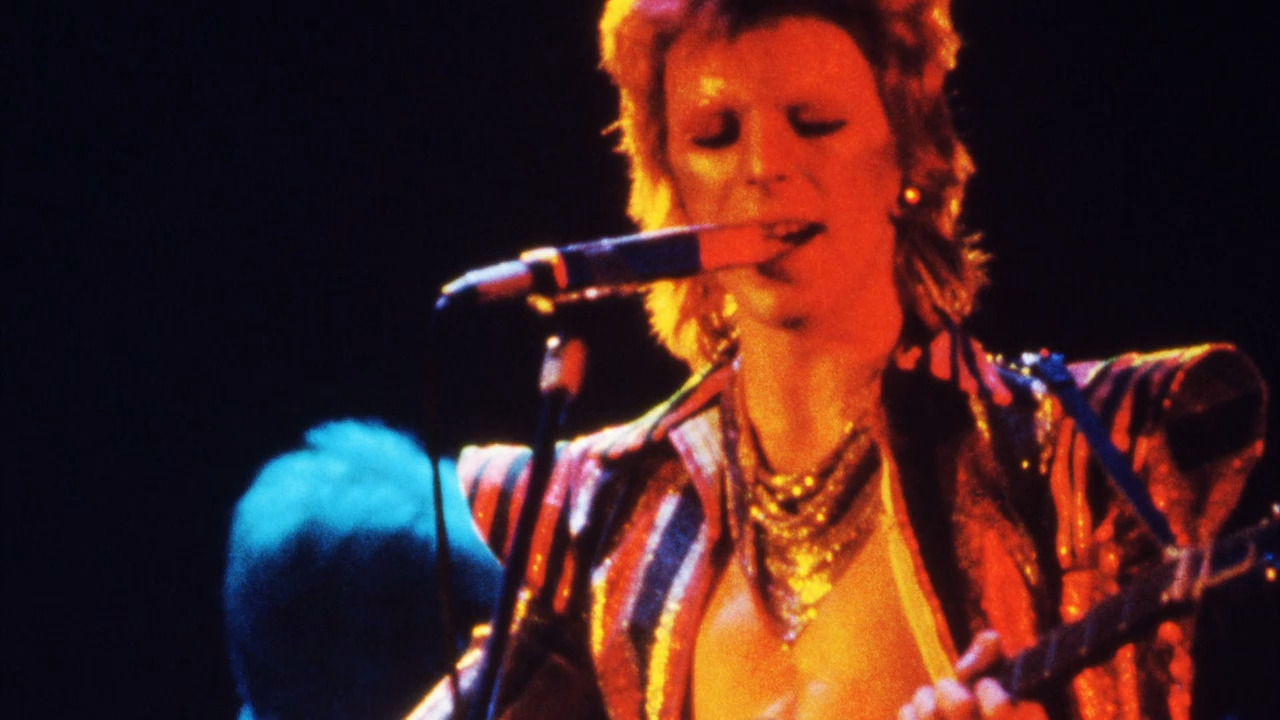
How David Bowie Broke Boundaries and Redefined Identity

In How David Bowie Broke Boundaries and Redefined Identity, host Kathleen Turner explores how David Bowie transformed the music world with his bold personas, including Ziggy Stardust and Aladdin Sane. Through his music, fashion, and openness about his sexuality, Bowie empowered society’s outsiders and pushed for greater inclusivity. This video is excerpted from BBC’s Icons: The Greatest Person of the 20th Century, a documentary series celebrating the achievements of the most influential figures of the era.

Video
FDR and the Great Depression

In FDR and the Great Depression, host Trevor McDonald examines how Franklin D. Roosevelt inspired the American people during the Great Depression with bold policies and a message of hope. Roosevelt’s leadership redefined the role of government, introducing the New Deal, public works programs, and Social Security to address the economic crisis. This video is excerpted from BBC’s Icons: The Greatest Person of the 20th Century, a documentary series celebrating the achievements of the most influential figures of the era.

Video
Communism vs. Capitalism During the Cold War Years

In Communism vs. Capitalism During the Cold War Years, host Andrew Marr describes the post-World War II world, in which the United States and Soviet Union were in competition, as each country sought supremacy. While the U.S. capitalized on economic prosperity, space exploration and the arms race defined the Cold War era. This video is excerpted from BBC’s Andrew Marr's History of the World, a story of human history that uses reenactments, modern footage, and storytelling to explain history’s greatest achievements.

Video
Einstein’s Year of Miracles

In Einstein’s Year of Miracles, narrator Kate Yule discusses the four papers that Einstein wrote in 1905, a year that is known as the Year of Miracles. One of those papers was on the Theory of Special Relativity. Watch how tennis balls being ejected from a moving truck appear stationary from the ground, but appear to move when observed from the truck. This illustrates how moving objects can appear differently when viewed alongside other moving objects. Learn how this theory can be applied to light to redefine the notion of time. This video is excerpted from BBC’s Einstein & Hawking: Masters of Our Universe, a mind-bending documentary that tells the story of how the two most famous scientists of the 20th Century transformed our understanding of the Universe and changed the world.