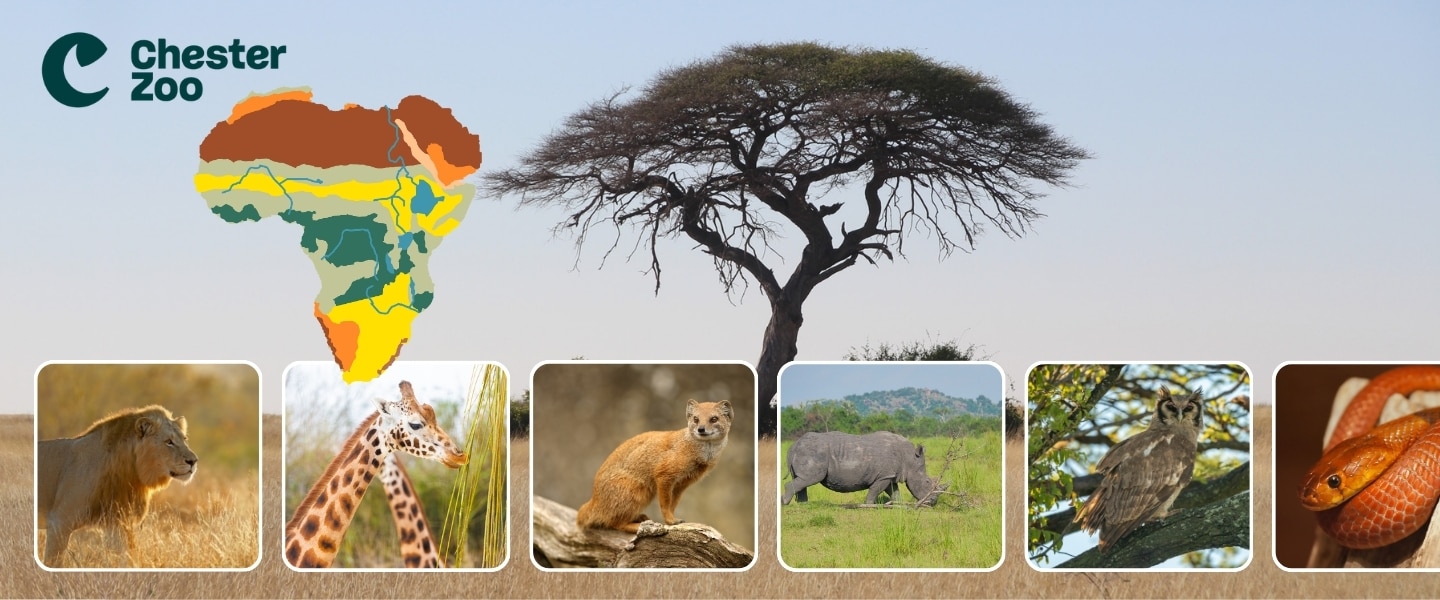
A cross-curricular journey through Africa for students ages 8–14
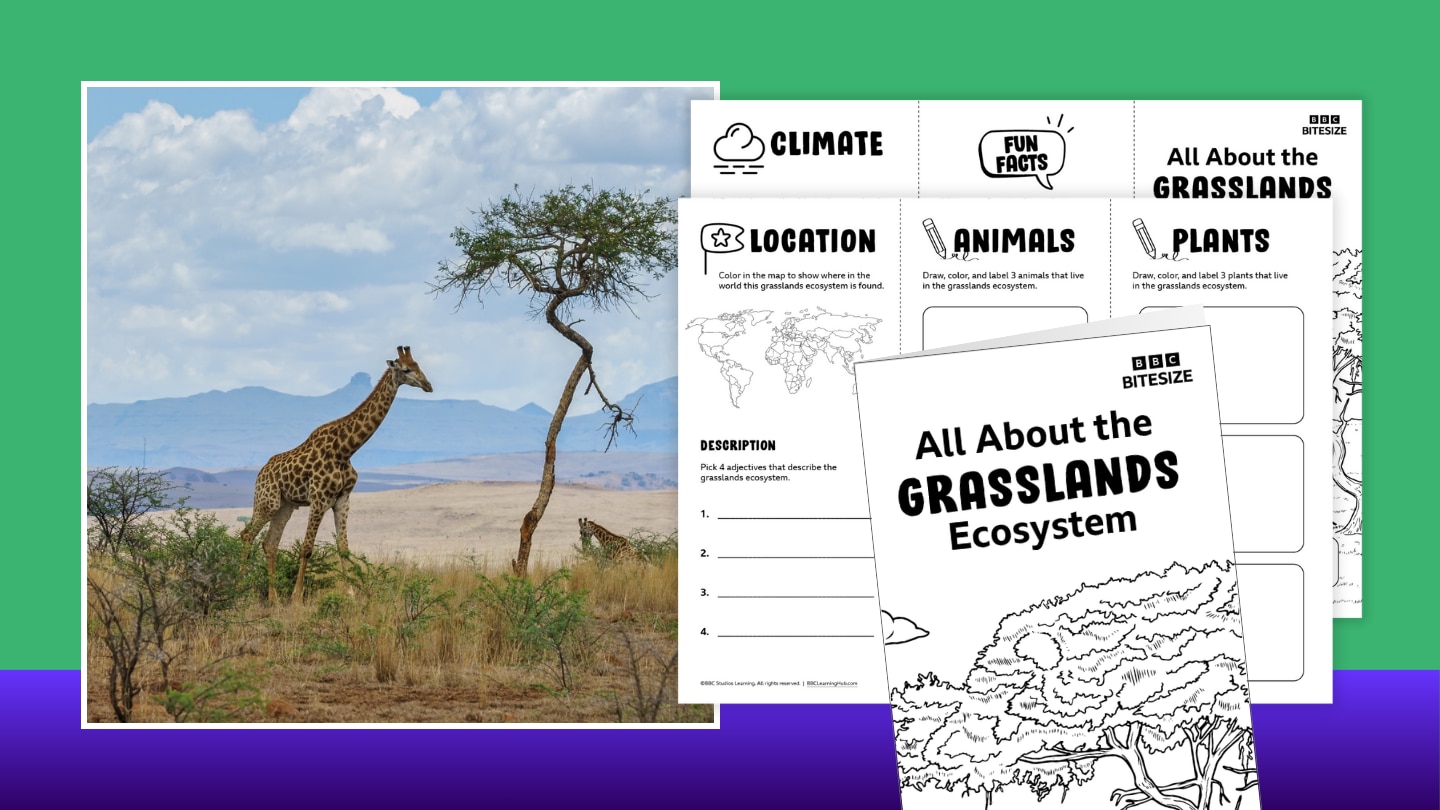
Take your students on a romp through the grasslands! From the African savanna to the Great Plains of North America grasslands are nature’s wide-open playground.
✨ Perfect for grades 3–8, here’s what you need to bring ecosystems to life:
- Iconic BBC Videos: Share the clips on this page to introduce the location, plants, animals, and climate of the grasslands. (Don't miss the giraffes and bison!) Brought to you by world-class BBC programs such as Planet Earth, The Americas With Simon Reeve, and Seven Worlds, One Planet.
- Free Printable: Use the Grasslands Brochure Template to help students pull it all together in an ecosystem report with facts they’ve learned (and a little extra research).
It’s everything you need to make ecosystems easy to teach and truly memorable for your students.
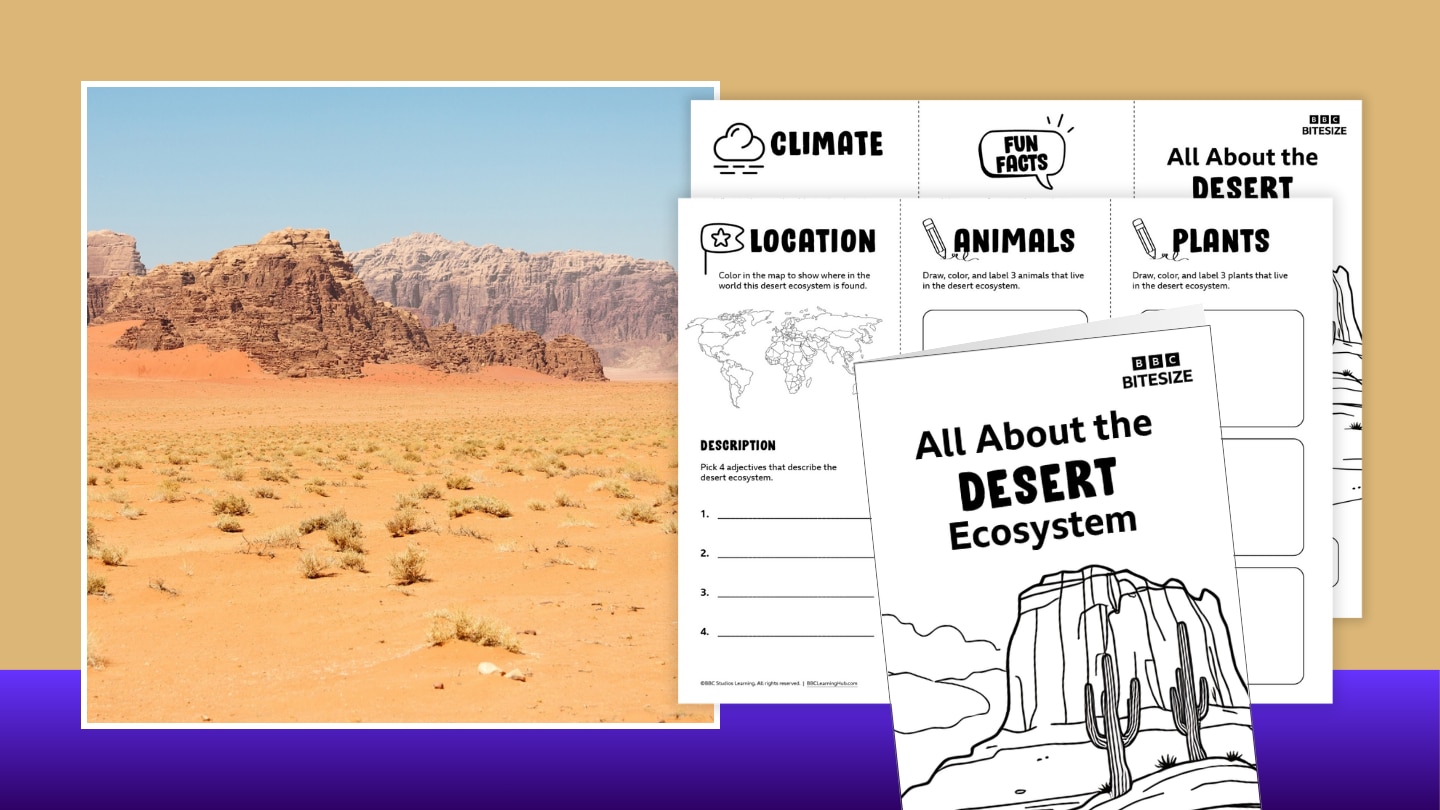
Guide your students on a journey through the desert ecosystem! From the sweeping sands of the Namib and Kalahari in southern Africa, to the dry heart of Australia’s Outback, and the rocky cold of the Gobi, deserts come in many forms.
✨ Perfect for grades 3–8, here’s what you need to bring ecosystems to life:
- Iconic BBC Videos: Share the clips on this page to introduce the location, plants, animals, and climate of the desert. (Don't miss the lions and lizards!) Brought to you by world-class BBC programs like Planet Earth, Wilderness With Simon Reeve, Africa, and Seven Worlds, One Planet.
- Free Printable: Use the Desert Brochure Template to help students pull it all together in an ecosystem report with facts they’ve learned (and a little extra research).
It’s everything you need to make ecosystems easy to teach and truly memorable for your students.
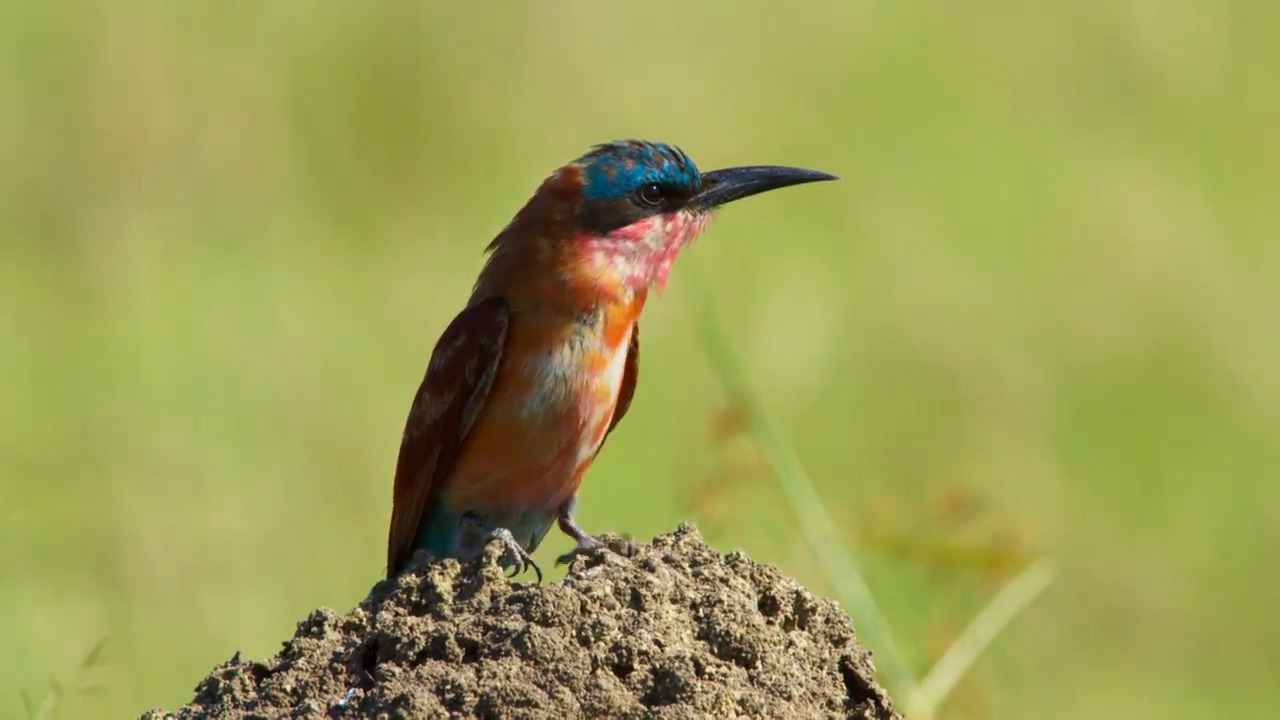
In Insect Hunting with Africa's Giants, narrator Sir David Attenborough explains a unique partnership between carmine bee-eaters and elephants. These birds follow elephants across the African savanna to catch insects stirred up by the elephants' movements. This fascinating collaboration is a perfect example of how different species can work together to survive. This video is excerpted from BBC’s Planet Earth II, a breathtaking documentary series that highlights the natural wonders of our planet.
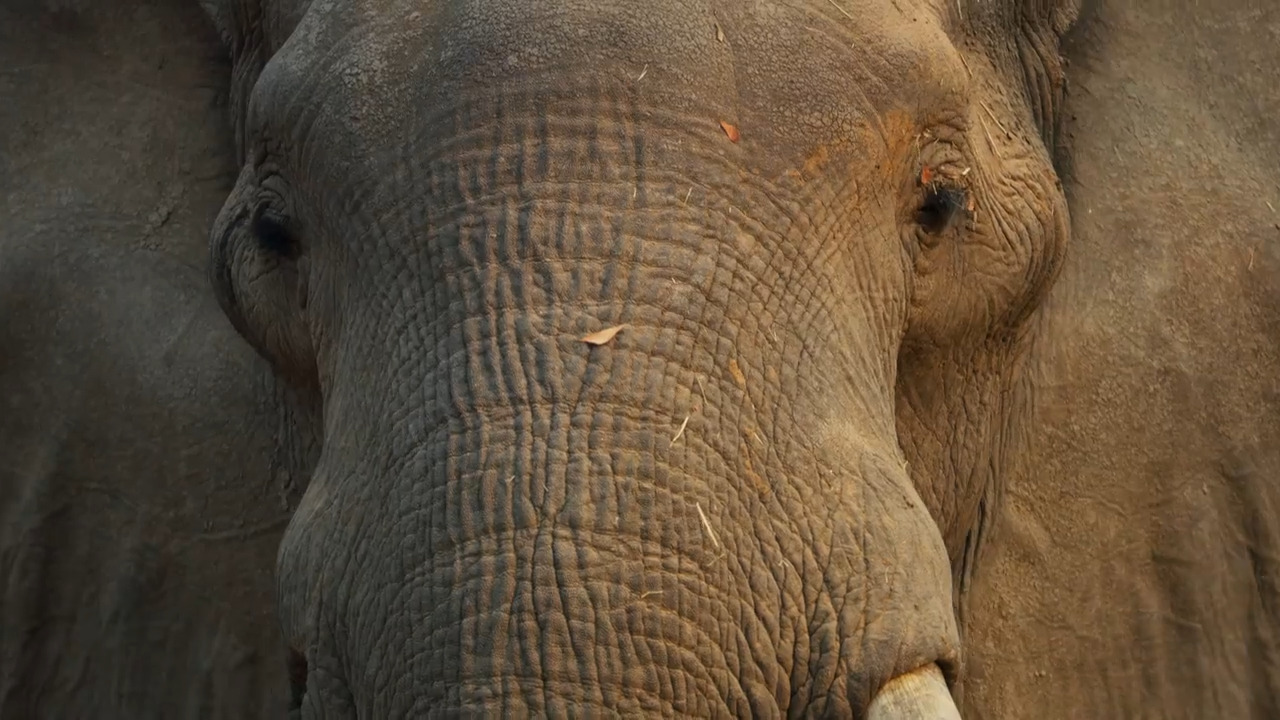
In Elephants Adapt to Climate Change, narrator Sir David Attenborough explains how elephants have adapted to drought in Africa. They have worked out a way of reaching acacia pods from the highest branches. This video is excerpted from BBC’s Seven Worlds, One Planet, a series featuring remarkable animal behavior from all seven continents.
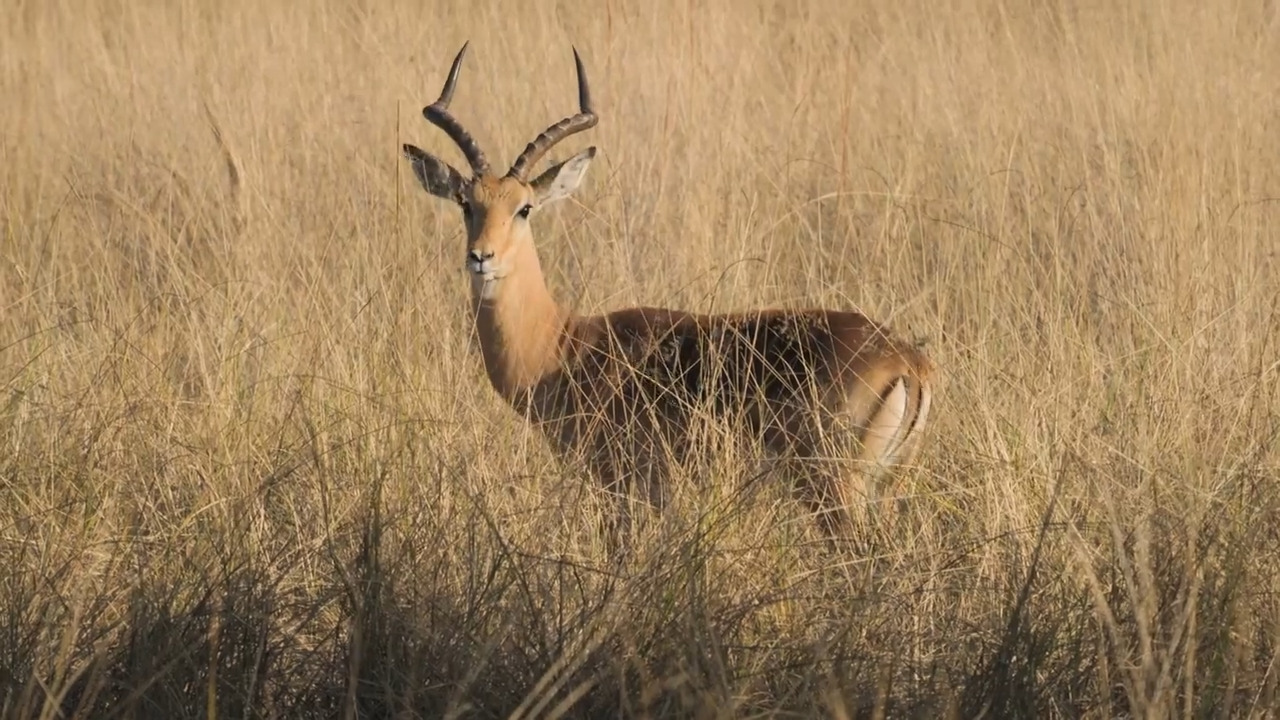
In How Animals and Humans Coexist in the Desert, host Simon Reeve explores the Kalahari Desert with Don, a member of the San people. The Kalahari is a semi-desert and one of the largest sand basins on Earth, stretching across Africa. Despite its tough environment, animals like elephants, lions and jackals thrive here, thanks to seasonal rains that bring food. The San have lived here for thousands of years and are known for their incredible survival and tracking skills, and deep knowledge of the land. This video is excerpted from BBC’s Wilderness With Simon Reeve, an epic adventure into the heart of Earth’s last great wild areas, where nature is at its most beautiful and fragile.

In Egg-cellent Nafaqo! explore Somalia, a country in Africa with deserts, beaches, and amazing animals like giraffes and camels. Zara shows us how to make nafaqo, a tasty dish with potatoes, yogurt, spices, and her secret ingredient — boiled egg whites! She even shares a cool trick for peeling eggs using water and a container. This video is excerpted from BBC's My World Kitchen, where young chefs create special recipes that honor their heritage and celebrate their roots.
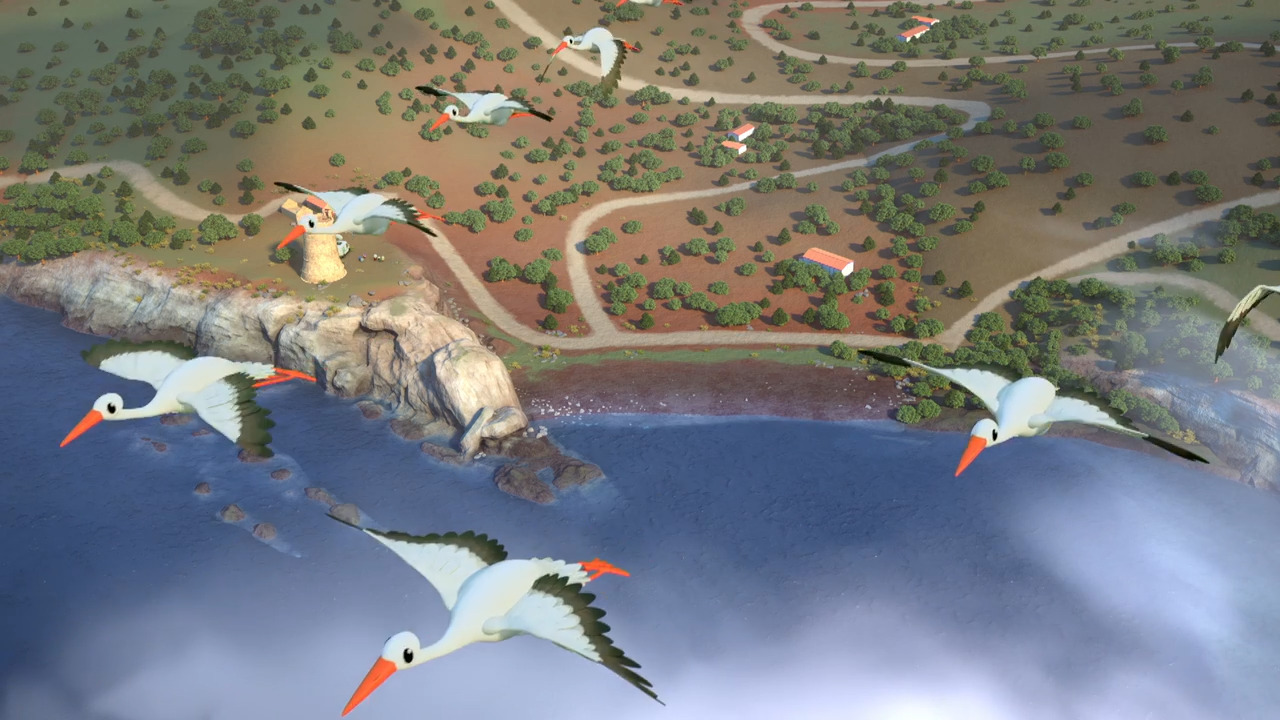
In The Go Jetters and the Great Stork Migration, the Go Jetters crew is preparing baby storks to take to the sky on their annual migration from Spain to Africa. Ubercorn shares funky facts about bird migration, like why they fly in a V formation and how baby storks know where to go when they migrate. This video is excerpted from BBC’s Go Jetters, a series that follows the adventures of four international heroes as they travel the globe visiting landmarks and solving environmental problems with Ubercorn, a disco-dancing unicorn.
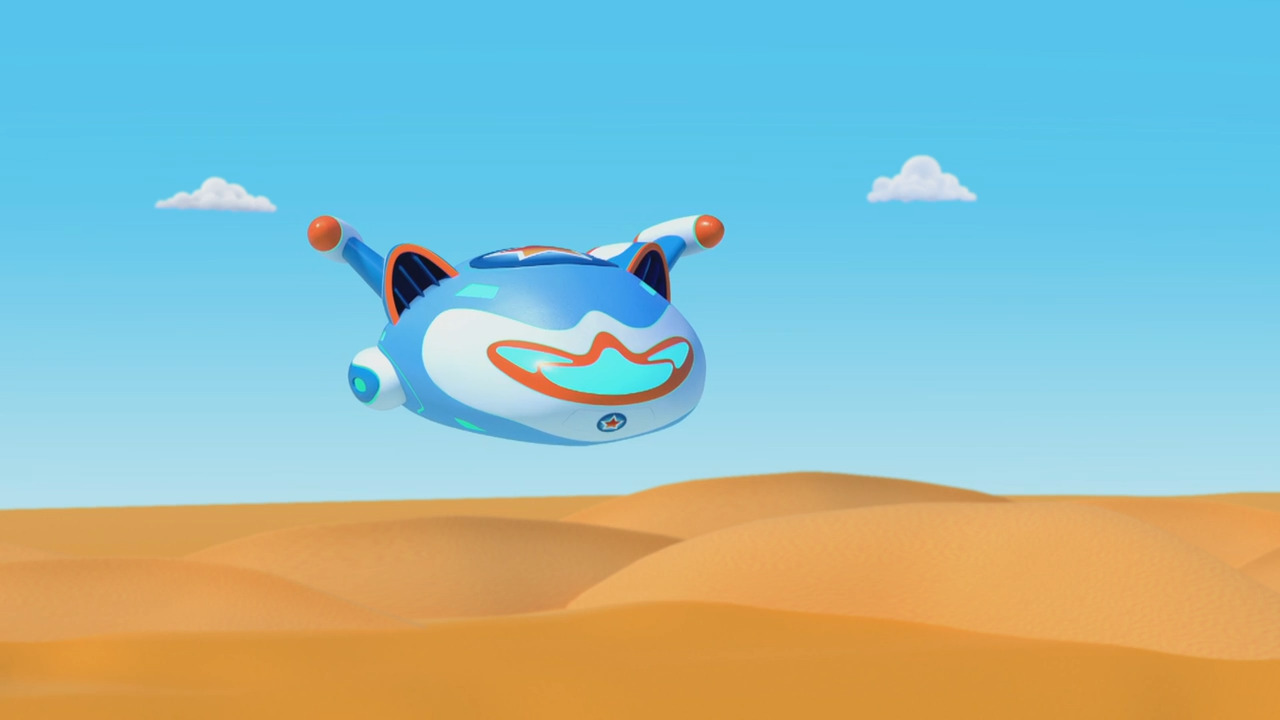
In The Go Jetters Get Sandy in the Sahara Desert, the Go Jetters crew flies into the Sahara Desert, one of the biggest and hottest deserts in the world! Ubercorn explains that the Sahara is so big, it stretches across many countries in Africa, and guess what? There's no water like you would find at a beach — just sand, sand, and more sand! This video is excerpted from BBC’s Go Jetters, a series that follows the adventures of four plucky international heroes as they travel the globe visiting the world’s most famous landmarks with their friend and mentor, Ubercorn, a disco-dancing unicorn.
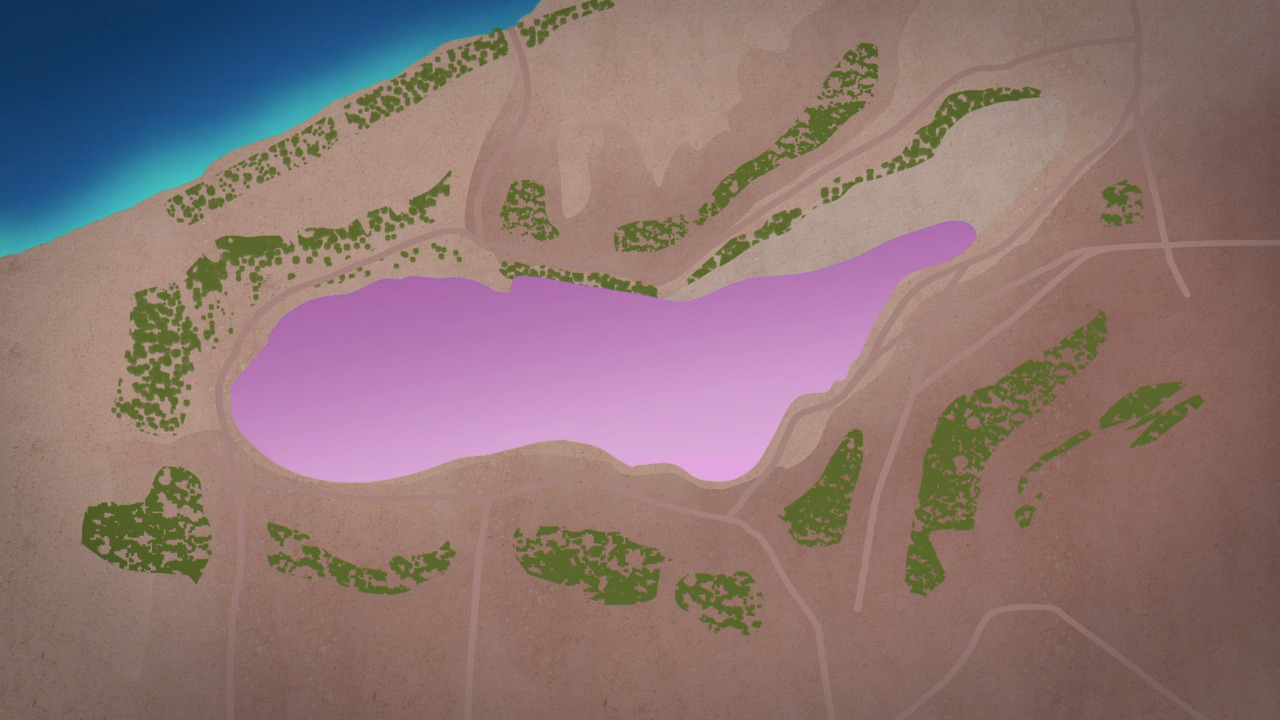
In The Go Jetters Discover the Mystery of the Pink Lake, the Go Jetters crew visits Lake Retba, also called the Milkshake Lake, in Senegal, Africa. The lake is pink because of tiny creatures called algae that live in the water and love the sunshine. People collect salt from the bottom of the lake to sell, and the water is very salty because it's connected to the ocean. This video is excerpted from BBC’s Go Jetters, a series that follows the adventures of four plucky international heroes as they travel the globe visiting the world’s most famous landmarks with their friend and mentor, Ubercorn, a disco-dancing unicorn.
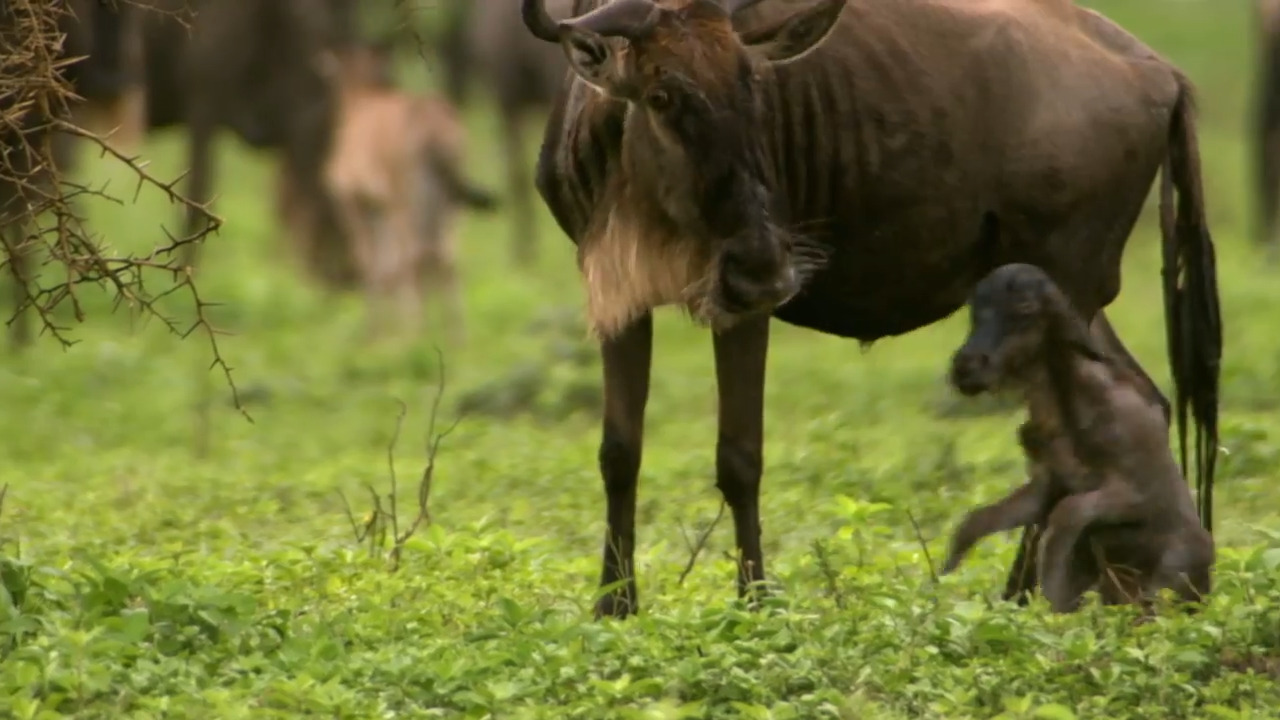
In A Baby Wildebeest's First Steps, narrator Gordon Buchanan describes how a wildebeest is born on the savanna, which stretches across almost half of Africa and is home to millions of animals. The baby wildebeest immediately begins learning to walk. By the end of the day, it is one of the fastest land animals. The wildebeest uses speed, constant movement, and safety in numbers to avoid predators. This video is excerpted from BBC's Animal Babies, a heartwarming show that follows the first breaths, first steps, and first feeds of some adorable baby animals, revealing the challenges they face to survive in some of the toughest but most beautiful places on the planet.
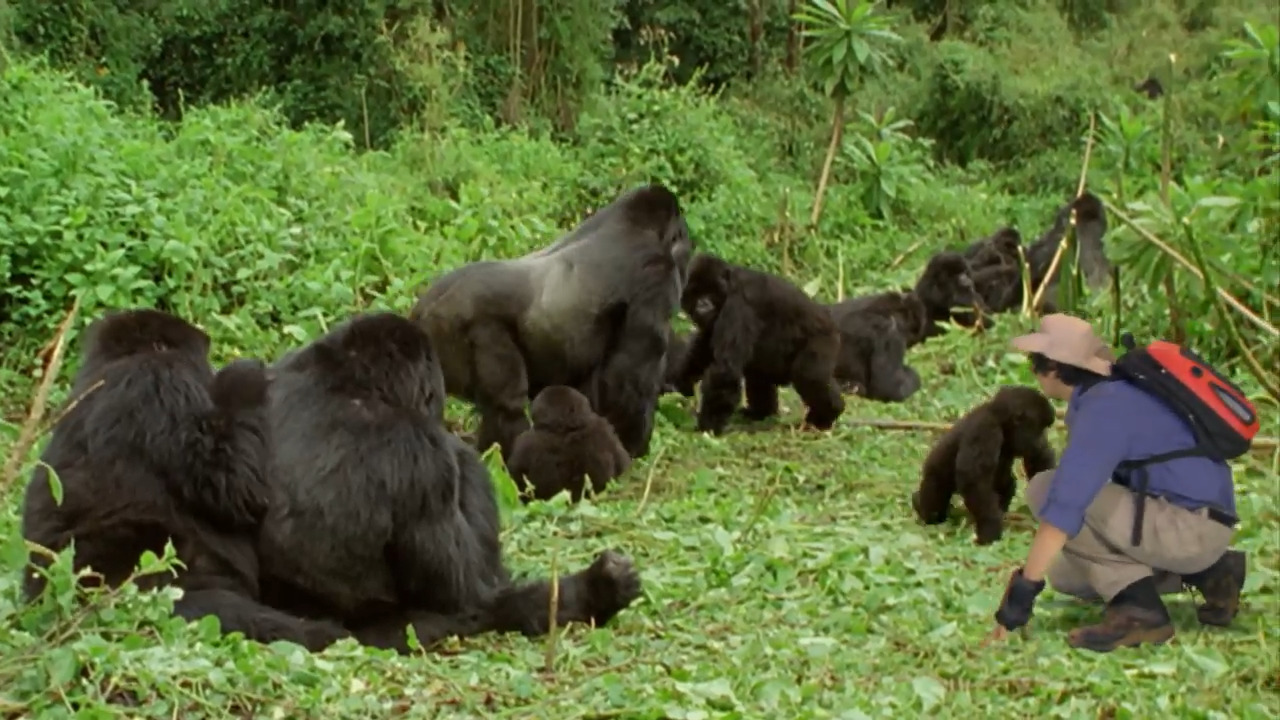
In Grunting With Gorillas, host Andy Day is in the mountains when he finds a family of gorillas. He grunts to let them know he’s approaching. Then he observes the gorillas taking care of each other. This video is excerpted from BBC’s Andy's Wild Adventures, in which Andy Day embarks on wild adventures with his puppet friend, Kip the cat.
A cross-curricular journey through Africa for students ages 8–14
Take your students on a romp through the grasslands! From the African savanna to the Great Plains of North America grasslands are nature’s wide-open playground.
✨ Perfect for grades 3–8, here’s what you need to bring ecosystems to life:
- Iconic BBC Videos: Share the clips on this page to introduce the location, plants, animals, and climate of the grasslands. (Don't miss the giraffes and bison!) Brought to you by world-class BBC programs such as Planet Earth, The Americas With Simon Reeve, and Seven Worlds, One Planet.
- Free Printable: Use the Grasslands Brochure Template to help students pull it all together in an ecosystem report with facts they’ve learned (and a little extra research).
It’s everything you need to make ecosystems easy to teach and truly memorable for your students.
Guide your students on a journey through the desert ecosystem! From the sweeping sands of the Namib and Kalahari in southern Africa, to the dry heart of Australia’s Outback, and the rocky cold of the Gobi, deserts come in many forms.
✨ Perfect for grades 3–8, here’s what you need to bring ecosystems to life:
- Iconic BBC Videos: Share the clips on this page to introduce the location, plants, animals, and climate of the desert. (Don't miss the lions and lizards!) Brought to you by world-class BBC programs like Planet Earth, Wilderness With Simon Reeve, Africa, and Seven Worlds, One Planet.
- Free Printable: Use the Desert Brochure Template to help students pull it all together in an ecosystem report with facts they’ve learned (and a little extra research).
It’s everything you need to make ecosystems easy to teach and truly memorable for your students.
In Insect Hunting with Africa's Giants, narrator Sir David Attenborough explains a unique partnership between carmine bee-eaters and elephants. These birds follow elephants across the African savanna to catch insects stirred up by the elephants' movements. This fascinating collaboration is a perfect example of how different species can work together to survive. This video is excerpted from BBC’s Planet Earth II, a breathtaking documentary series that highlights the natural wonders of our planet.
In Elephants Adapt to Climate Change, narrator Sir David Attenborough explains how elephants have adapted to drought in Africa. They have worked out a way of reaching acacia pods from the highest branches. This video is excerpted from BBC’s Seven Worlds, One Planet, a series featuring remarkable animal behavior from all seven continents.
In How Animals and Humans Coexist in the Desert, host Simon Reeve explores the Kalahari Desert with Don, a member of the San people. The Kalahari is a semi-desert and one of the largest sand basins on Earth, stretching across Africa. Despite its tough environment, animals like elephants, lions and jackals thrive here, thanks to seasonal rains that bring food. The San have lived here for thousands of years and are known for their incredible survival and tracking skills, and deep knowledge of the land. This video is excerpted from BBC’s Wilderness With Simon Reeve, an epic adventure into the heart of Earth’s last great wild areas, where nature is at its most beautiful and fragile.
In Egg-cellent Nafaqo! explore Somalia, a country in Africa with deserts, beaches, and amazing animals like giraffes and camels. Zara shows us how to make nafaqo, a tasty dish with potatoes, yogurt, spices, and her secret ingredient — boiled egg whites! She even shares a cool trick for peeling eggs using water and a container. This video is excerpted from BBC's My World Kitchen, where young chefs create special recipes that honor their heritage and celebrate their roots.
In The Go Jetters and the Great Stork Migration, the Go Jetters crew is preparing baby storks to take to the sky on their annual migration from Spain to Africa. Ubercorn shares funky facts about bird migration, like why they fly in a V formation and how baby storks know where to go when they migrate. This video is excerpted from BBC’s Go Jetters, a series that follows the adventures of four international heroes as they travel the globe visiting landmarks and solving environmental problems with Ubercorn, a disco-dancing unicorn.
In The Go Jetters Get Sandy in the Sahara Desert, the Go Jetters crew flies into the Sahara Desert, one of the biggest and hottest deserts in the world! Ubercorn explains that the Sahara is so big, it stretches across many countries in Africa, and guess what? There's no water like you would find at a beach — just sand, sand, and more sand! This video is excerpted from BBC’s Go Jetters, a series that follows the adventures of four plucky international heroes as they travel the globe visiting the world’s most famous landmarks with their friend and mentor, Ubercorn, a disco-dancing unicorn.
In The Go Jetters Discover the Mystery of the Pink Lake, the Go Jetters crew visits Lake Retba, also called the Milkshake Lake, in Senegal, Africa. The lake is pink because of tiny creatures called algae that live in the water and love the sunshine. People collect salt from the bottom of the lake to sell, and the water is very salty because it's connected to the ocean. This video is excerpted from BBC’s Go Jetters, a series that follows the adventures of four plucky international heroes as they travel the globe visiting the world’s most famous landmarks with their friend and mentor, Ubercorn, a disco-dancing unicorn.
In A Baby Wildebeest's First Steps, narrator Gordon Buchanan describes how a wildebeest is born on the savanna, which stretches across almost half of Africa and is home to millions of animals. The baby wildebeest immediately begins learning to walk. By the end of the day, it is one of the fastest land animals. The wildebeest uses speed, constant movement, and safety in numbers to avoid predators. This video is excerpted from BBC's Animal Babies, a heartwarming show that follows the first breaths, first steps, and first feeds of some adorable baby animals, revealing the challenges they face to survive in some of the toughest but most beautiful places on the planet.
In Grunting With Gorillas, host Andy Day is in the mountains when he finds a family of gorillas. He grunts to let them know he’s approaching. Then he observes the gorillas taking care of each other. This video is excerpted from BBC’s Andy's Wild Adventures, in which Andy Day embarks on wild adventures with his puppet friend, Kip the cat.