Building Classroom Community: 3 Things To Do Now
You can color-code and label every last bin, but here's the truth every teacher learns: a classroom isn't a community until your students show up and build it with you.

You already know the look — that flicker of relief on a kid's face the first time they don't have to ask what to do next. Uncertainty is exhausting, even for kids who are good at hiding it. The routines you drill in week one aren't busywork; they're what lets students stop bracing and start paying attention to everything else.
The trick, as you've probably learned the hard way, is that routines stick better when they don't feel like routines. A scavenger hunt for classroom supplies does more than a walkthrough ever will. Bingo cards for finding people and spaces beat a verbal tour. For your youngest students, a familiar character can lower the stakes — Bluey's "Boring Things Are Important" lesson bundle is built for exactly this kind of low-key procedural buy-in.
Routines Are the First Lesson
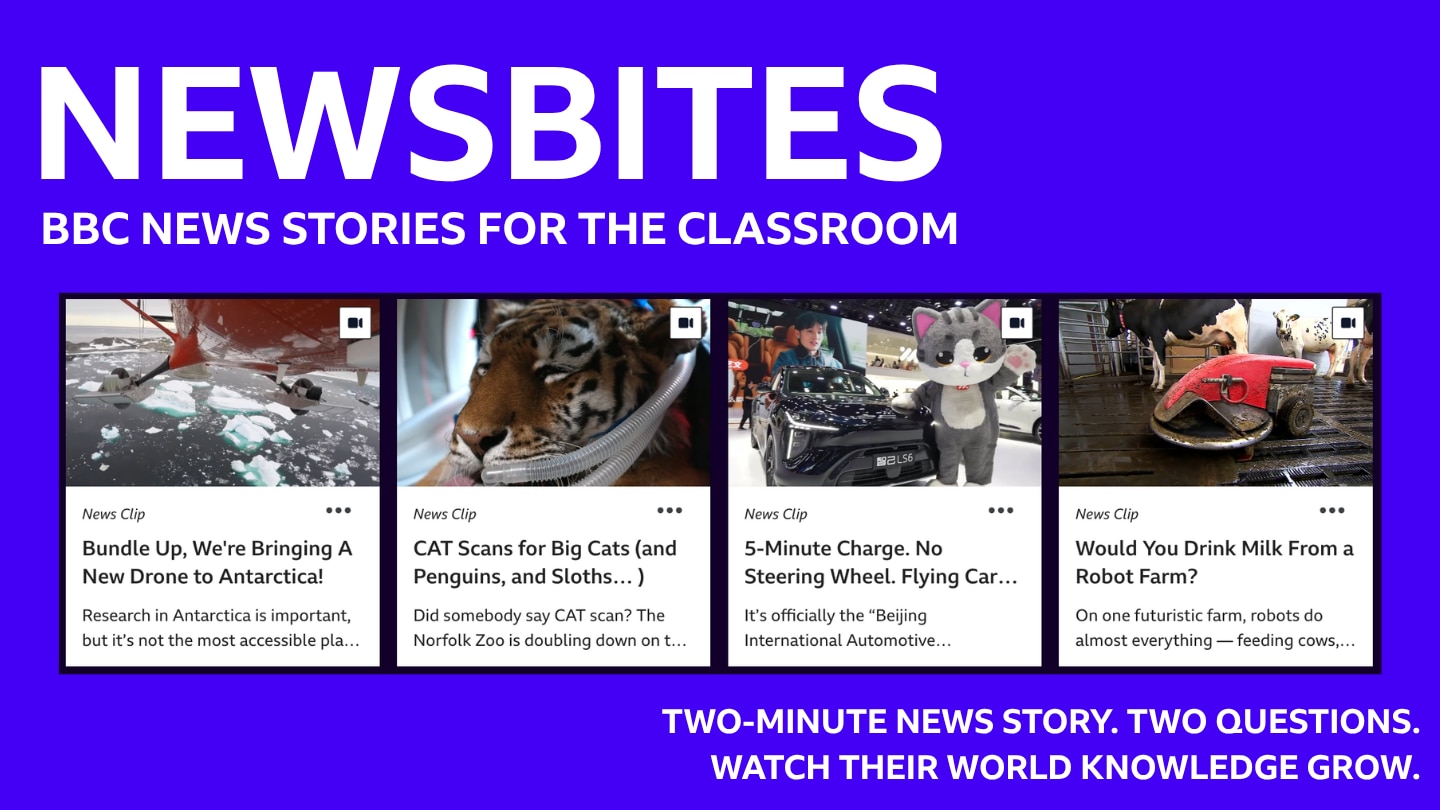
Discussion routines deserve the same treatment. If you're running a daily current events warm-up with older elementary or middle schoolers, a short Newsbites clip with the challenge questions to answer gives you a structure you can repeat every day without it going stale — the routine stays the same, but the content refreshes each weekday, so it never feels like the same lesson twice.
Shared Experiences Invite Everyone In
Every class has kids who spent their summer at camp and kids who spent it watching their little brother. That gap doesn't close on its own — but a shared experience puts everyone back on the same footing. A Walking With Dinosaurs virtual field trip or a debate over the wildest dish in the My World Kitchen playlist gives every student equal standing to jump in, regardless of what their August looked like.
The real payoff comes later, when you start cashing in on those moments. You already do this instinctively with inside jokes in your own life — the callback that gets a laugh because everyone was there. Do the same in your classroom. Reference how paleontologists puzzled over baby Triceratops fossils when you're teaching the habits of scientists. Bring up how heated the asparagus debate got when you introduce opinion writing. The shared history does the work of building buy-in before you've even started the lesson.
A Community Runs on More Than One Voice
Once routines are solid and you've built up some shared memory, that's your cue to hand over more of the floor. Small stuff first — voting on Fun Friday — then bigger asks, like problem-solving a transition that's not working. Co-writing class norms lands differently once trust is already there; it stops being a September formality and starts being something students actually own.
If you want a frame for that conversation, real examples of cooperation help — the women behind the Apollo missions, London's skateboarding advocates, even teamwork in the animal kingdom. Kids are more willing to buy into "we do this together" once they've seen what it looks like elsewhere first.
The Bottom Line
None of this happens in one big push. It's routines, then shared history, then handing over the floor — repeated, in that order, until the classroom stops being yours and starts being theirs.
Create your free account to save resources, create video playlists, and get free printables!
You Might Also Like