Penguin Parents' Epic Journey to Feed Their Chicks
In Penguin Parents' Epic Journey to Feed Their Chicks, narrator Sir David Attenborough describes how chinstrap penguins in Antarctica travel very far to hunt for krill, but the real challenge is getting the food back to their babies on the steep, muddy rim of Deception Island. After battling powerful currents and a slippery climb, the penguins use their excellent hearing to find their chicks in a colony of over 150,000. Once they deliver the krill, the other parent heads out to sea to repeat the journey. This video is excerpted from BBC's Life, a show that explores the remarkable strategies animals and plants use to ensure their survival.
Sir David Attenborough looks at the extraordinary ends to which animals and plants go in order to survive. Learn more.
Lesson Express
Q: What role do chinstrap penguins' physical features, like their beaks, wings, and toenails, play in their journey?
A: These features help penguins climb the slippery, muddy slopes and keep their balance as they make their way back to their babies, showing how their bodies are adapted to the harsh environment.
Q: Why might chinstrap penguins take turns going out to hunt for krill instead of both parents going at once?
A: Taking turns ensures that at least one parent is always with the baby penguin, keeping it safe while the other parent hunts for food. This teamwork helps them both feed and care for their young.
Q: How does the chinstrap penguin's environment shape its behavior and survival strategies?
A: The harsh Antarctic environment forces penguins to develop behaviors like traveling long distances for food, working as a team, and using their physical adaptations to climb steep terrain, all of which help them survive and care for their young.
More Like This
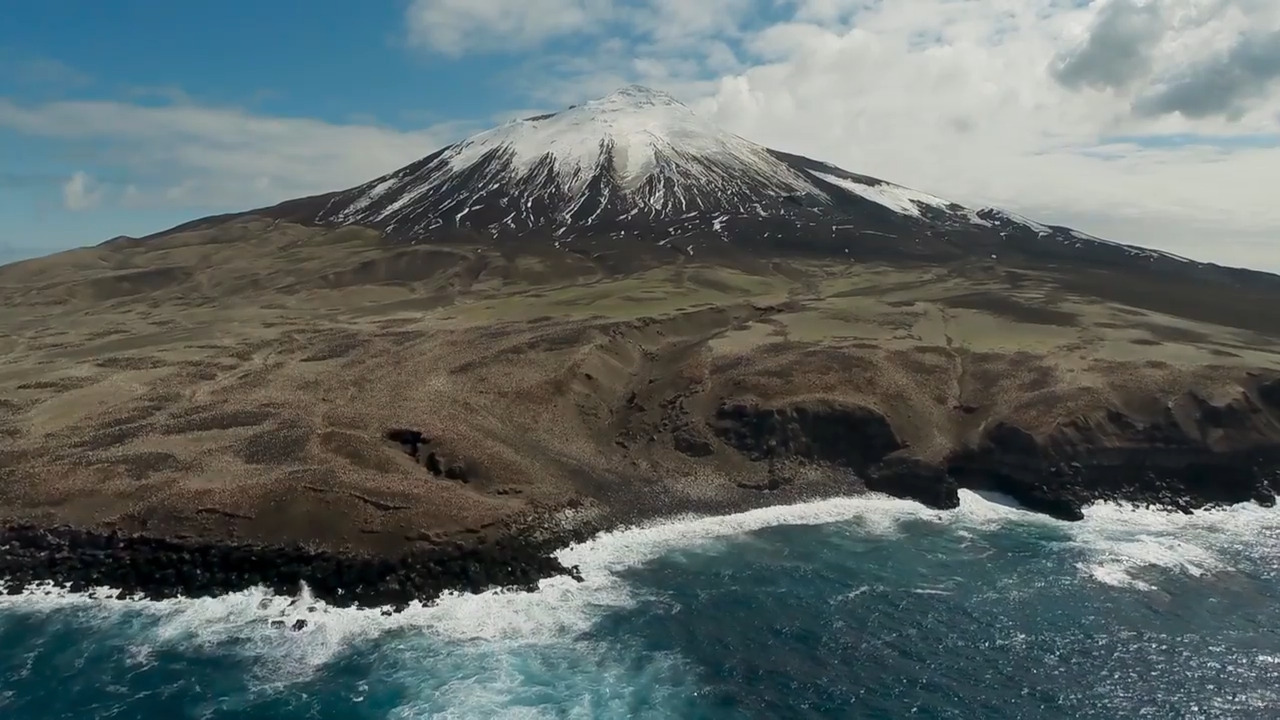
In Volcanic Islands Create a Penguin Sanctuary, narrator Sir David Attenborough tells the fascinating survival story of chinstrap penguins living on Zavodovski Island. This island, located in the Southern Ocean, is home to the world’s largest chinstrap penguin colony, despite its treacherous seas and an active volcano. The penguins have adapted to extreme conditions, using the island’s isolation and volcanic landscape as a refuge from predators. This video is excerpted from BBC’s Planet Earth II, a breathtaking documentary series that highlights the natural wonders of our planet.
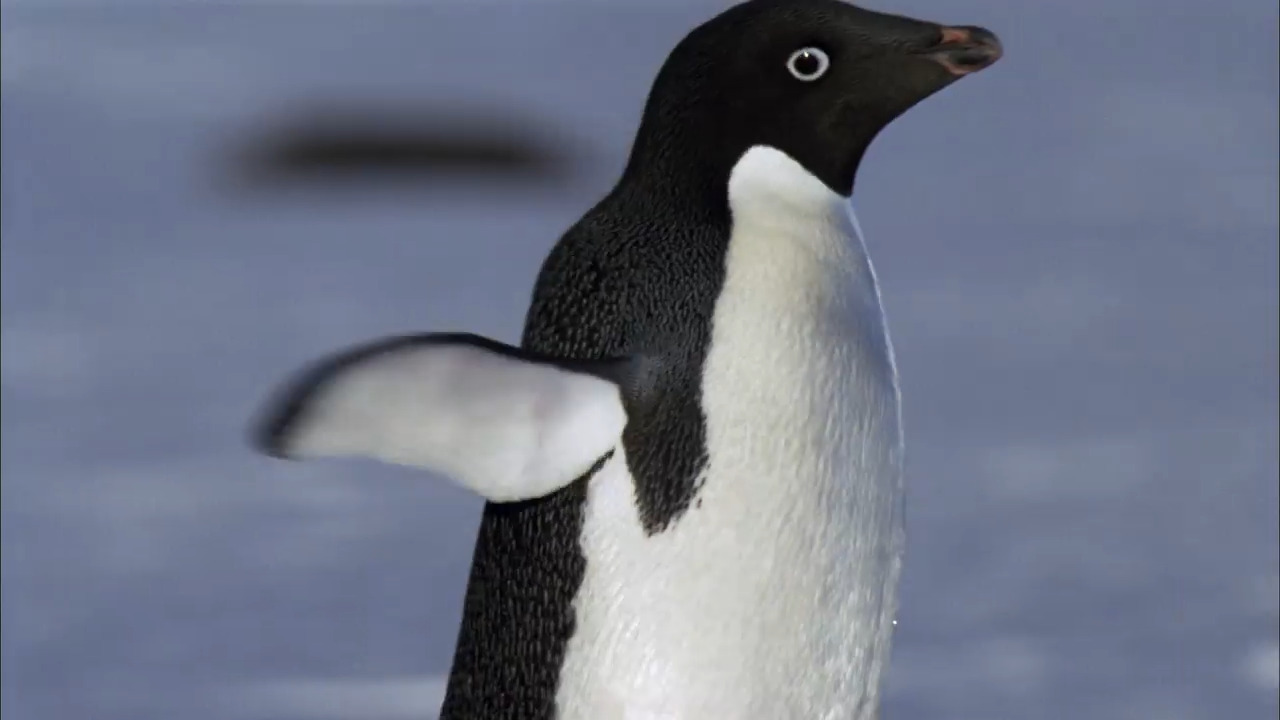
In Race Against the Thaw, narrator Sir David Attenborough follows penguins as they rush across the frozen Antarctic sea to reach their breeding grounds before the thaw. The penguins, along with other animals like dolphins and whales, must time their journey carefully. Chinstrap penguins come ashore to nest, finding bare rock to lay their eggs, which is a valuable and necessary resource. This video is excerpted from BBC’s Planet Earth, a breathtaking documentary series that highlights the natural wonders of our planet.
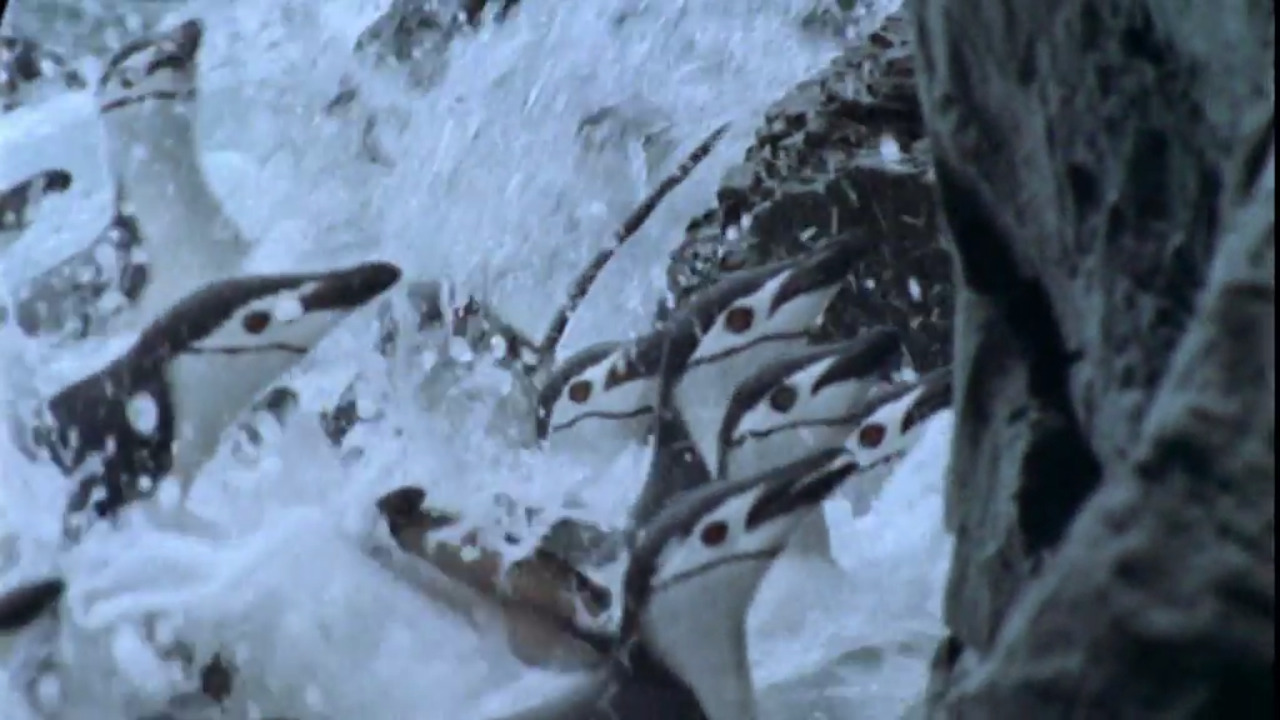
In The Chinstrap Penguin in Winter, narrator Sir David Attenborough explains how chinstrap penguins find a perfect breeding spot. Learn why a volcano is a great breeding spot for these penguins. This video is excerpted from BBC’s Blue Planet, a definitive documentary series diving into the mysterious depths of the sea to discover the natural history of the world’s oceans and the rarely seen marine life that reside there.
In Volcanic Islands Create a Penguin Sanctuary, narrator Sir David Attenborough tells the fascinating survival story of chinstrap penguins living on Zavodovski Island. This island, located in the Southern Ocean, is home to the world’s largest chinstrap penguin colony, despite its treacherous seas and an active volcano. The penguins have adapted to extreme conditions, using the island’s isolation and volcanic landscape as a refuge from predators. This video is excerpted from BBC’s Planet Earth II, a breathtaking documentary series that highlights the natural wonders of our planet.
In Race Against the Thaw, narrator Sir David Attenborough follows penguins as they rush across the frozen Antarctic sea to reach their breeding grounds before the thaw. The penguins, along with other animals like dolphins and whales, must time their journey carefully. Chinstrap penguins come ashore to nest, finding bare rock to lay their eggs, which is a valuable and necessary resource. This video is excerpted from BBC’s Planet Earth, a breathtaking documentary series that highlights the natural wonders of our planet.
In The Chinstrap Penguin in Winter, narrator Sir David Attenborough explains how chinstrap penguins find a perfect breeding spot. Learn why a volcano is a great breeding spot for these penguins. This video is excerpted from BBC’s Blue Planet, a definitive documentary series diving into the mysterious depths of the sea to discover the natural history of the world’s oceans and the rarely seen marine life that reside there.