How Musk Oxen Survive in the Arctic
In How Musk Oxen Survive in the Arctic, narrator Sir David Attenborough showcases musk oxen in the Arctic and their adaptations for survival in harsh conditions. The musk oxen can break through the frozen ground to access vegetation, creating opportunities for other animals like Arctic foxes and various birds. Calves are birthed early, allowing them to acclimate to their environment before summer arrives. This video is excerpted from BBC’s Planet Earth, a breathtaking documentary series that highlights the natural wonders of our planet.
Sir David Attenborough takes you inside the most remote, extreme, and jaw-dropping corners of the planet — filmed over four years across 64 countries. Learn more.
Lesson Express
Q: What adaptations do musk oxen have that help them survive in the Arctic?
A: Musk oxen have thick fur to insulate against the cold, strong legs to break through ice, and a stocky body that conserves heat.
Q: How do musk oxen benefit other animals in the Arctic ecosystem?
A: By breaking through the ice to access vegetation, musk oxen expose food sources that can be used by other animals like Arctic foxes and birds.
Q: Why is it important for musk oxen calves to be born early in the spring?
A: Early births give the calves time to adapt to the environment and grow strong before the summer, when more food is available.
More Like This
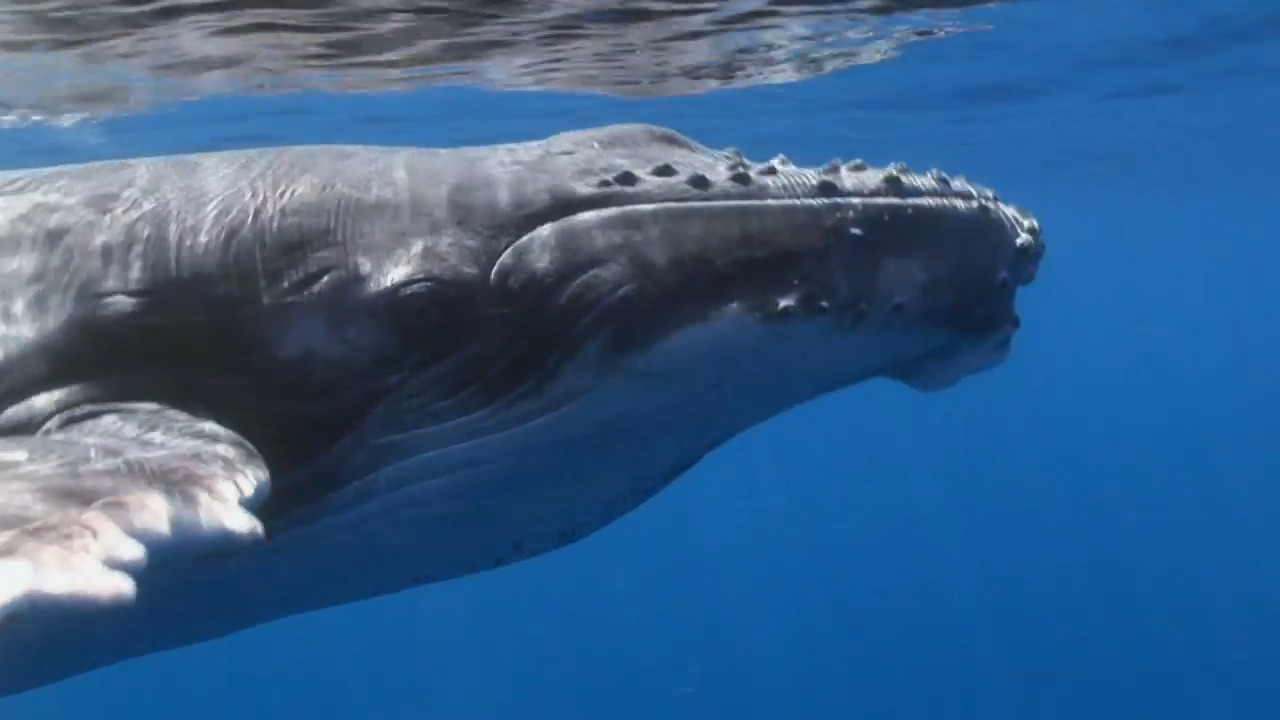
In Inside a Humpback Whale Nursery, narrator Sir David Attenborough discovers what a whale nursery is like. Explore the shallow seas where humpback whales sing to attract a mate, birth calves, and teach them to swim. This video is excerpted from BBC's Planet Earth, a breathtaking documentary series that highlights the natural wonders of our planet.
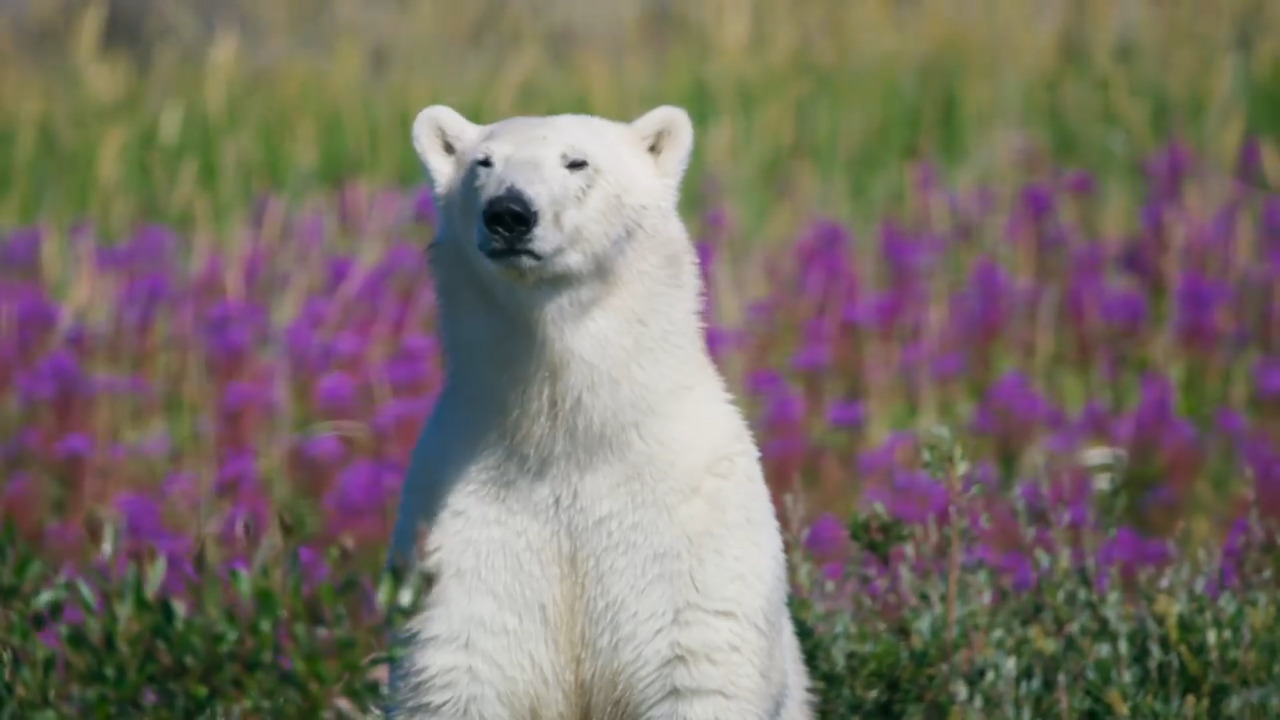
In Climate Change and Polar Bears, learn how human impacts are causing Canada to warm faster than any country on Earth. Lack of sea ice is now causing major problems for polar bears, and they have had to find a new source of food — beluga whale calves. This video is excerpted from BBC’s Seven Worlds, One Planet, a series featuring remarkable animal behavior from all seven continents.
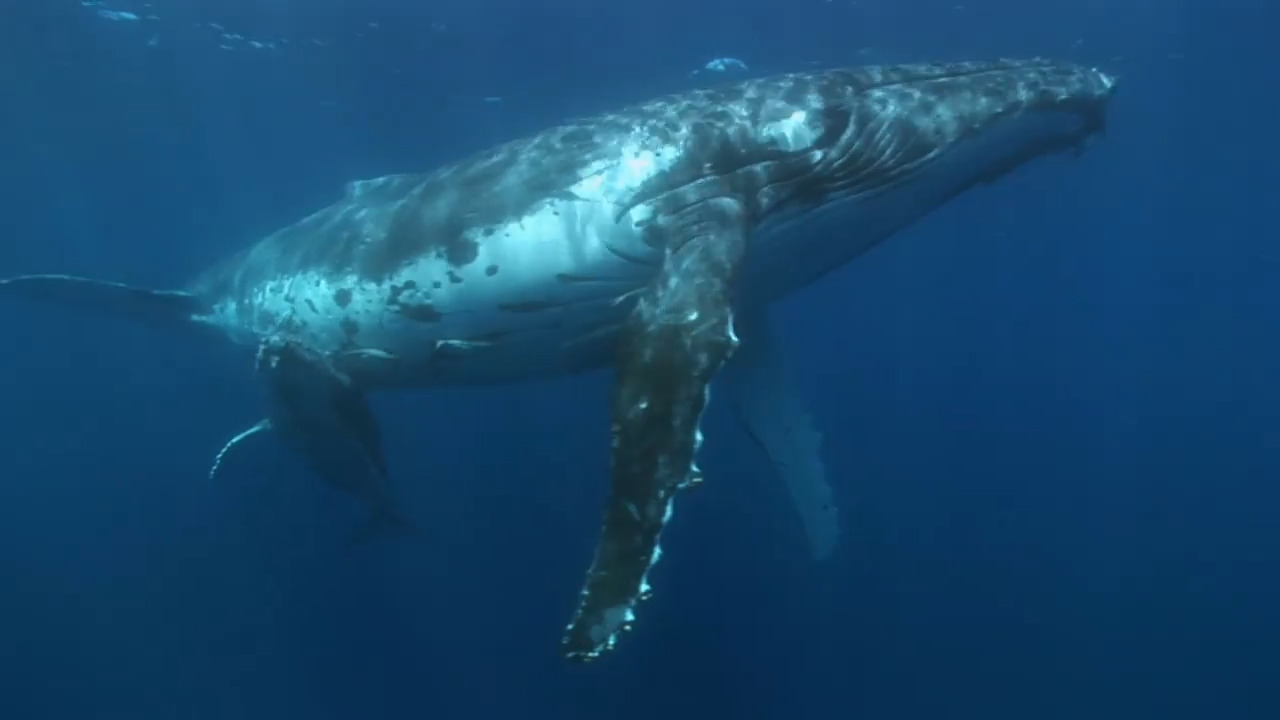
In A Humpback Whale Baby Leaves the Nursery, narrator Sir David Attenborough follows a mother and baby humpback whale as they embark on a dangerous journey. The young calf and starving mother leave the safety of the shallow seas in search of deeper water, where the mother can eat. Along the way, they communicate by slapping their tails and fins against the surface of the water. This video is excerpted from BBC's Planet Earth, a breathtaking documentary series that highlights the natural wonders of our planet.
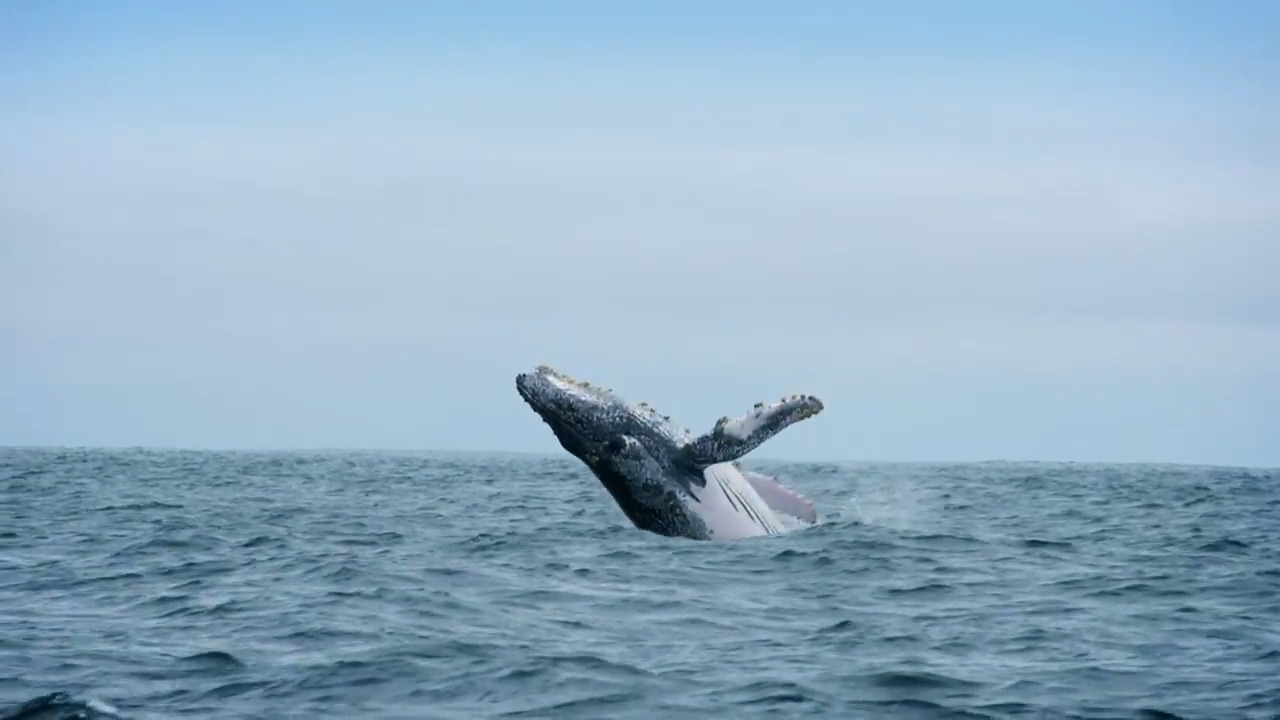
In Meet the Humpback Whale, naturalist Steve Backshall swims with humpback whales. He sends a drone out to capture footage of them playing and breaching the water around Isla de la Plata in Ecuador. This video is excerpted from BBC's Deadly 60, an award-winning nature and adventure show for kids in which narrator Steve Backshall has one mission: to travel the globe in search of 60 of the world's deadliest animals.
In Inside a Humpback Whale Nursery, narrator Sir David Attenborough discovers what a whale nursery is like. Explore the shallow seas where humpback whales sing to attract a mate, birth calves, and teach them to swim. This video is excerpted from BBC's Planet Earth, a breathtaking documentary series that highlights the natural wonders of our planet.
In Climate Change and Polar Bears, learn how human impacts are causing Canada to warm faster than any country on Earth. Lack of sea ice is now causing major problems for polar bears, and they have had to find a new source of food — beluga whale calves. This video is excerpted from BBC’s Seven Worlds, One Planet, a series featuring remarkable animal behavior from all seven continents.
In A Humpback Whale Baby Leaves the Nursery, narrator Sir David Attenborough follows a mother and baby humpback whale as they embark on a dangerous journey. The young calf and starving mother leave the safety of the shallow seas in search of deeper water, where the mother can eat. Along the way, they communicate by slapping their tails and fins against the surface of the water. This video is excerpted from BBC's Planet Earth, a breathtaking documentary series that highlights the natural wonders of our planet.
In Meet the Humpback Whale, naturalist Steve Backshall swims with humpback whales. He sends a drone out to capture footage of them playing and breaching the water around Isla de la Plata in Ecuador. This video is excerpted from BBC's Deadly 60, an award-winning nature and adventure show for kids in which narrator Steve Backshall has one mission: to travel the globe in search of 60 of the world's deadliest animals.