Planet Earth I
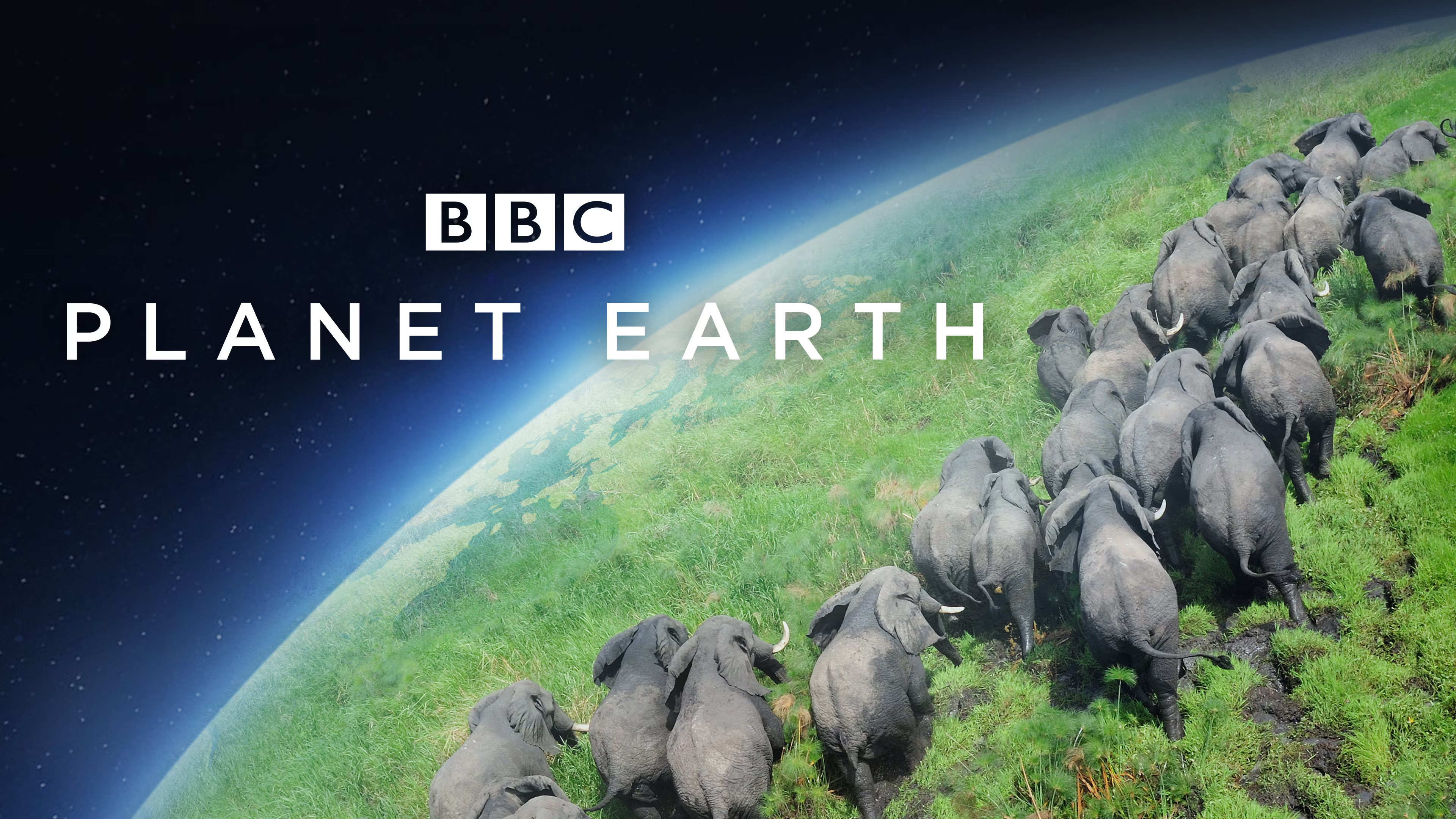
This first installment of the landmark, award-winning series is an epic exploration of the wild and beautiful parts of our planet. Sir David Attenborough narrates the amazing variety of the natural world in this iconic documentary series, filmed over four years across 64 different countries.
Planet Earth I is an outstanding resource for upper elementary through high school learners, offering a breathtaking introduction to Earth's ecosystems, biodiversity, and natural processes. The program encourages scientific observation, environmental stewardship, and a deeper appreciation for the diversity and resilience of the natural world.
Ages 8–18
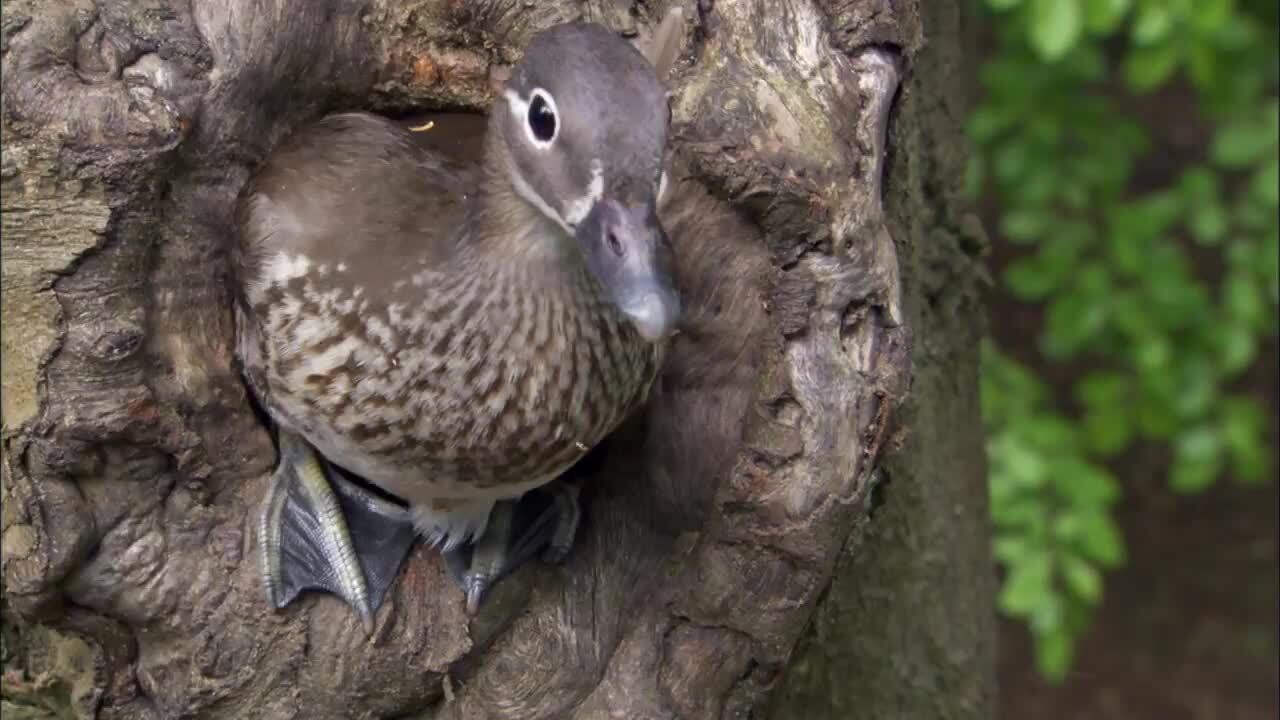
In The Deciduous Forests of Europe, narrator Sir David Attenborough describes how the forests of Eastern Europe burst into life in spring. Newly hatched Mandarin ducks take a great leap from their tree-hole nest. Watch them soar one by one to the ground and land safely on the leaves piled below. This video is excerpted from BBC's Planet Earth, a breathtaking documentary series that highlights the natural wonders of our planet.
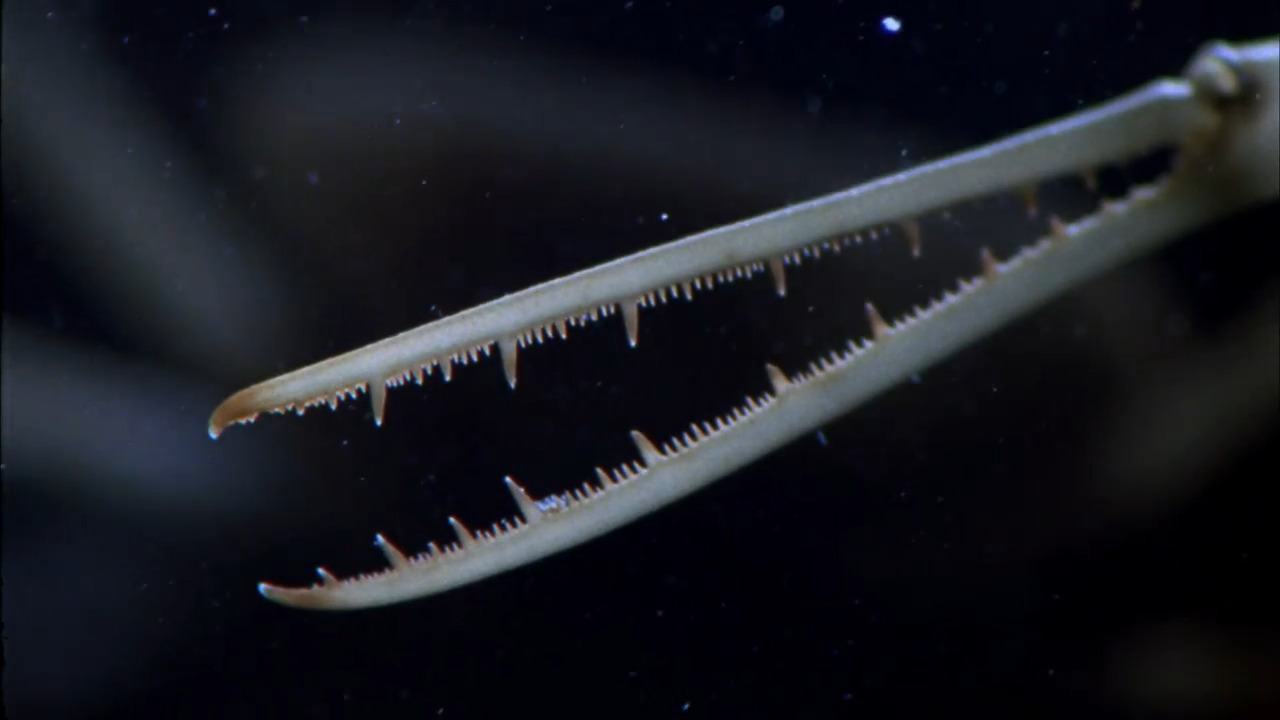
In The Strange World of Troglobites, narrator Sir David Attenborough explores the fascinating world of troglobites, creatures that have adapted to living entirely in caves. These animals, including the Texas blind salamander and the Belizean white crab, are unique to their environments and have evolved specialized features to survive in total darkness. Lacking pigment and eyesight, they rely on other heightened senses to detect food. The cave angelfish uses microscopic hooks to cling to slippery surfaces, and the blind salamander can detect water movement to locate prey. This video is excerpted from BBC’s Planet Earth, a breathtaking documentary series that highlights the natural wonders of our planet.
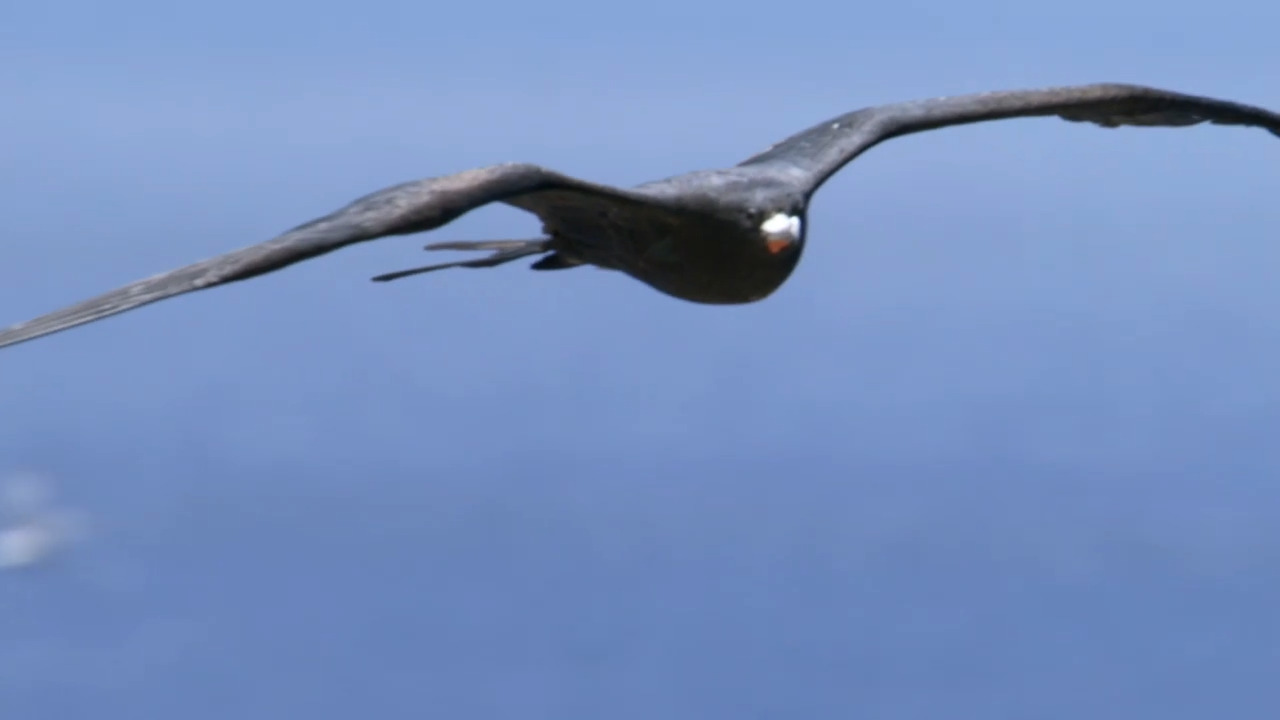
In Frigate Birds Nesting on Ascension Island, narrator David Attenborough highlights frigate birds, who travel across vast stretches of the ocean but return to Ascension Island to nest. This isolated volcanic island, located 800 miles from any other land, provides a vital refuge. Instead of choosing the island's main slopes, frigate birds nest on the even more remote Boatswain Bird Island, a rocky outcrop just off the coast. With the lightest body relative to their wings, these birds can soar for weeks with minimal effort, making them much more at home in the sky than on land. This video is excerpted from BBC’s Planet Earth, a breathtaking documentary series that highlights the natural wonders of our planet.
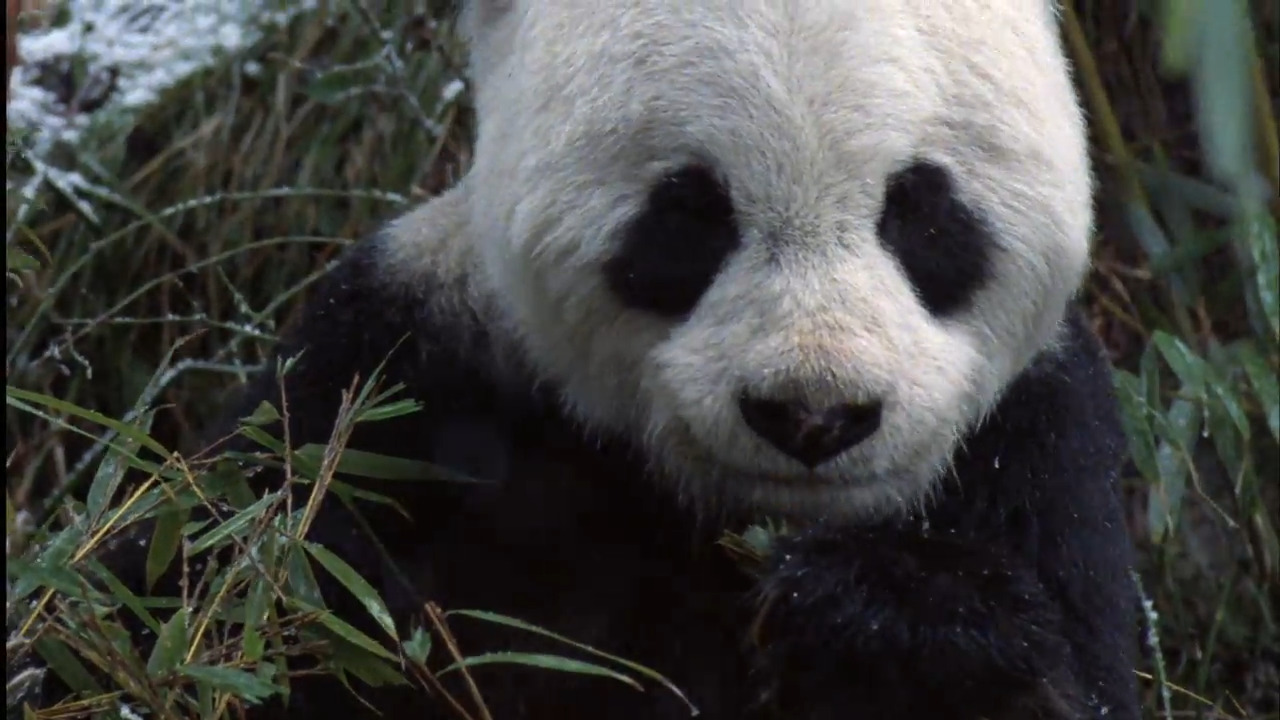
In High Altitude Living in China, narrator Sir David Attenborough describes how only a few animals are adapted to survive winter on the high mountain slopes. Watch a giant panda munch on bamboo and a group of golden snub-nosed monkeys huddle for warmth. This video is excerpted from BBC's Planet Earth, a breathtaking documentary series that highlights the natural wonders of our planet.
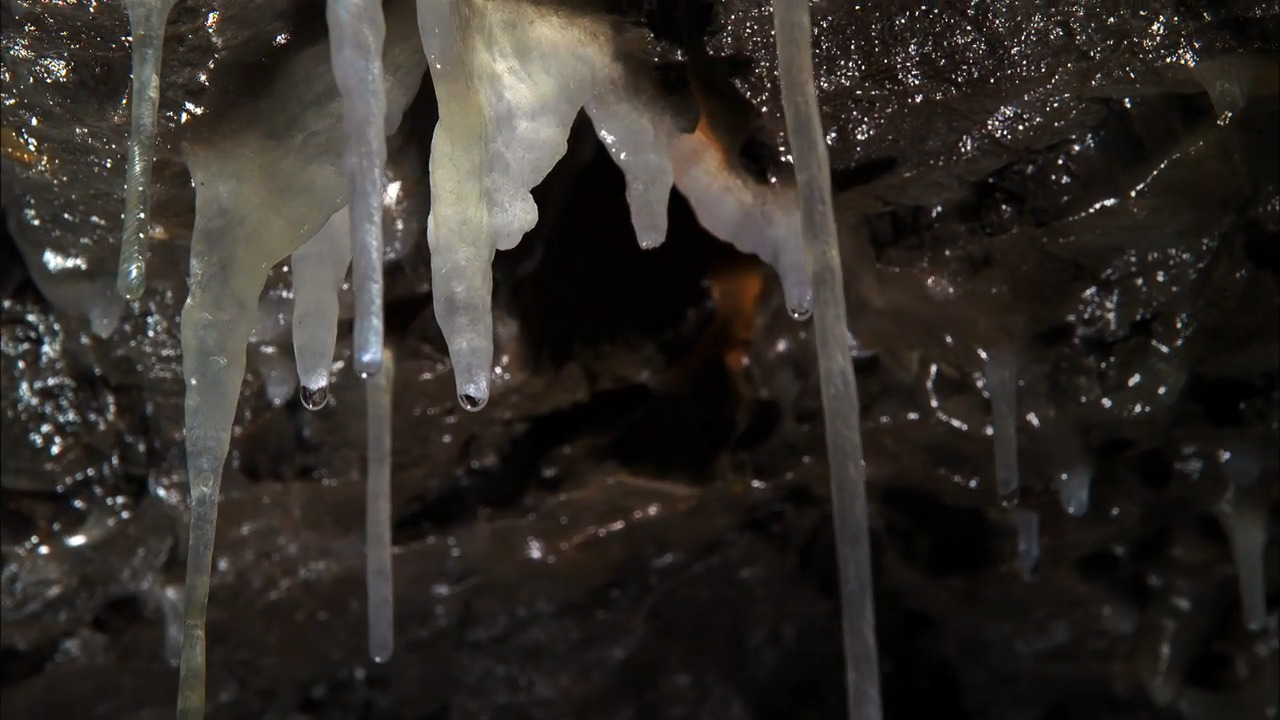
In The Formation of Stalactites and Stalagmites, narrator Sir David Attenborough explains the fascinating process of how stalactites and stalagmites form in caves, focusing on the Bornean caves. Rainwater eats away at limestone, leading to the formation of these unique cave structures. Water loaded with dissolved limestone deposits calcite to create stalactites from the ceiling and stalagmites from the floor. This video is excerpted from BBC’s Planet Earth, a breathtaking documentary series that highlights the natural wonders of our planet.
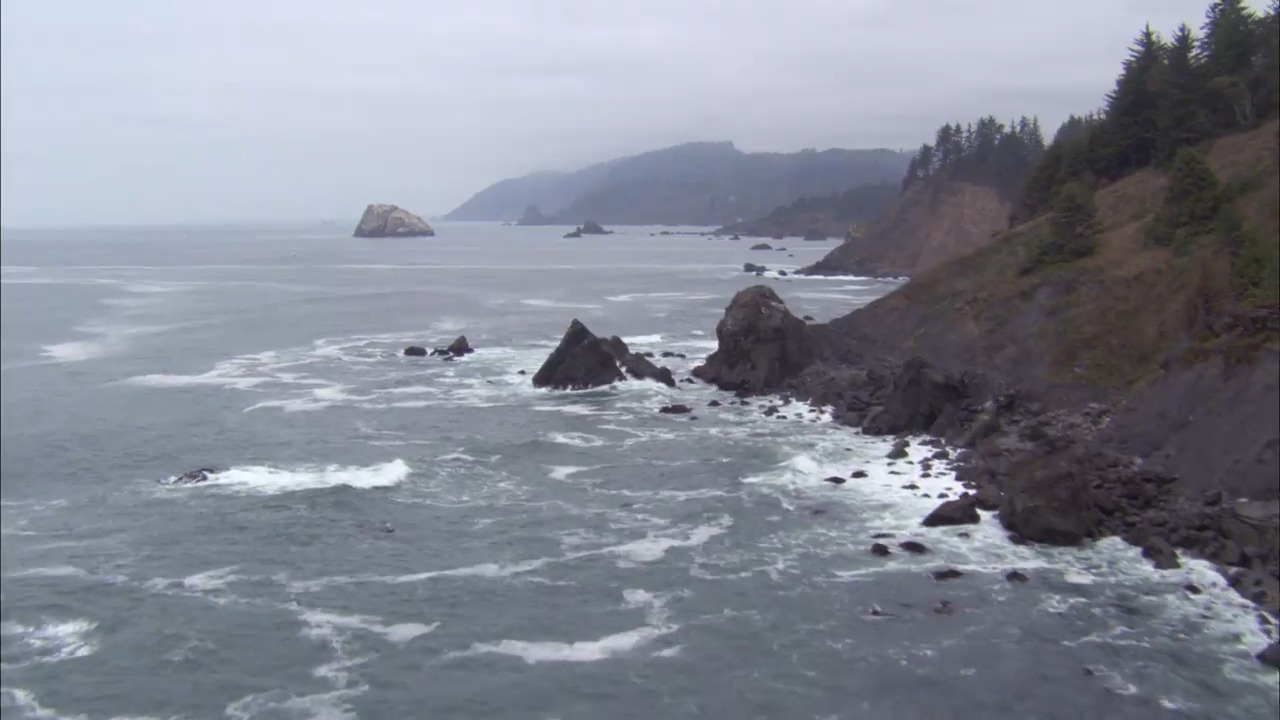
In The Giant Conifers of the Pacific Coast of North America, narrator Sir David Attenborough explains how time and sunlight have resulted in some of the largest and oldest living things on Earth. Giant conifers can absorb moisture from fog to survive dry times and thrive here. This video is excerpted from BBC's Planet Earth, a breathtaking documentary series that highlights the natural wonders of our planet.
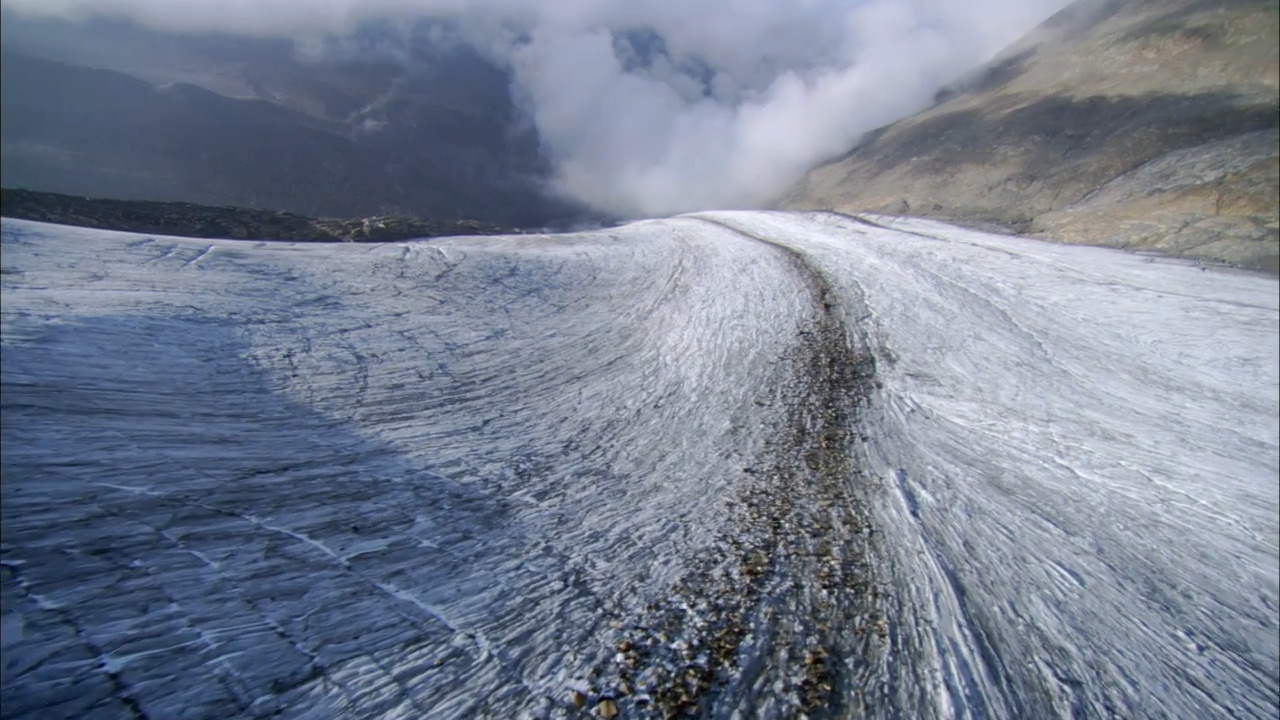
In Glaciers: Powerful Mountain-Makers, narrator Sir David Attenborough takes a close look at Earth’s most powerful erosive force — glaciers. This video is excerpted from BBC's Planet Earth, a breathtaking documentary series that highlights the natural wonders of our planet.
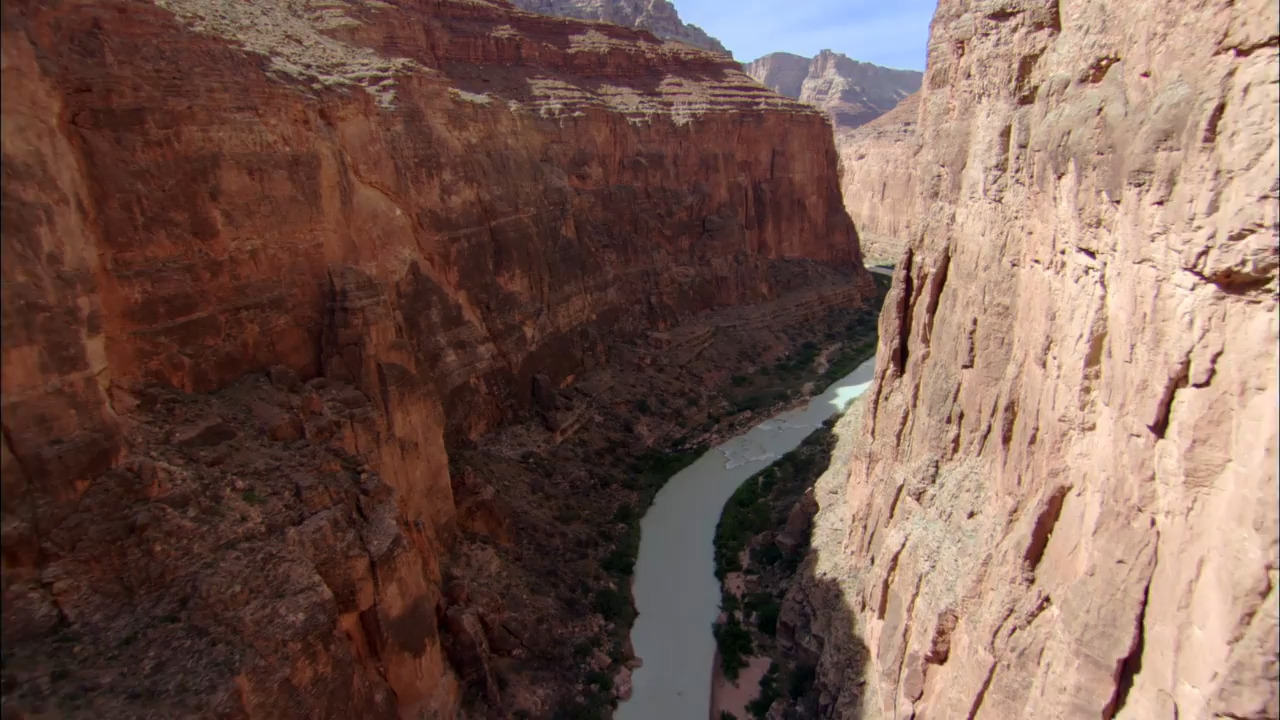
In Exploring the Grand Canyon, narrator Sir David Attenborough takes us soaring above the Colorado River as it winds through the Grand Canyon. This video is excerpted from BBC's Planet Earth, a breathtaking documentary series that highlights the natural wonders of our planet.
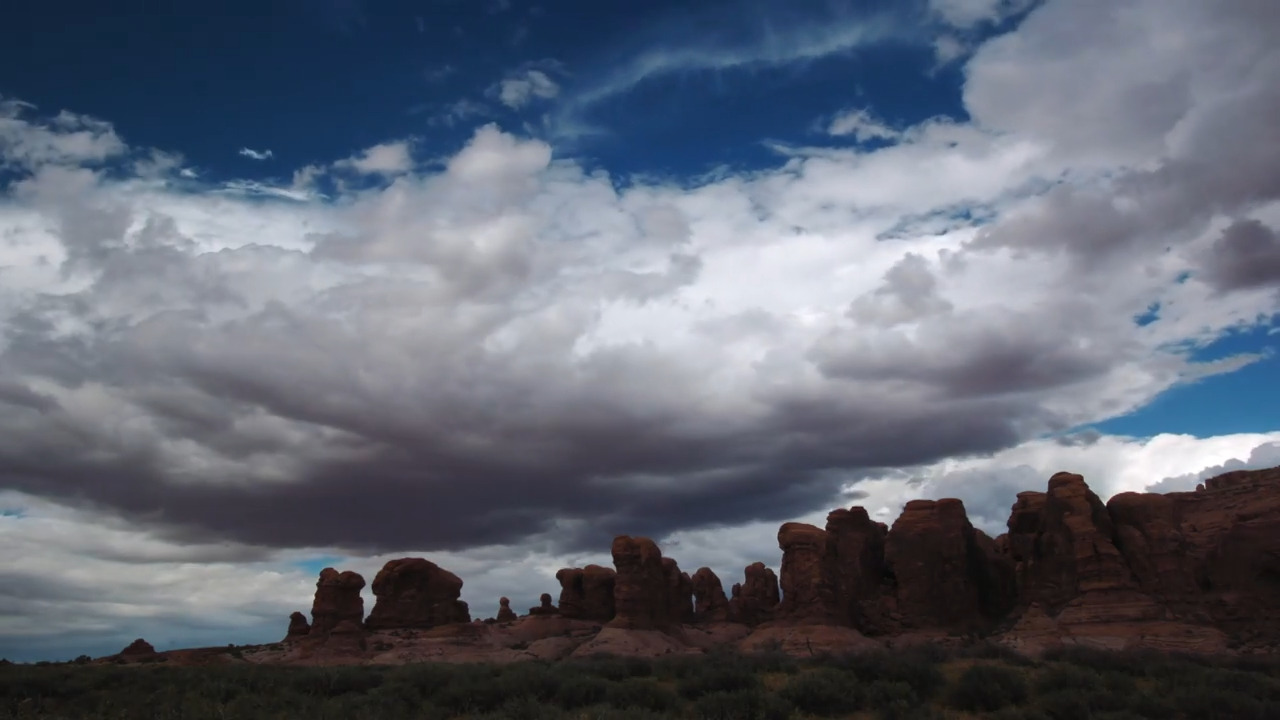
In Weather Systems of the Globe, Sir David Attenborough describes air currents as they form Earth’s storms. Circle the globe to see hurricanes, sandstorms, monsoons, and tornadoes! This video is excerpted from BBC's Planet Earth, a breathtaking documentary series that highlights the natural wonders of our planet.
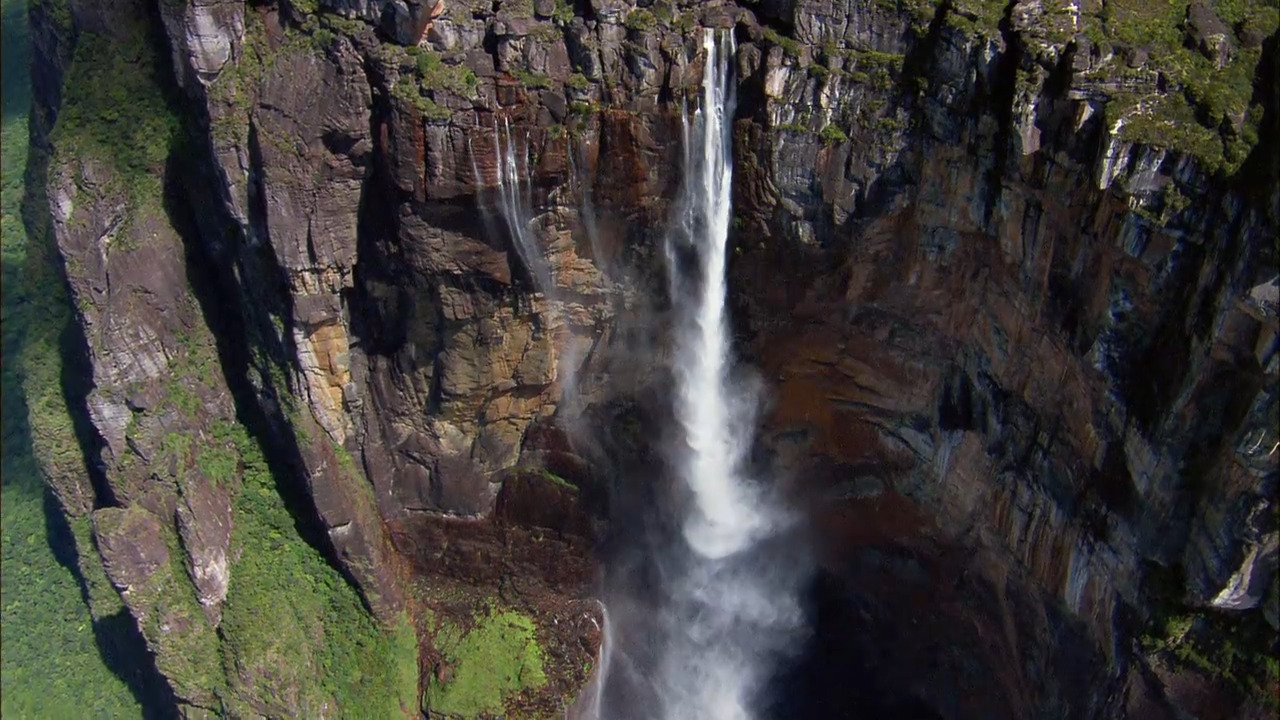
In The World's Tallest Waterfall, narrator Sir David Attenborough takes us over the precipice of Angel Falls! Follow fresh water as it flows from mountain streams, over the falls, and into mist. This video is excerpted from BBC's Planet Earth, a breathtaking documentary series that highlights the natural wonders of our planet.
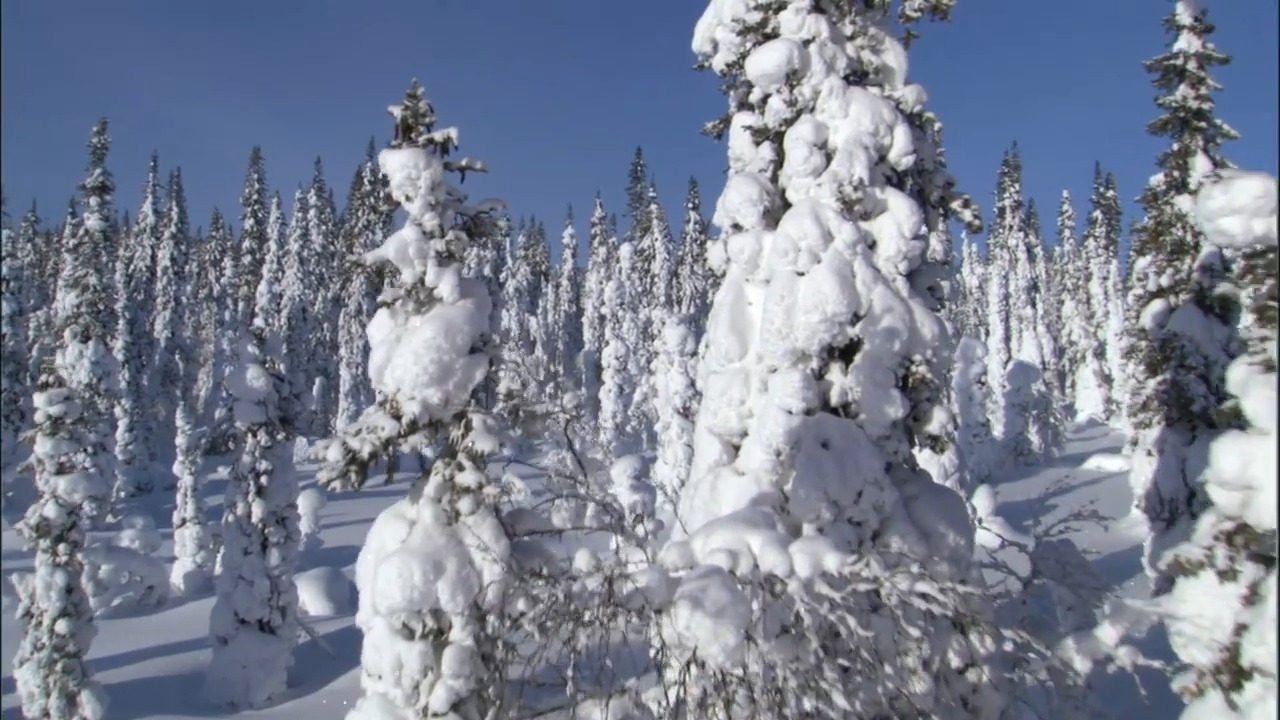
In The Green Ring of the Snowy Boreal Forests, narrator Sir David Attenborough highlights the distinct barrier between frozen land and forest. As spring creeps north, snowy boreal forests form a ring of green around the Earth. This video is excerpted from BBC's Planet Earth, a breathtaking documentary series that highlights the natural wonders of our planet.
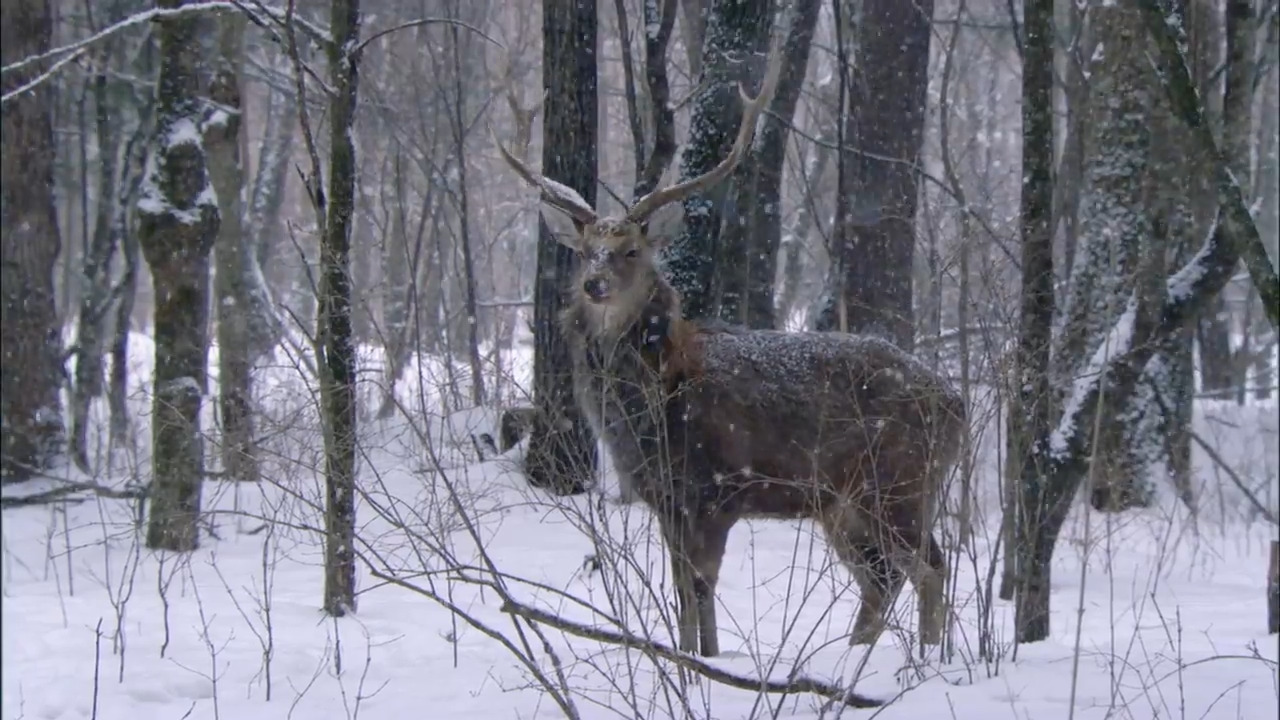
In The Broadleaf Woods Go From Lively To Lifeless, narrator Sir David Attenborough describes the great seasonal changes that come to the broadleaf forest. In summer, the woods are bustling with animal life, but in winter, a lonely leopard hunts in a barren landscape. This video is excerpted from BBC's Planet Earth, a breathtaking documentary series that highlights the natural wonders of our planet.
In The Deciduous Forests of Europe, narrator Sir David Attenborough describes how the forests of Eastern Europe burst into life in spring. Newly hatched Mandarin ducks take a great leap from their tree-hole nest. Watch them soar one by one to the ground and land safely on the leaves piled below. This video is excerpted from BBC's Planet Earth, a breathtaking documentary series that highlights the natural wonders of our planet.
In The Strange World of Troglobites, narrator Sir David Attenborough explores the fascinating world of troglobites, creatures that have adapted to living entirely in caves. These animals, including the Texas blind salamander and the Belizean white crab, are unique to their environments and have evolved specialized features to survive in total darkness. Lacking pigment and eyesight, they rely on other heightened senses to detect food. The cave angelfish uses microscopic hooks to cling to slippery surfaces, and the blind salamander can detect water movement to locate prey. This video is excerpted from BBC’s Planet Earth, a breathtaking documentary series that highlights the natural wonders of our planet.
In Frigate Birds Nesting on Ascension Island, narrator David Attenborough highlights frigate birds, who travel across vast stretches of the ocean but return to Ascension Island to nest. This isolated volcanic island, located 800 miles from any other land, provides a vital refuge. Instead of choosing the island's main slopes, frigate birds nest on the even more remote Boatswain Bird Island, a rocky outcrop just off the coast. With the lightest body relative to their wings, these birds can soar for weeks with minimal effort, making them much more at home in the sky than on land. This video is excerpted from BBC’s Planet Earth, a breathtaking documentary series that highlights the natural wonders of our planet.
In High Altitude Living in China, narrator Sir David Attenborough describes how only a few animals are adapted to survive winter on the high mountain slopes. Watch a giant panda munch on bamboo and a group of golden snub-nosed monkeys huddle for warmth. This video is excerpted from BBC's Planet Earth, a breathtaking documentary series that highlights the natural wonders of our planet.
In The Formation of Stalactites and Stalagmites, narrator Sir David Attenborough explains the fascinating process of how stalactites and stalagmites form in caves, focusing on the Bornean caves. Rainwater eats away at limestone, leading to the formation of these unique cave structures. Water loaded with dissolved limestone deposits calcite to create stalactites from the ceiling and stalagmites from the floor. This video is excerpted from BBC’s Planet Earth, a breathtaking documentary series that highlights the natural wonders of our planet.
In The Giant Conifers of the Pacific Coast of North America, narrator Sir David Attenborough explains how time and sunlight have resulted in some of the largest and oldest living things on Earth. Giant conifers can absorb moisture from fog to survive dry times and thrive here. This video is excerpted from BBC's Planet Earth, a breathtaking documentary series that highlights the natural wonders of our planet.
In Glaciers: Powerful Mountain-Makers, narrator Sir David Attenborough takes a close look at Earth’s most powerful erosive force — glaciers. This video is excerpted from BBC's Planet Earth, a breathtaking documentary series that highlights the natural wonders of our planet.
In Exploring the Grand Canyon, narrator Sir David Attenborough takes us soaring above the Colorado River as it winds through the Grand Canyon. This video is excerpted from BBC's Planet Earth, a breathtaking documentary series that highlights the natural wonders of our planet.
In Weather Systems of the Globe, Sir David Attenborough describes air currents as they form Earth’s storms. Circle the globe to see hurricanes, sandstorms, monsoons, and tornadoes! This video is excerpted from BBC's Planet Earth, a breathtaking documentary series that highlights the natural wonders of our planet.
In The World's Tallest Waterfall, narrator Sir David Attenborough takes us over the precipice of Angel Falls! Follow fresh water as it flows from mountain streams, over the falls, and into mist. This video is excerpted from BBC's Planet Earth, a breathtaking documentary series that highlights the natural wonders of our planet.
In The Green Ring of the Snowy Boreal Forests, narrator Sir David Attenborough highlights the distinct barrier between frozen land and forest. As spring creeps north, snowy boreal forests form a ring of green around the Earth. This video is excerpted from BBC's Planet Earth, a breathtaking documentary series that highlights the natural wonders of our planet.
In The Broadleaf Woods Go From Lively To Lifeless, narrator Sir David Attenborough describes the great seasonal changes that come to the broadleaf forest. In summer, the woods are bustling with animal life, but in winter, a lonely leopard hunts in a barren landscape. This video is excerpted from BBC's Planet Earth, a breathtaking documentary series that highlights the natural wonders of our planet.