John Brown and the Raid on Harpers Ferry
John Brown was a radical abolitionist who believed armed rebellion was necessary to end slavery. He gained national attention in 1856 when he and his followers killed five pro-slavery settlers during the violence in Kansas. In October 1859, Brown led a raid on the federal arsenal at Harpers Ferry, Virginia, intending to seize weapons and spark an uprising among enslaved people. The raid failed, and Brown was captured, tried for treason, and executed.
Although Brown failed to launch the uprising he envisioned, his raid intensified the national debate over slavery and deepened divisions between North and South. His actions remain controversial, with interpretations of his legacy ranging from condemnation of his use of violence to recognition of his commitment to ending slavery. His story illustrates the growing tensions that brought the United States closer to the Civil War.

Lesson Express
Q: Why was John Brown so controversial?
A: His methods were controversial because he chose violent tactics when other abolitionists were opting for more peaceful approaches.
Q: What was John Brown’s goal at Harpers Ferry?
A: He wanted to get weapons and lead an uprising to end slavery.
Q: Why was Brown tried for treason? Should he have been tried for treason?
A: He was tried for treason because at the time America permitted slavery, so he was going against the laws of the United States. Student responses will vary.
You Might Also Like
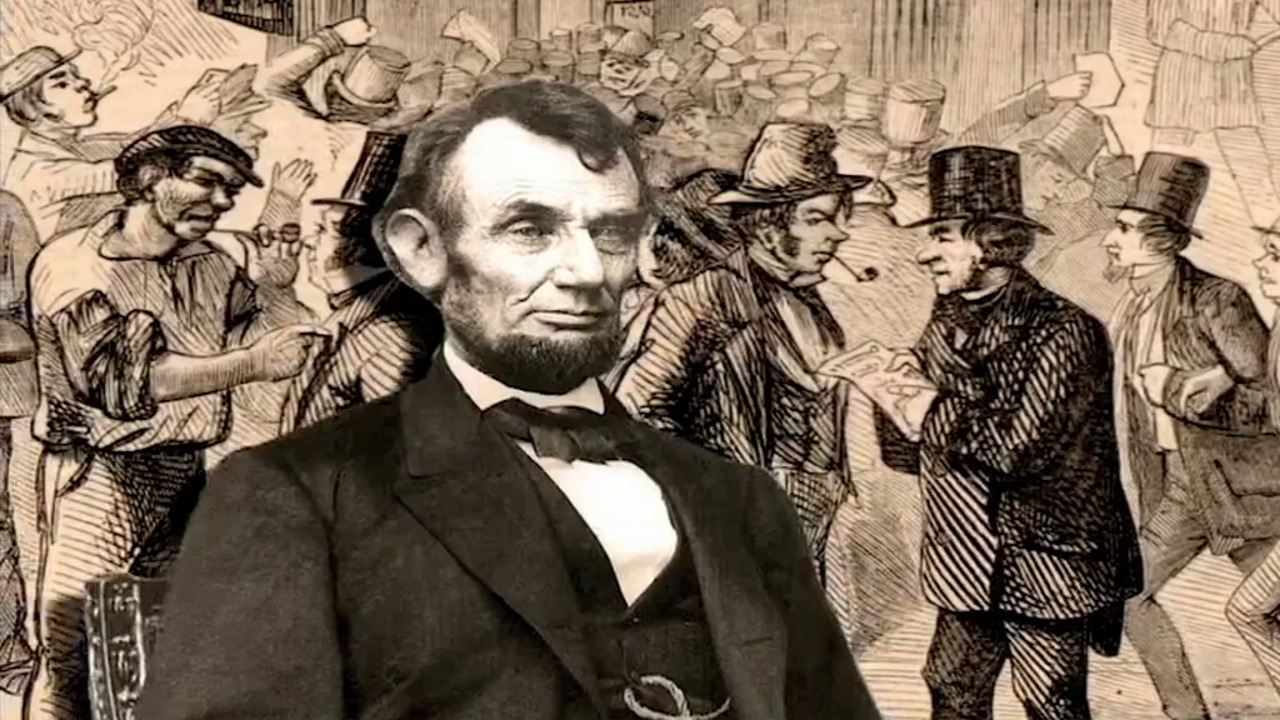
In Abraham Lincoln, the Road to the Confederacy, and the Civil War , learn how growing sectional divisions over slavery and politics led southern states to secede from the Union. After Abraham Lincoln’s election in 1860, seven states left the Union before he even took office, forming the Confederate States of America with Jefferson Davis as their president. Tensions erupted on April 12, 1861, when Confederate forces attacked Fort Sumter, officially beginning the Civil War.
In Abraham Lincoln, the Road to the Confederacy, and the Civil War , learn how growing sectional divisions over slavery and politics led southern states to secede from the Union. After Abraham Lincoln’s election in 1860, seven states left the Union before he even took office, forming the Confederate States of America with Jefferson Davis as their president. Tensions erupted on April 12, 1861, when Confederate forces attacked Fort Sumter, officially beginning the Civil War.